Tag: blog

  • Best Things to Do in Edinburgh: A Strategic Guide for the Thoughtful Traveler

    Best Things to Do in Edinburgh: A Strategic Guide for the Thoughtful Traveler

    Edinburgh often suffers from its own success, where the sheer volume of visitors can turn its medieval streets into a crowded obstacle course. Most travelers make the mistake of treating the Royal Mile as a sprint, ticking off landmarks while missing the subtle architectural layers and quiet closes that define the city’s character. This guide prioritizes a deliberate, unhurried approach to the best things to do in Edinburgh, shifting focus from frantic sight hopping to high utility experiences. By timing your visits to bypass peak bottlenecks and selecting sites that offer deep historical immersion over surface level novelty, you can navigate the Scottish capital with more clarity and less friction. Here is how to see Edinburgh without the exhaustion.

    Edinburgh Castle – The Strategic Historical Apex

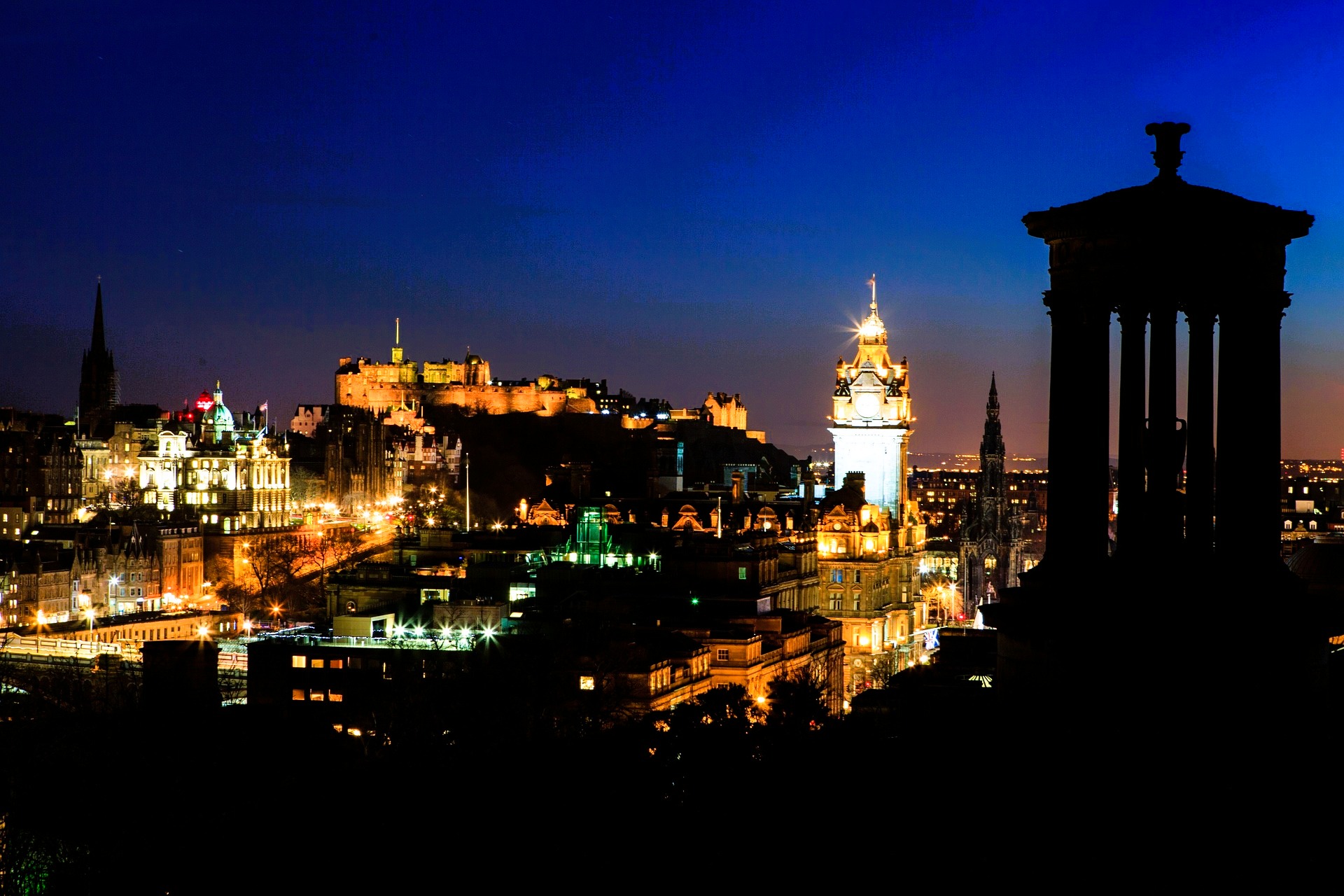
    Edinburgh Castle serves as the definitive anchor of the city’s skyline, a fortress built upon the plug of an extinct volcano that has witnessed centuries of royal transitions and military sieges. For the thoughtful traveler, the value lies not just in the panoramic views of the Firth of Forth but in the layered architectural evolution from the 12th century St. Margaret’s Chapel to the Renaissance era Great Hall. Navigating this site requires a tactical approach to avoid the mid morning surges that often congest the Crown Square and the Honours of Scotland exhibit. A more rewarding experience is found by arriving exactly at the gates for the opening slot, allowing you to appreciate the stark silence of the Scottish National War Memorial before the one o’clock gun draws the inevitable crowds. This early entry ensures a coherent understanding of the castle’s role as both a defensive stronghold and a seat of power.

    The Real Mary King’s Close – A Masterclass in Subterranean Social History

    The Real Mary King’s Close offers a rare, vertical slice of 17th century urban life, preserved beneath the modern foundations of the Royal Mile. This network of buried streets and tenement houses provides a visceral connection to a period when the city’s density forced inhabitants into increasingly cramped, subterranean conditions. Rather than a mere ghost tour, the experience functions as a rigorous social history lesson, illustrating the stark class divides and the devastating impact of the plague on the local population. To maximize the utility of your visit, consider booking the final tour of the evening, which often benefits from a more somber, reflective atmosphere and smaller group sizes than the frantic afternoon sessions. This timing allows for a deeper engagement with the guide’s historical narrative, ensuring that the architectural remnants of the Old Town are understood as lived environments rather than static museum displays.

    National Museum of Scotland – The Curated Synthesis of Scottish Identity

    The National Museum of Scotland is an essential stop for those seeking to synthesize the disparate threads of the nation’s scientific, industrial, and artistic heritage within a single structure. The juxtaposition of the soaring, light filled Victorian Grand Gallery with the modern, sandstone clad Scotland galleries creates a spatial narrative that reflects the country’s own transition into modernity. For the strategic traveler, the museum offers a comprehensive overview of everything from the Lewis Chessmen to the technological innovations of the Scottish Enlightenment. While most visitors congregate around the popular biological displays on the lower levels, a more tranquil and observant path leads to the Level 7 roof terrace. This often overlooked vantage point provides a clear, 360 degree perspective of the city’s topography, offering a moment of quiet synthesis away from the bustling main halls and school groups. It remains the most efficient way to contextualize Scotland’s global impact.

    Calton Hill – The Neoclassical Panorama of the Scottish Enlightenment

    Calton Hill serves as the architectural manifestation of Edinburgh’s claim as the Athens of the North, offering an intellectual and visual survey of the city’s neoclassical ambitions. The site is home to the stark, unfinished National Monument and the Dugald Stewart Monument, both of which provide a framed perspective of the skyline that is unmatched for its clarity. For the thoughtful traveler, the value lies in the intersection of civic pride and urban planning, where the rigid geometry of the New Town meets the jagged silhouette of the Old Town. To avoid the standard tourist congestion that gathers at the foot of the hill near the main stairs, a more efficient and tranquil approach is to take the winding path from the back of the hill near the Royal Terrace. This alternative route offers a gradual reveal of the Firth of Forth and the Leith docks, allowing for a more observant and unhurried ascent.

    Palace of Holyroodhouse – The Royal Narrative of Sovereign Continuity

    Situated at the eastern terminus of the Royal Mile, the Palace of Holyroodhouse functions as the official residence of the British monarch in Scotland and a repository of the nation’s royal lineage. The experience transitions from the somber, wood paneled chambers of Mary, Queen of Scots, to the grand Baroque State Apartments, reflecting a shift from medieval intrigue to modern diplomatic utility. This site is essential for those who wish to understand the physical setting of centuries of political power without the frantic energy of the nearby castle. A rewarding way to deepen this visit is to spend time in the ruins of the 12th century Holyrood Abbey, located directly adjacent to the palace, where the roofless arches provide a quiet space for reflection on the passage of time. Most visitors rush through the garden, but looking for the small, discreet Queen Elizabeth II Rose Garden offers a serene moment away from the main tour path.

    Dean Village – The Post Industrial Tranquility of the Water of Leith

    Dean Village offers a stark, refreshing contrast to the stone heavy density of the city center, functioning as a quiet enclave that preserves its heritage as a 19th century grain milling hub. The timber framed buildings and the gentle flow of the Water of Leith provide a sensory reset for the thoughtful traveler, emphasizing the city’s ability to hide its most picturesque corners in plain sight. This area is less about specific landmarks and more about the atmospheric quality of the yellow sandstone architecture and the lush greenery that lines the riverbanks. For a logical and efficient exit back toward the West End, follow the riverside walkway toward the Stockbridge neighborhood instead of retracing your steps up the steep cobbles of Bell’s Brae. This path allows you to encounter the St. Bernard’s Well, a beautiful classical rotunda that remains one of the city’s most overlooked architectural gems, perfectly capping an unhurried morning.

    A 3 Day Strategic Itinerary

    A logical exploration of Edinburgh requires a transition from the dense history of the Old Town to the airy elevations of the New Town. Day one focuses on the Royal Mile, beginning with an early entry at Edinburgh Castle before descending through the historic closes to The Real Mary King’s Close. This avoids the peak midday foot traffic in the city’s oldest corridor. Day two shifts toward the eastern edge of the city center, pairing the Palace of Holyroodhouse with the nearby ascent of Calton Hill. This geographical pairing allows for a study of royal history followed by a neoclassical sunset. Day three prioritizes the museum district and the Water of Leith, starting with the National Museum of Scotland in the Southside before a scenic walk toward the post industrial quiet of Dean Village. This rhythm minimizes backtracking and utilizes the city’s natural topography for a low friction experience.

    Exploring the Scottish Frontier

    The strategic depth found in the capital serves as a foundational layer for understanding the broader Scottish landscape. As you move beyond the city limits, the architectural precision of the Enlightenment gives way to the raw, untamed geography of the Highlands and the coastal heritage of the East Neuk. Each region offers a distinct narrative of resilience and beauty that complements the urban history of the capital.
  • The Spirit of the Elbe: 4 Essential Culinary Experiences

    The Spirit of the Elbe: 4 Essential Culinary Experiences

    Hamburg eats according to the tides and the North Sea wind. The morning belongs to the fish markets where the early catch dictates the menu. Locals skip the heavy hotel breakfasts for a quick pastry grabbed at a corner bakery. Lunch is often a functional, hot meal in the Kontorhaus district, while dinner slows down in the neighborhood taverns of St. Pauli or Ottensen. A common mistake is seeking a quiet dinner late on a Sunday when many traditional kitchens close early. Visitors also tend to overlook the specific etiquette of the fish roll; it is a standing snack, not a sit down meal. Respecting the harbor’s pace means eating when the work is done, usually accompanied by a sharp, cold pilsner.

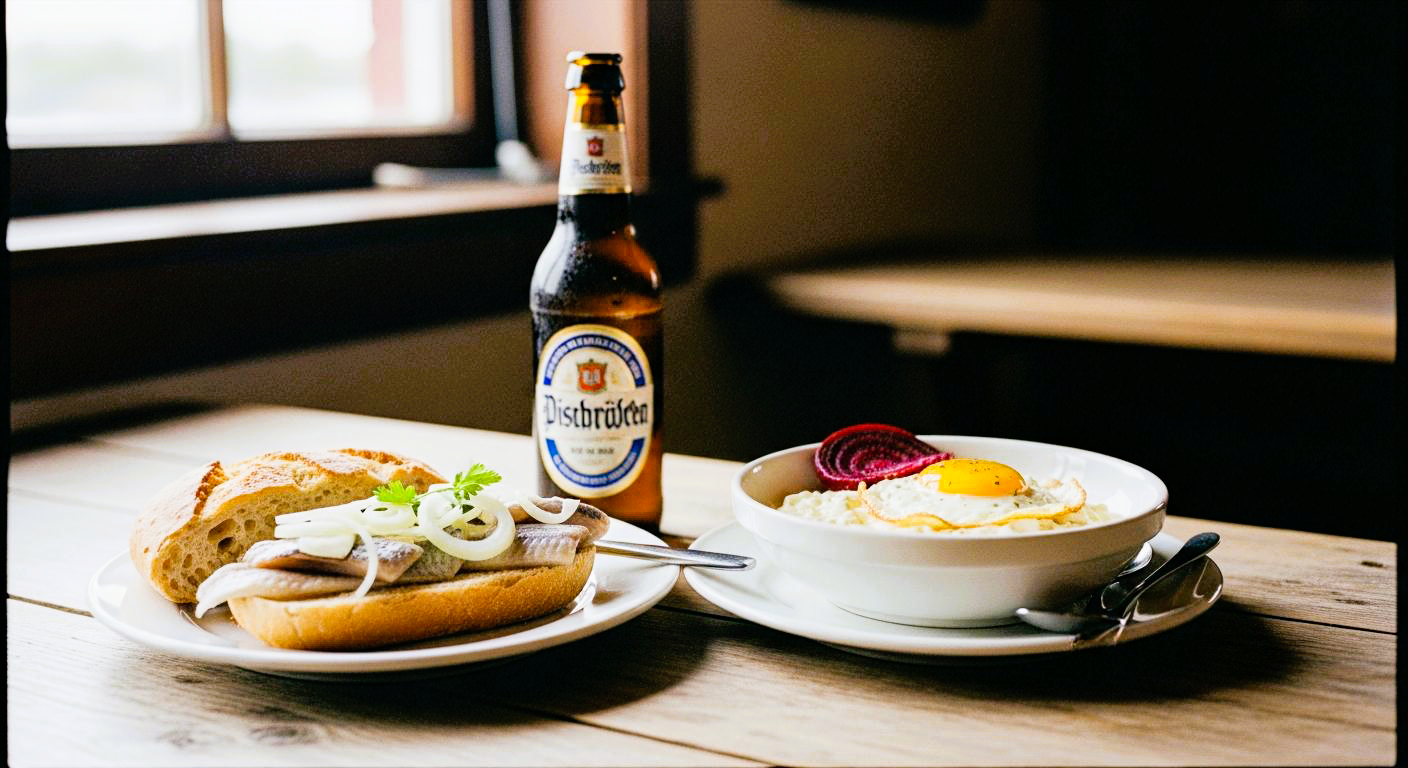
    The essential journey through the city’s flavor includes a pickled herring Fischbrötchen at the harbor, a hearty plate of salted beef Labskaus, a buttery cinnamon sugar Franzbrötchen, and a bowl of Finkenwerder Scholle pan fried with speck.

    Fischbrötchen – The Harbor’s Essential Handshake

    Standing on the Landungsbrücken pontoons, where the air smells of diesel and brine, the Fischbrötchen is the immediate culinary answer. It is not complicated; a crunchy white roll holds cold, firm Bismarck herring, crisp raw onions, and sometimes a mild remoulade. The contrast is sharp the biting acidity of the pickle against the soft interior of the bread and the oily richness of the fish. You eat it standing up, facing the Elbe, watching container ships maneuver. It is a working snack for a working port, eaten quickly between tasks. For the best texture, avoid pre made ones sitting under heat lamps and always ask for one made fresh; the bread must crackle against the cold fish. The experience is quick, elemental, and entirely defined by the proximity to the cold North Sea water.

    Labskaus – History on a Plate of Red

    Labskaus is a challenging dish visually, a bright magenta mash born from long sea voyages where fresh food was scarce. It is a rough mixture of salted beef, potatoes, and beetroot, ground together into a thick paste. The taste is deeply savory, earthy from the beets, and intensely salty. Traditionally, it arrives topped with a fried egg and accompanied by a rolled sour herring and a gherkin on the side. These acidic elements are necessary to cut through the dense richness of the mash. You will find it in traditional Gaststätten with dark wood paneling and maritime memorabilia. While it looks intimidating, the flavor is comforting and robust. It is a heavy meal, so plan for a long walk along the Alster afterward rather than a productive afternoon.

    Franzbrötchen – The Morning Sweet Specific to Hamburg

    This flattened pastry is Hamburg’s answer to the croissant, but denser and heavily spiced. A Franzbrötchen is made from laminated dough, similar to Danish pastry, filled with butter and cinnamon sugar, then pressed flat before baking. The result is a caramelized, sticky exterior that gives way to soft, buttery layers inside. The cinnamon flavor is dominant, bordering on aggressive, and the sweetness is substantial. Locals grab them from neighborhood bakeries in the morning to pair with strong black coffee. The texture varies significantly depending on the bakery; some are flaky, while others are doughy and almost wet with butter. Look for the darkest ones in the display case, as the nearly burnt edges carry the best caramelized flavor. It is a messy, satisfying start to a gray Hamburg day.

    Finkenwerder Scholle – The North Sea Fried in Bacon Fat

    Named after a former fishing village across the Elbe, this dish is the definitive way Hamburg prepares plaice. The flatfish is whole, delicate, and mild, but its preparation is robust. It is pan fried, traditionally in lard or butter, and generously covered with cubes of fatty speck (bacon) and North Sea shrimp. The skin crisps up, absorbing the smoky rendered fat from the bacon, while the white flesh underneath remains moist. It is usually served with potatoes piled high on the plate. The flavor profile is salt on salt, fat on fat, balanced only by the sweetness of the fresh fish. Because plaice is best eaten fresh, order this only when it is in season during the warmer months for the sweetest flesh. It requires patience to navigate the bones, a necessary ritual of the meal.

    Following the Current from Dawn to Dusk

    The route begins at the water’s edge in the early morning light where the Fischbrötchen provides a sharp, salty awakening. Moving from the Landungsbrücken towards the city center, a stop at a neighborhood bakery for a Franzbrötchen offers a necessary sugar transition before the day’s heavier commitments. Midday requires the grounding presence of Labskaus in a traditional Altstadt tavern, providing a dense, savory anchor that reflects the city’s maritime history. The journey concludes back toward the harbor or the Finkenwerder district for a dinner of Finkenwerder Scholle. This sequence respects the city’s geographic flow from the working docks to the merchant houses and back to the fishing heritage. It balances the bracing acidity of the morning with the rich, fatty textures of the evening, mirroring the transition from a brisk harbor breeze to the warmth of a wood paneled dining room.

    The Silence of the Standing Table

    In Hamburg, the most authentic interactions happen at the Stehtisch or standing table. This is the city’s true social equalizer found at harbor stalls and corner delis. Local etiquette favors a brisk, functional approach to eating rather than a long, performative sit down. When you approach a crowded standing table, a brief nod to those already there is the only required introduction. Do not linger once the meal is finished; the space is meant for the next person coming in from the cold. Efficiency and a lack of fuss are the primary markers of a local. Engaging in loud, intrusive conversation is considered a breach of the unspoken harbor code. Respect the brisk pace of the port by eating with focus and moving on when the task is done, leaving the space as clean as you found it.

    A City Defined by Salt and Steel

    Hamburg does not negotiate with its culinary identity. It remains a city rooted in the practicalities of the North Sea, where preservation, salt, and animal fat are the historical pillars of the kitchen. The food here is a reflection of endurance and trade, favoring the honest weight of a potato mash or the precise crispness of a fried fish skin over modern culinary trends. This is a landscape for the diner who appreciates consistency and the rugged charm of a cuisine that has changed little since the height of the Hanseatic League. To eat in Hamburg is to participate in a ritual of northern resilience, where every dish is a direct response to the cold wind and the gray water of the Elbe. It is a heavy, unapologetic, and deeply satisfying culinary heritage that rewards those who value substance over style.

  • The Artistic Rhythm of Hamburg: A Strategic Cultural Guide

    The Artistic Rhythm of Hamburg: A Strategic Cultural Guide

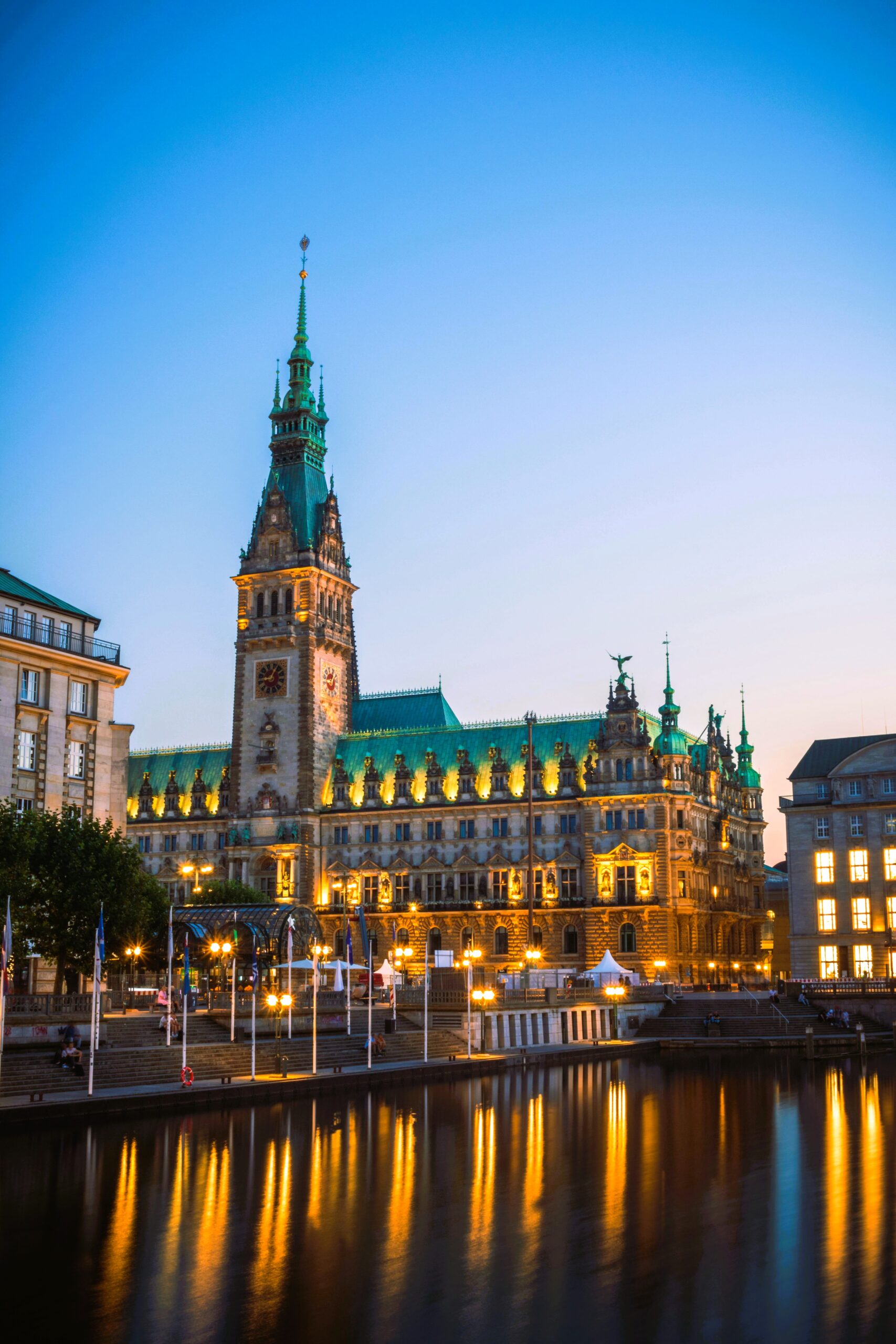
    Hamburg operates on a frequency where industrial grit meets high-concept elegance, creating a landscape that demands a curated approach. To navigate this metropolis effectively, one must look beyond the harbor fog to find a city defined by its sonic history and visual daring. This Hamburg cultural itinerary serves as your navigational compass, tracing the lineage of the Elbe from the neo-Gothic brickwork of Speicherstadt to the contemporary glass waves of the Elbphilharmonie. It is a city of dualities, where the legacy of the Hanseatic League informs a modern, restless creative spirit. By engaging with these curated touchpoints, you witness how Hamburg’s maritime heritage provides the structural bones for its most progressive artistic movements.

    Glass Waves and Historic Resonance

    Hamburg’s sonic identity is built upon a dialogue between tradition and radical innovation, best experienced through its two premier concert halls spanning different eras. The Laeiszhalle offers a warm, neo-Baroque embrace for the classical canon, while the Herzog & de Meuron-designed Elbphilharmonie stands as a crystalline monument to acoustic experimentation perched atop an old brick warehouse. Engaging with the Elbphilharmonie requires strategy, as its visual dominance is matched by the high demand for its performances. To fully appreciate the architectural feat without the pressure of securing a main hall ticket, we recommend visiting the Plaza the public viewing platform sandwiched between the brick base and the glass structure during sunset for an unparalleled auditory and visual panorama of the harbor at work.

    A Linear Odyssey Through Visual Thought

    The Kunstmeile, or Art Mile, is not merely a geographical convenience near the central station, but a curated timeline of European visual culture. The journey begins firmly in the past at the Hamburger Kunsthalle, where northern German medieval masters give way to Caspar David Friedrich’s iconic romantic landscapes, grounding the viewer in regional history. Yet, just a short walk connects this weight of tradition to the Deichtorhallen, converted market halls that now house cutting-edge contemporary photography and abstract installations. Mastering this axis requires pacing, so rather than attempting both monumental institutions in a single sweep, align your visit with the Kunsthalle’s late-night Thursday openings to experience the collections with more breathing room and a distinctively contemplative atmosphere.

    The Gothic Cathedrals of Commerce

    The Speicherstadt stands as a testament to Hamburg’s massive Hanseatic ambition, a UNESCO World Heritage site where utilitarian storage was rendered with almost ecclesiastical reverence in the late 19th century. These neo-Gothic brick canyons, built upon oak piles driven deep into the riverbed, once held coffee, spices, and carpets from across the globe, forming the economic engine of the free city. Today, they offer a melancholic, textured atmosphere that defines Hamburg’s aesthetic profile. While the district is visually striking at any hour, the true architectural drama is revealed when the tide is high, allowing the water of the canals to mirror the intricate facades flawlessly. We advise timing your walk to coincide with twilight, when the electric illumination of the bridges casts deep shadows and highlights the sheer scale of this industrial monument.

    Anarchy and Aesthetics in the Schanze

    Far removed from the polished marble of the Kunsthalle is the Sternschanze, a district where Hamburg’s creative pulse beats with a raw, defiant energy. Formerly a working-class bastion, the area has successfully resisted total gentrification, maintaining a fiercely independent spirit visible in its densely layered street art and cooperative commercial spaces. It is a living, breathing gallery where political statements blur into aerosol murals on every available surface. To understand the current trajectory of Hamburg’s subcultures, one must navigate away from the main thoroughfare of Schulterblatt and explore the smaller side streets housing vinyl shops and design collectives, where the authentic, uncurated voice of the neighborhood remains loudest.

    Rhythmic Pauses in a Vertical City

    Hamburg is a city of vast distances and sharp maritime winds, which can lead to rapid cultural exhaustion if one attempts to conquer it on foot alone. The secret to a sustained engagement lies in embracing the rhythmic transitions between its districts. Rather than viewing the transit system as a mere utility, utilize the city’s extensive ferry network specifically the Line 62 from Landungsbrücken as a floating sanctuary. These public vessels offer a momentary reprieve from the pavement, allowing the architecture of the harbor to slide past at a meditative pace. By alternating intense gallery visits with these aquatic intervals, you preserve the mental clarity necessary to appreciate the finer details of the Hanseatic landscape. It is this balance of kinetic exploration and stillness on the water that transforms a frantic itinerary into a meaningful, rhythmic dialogue with the city’s industrial and artistic heart.

    The Texture of Resilient Brick

    To truly see Hamburg, one must look at the way its red brick absorbs the North Sea light. Unlike the reflective glass of modern skyscrapers, these porous surfaces hold onto the city’s history, showing the soot of industrialization and the salt of the harbor. Observe the subtle shifts in masonry where the old meets the reconstructed, treating the buildings as a manuscript of resilience. Deep understanding of this city comes from touching these cold, rough surfaces in the Speicherstadt or the Kontorhaus district, recognizing that the aesthetic beauty is inseparable from the functional, hardworking identity that built it.

    A Harbor of Perpetual Motion

    Hamburg does not offer the static, preserved beauty of a museum city; it provides the raw, unceasing energy of a port that never sleeps. It is a place where the grandeur of its merchant past is constantly being reinterpreted by the urgency of its creative present. Leaving the city, one carries a sense of its structural weight and its fluid, restless spirit a combination that ensures its cultural relevance remains as deep as its harbor. The rhythm of the Elbe continues regardless of the viewer, making every return to its banks a new encounter with a city that is perpetually becoming itself.

  • Best Things to Do in Milan: A Strategic Guide for the Thoughtful Traveler

    Best Things to Do in Milan: A Strategic Guide for the Thoughtful Traveler

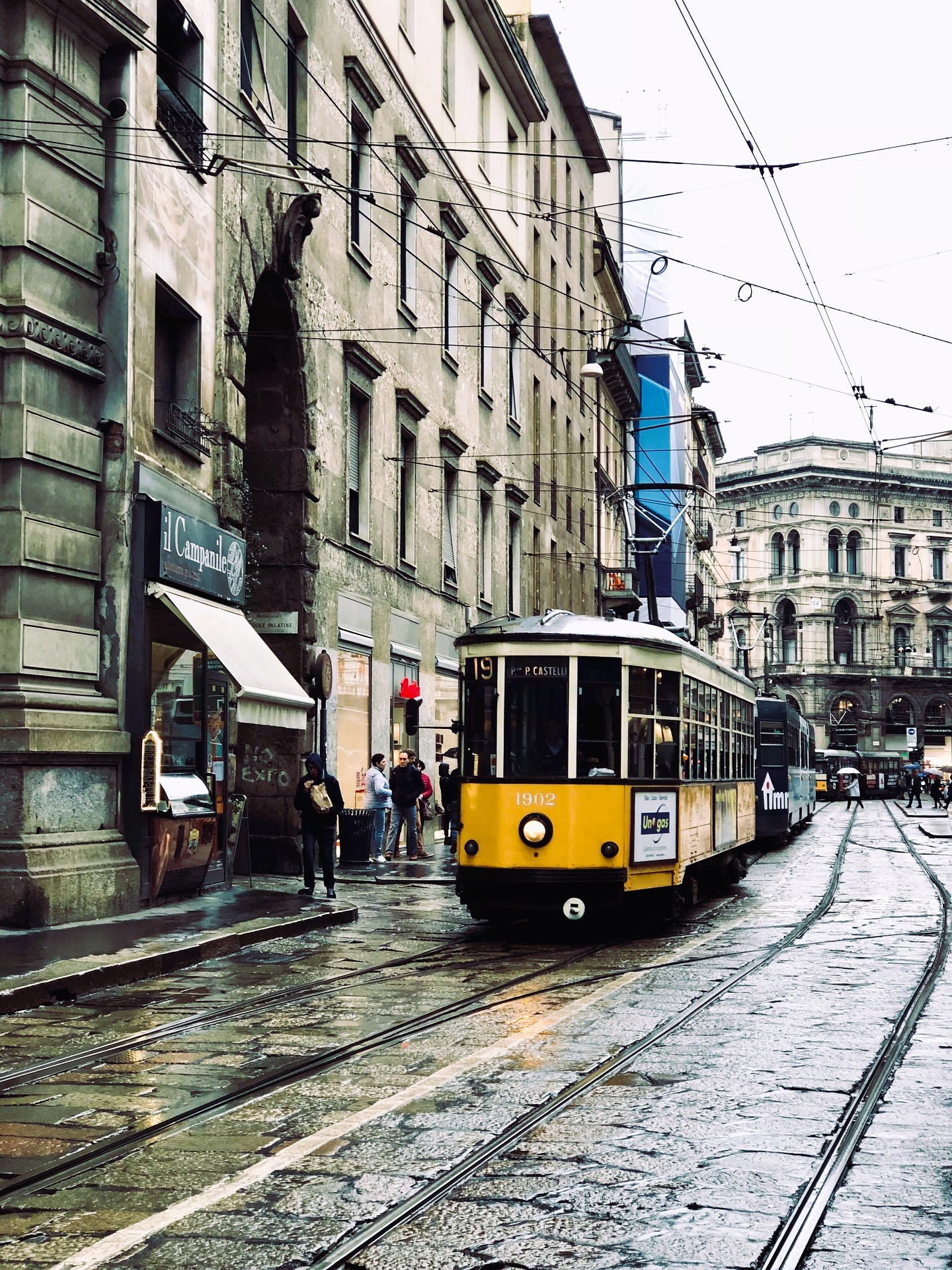
    Most travelers treat Milan as a frantic 24 hour layover, sprinting between the Duomo and the Quadrilatero della Moda. This “checklist” mentality often results in a blurred experience of ticket queues and overpriced espresso. To truly capture the city’s essence, you must pivot toward an unhurried strategy. This guide focuses on the best things to do in Milan by prioritizing logistical efficiency and depth over a broad, shallow itinerary. By timing your visits to bypass the midday rush and selecting sites that offer both historical weight and architectural clarity, you can navigate the Lombard capital without the friction of the standard tourist path. Here is how to experience Milan with the observation of a local and the precision of a strategist.

    Pinacoteca di Brera – Navigating the premier collection of the Italian Renaissance

    The Pinacoteca di Brera serves as Milan’s most prestigious art gallery, housed within an 18th century Jesuit college that radiates a scholarly, contemplative atmosphere. Unlike the sprawling chaos of the Louvre, the Brera is curated with a chronological precision that allows you to trace the evolution of Italian painting from the Venetian school to the stark realism of Caravaggio. Its origins as a Napoleonic institution meant it was designed to educate, and that sense of intellectual clarity remains palpable in every gallery. To experience the collection with the least amount of friction, aim for the third Thursday of the month when the museum extends its hours into the evening, providing a much quieter environment than peak weekend hours. Entering during the first hour of operation on a Tuesday allows you to stand alone with Hayez’s The Kiss before school groups arrive, ensuring your encounter with these masterpieces remains personal and profound.

    Duomo di Milano – Accessing the Gothic heights for a logistical advantage

    The Duomo represents the zenith of Rayonnant Gothic architecture, a marble mountain that took six centuries to complete. For the thoughtful traveler, the cathedral’s interior, while vast, is often eclipsed by the sheer sculptural audacity of its rooftops. Standing among thousands of individual statues and spires offers a visceral connection to the artisans who shaped Milan’s skyline long before the modern era. This perspective allows you to observe the city from a position of relative isolation, suspended above the commercial fray of the piazza below. To navigate this landmark efficiently, prioritize the rooftops before entering the nave; by descending via the interior staircase located on the north side, you effectively bypass the separate security queue for the cathedral floor. This unhurried transition ensures you capture the early morning light on the marble before the midday crowds arrive, turning a standard visit into a strategic survey of Milanese ambition and engineering.

    Santa Maria delle Grazie – Witnessing the vulnerability of Da Vinci’s masterpiece

    Entering the refectory of Santa Maria delle Grazie is an exercise in restraint and preparation, as the 15 minute viewing window for Leonardo da Vinci’s The Last Supper is strictly enforced. Unlike the robust frescoes of the Roman Renaissance, Leonardo’s experimental use of tempera and oil on dry plaster has left the work in a perpetual state of fragility. This vulnerability demands a quiet, observant presence that matches the psychological tension depicted in the painting itself. For the modern traveler, the value lies in this forced focus—a rare moment of singular attention in a digital age. Because tickets are released in quarterly batches and vanish within minutes, a reliable strategy is to monitor the official website for cancellations exactly forty eight hours before your desired date. If the official portal remains exhausted, booking a late afternoon guided tour of the adjacent church often secures an entry slot that standard individual tickets do not, providing a seamless cultural entry.

    Castello Sforzesco – Exploring the fortified legacy of the Sforza dynasty

    The Castello Sforzesco serves as a monumental threshold between the dense urban grid of Milan and the expansive greenery of Parco Sempione. Originally a 14th century fortification, it evolved into a palatial residence that now houses several civic museums, including the room containing Michelangelo’s final, hauntingly unfinished Pietà Rondanini. For the strategic traveler, the castle offers a unique sense of spatial transition, where thick brick walls give way to open, airy courtyards that act as the city’s communal backyard. It provides a historical grounding that few other sites can match, illustrating the defensive and artistic priorities of the Renaissance dukes. To avoid the primary tourist flow, enter through the rear gate adjacent to the Parco Sempione side, which typically experiences less congestion than the main Filarete Tower entrance. This approach allows for a more tranquil introduction to the castle’s massive defensive scale and architectural layers.

    Teatro alla Scala – Observing the pinnacle of global operatic tradition

    Teatro alla Scala remains the undisputed center of the operatic world, a neoclassical temple where the legacies of Verdi and Puccini are preserved with exacting rigor. While securing performance tickets requires months of foresight, the theater’s museum offers a high utility alternative for observing the interior’s opulent red and gold aesthetic. Stepping into one of the velvet lined boxes provides a direct view of the massive chandelier and the stage where history’s most significant musical dramas premiered. This experience is essential for understanding Milan’s cultural identity, which is deeply rooted in the performative arts and social theater. If you visit the museum during the late morning, you can often catch a glimpse of the auditorium while it is empty of performers, but always check the schedule beforehand for rehearsal closures. Entering through the museum door on Largo Ghiringhelli allows for a swift transition into the quiet, historical archives of the theater.

    Galleria Vittorio Emanuele II – Navigating the architectural drawing room of Italy

    The Galleria Vittorio Emanuele II functions as Milan’s “living room,” a 19th century iron and glass arcade that connects the Duomo with La Scala. Its grand central octagon and soaring barrel vaults represent a triumph of early industrial engineering and urban design, fostering a space that is both commercial and ceremonial. For the thoughtful traveler, the value lies in observing the uniformity of the storefronts, which are legally required to feature gold lettering on a black background, maintaining a visual discipline that modern malls lack. This environment offers a masterclass in how a city can integrate luxury with public accessibility. While moving through the central passage, look for the mosaic of the bull representing Turin’s coat of arms on the floor; tradition dictates that spinning three times on your heel over the bull’s midsection ensures a return to the city. Early morning visits ensure you see the mosaics without the midday rush of shoppers.

    A 3 Day Strategic Itinerary

    To maximize efficiency and minimize transit fatigue, Milan’s six essential landmarks can be grouped into three distinct geographical clusters. On the first day, focus on the Duomo di Milano and the Galleria Vittorio Emanuele II. These neighboring structures form the city’s architectural core, allowing for a seamless transition from the cathedral’s marble heights to the arcade’s iron and glass vaulting. The second day should be dedicated to the Brera and Magenta districts. Start with the Pinacoteca di Brera in its eponymous bohemian neighborhood before walking west to Santa Maria delle Grazie to see the Last Supper. This route offers a rhythmic balance between high art galleries and quiet, residential streets. Conclude the third day by exploring the axis between the Castello Sforzesco and Teatro alla Scala. This final leg connects the fortified Sforza legacy with the neoclassical elegance of the opera house, navigating the refined corridors of the city center with a logical, unhurried walking pace.

    The Unhurried Mindset

    The unspoken rule of navigating Milan is to acknowledge that the city’s true character is hidden behind heavy stone portals and within private courtyards, rather than on the main thoroughfares. To enjoy this city properly, one must adopt a sense of detached observation, moving with the purposeful yet calm gait of the local professional. For a truly soulful experience, discard the map for an hour in the Magenta district during the golden hour. Find a small, standing only coffee bar, observe the ritual of the mid afternoon espresso, and simply listen to the city’s mechanical and human hum.

  • Manchester’s Soul: 4 Essential Culinary Experiences

    Manchester’s Soul: 4 Essential Culinary Experiences

    Manchester’s eating rhythm is built around hearty midday sustenance and late evening gatherings. Locals lean into pub culture, where food is paired with ale and conversation, while tourists often misstep by chasing breakfast trends or expecting fine dining at every turn. The city thrives on honest portions and communal tables, and visitors who skip the pubs or arrive too early for dinner miss the pulse of how Mancunians actually eat.

    Lancashire Hotpot – The warmth of working class tables

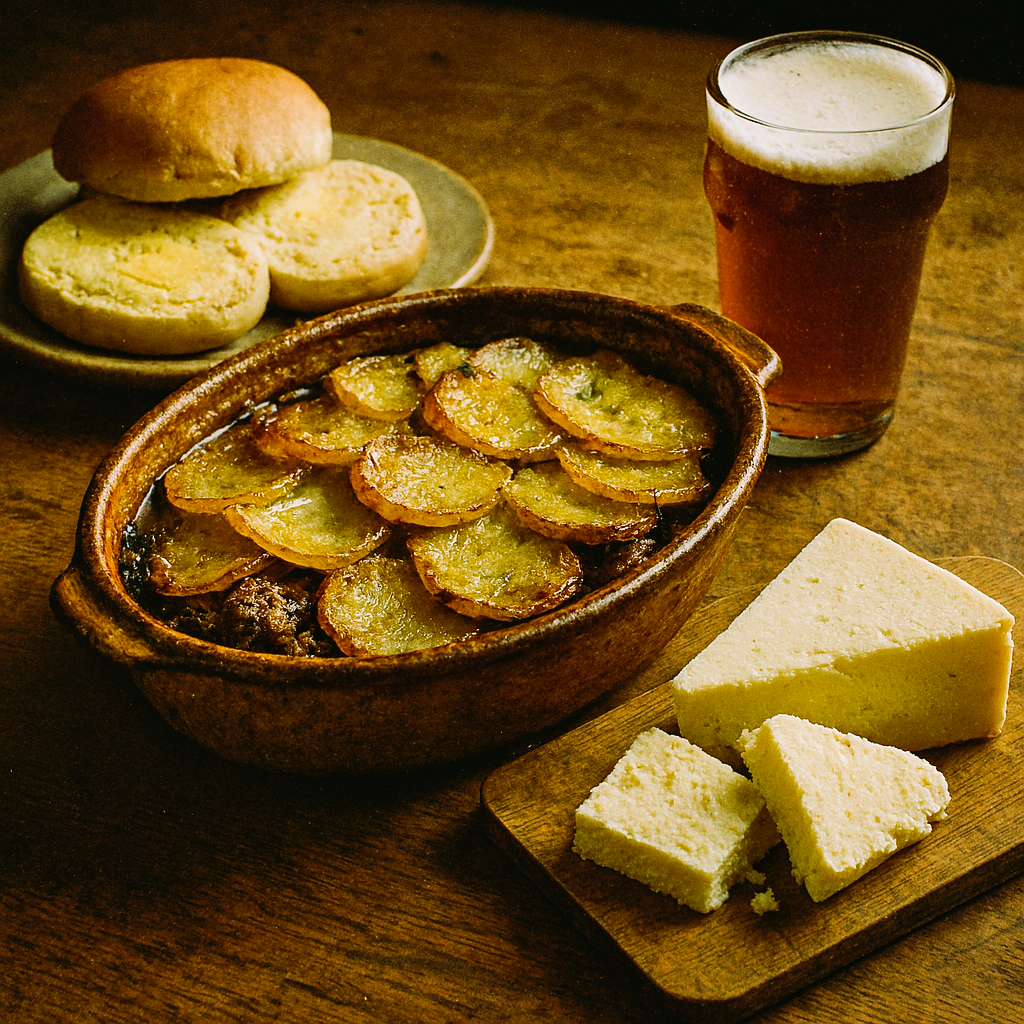
    The hotpot is Manchester’s anchor dish, a slow baked stew of lamb, onions, and sliced potatoes layered in a heavy ceramic pot. Its flavor is earthy and sustaining, the kind of meal that once carried mill workers through long shifts. The texture shifts between tender meat and crisp potato tops, with a broth that clings to bread when dipped. Eating it in a pub setting feels natural, where the dish is less about presentation and more about comfort. Tourists often rush past it in search of novelty, but the hotpot is the city’s most honest plate. Practical tip: order it early in the evening, as pubs often run out once the regulars have had their share.

    Barm Cakes – Everyday bread with a local accent

    The barm cake is Manchester’s humble bread roll, soft and slightly flour dusted, often split and filled with butter or a slice of bacon. Its taste is plain but comforting, a neutral canvas that locals rely on for quick meals. The cultural weight lies in its ubiquity: every bakery and corner shop has them, and they carry the rhythm of daily life more than any elaborate dish. Eating one is less about indulgence and more about belonging, a reminder that food can be simple and still matter. Practical tip: ask for them fresh in the morning, when the rolls are still warm from the oven and the texture is pillowy rather than dry.

    Joseph Holt Bitter – A pint that speaks the city’s dialect

    This amber ale is Manchester’s liquid tradition, brewed with a balance of malt sweetness and a dry, slightly bitter finish. The taste is straightforward, not flashy, with a body that pairs naturally with pub food. Its cultural significance lies in its accessibility: Holt’s pubs are scattered across neighborhoods, serving as gathering points where conversation flows as easily as the beer. Drinking it is less about chasing craft trends and more about continuity, a pint that has been poured for generations. Practical tip: order it in a Holt’s pub rather than elsewhere, as the freshness and pour technique make a noticeable difference.

    Lancashire Cheese – Crumbly heritage on the market stalls

    Lancashire cheese is pale, crumbly, and slightly tangy, with a texture that breaks apart easily but melts smoothly when cooked. Its flavor is clean and sharp, a contrast to heavier dishes, and it carries the history of rural dairies that supplied the city. On market stalls, wedges are cut thick and wrapped in paper, a tactile reminder of food before packaging. Eating it plain with bread or fruit shows its character best, though locals often fold it into pies. Practical tip: buy from market vendors rather than supermarkets, as the freshness and variety of regional styles are far greater.

    A route shaped by hearth and pint

    The sequence begins with a buttered barm cake in the morning, a soft roll that sets the tone with simplicity. From there, Lancashire cheese at the market provides a mid day lift, its crumbly tang sharpening the palate before heavier fare. The evening pivots to Lancashire hotpot, a dish that anchors the city’s working class heritage, best enjoyed in a pub where the ceramic pot arrives steaming. The route closes with a pint of Joseph Holt bitter, amber and steady, tying the day together in the rhythm of Manchester’s pubs. This flow mirrors the geography of the city: bakeries and markets in the center, pubs tucked into neighborhoods, each stop building naturally into the next.

    Sit, don’t rush – the unspoken rule

    Eating in Manchester is as much about pace as it is about flavor. Locals linger, whether over bread rolls in the morning or a pint late at night, and the rhythm is communal rather than hurried. Tourists often misstep by treating pubs like quick service stops, but the etiquette is to sit, settle, and let the food and drink carry conversation. Practical awareness means ordering at the bar, then holding your space without fuss. The city rewards patience, and the meal feels incomplete if rushed.

    Manchester’s plate speaks with clarity

    The city’s food identity is not built on extravagance but on honest sustenance. Bread, cheese, stew, and ale form a framework that is both practical and deeply cultural, reflecting the industrial past and the communal present. Each dish carries weight beyond taste, anchoring visitors to the rhythm of the city. To understand Manchester through food is to accept its straightforwardness: hearty, sustaining, and rooted in tradition. This guide cements that identity, showing that the city’s culinary soul lies in its balance of simplicity and heritage.

  • The Artistic Rhythm of Manchester: A Strategic Cultural Guide

    The Artistic Rhythm of Manchester: A Strategic Cultural Guide

    Manchester does not wear its culture like a museum exhibit; it wears it like a second skin, weathered by rain and industrial grit but vibrating with a restless, modern energy. To understand the culture in Manchester, you have to look past the gallery walls and into the red-brick alleys of the Northern Quarter or the towering glass of Aviva Studios. This is a city where the past—the steam engines and the radical protests—is constantly being repurposed into the creative fuel of the present. Whether it is the rhythmic pulse of its world-famous music legacy or the quiet precision of its scientific breakthroughs, the city’s identity is built on a foundation of making things happen. It is a living, breathing rhythm of rebellion and innovation.

    Red-Brick Industrialism – The Architectural Backbone of Innovation

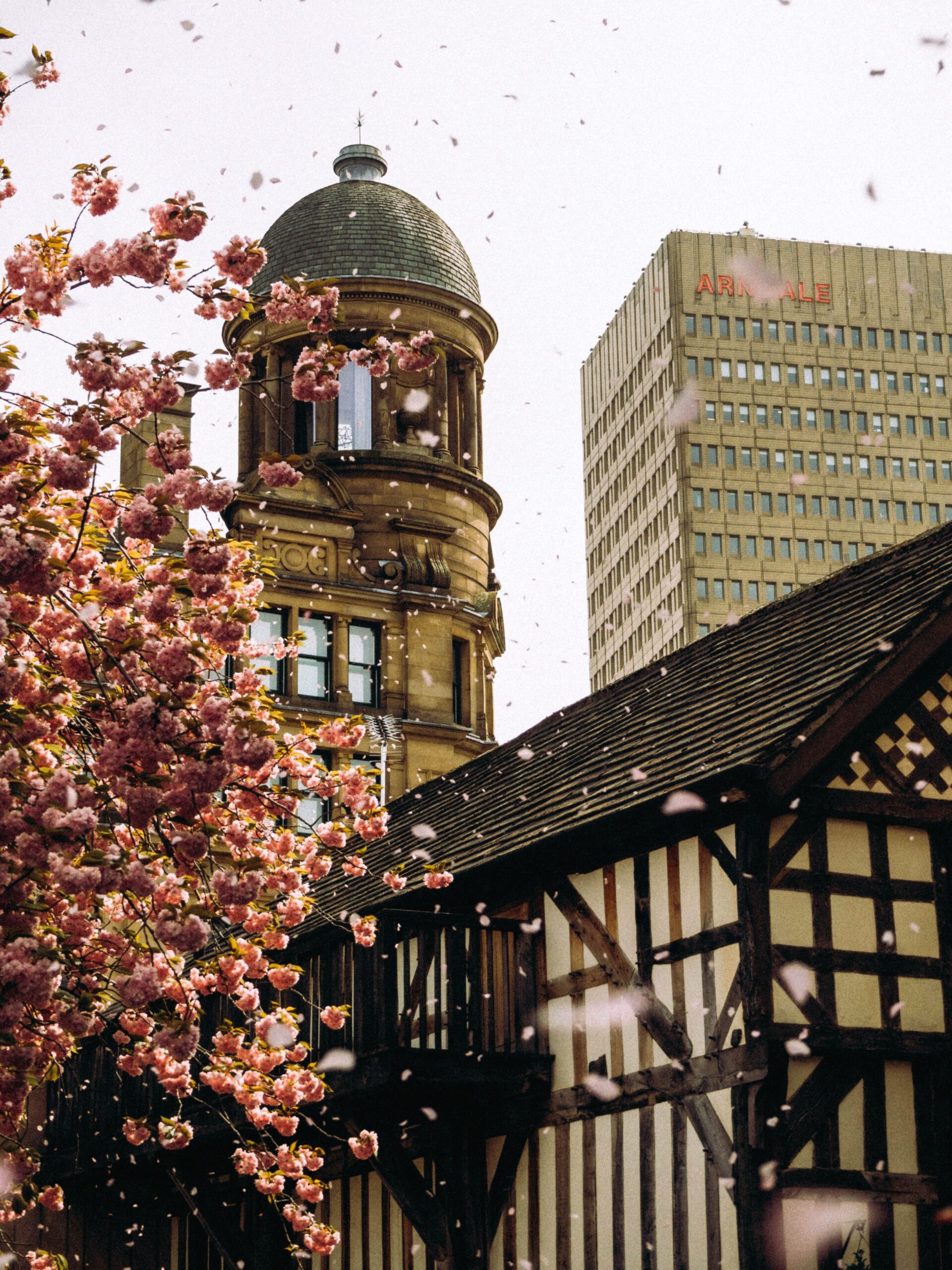
    The physical identity of Manchester is inseparable from the deep ochre and burnt sienna of its Victorian warehouses. These structures are not merely relics of the cotton trade; they are the sturdy containers for the city’s modern creative economy. Walking through Ancoats or Castlefield, you see how the heavy masonry and iron-framed windows have transitioned from sites of grueling labor into hubs for digital agencies and independent lofts. This architectural continuity provides a sense of permanence and grit that defines the Mancunian spirit. To truly appreciate this aesthetic, you should wander through the backstreets of Ancoats during the blue hour when the streetlamps catch the texture of the weathered brick. This landscape serves as a constant reminder that Manchester is a city built on the concept of work, where the functional beauty of the past informs the ambitious design of the future.

    The Sonic Landscape – The Visual Language of Musical Rebellion

    Manchester’s identity is etched into its soundscapes, moving from the stark, monochrome minimalism of the Factory Records era to the neon-drenched energy of its contemporary club scene. Music here is a civic duty rather than just entertainment, a legacy that transformed abandoned basements into the legendary Haçienda and later into global cultural landmarks like Aviva Studios. This sonic history is reflected in the city’s graphic design, which often favors bold, industrial typography and high-contrast visuals. For a deeper connection to this rhythm, visit the independent vinyl shops of the Northern Quarter where the walls are covered in gig posters that map the city’s evolving subcultures. The music scene acts as a bridge between generations, ensuring that the rebellious energy of 1970s punk remains alive within the high-tech, immersive performances that define the city’s international reputation in 2026.

    Urban Rebellion – The Living Canvas of the Northern Quarter

    The Northern Quarter functions as the city’s unfiltered creative heart, where the boundary between public space and private expression is permanently blurred. It is a neighborhood characterized by a refusal to conform, evidenced by the layering of street art, wheat-pasted manifestos, and the iconic Cypher typeface that appears across local storefronts. This area represents the city’s democratic approach to art, where world-class murals sit alongside amateur tags in a state of constant flux. You can find the most authentic examples of this by exploring the narrow side streets like Stevenson Square, where the art is frequently updated to reflect current social movements. This culture of urban rebellion ensures that the city never feels finished or stagnant; instead, it remains a playground for designers and activists who view the city walls as a medium for dialogue rather than just a boundary.

    Navigating the City Without Fatigue

    Manchester is best experienced as a series of connected neighborhoods rather than a checklist of sites. To avoid the cultural exhaustion of rushing between major institutions, start your day in the northern end of the city center, where the morning light hits the red-brick warehouses of Ancoats. From there, it is a short, rhythmic walk into the Northern Quarter for coffee and independent design. By the time you reach the more expansive, glass-fronted developments of the city’s newer quarters, the shift in architectural scale feels like a natural progression rather than a jarring change. The most effective way to navigate this flow is to use the city’s comprehensive tram network for longer stretches, allowing your legs a rest while you observe the transition from industrial heritage to modern innovation. By spacing out the high-density art spaces with slow walks through the city’s historic backstreets, you maintain a steady energy that matches the city’s own tireless pace.

    The Thoughtful Observation

    To truly see Manchester, you must look up above the modern shopfronts. The city’s true character is often found in the ornate terracotta carvings, hidden stone mascots, and weathered signage of the upper stories of Victorian buildings. These details tell the story of a city that once had the wealth and the ego to decorate even its most functional warehouses with artistic flourish. When you stop looking at eye level and start observing the rooflines, the layers of the city’s history begin to reveal themselves in a way that no guidebook can replicate.

    Manchester does not ask for your approval; it simply exists in a state of constant, restless creation. It is a city where the grit of the industrial past provides the friction necessary for modern sparks to fly. Whether you are drawn to the radical history of its streets or the high-tech future of its laboratories, the artistic rhythm here is authentic, unpretentious, and deeply human. The culture in Manchester is not a static object to be viewed, but a momentum to be joined.

  • 6 Best Things to Do in Munich: A Strategic Guide for the Thoughtful Traveler

    6 Best Things to Do in Munich: A Strategic Guide for the Thoughtful Traveler

    Travelers often treat Munich as a checklist, sprinting between the Glockenspiel and the Hofbräuhaus only to find themselves trapped in bottlenecks of tour groups. This high-speed approach misses the city’s actual rhythm the Gemütlichkeit found in the spaces between the landmarks. To truly see the city, you must reverse the standard itinerary. By prioritizing off-peak entry to the Royal Residenz and utilizing the city’s green spaces during the mid-day rush, you bypass the friction. This guide identifies the best things to do in Munich using a curated, unhurried strategy that favors depth over a frantic pursuit of photo ops. You will trade the stress of the crowds for the quiet observation of Bavarian craftsmanship and open-air culture.

    Marienplatz – The historic ground-zero of Bavarian civic life

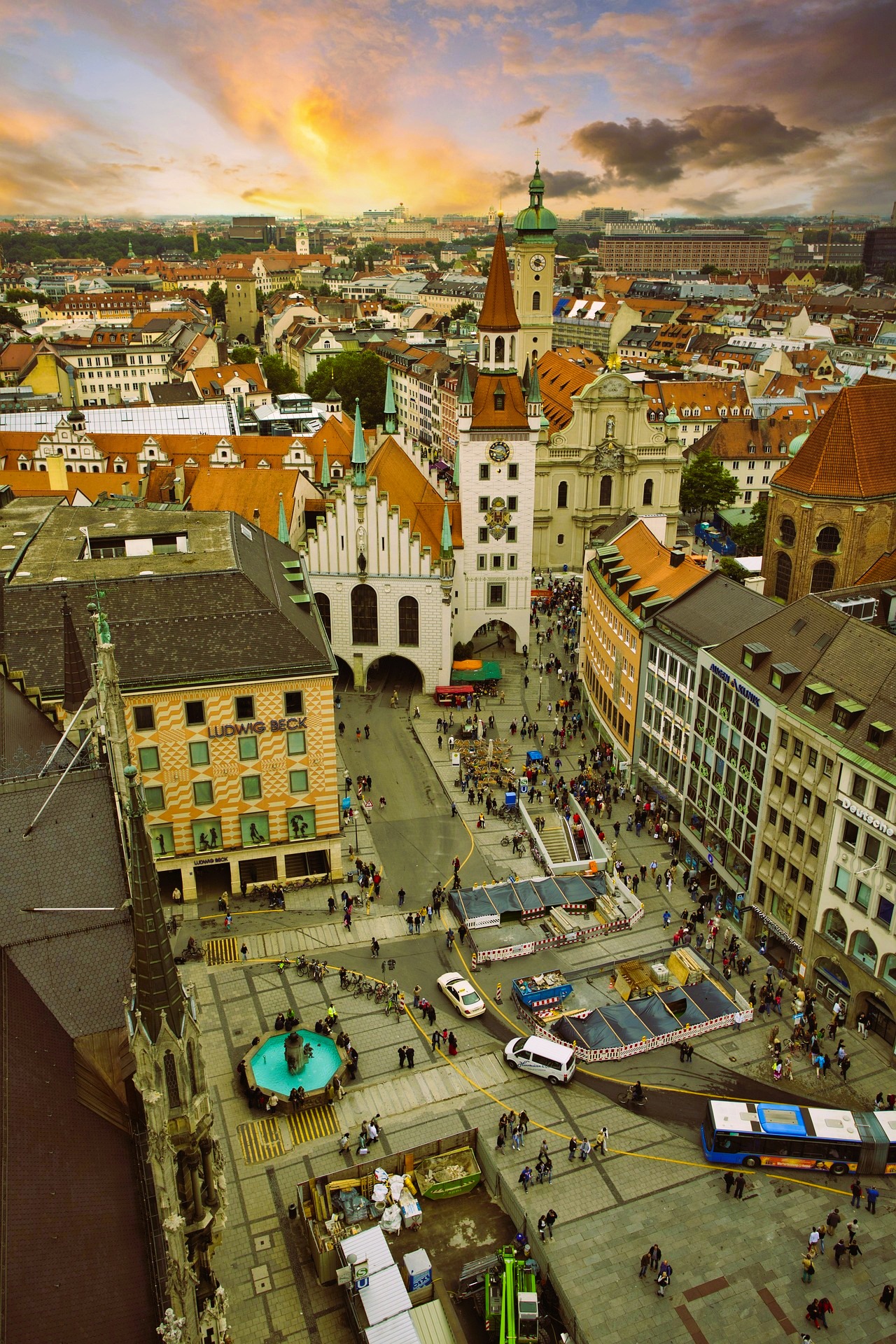
    Marienplatz has functioned as the primary pivot point of Munich since the city’s founding in 1158, serving as a silent witness to the evolution from a medieval market to a modern metropolitan center. The square is anchored by the Neo-Gothic New Town Hall, whose facade dominates the space with an intricate display of stone carvings that reflect the civic pride of the late nineteenth century. For the thoughtful traveler, the square offers more than just a photo of the Glockenspiel; it represents the historical layer-cake of Bavaria, where the golden Mariensäule column commemorates survival through the Thirty Years’ War. To observe the square without the overwhelming pressure of the mid-day tour groups, aim to arrive before nine in the morning when the local commuters are the only ones crossing the cobbles and the light hits the Old Town Hall at a low, dramatic angle that highlights its Gothic simplicity.

    Munich Residenz – A dense masterclass in European royal aesthetics

    The Munich Residenz stands as the largest city palace in Germany, acting as an expansive architectural record of the Wittelsbach dynasty’s influence from the fourteenth century until 1918. Walking through its 130 rooms provides a physical timeline of European design, transitioning from the vaulted Renaissance Antiquarium to the explosive gold leaf of the Rococo Rich Rooms. This site matters to the modern traveler because it showcases how power was curated and projected through domestic space, evolving from a defensive fortress into a sprawling cultural monument. The scale can be disorienting, so a strategic visitor should prioritize the Treasury early in the day to view the Bavarian crown jewels before the interior humidity and noise levels rise. To ensure you do not miss the hidden jewel-box of the Cuvilliés Theatre, remember that it often requires a separate ticket and has its own distinct entrance tucked away near the Fountain Courtyard.

    Englischer Garten – The intersection of landscape art and urban recreation

    Spanning more than nine hundred acres, the Englischer Garten is a masterclass in eighteenth-century landscape architecture that rejects the rigid symmetry of French gardens in favor of a naturalistic, rolling aesthetic. It provides a crucial social lung for the city, where the rigorous discipline of German industry softens into a relaxed outdoor culture of beer gardens and sunbathing. The park’s most striking modern feature is the Eisbachwelle, a standing wave where wetsuit-clad surfers navigate an urban current regardless of the season, illustrating Munich’s unexpected subcultures. While most visitors gravitate toward the crowded Chinese Tower for a liter of beer, the thoughtful traveler should continue walking north toward the Kleinhesseloher See where the Seehaus beer garden offers a far more peaceful experience overlooking the water. This northward movement allows for a deeper appreciation of the park’s transition from manicured urban paths into the wilder, wooded stretches of the Isar floodplains.

    Viktualienmarkt – An sensory anchor for Bavarian culinary tradition

    Viktualienmarkt serves as the gastronomic soul of the city, transitioning from a humble farmers’ market into a sprawling open-air theater of regional flavors and artisanal crafts. For the strategic traveler, this is where the city’s rigorous order yields to the tactile pleasures of seasonal white asparagus, alpine cheeses, and freshly pressed juices. It offers a rare opportunity to witness the daily intersection of high-end gastronomy and local routine, all beneath the shade of the central maypole. To truly grasp the local lifestyle, bypass the crowded main aisles and look for the Caspar Plautz potato stall, where you can sample elevated takes on the humble tuber away from the heaviest tourist flow. Early morning visits allow you to watch the vendors assemble their displays with surgical precision before the lunch rush consumes the communal seating areas of the central beer garden.

    Alte Pinakothek – A curated survey of the European Old Masters

    Alte Pinakothek – A curated survey of the European Old Masters

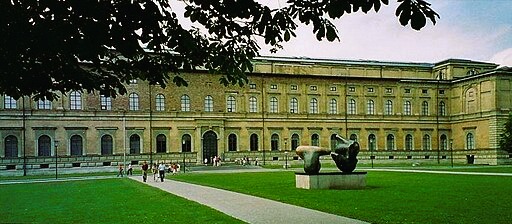
    The Alte Pinakothek offers one of the most significant collections of European paintings in existence, housed within a Neoclassical structure that was revolutionary for its time. For the thoughtful observer, the experience is less about checking off famous names and more about tracing the intellectual evolution of the Renaissance and Baroque periods through the works of Rubens, Dürer, and Da Vinci. The massive proportions of the galleries are designed to allow the art to breathe, creating a contemplative atmosphere that stands in stark contrast to the kinetic energy of the surrounding Maxvorstadt district. If you find the vastness of the Flemish galleries overwhelming, focus your attention on the intricate details of Altdorfer’s Battle of Alexander, which contains thousands of miniature figures. A specific financial strategy for the art-focused traveler is to plan your visit for a Sunday, when the admission fee drops to a single Euro, making it the most cost-effective cultural experience in the city.

    Nymphenburg Palace – The expansive grandeur of a summer retreat

    Nymphenburg Palace represents the Wittelsbachs’ desire to escape the urban constraints of the Residenz, offering a sprawling Baroque complex that harmonizes architecture with water and woodland. This site is essential for understanding the sheer scale of Bavarian royal ambition, particularly as you walk through the Great Hall with its ceiling frescoes that seem to dissolve into the sky. The surrounding park serves as a quieter alternative to the city center, featuring hidden pavilions like the Amalienburg, which contains some of the world’s finest Rococo interiors. To maximize your time, avoid the lengthy walk from the main canal and instead use the tram line 17 which drops you almost directly at the palace gates, allowing you more energy to explore the further reaches of the gardens. Keep a sharp eye out for the resident swans near the iron pumps, which have been part of the palace’s living aesthetic for generations.

    A 3-Day Strategic Itinerary

    To maximize your time in Munich, organize your visit by geographical clusters to minimize transit friction. Devote your first day to the Altstadt district, beginning at Marienplatz for the morning light before moving to the nearby Munich Residenz and concluding with a late lunch at the Viktualienmarkt. This keeps your movements within a tight, walkable radius. On the second day, shift your focus north to the Maxvorstadt neighborhood, known as the museum quarter. Spend your morning at the Alte Pinakothek and transition into the adjacent Englischer Garten for a mid-afternoon decompression by the water. Reserve your third day for the western edge of the city to explore the expansive grounds of Nymphenburg Palace. This sequence balances the dense historical architecture of the center with the airy, expansive landscapes of the outer districts, ensuring a rhythm that feels purposeful rather than exhausted.

    The Unhurried Mindset

    The unspoken rule of Munich is that productivity must eventually yield to presence. While the city functions with high-precision engineering, its social fabric is held together by the concept of Stehenbleiben the act of simply stopping. To enjoy the city properly, you must accept that the best moments occur when you are not technically doing anything at all. A soulful approach to slow travel here involves finding a quiet bench in the Hofgarten or a corner of a traditional Wirtshaus and observing the local choreography of conversation and flinty Bavarian humor. True luxury in this city is found in the unscripted hour spent watching the shadows lengthen against the brickwork of the Frauenkirche.

    Beyond the City Gates

    Once you have calibrated your pace to the Bavarian capital, the surrounding Alpine regions and the storied cities of the German south offer a natural progression for the thoughtful traveler. The rail lines from Hauptbahnhof provide direct access to the rugged landscapes of Garmisch-Partenkirchen and the medieval preservation of Nuremberg.

    For those ready to extend their journey across the border or deeper into the federal states, our comprehensive regional guides provide the same strategic clarity found here.

    Step away from the map and let the city reveal itself through the quiet details.

  • 6 Best Things to Do in Florence: A Strategic Guide for the Thoughtful Traveler

    6 Best Things to Do in Florence: A Strategic Guide for the Thoughtful Traveler

    Most travelers treat Florence like a high-speed scavenger hunt, sprinting between the Uffizi and the Accademia before the midday heat, only to end the day with “museum fatigue” and a blurred memory of marble. This checklist-driven chaos is the city’s greatest trap. To truly see the Cradle of the Renaissance, you must adopt an unhurried approach that prioritizes timing and atmospheric depth over sheer volume.

    This guide streamlines the best things to do in Florence by focusing on six high-impact locations where the density of history justifies the effort. By shifting your schedule to early mornings or late golden hours and utilizing strategic entry points, you can reclaim the city from the masses and experience its brilliance as it was intended: with space to breathe.

    The Duomo Complex – Navigating the heart of Florence with a Brunelleschi Pass

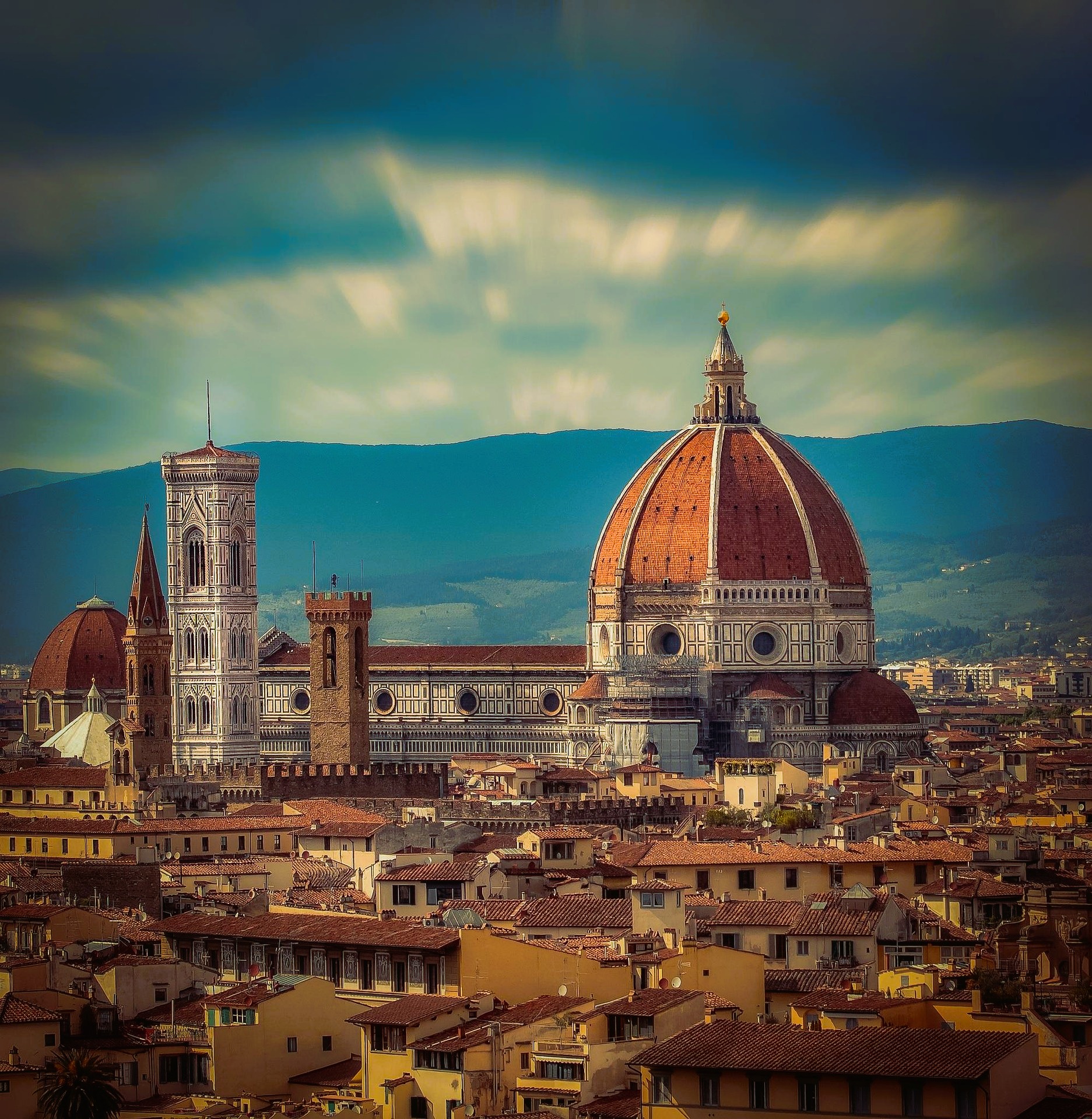
    The Duomo is the tectonic plate upon which Florence’s identity rests, a feat of 15th-century engineering that remains the largest brick dome ever constructed. For the thoughtful traveler, the cathedral is less about the free interior which is surprisingly sparse and more about the verticality and subterranean layers that reveal the city’s evolution from the Roman era to the High Renaissance. Climbing Brunelleschi’s Dome offers a visceral connection to the architectural daring of the past, but the real depth lies in the Santa Reparata crypt, where the remains of the original Paleo-Christian church sit beneath the current floor. To avoid the primary bottleneck, skip the massive central queue for the cathedral and enter instead through the North side at Porta della Mandorla if you have a pre-booked Dome time-slot, or start at the often-overlooked Opera del Duomo Museum to see the original Ghiberti doors in a climate-controlled, crowd-free sanctuary.

    The Uffizi Gallery – Curating a world-class Renaissance art experience

    Housing the definitive collection of Italian Renaissance art, the Uffizi Gallery is a dense archive of Western thought where every corridor leads to a cultural pivot point. A strategic visitor views these halls not just as a gallery, but as a map of the Medici family’s influence and their role in fueling the creative explosion that defined an era. While Botticelli’s Primavera and Da Vinci’s Annunciation are the magnetizing draws, the gallery’s long corridors offer panoramic views of the Arno that provide a necessary visual palate cleanser between masterworks. Because the museum is notoriously congested during the midday rush, the most effective strategy is to secure the very first 8:15 AM entry or visit after 5:00 PM when the group tours dissipate. If you arrive early, head straight to the top floor and work backward from the later rooms to ensure you have the Botticelli halls almost entirely to yourself before the main current of visitors arrives.

    Galleria dell’Accademia – Strategic viewing of Michelangelo’s David and the Prisoners

    Most visitors rush through the Accademia solely to photograph Michelangelo’s David, yet the thoughtful traveler finds more resonance in the unfinished Slaves (or Prisoners) that line the Hall of the Prisoners. These rough-hewn figures, seemingly struggling to escape their marble blocks, offer a rare, intimate glimpse into Michelangelo’s “liberation” theory of sculpture that a finished masterpiece cannot provide. The museum is compact, which often leads to intense shoulder-to-shoulder crowding around the central Tribune. To bypass the worst of the friction, aim for the extended evening openings on Tuesdays during the summer months when the gallery stays open until 10:00 PM; the dramatic lighting at dusk transforms the marble’s texture and the atmosphere becomes notably more contemplative. If visiting during regular hours, booking your entrance for the final hour of operation allows you to stand before the 17-foot giant in relative silence as the security staff begins to clear the smaller peripheral rooms.

    Basilica of Santa Croce – Discovering the final resting place of Renaissance giants

    The Basilica of Santa Croce serves as the pantheon of Italian glories, housing the tombs of Michelangelo, Galileo, and Machiavelli within its soaring Gothic nave. For the strategic traveler, this site offers a more intimate and intellectual experience than the crowded Duomo, providing a direct connection to the minds that shaped modern science and philosophy. The interior is a massive repository of Florentine history, featuring Giotto’s vivid frescoes in the Bardi and Peruzzi Chapels which illustrate the transition from medieval to Renaissance art styles. As you navigate the chapels, look for the 19th-century monument to Dante Alighieri; while it is an empty cenotaph because the poet died in exile in Ravenna, it remains a poignant symbol of Florence’s enduring cultural pride. To avoid the midday glare and heat, enter through the leather school at the back of the complex where the smell of cured hides offers a sensory bridge to the city’s traditional artisan trade.

    Palazzo Vecchio – Navigating the seat of power and secret Medici passages

    The Palazzo Vecchio is the fortress-like heart of Florentine politics, where the transition from a medieval republic to a Medici dukedom is etched into the stone and timber of its grand halls. The Hall of the Five Hundred remains a masterclass in propaganda, with its massive frescoes and gilded ceilings designed to overwhelm visitors with the scale of the city’s military triumphs. A thoughtful traveler appreciates the layers of history here, from the Roman ruins of a theater visible in the basement to the private apartments of Eleanor of Toledo that showcase the domestic life of the ruling elite. For a unique perspective on the city’s layout, seek out the hidden staircase near the Map Room that leads to the battlements, as this provides a clearer view of the Arno and the surrounding hills than the more famous towers. Arriving during the final two hours of the evening opening allows you to explore the atmospheric courtyards in near-total silence.

    Piazzale Michelangelo – Capturing the quintessential Florence panoramic view

    Piazzale Michelangelo offers the most comprehensive visual summary of the city, where the skyline’s geometry defined by the Duomo, Giotto’s Campanile, and the Palazzo Vecchio becomes a single, coherent composition. While many consider this a standard tourist stop, the observant traveler uses the vantage point to understand the strategic geography that allowed Florence to flourish within the Arno Valley. The walk up through the Rose Garden provides a much more serene ascent than the crowded bus route, offering several shaded benches where you can pause to admire the sculptural installations against the backdrop of the red-tiled roofs. To experience the site without the overwhelming noise of the souvenir stalls, continue walking five minutes further uphill to the Romanesque church of San Miniato al Monte, where the monks often perform Gregorian chants at dusk. This elevated sanctuary provides a more spiritual and unhurried conclusion to the day while the same golden light illuminates the valley below.

    A 3-Day Strategic Itinerary

    To maximize your time in Florence without the exhaustion of a high-speed itinerary, group your visits by the natural divisions of the city’s historic center. Devote your first day to the religious and political core within the San Giovanni and San Marco neighborhoods, starting early at the Duomo Complex and concluding with the Accademia. This allows you to witness the city’s monumental scale before the narrow stone streets become congested. On the second day, shift your focus to the art-dense corridors of the Uffizi and the imposing history of Palazzo Vecchio near the Piazza della Signoria, where the proximity of these power centers minimizes walking time and maximizes your absorption of the Medici legacy. Reserve your final day for the Santa Croce district and a scenic cross-Arno trek to the Oltrarno. The ascent to Piazzale Michelangelo serves as a reflective finale, providing a rhythmic transition from the dense urban stone to the airy, olive-dotted hillsides that frame the Florentine horizon.

    The Unhurried Mindset

    The unspoken rule of enjoying Florence is to acknowledge that you cannot see everything in a single visit, nor should you try. The city’s true character reveals itself not in the queue for a museum, but in the deliberate pauses between them. A soulful experience here requires you to trade the digital map for a slow, observant walk through the Oltrarno’s artisan workshops, where the sound of a chisel hitting stone remains the city’s most authentic soundtrack. Proper travel in this Renaissance capital is measured by the depth of your attention, not the number of monuments you check off a list.

  • Best Things to Do in Granada: A Strategic Guide for the Thoughtful Traveler

    Best Things to Do in Granada: A Strategic Guide for the Thoughtful Traveler

    Most travelers treat Granada as a logistical box to check, rushing through the Alhambra before catching a train out of the province. This frantic pace misses the city’s functional nuance. The most common error is failing to secure Nasrid Palace entries months in advance, resulting in wasted hours at the gate. Another is tackling the vertical incline of the Albaicín during the midday heat without a logistical plan. This guide fixes these frictions by prioritizing an unhurried cadence, focusing on the best things to do in Granada without the typical tourist fatigue. By sequencing landmarks based on elevation and light quality, you reclaim the experience from the crowds. Strategic timing transforms a standard checklist into a deliberate encounter with Andalusia’s final Moorish stronghold.

    The Alhambra – Islamic Architectural Precision and Strategic Timing

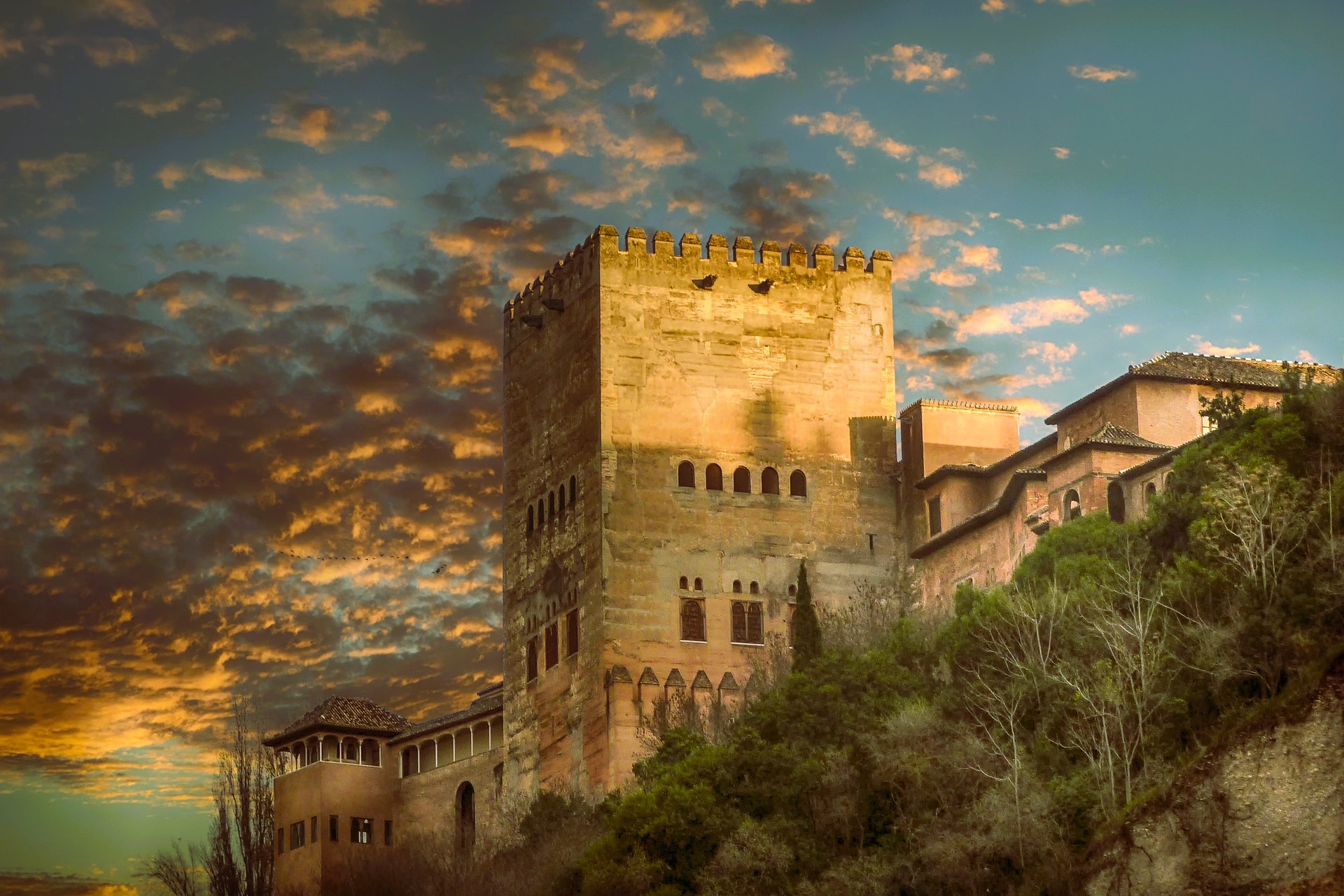
    The Alhambra represents the zenith of Moorish sophistication in Western Europe, serving as both a defensive fortress and a poetic residence for the Nasrid dynasty. For the thoughtful traveler, this site is less about a massive checklist and more about observing the interplay between geometric tilework and the hydraulic engineering of the Generalife gardens. It matters today because it preserves a rare, non Western architectural philosophy that prioritizes internal reflection over external display. To experience the Nasrid Palaces without the oppressive mid morning crowds, secure the earliest possible time slot ideally at 8:30 AM and bypass the main entrance by walking up the Cuesta de Gomérez, which offers a shaded, atmospheric ascent through the woods that feels far more intentional than the shuttle bus. This approach ensures you reach the threshold before the heat and the heaviest tour groups compromise the site’s inherent tranquility and contemplative atmosphere.

    The Albaicín District – Medieval Moorish Urbanism and Panoramic Views

    As the city’s oldest Moorish quarter, the Albaicín is a functional lesson in medieval urban planning designed for climate control and privacy. Its narrow, winding streets create a natural wind tunnel, offering cooler temperatures than the modern city center below. The significance for a modern visitor lies in the district’s ability to resist total modernization, maintaining its status as a living neighborhood where jasmine overlaps with private garden carmens. Rather than joining the noisy crowd at the Mirador de San Nicolás for the typical sunset view, continue walking higher to the Mirador de San Cristóbal, where the perspective of the Alhambra against the Sierra Nevada is broader and significantly more peaceful. Approaching the district by foot along the Darro river allows for a slow transition into this labyrinthine space, rewarding those who value observational depth over a quick photographic summary of the skyline.

    Granada Cathedral and Royal Chapel – Spanish Renaissance Power and Historical Transition

    The Granada Cathedral and the adjacent Royal Chapel serve as a stark aesthetic pivot point, marking the definitive transition from Islamic rule to the Spanish Renaissance. While the exterior is often crowded by the surrounding market streets, the interior volume of the cathedral offers a cold grandeur that illustrates the immense political and religious ambitions of the sixteenth century. Modern travelers find value here in understanding the physical layering of history, as these structures were built directly over the city’s former Great Mosque. For a more cohesive understanding of this architectural shift, enter the Royal Chapel first to view the resting place of Ferdinand and Isabella before transitioning into the main cathedral. To avoid the primary queue on the Plaza de las Pasiegas, use the smaller entrance on Gran Vía de Colón during the late afternoon when the white limestone interior is illuminated by the lowering western sun.

    The Sacromonte Caves – Romani Heritage and Troglodyte Architecture

    The Sacromonte Caves offer a distinct immersion into the city’s Romani heritage, defined by white washed troglodyte dwellings carved directly into the steep hillsides. For a thoughtful strategist, this area represents the intersection of geography and social history, far removed from the polished marble of the lower districts. It matters because it reveals the gritty, resilient underbelly of Andalusia’s cultural evolution, specifically regarding the development of flamenco music. While many visitors stop at the lower cave bars for commercialized shows, a more strategic approach involves walking to the very top of the neighborhood to visit the Museo Cuevas del Sacromonte, which explains the environmental logic of cave living without the distraction of tourist centric performances. Observing the sunset from these higher, unpaved paths provides a raw perspective of the Alhambra across the valley, grounding the best things to do in Granada within a genuine, topographical context.

    Monasterio de San Jerónimo – Hieronymite Grandeur and Plateresque Art

    The Monasterio de San Jerónimo serves as a quiet sanctuary of Hieronymite grandeur, offering a reprieve from the heavy foot traffic of the central monuments. This landmark is essential for those observing the transition to the Spanish Renaissance, particularly through the lens of military history and Plateresque iconography. The main chapel, containing the tomb of the legendary general Gonzalo Fernández de Córdoba, is an exercise in complex artistic scale and religious ambition. Unlike the often congested Cathedral, this cloister allows for a slower, more analytical pace among the orange trees and gothic arches. To see the most impressive details without the usual glare, pay close attention to the second floor choir stalls where the woodwork remains exceptionally preserved. It remains one of the best things to do in Granada for travelers who value architectural detail and historical silence over a high volume, checked box itinerary.

    The Alcaicería – Silk Market History and Artisanal Souvenirs

    The Alcaicería is a localized remnant of the once vast Moorish silk market, now characterized by a labyrinth of narrow alleys selling traditional Fajalauza ceramics and Taracea woodwork. This site offers a tactile connection to the city’s commercial past, providing a dense, sensory environment that contrasts with the expansive vistas of the Albaicín. It matters to the modern traveler as a study in Islamic urban commercialism, where the architecture itself dictated the flow of trade and security. Rather than entering through the main plaza where crowds often stagnate, approach the market from the Calle de los Mesones side to find a more fluid path through the specialized workshops. Navigating this space early in the morning allows you to observe the merchants setting up their displays, making it one of the best things to do in Granada for those interested in artisanal continuity and urban history.

    A 3 Day Strategic Itinerary

    Granada’s layout rewards a tiered approach to exploration that respects the city’s verticality and optimizes the best things to do in Granada. Begin your first day at the Alhambra to capitalize on early light and lower energy levels, then descend into the central district to navigate the narrow aisles of the Alcaicería. On the second day, focus on the ecclesiastical core by visiting the Granada Cathedral and Royal Chapel. Since the Monasterio de San Jerónimo is located just a short walk to the west, it serves as a logical afternoon stop to escape the midday central bustle. Devote your final day to the eastern heights, traversing the steep, labyrinthine streets of the Albaicín neighborhood before crossing into the adjacent Sacromonte district. This sequence ensures you move through different elevations with a consistent walking rhythm that minimizes physical fatigue while maximizing observational depth.

    The Unhurried Mindset

    The defining pulse of Granada is found in the transition from light to shadow within its narrowest alleys. The unspoken rule for a proper encounter with the city is to prioritize patience over pace; the terrain is designed to slow you down, and resisting this reality only leads to exhaustion. To experience the city soulfully, find a stone bench in a quiet plaza away from the main thoroughfares and simply observe the way the light hits the Sierra Nevada peaks. This quietude allows the historical layers of the city to settle, shifting your perspective from that of a spectator to a witness of Granada’s enduring character.

    Expanding your journey through Andalusia requires a similar strategic lens, as the neighboring cities of Cordoba and Seville offer their own distinct historical layers. Understanding the regional context of the Nasrid dynasty and the subsequent Christian conquest provides a complete map of the Spanish identity. For those seeking to deepen their tactical knowledge of the Iberian Peninsula, our upcoming guides offer refined itineraries for the thoughtful traveler. Move with intention, observe with clarity, and let the architecture tell the story.

  • 6 Best Things to Do in Lyon: A Strategic Guide for the Thoughtful Traveler

    6 Best Things to Do in Lyon: A Strategic Guide for the Thoughtful Traveler

    Travelers often treat Lyon as a high-speed culinary pitstop, rushing between crowded bouchons in Vieux Lyon and checking off landmarks like a grocery list. This frantic pace misses the city’s true rhythm. The secret to mastering Lyon is timing and elevation; most visitors fight the midday heat and the bottleneck of narrow traboules simultaneously. This guide corrects that error by prioritizing an unhurried approach that balances Roman antiquity with the quietest morning hours on the peninsula. By focusing on high-impact sites at optimal intervals, you avoid the common tourist fatigue that plagues the capital of Gaul. Discover the best things to do in Lyon through a lens of efficiency, allowing the city’s history to unfold without the friction of the masses.

    Basilique Notre-Dame de Fourvière – Iconic Views and Byzantine Grandeur

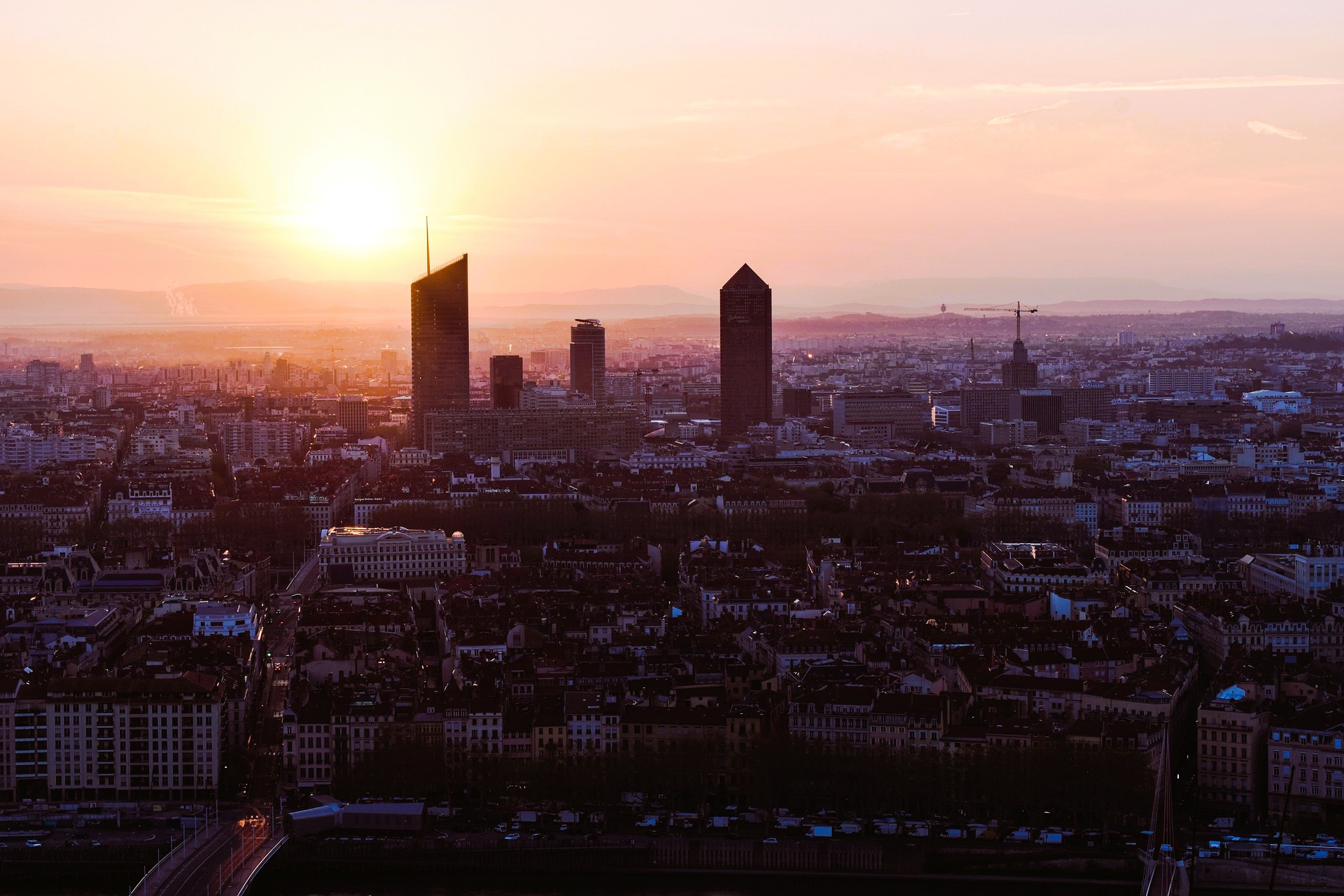
    Perched atop the Hill of Prayer, this nineteenth-century basilica serves as a permanent architectural sentinel over the city below. While the exterior’s shimmering white limestone is striking, the true value for a traveler lies in the interior’s intense mosaic work and the panoramic perspective it provides on Lyon’s geographic layout. The structure symbolizes the city’s religious devotion and its recovery from social upheaval, offering a physical bridge between the ancient Roman foundation nearby and the modern urban sprawl of the Part-Dieu district. To experience this site without the typical sensory overload, use the funicular from Vieux Lyon station early in the morning and head immediately to the Esplanade for the clearest light before the midday haze settles. This allows you to observe the transition from the red-roofed Renaissance district to the high-rise horizon in silence.

    Lugdunum – Musée et Théâtres Romains – Ancient History and Brutalist Design

    Lyon began here in 43 BC as the Roman capital of Gaul, and the site remains one of the most significant archaeological clusters in Europe. The twin theaters the Great Theater and the smaller Odeon are not merely static ruins but functional spaces that still resonate with the city’s cultural heritage. The accompanying museum, carved directly into the hillside, is a masterpiece of brutalist architecture that frames the artifacts against a backdrop of raw concrete and natural light. It offers a meditative atmosphere for those who appreciate history told through stone and silence. To maximize your visit, walk down the theater tiers toward the rue de l’Antiquaille exit which leads you through a series of quiet residential gardens and secret stairs that bypass the main tourist bus routes, preserving the feeling of historical discovery.

    Traboules of Vieux Lyon – Renaissance Engineering and Urban Secrets

    The traboules are a unique network of hidden passageways that allowed silk weavers and merchants to transport goods while remaining sheltered from the elements. These corridors represent a clever solution to urban density, winding through private courtyards and beneath arched doorways that the casual observer often ignores. Walking through them provides an intimate look at the ochre-toned Renaissance architecture that defines the Saint-Jean and Saint-Paul neighborhoods. Rather than following a generic map, look for the small bronze shields identifying the most historic passages, particularly the Longue Traboule. A specific timing hack for a tranquil experience is to visit between 8:00 and 9:30 AM on a weekday when the city is waking up but the tour groups have not yet arrived, ensuring the narrow corridors remain acoustic and uncrowded.

    Les Halles de Lyon Paul Bocuse – High-End Gastronomy and Local Expertise

    This indoor market serves as the definitive temple of French culinary excellence, named after the city’s most celebrated chef. It is less a grocery store and more a curated exhibition of the region’s finest products, from Saint-Marcellin cheeses to the vibrant pink praline tarts that define local patisserie. For the thoughtful traveler, the market offers a sensory education in the quality standards that underpin Lyon’s reputation as a world food capital. While the stalls are tempting at any hour, arriving around 11:00 AM allows you to secure a seat at one of the small oyster bars or bistros for a pre-lunch tasting before the local business crowd descends for their break. If you are looking for a quieter moment, seek out the specialized spice merchants tucked into the back corners where the air is thick with saffron and roasted nuts.

    Musée des Beaux-Arts de Lyon – Artistic Depth and Architectural Serenity

    Housed in a seventeenth-century Benedictine abbey, this museum is often cited as the “little Louvre” due to the breadth and quality of its collection. It bridges the gap between ancient Egyptian artifacts and modern European masterpieces, providing a comprehensive narrative of human creativity within the walls of the Palais Saint-Pierre. The experience is defined by the scale of the galleries, which allow for a respectful distance between the viewer and the art. The true centerpiece is the cloister garden, a secluded rectangular courtyard filled with sculptures and centuries-old trees that offers a profound silence away from the noise of Place des Terreaux. A useful strategy is to bypass the main entrance queue by checking the secondary courtyard gate which occasionally grants faster access during peak hours while leading you directly into the most tranquil part of the estate.

    Parc de la Tête d’Or – Landscape Architecture and Urban Escape

    As one of the largest urban parks in France, this green space functions as the city’s collective backyard, offering a sophisticated blend of botanical gardens and lakefront vistas. For a traveler, it provides a necessary pause from the density of the Presqu’île, showcasing nineteenth-century landscape design at its most ambitious. The vast glass-walled greenhouses are particularly noteworthy, housing rare tropical flora in an iron and glass structure that reflects the industrial elegance of a bygone era. To avoid the weekend crowds that flock to the central lake, head toward the northern end of the park near the Cite Internationale entrance, where the rose gardens are less frequented and offer a more intimate setting for a walk. This section provides a seamless transition back to modern architecture, allowing you to observe the city’s evolution from the natural world to contemporary design.

    A 3-Day Strategic Itinerary

    To experience Lyon without the typical logistical friction, group your visits by their geographical elevation and neighborhood character. On the first day, focus on the Fourvière hilltop to combine the Basilica with the Lugdunum archaeological site. This approach allows you to descend into the Vieux Lyon district by foot, utilizing the natural slope of the city rather than fighting against it. Dedicate the second day to the Presqu’île, starting with the quiet morning halls of the Musée des Beaux-Arts before navigating the historic traboules that connect the riverbanks. This central corridor is the heart of Lyonnaise commerce and history. On your final day, move east toward the 6th arrondissement. Begin with the culinary excellence of Les Halles de Lyon Paul Bocuse for an early lunch, followed by a long, restorative afternoon at Parc de la Tête d’Or. This sequence minimizes transit time and respects the city’s natural walking rhythm.

    The Unhurried Mindset

    The unspoken rule of Lyon is that the city belongs to those who observe rather than those who consume. It is a place of discretion where the best experiences are often hidden behind heavy oak doors or within unpretentious bistros. To enjoy the city properly, you must embrace the art of the pause. My soulful advice for a slow-travel experience is to spend one hour sitting by the Saône river at dusk with no objective other than watching the light change against the ochre facades. In these moments, the city reveals its true character not as a tourist destination, but as a living, breathing testament to French refinement and historical continuity.

    Further Exploration

    For those seeking to expand their journey beyond the confluence of the Rhône and Saône, the surrounding Auvergne-Rhône-Alpes region offers a wealth of medieval villages and alpine vistas that complement the urban sophistication of Lyon. Consider venturing toward the vineyards of Beaujolais or the pristine waters of Annecy to see how the regional identity shifts from industrial power to natural serenity.

    A well-planned journey does not demand more time; it simply requires more intention. Safe travels through the capital of Gaul.