Tag: blog

  • Best Things to Do in Granada: A Strategic Guide for the Thoughtful Traveler

    Best Things to Do in Granada: A Strategic Guide for the Thoughtful Traveler

    Most travelers treat Granada as a logistical box to check, rushing through the Alhambra before catching a train out of the province. This frantic pace misses the city’s functional nuance. The most common error is failing to secure Nasrid Palace entries months in advance, resulting in wasted hours at the gate. Another is tackling the vertical incline of the Albaicín during the midday heat without a logistical plan. This guide fixes these frictions by prioritizing an unhurried cadence, focusing on the best things to do in Granada without the typical tourist fatigue. By sequencing landmarks based on elevation and light quality, you reclaim the experience from the crowds. Strategic timing transforms a standard checklist into a deliberate encounter with Andalusia’s final Moorish stronghold.

    The Alhambra – Islamic Architectural Precision and Strategic Timing

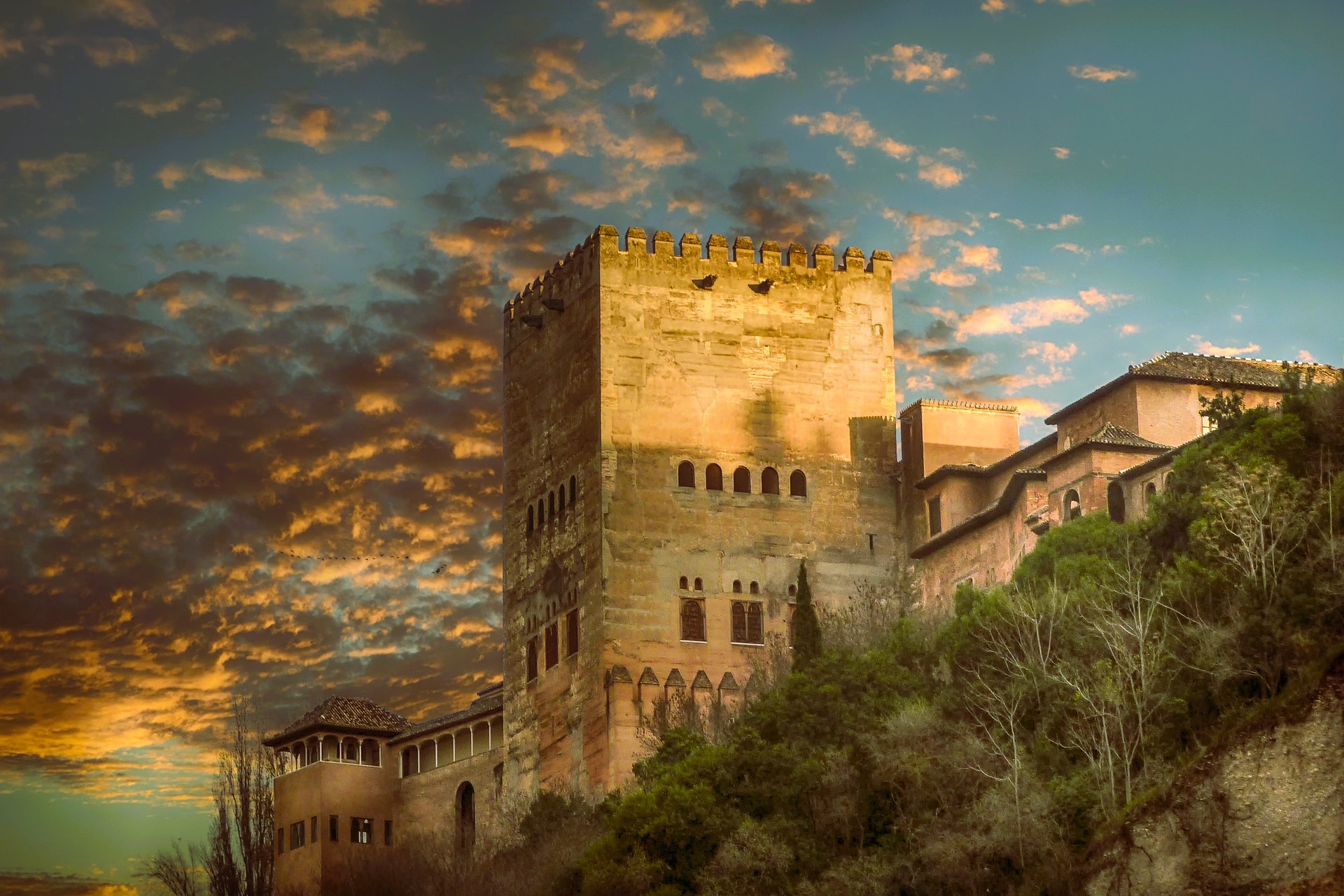
    The Alhambra represents the zenith of Moorish sophistication in Western Europe, serving as both a defensive fortress and a poetic residence for the Nasrid dynasty. For the thoughtful traveler, this site is less about a massive checklist and more about observing the interplay between geometric tilework and the hydraulic engineering of the Generalife gardens. It matters today because it preserves a rare, non Western architectural philosophy that prioritizes internal reflection over external display. To experience the Nasrid Palaces without the oppressive mid morning crowds, secure the earliest possible time slot ideally at 8:30 AM and bypass the main entrance by walking up the Cuesta de Gomérez, which offers a shaded, atmospheric ascent through the woods that feels far more intentional than the shuttle bus. This approach ensures you reach the threshold before the heat and the heaviest tour groups compromise the site’s inherent tranquility and contemplative atmosphere.

    The Albaicín District – Medieval Moorish Urbanism and Panoramic Views

    As the city’s oldest Moorish quarter, the Albaicín is a functional lesson in medieval urban planning designed for climate control and privacy. Its narrow, winding streets create a natural wind tunnel, offering cooler temperatures than the modern city center below. The significance for a modern visitor lies in the district’s ability to resist total modernization, maintaining its status as a living neighborhood where jasmine overlaps with private garden carmens. Rather than joining the noisy crowd at the Mirador de San Nicolás for the typical sunset view, continue walking higher to the Mirador de San Cristóbal, where the perspective of the Alhambra against the Sierra Nevada is broader and significantly more peaceful. Approaching the district by foot along the Darro river allows for a slow transition into this labyrinthine space, rewarding those who value observational depth over a quick photographic summary of the skyline.

    Granada Cathedral and Royal Chapel – Spanish Renaissance Power and Historical Transition

    The Granada Cathedral and the adjacent Royal Chapel serve as a stark aesthetic pivot point, marking the definitive transition from Islamic rule to the Spanish Renaissance. While the exterior is often crowded by the surrounding market streets, the interior volume of the cathedral offers a cold grandeur that illustrates the immense political and religious ambitions of the sixteenth century. Modern travelers find value here in understanding the physical layering of history, as these structures were built directly over the city’s former Great Mosque. For a more cohesive understanding of this architectural shift, enter the Royal Chapel first to view the resting place of Ferdinand and Isabella before transitioning into the main cathedral. To avoid the primary queue on the Plaza de las Pasiegas, use the smaller entrance on Gran Vía de Colón during the late afternoon when the white limestone interior is illuminated by the lowering western sun.

    The Sacromonte Caves – Romani Heritage and Troglodyte Architecture

    The Sacromonte Caves offer a distinct immersion into the city’s Romani heritage, defined by white washed troglodyte dwellings carved directly into the steep hillsides. For a thoughtful strategist, this area represents the intersection of geography and social history, far removed from the polished marble of the lower districts. It matters because it reveals the gritty, resilient underbelly of Andalusia’s cultural evolution, specifically regarding the development of flamenco music. While many visitors stop at the lower cave bars for commercialized shows, a more strategic approach involves walking to the very top of the neighborhood to visit the Museo Cuevas del Sacromonte, which explains the environmental logic of cave living without the distraction of tourist centric performances. Observing the sunset from these higher, unpaved paths provides a raw perspective of the Alhambra across the valley, grounding the best things to do in Granada within a genuine, topographical context.

    Monasterio de San Jerónimo – Hieronymite Grandeur and Plateresque Art

    The Monasterio de San Jerónimo serves as a quiet sanctuary of Hieronymite grandeur, offering a reprieve from the heavy foot traffic of the central monuments. This landmark is essential for those observing the transition to the Spanish Renaissance, particularly through the lens of military history and Plateresque iconography. The main chapel, containing the tomb of the legendary general Gonzalo Fernández de Córdoba, is an exercise in complex artistic scale and religious ambition. Unlike the often congested Cathedral, this cloister allows for a slower, more analytical pace among the orange trees and gothic arches. To see the most impressive details without the usual glare, pay close attention to the second floor choir stalls where the woodwork remains exceptionally preserved. It remains one of the best things to do in Granada for travelers who value architectural detail and historical silence over a high volume, checked box itinerary.

    The Alcaicería – Silk Market History and Artisanal Souvenirs

    The Alcaicería is a localized remnant of the once vast Moorish silk market, now characterized by a labyrinth of narrow alleys selling traditional Fajalauza ceramics and Taracea woodwork. This site offers a tactile connection to the city’s commercial past, providing a dense, sensory environment that contrasts with the expansive vistas of the Albaicín. It matters to the modern traveler as a study in Islamic urban commercialism, where the architecture itself dictated the flow of trade and security. Rather than entering through the main plaza where crowds often stagnate, approach the market from the Calle de los Mesones side to find a more fluid path through the specialized workshops. Navigating this space early in the morning allows you to observe the merchants setting up their displays, making it one of the best things to do in Granada for those interested in artisanal continuity and urban history.

    A 3 Day Strategic Itinerary

    Granada’s layout rewards a tiered approach to exploration that respects the city’s verticality and optimizes the best things to do in Granada. Begin your first day at the Alhambra to capitalize on early light and lower energy levels, then descend into the central district to navigate the narrow aisles of the Alcaicería. On the second day, focus on the ecclesiastical core by visiting the Granada Cathedral and Royal Chapel. Since the Monasterio de San Jerónimo is located just a short walk to the west, it serves as a logical afternoon stop to escape the midday central bustle. Devote your final day to the eastern heights, traversing the steep, labyrinthine streets of the Albaicín neighborhood before crossing into the adjacent Sacromonte district. This sequence ensures you move through different elevations with a consistent walking rhythm that minimizes physical fatigue while maximizing observational depth.

    The Unhurried Mindset

    The defining pulse of Granada is found in the transition from light to shadow within its narrowest alleys. The unspoken rule for a proper encounter with the city is to prioritize patience over pace; the terrain is designed to slow you down, and resisting this reality only leads to exhaustion. To experience the city soulfully, find a stone bench in a quiet plaza away from the main thoroughfares and simply observe the way the light hits the Sierra Nevada peaks. This quietude allows the historical layers of the city to settle, shifting your perspective from that of a spectator to a witness of Granada’s enduring character.

    Expanding your journey through Andalusia requires a similar strategic lens, as the neighboring cities of Cordoba and Seville offer their own distinct historical layers. Understanding the regional context of the Nasrid dynasty and the subsequent Christian conquest provides a complete map of the Spanish identity. For those seeking to deepen their tactical knowledge of the Iberian Peninsula, our upcoming guides offer refined itineraries for the thoughtful traveler. Move with intention, observe with clarity, and let the architecture tell the story.
  • 6 Best Things to Do in Lyon: A Strategic Guide for the Thoughtful Traveler

    6 Best Things to Do in Lyon: A Strategic Guide for the Thoughtful Traveler

    Travelers often treat Lyon as a high-speed culinary pitstop, rushing between crowded bouchons in Vieux Lyon and checking off landmarks like a grocery list. This frantic pace misses the city’s true rhythm. The secret to mastering Lyon is timing and elevation; most visitors fight the midday heat and the bottleneck of narrow traboules simultaneously. This guide corrects that error by prioritizing an unhurried approach that balances Roman antiquity with the quietest morning hours on the peninsula. By focusing on high-impact sites at optimal intervals, you avoid the common tourist fatigue that plagues the capital of Gaul. Discover the best things to do in Lyon through a lens of efficiency, allowing the city’s history to unfold without the friction of the masses.

    Basilique Notre-Dame de Fourvière – Iconic Views and Byzantine Grandeur

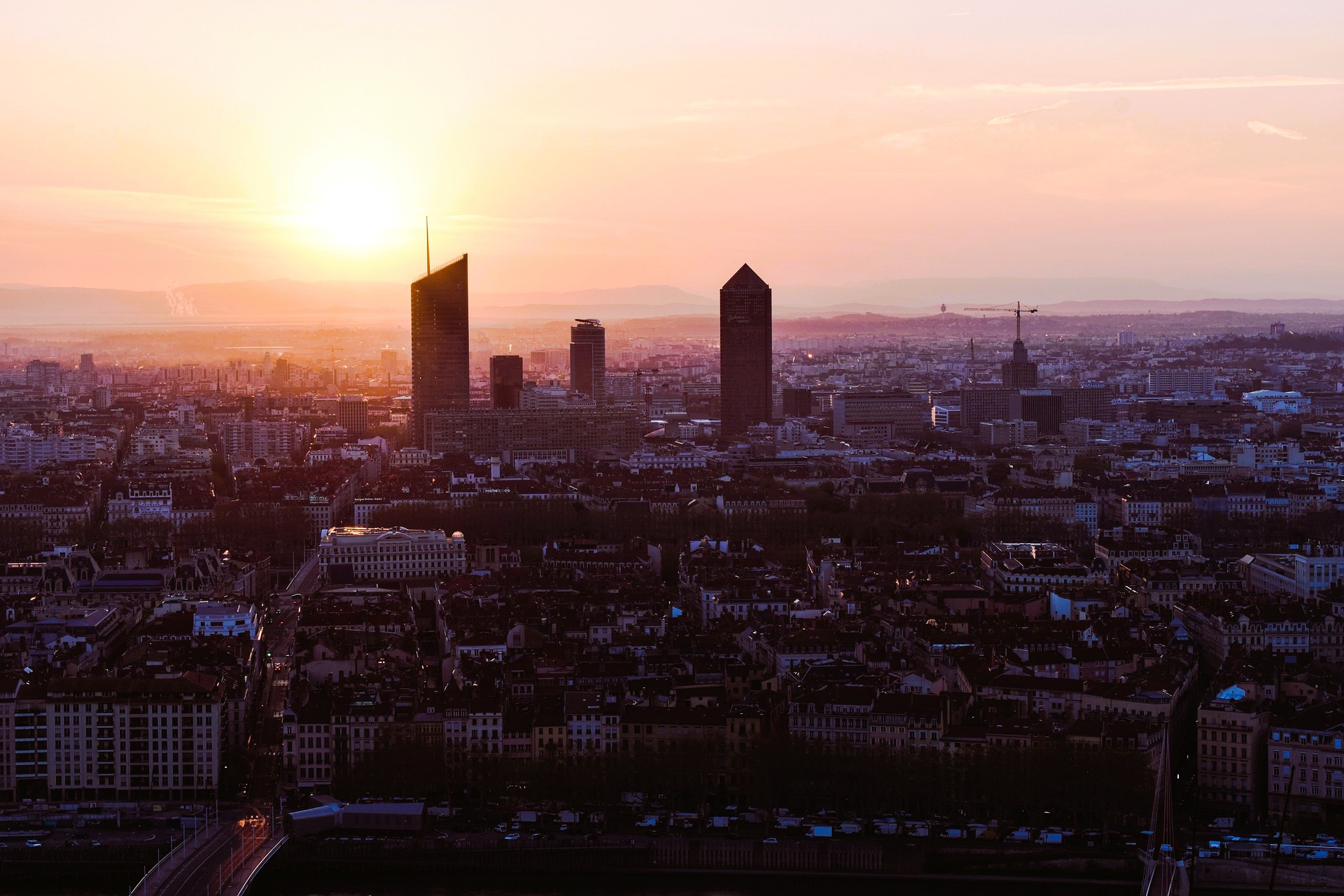
    Perched atop the Hill of Prayer, this nineteenth-century basilica serves as a permanent architectural sentinel over the city below. While the exterior’s shimmering white limestone is striking, the true value for a traveler lies in the interior’s intense mosaic work and the panoramic perspective it provides on Lyon’s geographic layout. The structure symbolizes the city’s religious devotion and its recovery from social upheaval, offering a physical bridge between the ancient Roman foundation nearby and the modern urban sprawl of the Part-Dieu district. To experience this site without the typical sensory overload, use the funicular from Vieux Lyon station early in the morning and head immediately to the Esplanade for the clearest light before the midday haze settles. This allows you to observe the transition from the red-roofed Renaissance district to the high-rise horizon in silence.

    Lugdunum – Musée et Théâtres Romains – Ancient History and Brutalist Design

    Lyon began here in 43 BC as the Roman capital of Gaul, and the site remains one of the most significant archaeological clusters in Europe. The twin theaters the Great Theater and the smaller Odeon are not merely static ruins but functional spaces that still resonate with the city’s cultural heritage. The accompanying museum, carved directly into the hillside, is a masterpiece of brutalist architecture that frames the artifacts against a backdrop of raw concrete and natural light. It offers a meditative atmosphere for those who appreciate history told through stone and silence. To maximize your visit, walk down the theater tiers toward the rue de l’Antiquaille exit which leads you through a series of quiet residential gardens and secret stairs that bypass the main tourist bus routes, preserving the feeling of historical discovery.

    Traboules of Vieux Lyon – Renaissance Engineering and Urban Secrets

    The traboules are a unique network of hidden passageways that allowed silk weavers and merchants to transport goods while remaining sheltered from the elements. These corridors represent a clever solution to urban density, winding through private courtyards and beneath arched doorways that the casual observer often ignores. Walking through them provides an intimate look at the ochre-toned Renaissance architecture that defines the Saint-Jean and Saint-Paul neighborhoods. Rather than following a generic map, look for the small bronze shields identifying the most historic passages, particularly the Longue Traboule. A specific timing hack for a tranquil experience is to visit between 8:00 and 9:30 AM on a weekday when the city is waking up but the tour groups have not yet arrived, ensuring the narrow corridors remain acoustic and uncrowded.

    Les Halles de Lyon Paul Bocuse – High-End Gastronomy and Local Expertise

    This indoor market serves as the definitive temple of French culinary excellence, named after the city’s most celebrated chef. It is less a grocery store and more a curated exhibition of the region’s finest products, from Saint-Marcellin cheeses to the vibrant pink praline tarts that define local patisserie. For the thoughtful traveler, the market offers a sensory education in the quality standards that underpin Lyon’s reputation as a world food capital. While the stalls are tempting at any hour, arriving around 11:00 AM allows you to secure a seat at one of the small oyster bars or bistros for a pre-lunch tasting before the local business crowd descends for their break. If you are looking for a quieter moment, seek out the specialized spice merchants tucked into the back corners where the air is thick with saffron and roasted nuts.

    Musée des Beaux-Arts de Lyon – Artistic Depth and Architectural Serenity

    Housed in a seventeenth-century Benedictine abbey, this museum is often cited as the “little Louvre” due to the breadth and quality of its collection. It bridges the gap between ancient Egyptian artifacts and modern European masterpieces, providing a comprehensive narrative of human creativity within the walls of the Palais Saint-Pierre. The experience is defined by the scale of the galleries, which allow for a respectful distance between the viewer and the art. The true centerpiece is the cloister garden, a secluded rectangular courtyard filled with sculptures and centuries-old trees that offers a profound silence away from the noise of Place des Terreaux. A useful strategy is to bypass the main entrance queue by checking the secondary courtyard gate which occasionally grants faster access during peak hours while leading you directly into the most tranquil part of the estate.

    Parc de la Tête d’Or – Landscape Architecture and Urban Escape

    As one of the largest urban parks in France, this green space functions as the city’s collective backyard, offering a sophisticated blend of botanical gardens and lakefront vistas. For a traveler, it provides a necessary pause from the density of the Presqu’île, showcasing nineteenth-century landscape design at its most ambitious. The vast glass-walled greenhouses are particularly noteworthy, housing rare tropical flora in an iron and glass structure that reflects the industrial elegance of a bygone era. To avoid the weekend crowds that flock to the central lake, head toward the northern end of the park near the Cite Internationale entrance, where the rose gardens are less frequented and offer a more intimate setting for a walk. This section provides a seamless transition back to modern architecture, allowing you to observe the city’s evolution from the natural world to contemporary design.

    A 3-Day Strategic Itinerary

    To experience Lyon without the typical logistical friction, group your visits by their geographical elevation and neighborhood character. On the first day, focus on the Fourvière hilltop to combine the Basilica with the Lugdunum archaeological site. This approach allows you to descend into the Vieux Lyon district by foot, utilizing the natural slope of the city rather than fighting against it. Dedicate the second day to the Presqu’île, starting with the quiet morning halls of the Musée des Beaux-Arts before navigating the historic traboules that connect the riverbanks. This central corridor is the heart of Lyonnaise commerce and history. On your final day, move east toward the 6th arrondissement. Begin with the culinary excellence of Les Halles de Lyon Paul Bocuse for an early lunch, followed by a long, restorative afternoon at Parc de la Tête d’Or. This sequence minimizes transit time and respects the city’s natural walking rhythm.

    The Unhurried Mindset

    The unspoken rule of Lyon is that the city belongs to those who observe rather than those who consume. It is a place of discretion where the best experiences are often hidden behind heavy oak doors or within unpretentious bistros. To enjoy the city properly, you must embrace the art of the pause. My soulful advice for a slow-travel experience is to spend one hour sitting by the Saône river at dusk with no objective other than watching the light change against the ochre facades. In these moments, the city reveals its true character not as a tourist destination, but as a living, breathing testament to French refinement and historical continuity.

    Further Exploration

    For those seeking to expand their journey beyond the confluence of the Rhône and Saône, the surrounding Auvergne-Rhône-Alpes region offers a wealth of medieval villages and alpine vistas that complement the urban sophistication of Lyon. Consider venturing toward the vineyards of Beaujolais or the pristine waters of Annecy to see how the regional identity shifts from industrial power to natural serenity.

    A well-planned journey does not demand more time; it simply requires more intention. Safe travels through the capital of Gaul.

  • Estonia Itinerary: The Only 7 Days Plan You Need for Car Rental Travel

    Estonia Itinerary: The Only 7 Days Plan You Need for Car Rental Travel

    Most Estonia guides fail by over-allocating time to Tallinn’s Old Town, causing travelers to miss the high-value ecological diversity of the islands and the southern highlands. This plan fixes that by using a high-mobility “Triangle Route.” By utilizing a rental car, you bypass the 35% time-loss associated with regional bus synchronization.

    Best Time to Visit: May to September (Maximized daylight for driving; 18+ hours in June).

    Estimated Daily Budget: €110–€150 per person (Includes mid-range lodging, fuel, and ferry tolls).

    Maximizing ROI: The Math Behind the 7-Day Loop

    A 7-day duration provides the optimal time-to-value ratio for Estonia’s geography. With a total land area of ~45,000 km², the primary points of interest (Tallinn, Kuressaare, and Tartu) form a triangle with legs no longer than 200km.

    Travel Time Efficiency:

    Tallinn to Kuressaare: 4 hours (including ferry).

    Kuressaare to Tartu: 4.5 hours.

    Tartu to Tallinn: 2.5 hours.

    By dedicating 168 hours to this route, you spend less than 8% of your total trip in transit. This allows for 2-night “micro-hubs” in each major zone, ensuring you spend your “active daylight” on-site rather than on the asphalt.

    The Kalamaja District (Tallinn) & Kuressaare

    While this is a moving itinerary, your Strategic Anchor is Tallinn’s Kalamaja District. Located North-West of the Old Town, Kalamaja provides immediate access to the E20 and E67 highways, allowing you to exit the city limits toward Lahemaa or Western Estonia in under 12 minutes, bypassing the congested city center. For the island portion of the trip, Kuressaare serves as the tactical base, placing you within 45 minutes of the Vilsandi coastline and the Sõrve Peninsula, effectively cutting daily island transit times by half compared to staying near the Muhu ferry port.

    THE “HIGH-VALUE” ITINERARY

    Strategic Focus: This Estonia Itinerary 7 Days utilizes the “Triangle Route” to eliminate backtracking and maximize your time in nature.

    Day 1: Tallinn The Medieval Entry Point

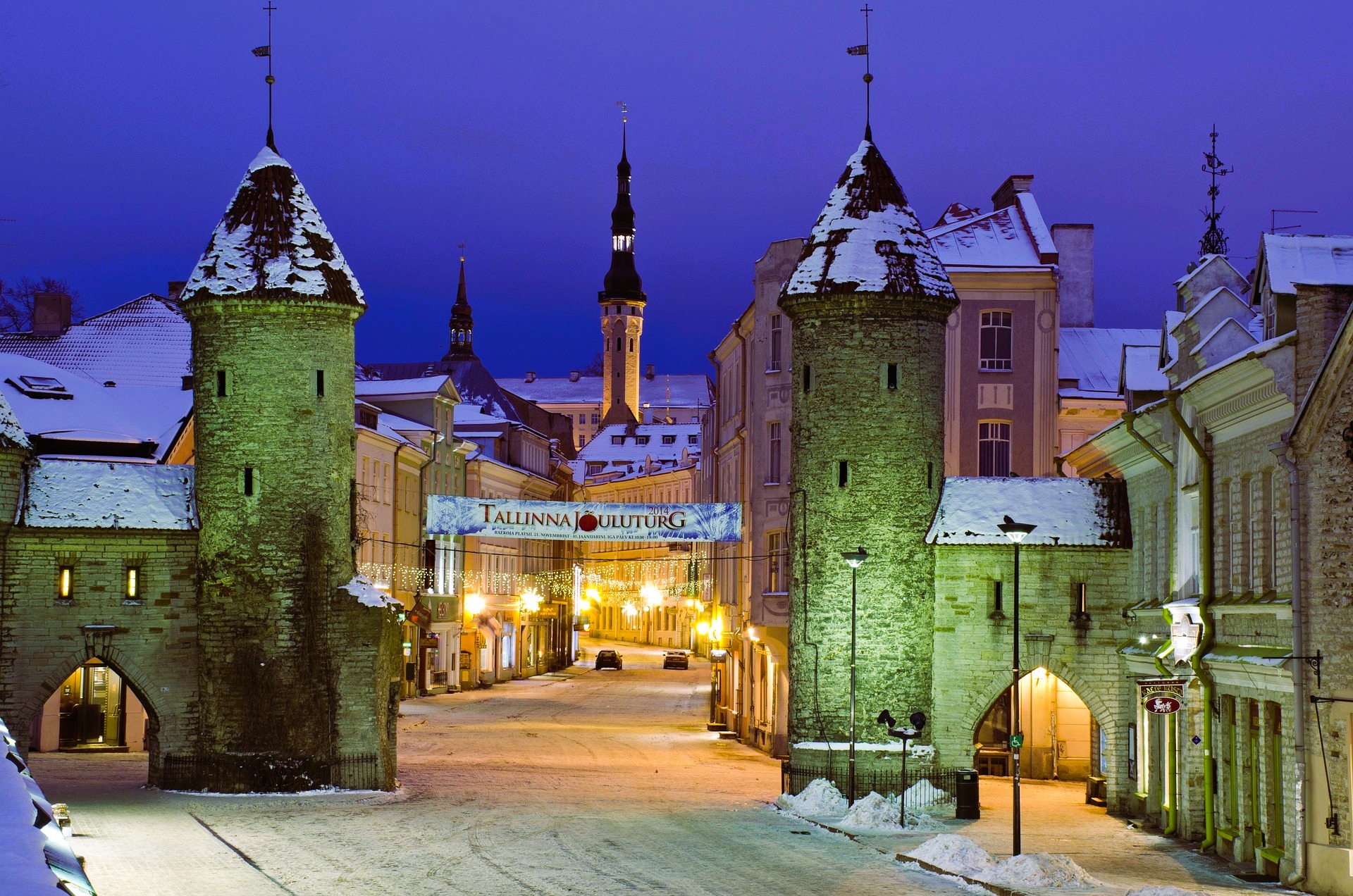
    The Morning Focus: Tallinn Old Town (Upper Town/Toompea). Walk the fortress walls for the Kohtuotsa viewing platform panorama.

    The Logistical Tip: Arrive at the Town Hall Square before 09:00 to photograph the Hanseatic architecture before the cruise ship crowds arrive.

    The “One Thing to Eat”: Kiluvõileib (Sprat sandwich) at a local cafe near the Niguliste Museum.

    Day 2: Lahemaa National Park The Coastal Push

    The Morning Focus: Viru Bog Trail. A 6km boardwalk through high-value peat bog landscapes and watchtowers.

    The Logistical Tip: Leave Tallinn by 08:30 via the E20. Use the RMK (State Forest Management Center) app for real-time trail maps.

    The “One Thing to Eat”: Smoked trout at the Altja Fishing Village tavern.

    Day 3: The Island Transition Muhu to Saaremaa

    The Morning Focus: Angla Windmills. Five iconic wooden windmills that represent the peak of Saaremaa’s agricultural heritage.

    The Logistical Tip: Pre-book your Virtsu–Kuivastu ferry ticket online (Praamid.ee) to skip the 1-2 hour standby queues. This is essential for maintaining your Estonia Itinerary 7 Days pace.

    The “One Thing to Eat”: Muhuleib (Dark rye bread with nuts/seeds) fresh from the Muhu Pagarid bakery.

    Day 4: Deep Saaremaa Cliffs and Craters

    The Morning Focus: Panga Cliff. The highest coastal cliff in Western Estonia, offering 21-meter drops into the Baltic.

    The Logistical Tip: Visit the Kaali Meteorite Crater on your way back to Kuressaare; it’s a 20-minute stop that fits perfectly into the transit window.

    The “One Thing to Eat”: Wild boar or locally caught Juniper-infused fish in Kuressaare.

    Day 5: The Academic Capital Tartu

    The Morning Focus: The Estonian National Museum (ERM). An architectural marvel built on a former Soviet airbase runway.

    The Logistical Tip: The drive from Saaremaa to Tartu is the longest leg (approx. 4.5 hours). Start by 09:00 to reach Tartu for a late lunch.

    The “One Thing to Eat”: Modern Estonian fusion at Aparaaditehas (The Widget Factory district).

    Day 6: Southern Nature & Onion Route

    The Morning Focus: Peipsi Lake & The Onion Route. Explore the unique culture of the Old Believers living along the Russian border.

    The Logistical Tip: Use the secondary roads (Route 222) for a more scenic drive through the yellow “National Geographic” windows.

    The “One Thing to Eat”: Famous Peipsi Onion Pie and samovar tea.

    Day 7: The Return Loop

    The Morning Focus: Viljandi Castle Hills. The ruins of a 13th-century Order of Livonia castle overlooking a pristine lake.

    The Logistical Tip: Viljandi is the perfect halfway point between Tartu and Tallinn, allowing for a 2-hour “leg stretch” before dropping off the rental car.

    The “One Thing to Eat”: Artisanal pastries at the Rohelise Maja Pood ja Kohvik.

    TRAVELER’S CHEAT SHEET

    Local SIM/Data: Pick up a Telia or Elisa “Super” prepaid SIM at any R-Kiosk. 10GB of data costs roughly €5; Estonia has near-100% 4G/5G coverage, even in deep forests.

    Transport “Hack”: Download the Pargi.ee app. It handles all street parking via your credit card, which is vital in Tallinn and Tartu where zones change block-by-block.

    Tourist Trap Avoidance: Avoid eating on the Tallinn Town Hall Square. Walk 5-10 minutes toward the Telliskivi Creative City for better quality at 40% lower prices.

    Internal Link: Looking for more Baltic inspiration? Check out our guide to the [Best places to visit in Northern Europe].

    COMMON QUESTIONS (FAQ)

    Is 7 Days enough for Estonia? Yes. Because Estonia is compact, 7 days allows you to cover the “Golden Triangle” (Tallinn, Saaremaa, Tartu) without exceeding 3 hours of driving on most days. It provides a 70/30 split between outdoor exploration and urban culture.

    How much does a 7 Days trip to Estonia cost? Expect to spend between €800 and €1,100 per person. This includes a mid-sized rental car (€250/week), fuel, mid-range boutique hotels, and high-quality dining. Booking ferries and car rentals 3 months in advance can reduce this by 15%.

    CONCLUSION: THE ROI This itinerary yields a high Experience-to-Transit ratio. By utilizing a car rental over the 7-day window, you reclaim approximately 14 hours otherwise spent waiting for regional buses. This time is reinvested into the bogs of Lahemaa and the cliffs of Saaremaa, delivering a comprehensive “Wild Estonia” experience that city-bound travelers miss.

  • Slovenia Itinerary: The Only 7 Days Plan You Need for Car Rental Travel

    Slovenia Itinerary: The Only 7 Days Plan You Need for Car Rental Travel

    This plan works because it eliminates the “backtracking” common in public transport routes, saving approximately 12 hours of transit time over one week. By utilizing a vehicle, you bypass restricted bus schedules, allowing for sunrise arrivals at major landmarks before tour groups arrive.

    Best Time to Visit: May to September (for mountain pass accessibility).

    Estimated Daily Budget: €120–€150 per person (including mid-range accommodation, fuel, and dining).

    Maximizing Optimal Time-to-Value: The 7-Day Efficiency Model

    A 7-day duration is the mathematical “sweet spot” for Slovenia due to the country’s compact geography. With a total land area of just 20,273 km², a one-week window allows for a 360-degree loop starting and ending in the capital without exceeding an average of 90 minutes of driving per day.

    This specific duration permits a 48-hour focus on the Alpine region, 24 hours for the Karst plateau, and 24 hours for the Adriatic coast, while maintaining a 20% “buffer” for spontaneous stops in the Soča Valley. Any shorter and you sacrifice the western peaks; any longer and the diminishing returns of small-town exploration begin to set in for the active traveler.

    The Strategic Hub: Ljubljana (Central District)

    For this 7-day model, Ljubljana serves as the primary strategic anchor for the first 3 nights. Its position at the intersection of the A1 and A2 motorways is statistically the most efficient launchpad in the country.

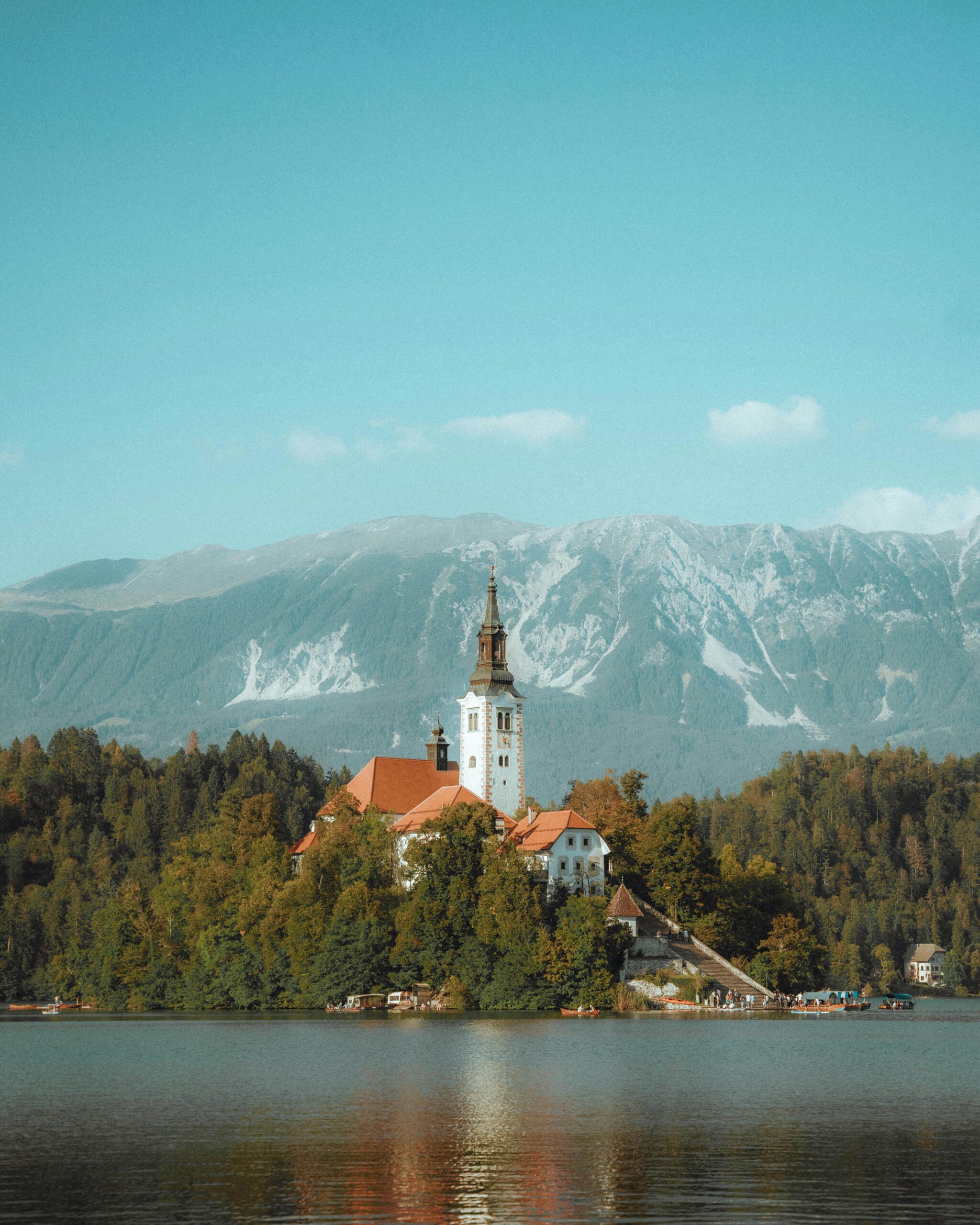
    Logistical Advantage: From a central Ljubljana base, you are within a 45-minute radius of Lake Bled, the Velika Planina plateau, and the Postojna Caves.

    Transit Minimization: By centering here initially, you avoid the “pack and unpack” fatigue of daily hotel changes, allowing for high-velocity day trips before transitioning to a secondary “spoke” location in the Soča Valley for the final leg of the journey.

    THE “HIGH-VALUE” ITINERARY

    Day 1: Ljubljana Logistics & Arrival

    The Morning Focus: Pick up your rental car at LJU airport and check into your central hub. Walk the Triple Bridge and ascend to Ljubljana Castle for a layout overview.

    The Logistical Tip: Slovenia Itinerary 7 Days success starts with a “Vignette” (toll sticker). Ensure your rental includes one or purchase it at the first gas station to avoid heavy fines on the A1.

    The “One Thing to Eat”: Kranjska klobasa (Carniolan sausage) at Klobasarna.

    Day 2: The Alpine Spoke (Lake Bled & Vintgar Gorge)

    The Morning Focus: Arrival at Vintgar Gorge by 08:00. The wooden walkways are narrow; arriving at opening time is the only way to avoid the mid-day “bottleneck.”

    The Logistical Tip: Park at the “Bled Rose Hotel” or designated central lots early; Lake Bled parking is strictly enforced and fills by 10:00.

    The “One Thing to Eat”: Kremna rezina (Bled Cream Cake) at Slaščičarna Zvezda.

    Day 3: The High Plateau (Velika Planina)

    The Morning Focus: Take the cable car from Kamniška Bistrica to the shepherd’s settlement of Velika Planina. It is one of the last remaining high-mountain herdsmen villages in Europe.

    The Logistical Tip: Check the webcam for cloud cover before leaving Ljubljana; if visibility is zero, swap this day with Day 4.

    The “One Thing to Eat”: Fresh Trnič cheese or a bowl of Jota (sauerkraut stew) at a mountain hut.

    Day 4: Subterranean Giants (Postojna & Predjama)

    The Morning Focus: Postojna Cave system via the electric train. Follow this immediately with the 15-minute drive to Predjama Castle, the world’s largest cave castle.

    The Logistical Tip: Buy a “Combo Ticket” online at least 24 hours in advance. This grants a specific time slot for the cave, which is essential during peak months.

    The “One Thing to Eat”: Venison goulash at a traditional Gostilna in the Karst region.

    Day 5: The Soča Valley Transition (Vršič Pass)

    The Morning Focus: Drive the 50 hairpin turns of the Vršič Pass. Stop at the Russian Chapel and the Jasna Lake before descending into Bovec.

    The Logistical Tip: Use engine braking on the descent into the Soča Valley to prevent brake fade. This is the most technical driving day of the itinerary.

    The “One Thing to Eat”: Čompe (boiled potatoes) with salted cottage cheese in Bovec.

    Day 6: Emerald Waters & Adrenaline

    The Morning Focus: The Great Soča Gorges or a white-water rafting session. The water temperature rarely exceeds 12°C, so a guided tour with wetsuits is recommended.

    The Logistical Tip: If heading toward the coast next, depart Bovec by 16:00 to catch the sunset at your next stop.

    The “One Thing to Eat”: Fresh river trout (Soška postrv) at a local riverside eatery.

    Day 7: The Adriatic Finish (Piran)

    The Morning Focus: Explore the Venetian Gothic architecture of Piran. Climb the Bell Tower of St. George’s Parish Church for 360-degree views of Italy and Croatia.

    The Logistical Tip: Piran is car-free. Park at the “Fornace” garage and take the free shuttle bus into Tartini Square.

    The “One Thing to Eat”: Sea-salt seasoned sea bass or “Fritaja” with wild asparagus.

    TRAVELER’S CHEAT SHEET

    Local SIM/Data: Purchase a Telemach or A1 prepaid SIM at any “Petrol” gas station. For €10, you typically get 100GB of data essential for real-time GPS navigation in the Alps.

    Transport Hack: Don’t rely on Google Maps travel times in the Julian Alps; add a 20% time buffer due to narrow roads and slow-moving agricultural vehicles.

    Tourist Trap Avoidance: Avoid the “Bled Island” Pletna boat if you are on a tight schedule. The view of the island from the Ojstrica viewpoint is free and significantly more “Instagrammable.”

    Internal Link Suggestion: Discover more European gems in our guide to the [Best places to visit in Central Europe].

    Is 7 Days enough for Slovenia? Yes. Because Slovenia is compact, a 7-day itinerary allows you to cover the “Golden Triangle” (Ljubljana, Lake Bled, and the Coast) and the Soča Valley without rushing. It provides the highest ROI for your time by minimizing transit between major landmarks.

    How much does a 7-day trip to Slovenia cost? For an active couple using a car rental, expect to spend between €1,700 and €2,100 total. This includes a mid-range vehicle (€400), fuel/tolls (€100), boutique accommodation (€900), and dining/entry fees (€600).

    Conclusion This itinerary is designed for optimal time-to-value. By leveraging a car rental and a hub-and-spoke strategy, you save over 15 hours of waiting for public transit, effectively gaining two “extra” days of sightseeing. You aren’t just seeing Slovenia; you are experiencing it with surgical efficiency.