Tag: blog

  • 6 Best Things to Do in Bordeaux: A Strategic Guide for the Thoughtful Traveler

    6 Best Things to Do in Bordeaux: A Strategic Guide for the Thoughtful Traveler

    Many travelers treat Bordeaux as a frantic checklist, rushing between tasting rooms and the Rue Sainte Catherine crowds only to miss the city’s architectural and historical depth. This high velocity approach often leads to “monument fatigue,” where the grandeur of 18th century limestone begins to blur. This guide fixes that by adopting an unhurried, strategic approach. Instead of covering every square, we prioritize the best things to do in Bordeaux by selecting sites that offer maximum historical density and spatial clarity. By timing your visits to avoid the peak tram line surges and focusing on the city’s “golden circle,” you can experience the UNESCO listed core without the typical friction of a standard tourist itinerary.

    La Cité du Vin – The Evolution of Oenological Culture

    This metallic monolith serves as a bold architectural counterpoint to Bordeaux’s neoclassical skyline, symbolizing the city’s transition into a modern global wine capital. While most visitors approach wine through traditional cellar tours, this site offers a sensory immersion into the global history of viticulture. A strategic traveler should prioritize the permanent exhibition’s interactive modules, which bypass dry data in favor of atmospheric storytelling. The structure itself mimics the swirl of wine in a glass, grounding the experience in the physical relationship between the vine and the river. To maximize the value of your ticket, head directly to the eighth floor Belvedere for your included tasting during the late afternoon; the panoramic views of the Garonne and the Pont Jacques Chaban Delmas are best captured when the sun hits the limestone buildings of the Chartrons district at a low angle.

    Place de la Bourse & Le Miroir d’Eau – Symmetry and Urban Reflection

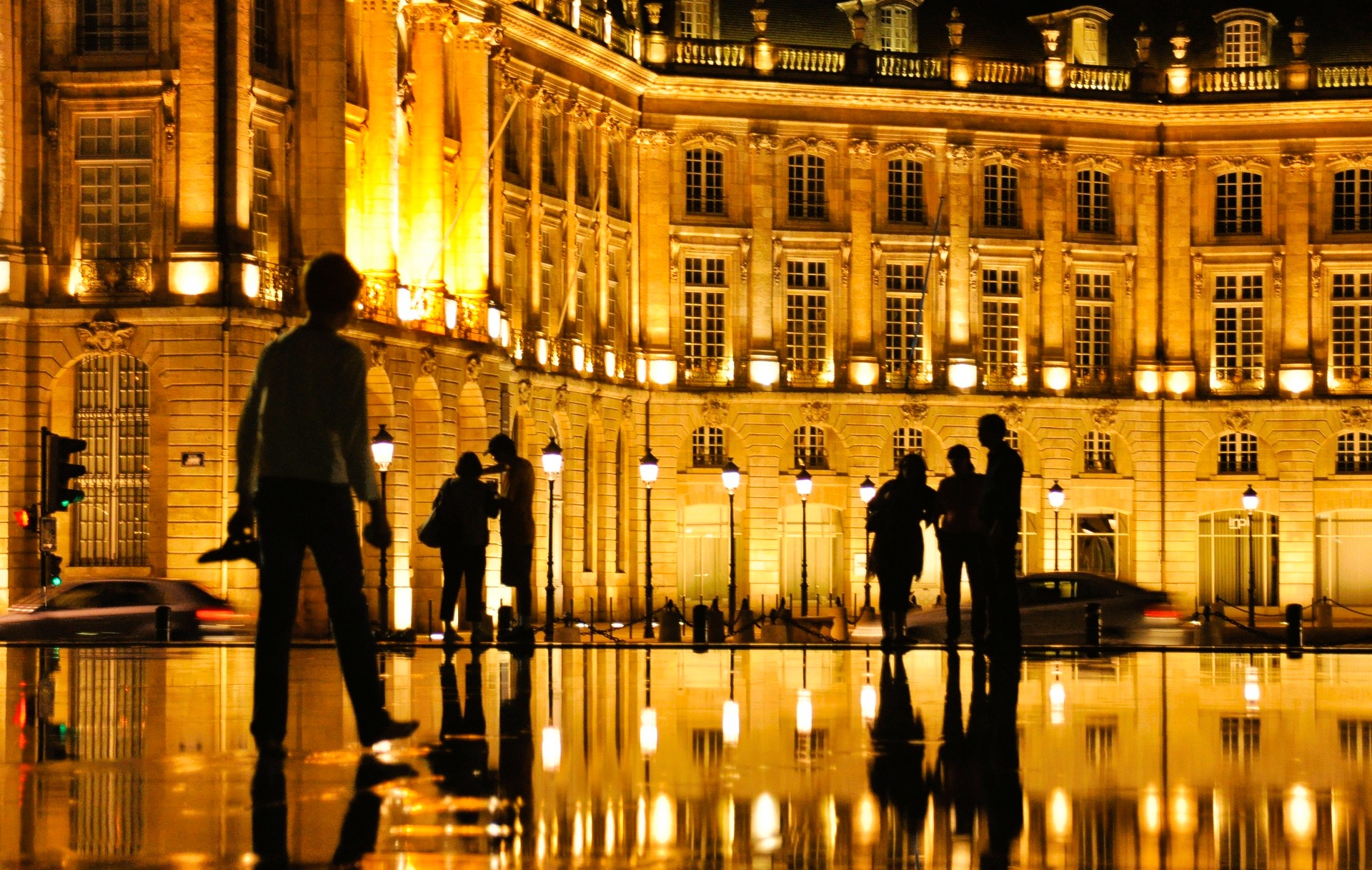
    Commissioned by Intendant Boucher in the 18th century, this horseshoe shaped complex represents the moment Bordeaux broke free from its medieval walls to embrace the Enlightenment. The Place de la Bourse is a masterclass in French classical architecture, designed to reflect the power of the monarchy and the prosperity of the colonial port. Today, the Mirror of Water adds a layer of modern utility, creating a shifting visual dialogue between the heavy stone facades and their ephemeral liquid twins. For the thoughtful observer, this space is less about the photograph and more about the intersection of civic pride and public leisure. Avoid the heavy mid afternoon crowds by arriving just before dusk, when the fog effects are most atmospheric and the surrounding restaurants of the Saint Pierre district haven’t yet reached their peak occupancy for dinner service.

    Cathédrale Saint André & Tour Pey Berland Gothic Verticality and Independence

    Standing as the spiritual anchor of the city, the Cathedral of Saint André is where the history of Aquitaine and the French crown frequently collided, most notably during the royal wedding of Eleanor of Aquitaine. Its unique layout, featuring a separate bell tower, was a structural necessity dictated by the marshy ground of the river basin. The Pey Berland tower offers a physical challenge that rewards the strategic traveler with the most comprehensive perspective of the city’s UNESCO protected urban fabric. While the cathedral interior provides a cool, silent refuge from the bustle of the nearby shopping districts, the climb up the narrow staircase of the tower requires timing. Book your specific entry slot for the tower early in the morning to navigate the 231 steps before the heat and the narrow corridors become congested with the midday tour groups.

    Grand Théâtre de Bordeaux – Neoclassical Mastery and Performance Heritage

    Designed by architect Victor Louis, this structure served as the aesthetic prototype for the Opéra Garnier in Paris, representing the pinnacle of 18th century Enlightenment architecture. Its twelve Corinthian columns, topped by statues of the muses and goddesses, establish a visual rhythm that defines the Place de la Comédie. For the strategic traveler, the interior is where the true value lies, offering a masterclass in acoustics and visual harmony through its blue and gold auditorium. To appreciate the scale without the constraints of a formal tour, consider booking a matinee performance; this allows you to experience the space as it was intended—through the movement of an audience rather than a static exhibit. Look closely at the ceiling fresco by Jean Baptiste Claude Robin, which was meticulously restored to its original brilliance, and notice the subtle inclusion of the city’s coat of arms within the celestial imagery.

    Porte Cailhau – Medieval Fortification and Urban Gateway

    Standing as a triumphant arch dedicated to Charles VIII’s victory at Fornovo, this limestone gate remains one of the few physical remnants of the city’s defensive past. Its transition from a defensive bastion to a ceremonial entrance marks the evolution of Bordeaux from a fortified medieval stronghold to an open, prosperous port city. The gate’s conical roofs and ornate carvings provide a sharp contrast to the surrounding neoclassical facades, offering a vertical perspective on the historical layers of the Saint Pierre district. Climbing to the upper floor provides a unique vantage point over the oldest bridge in the city, the Pont de Pierre. To avoid the congestion of the main thoroughfares, approach the gate from the narrow side streets of the old town rather than the riverfront, as this reveals the architectural detail more gradually and places the monument in its proper historical context.

    Les Bassins des Lumières – Digital Immersion in a Submarine Base

    This former World War II U boat base has been transformed into the world’s largest digital art center, repurposing four massive submarine basins into a canvas for light and sound. The experience is defined by the stark juxtaposition between the brutalist concrete architecture and the fluid, vibrant projections reflecting off the water’s surface. It offers a rare opportunity to see how industrial history can be reclaimed for contemporary cultural utility without erasing its somber origins. The scale of the projections creates a meditative environment that contrasts sharply with the traditional museum experience found elsewhere in the city. To ensure a seamless visit, take the tram line B toward Berges de la Garonne and get off at the Cité du Vin stop, then enjoy the ten minute walk through the revitalized wet docks area to witness the ongoing urban transformation of the Bassins à Flot.

    A 3 Day Strategic Itinerary

    To maximize the geographical logic of your visit, group the landmarks by their proximity to the Garonne River and the historic center. Spend your first day in the Chartrons and Bassins à Flot districts, starting with the digital immersion of Les Bassins des Lumières before walking south to La Cité du Vin. This keeps your morning industrial and your afternoon focused on oenological history. Dedicate the second day to the neoclassical core of the Saint Pierre and Quinconces neighborhoods. Begin at the Grand Théâtre de Bordeaux and move toward the Place de la Bourse to witness the Mirror of Water as the light shifts. On your final day, head toward the medieval Saint Eloi quarter. Start at the Porte Cailhau and walk toward the Cathédrale Saint André and the Tour Pey Berland. This route follows the city’s natural walking rhythm, allowing for long lunches in shaded squares without backtracking across the tram lines.

    The Unhurried Mindset

    The unspoken rule of Bordeaux is that the city belongs to those who understand the value of the pause. While the architecture is grand and imposing, the culture is surprisingly intimate, rooted in the concept of the long, stationary afternoon. To truly align with the local vibe, abandon the urge to see every monument in a single loop. Instead, adopt the soulful practice of choosing one limestone terrace in the Saint Michel or Chartrons district and remaining there for two hours with a single glass of Clairet. Observe how the honey colored stone changes as the Atlantic light softens, and you will find that the city reveals its character not in its landmarks, but in its stillness.

    Bordeaux serves as the sophisticated gateway to the broader Atlantic coast and the rolling viticultural landscapes of Southwest France. Whether you choose to follow the river further into the medieval villages of Saint Émilion or head west toward the shifting sands of the Bassin d’Arcachon, the region offers a depth of history that rewards the patient traveler.

    Move beyond the map and let the rhythm of the river guide your discovery.

  • The Gentle Pulse of the Six: A Slow Traveler’s Wallpapers to Toronto’s Quiet Corners

    The Gentle Pulse of the Six: A Slow Traveler’s Wallpapers to Toronto’s Quiet Corners

    The Kensington Pour

    Watch the neighborhood wake up slowly through the rising steam of your morning brew. This Toronto Wallpaper captures the gentle, unhurried pause of a Saturday morning well spent.

    Zenith in the Mist

    Even the city’s tallest peak invites a moment of stillness when the clouds roll in. Let this Toronto Wallpaper remind you to look up and breathe amidst the urban rush.

    The Victorian Whisper

    Wander where the crowds don’t, among the ivy-covered brick and the secrets of the side streets. This Toronto Wallpaper is an invitation to linger in the city’s historical heart.

    The Island Drift

    The city hums in the distance while the lake whispers against the shore at dusk. A Toronto Wallpaper designed to bring the peace of the waterfront to your digital space.

    Rhythm of the Rails

    There is a certain melody in the sway of the tracks as you travel across the downtown core. Carry the steady rhythm of the journey with this nostalgic Toronto Wallpaper.

    The Hidden Ravine

    Find your sanctuary where the urban pulse fades into the rustle of turning leaves. This Toronto Wallpaper serves as a quiet escape to the city’s hidden natural valleys.

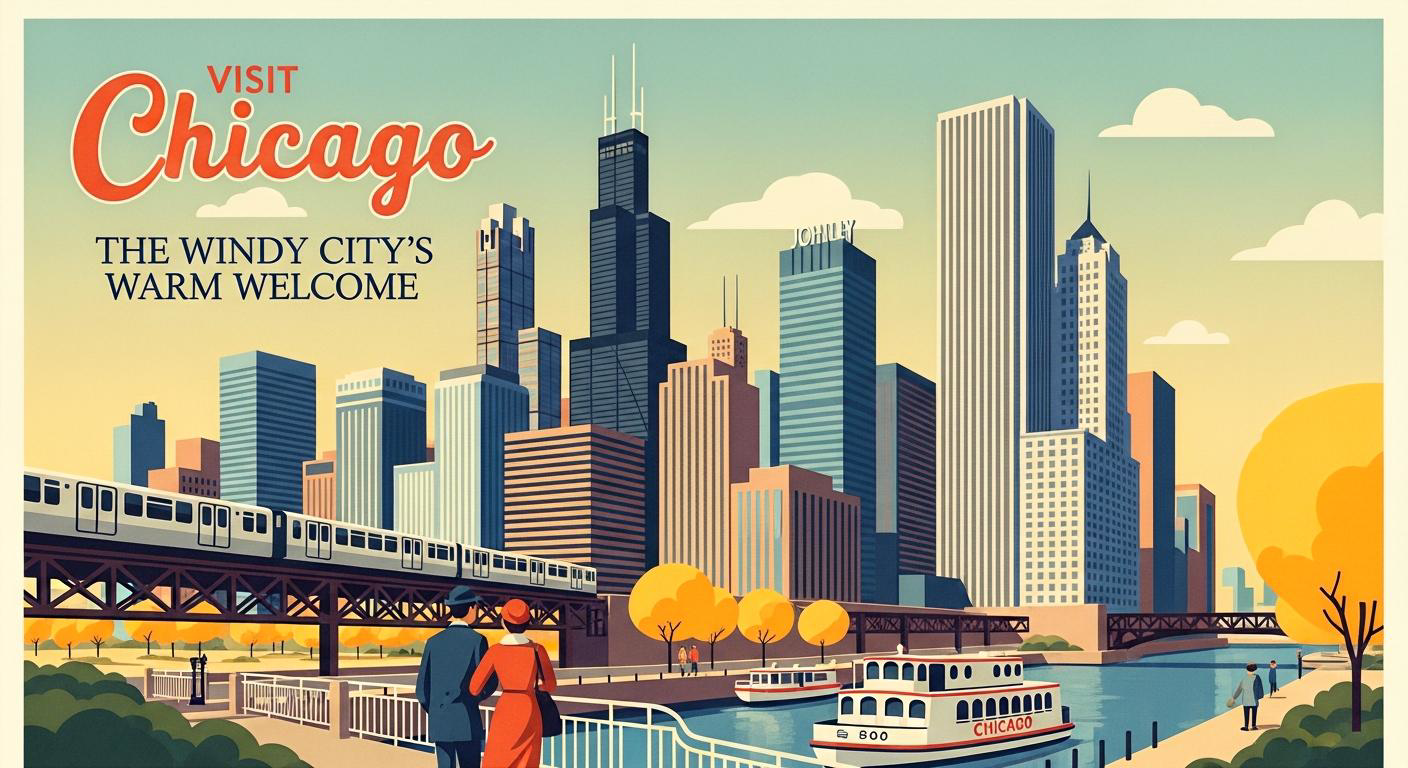
  • The Windy City’s Soft Whisper: Wallpapers to Lingering in Chicago’s Quietest Corners

    The Windy City’s Soft Whisper: Wallpapers to Lingering in Chicago’s Quietest Corners

    Steam and Stone

    Savor the slow rise of steam against a backdrop of historic brick and ivy. This Chicago Wallpaper captures the simple, unhurried joy of a neighborhood morning.

    Midnight at the Theatre

    Let the soft, nostalgic glow of State Street light up your screen. This Chicago Wallpaper honors the city’s dramatic soul without the noise of the crowds.

    Lincoln Park Shadows

    Wander through silent corridors of stone and shadow where time seems to stand still. Carry the elegance of the side streets with you through this Chicago Wallpaper.

    The Infinite Horizon

    Find your breath where the steel skyline meets the infinite blue of Lake Michigan. This Chicago Wallpaper is a window into the city’s most peaceful perspective.

    The Elevated Line

    The rhythmic rattle of the ‘L’ becomes a quiet lullaby in this stylized Chicago Wallpaper, celebrating the city’s industrial heartbeat.

    Prairie Sanctuary

    Retreat into a hidden oasis of stone and water designed for reflection. Let this Chicago Wallpaper be your digital sanctuary in a busy world.

  • The Soul of the Motor City: A Slow Travel Wallpapers to Detroit’s Quiet Rhythm

    The Soul of the Motor City: A Slow Travel Wallpapers to Detroit’s Quiet Rhythm

    Morning Light in Corktown

    Savor the steam rising from your cup as the morning light filters through the glass in this Detroit Wallpaper. It is an invitation to linger a little longer before the world wakes up.

    The Cathedral of Commerce

    Marvel at the intricate geometry of a city built on ambition and art with this Detroit Wallpaper. Let the golden age of architecture remind you that true beauty is worth the wait.

    Echoes of the Belt

    Find your way off the main road and into the silent stories told by brick and paint in this Detroit Wallpaper. It’s in these hidden passages that the city’s heart beats most softly.

    Twilight on the Riverfront

    Watch the skyline settle into the twilight as the river flows by in a steady, rhythmic pulse in this Detroit Wallpaper. Perspective is the greatest gift of a slow journey.

    The Elevated Path

    Let the city glide past your window at a rhythmic pace with this Detroit Wallpaper. Even in motion, there is a certain stillness to be found in the transit of the everyday.

    The Willow’s Rest at Belle Isle

    Rest a while under the shade of the willow where the city noise fades into a gentle rustle in this Detroit Wallpaper. Here, time is measured only by the movement of the leaves.

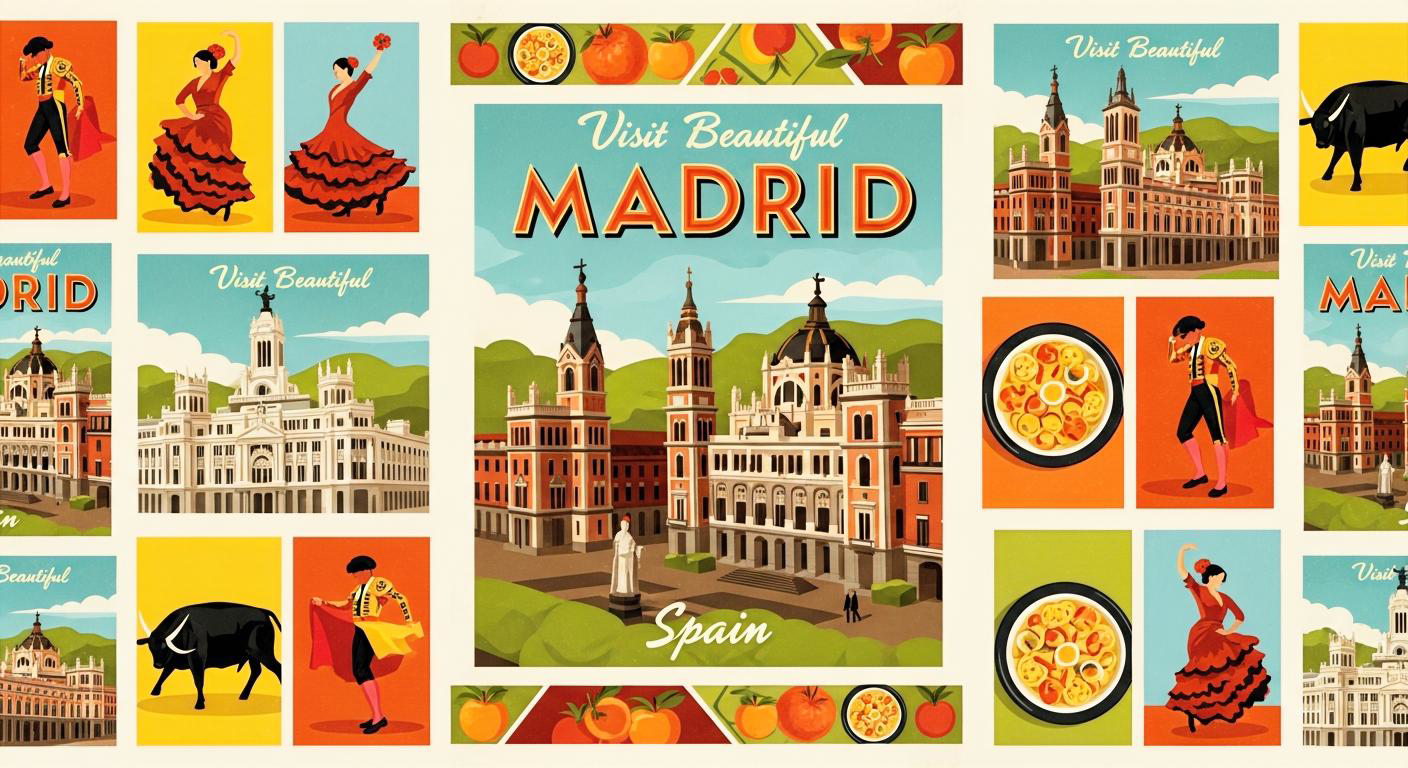
  • The Art of the Afternoon: Finding Madrid’s Soul in the Stillness Between Siesta and Sunset

    The Art of the Afternoon: Finding Madrid’s Soul in the Stillness Between Siesta and Sunset

    Midday Rhythms at the Terraza

    There is a specific magic in the clink of a ceramic cup against a marble table as the city breathes. This Madrid Wallpaper captures the simple joy of watching the world drift by from the shaded corner of a neighborhood plaza.

    The Royal Echo of the Palacio

    Standing before the grand palace, the weight of history is softened by the gentle, golden light of the Spanish sun. Let this Madrid Wallpaper remind you that even the grandest monuments are best appreciated with a long, quiet gaze.

    Shadows in the Barrio de las Letras

    Wander away from the main thoroughfares to find the city’s quiet pulse hidden in its narrowest alleys. This Madrid Wallpaper celebrates the beauty of getting lost and the stories etched into every sun-baked brick.

    Sunset Glow Over the Temple of Debod

    As the sky turns to velvet, the city skyline softens into a dream of terracotta and ancient stone. Carry the peaceful horizon of a Spanish twilight with you through this evocative Madrid Wallpaper.

    The Steady Pulse of the Blue Bus

    There is a quiet rhythm to the city’s movement, a steady pulse that carries you from one neighborhood story to the next. This Madrid Wallpaper captures the nostalgia of a journey where the destination is far less important than the view from the window.

    Solitude Beneath the Crystal Palace

    In the green heart of the city, the air grows still and the urban noise fades into the rustle of leaves. This Madrid Wallpaper serves as an invitation to breathe deeply and stay in the moment just a little while longer.

  • Echoes of the Eternal: A Slow Wallpaper Through Rome’s Hidden Rhythms

    Echoes of the Eternal: A Slow Wallpaper Through Rome’s Hidden Rhythms

    The Morning Ritual

    Savor the scent of roasted beans as the world wakes up slowly around a sun-drenched table. This Rome Wallpaper captures the quiet dignity of a morning spent doing absolutely nothing at all.

    Shadows of Antiquity

    Watch the light dance across ancient stone, reminding us that time is a river, not a race. Let this Rome Wallpaper bring the enduring stillness of history to your daily screen.

    The Secret Alleyway

    There is magic found in the turns we take by mistake, down streets where the ivy grows undisturbed. This Rome Wallpaper invites you to wander where the maps don’t lead.

    Twilight Over the Seven Hills

    As the sun dips below the horizon, the city exhales in shades of violet and gold. Carry the breath of the Gianicolo hill with you through this peaceful Rome Wallpaper.

    The Roman Glide

    Not every journey requires a destination; sometimes the joy is simply in the elegance of the movement. This Rome Wallpaper celebrates the iconic silhouette of a city that knows how to move with grace.

    Sanctuary in the Courtyard

    Find your breath beside the rhythmic pulse of falling water in a garden forgotten by the crowds. This Rome Wallpaper serves as a digital retreat into the city’s silent, verdant heart.

  • Warsaw in Slow Motion: A Soulful Wallpaper to Poland’s Resilient Heart

    Warsaw in Slow Motion: A Soulful Wallpaper to Poland’s Resilient Heart

    Saska Kępa Mornings

    Savor the stillness of a morning ritual with this Warsaw Wallpaper, where the only thing on the agenda is the gentle steam rising from your cup. It is an invitation to pause and breathe in the city’s quieter side.

    Reflections of the Palace

    This Warsaw Wallpaper captures the city’s most iconic silhouette, softened by the hazy light of a slow afternoon. It’s a reminder that even the grandest monuments can feel intimate when viewed with unhurried eyes.

    The Cobbled Secret

    Lose yourself in the quiet rhythm of history with a Warsaw Wallpaper that celebrates the beauty of a path less traveled. Every stone here tells a story of resilience and timeless charm.

    The River’s Lullaby

    Let the river carry your worries away with a Warsaw Wallpaper that frames the city in a moment of evening grace. It is the perfect backdrop for those who find peace at the water’s edge.

    The Red and Yellow Glide

    Even the journey is a destination; this Warsaw Wallpaper reminds us to enjoy the slow glide through the city’s veins. It’s a tribute to the nostalgic charm of urban movement.

    Łazienki Dreams

    Find your inner sanctuary with a Warsaw Wallpaper inspired by the sun dappled paths of a royal garden. It is a piece of the city’s green heart, designed to bring a sense of calm to your daily digital space.

  • The Concrete Appetite: New York City 4 Essential Culinary Experiences

    The Concrete Appetite: New York City 4 Essential Culinary Experiences

    New York operates on a relentless, tiered schedule that punishes the unprepared. Morning belongs to the frantic bodega rush where coffee and foil wrapped rolls are currency. Lunch is a utilitarian pause, often consumed standing or in transit. The evening transition is sharp, moving from the casual after work happy hour to high stakes dinner reservations that require weeks of planning. Tourists often stumble by attempting to dine at peak hours without a strategy or by ignoring the outer boroughs where the most authentic flavors reside. Real eating happens in the gaps between landmarks. Missing the late night utility of a corner slice or a 24 hour diner is a failure to understand the city’s endurance.

    Katz’s Delicatessen – The Anchor of Lower East Side History

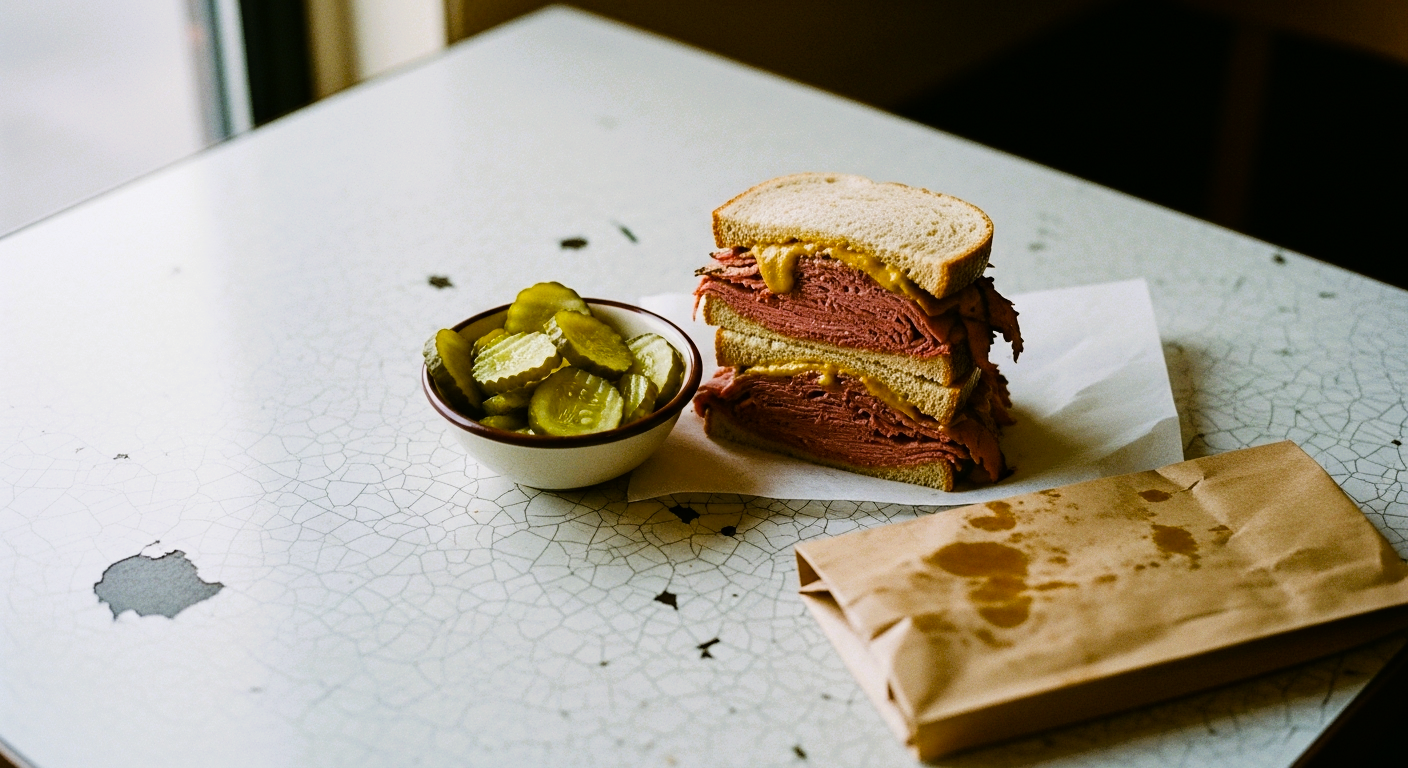
    Stepping into this hall is entering a preserved ecosystem of noise and aroma. The air is thick with salt, smoke, and the din of simultaneous conversations. The main event is the pastrami, cured slowly and smoked heavily before a long steam. A cutter slices it by hand, thicker than machine cut versions, resulting in warm, crimson slabs that fall apart under their own weight. The fat render is immediate, coating the palate with intense savory smoke, balanced only by the sharp sting of deli mustard and the earthy chew of rye bread. It’s a relic of the neighborhood’s immigrant roots, a functional meal meant to sustain hard labor. To navigate the chaos, take your ticket immediately upon entry and keep it secure, as exit is impossible without it.

    Louie & Ernie’s Pizza – The Bronx Baseline for Coal Fired Crust

    This Schuylerville storefront offers little in decor, focusing energy on the coal oven blazing in the back. This isn’t Neapolitan style with a wet center; it is the distinct New York hybrid built for folding. The crust is the defining feature, blistered and charred in spots from intense, dry heat, yielding a distinct smoky crunch that gives way to a chewy interior. The sauce is simple crushed tomatoes, and the fresh mozzarella is applied sparingly to avoid soddening the dough. It tastes of fire and fermented wheat. The setting is utilitarian, a place for quick transactions rather than lingering meals. Order a whole pie rather than slices to appreciate the structural integrity of the fresh bake; it’s worth the wait in the cramped standing area.

    Xi’an Famous Foods – The Heat of Western China in Queens

    Starting as a basement stall in Flushing, this operation standardized the flavors of Shaanxi province for the city. The draw here is the biang biang noodles, ripped by hand into wide, irregular ribbons that offer substantial chew and surface area. They are doused in hot oil that activates a heavy coating of chili flakes, Sichuan peppercorns, and cumin. The taste is aggressive; the numbing sensation of the peppercorns battles the dry heat of the chili, while chunks of stewed lamb add a gamy depth. It’s a fast, loud culinary experience, often eaten shoulder to shoulder in cramped quarters. The spice level is a central component of the dish, not a garnish. Before digging in, thoroughly mix the noodles from the bottom up to ensure every strand is coated in the seasoned oil and vinegar pooled beneath.

    Barney Greengrass – The Upper West Side Appetizing Tradition

    This venue is termed an “appetizing” store, a specific New York distinction for shops selling fish and dairy products, distinct from meat delis. The interior is preserved in a mid century stasis of Formica and fluorescent light. The essential order is Nova Scotia salmon on a bagel. The fish here is sliced paper thin, translucent and silky, carrying a mild smoke that doesn’t overpower the fatty richness of the salmon itself. It provides a necessary salt counterpoint to a thick schmear of plain cream cheese. The bagel should be dense and chewy, a mere vehicle for the fish. While many opt for toasted bagels, the purist move is to order the bagel untoasted to appreciate the textural contrast between the cool fish and the dense dough.

    From Upper West Side Salt to Lower East Side Smoke

    The route begins on the Upper West Side with the clean, cold salt of a lox bagel, providing a neutral, high protein foundation for the day. From there, a transit north to the Bronx for a coal fired pie introduces the first hit of heat and charred starch. This sequence is intentional; the dry, smoky crust of the pizza acts as a bridge between the morning’s dairy and the aggressive, numbing spice found later in the Flushing basement. After the intensity of the cumin lamb, the journey concludes on the Lower East Side. The heavy, fermented richness of hand sliced pastrami serves as the final, grounding weight to a day defined by high contrast flavors. This arc moves through four distinct neighborhoods and three boroughs, utilizing the subway as a connector between historical immigrant enclaves. It avoids palate fatigue by alternating between temperature extremes and varying levels of acidity and fat.

    The Economy of the Counter and the Curb

    Efficiency is the primary social contract in any established New York eatery. Indecision at the front of a line is viewed as a breach of etiquette that delays the collective rhythm. Realize that space is the city’s most expensive commodity; do not occupy a table longer than necessary once the last bite is gone. Eating is frequently a solitary act of maintenance performed in a crowded public sphere. Whether standing at a narrow stainless steel counter or perched on a stone stoop, the focus remains strictly on the utility of the meal. Respect the brevity of the staff, as their speed is a service to the queue behind you rather than a personal slight. Mastery of the city’s food culture requires moving with purpose and exiting with the same speed.

    A City Defined by its Functional Excellence

    New York City does not possess a singular culinary style but rather a demanding standard for functional excellence across disparate traditions. The city’s identity is cemented by the persistence of these four pillars, which have survived shifting demographics and economic volatility by remaining uncompromising in their core output. It is a landscape that consistently rewards the mobile and the observant, where the superior meal is rarely the most comfortable or manicured one. To eat here is to join a continuous, multi generational conversation centered on salt, smoke, and starch. The city remains the final arbiter of authenticity, stripping away aesthetic artifice until only the essential, high impact flavor remains.

  • Best Things to Do in Amsterdam:A Strategic Guide for the Thoughtful Traveler

    Best Things to Do in Amsterdam:A Strategic Guide for the Thoughtful Traveler

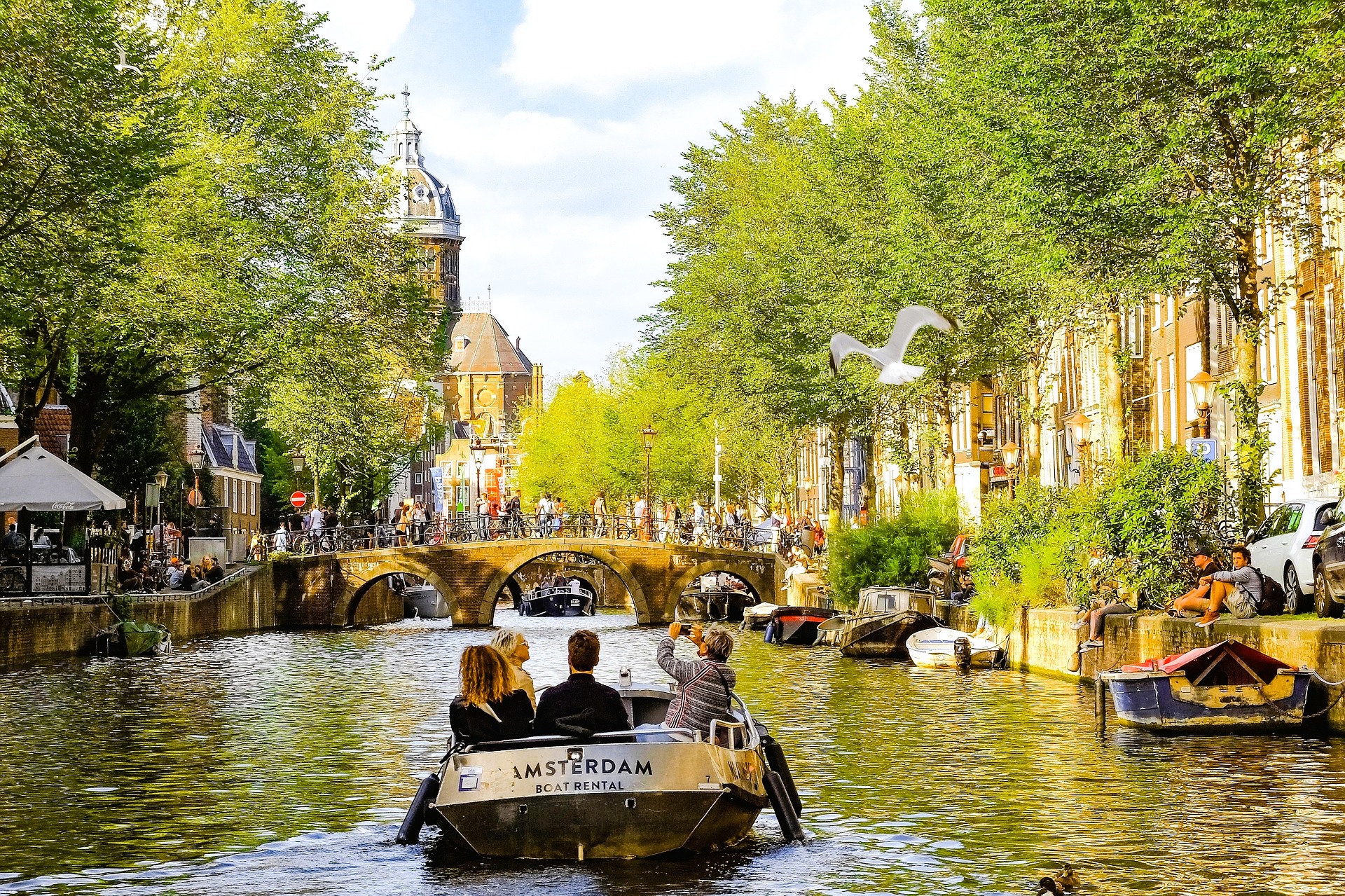
    Many travelers treat Amsterdam as a frantic checklist, sprinting between major galleries while dodging bike traffic in a crowded daze. This high velocity approach inevitably leads to museum fatigue and a superficial connection to the city’s complex history. The error lies in poor timing and a failure to account for the logistical friction of the central canal belt. This guide solves that by applying a deliberate, unhurried filter to the best things to do in Amsterdam. We focus on high utility landmarks where the architectural detail and historical weight reward patient observation rather than a quick selfie. By prioritizing these six selections, you bypass the standard tourist churn and experience a version of the city that is intentional, quiet, and profoundly Dutch.

    Rijksmuseum – Masterpieces of the Dutch Golden Age and Historical Grandeur

    The Rijksmuseum functions as the definitive repository of Dutch identity, housing eight centuries of art and history within its neo Gothic walls. For the thoughtful traveler, this is not merely a gallery but a chronological study of the Dutch Golden Age, where the interplay of light and shadow in Rembrandts works reflects the nations 17th century prosperity. The scale of the collection can be overwhelming, yet the architectural layout encourages a rhythmic progression through the eras of Dutch mastery. To maintain an unhurried pace and avoid the dense clusters that form around the major masterpieces, aim to enter through the secondary entrance at the Petrus Cuypers annex precisely at nine in the morning when the building first opens. This strategic entry allows for a quiet contemplation of the Gallery of Honour before the mid day surge of tour groups disrupts the intended atmospheric stillness of the Great Hall.

    Anne Frank House – Reflections on WWII History and Human Resilience

    The Anne Frank House serves as a somber, essential meditation on human resilience and the devastating consequences of systemic exclusion. Walking through the concealed doorway behind the movable bookcase, travelers encounter the physical constraints of the Secret Annex, a space that remains largely preserved in its wartime state. It is a site that demands emotional presence and silent reflection, qualities often lost in the standard tourist cycle of the surrounding Jordaan district. Because tickets are released in specific weekly batches and vanish instantly, the most logical strategy for the modern traveler is to secure a Tuesday evening slot during the extended opening hours. Visiting after six in the evening ensures a more somber and less hurried environment, allowing the weight of the personal journals and the claustrophobic reality of the attic to resonate without the pressure of an encroaching crowd constantly moving you forward through the narrow corridors.

    Van Gogh Museum – A Chronological Study of Post Impressionist Artistry

    The Van Gogh Museum offers a profound psychological journey through the evolution of history’s most influential artist, housing the largest collection of his paintings and letters. Rather than focusing solely on iconic works, the thoughtful traveler should observe the chronological shifts in color palette and brushwork that mirror Van Goghs shifting mental states and artistic convictions. This focused observation reveals the labor behind the genius, transitioning from the dark tones of his early Dutch period to the vivid, frantic energy of his final years in France. To escape the midday peak and the resulting visual noise, plan your visit for a Friday evening when the museum remains open late and often features specific programming. This late night window provides a more contemplative atmosphere to appreciate the textured impasto of the canvases while the surrounding Museumplein settles into a quieter, more local rhythm after the primary day trip crowds have departed.

    Ons’ Lieve Heer op Solder – A Hidden Glimpse of Clandestine Religious History

    Ons’ Lieve Heer op Solder, or Our Lord in the Attic, represents the most authentic preservation of Amsterdam’s 17th century interior life and religious tolerance. While the city’s exterior is dominated by grand facades, this site reveals a clandestine Catholic church hidden within the upper floors of a seemingly ordinary canal house. The thoughtful traveler experiences a striking architectural contrast, moving from narrow, domestic living quarters into a surprisingly expansive, vaulted sanctuary. This transition serves as a physical manifestation of the Dutch concept of gedogen, or pragmatic tolerance, where private belief was permitted provided it remained invisible from the street. To truly appreciate the atmosphere, look closely at the delicate marbled wood finishes and the original pipe organ during the first hour of opening. After your visit, take a short three minute walk to the Oude Kerk square for a quiet coffee, bypassing the more chaotic tourist traps of the nearby Red Light District.

    Begijnhof – A Sanctuary of Medieval Architecture and Tranquil Seclusion

    The Begijnhof offers a rare, spatial shift from the commercial density of the Kalverstraat into a silent courtyard that dates back to the 14th century. Originally a lay sisterhood for women who took no monastic vows, the enclosure retains an aura of dignified seclusion that is increasingly difficult to find in the city center. The experience here is one of architectural continuity; the site contains one of the only two remaining wooden houses in Amsterdam, showcasing the medieval structural techniques that preceded the ubiquitous brick. For the strategic visitor, the value lies in the sudden drop in decibels and the opportunity to observe the traditional gabled houses without the distraction of modern traffic. To avoid the peak hour congestion at the main Spui entrance, look for the smaller, more discreet wooden door on the northern side of the square which offers a much quieter and more reflective entry point into the historic garden.

    Royal Palace Amsterdam – Civic Grandeur and the Majesty of the Dam Square

    The Royal Palace stands as a monumental testament to Amsterdam’s peak as a global commercial powerhouse, originally built as a town hall that was meant to be the eighth wonder of the world. For the observant traveler, the interior offers a masterclass in Classical Baroque architecture, with vast marble floors and intricate sculptures that narrate the city’s dominance over the seas. The Citizens’ Hall is the centerpiece of this experience, where the inlaid maps of the eastern and western hemispheres underfoot remind visitors of the historical reach of Dutch influence. To maximize the utility of your visit, always check the official palace calendar before arriving, as the building is still used for state functions and can close to the public on short notice. If the main square is congested, entering through the side entrance on Paleisstraat often results in a faster security check, allowing more time to study the intricate Atlas statue that crowns the rear facade.

    A 3 Day Strategic Itinerary

    To maximize your experience in Amsterdam, organize your movements by neighborhood to minimize transit friction and respect the city’s walking rhythm. Devote your first day to the Museumplein, where the proximity of the Rijksmuseum and the Van Gogh Museum allows for a deep dive into Dutch artistry without leaving the southern canal belt. On the second day, shift your focus to the historic center and the Jordaan. Begin with the emotional weight of the Anne Frank House before transitioning to the quietude of the Begijnhof and the civic grandeur of the Royal Palace on Dam Square. Conclude your third day by exploring the hidden layers of the Oude Zijde district, centered around the clandestine history of Ons’ Lieve Heer op Solder. This geographical grouping ensures you spend less time navigating crowded thoroughfares and more time observing the architectural nuances that define the city’s enduring character.

    The Unhurried Mindset

    The unspoken rule for enjoying Amsterdam properly is to yield to the bicycle. This is not merely a traffic suggestion but a fundamental respect for the local pace of life. To truly capture the city’s soul, set aside the digital map for one hour at dusk and allow the concentric canals to guide your direction. The most authentic slow travel experience is found in the “brown cafes” of the Western Canal Ring, where the dim lighting and weathered wood provide a necessary counterweight to the polished museums. Here, the goal is not to arrive, but to simply exist within the city’s historic proportions.

  • The Granite Heart and the Smoked Hearth: Edinburgh 4 Essential Culinary Experiences

    The Granite Heart and the Smoked Hearth: Edinburgh 4 Essential Culinary Experiences

    Edinburgh operates on a tidal schedule driven by its Northern latitude. Breakfast is a sturdy affair, often centered on the roll and square sausage or a full fry up before the damp morning air settles. Lunch is functional, yet the afternoon belongs to tea and tablet. The primary mistake visitors make is ignoring the booking culture. Even neighborhood bistros in Leith or Stockbridge fill weeks in advance, and the city’s kitchens often shutter early compared to continental Europe, with last orders frequently called by nine. Expect a second wave of activity during festival seasons when the rhythm fractures into late night street food. Relying on walk ins for dinner in the New Town is a gamble that usually ends in disappointment or a fast food compromise.

    Cullen Skink – The Smoked Soul of the Coast

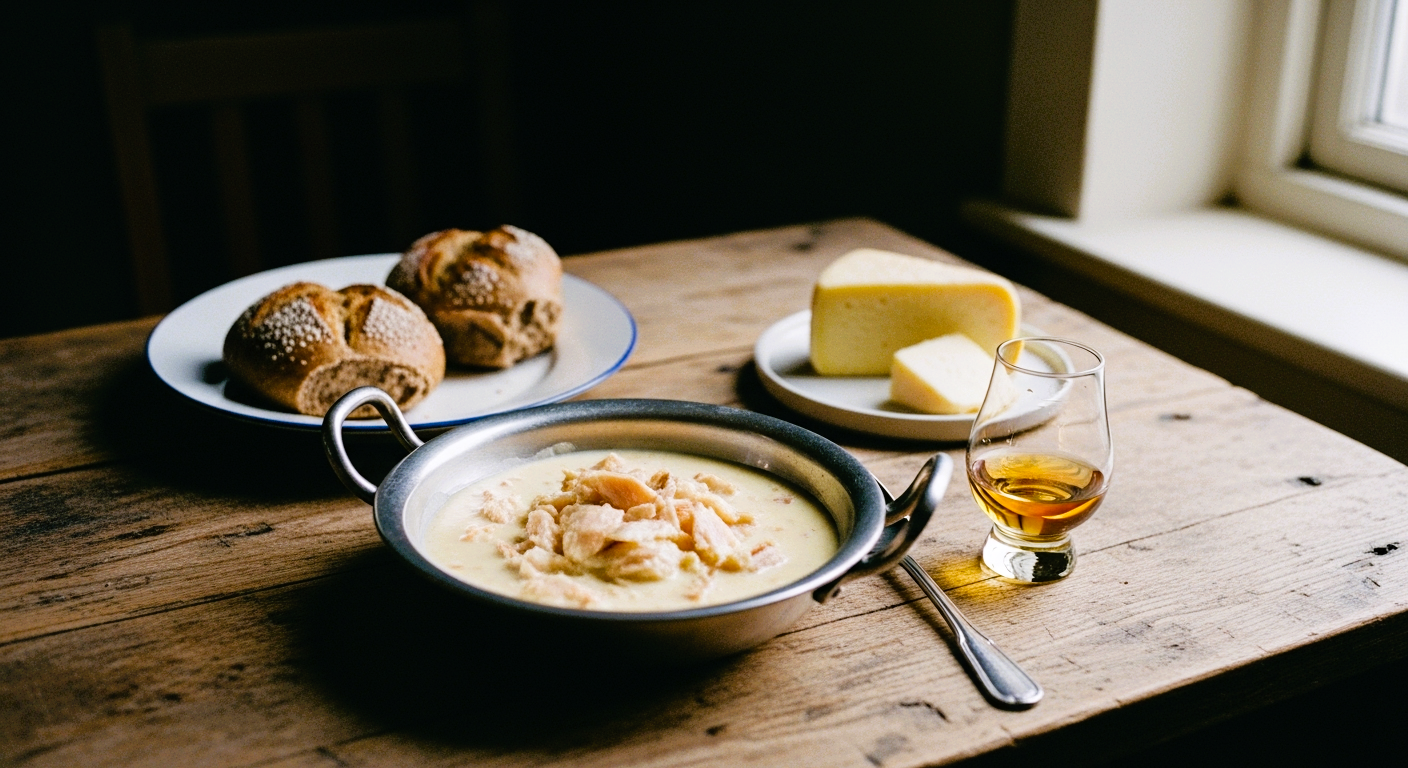
    This thick Scottish soup carries the brine and smoke of the North Sea directly to the palate. It is a robust chowder, undiluted by cream, relying instead on the starchy breakdown of potatoes and the oily richness of smoked haddock to achieve its comforting density. Served in a tavern near the Water of Leith, where the air already smells of salt and wet stone, it anchors you against the damp climate. The smoke is pervasive, clinging to the roof of your mouth long after the last spoonful of milky broth and flakey fish is gone. For the most authentic experience, seek out pubs that serve it with “well fired” rolls bread baked until the crust is nearly black, offering a bitter charcoal counterpoint to the rich soup; avoid places that garnish it excessively with parsley or cream swirls.

    Haggis, Neeps, and Tatties – An Earthy Highland Offering

    Haggis is often misunderstood, yet its flavor is a sophisticated balance of savory depth and spice. It is a crumbly sausage pudding, rich with iron from the offal, grounded by oatmeal, and intensely seasoned with black pepper and coriander. When served in the stone vaults beneath the Royal Mile, the setting amplifies the ancient feeling of the dish. The accompanying mash of swede (neeps) adds sweetness, while the potatoes (tatties) provide a neutral base, all usually bound together by a whisky spiked cream sauce. Forget the tourist traps playing bagpipes at the door; find a cellar bar where the focus is on the peppery kick of the meat rather than the ceremony. A dram of peaty whisky is the only suitable beverage to cut through the rich fat.

    The Tattie Scone – A Griddled Morning Essential

    This humble potato cake is the backbone of a Scottish breakfast, utilizing leftover mashed potatoes bound with flour and butter. It is not fluffy like a pancake but dense and savory, cooked on a flat griddle until speckled brown. The texture is soft in the middle with a necessary exterior chew. Found at weekend markets in Stockbridge or Grassmarket, it is best eaten hot amidst the bustle of vendors and wet pavement. The taste is pure, buttery potato comfort, acting as a sponge for bacon fat or egg yolk. The key practical approach is simplicity; buy it plain from a baker’s stall and eat it immediately while the edges are still crisp, rather than ordering it as a soggy component of a pre plated hotel breakfast buffet.

    Scottish Tablet and Peated Whisky – The Sweet and Smoky Finish

    Tablet is often mistaken for fudge, but the texture is entirely distinct. It is a crystalline confection of sugar, condensed milk, and butter, boiled to a precise point where it becomes brittle and grainy. The sweetness is ferocious, an immediate sugar shock that coats the teeth. It demands a counterpoint of equal intensity, found in a dram of heavily peated Highland or Islay whisky. The smoke and medicinal iodine notes of the spirit slice through the buttery sugar, cleansing the palate and creating a complex, lingering finish of fire and caramel. Buy a small bag from a traditional sweet shop rather than a souvenir tin; look for pieces that are pale golden and slightly granular, indicating it was handmade and beaten correctly before setting.

    From Market Heights to the Leith Waterfront

    Begin the morning in Stockbridge to secure a warm, griddled tattie scone while the market air is still sharp and damp. This starch heavy start provides the necessary insulation for the climb toward the Old Town. By midday, retreat into the stone walled vaults of the Royal Mile for the peppery, spiced depth of haggis, neeps, and tatties. This sequence respects the transition from casual street eating to the dense, historical comfort of the city center. As the North Sea mist rolls in during the late afternoon, descend toward the Leith docks. The salt forward Cullen skink acts as a restorative maritime anchor against the cooling temperatures. Conclude the circuit in a New Town snuggery, where the crystalline sweetness of tablet and the medicinal fire of peated whisky provide a sharp, clean break from the savory weight of the day. This route follows the city’s natural descent from the volcanic crags to the water’s edge.

    The Unspoken Etiquette of the Snug and the Sauce

    In Edinburgh, local identity is often expressed through the specific request for salt and sauce at a traditional chippy. This is a cultural marker rather than a mere preference. The sauce is a thin, tangy, brown condiment a hybrid of malt vinegar and spiced fruit sauce that defines the East Coast palate. To exist in this space like a local, you must accept this sharp, acidic addition without hesitation. When inside a traditional pub, observe the unspoken rule of the snug. These are small, partitioned spaces for low voiced conversation and the slow nursing of a spirit. Do not perform your appreciation for the history; instead, occupy your seat with a muted, stoic presence that mirrors the gray stone of the buildings outside. Respect the physical boundaries of these tight interiors by keeping your belongings tucked away and your presence contained, allowing the atmosphere of wood smoke to remain undisturbed.

    A Landscape Defined by the Hearth and the Haar

    Edinburgh’s culinary identity is built on a foundation of structural resilience and harsh geography. It is a city that favors the hearth over the showcase, prioritizing caloric density, intense smoke, and ancient preservation methods to combat its northern climate. The food here is unapologetically heavy, rooted in the land and the surrounding cold waters rather than the whims of global trends. Mastery of this landscape requires an appreciation for the subtle textures of oats and potatoes and the bold, medicinal qualities of its spirits. It is a cuisine of survival refined into a sophisticated craft of comfort. To dine here successfully is to understand that the best flavors are often hidden behind heavy oak doors or down steep, slippery wynds, away from the glare of modern artifice. The city does not change for the diner; the diner must adapt to the city.