
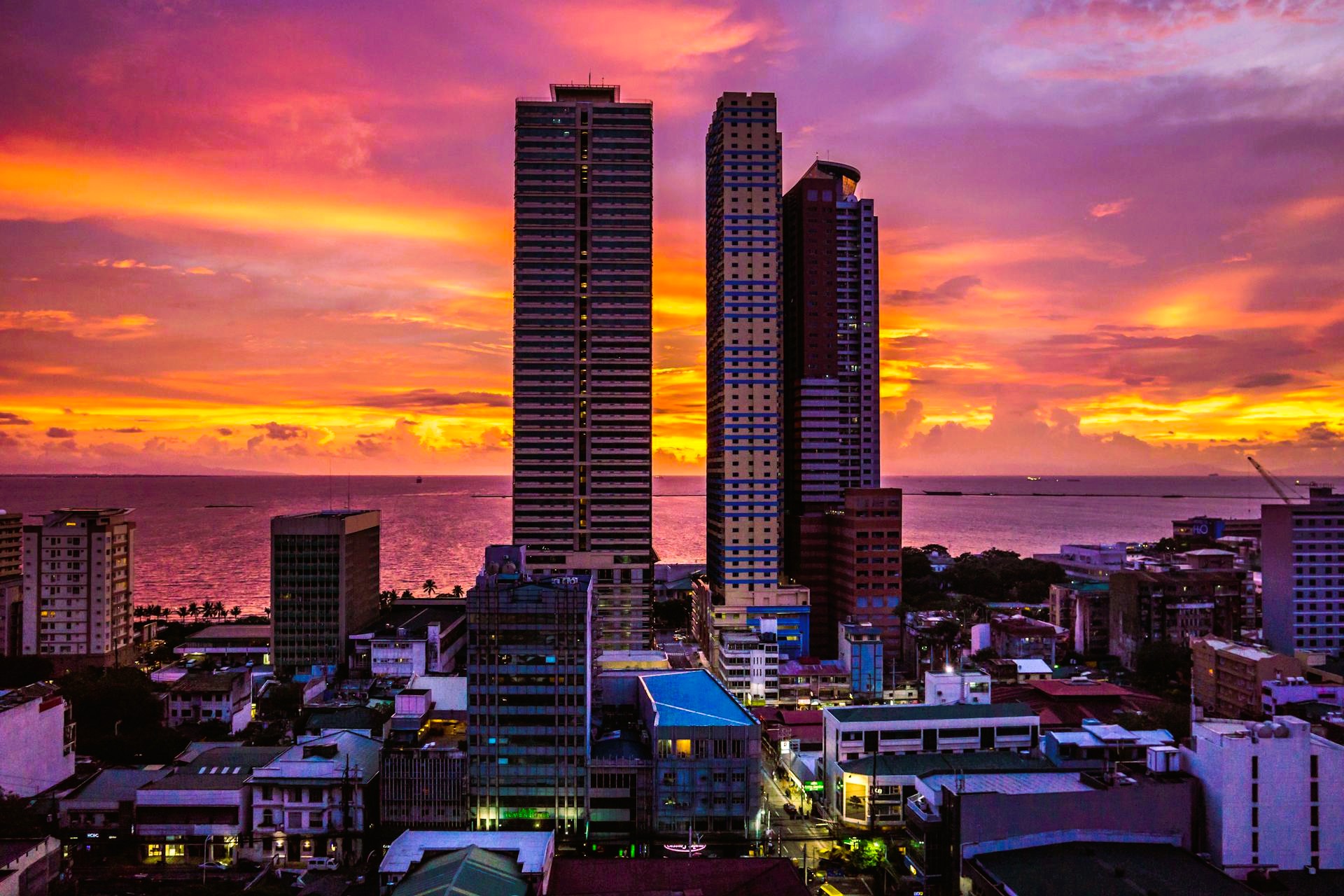
The first thing you notice is the sound of iron-rimmed wheels the calesa clattering over sun-bleached basalt. In the humidity of mid-morning, the scent of parched stone and blooming jasmine hangs heavy over the fortifications of Intramuros. While most rush through this megalopolis, the “Unhurried” traveler knows that the best things to do in Manila require a deliberate, rhythmic pace.
To truly see Manila is to peel back layers of history that refuse to be quieted by modern skyscrapers. It is found in the cool, dim interiors of Baroque cathedrals and the steam rising from a bowl of kiampong in a hidden Binondo alley. By slowing down, the city shifts from a chaotic transit hub into a soul-stirring collection of heritage districts, where every crumbling archway and quiet courtyard tells a story of resilience and grace.
San Agustin Church and Museum – A Sanctuary of Spanish Baroque Stone
Stepping through the massive carved doors of San Agustin is like plunging into a cool, quiet well of history. As the oldest stone church in the Philippines, it offers a density of atmosphere that modern Manila cannot replicate. The air is thick with the scent of aged wood and floor wax. Wandering the cloisters of the adjacent museum, you encounter weather-beaten statues and ecclesiastical treasures that survived the heavy shelling of 1945. It is a must-visit because it represents the soul of the city a resilient anchor of Spanish colonial artistry. Here, the “Slow Travel” ethos is mandatory; the sheer detail of the choir stalls and the grandeur of the altarpiece demand that you still your mind and let the centuries-old silence settle around you.
Visit during the mid-morning on a weekday when the wedding rehearsals are absent; the shadows in the cloisters are longest then, offering the most meditative atmosphere for photography.
Fort Santiago – Echoes of Valor along the Pasig River
Fort Santiago is not merely a military defense; it is a landscape of memory. Walking across the manicured grounds toward the iconic gate, you feel the weight of the thick volcanic tuff walls. This site rewards those who linger by the riverside, watching the Pasig River flow past the same ramparts where José Rizal spent his final days. The vibe is one of somber beauty, where the harshness of a former dungeon meets the softness of blooming flamboyant trees. It is a must-visit for anyone seeking to understand the Filipino spirit of resistance and sacrifice. By walking the perimeter slowly, you notice the moss-covered textures and the quiet corners that tourists usually skip, allowing the historical gravity of the site to resonate far more deeply than a quick photo-op would allow.
Walk to the far edge of the ramparts overlooking the river at dusk; the breeze picks up, and the sight of the modern skyline rising behind the ancient stone is hauntingly beautiful.
Casa Manila – A Glimpse into the Grandeur of a Bygone Era
Casa Manila is a masterclass in the Bahay na Bato architectural style, a reconstruction that feels more authentic than many original structures. As you ascend the grand staircase, the heat of the city vanishes, replaced by the polished glow of Narra wood floors and the breeze filtering through Capiz shell windows. The vibe is intimate and domestic; you are not just a tourist, but a guest in a 19th-century merchant’s home. It is an essential stop because it illustrates the sophisticated “Slow” lifestyle of the Ilustrado class where ventilation and light were prioritized over speed. Moving through the rooms, you see the intricate lace, the heavy European furniture, and the “azotea,” or open-air balcony, providing a sensory blueprint of how Manila’s elite once balanced tropical living with colonial elegance.
Spend ten minutes just sitting by the central fountain in the courtyard; the acoustics of the water against the stone walls effectively mask the city noise, creating a perfect sensory reset.
Binondo – A Culinary Pilgrimage Through the World’s Oldest Chinatown
Crossing the Jones Bridge into Binondo feels like stepping into a living, breathing sensory overload that rewards the patient soul. To truly experience this district, you must embark on a Binondo food crawl, moving beyond the neon signs into the narrow esteros. The air is a thick, savory perfume of toasted sesame, star anise, and simmering bone broth. This is not a place for a hurried checklist; it is a place for lingering over a single, translucent shrimp dumpling or watching the rhythmic pull of hand-stretched noodles. It is a must-visit because it represents the fusion of Hokkien and Filipino cultures, a culinary bridge built over centuries. The “Slow Travel” reward here is found in the hidden teahouses where time seems to pool and settle amidst the clinking of porcelain.
Head to the smaller side streets like Yuchengco at 10:00 AM, just after the breakfast rush but before the lunch crowd, to secure a quiet corner stool at the oldest bakeries.
National Museum of Natural History – A Cathedral of Science and Light
: Entering this museum is an exercise in atmospheric shift, as the street noise of Rizal Park is silenced by a soaring, climate-controlled atrium. The building, a former neoclassical office, is one of the most significant Manila heritage sites reimagined for the modern age. The vibe is one of reverent curiosity; as you move through galleries of preserved flora and fauna, the “Tree of Life” structure acts as a grounding centerpiece. It is a must-visit because it offers a sophisticated sanctuary where the natural wonders of the archipelago are curated with artistic precision. Exploring the museum slowly allows you to appreciate the architectural dialogue between the heavy stone of the past and the light-filled geometry of the present, making it a perfect mid-day refuge for the weary traveler.
Start your journey on the top floor and use the spiraling ramps to walk downward; the gradual descent offers shifting perspectives of the architecture that elevators simply bypass.
Paco Park – The Secret Circular Garden of Solitude
While Intramuros holds the fame, Paco Park holds the silence. This circular garden, once a Spanish colonial cemetery, is one of the most overlooked Manila heritage sites, offering a concentric layout that naturally encourages a slow, winding pace. The vibe is hauntingly romantic; thick stone walls, which once held the city’s dead during cholera outbreaks, are now softened by moss and ferns. It is a must-visit for the “Unhurried” traveler because it provides a rare pocket of absolute green stillness in a city of concrete. Walking the top of the ramparts allows you to look down into a sunken garden that feels like a secret world. Here, the air is noticeably cooler, and the light filters through the acacia trees in a way that makes the chaotic city outside feel like a distant memory.
Visit on a Friday evening just before sunset; you might catch a free “Paco Park Presents” chamber music concert, where the acoustics of the stone walls are hauntingly perfect.
A Thoughtful 3-Day Itinerary for Manila
To truly absorb Manila’s soul, one must resist the urge to cross the city in a single day. Instead, anchor your exploration in three distinct districts.
Day One: The Walled City. Dedicate your morning to the stone cloisters of San Agustin Church, followed by a leisurely stroll to Casa Manila. End your day at Fort Santiago, watching the sun dip below the Pasig River ramparts.
Day Two: Heritage and Healing. Begin at the National Museum of Natural History, allowing the architecture to breathe. In the late afternoon, take a short car ride to Paco Park for a sunset walk around the circular walls.
Day Three: The Flavors of History. Cross into Binondo for a self-paced culinary immersion. Wander the alleys without a map, letting the scent of roasting chestnuts and steamed buns guide you through the world’s oldest Chinatown.
Continuing Your Journey
If this slower pace resonates with you, explore our other curated guides to Southeast Asia’s hidden corners or visit our Philosophy Page to learn more about the Unhurried Traveler’s mission to reclaim the art of the long wander.
The Last Word
Manila does not reveal its grace to those in a rush. It is a city that requires you to sit through the humidity, to listen to the peeling bells of ancient cathedrals, and to find the quiet rhythm beneath the metropolitan roar. When you stop treating the city as a map to be conquered and start seeing it as a story to be felt, the chaos recedes. Travel with a slow heart, and you will find that Manila’s most enduring treasures aren’t the monuments themselves, but the moments of stillness you find within them.
Leave a Reply