
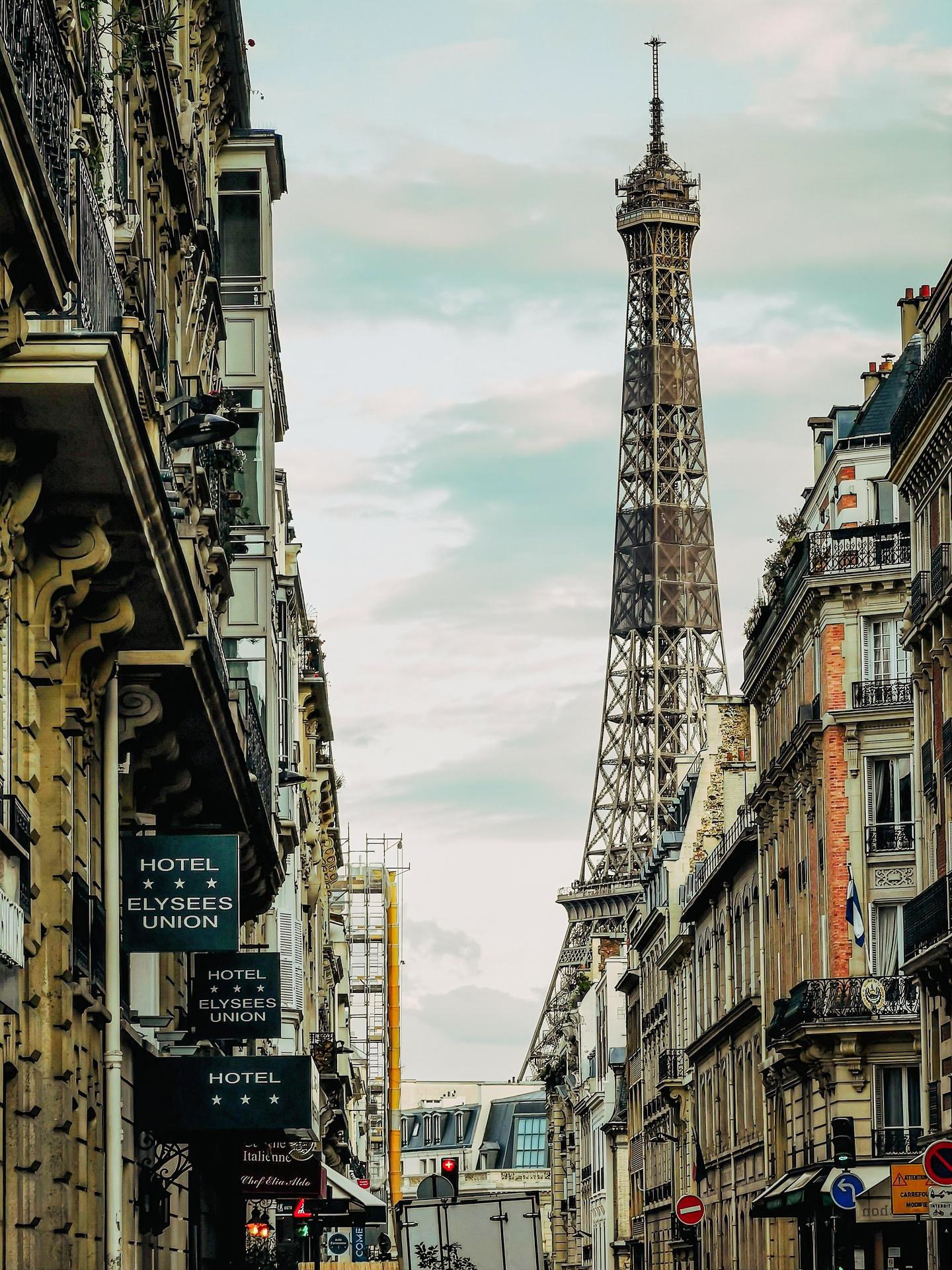
To observe Paris is to engage in a silent dialogue with time. The city does not merely exist; it breathes through the porous Lutetian limestone of its facades and the rhythmic symmetry of its boulevards. As a living masterpiece, it demands a rejection of the frantic itinerary in favor of the flâneur’s intentional drift. Here, the philosophy of observation reveals that every iron wrought balcony and rain slicked cobblestone is a deliberate brushstroke in a centuries old composition. By slowing our pace, we transition from mere visitors to witnesses of a cultural phenomenon where the boundary between the museum and the street dissolves, leaving only the profound, unhurried resonance of a city that has mastered the art of being.
The forthcoming exploration will navigate this urban gallery through four distinct movements. We will first examine the structural rhythm of the Haussmannian legacy and the curated stillness found within the hidden courtyards of the Marais. Subsequently, the narrative will shift toward the ethereal interplay of stained glass within the city’s gothic anchors and conclude with the avant garde dialogue between industrial modernity and classical proportions.
The Structural Rhythm of the Haussmannian Legacy
The Haussmannian facade is not a mere wall but a rhythmic score written in Lutetian limestone, a geological signature that anchors Paris to its own soil. To observe these structures is to witness the triumph of a unified aesthetic vision where the individual building yields to the collective harmony of the boulevard. The strict horizontal alignment of the second floor balconies, adorned with intricate wrought iron, creates a visual continuum that guides the eye toward the vanishing point of a distant monument. This architectural discipline reflects a profound philosophy of order and light, where the cream colored stone captures the shifting moods of the Parisian sky, turning the city into a vast, monochromatic canvas. Within this grid, the Mansard roofs provide a textured silhouette against the ether, their zinc and slate tiles shimmering like the scales of an ancient, urban creature resting in the quietude of early morning.
The Curated Stillness of Hidden Marais Courtyards
Beyond the rhythmic pulse of the grand boulevards lies a more intimate geometry within the private courtyards of the Marais. These secluded spaces, often concealed behind heavy timber carriage doors, serve as the city’s silent lungs where time appears to lose its forward momentum. Here, the architecture of the seventeenth century hôtel particulier reveals a delicate balance between aristocratic grandeur and domestic sanctuary. To enter these enclosures is to step into a curated stillness where the ivy clad walls and moss softened paving stones whisper of a pre industrial elegance. The philosophy of the unhurried traveler finds its zenith here; there is no spectacle to chase, only the subtle interplay of shadow on a sun drenched pediment or the gentle drip of a forgotten fountain. These courtyards represent the internal life of the city, a sanctuary of historical memory preserved within the density of the modern metropolis.
The Ethereal Interplay of Stained Glass within Gothic Anchors
To observe the Gothic anchor is to study the physics of transcendence. Within the skeletal stone of the Sainte Chapelle, the wall ceases to be a barrier and becomes a translucent membrane. The method of observation here requires a stationary vigil; one must remain unhurried as the sun charts its arc, watching the floor become a shifting mosaic of deep amethysts and searing rubies. This is not merely a display of light but a deliberate manipulation of the human spirit through medieval optics. By focusing on the leaden cames that bind the glass, the observer recognizes the structural tension that allows such fragility to reach toward the heavens. It is a silent, chromatic liturgy that demands the viewer abandon the temporal for the eternal.
The Avant Garde Dialogue of Industrial Modernity and Classical Proportions
The dialogue between the industrial and the classical is best observed where the steel skeletons of the late nineteenth century intersect with the city’s stone foundations. Engaging with this nuance requires an eye for the elegance of the rivet and the curve of the iron beam, as seen in the soaring glass roofs of the Grand Palais. One must look upward to witness how the weightless transparency of glass challenges the gravity of the surrounding masonry. This architectural friction creates a unique urban tension, where the transparency of the modern age is framed by the permanence of the past. Observing these structural intersections reveals the city’s ability to evolve without severing its aesthetic lineage, maintaining a fluid continuity between the age of steam and the age of light.
The Persistence of the Parisienne Masterpiece
The enduring resonance of Paris lies not in its individual monuments but in the collective architectural soul that persists through the changing light of centuries. As we transition from the grand boulevards to the secret gardens, we recognize that the city serves as a perpetual exhibition of human intent and aesthetic endurance. To observe Paris is to acknowledge that beauty is a discipline, a deliberate layering of history and stone that refuses to be hurried. This urban tapestry remains an essential reference for the modern spirit, offering a sanctuary where the past is not a relic but a living, breathing participant in the present. It is here, in the unhurried drift, that we truly learn the art of seeing, finding that the city’s greatest gift is the quiet invitation to witness the sublime in the everyday.
Now that the map has been drawn and the light observed, the threshold of your own discovery awaits; perhaps it is time to set aside the itinerary and begin the walk into the living gallery.
Leave a Reply