
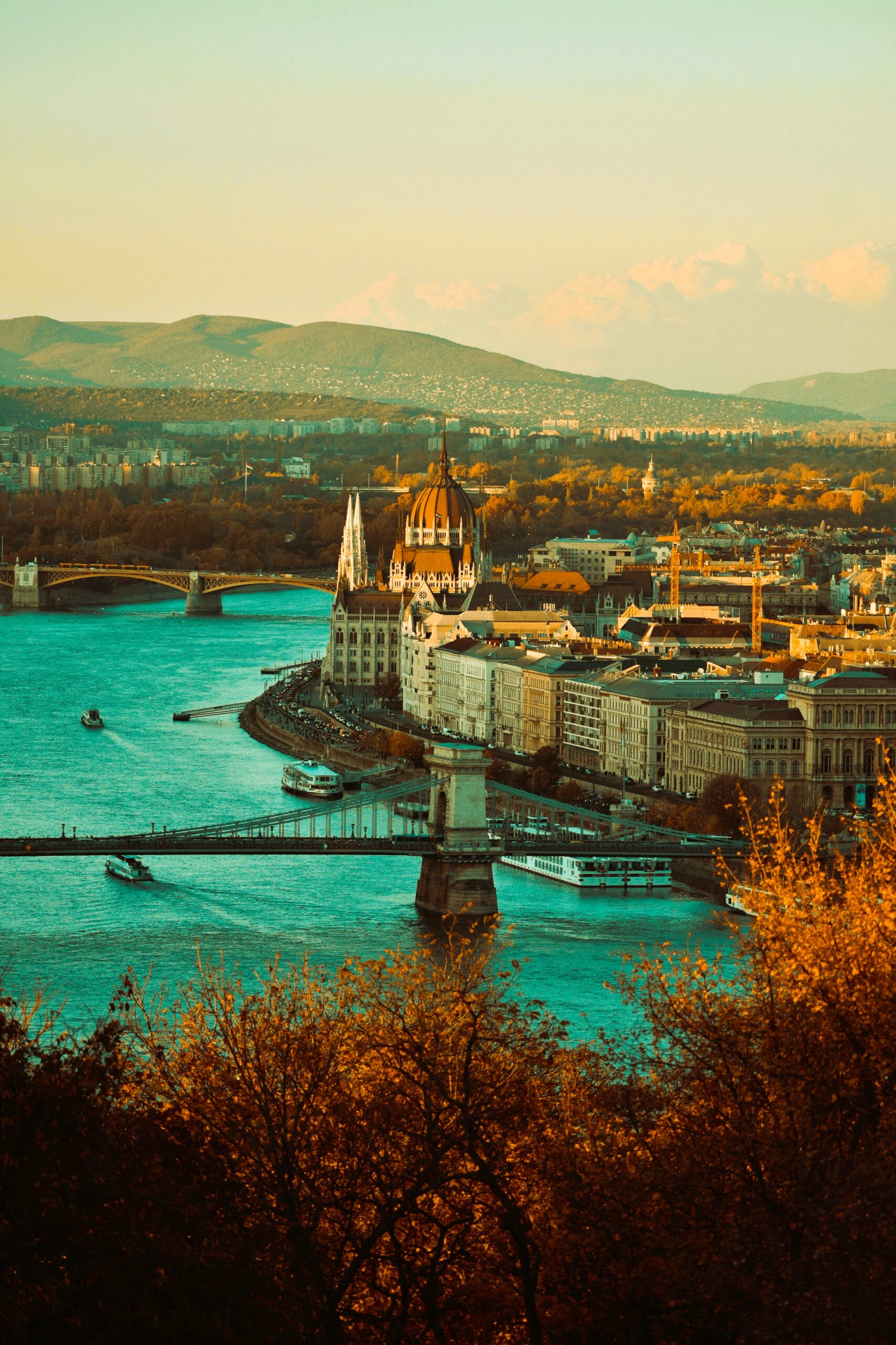
The morning air along the riverbank carries a sharp, metallic chill that yields only to the rising, sulfurous steam of the thermal springs. Budapest is a city of heavy limestone and liquid history, demanding a pulse that matches its slow-moving river. While most visitors rush between landmarks, the best things to do in Budapest are found in the deliberate pauses the lingering warmth of a neo-Baroque bath or the amber light hitting the Parliament’s Gothic spires at dusk.
To truly understand this city is to abandon the frantic checklist. It requires wandering the cobblestones of the Buda side until your legs ache, then finding refuge in a century-old coffee house. By embracing a slower cadence, the capital’s layers of Ottoman, Habsburg, and Art Nouveau influence begin to align, offering a depth of experience that the hurried traveler often misses.
Gellért Thermal Bath – A Sanctuary of Art Nouveau Splendor
Stepping into Gellért feels like entering a cathedral dedicated to water. The air is thick with mineral warmth and the hushed echoes of voices bouncing off porcelain-tiled walls. Built in 1918, this Secessionist masterpiece offers more than just a soak; it provides a sensory journey through Hungary’s deep-seated spa culture. As you submerge in the medicinal 38°C (100°F) waters, the intricate floral motifs and stained glass windows create a sense of timelessness. It is a must-visit because it marries architectural grandeur with genuine wellness, allowing you to physically feel the history of the city’s “City of Spas” title. Here, the frantic pace of the outer world dissolves into the rhythmic movement of the lap pool and the gentle hiss of steam.
Unhurried Tip: Skip the main indoor pool and head straight for the outdoor wave pool area during the early morning hours to enjoy the crisp air against the steam without the crowds.
Fisherman’s Bastion – A Panoramic Dreamscape Above the Danube
While its name suggests a defensive history, Fisherman’s Bastion was actually completed in 1902 as a decorative terrace to celebrate the Hungarian state’s millennium. Walking its ramparts feels like navigating a fairy-tale fortress made of ivory-colored limestone. Each of the seven conical towers represents a Magyar tribe, and the arched windows act as frames for the most iconic views of the Danube. Visitors flock here for the “Instagram shot,” but the true slow-travel experience lies in the textures the cool touch of the stone and the way the wind carries the sound of church bells from the valley below. It is essential because it offers a literal and figurative perspective of Budapest’s dual nature, bridging the medieval silence of Buda with the grand scale of Pest across the water.
Unhurried Tip: Visit after 9:00 PM when the ticket booths close and the crowds vanish; the monument remains open, illuminated in gold, offering a silent, private view of the city lights.
Margaret Island – A Verdant Refuge in the Heart of the River
Anchored in the middle of the Danube, Margaret Island serves as Budapest’s green lung. Reaching it requires a deliberate detour onto the Margit Bridge, immediately trading urban traffic for the rustle of centenarian oaks and the scent of rose gardens. This 2.5-kilometer stretch of parkland houses 13th-century Franciscan ruins and a Japanese garden that invites contemplative walking. Unlike the bustling city squares, the island operates on a different clock one measured by the spray of the musical fountain and the slow laps of joggers. It is a must-visit for anyone seeking a “slow travel” anchor; it provides the necessary space to process the city’s intensity. Whether you are exploring the medieval cloister or sitting by the water’s edge, the island offers a rare, car-free sanctuary where nature and history coexist in quiet harmony.
Unhurried Tip: Rent a “bringóhintó” (pedal cart) to explore the far northern reaches of the island where the medieval ruins are located, far from the more tourist-heavy southern entrance.
Ervin Szabó Library – A Neo-Baroque Reading Room Retreat
Hidden within a functional modern library lies the former Wenckheim Palace, a series of 19th-century aristocrat reading rooms that feel frozen in time. As you step onto the creaking parquet floors, the city’s roar is replaced by the soft rustle of turning pages and the scent of aged paper and beeswax. Gold-leaf moldings and deep leather armchairs invite you to linger for hours rather than minutes. It is a vital stop for those seeking Danube River sights of a different sort the intellectual and architectural grandeur of the Hungarian Golden Age. This isn’t a place for sightseeing; it’s a place for being. Sitting under a massive chandelier, you realize the library isn’t just a collection of books, but a sanctuary for the city’s quietest thoughts and most elegant histories.
Unhurried Tip: Access the fourth floor “palace” section during a weekday afternoon to find an empty velvet armchair away from the small clusters of local students.
Matthias Church – A Kaleidoscope of Stone and Color
Located in the heart of Buda Castle Hill, Matthias Church is a breathtaking departure from the somber gray of traditional cathedrals. The interior is a riot of color, with every inch of wall covered in intricate geometric patterns and warm earth tones that glow when the sun hits the stained glass. The air is often filled with the faint, lingering scent of incense and the vibration of organ music. Originally built in the 13th century, it has served as a coronation site for kings and a mosque for sultans, and that complex identity is etched into its very stone. Walking through the nave, you feel the weight of centuries of shifting empires, yet the vibrant tiles offer a sense of playfulness and resilience that defines the Hungarian spirit.
Unhurried Tip: Attend the evening Latin organ mass on Sundays to experience the acoustics and atmosphere as they were intended, without the distractions of daytime tour groups.
Hospital in the Rock – A Silent Echo of Resilience
Deep beneath the cobblestones of the castle district lies a labyrinthine network of natural caves used as a secret emergency hospital and nuclear bunker. The air here is noticeably cooler and carries a damp, limestone scent that grounds you in the gravity of the site’s history. As you walk through the narrow corridors, the silence is heavy, punctuated only by the distant hum of the ventilation system. It provides a stark, necessary contrast to the Budapest thermal baths above ground; while the baths represent healing through leisure, this site represents healing through sheer will and survival. Seeing the original 1940s medical supplies and cramped wards offers a profound connection to the city’s endurance through the Siege of Budapest and the Cold War, making it a powerful site for reflection.
Unhurried Tip: Book the last tour of the day to avoid the school groups and allow the heavy, subterranean stillness to fully sink in as you exit into the dusk.
A Thoughtful 3-Day Itinerary for Budapest
To see Budapest slowly is to allow the city’s geography to dictate your pace. On Day One, focus on the heights of the Buda side. Begin at the Hospital in the Rock before ascending the limestone steps to Matthias Church and Fisherman’s Bastion. The proximity allows you to spend hours watching the shadows lengthen over the Parliament building without a single transit transfer.
On Day Two, cross to the Pest side for intellectual and natural quiet. Spend your morning lost in the wood-paneled silence of the Ervin Szabó Library, then take a leisurely stroll or the scenic Tram 2 toward Margaret Island. Dedicate the afternoon to the island’s gardens, where the city noise is muffled by ancient oaks.
Finally, Day Three is reserved for the ritual of water. Begin at Gellért Thermal Bath, letting the mineral heat dictate your morning. Spend the rest of your day wandering the riverbanks, perhaps crossing the Liberty Bridge on foot to watch the sunset reflect off the Danube, concluding your journey not with a checklist, but with a feeling.
If you found this pace rewarding, you may enjoy our other guides to Central European capitals or read more about our Slow Travel Philosophy on our “About” page.
True travel is not a race to collect landmarks, but an invitation to let a place change your rhythm. When you stop measuring your days by the number of photos taken and start measuring them by the depth of your breath in a quiet library or the warmth of a thermal spring, the city begins to reveal its true character. Leave the map behind for an hour, listen to the river, and walk with a slow heart. The most profound stories of Budapest aren’t shouted; they are whispered in the pauses between the sights.
Leave a Reply