
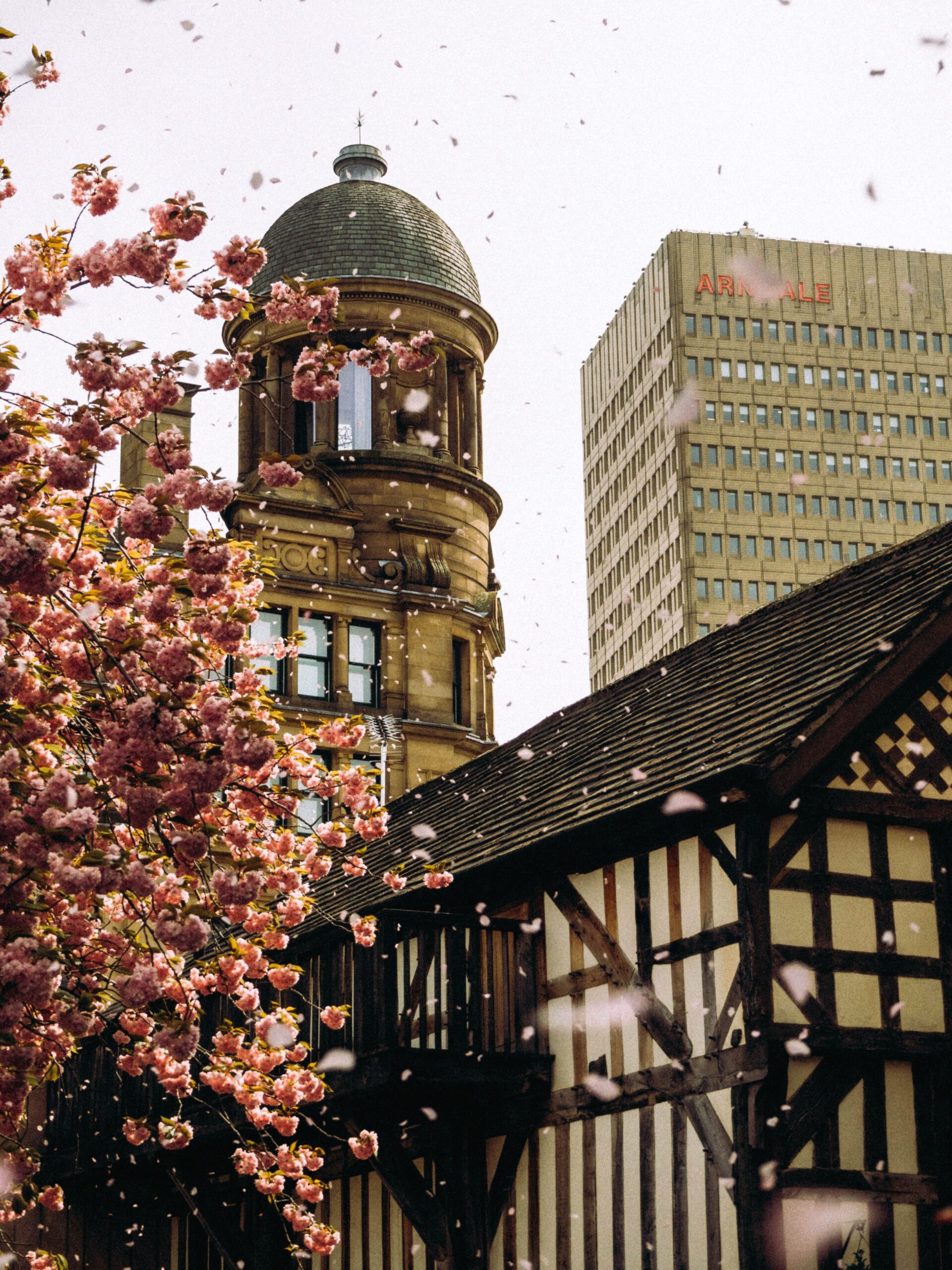
Manchester does not wear its culture like a museum exhibit; it wears it like a second skin, weathered by rain and industrial grit but vibrating with a restless, modern energy. To understand the culture in Manchester, you have to look past the gallery walls and into the red-brick alleys of the Northern Quarter or the towering glass of Aviva Studios. This is a city where the past—the steam engines and the radical protests—is constantly being repurposed into the creative fuel of the present. Whether it is the rhythmic pulse of its world-famous music legacy or the quiet precision of its scientific breakthroughs, the city’s identity is built on a foundation of making things happen. It is a living, breathing rhythm of rebellion and innovation.
Red-Brick Industrialism – The Architectural Backbone of Innovation
The physical identity of Manchester is inseparable from the deep ochre and burnt sienna of its Victorian warehouses. These structures are not merely relics of the cotton trade; they are the sturdy containers for the city’s modern creative economy. Walking through Ancoats or Castlefield, you see how the heavy masonry and iron-framed windows have transitioned from sites of grueling labor into hubs for digital agencies and independent lofts. This architectural continuity provides a sense of permanence and grit that defines the Mancunian spirit. To truly appreciate this aesthetic, you should wander through the backstreets of Ancoats during the blue hour when the streetlamps catch the texture of the weathered brick. This landscape serves as a constant reminder that Manchester is a city built on the concept of work, where the functional beauty of the past informs the ambitious design of the future.
The Sonic Landscape – The Visual Language of Musical Rebellion
Manchester’s identity is etched into its soundscapes, moving from the stark, monochrome minimalism of the Factory Records era to the neon-drenched energy of its contemporary club scene. Music here is a civic duty rather than just entertainment, a legacy that transformed abandoned basements into the legendary Haçienda and later into global cultural landmarks like Aviva Studios. This sonic history is reflected in the city’s graphic design, which often favors bold, industrial typography and high-contrast visuals. For a deeper connection to this rhythm, visit the independent vinyl shops of the Northern Quarter where the walls are covered in gig posters that map the city’s evolving subcultures. The music scene acts as a bridge between generations, ensuring that the rebellious energy of 1970s punk remains alive within the high-tech, immersive performances that define the city’s international reputation in 2026.
Urban Rebellion – The Living Canvas of the Northern Quarter
The Northern Quarter functions as the city’s unfiltered creative heart, where the boundary between public space and private expression is permanently blurred. It is a neighborhood characterized by a refusal to conform, evidenced by the layering of street art, wheat-pasted manifestos, and the iconic Cypher typeface that appears across local storefronts. This area represents the city’s democratic approach to art, where world-class murals sit alongside amateur tags in a state of constant flux. You can find the most authentic examples of this by exploring the narrow side streets like Stevenson Square, where the art is frequently updated to reflect current social movements. This culture of urban rebellion ensures that the city never feels finished or stagnant; instead, it remains a playground for designers and activists who view the city walls as a medium for dialogue rather than just a boundary.
Navigating the City Without Fatigue
Manchester is best experienced as a series of connected neighborhoods rather than a checklist of sites. To avoid the cultural exhaustion of rushing between major institutions, start your day in the northern end of the city center, where the morning light hits the red-brick warehouses of Ancoats. From there, it is a short, rhythmic walk into the Northern Quarter for coffee and independent design. By the time you reach the more expansive, glass-fronted developments of the city’s newer quarters, the shift in architectural scale feels like a natural progression rather than a jarring change. The most effective way to navigate this flow is to use the city’s comprehensive tram network for longer stretches, allowing your legs a rest while you observe the transition from industrial heritage to modern innovation. By spacing out the high-density art spaces with slow walks through the city’s historic backstreets, you maintain a steady energy that matches the city’s own tireless pace.
The Thoughtful Observation
To truly see Manchester, you must look up above the modern shopfronts. The city’s true character is often found in the ornate terracotta carvings, hidden stone mascots, and weathered signage of the upper stories of Victorian buildings. These details tell the story of a city that once had the wealth and the ego to decorate even its most functional warehouses with artistic flourish. When you stop looking at eye level and start observing the rooflines, the layers of the city’s history begin to reveal themselves in a way that no guidebook can replicate.
Manchester does not ask for your approval; it simply exists in a state of constant, restless creation. It is a city where the grit of the industrial past provides the friction necessary for modern sparks to fly. Whether you are drawn to the radical history of its streets or the high-tech future of its laboratories, the artistic rhythm here is authentic, unpretentious, and deeply human. The culture in Manchester is not a static object to be viewed, but a momentum to be joined.
Leave a Reply