
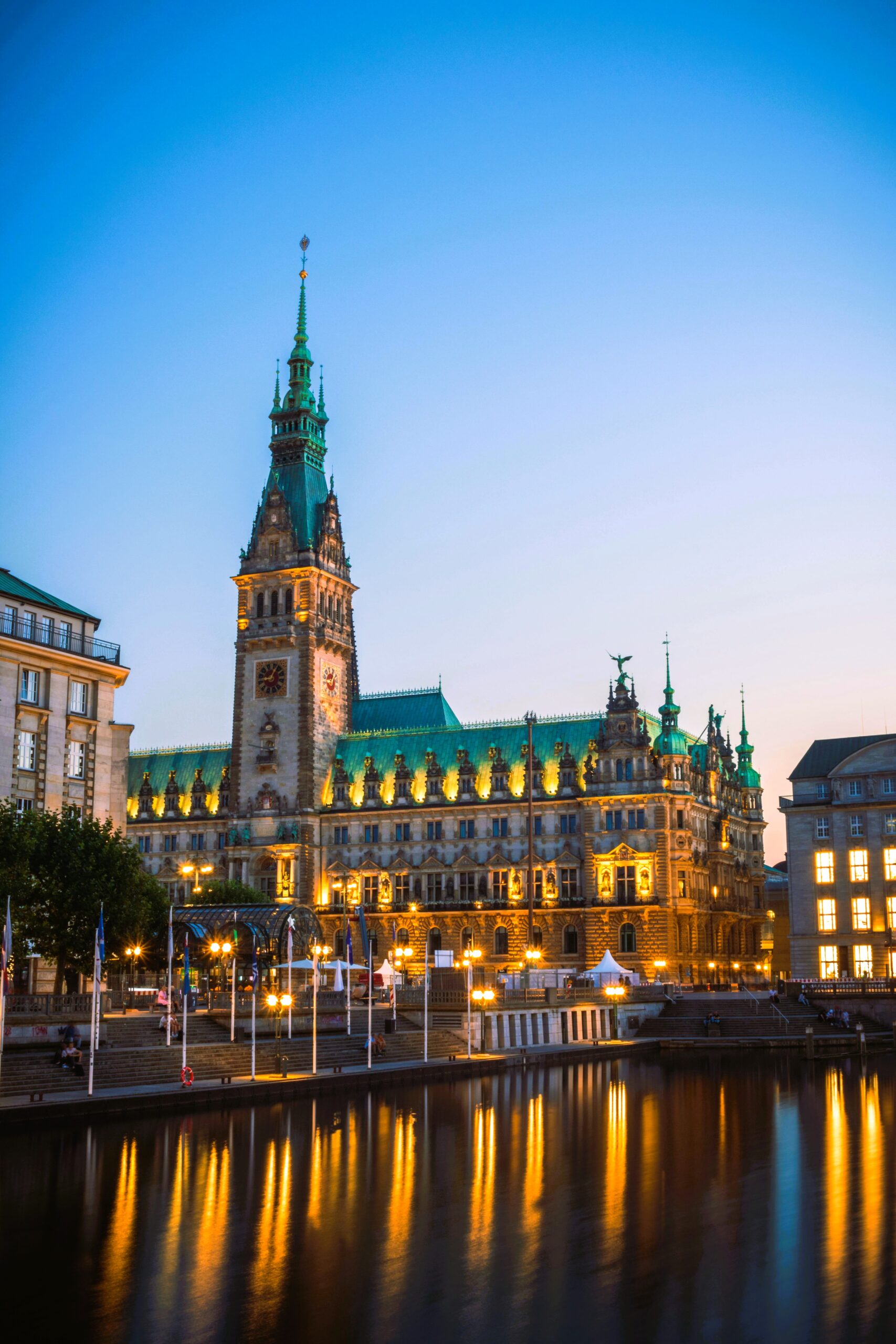
Hamburg operates on a frequency where industrial grit meets high-concept elegance, creating a landscape that demands a curated approach. To navigate this metropolis effectively, one must look beyond the harbor fog to find a city defined by its sonic history and visual daring. This Hamburg cultural itinerary serves as your navigational compass, tracing the lineage of the Elbe from the neo-Gothic brickwork of Speicherstadt to the contemporary glass waves of the Elbphilharmonie. It is a city of dualities, where the legacy of the Hanseatic League informs a modern, restless creative spirit. By engaging with these curated touchpoints, you witness how Hamburg’s maritime heritage provides the structural bones for its most progressive artistic movements.
Glass Waves and Historic Resonance
Hamburg’s sonic identity is built upon a dialogue between tradition and radical innovation, best experienced through its two premier concert halls spanning different eras. The Laeiszhalle offers a warm, neo-Baroque embrace for the classical canon, while the Herzog & de Meuron-designed Elbphilharmonie stands as a crystalline monument to acoustic experimentation perched atop an old brick warehouse. Engaging with the Elbphilharmonie requires strategy, as its visual dominance is matched by the high demand for its performances. To fully appreciate the architectural feat without the pressure of securing a main hall ticket, we recommend visiting the Plaza the public viewing platform sandwiched between the brick base and the glass structure during sunset for an unparalleled auditory and visual panorama of the harbor at work.
A Linear Odyssey Through Visual Thought
The Kunstmeile, or Art Mile, is not merely a geographical convenience near the central station, but a curated timeline of European visual culture. The journey begins firmly in the past at the Hamburger Kunsthalle, where northern German medieval masters give way to Caspar David Friedrich’s iconic romantic landscapes, grounding the viewer in regional history. Yet, just a short walk connects this weight of tradition to the Deichtorhallen, converted market halls that now house cutting-edge contemporary photography and abstract installations. Mastering this axis requires pacing, so rather than attempting both monumental institutions in a single sweep, align your visit with the Kunsthalle’s late-night Thursday openings to experience the collections with more breathing room and a distinctively contemplative atmosphere.
The Gothic Cathedrals of Commerce
The Speicherstadt stands as a testament to Hamburg’s massive Hanseatic ambition, a UNESCO World Heritage site where utilitarian storage was rendered with almost ecclesiastical reverence in the late 19th century. These neo-Gothic brick canyons, built upon oak piles driven deep into the riverbed, once held coffee, spices, and carpets from across the globe, forming the economic engine of the free city. Today, they offer a melancholic, textured atmosphere that defines Hamburg’s aesthetic profile. While the district is visually striking at any hour, the true architectural drama is revealed when the tide is high, allowing the water of the canals to mirror the intricate facades flawlessly. We advise timing your walk to coincide with twilight, when the electric illumination of the bridges casts deep shadows and highlights the sheer scale of this industrial monument.
Anarchy and Aesthetics in the Schanze
Far removed from the polished marble of the Kunsthalle is the Sternschanze, a district where Hamburg’s creative pulse beats with a raw, defiant energy. Formerly a working-class bastion, the area has successfully resisted total gentrification, maintaining a fiercely independent spirit visible in its densely layered street art and cooperative commercial spaces. It is a living, breathing gallery where political statements blur into aerosol murals on every available surface. To understand the current trajectory of Hamburg’s subcultures, one must navigate away from the main thoroughfare of Schulterblatt and explore the smaller side streets housing vinyl shops and design collectives, where the authentic, uncurated voice of the neighborhood remains loudest.
Rhythmic Pauses in a Vertical City
Hamburg is a city of vast distances and sharp maritime winds, which can lead to rapid cultural exhaustion if one attempts to conquer it on foot alone. The secret to a sustained engagement lies in embracing the rhythmic transitions between its districts. Rather than viewing the transit system as a mere utility, utilize the city’s extensive ferry network specifically the Line 62 from Landungsbrücken as a floating sanctuary. These public vessels offer a momentary reprieve from the pavement, allowing the architecture of the harbor to slide past at a meditative pace. By alternating intense gallery visits with these aquatic intervals, you preserve the mental clarity necessary to appreciate the finer details of the Hanseatic landscape. It is this balance of kinetic exploration and stillness on the water that transforms a frantic itinerary into a meaningful, rhythmic dialogue with the city’s industrial and artistic heart.
The Texture of Resilient Brick
To truly see Hamburg, one must look at the way its red brick absorbs the North Sea light. Unlike the reflective glass of modern skyscrapers, these porous surfaces hold onto the city’s history, showing the soot of industrialization and the salt of the harbor. Observe the subtle shifts in masonry where the old meets the reconstructed, treating the buildings as a manuscript of resilience. Deep understanding of this city comes from touching these cold, rough surfaces in the Speicherstadt or the Kontorhaus district, recognizing that the aesthetic beauty is inseparable from the functional, hardworking identity that built it.
A Harbor of Perpetual Motion
Hamburg does not offer the static, preserved beauty of a museum city; it provides the raw, unceasing energy of a port that never sleeps. It is a place where the grandeur of its merchant past is constantly being reinterpreted by the urgency of its creative present. Leaving the city, one carries a sense of its structural weight and its fluid, restless spirit a combination that ensures its cultural relevance remains as deep as its harbor. The rhythm of the Elbe continues regardless of the viewer, making every return to its banks a new encounter with a city that is perpetually becoming itself.
Leave a Reply