
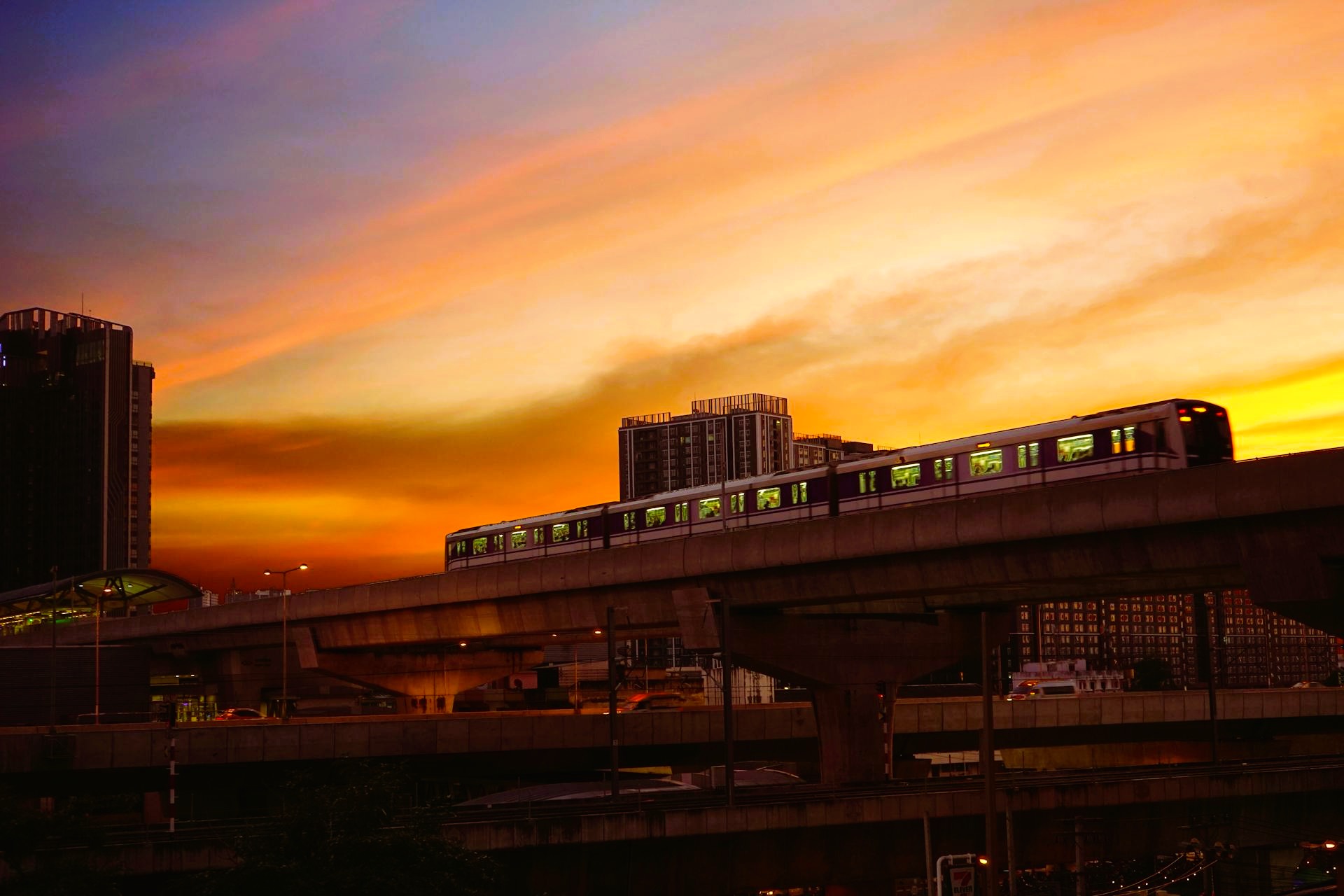
The scent of jasmine garlands and motor oil mingles in the humid air, thick with the rhythmic slap of river water against weathered teak pilings. While most rush through the humid maze of the metropolis, the true essence of this city reveals itself only to those who pause. To find the best things to do in Bangkok, one must look past the frantic street-level movement and into the quiet courtyards of the Old City. Slowing down allows the intricate porcelain mosaics of riverfront spires to come into focus and the cooling breeze of a hidden canal to offer respite. This guide bypasses the checklist in favor of moments that breathe, inviting you to inhabit the city’s ancient pace within its modern pulse.
Wat Pho – The Resonance of Ancient Stone
Beyond the fame of the 46-meter Reclining Buddha lies a sprawling complex of courtyard “forests” and stone guardians. As you wander, the sound of the city fades, replaced by the gentle clinking of coins dropped into bronze offering bowls. This is the birthplace of traditional Thai massage; the air often carries a faint, medicinal scent of herbal balms. Exploring Wat Pho is a must-visit because it offers a physical history of Thai healing and cosmology, etched into stone inscriptions and marble illustrations. The pace here is dictated by the scale of the architecture one cannot rush past the four great chedis clad in floral ceramic mosaics. It is a place that demands you look up, breathe deeply, and appreciate the craftsmanship of a kingdom that valued patience over speed.
Unhurried Tip: Bypass the main entrance rush by arriving at 8:00 AM, then head directly to the massage pavilion at the rear of the complex to book an early session before the heat and crowds peak.
Jim Thompson House – A Jungle Sanctuary in the Concrete Jungle
Tucked away at the end of a quiet lane, this collection of six traditional Thai teak structures offers a masterclass in vernacular architecture. The houses, salvaged from various parts of Thailand and reassembled here, sit on stilts above a verdant garden that feels like a private rainforest. Inside, the polished wood floors feel cool beneath your feet, and the dim, filtered light highlights a world-class collection of Southeast Asian art. Visiting here addresses the search for “old Bangkok” sophistication. The vibe is one of refined mystery, fueled by the story of the American silk mogul who vanished in the 1960s. It is a sensory transition from the humid, metallic grit of the nearby shopping district to an era where cross-ventilated rooms and silk-weaving looms defined the daily rhythm of life.
Unhurried Tip: After your guided tour, find a seat at the canal-side café to watch the longtail boats zip past on the Saen Saep canal, offering a glimpse into the city’s remaining water-based arteries.
Bang Krachao – The Rhythmic Breath of the Green Lung
Crossing the river to Bang Krachao feels like stepping through a portal into a forgotten Thailand. Known as the “Green Lung,” this protected oasis is a labyrinth of elevated concrete walkways that snake through mangrove forests, coconut groves, and small family orchards. There are no skyscrapers here; instead, you hear the rustle of palm fronds and the occasional splash of a monitor lizard entering a canal. This is an essential slow-travel destination because it provides a literal breath of fresh air. Cycling through the humidity, you’ll encounter hidden incense workshops and small wooden houses where life moves at the speed of a turning tide. It is the ultimate antidote to Bangkok’s sensory overload, forcing you to navigate by instinct and birdcall rather than a GPS map.
Unhurried Tip: Visit on a weekday to have the elevated paths entirely to yourself, but ensure you carry plenty of water as the humidity trapped under the canopy can be surprisingly intense.
Talat Noi – A Living Canvas of Riverside Heritage
In the narrow alleys of Talat Noi, the scent of grease from second-hand engine parts mingles with incense drifting from hidden Hokkien shrines. This neighborhood is a sanctuary of Bangkok riverside heritage, where the city’s Chinese-Thai roots are etched into crumbling 19th-century mansions and weathered brick walls. As you wander, you’ll hear the rhythmic clinking of metalworkers alongside the quiet hiss of steam from a noodle stall. It is a place where time seems to fold in on itself; a trendy café might occupy a colonial-era warehouse, yet the traditional way of life remains undisturbed. Visitors come here not for a specific monument, but for the texture of the city itself the peeling paint, the sprawling banyan trees, and the slow, deliberate pace of a community that has watched the river flow for generations.
Unhurried Tip: Wander deep into the “Soi Heng Tai” alley to find a 200-year-old Chinese courtyard house that now serves as a diving school and café; it’s the ultimate hidden refuge.
Wat Saket – The Golden Mount Above the Urban Haze
The ascent of Wat Saket is a sensory transition, a literal rise above the cacophony of the streets below. Climbing the 344 steps of the spiral staircase, you are flanked by lush artificial waterfalls, moss-covered statues, and hundreds of brass bells that chime softly in the breeze. This site is a cornerstone of a Bangkok slow travel itinerary because the climb is designed as a moving meditation. As the elevation increases, the humidity seems to lift, replaced by a steady wind that carries the distant hum of the city. At the summit, the 360-degree view of the Old City offers a rare perspective on Bangkok’s sprawl. Here, under the shadow of the great golden stupa, the scale of the city becomes manageable, and the chaotic energy of the capital transforms into a silent, shimmering tapestry of light.
Unhurried Tip: Time your visit for late afternoon, around 5:00 PM, to catch the monks’ evening chanting and watch the sun dip below the horizon as the city lights begin to flicker on.
Artist’s House at Khlong Bang Luang – A Waterfront Cultural Oasis
Located in the quiet district of Thonburi, the Artist’s House (Baan Silapin) is one of the most rewarding hidden gems in Bangkok. This century-old wooden house sits precariously over a canal, serving as a community hub for local artists and puppeteers. The vibe here is profoundly nostalgic; you can sit on the wooden floorboards with your legs dangling over the water, sipping a cold coffee while watching the slow ripples of passing boats. The centerpiece is the traditional Thai shadow puppetry performed in front of an ancient, vine-covered stupa in the backyard. It is a must-visit because it preserves a “water-life” culture that has largely vanished elsewhere. The air is filled with the sound of traditional music and the gentle chatter of locals, offering a glimpse into a Bangkok that values creativity and community over commercialism.
Unhurried Tip: Buy a small bag of fish food for a few baht and feed the swarming catfish in the canal; it’s a local merit-making tradition that provides a surprisingly meditative moment.
A Thoughtful 3-Day Itinerary for Bangkok
To truly inhabit Bangkok, one must resist the urge to cross the city in a single bound. Instead, group your days by the rhythm of its neighborhoods.
Day One focuses on the riverside heritage of the Old City. Begin at Wat Pho during the quiet morning hours, then take a short cross-river ferry to explore the winding alleys of Talat Noi on foot, letting the layers of history reveal themselves in the peeling paint and hidden shrines.
Day Two explores the balance of art and spirituality. Start with the refined teak architecture of the Jim Thompson House, then walk or take a short tuk-tuk ride to Wat Saket. Climb the Golden Mount as the sun begins to soften, overlooking the city you’ve begun to navigate.
Day Three is dedicated to the water. Head to the Thonburi side for the Artist’s House at Khlong Bang Luang, then take a boat toward the Bang Krachao peninsula. Trade the engine’s roar for a bicycle, ending your journey in the silent canopy of the Green Lung.
Travel with a Slow Heart
Bangkok is often accused of being a city that never sleeps, but it is also a city that knows how to dream. When you stop treating the map as a checklist and start treating it as a conversation, the metropolis softens. The heat becomes a reason to pause under a banyan tree; the traffic becomes a backdrop to a quiet canal-side coffee. To travel with a slow heart is to recognize that the most profound “sight” isn’t a monument at all it is the moment you finally stop rushing and realize you have already arrived.
Leave a Reply