
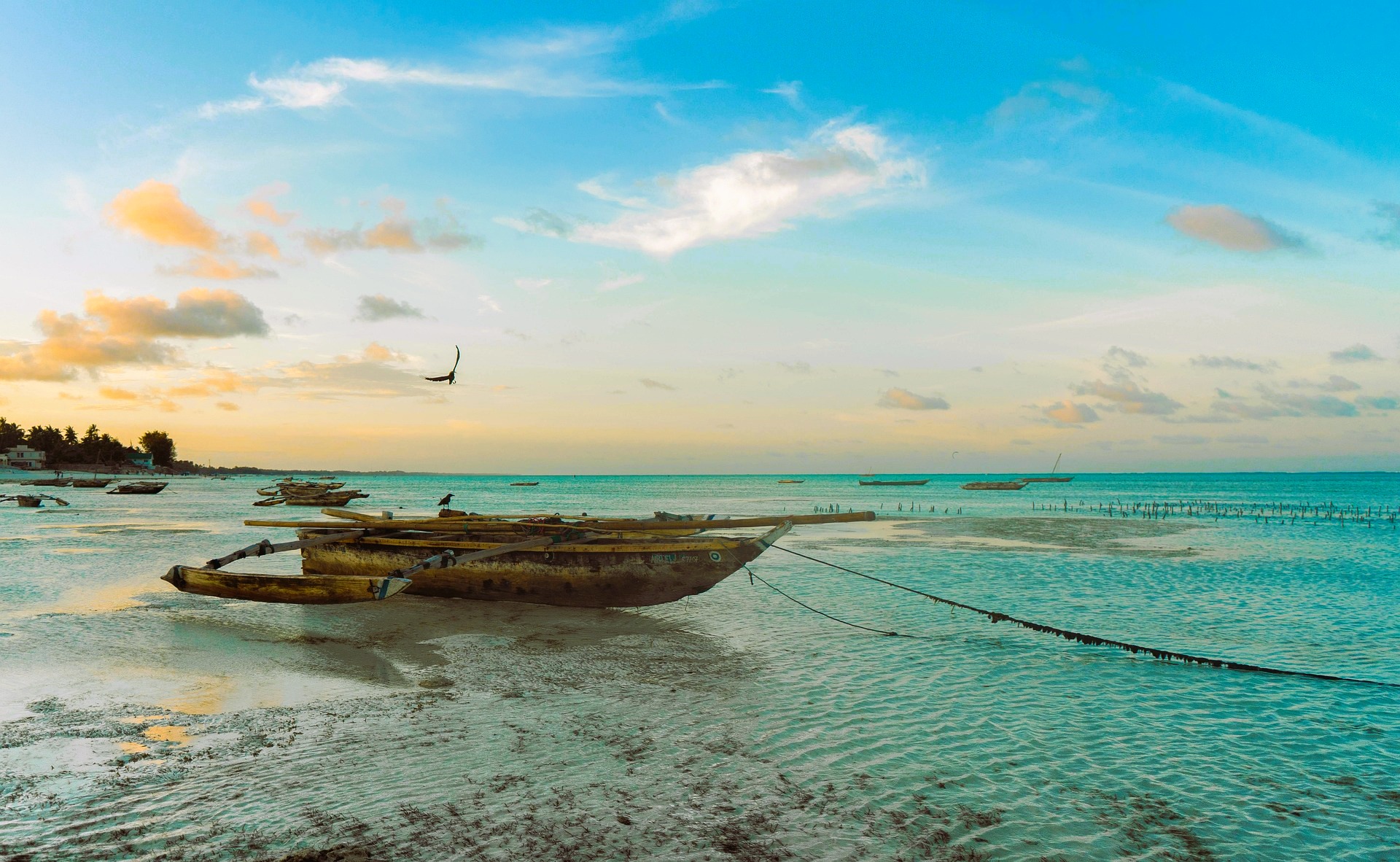
The air in Stone Town carries the thick, sweet weight of cloves and drying salt, a scent that has remained unchanged since the dhows first docked in the ninth century. Here, the clock is secondary to the tide. While many travelers rush toward the northern beaches, the true spirit of the archipelago is found in the pauses the lingering steam of a spiced tea on a rooftop or the rhythmic chip of a woodcarver’s chisel in a shaded alley. Finding the best things to do in Zanzibar requires a surrender to pole pole (slowly, slowly). It is a destination that rewards the patient, where the layered Omani and Swahili history unfolds through the shifting gold light of a late Indian Ocean afternoon rather than a frantic itinerary.
Mtoni Palace Ruins – A Whisper of Omani Royalty
Walking through Mtoni Palace is an exercise in listening to silence. Once the grandest residence on the island, the 19th-century palace now stands as a skeletal beauty of coral stone and lime. As you wander through the open-roofed chambers where Sultan Sayyid Said once held court, the scent of damp earth and sea spray replaces the perfume of royalty. It is a must-visit because it lacks the manicured artifice of typical museums; here, nature is slowly reclaiming history. The hauntingly beautiful remains offer a tactile connection to the Sultanate’s past, providing a quiet space to contemplate the transience of power while watching the Indian Ocean glimmer through empty window frames. It is the definitive starting point for anyone seeking the island’s “Spice Island” origins beyond the bustling markets.
Unhurried Tip: Time your visit for the late afternoon when the heat breaks and the local dhows begin to drift past the palace shoreline.
My Sincere Takeaway: Standing among these ruins, I felt a profound sense of peace that Stone Town’s crowded streets can’t offer. It is a poignant reminder that even the grandest legacies eventually bow to the rhythmic, persistent heartbeat of the natural world.
Jozani Chwaka Bay National Park – The Emerald Canopy
Jozani is the green lung of Zanzibar, a sanctuary where the air feels noticeably cooler and heavy with the scent of damp moss. This is the only place on Earth to see the endemic Red Colobus monkey, yet the real magic lies in the ancient mahogany trees and the surreal boardwalks through the salt-slicked mangroves. It is a must-visit for the sensory shift it provides; the sound of the wind through the fronds creates a natural symphony that invites you to slow your stride. The forest floor is alive with the subtle movement of elephant shrews and butterflies, demanding a level of observation that “fast” tourists often miss. In the shadows of the Pete-Jozani mangrove boardwalk, the boundary between land and sea blurs into a mesmerizing, tangled labyrinth of roots and reflection.
Unhurried Tip: Request a guide specifically for the mangrove boardwalk section after the main monkey viewing to experience the quietest part of the park.
My Sincere Takeaway: There is a stillness in the mangroves that feels almost prehistoric. Watching the tide creep through the intricate root systems made me realize how rarely we sit still enough to watch the world actually breathe.
Maruhubi Palace Ruins – Reflections of the Harem
Completed in 1882 to house the harem of Sultan Barghash, the Maruhubi Palace ruins offer a more intimate, melancholic atmosphere than their counterparts. The site is defined by its massive stone pillars and the sprawling, overgrown water lily ponds that once served as bathhouses. It is a must-visit for travelers who appreciate the “Slow Travel” ethos, as the site is frequently bypassed by larger tour groups. The vibe is one of faded opulence; you can almost hear the ghost of splashing water and hushed conversations near the Roman-style aqueducts. Walking here feels like stepping into a forgotten watercolor painting. The architectural remnants, though scarred by an 1899 fire, still possess a regal symmetry that encourages long, thoughtful walks through the surrounding palm groves, where the only sound is the rustle of the breeze.
Unhurried Tip: Bring a sketchbook or a book; the stone ledges by the lily ponds are the best spots on the island for an uninterrupted hour of solitude.
My Sincere Takeaway: Maruhubi feels like a secret kept by the island. I spent an hour watching the dragonflies hover over the lilies, struck by the idea that beauty persists long after the people who created it are gone.
Emerson on Hurumzi Rooftop – Dining Above the Minarets
Ascending the steep, narrow wooden stairs to the rooftop of this restored Omani palace feels like a transition into another century. As the call to prayer echoes from a dozen directions, the air cools and the scent of saffron and grilled lobster rises from the kitchen. This is the ultimate conclusion to Stone Town cultural tours, offering a panoramic view of the labyrinthine city below. Guests sit on traditional floor cushions, surrounded by vibrant textiles and the soft glow of lanterns. The experience is intentionally slow; the multi-course Swahili feast is served with rhythmic pauses that allow you to watch the sky turn from violet to ink. It is a must-visit because it encapsulates the cosmopolitan soul of the island, merging Persian, Indian, and African influences into a single, lingering evening of sensory indulgence.
Unhurried Tip: Arrive at least forty minutes before the official dinner seating to secure a corner spot and enjoy the transition of light in total silence.
My Sincere Takeaway: Looking out over the rooftops as the Swahili songs began, I realized that the island’s history isn’t just in its stones, but in the shared breath of its people at twilight. It is the most honest perspective of Stone Town you will ever find.
Kuza Cave – A Subterranean Sanctuary of Turquoise Water
Hidden in the scrublands of Jambiani, Kuza Cave is an ancient limestone sinkhole filled with mineral-rich, turquoise groundwater. Steeping into the cave feels like entering the earth’s own cathedral; the temperature drops, and the humidity softens. The site is managed as a community project, often featuring local musicians whose drumming resonates against the rock walls. While many travelers seek out Zanzibar spice plantation experiences for their sensory richness, Kuza Cave offers a deeper, more primal connection to the island’s geology. The water is exceptionally still, reflecting the jagged stalactites above. Swimming here is a meditative act, far removed from the splashing crowds of the hotel pools. It is a must-visit for the quietude it provides, allowing the mind to drift as effortlessly as your body does in the buoyant, cool depths of the cavern.
Unhurried Tip: Visit in the mid-morning on a weekday to avoid the local drumming workshops if you are seeking a truly silent, meditative swim.
My Sincere Takeaway: Floating in that prehistoric blue, I felt the weight of the world dissolve into the shadows of the cave. It is a rare place where you can feel the ancient, geological heart of the island beating beneath your skin.
Forodhani Gardens – The Night Market Ritual
As the sun dips below the horizon, Forodhani Gardens transforms from a sleepy seaside park into a theatrical culinary stage. Kerosene lamps flicker on dozens of stalls, illuminating piles of “Zanzibar pizza,” giant lobster tails, and pressed sugarcane juice. While it is a bustling hub, the unhurried traveler finds joy in the slow observation of the ritual the way the “Night Market” chefs meticulously arrange their catch and the local boys leap with gymnastic grace from the sea wall into the dark water. Much like the Jozani Forest red colobus monkeys represent the island’s wild side, Forodhani represents its social heartbeat. It is a must-visit because it is the island’s living room; here, you aren’t just a spectator, but a participant in a nightly tradition of community, smoke, and salt air that has endured for generations.
Unhurried Tip: Skip the first few aggressive stalls and walk to the far edge near the Old Fort to find the vendors where the locals actually queue.
My Sincere Takeaway: There is a chaotic grace to Forodhani that captured my heart; it’s where I learned that the best way to understand Zanzibar is to simply sit on a stone wall with a ginger tea and let the evening unfold.
A Thoughtful 3-Day Itinerary for Zanzibar
To truly absorb the rhythm of the island, one must resist the urge to conquer it in a day.
Day One: The Echoes of Empire. Begin at the Mtoni Palace Ruins in the soft morning light, following the coastline south to the Maruhubi Palace Ruins. These skeletal remains are best navigated on foot, allowing the salty breeze to guide you between the pillars.
Day Two: Into the Wild and the Deep. Take a local dala-dala or a private driver to Jozani Chwaka Bay National Park for a morning of canopy-watching. As the afternoon heat peaks, retreat into the subterranean cool of Kuza Cave in Jambiani to wash away the salt and dust in its turquoise depths.
Day Three: The Pulse of Stone Town. Spend your morning lost in the labyrinthine alleys, eventually finding sanctuary at Emerson on Hurumzi for a sunset that demands your total attention. End your journey at Forodhani Gardens, merging with the local crowd as the night market comes alive under the stars.
Zanzibar is not a checklist; it is a frequency. To visit with a slow heart is to recognize that the space between the landmarks the shared laughter over a ginger tea or the long shadows stretching across a coral wall is where the island’s true character resides. Put down the map, let the tide dictate your timing, and allow the Spice Island to reveal itself to you in its own lingering, amber-hued time.
Leave a Reply