Tag: travel

  • Why I Take My Time in Lima

    Why I Take My Time in Lima

    The first thing I notice is the Pacific light soft, silver, and restless, spilling across colonial balconies and the quiet courtyards of the old city. My steps echo against stone streets, and I let the rhythm of Lima decide my pace.
    I move slowly here because Lima rewards patience. The scent of salt air mingles with roasted corn from street vendors, and the hum of traffic dissolves into the laughter of plazas where time feels stretched. I sit longer than I should in Barranco cafés, watching shadows lengthen, listening to guitars drift from open doors.
    In Lima, the unhurried traveler finds more than monuments. The city asks me to pause, to taste ceviche as if it were a ritual, to wander museums without urgency, to feel the weight of history in the walls. My journey is not about seeing everything it is about letting Lima unfold, one quiet detail at a time.

    Plaza Mayor (Plaza de Armas)

    Standing in Plaza Mayor, I feel the pulse of Lima’s history beneath my feet. The square is framed by colonial facades painted in ochre and cream, their wooden balconies carved with intricate detail. The air carries a mix of scents freshly brewed coffee from nearby cafés, faint incense drifting from the cathedral, and the earthy smell of damp stone after a coastal drizzle. Bells toll from the Cathedral of Lima, their sound resonating across the square, mingling with the chatter of families and the shuffle of footsteps. The light here is never static; in the morning it is sharp and clear, illuminating every detail, while in the evening it softens, turning the plaza into a stage of silhouettes and warm tones. I linger on a bench, watching the slow choreography of pigeons and passersby, feeling the weight of centuries in the rhythm of the place.

    Unhurried Tip: Visit just before sunset, when the square glows and the crowds thin, leaving space for reflection.

    Monastery of San Francisco

    The Monastery of San Francisco feels like stepping into a hushed world where time slows to a whisper. Its baroque façade gives way to cloisters lined with azulejo tiles, their blue patterns cool against the eye. Inside, the air is heavy with the scent of old wood and candle wax, mingled with faint traces of damp stone. The silence is punctuated only by the creak of doors and the soft shuffle of visitors. Descending into the catacombs, I feel the temperature drop, the air thick with centuries of memory. Bones arranged in geometric patterns remind me of the fragility of life, yet the atmosphere is strangely serene rather than morbid. In the library, dust motes float in shafts of light, illuminating shelves of ancient manuscripts. The monastery is not loud in its grandeur it is quiet, contemplative, and deeply textured.

    Unhurried Tip: Arrive early in the morning, when the cloisters are nearly empty and the light is soft.

    Huaca Pucllana

    Huaca Pucllana rises unexpectedly in the middle of Miraflores, its adobe bricks stacked like a giant puzzle, glowing amber under the coastal sun. The scent of dry earth fills the air, mingling with the faint salt of the nearby ocean. As I walk along the pathways, the texture of the bricks handmade centuries ago feels rough and enduring, a tactile reminder of human persistence. The hum of the city fades here, replaced by the quiet crunch of gravel underfoot and the occasional call of seabirds overhead. The pyramid is not polished or ornate; it is raw, elemental, and deeply grounded in the soil. At dusk, the site transforms the adobe walls catch the last light, while the skyline of Miraflores flickers to life, a dialogue between past and present. I find myself slowing down, tracing the outlines of history with my eyes, imagining the rituals once performed here.

    Unhurried Tip: Visit at twilight, when the adobe glows and the city lights begin to shimmer in the background.

    Parque Kennedy

    Parque Kennedy is not grand in scale, but it is alive with texture and rhythm. The scent of blooming flowers mingles with the aroma of street food anticuchos sizzling on grills, churros dusted with sugar. Cats wander freely, weaving between benches, their soft paws silent against the stone paths. The hum of traffic from Miraflores fades into the background, replaced by the laughter of children and the strum of guitars from local musicians. As evening settles, the park glows under warm streetlights, casting gentle shadows across the grass. Vendors set up stalls, their voices calling softly, while the air carries a mix of sweetness and smoke. The park is a gathering place, but also a sanctuary, where time slows and the city’s pulse softens.

    Unhurried Tip: Arrive just before dusk, when the park transitions from day to night and the atmosphere deepens.

    Barranco District

    Barranco feels like a dream painted in warm tones. Its streets are lined with colonial houses in faded pastels, their wooden balconies weathered yet dignified. Murals bloom across walls, vibrant with color and story, while bougainvillea spills over fences in cascades of pink and purple. The air carries the scent of sea salt mixed with coffee drifting from corner cafés. As I walk, I hear the distant crash of waves, softened by the laughter spilling from bars and the strum of guitars echoing through open doors. The Puente de los Suspiros the Bridge of Sighs rests quietly, its wooden beams worn smooth by countless hands. At sunset, the district glows, the Pacific horizon catching fire before fading into indigo. Barranco is not hurried; it is a place where art, music, and sea air weave together into a tapestry of calm.

    Unhurried Tip: Visit in the late afternoon, then stay through evening to feel the district’s shift from quiet to vibrant.

    Larco Museum

    The Larco Museum is housed in an 18th-century mansion, its white walls softened by cascades of bougainvillea. Entering the courtyard, I am greeted by the scent of flowers mingling with the faint aroma of polished wood and cool stone. The galleries are hushed, their air heavy with history. Pre-Columbian ceramics line the shelves, their surfaces smooth and earthy, whispering stories of civilizations long gone. The light inside is gentle, filtered through windows, illuminating textures of clay and textile. Outside, the garden offers a pause birds dart between blossoms, and the sound of leaves rustling in the breeze creates a rhythm of calm. The museum is not overwhelming; it is intimate, inviting me to move slowly, to trace the details of each artifact, to feel the weight of centuries in silence.

    Unhurried Tip: Visit in the morning, when the museum is quieter and the garden light is soft.

    How I Slow Down in Lima

    I believe Lima rewards patience. Each corner holds a detail that only reveals itself when I stop moving shadows stretching across a plaza, petals drifting into a fountain, a guitar note carried by sea air. Begin your thoughtful journey not with a checklist, but with time. Let Lima unfold slowly, and it will stay with you long after you leave.
  • Why I Take My Time in Los Angeles

    Why I Take My Time in Los Angeles

    The first thing I notice is the air salt carried inland from the Pacific, mingling with the faint scent of citrus from market stalls. The city hums, not in haste, but in layers: the low thrum of traffic, the sudden laughter spilling from a café, the distant echo of a saxophone warming the twilight.
    I move slowly here. Los Angeles is not a place to rush through; it asks me to pause, to let the light shift across stucco walls and palm fronds, to feel the textures of neighborhoods that reveal themselves only when I linger. The city’s vastness is softened when I walk it at my own pace, when I allow its contrasts Hollywood’s neon, Venice’s sea spray, Downtown’s brick and steel to settle into rhythm.
    For me, slow travel in Los Angeles means savoring the overlooked: the way shadows stretch long across boulevards at dusk, the quiet corners of museums where time seems suspended, the warmth of a taco eaten curbside with no agenda but taste. This is a city that rewards patience, a place where every pause deepens the story.

    Griffith Observatory

    Griffith Observatory sits like a sentinel above Los Angeles, its white domes catching the shifting hues of the sky. Built in 1935, it has long been a place where science and wonder meet, but what lingers most is the atmosphere. The air here is cooler, tinged with eucalyptus from the surrounding park. As I walk up the path, I hear the crunch of gravel underfoot, the murmur of visitors speaking in hushed tones, and the occasional burst of laughter carried by the wind. Inside, the exhibits hum with quiet energy, but outside, the view steals my breath: the sprawl of Los Angeles stretching endlessly, a quilt of lights and shadows. At night, the telescopes invite me to lean into the cosmos, the silence punctuated only by the faint whir of machinery and the soft gasp of someone seeing Saturn’s rings for the first time.

    Unhurried Tip: Visit just before sunset; the crowds thin as the sky deepens, and the transition from day to night feels timeless.

    The Getty Center

    The Getty Center rises above the city like a modern acropolis, its pale stone glowing in the California sun. Designed by Richard Meier, it opened in 1997, but its timelessness lies in the way light and silence shape the experience. The tram ride up is gentle, the hum of machinery blending with the rustle of leaves. Once inside, the scent of stone warmed by sunlight mingles with the faint fragrance of lavender from the gardens. The galleries are hushed, footsteps softened by carpet, voices lowered to whispers. Outside, the Central Garden unfolds like a living sculpture: water trickles over stones, bees hover lazily over blossoms, and the breeze carries the faint salt of the Pacific. The city below feels distant, softened by haze, while the Getty itself feels suspended in its own rhythm.

    Unhurried Tip: Arrive mid-morning on a weekday; the galleries are quieter, and the gardens glow in softer light.

    Walt Disney Concert Hall

    Frank Gehry’s Walt Disney Concert Hall feels less like a building and more like a sculpture unfurling into the city. Completed in 2003, its stainless steel panels catch the Los Angeles sun, turning light into liquid. Walking around it, I hear the city’s pulse traffic humming, footsteps echoing against steel, the occasional street musician’s notes bouncing off the curved walls. Inside, the atmosphere shifts: the scent of polished wood, the hush of anticipation before a performance, the way sound seems to breathe in the vast auditorium. The acoustics are legendary, but what I notice most is the silence before the first note the collective pause, the shared breath. Outside, the building itself becomes a canvas for light; at dusk, the steel glows amber, then fades into shadow, reflecting the city’s restless energy.

    Unhurried Tip: Explore the exterior in the late afternoon; the shifting light transforms the steel into something alive.

    Los Angeles County Museum of Art (LACMA)

    LACMA is not just a museum it feels like a shifting landscape of art and atmosphere. Established in 1965, it has grown into the largest art museum in the western United States, but its scale never overwhelms when I move slowly through its spaces. The galleries carry a hush, footsteps softened against polished floors, the faint scent of paper and varnish lingering in the air. Outside, the “Urban Light” installation hums with quiet electricity, the lamps glowing like sentinels against the night. I hear the faint buzz of bulbs, the murmur of visitors weaving between the rows, and the occasional click of a camera shutter. Inside, the light changes with each room dimmed to protect ancient textiles, glowing warmly over modern canvases. The museum feels alive, not in haste, but in rhythm, each space inviting me to pause and let the art breathe.

    Unhurried Tip: Visit in the late afternoon, then step outside at dusk to watch “Urban Light” come alive.

    Hollywood Sign

    The Hollywood Sign, erected in 1923, began as an advertisement but has become a symbol of Los Angeles itself. Yet when I approach it slowly, away from the rush of expectation, it feels less like spectacle and more like a quiet sentinel. The trail leading up carries the scent of dry earth and sagebrush, the crunch of gravel underfoot, and the occasional rustle of lizards darting through the brush. The air is sharper here, tinged with dust and sunlight. As I climb, the city’s noise fades, replaced by the rhythm of my own breath and the distant call of birds. The letters themselves are stark, almost austere, their whiteness catching the sun and throwing it back in brilliance. Standing near, I hear only the wind moving across the hillside, a reminder that even icons can be quiet.

    Unhurried Tip: Go early in the morning; the trails are cooler, and the city below is still waking.

    Santa Monica Pier

    Santa Monica Pier, built in 1909, stretches into the Pacific like a bridge between land and sea. The air here is thick with salt, mingling with the scent of fried dough and popcorn drifting from stalls. The wooden boards creak underfoot, worn smooth by decades of footsteps. I hear the crash of waves beneath, the laughter of children chasing seagulls, and the distant hum of the Ferris wheel turning slowly against the sky. At sunset, the light softens, painting the ocean in gold and violet, while the pier itself glows with neon and nostalgia. Musicians strum guitars, their notes carried by the breeze, blending with the rhythm of the surf. The atmosphere is layered joyful yet timeless, noisy yet serene when I pause at the edge to watch the horizon.

    Unhurried Tip: Arrive just before sunset; the crowds thin as the light fades, and the ocean feels infinite.

    A Slow Rhythm in Los Angeles

    Los Angeles is not a city to conquer it is a city to feel. When I slow down, I notice the scent of eucalyptus on a hillside, the hush before a concert begins, the glow of lamps at dusk. Begin your journey with patience, and the city will reveal itself in layers, one pause at a time.

  • My Unhurried Days in Tokyo

    My Unhurried Days in Tokyo

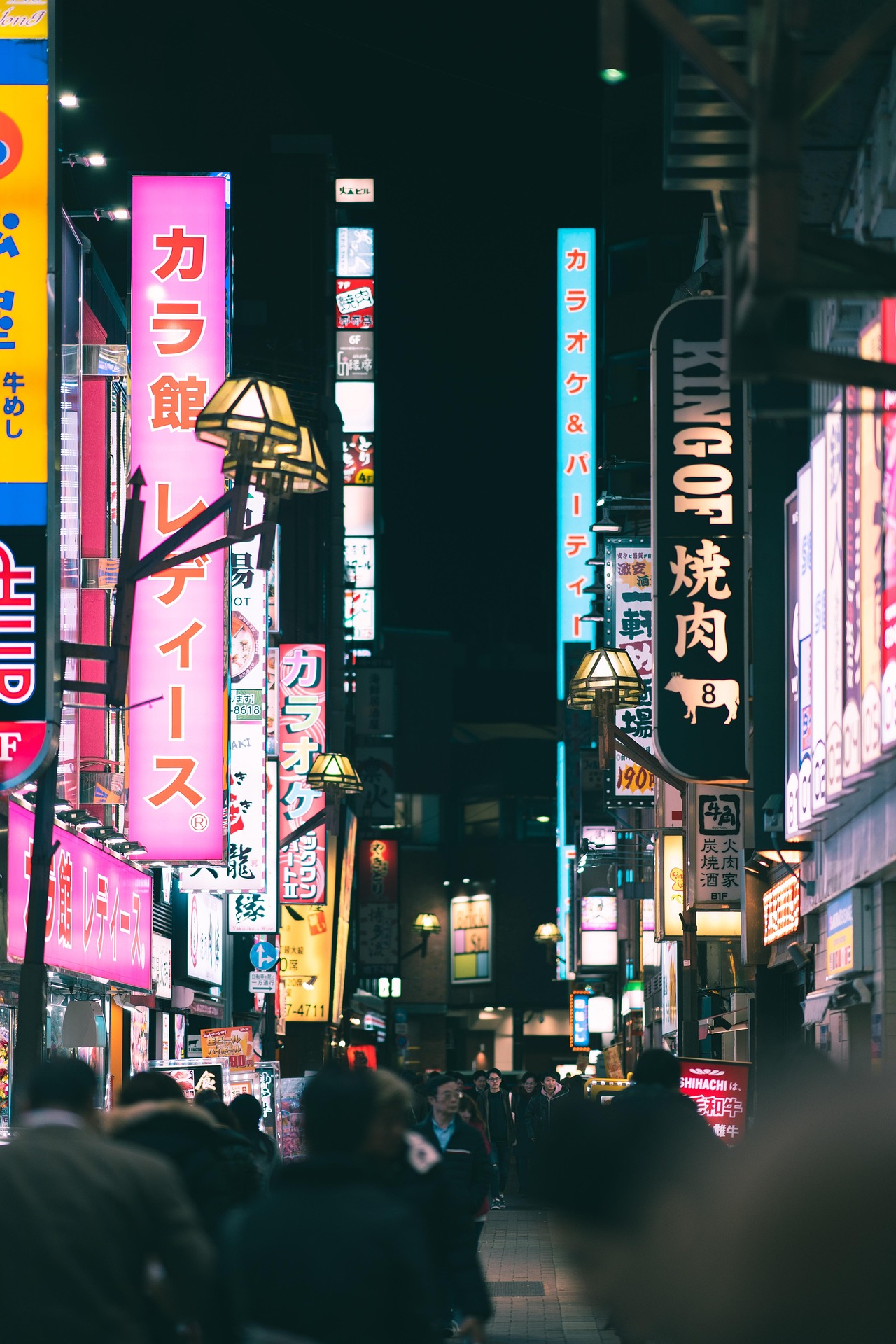
    The first thing I notice is the hush beneath the neon the way a single temple bell cuts through the hum of traffic, how the scent of grilled yakitori drifts from a side street, mingling with the faint sweetness of plum blossoms. Tokyo is not only movement; it is pause, if I choose to linger.
    I walk slowly, letting the city reveal itself in layers: the soft paper lanterns glowing against dusk, the polished wood of shopfronts worn smooth by decades of touch, the rhythm of footsteps on stone bridges. My pace is deliberate, and in that slowness, Tokyo feels infinite each detail a story waiting to be heard.
    Here, slow travel is not about seeing less, but about feeling more. I find myself listening to the silence between train announcements, watching shadows stretch across tatami mats, tasting tea that insists on patience. Tokyo rewards me when I resist rushing; it becomes less a destination and more a companion, unfolding gently, one quiet moment at a time.

    Senso-ji Temple

    Senso-ji, Tokyo’s oldest temple, feels less like a monument and more like a living heartbeat. As I step through the Kaminarimon Gate, the air thickens with the scent of burning incense, mingling with the faint sweetness of sakura mochi sold nearby. The soundscape is layered: the shuffle of sandals on stone, the low murmur of prayers, the occasional clang of coins dropped into offering boxes. Light filters through the paper lanterns, casting a warm glow on the temple’s vermilion beams, their surfaces polished by centuries of touch. The textures here are tactile rough stone underfoot, smooth wood railings, the delicate rustle of silk robes worn by worshippers. History whispers in every detail: founded in the 7th century, rebuilt after war, yet still carrying the weight of devotion.

    Unhurried Tip: Visit early morning when the incense smoke rises in soft columns and the crowds have yet to gather.

    Meiji Shrine

    The Meiji Shrine is less about grandeur and more about immersion in stillness. The moment I step into the forested approach, Tokyo’s noise fades into a muffled hum. Gravel crunches beneath my shoes, and the air smells of cedar and damp earth. The torii gates rise like guardians, their wood darkened by rain and time. Light here is gentle, fractured by leaves, dappling the path in shifting patterns. The shrine itself, dedicated to Emperor Meiji and Empress Shoken, carries a quiet dignity its cypress beams exude a faint resin scent, its courtyards echo with the soft clap of hands in prayer. The atmosphere is contemplative, a pause in the city’s relentless rhythm.

    Unhurried Tip: Arrive just after sunrise when the forest is hushed, and the light is golden across the gravel paths.

    Tokyo Tower

    Tokyo Tower rises like a beacon, its lattice of steel painted in vivid orange and white. Approaching it, I hear the hum of the city soften into a low vibration, punctuated by the occasional laughter of couples strolling nearby. The tower’s lights flicker on as dusk settles, casting a warm glow that feels almost nostalgic. The scent of street food takoyaki, grilled skewers drifts from vendors at the base, mingling with the faint metallic tang of the tower itself. Inside, the elevators hum upward, carrying me to observation decks where the city stretches endlessly. From above, Tokyo is a sea of lights, each one a pulse of life. Yet the tower itself, built in 1958, carries a retro charm, a reminder of postwar optimism and resilience. The textures are striking: cool steel under my handrails, glass panes reflecting the city’s heartbeat, the soft hush of voices marveling at the view.

    Unhurried Tip: Visit at twilight when the sky deepens to indigo and the tower’s glow feels most intimate.

    Imperial Palace

    The Imperial Palace sits at the heart of Tokyo, yet it feels like a world apart. As I approach, the city’s rush softens into the rustle of leaves and the gentle splash of koi in the surrounding moat. The air carries the faint scent of pine and damp stone, mingled with the sweetness of blossoms in spring. The Nijubashi Bridge arches gracefully, its stone worn smooth by centuries, while the palace walls rise with quiet authority, their surfaces textured with moss and history. This is the site of Edo Castle, once the seat of shoguns, now the residence of Japan’s emperor. The atmosphere is layered: the distant hum of traffic, the rhythmic crunch of gravel paths, the occasional call of a bird echoing across the gardens. Light shifts constantly here morning sun glitters on the water, while twilight drapes the palace in muted tones of indigo and silver.

    Unhurried Tip: Visit during early spring mornings when the cherry blossoms are just opening and the paths are quiet.

    Shinjuku Gyoen National Garden

    Shinjuku Gyoen is a garden that feels like an unfolding poem. Entering through its gates, I am greeted by the scent of freshly cut grass and the faint perfume of seasonal flowers roses in summer, chrysanthemums in autumn. The sounds are gentle: children laughing in the distance, the soft rustle of petals falling, the occasional splash of a koi surfacing in the pond. Paths wind through three distinct landscapes Japanese traditional gardens with stone lanterns and wooden bridges, French formal gardens with symmetrical rows of roses, and English-style lawns that stretch wide beneath the sky. Light plays across the garden differently depending on where I stand: filtered through cherry blossoms, sharp and clear across open lawns, or softened by the canopy of ancient trees. The textures are tactile smooth gravel underfoot, the rough bark of towering pines, the delicate touch of petals brushing my sleeve.

    Unhurried Tip: Arrive just after opening hours to walk the lawns in solitude before the midday crowds arrive.

    Tsukiji Hongan-ji

    Tsukiji Hongan-ji is unlike any other temple in Tokyo. Its exterior, inspired by ancient Indian architecture, rises in carved stone rather than painted wood, giving it a solemn, enduring presence. As I step inside, the air is cool and carries the faint scent of incense mixed with polished stone. The soundscape is hushed: the soft shuffle of visitors, the low resonance of chanting, the occasional creak of wooden pews. Light filters through stained glass windows, casting muted colors across the temple’s interior, where golden altars gleam softly. Built in the 1930s after the original temple was destroyed by fire, it stands as a testament to resilience and adaptation. The textures here are striking cold stone beneath my hand, smooth brass fittings, the delicate shimmer of silk banners. Outside, the bustle of Tsukiji lingers faintly, but inside the temple, time feels suspended.

    Unhurried Tip: Visit in late afternoon when the stained glass glows warmly and the temple is quieter.

    🌿 Conclusion: A Slow Traveler’s Rhythm in Tokyo

    Tokyo is not a checklist it is a companion. Start your thoughtful journey not with urgency, but with patience. Let incense smoke, garden paths, and twilight towers guide you. The city will meet you where you pause, and in that pause, you will find its truest rhythm.

  • My Unhurried Days in London

    My Unhurried Days in London

    The first thing I notice is the rhythm of footsteps on old stone steady, unhurried, echoing beneath the drizzle. London doesn’t rush me; it waits, with its fog curling around bridges and its markets breathing out the scent of roasted chestnuts and damp paper.
    I move slowly, letting the city unfold in textures: the worn iron railings cool beneath my hand, the golden light catching on the Thames at dusk, the quiet hum of buses rolling past. Here, time feels layered every street corner holding centuries, every pause revealing something I might have missed if I hurried.
    My philosophy is simple: London is not a checklist, it is a conversation. To linger in its parks, to trace the curve of its river, to stand still long enough for the bells to carry across the air this is how the city speaks. I give it my time, and in return, it gives me depth.

    Tower of London

    The Tower of London feels heavy with centuries, its stone walls carrying the weight of whispered stories. As I walk through its courtyards, the air is cool and slightly metallic, like iron gates touched by rain. The sound of footsteps echoes against the cobblestones, mingling with the distant caw of ravens that seem to guard the silence. Inside, the dim light filters through narrow windows, casting long shadows that stretch across worn floors. The faint smell of damp stone and aged wood lingers, reminding me that this place has endured storms, fires, and countless lives passing through. History here is not abstract it presses close, in the thickness of the walls and the hush of the chambers.

    Unhurried Tip: Visit early in the morning when the air is still cool and the crowds have not yet arrived.

    St. Paul’s Cathedral

    Inside St. Paul’s, sound rises like incense. A single note from the organ swells into the dome, reverberating until it feels like the air itself is vibrating. The marble beneath my feet is cool, polished by centuries of footsteps, and the faint scent of candle wax lingers near the chapels. Light pours through high windows, shifting with the hour sometimes golden, sometimes pale, always softened by the vastness of the space. The dome itself feels alive, a canopy of painted detail that draws my gaze upward until I lose track of time. Outside, the bells mark the hours with a resonance that carries across the city, reminding me that London breathes in rhythm with this cathedral.

    Unhurried Tip: Arrive late afternoon when the sun angles through the dome, creating a warm glow across the nave.

    Westminster Abbey

    Westminster Abbey is a place where silence feels textured. The air carries the faint scent of old books and polished wood, mingled with the coolness of stone. As I walk through the nave, the light shifts across memorials carved with names that have shaped history. The sound of footsteps is softened by centuries of prayer, and the hush is punctuated only by the distant murmur of visitors. In the cloisters, ivy climbs the walls, and the garden breathes with a stillness that contrasts the city outside. The Abbey’s atmosphere is layered solemn yet tender, monumental yet human. Every detail, from the worn carvings to the flicker of candles, feels like a reminder that time here is not linear but circular, looping back through generations.

    Unhurried Tip: Step into the cloisters during midday when sunlight filters gently, and the crowds thin.

    Buckingham Palace

    Buckingham Palace stands with a kind of restrained elegance. The façade gleams pale against the sky, its symmetry softened by the play of light across windows and stone. The air outside carries the scent of fresh-cut grass from the surrounding gardens, mingled with the faint aroma of street vendors nearby. The soundscape shifts depending on the hour sometimes the rhythmic clatter of hooves during the Changing of the Guard, sometimes the quiet hum of traffic beyond the gates. Standing before the palace, I feel the weight of ceremony, yet also the simplicity of a building that has watched seasons change endlessly. The golden railings catch the morning sun, and the atmosphere feels both formal and strangely intimate, as if the palace itself is part of London’s daily rhythm.

    Unhurried Tip: Arrive just after sunrise when the gates glow softly and the crowds have not yet gathered.

    Houses of Parliament & Big Ben

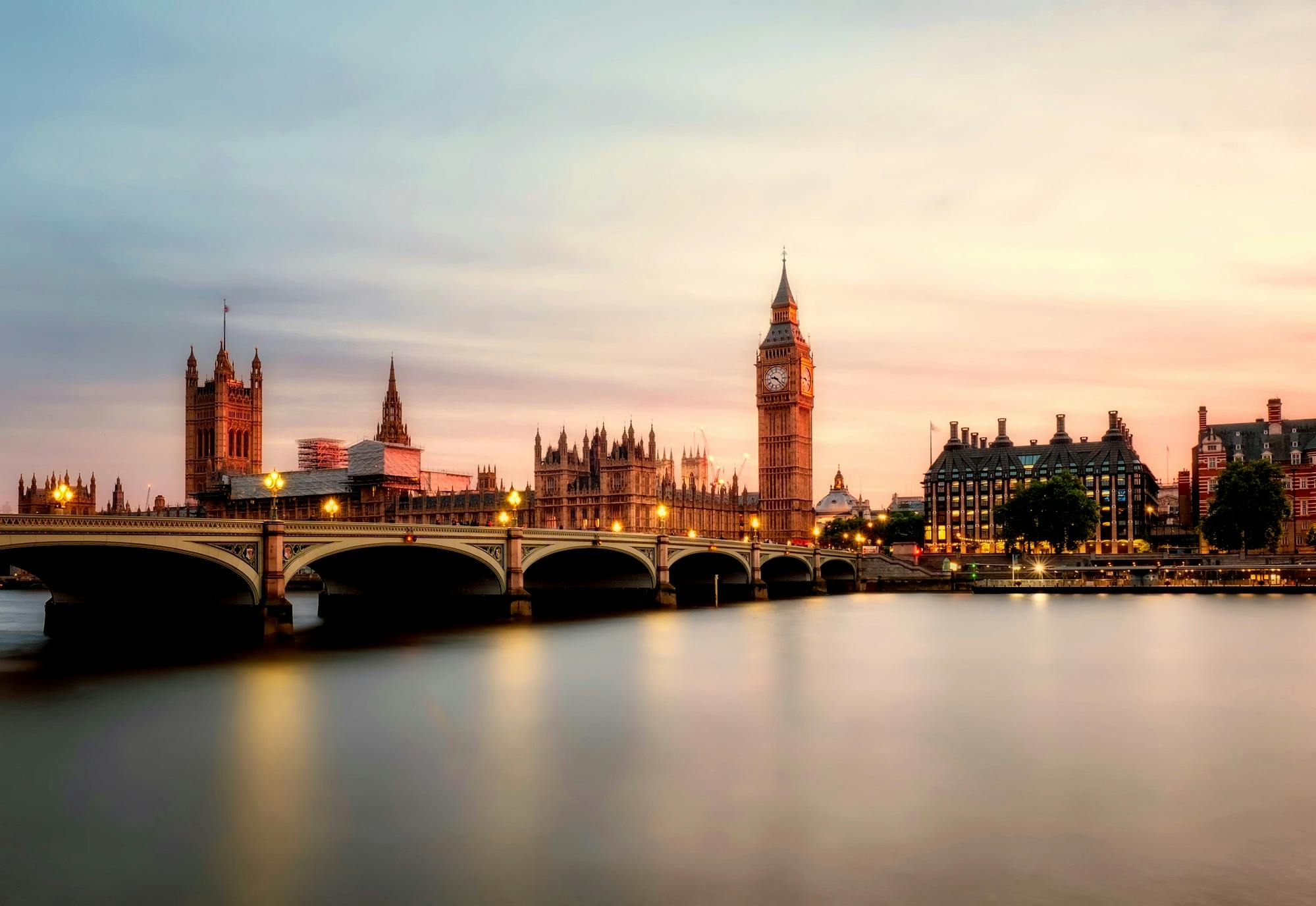
    The Houses of Parliament rise like a carved silhouette against the river, their Gothic details etched in stone and shadow. Big Ben’s clock face glows warmly, its chimes rolling across the city with a resonance that feels both ceremonial and personal. The air here smells faintly of the river mud, water, and the metallic tang of bridges nearby. As twilight falls, the lamps along Westminster Bridge flicker on, casting golden halos that shimmer on the Thames. The soundscape is layered: the rush of buses, the murmur of pedestrians, and then the deep, measured toll of the clock that seems to slow everything around it. Standing here, I feel the city’s heartbeat align with the rhythm of time itself.

    Unhurried Tip: Stand on Westminster Bridge at twilight when the lights glow and the river reflects the city’s rhythm.

    Tower Bridge

    Tower Bridge is more than steel and stone it is movement, rhythm, and light. As I walk across, the wooden planks beneath my feet carry the faint vibration of traffic, while the river below breathes with the tide. The smell of the Thames drifts upward brackish, metallic, softened by the cool evening air. The towers rise like guardians, their Gothic details etched against the sky, and when the bridge lifts, the sound of gears grinding is both mechanical and ceremonial. At night, the lamps glow amber, casting reflections that ripple across the water. Standing here, I feel London’s duality: ancient and industrial, ceremonial and everyday.

    Unhurried Tip: Pause at dusk when the bridge glows and the river mirrors the city’s heartbeat.

    The British Museum

    The British Museum feels like a cathedral of memory. The Great Court’s glass roof bends light into soft patterns, illuminating marble that hums with footsteps. The air carries a faint scent of polished stone and paper, mingled with the quiet murmur of voices in dozens of languages. Each gallery feels like a pause in time Egyptian statues standing silent, Greek marbles glowing under pale light, manuscripts breathing faintly of ink and age. The atmosphere is hushed yet alive, as if history itself is whispering. I find myself slowing, tracing details with my eyes, letting silence settle between each discovery.

    Unhurried Tip: Arrive early morning when the Great Court is quiet and the light is soft.

    Trafalgar Square

    Trafalgar Square is a stage where the city breathes openly. The fountains spray fine mist into the air, catching sunlight that turns droplets into fleeting jewels. The soundscape is layered pigeons fluttering, bus engines humming, voices rising in laughter or protest. The stone beneath my feet is warm from the day’s sun, and the air smells faintly of exhaust mingled with roasted chestnuts from nearby vendors. Nelson’s Column rises above it all, steady and solemn, while the lions crouch in bronze silence. The square feels both monumental and human, a place where history and daily life meet without ceremony.

    Unhurried Tip: Visit in late afternoon when the fountains glow and the square softens into golden light.

    The National Gallery

    The National Gallery is a sanctuary of light and silence. As I step inside, the air cools, carrying the faint scent of varnish and aged canvas. The wooden floors creak softly underfoot, and the hush is punctuated only by the shuffle of visitors. Paintings glow under carefully angled light Turner’s skies alive with color, Vermeer’s interiors breathing with quiet detail. The atmosphere is contemplative, inviting me to linger before each canvas, to let my eyes adjust to the subtleties of brushstroke and shadow. Time slows here; each painting feels like a conversation, patient and unhurried.

    Unhurried Tip: Visit mid-morning when the galleries are quiet and the light is gentle.

    Hyde Park

    Hyde Park is London’s breath of green. The grass carries dew that dampens my shoes, and the air smells of earth and wet leaves. Birds call across the Serpentine, their voices echoing against the still water. Joggers pass quietly, their rhythm blending with the rustle of trees. The light shifts gently morning mist softening outlines, afternoon sun warming benches, twilight casting long shadows across the paths. The park feels timeless, a place where the city exhales. Sitting beneath an oak, I hear the distant hum of traffic fade into silence, replaced by the sound of wind threading through branches.

    Unhurried Tip: Arrive at sunrise when mist rises from the lake and the park feels untouched.

    Conclusion: Slowing Down in London

    I believe every journey begins not with a ticket, but with a decision to move slowly. London, with its layers of history and quiet corners, invites me to take that decision seriously. If you let yourself pause on a bridge, in a cloister, beside a fountain you will find that the city speaks softly, and its voice lingers long after you leave. Start your thoughtful journey, and let London unfold at its own pace.

  • My Unhurried Days in Berlin

    My Unhurried Days in Berlin

    The first thing I notice is the rhythm Berlin doesn’t rush me. The air carries a faint trace of roasted coffee drifting from corner cafés, while the soft hum of trams blends with the crunch of gravel under my shoes. Light filters through wide boulevards, catching on stone facades that seem to breathe with history.
    I move slowly here, not because the city demands it, but because it rewards it. The textures of Berlin its worn cobblestones, its iron bridges, its quiet courtyards invite me to pause. I find myself listening longer, watching shadows stretch across monuments, and letting the scent of linden trees guide me through streets that feel both vast and intimate.
    Berlin is not a place to tick off sights; it is a city to inhabit. Time stretches differently when I allow myself to wander without urgency. Every landmark becomes more than a destination it becomes a companion to my unhurried steps. This is why Berlin deserves not just a visit, but days of lingering, of breathing in its layers, of letting its stories unfold at their own pace.

    Brandenburg Gate

    Standing before the Brandenburg Gate, I feel the weight of centuries pressing gently against the present. The sandstone glows honey-colored in the late afternoon, its neoclassical columns rising with quiet authority. The air carries the faint scent of roasted chestnuts from nearby vendors, mingling with the crispness of Berlin’s winter wind. The soundscape is layered: bicycles clicking past, footsteps echoing on cobblestones, and the occasional murmur of tour guides. Yet, despite the movement, there is a stillness here. The Gate has witnessed triumphs, tragedies, and reunions, and its presence feels less like a monument and more like a pause in time.

    Unhurried Tip: Visit just before sunset when the square empties slightly, and the light softens into amber tones.

    Reichstag Building

    The Reichstag is more than a seat of power it is a space where transparency becomes tangible. Walking the spiral ramp inside the glass dome, I hear the muffled shuffle of shoes against steel, the faint hum of voices rising and falling like echoes. Sunlight filters through the glass, scattering across polished surfaces, while the city stretches outward in every direction. The air inside feels clean, almost sharpened by the glass enclosure, and the scent is faintly metallic, mingled with the warmth of bodies moving slowly upward. History lingers in the stone walls below, scarred yet resilient, while above, the dome feels like a promise of openness.

    Unhurried Tip: Arrive early in the morning when the dome is quiet, and the city below is just waking.

    Berlin Cathedral (Berliner Dom)

    The Berlin Cathedral rises with a kind of solemn grace, its green copper dome catching the morning sun like a beacon. As I step inside, the air shifts cool, scented faintly of stone and candle wax. My footsteps echo against marble floors, mingling with the distant resonance of an organ. Light filters through stained glass, painting the interior in muted blues and reds, while the silence feels almost tactile. Outside, the Spree River flows gently, carrying reflections of the dome across its surface. The cathedral is both grand and intimate, a place where history and devotion intertwine with sensory quiet.

    Unhurried Tip: Step inside during early morning hours when the cathedral is hushed, and the river outside is calm.

    Museum Island

    Museum Island is a gathering of stories carved in stone. Walking across its bridges, I hear the gentle lap of the Spree against embankments, the shuffle of visitors, and the occasional call of a bird overhead. The facades of the museums rise in stately rhythm, their columns catching light that shifts with the hour. The air smells faintly of river water, mixed with the earthy scent of fallen leaves in autumn. Inside, each museum holds worlds ancient artifacts, painted canvases, sculpted forms but outside, the island itself feels like a museum of atmosphere. The blend of history and water creates a serenity that lingers long after I leave.

    Unhurried Tip: Visit in late afternoon when the crowds thin, and the facades glow with golden light.

    Berlin Wall Memorial

    The Berlin Wall Memorial is not loud it is quiet, almost painfully so. Walking along the preserved sections, I hear the crunch of gravel underfoot, the distant hum of traffic muted by space. The air feels heavier here, tinged with the scent of damp concrete and grass. The wall itself rises with raw texture, scarred and unyielding, while the open field around it breathes silence. Light falls unevenly across the surface, casting shadows that seem to hold memory. It is not just a monument it is a pause, a reminder of division and reunion, of lives interrupted and lives reclaimed.

    Unhurried Tip: Visit on a cloudy day when the atmosphere deepens, and the memorial feels most contemplative.

    East Side Gallery

    Walking along the East Side Gallery, I feel the city’s pulse expressed in paint. The preserved stretch of the Berlin Wall is alive with murals bright blues, reds, and yellows that seem to vibrate against the gray concrete beneath. The air smells faintly of river water, mixed with the tang of spray paint lingering from fresh additions. Footsteps echo unevenly on the pavement, and the murmur of voices drifts in multiple languages, blending into a chorus of curiosity. Light shifts across the wall’s surface, highlighting brushstrokes and cracks, reminding me that this is both art and scar. The Spree flows nearby, its ripples catching fragments of color, as if the river itself carries the memory of division and the hope of unity.

    Unhurried Tip: Visit early morning when the wall is quiet, and the colors glow softly in the rising light.

    Charlottenburg Palace

    Charlottenburg Palace feels like a breath of elegance suspended in time. Approaching its baroque façade, I hear the crunch of gravel paths underfoot, the distant splash of fountains, and the rustle of leaves stirred by the wind. The air carries the scent of trimmed hedges and blooming roses, mingled with the faint sweetness of pastries from a nearby café. Inside, gilded halls shimmer with candlelight reflections, while parquet floors creak softly beneath careful steps. Sunlight filters through tall windows, illuminating painted ceilings that seem to float above me. Outside, the gardens stretch endlessly, their symmetry calming, their silence broken only by birdsong.

    Unhurried Tip: Stroll the gardens in late afternoon when the light softens and the crowds disperse.

    Kaiser Wilhelm Memorial Church

    The Kaiser Wilhelm Memorial Church is a fragment of history standing defiantly amid modernity. Its broken spire rises jagged against the sky, a reminder of war’s scars. The air here feels heavier, tinged with the scent of stone and faint incense from nearby candles. Inside, the new chapel glows with blue stained-glass panels, casting a cool, serene light that softens the silence. Footsteps echo gently, and the hum of traffic outside fades into a distant murmur. The juxtaposition of ruin and renewal creates a rhythm raw textures of shattered stone beside smooth glass walls. It is not a place of spectacle, but of reflection, where light and shadow carry memory.

    Unhurried Tip: Visit at twilight when the spire silhouette contrasts with glowing stained glass.

    Gendarmenmarkt

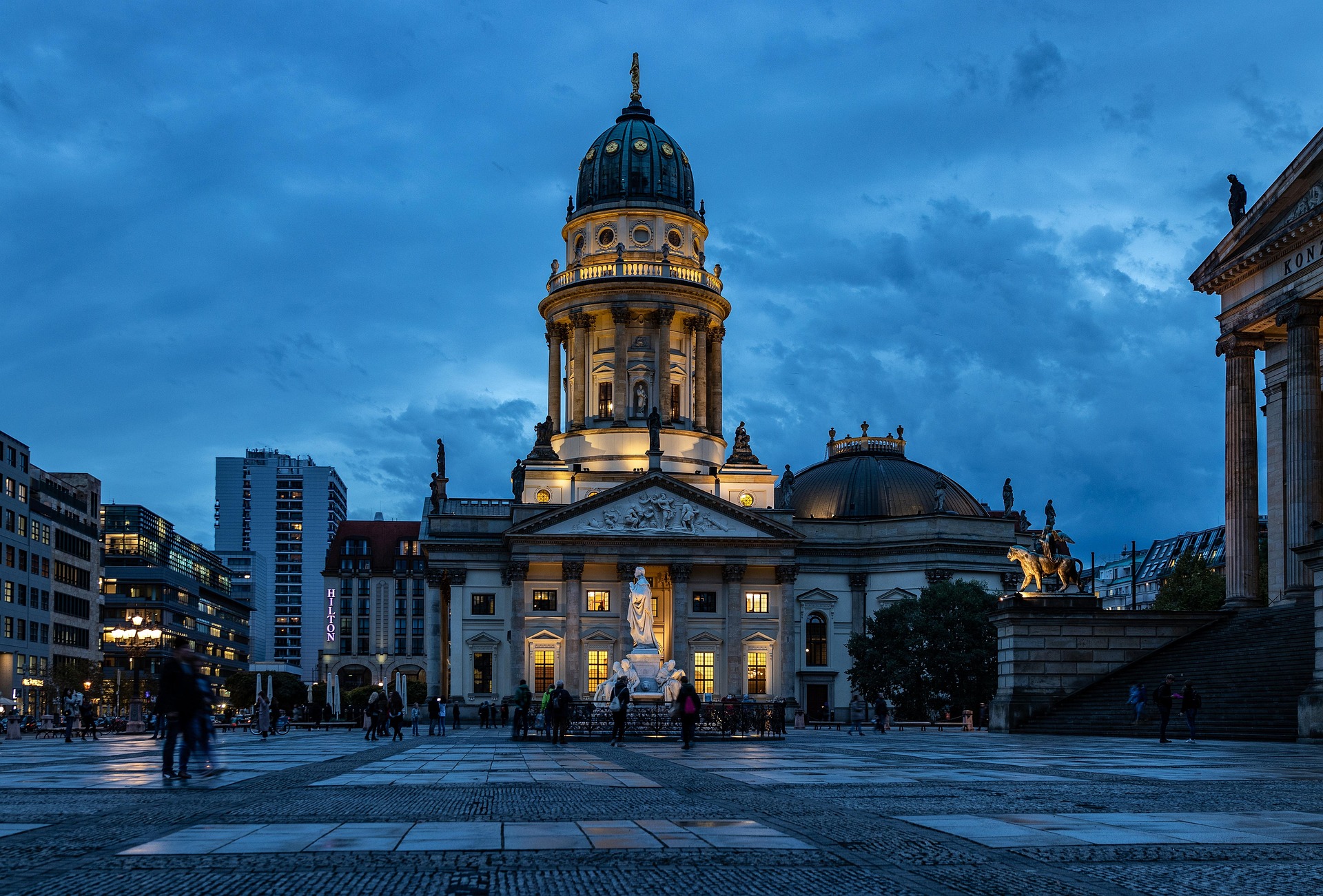
    Gendarmenmarkt is a square that breathes harmony. Standing between the German and French Cathedrals, I hear the crunch of boots on cobblestones, the faint laughter of people drifting through, and the distant notes of street musicians. The air smells of mulled wine in winter, or fresh bread from nearby cafés in summer. Light spills across the square, catching the domes in golden tones, while shadows stretch long and soft. The architecture feels balanced, each building echoing the other, creating a rhythm that calms the eye and the spirit. In winter, the square glows with festive stalls; in summer, it hums with open-air concerts.

    Unhurried Tip: Pause here in the evening when the square is lit, and the atmosphere turns contemplative.

    Alexanderplatz

    Alexanderplatz is a space of movement, yet it holds moments of stillness. The Fernsehturm rises above, its needle piercing the sky, while trams slide across tracks with a soft metallic hum. The air smells faintly of fresh bread from bakeries opening early, mixed with the sharpness of cold morning air. Footsteps scatter across the square, echoing against concrete, while pigeons flutter overhead. Light breaks slowly across the plaza, turning glass surfaces into mirrors. Despite its bustle, Alexanderplatz feels timeless its layers of history embedded in stone, its openness inviting pause.

    Unhurried Tip: Arrive at dawn when the square is quiet, and the tower glows softly in mist.

    How to Linger in Berlin: A Slow Traveler’s Wrap-Up

    : I believe Berlin is best experienced like a long conversation one that unfolds slowly, with pauses, silences, and unexpected laughter. If you give yourself time, the city will speak back in textures, sounds, and light. Start your thoughtful journey not with urgency, but with presence. Let Berlin meet you at your pace.