Watch the droplets dance against the glass while the world slows down to the pace of a pouring kettle. This Vancouver Wallpaper captures the quiet warmth of a morning spent with nowhere to be.
The Lions’ Gateway
The majestic span fades into the clouds, reminding us that even the grandest paths are best taken one step at a time. Adorn your screen with this Vancouver Wallpaper to invite a sense of coastal serenity into your day.
The Ivy-Clad Path
Turn away from the main thoroughfare to find the stories etched into old brick and quiet corners. This Vancouver Wallpaper celebrates the beauty of getting lost in the city’s hidden heart.
The Pacific Horizon
Breathe deep and let your eyes wander across the horizon where the Pacific tides meet the sleeping giants of the north. This Vancouver Wallpaper brings the vast, calm scale of the West Coast to your fingertips.
The SeaBus Drift
There is a unique peace found in the steady, rhythmic pulse of a ferry crossing the water. Let this Vancouver Wallpaper remind you that the journey itself is often the most beautiful destination.
Sanctuary in the Park
Find a moment of absolute stillness under the protective canopy of the ancient evergreens. This Vancouver Wallpaper serves as a digital sanctuary for those seeking a breath of fresh, salty air.
Paris eats by the clock. Breakfast is a quick, standing affair of espresso and pastry at the zinc bar. Lunch is strictly between 12:00 and 14:00; arriving late means a closed kitchen. The afternoon lull is for coffee, not heavy meals. Dinner begins no earlier than 19:30, peaking at 20:30. A common mistake is expecting all day service or rushing the bill. In a bistro, the table is yours until you ask for l’addition. Do not wait for the waiter to bring it automatically; they view it as a gesture of hospitality to let you linger. Always start interactions with a direct Bonjour to unlock the best service and avoid the rude Parisian trope.
Croissant – The morning’s buttery shatter
The initial resistance of the caramelized shell breaks into a web of moist, elastic interior. There is the scent of cultured butter and slow fermented dough. It is a functional ritual, often consumed rapidly while standing at the counter or walking toward the metro. This is not a pastry for delicate eating; a good croissant should crackle, leaving a visible trail of flakes on your clothes. The texture defines the experience more than the simple ingredient profile. Avoid the shiny, perfectly uniform examples found near tourist hubs. Look for irregular shapes and deep golden brown saturation, indicating high heat baking and complex sugar development rather than simple browning. When selecting a bakery, ensure the window proudly displays “Artisan Boulanger” signs, confirming they laminate the dough in house daily rather than baking industrial frozen products, which lack this critical textural contrast.
Steak Frites – The carnivorous pulse of the bistro
A thin skirt steak, perhaps a bavette or faux filet, arrives seared hard on a metal platter. It is usually sliced crosswise, revealing a deep red interior and swimming in a savory, herbaceous compound butter or a dark pan reduction. Beside it, a mountain of hand cut fries, ideally cooked twice for a definitive crunch, holds a high temperature. This is utility food, the standard lunch order that fuels the working district. The flavor is primal: salt, fat, and high quality mineral rich beef. Do not ask for a prime cut here; this is bistro food, utilizing tougher, more flavorful muscles. Specify your cooking preference clearly; “saignant” (rare) is the standard and recommended way to eat these leaner cuts without them becoming tough. The sound of clinking silverware against the heavy ceramic plates is the constant soundtrack to this meal.
Comté – Crystallized time on the rind
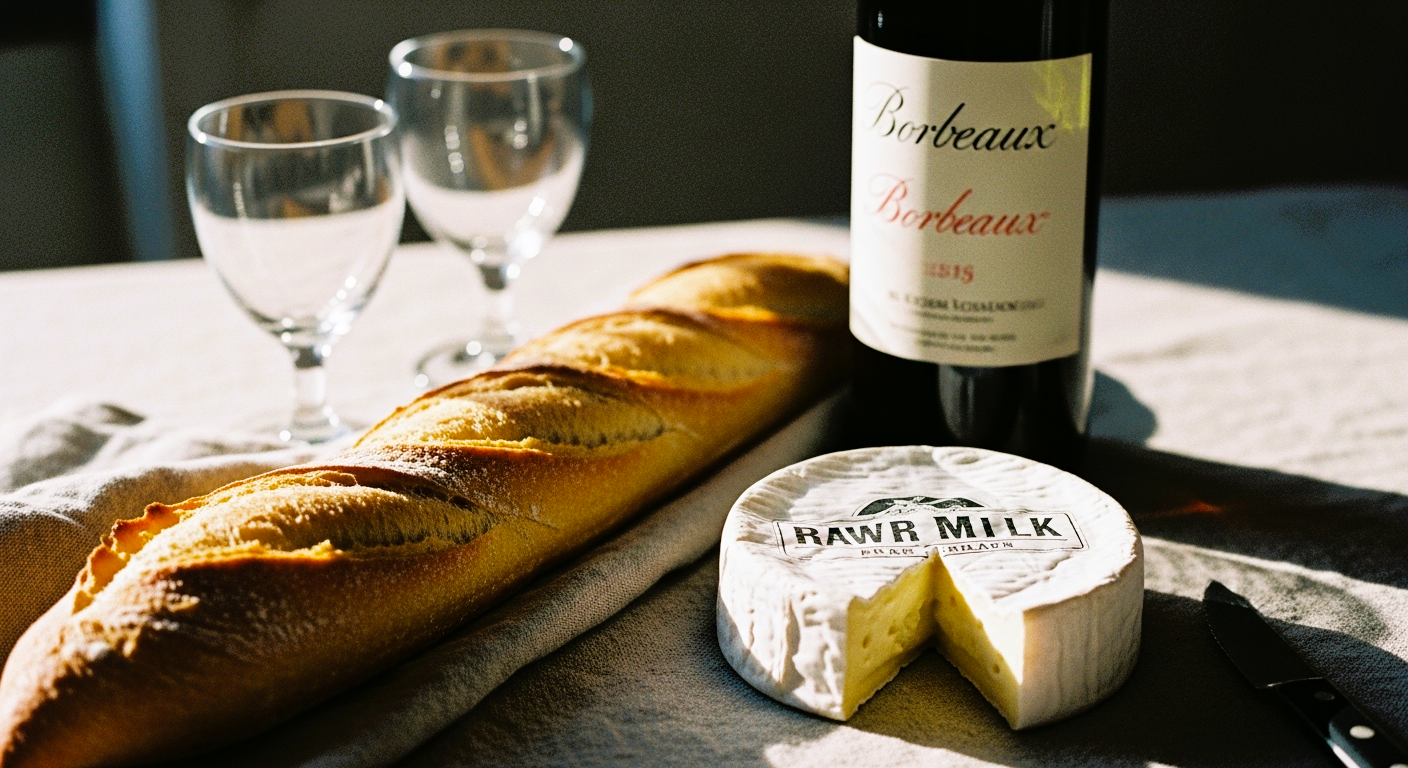
This is a hard cow’s milk cheese from the Jura mountains. When aged over eighteen months, the texture is dense and firm, broken by crunchy bursts of tyrosine crystals—amino acid formations that signal maturity. The flavor profile leads with roasted hazelnuts, brown butter, and a complex umami tang that lingers long after the swallow. Visit an affineur like Laurent Dubois, where the smell of ammonia and damp earth hits you immediately. It is functional food, usually served simple, after the main course but before dessert, allowing the specific vintage to speak. Request a wedge cut from a large, labeled wheel, ensuring it shows a deep ochre hue rather than pale yellow, confirming a diet of summer grasses rich in beta carotene. Taste the progression of ages; the shift from milky to nutty to savory is a defining Parisian flavor experience.
Onion Soup – The original late night restorative
This is survival food, born in the now demolished Les Halles market. A dark, ceramic crock arrives, crowned by a rugged, molten dome of Gruyère and Comté cheese that has baked into a definitive crust. Below the cheese, a thick slice of country bread has soaked up the broth until it dissolves. The liquid itself is almost sweet, thick with onions caramelized for six to eight hours until they are a dark jam. There is a faint tang of white wine or sherry cut with deep, savory beef stock. Order this at a 24 hour brasserie after midnight, which is its traditional context for market workers and late night revelers, and always let it cool slightly or the blistering cheese will burn your palate instantly. The flavor is heavy, comforting, and designed to counteract a night of excess or the cold morning air.
From the First Flake to the Last Broth
Begin in the quiet of the morning with a croissant near the Canal Saint Martin, where the light hits the water and the bakers are finishing their first shifts. As the city accelerates, move toward the 11th arrondissement for a midday steak frites; the high density of traditional bistros here ensures competitive quality and rapid service. By late afternoon, cross the river to a Left Bank fromagerie to sample Comté when the shop is less crowded and the monger has time to explain the aging process. Conclude the circuit in the center of the city at a historic brasserie for onion soup. This geographic loop mirrors the natural progression of the Parisian palate, moving from light fats to heavy proteins, finishing with the restorative power of a deep, caramelized broth after dark.
The Etiquette of the Crust
Bread is never a preliminary snack in Paris; it is a permanent fixture of the landscape. Do not look for a bread plate. The baguette rests directly on the paper or cloth of the table throughout the meal. It functions as a secondary utensil, used to push vegetables onto a fork or to mop up the remaining glaze of a steak sauce. To finish a plate with a piece of bread is to signal total satisfaction, not a lack of manners. If the basket is empty, it is perfectly acceptable to ask for more, but never butter it unless you are eating breakfast. In the evening, the bread exists to support the complexity of the cheese and the integrity of the sauce, acting as a neutral anchor in a sea of rich fats.
The Rigor of the Routine
Paris remains the global benchmark not because of constant reinvention, but because of its obsession with the fundamental. The city identity is a fortress built on the precise lamination of dough, the exact timing of a sear, and the patient aging of milk. It is a place where a single ingredient, like a mountain cheese or a common onion, is elevated through technique rather than artifice. The dining experience is a shared cultural commitment to time and quality. Success in navigating this city comes from respecting these established rhythms and understanding that every meal is a dialogue between the producer and the patron. This is a city that demands attention to detail, rewarding the disciplined eater with the most consistent flavors on the continent.
To observe Paris is to engage in a silent dialogue with time. The city does not merely exist; it breathes through the porous Lutetian limestone of its facades and the rhythmic symmetry of its boulevards. As a living masterpiece, it demands a rejection of the frantic itinerary in favor of the flâneur’s intentional drift. Here, the philosophy of observation reveals that every iron wrought balcony and rain slicked cobblestone is a deliberate brushstroke in a centuries old composition. By slowing our pace, we transition from mere visitors to witnesses of a cultural phenomenon where the boundary between the museum and the street dissolves, leaving only the profound, unhurried resonance of a city that has mastered the art of being.
The forthcoming exploration will navigate this urban gallery through four distinct movements. We will first examine the structural rhythm of the Haussmannian legacy and the curated stillness found within the hidden courtyards of the Marais. Subsequently, the narrative will shift toward the ethereal interplay of stained glass within the city’s gothic anchors and conclude with the avant garde dialogue between industrial modernity and classical proportions.
The Structural Rhythm of the Haussmannian Legacy
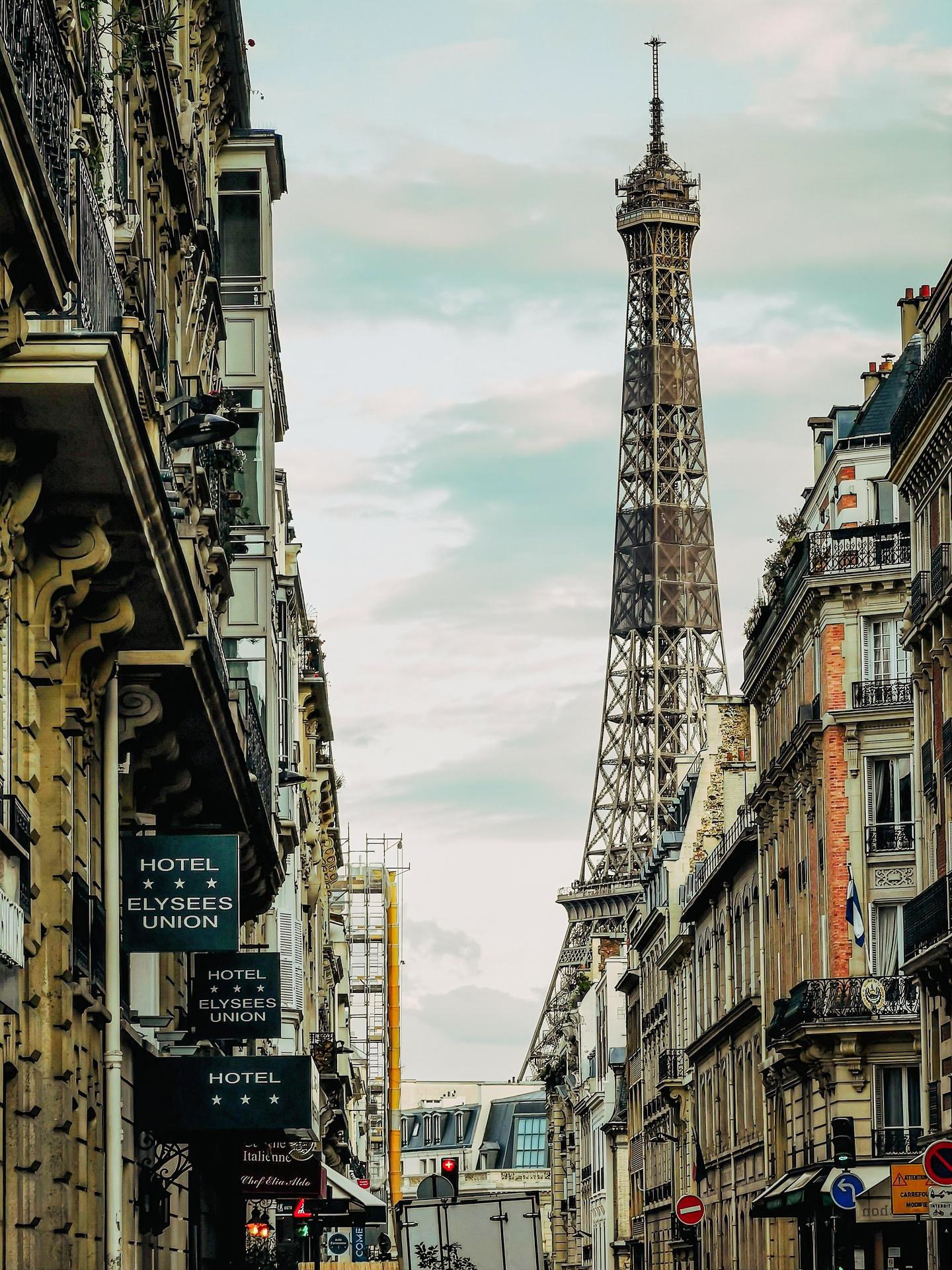
The Haussmannian facade is not a mere wall but a rhythmic score written in Lutetian limestone, a geological signature that anchors Paris to its own soil. To observe these structures is to witness the triumph of a unified aesthetic vision where the individual building yields to the collective harmony of the boulevard. The strict horizontal alignment of the second floor balconies, adorned with intricate wrought iron, creates a visual continuum that guides the eye toward the vanishing point of a distant monument. This architectural discipline reflects a profound philosophy of order and light, where the cream colored stone captures the shifting moods of the Parisian sky, turning the city into a vast, monochromatic canvas. Within this grid, the Mansard roofs provide a textured silhouette against the ether, their zinc and slate tiles shimmering like the scales of an ancient, urban creature resting in the quietude of early morning.
The Curated Stillness of Hidden Marais Courtyards
Beyond the rhythmic pulse of the grand boulevards lies a more intimate geometry within the private courtyards of the Marais. These secluded spaces, often concealed behind heavy timber carriage doors, serve as the city’s silent lungs where time appears to lose its forward momentum. Here, the architecture of the seventeenth century hôtel particulier reveals a delicate balance between aristocratic grandeur and domestic sanctuary. To enter these enclosures is to step into a curated stillness where the ivy clad walls and moss softened paving stones whisper of a pre industrial elegance. The philosophy of the unhurried traveler finds its zenith here; there is no spectacle to chase, only the subtle interplay of shadow on a sun drenched pediment or the gentle drip of a forgotten fountain. These courtyards represent the internal life of the city, a sanctuary of historical memory preserved within the density of the modern metropolis.
The Ethereal Interplay of Stained Glass within Gothic Anchors
To observe the Gothic anchor is to study the physics of transcendence. Within the skeletal stone of the Sainte Chapelle, the wall ceases to be a barrier and becomes a translucent membrane. The method of observation here requires a stationary vigil; one must remain unhurried as the sun charts its arc, watching the floor become a shifting mosaic of deep amethysts and searing rubies. This is not merely a display of light but a deliberate manipulation of the human spirit through medieval optics. By focusing on the leaden cames that bind the glass, the observer recognizes the structural tension that allows such fragility to reach toward the heavens. It is a silent, chromatic liturgy that demands the viewer abandon the temporal for the eternal.
The Avant Garde Dialogue of Industrial Modernity and Classical Proportions
The dialogue between the industrial and the classical is best observed where the steel skeletons of the late nineteenth century intersect with the city’s stone foundations. Engaging with this nuance requires an eye for the elegance of the rivet and the curve of the iron beam, as seen in the soaring glass roofs of the Grand Palais. One must look upward to witness how the weightless transparency of glass challenges the gravity of the surrounding masonry. This architectural friction creates a unique urban tension, where the transparency of the modern age is framed by the permanence of the past. Observing these structural intersections reveals the city’s ability to evolve without severing its aesthetic lineage, maintaining a fluid continuity between the age of steam and the age of light.
The Persistence of the Parisienne Masterpiece
The enduring resonance of Paris lies not in its individual monuments but in the collective architectural soul that persists through the changing light of centuries. As we transition from the grand boulevards to the secret gardens, we recognize that the city serves as a perpetual exhibition of human intent and aesthetic endurance. To observe Paris is to acknowledge that beauty is a discipline, a deliberate layering of history and stone that refuses to be hurried. This urban tapestry remains an essential reference for the modern spirit, offering a sanctuary where the past is not a relic but a living, breathing participant in the present. It is here, in the unhurried drift, that we truly learn the art of seeing, finding that the city’s greatest gift is the quiet invitation to witness the sublime in the everyday.
Now that the map has been drawn and the light observed, the threshold of your own discovery awaits; perhaps it is time to set aside the itinerary and begin the walk into the living gallery.
Many travelers treat Bordeaux as a frantic checklist, rushing between tasting rooms and the Rue Sainte Catherine crowds only to miss the city’s architectural and historical depth. This high velocity approach often leads to “monument fatigue,” where the grandeur of 18th century limestone begins to blur. This guide fixes that by adopting an unhurried, strategic approach. Instead of covering every square, we prioritize the best things to do in Bordeaux by selecting sites that offer maximum historical density and spatial clarity. By timing your visits to avoid the peak tram line surges and focusing on the city’s “golden circle,” you can experience the UNESCO listed core without the typical friction of a standard tourist itinerary.
La Cité du Vin – The Evolution of Oenological Culture
This metallic monolith serves as a bold architectural counterpoint to Bordeaux’s neoclassical skyline, symbolizing the city’s transition into a modern global wine capital. While most visitors approach wine through traditional cellar tours, this site offers a sensory immersion into the global history of viticulture. A strategic traveler should prioritize the permanent exhibition’s interactive modules, which bypass dry data in favor of atmospheric storytelling. The structure itself mimics the swirl of wine in a glass, grounding the experience in the physical relationship between the vine and the river. To maximize the value of your ticket, head directly to the eighth floor Belvedere for your included tasting during the late afternoon; the panoramic views of the Garonne and the Pont Jacques Chaban Delmas are best captured when the sun hits the limestone buildings of the Chartrons district at a low angle.
Place de la Bourse & Le Miroir d’Eau – Symmetry and Urban Reflection
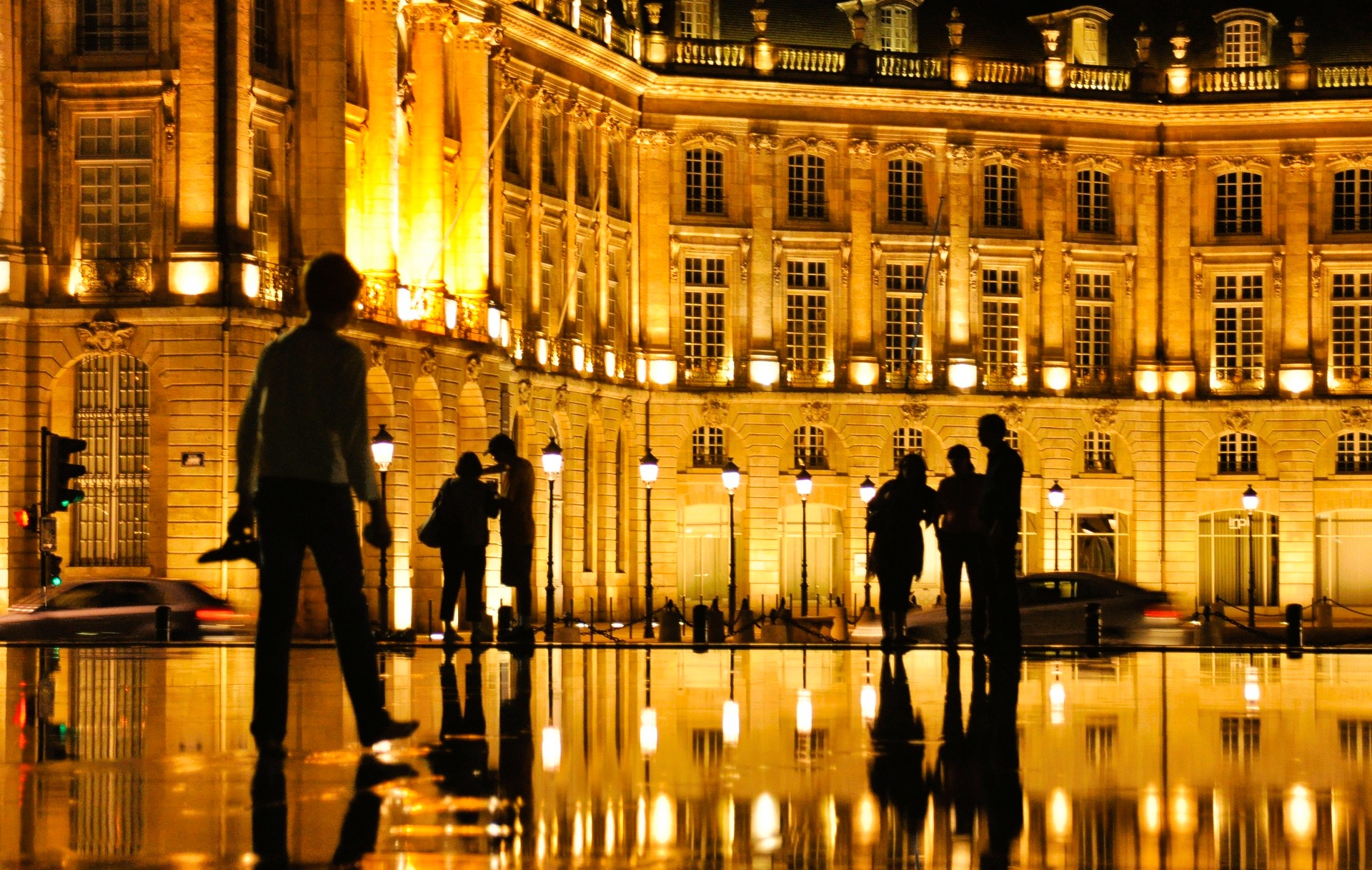
Commissioned by Intendant Boucher in the 18th century, this horseshoe shaped complex represents the moment Bordeaux broke free from its medieval walls to embrace the Enlightenment. The Place de la Bourse is a masterclass in French classical architecture, designed to reflect the power of the monarchy and the prosperity of the colonial port. Today, the Mirror of Water adds a layer of modern utility, creating a shifting visual dialogue between the heavy stone facades and their ephemeral liquid twins. For the thoughtful observer, this space is less about the photograph and more about the intersection of civic pride and public leisure. Avoid the heavy mid afternoon crowds by arriving just before dusk, when the fog effects are most atmospheric and the surrounding restaurants of the Saint Pierre district haven’t yet reached their peak occupancy for dinner service.
Cathédrale Saint André & Tour Pey Berland Gothic Verticality and Independence
Standing as the spiritual anchor of the city, the Cathedral of Saint André is where the history of Aquitaine and the French crown frequently collided, most notably during the royal wedding of Eleanor of Aquitaine. Its unique layout, featuring a separate bell tower, was a structural necessity dictated by the marshy ground of the river basin. The Pey Berland tower offers a physical challenge that rewards the strategic traveler with the most comprehensive perspective of the city’s UNESCO protected urban fabric. While the cathedral interior provides a cool, silent refuge from the bustle of the nearby shopping districts, the climb up the narrow staircase of the tower requires timing. Book your specific entry slot for the tower early in the morning to navigate the 231 steps before the heat and the narrow corridors become congested with the midday tour groups.
Grand Théâtre de Bordeaux – Neoclassical Mastery and Performance Heritage
Designed by architect Victor Louis, this structure served as the aesthetic prototype for the Opéra Garnier in Paris, representing the pinnacle of 18th century Enlightenment architecture. Its twelve Corinthian columns, topped by statues of the muses and goddesses, establish a visual rhythm that defines the Place de la Comédie. For the strategic traveler, the interior is where the true value lies, offering a masterclass in acoustics and visual harmony through its blue and gold auditorium. To appreciate the scale without the constraints of a formal tour, consider booking a matinee performance; this allows you to experience the space as it was intended—through the movement of an audience rather than a static exhibit. Look closely at the ceiling fresco by Jean Baptiste Claude Robin, which was meticulously restored to its original brilliance, and notice the subtle inclusion of the city’s coat of arms within the celestial imagery.
Porte Cailhau – Medieval Fortification and Urban Gateway
Standing as a triumphant arch dedicated to Charles VIII’s victory at Fornovo, this limestone gate remains one of the few physical remnants of the city’s defensive past. Its transition from a defensive bastion to a ceremonial entrance marks the evolution of Bordeaux from a fortified medieval stronghold to an open, prosperous port city. The gate’s conical roofs and ornate carvings provide a sharp contrast to the surrounding neoclassical facades, offering a vertical perspective on the historical layers of the Saint Pierre district. Climbing to the upper floor provides a unique vantage point over the oldest bridge in the city, the Pont de Pierre. To avoid the congestion of the main thoroughfares, approach the gate from the narrow side streets of the old town rather than the riverfront, as this reveals the architectural detail more gradually and places the monument in its proper historical context.
Les Bassins des Lumières – Digital Immersion in a Submarine Base
This former World War II U boat base has been transformed into the world’s largest digital art center, repurposing four massive submarine basins into a canvas for light and sound. The experience is defined by the stark juxtaposition between the brutalist concrete architecture and the fluid, vibrant projections reflecting off the water’s surface. It offers a rare opportunity to see how industrial history can be reclaimed for contemporary cultural utility without erasing its somber origins. The scale of the projections creates a meditative environment that contrasts sharply with the traditional museum experience found elsewhere in the city. To ensure a seamless visit, take the tram line B toward Berges de la Garonne and get off at the Cité du Vin stop, then enjoy the ten minute walk through the revitalized wet docks area to witness the ongoing urban transformation of the Bassins à Flot.
A 3 Day Strategic Itinerary
To maximize the geographical logic of your visit, group the landmarks by their proximity to the Garonne River and the historic center. Spend your first day in the Chartrons and Bassins à Flot districts, starting with the digital immersion of Les Bassins des Lumières before walking south to La Cité du Vin. This keeps your morning industrial and your afternoon focused on oenological history. Dedicate the second day to the neoclassical core of the Saint Pierre and Quinconces neighborhoods. Begin at the Grand Théâtre de Bordeaux and move toward the Place de la Bourse to witness the Mirror of Water as the light shifts. On your final day, head toward the medieval Saint Eloi quarter. Start at the Porte Cailhau and walk toward the Cathédrale Saint André and the Tour Pey Berland. This route follows the city’s natural walking rhythm, allowing for long lunches in shaded squares without backtracking across the tram lines.
The Unhurried Mindset
The unspoken rule of Bordeaux is that the city belongs to those who understand the value of the pause. While the architecture is grand and imposing, the culture is surprisingly intimate, rooted in the concept of the long, stationary afternoon. To truly align with the local vibe, abandon the urge to see every monument in a single loop. Instead, adopt the soulful practice of choosing one limestone terrace in the Saint Michel or Chartrons district and remaining there for two hours with a single glass of Clairet. Observe how the honey colored stone changes as the Atlantic light softens, and you will find that the city reveals its character not in its landmarks, but in its stillness.
Bordeaux serves as the sophisticated gateway to the broader Atlantic coast and the rolling viticultural landscapes of Southwest France. Whether you choose to follow the river further into the medieval villages of Saint Émilion or head west toward the shifting sands of the Bassin d’Arcachon, the region offers a depth of history that rewards the patient traveler.
Move beyond the map and let the rhythm of the river guide your discovery.
Watch the neighborhood wake up slowly through the rising steam of your morning brew. This Toronto Wallpaper captures the gentle, unhurried pause of a Saturday morning well spent.
Zenith in the Mist
Even the city’s tallest peak invites a moment of stillness when the clouds roll in. Let this Toronto Wallpaper remind you to look up and breathe amidst the urban rush.
The Victorian Whisper
Wander where the crowds don’t, among the ivy-covered brick and the secrets of the side streets. This Toronto Wallpaper is an invitation to linger in the city’s historical heart.
The Island Drift
The city hums in the distance while the lake whispers against the shore at dusk. A Toronto Wallpaper designed to bring the peace of the waterfront to your digital space.
Rhythm of the Rails
There is a certain melody in the sway of the tracks as you travel across the downtown core. Carry the steady rhythm of the journey with this nostalgic Toronto Wallpaper.
The Hidden Ravine
Find your sanctuary where the urban pulse fades into the rustle of turning leaves. This Toronto Wallpaper serves as a quiet escape to the city’s hidden natural valleys.
Savor the slow rise of steam against a backdrop of historic brick and ivy. This Chicago Wallpaper captures the simple, unhurried joy of a neighborhood morning.
Midnight at the Theatre
Let the soft, nostalgic glow of State Street light up your screen. This Chicago Wallpaper honors the city’s dramatic soul without the noise of the crowds.
Lincoln Park Shadows
Wander through silent corridors of stone and shadow where time seems to stand still. Carry the elegance of the side streets with you through this Chicago Wallpaper.
The Infinite Horizon
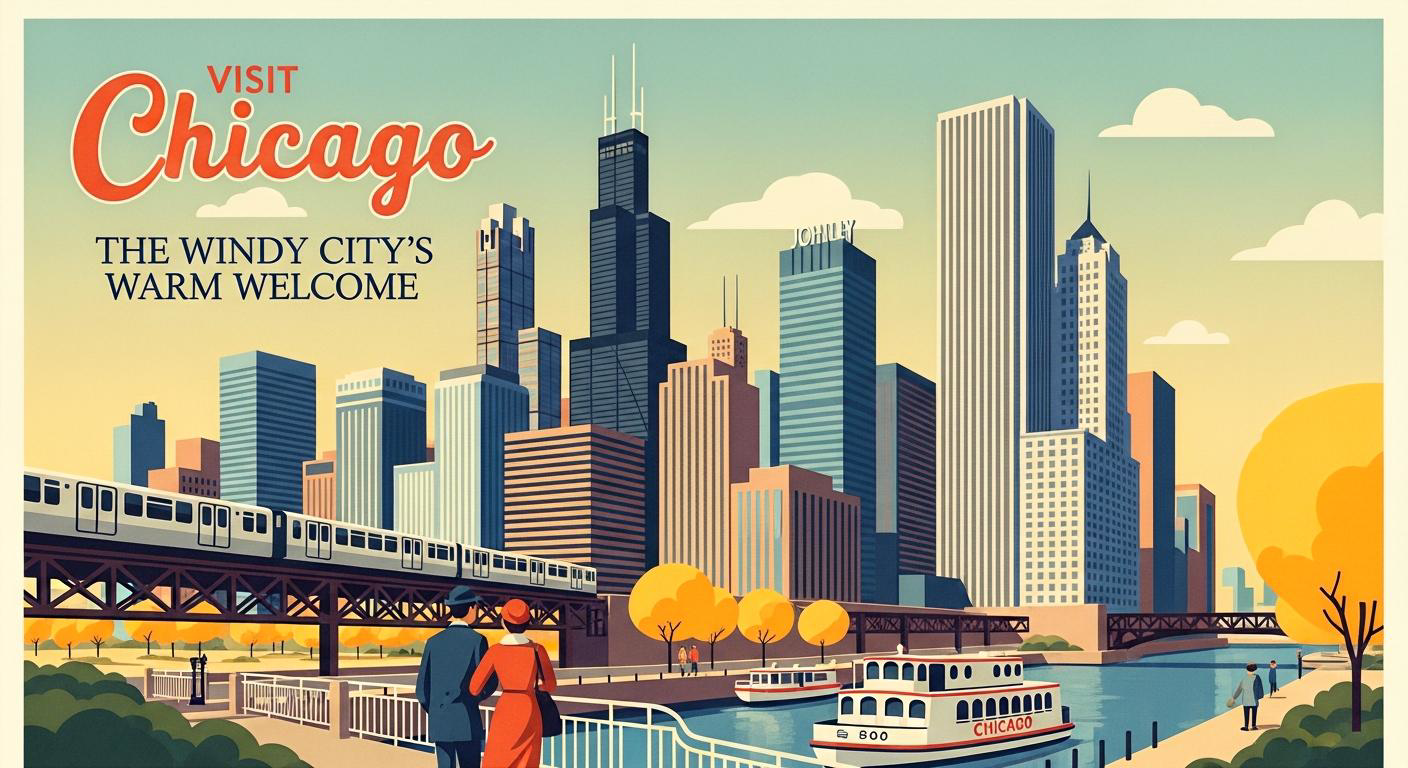
Find your breath where the steel skyline meets the infinite blue of Lake Michigan. This Chicago Wallpaper is a window into the city’s most peaceful perspective.
The Elevated Line
The rhythmic rattle of the ‘L’ becomes a quiet lullaby in this stylized Chicago Wallpaper, celebrating the city’s industrial heartbeat.
Prairie Sanctuary
Retreat into a hidden oasis of stone and water designed for reflection. Let this Chicago Wallpaper be your digital sanctuary in a busy world.
Savor the steam rising from your cup as the morning light filters through the glass in this Detroit Wallpaper. It is an invitation to linger a little longer before the world wakes up.
The Cathedral of Commerce
Marvel at the intricate geometry of a city built on ambition and art with this Detroit Wallpaper. Let the golden age of architecture remind you that true beauty is worth the wait.
Echoes of the Belt
Find your way off the main road and into the silent stories told by brick and paint in this Detroit Wallpaper. It’s in these hidden passages that the city’s heart beats most softly.
Twilight on the Riverfront
Watch the skyline settle into the twilight as the river flows by in a steady, rhythmic pulse in this Detroit Wallpaper. Perspective is the greatest gift of a slow journey.
The Elevated Path
Let the city glide past your window at a rhythmic pace with this Detroit Wallpaper. Even in motion, there is a certain stillness to be found in the transit of the everyday.
The Willow’s Rest at Belle Isle
Rest a while under the shade of the willow where the city noise fades into a gentle rustle in this Detroit Wallpaper. Here, time is measured only by the movement of the leaves.
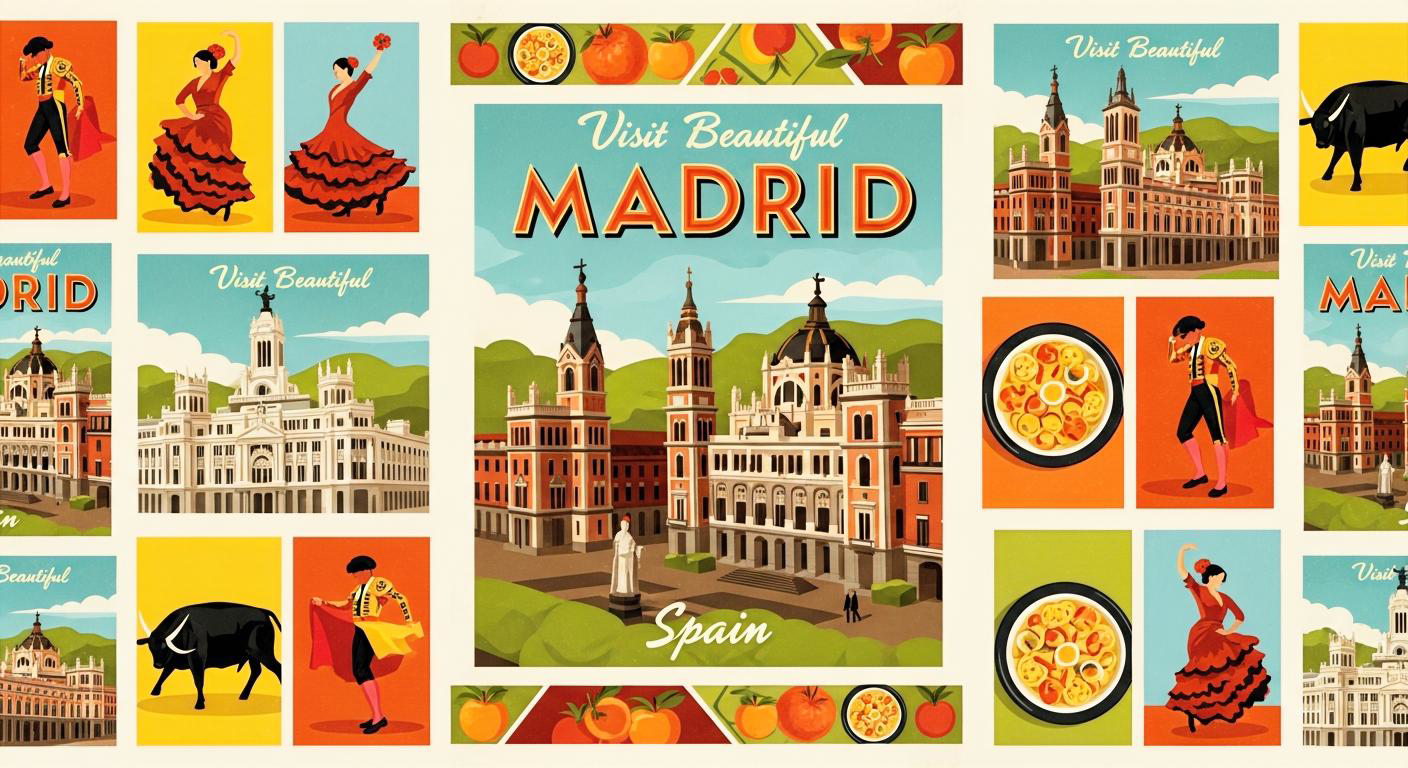
There is a specific magic in the clink of a ceramic cup against a marble table as the city breathes. This Madrid Wallpaper captures the simple joy of watching the world drift by from the shaded corner of a neighborhood plaza.
The Royal Echo of the Palacio
Standing before the grand palace, the weight of history is softened by the gentle, golden light of the Spanish sun. Let this Madrid Wallpaper remind you that even the grandest monuments are best appreciated with a long, quiet gaze.
Shadows in the Barrio de las Letras
Wander away from the main thoroughfares to find the city’s quiet pulse hidden in its narrowest alleys. This Madrid Wallpaper celebrates the beauty of getting lost and the stories etched into every sun-baked brick.
Sunset Glow Over the Temple of Debod
As the sky turns to velvet, the city skyline softens into a dream of terracotta and ancient stone. Carry the peaceful horizon of a Spanish twilight with you through this evocative Madrid Wallpaper.
The Steady Pulse of the Blue Bus
There is a quiet rhythm to the city’s movement, a steady pulse that carries you from one neighborhood story to the next. This Madrid Wallpaper captures the nostalgia of a journey where the destination is far less important than the view from the window.
Solitude Beneath the Crystal Palace
In the green heart of the city, the air grows still and the urban noise fades into the rustle of leaves. This Madrid Wallpaper serves as an invitation to breathe deeply and stay in the moment just a little while longer.
Savor the scent of roasted beans as the world wakes up slowly around a sun-drenched table. This Rome Wallpaper captures the quiet dignity of a morning spent doing absolutely nothing at all.
Shadows of Antiquity
Watch the light dance across ancient stone, reminding us that time is a river, not a race. Let this Rome Wallpaper bring the enduring stillness of history to your daily screen.
The Secret Alleyway
There is magic found in the turns we take by mistake, down streets where the ivy grows undisturbed. This Rome Wallpaper invites you to wander where the maps don’t lead.
Twilight Over the Seven Hills
As the sun dips below the horizon, the city exhales in shades of violet and gold. Carry the breath of the Gianicolo hill with you through this peaceful Rome Wallpaper.
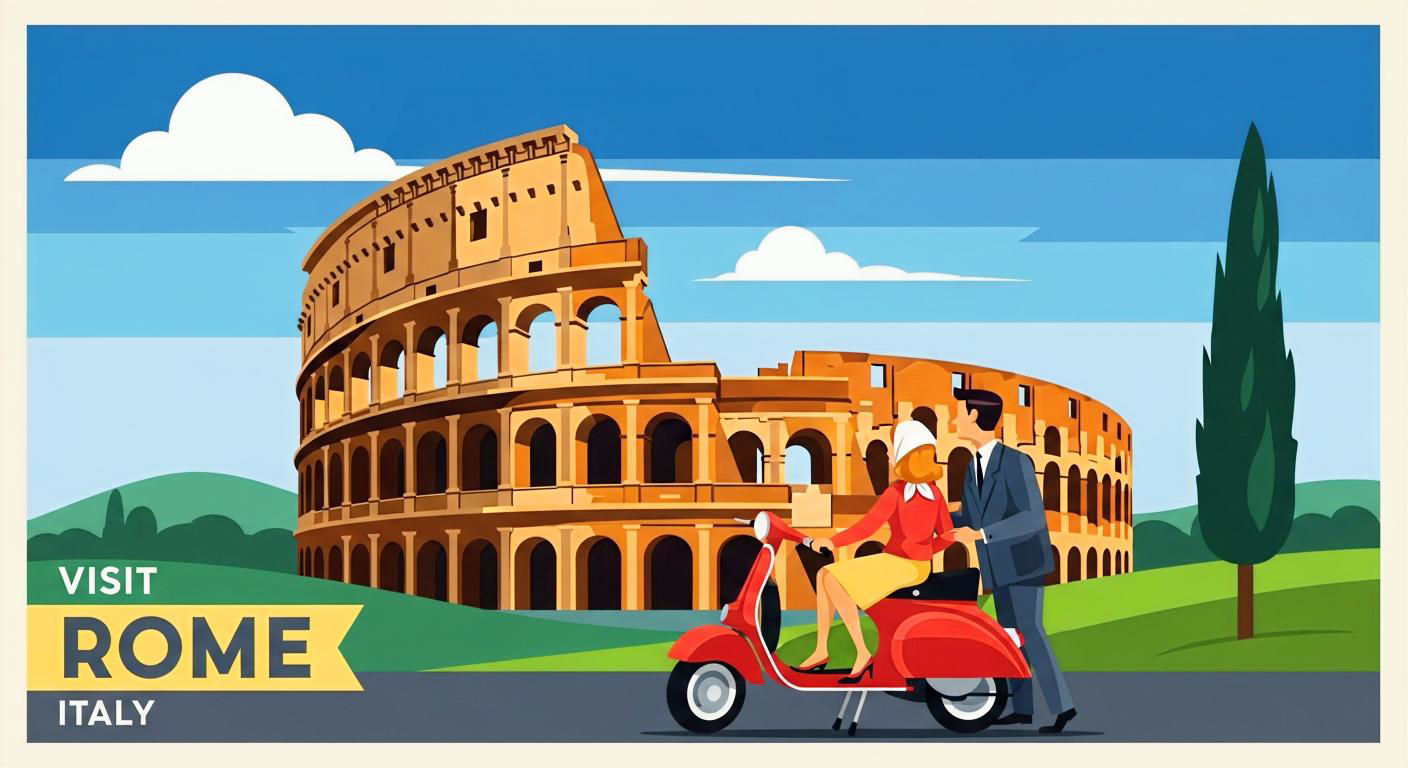
The Roman Glide
Not every journey requires a destination; sometimes the joy is simply in the elegance of the movement. This Rome Wallpaper celebrates the iconic silhouette of a city that knows how to move with grace.
Sanctuary in the Courtyard
Find your breath beside the rhythmic pulse of falling water in a garden forgotten by the crowds. This Rome Wallpaper serves as a digital retreat into the city’s silent, verdant heart.
Savor the stillness of a morning ritual with this Warsaw Wallpaper, where the only thing on the agenda is the gentle steam rising from your cup. It is an invitation to pause and breathe in the city’s quieter side.
Reflections of the Palace
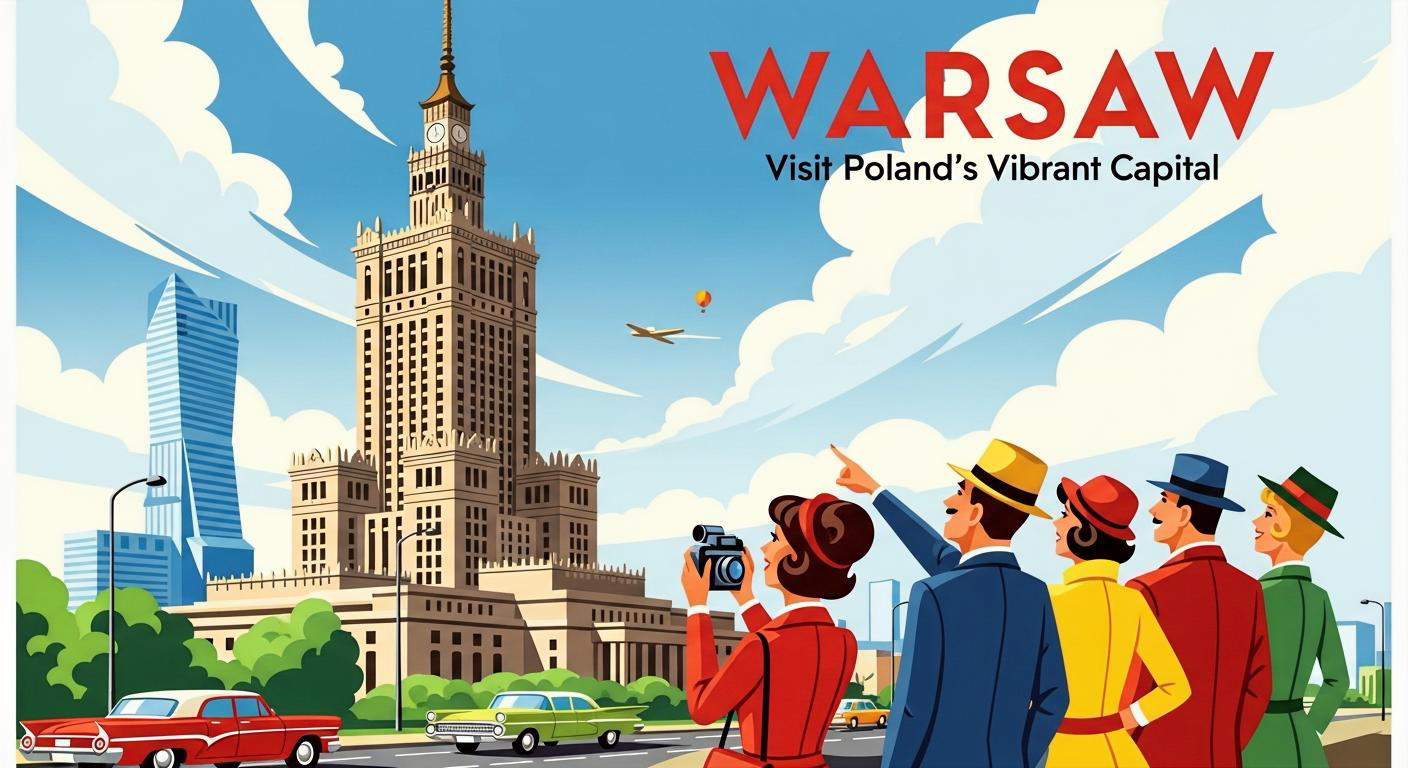
This Warsaw Wallpaper captures the city’s most iconic silhouette, softened by the hazy light of a slow afternoon. It’s a reminder that even the grandest monuments can feel intimate when viewed with unhurried eyes.
The Cobbled Secret
Lose yourself in the quiet rhythm of history with a Warsaw Wallpaper that celebrates the beauty of a path less traveled. Every stone here tells a story of resilience and timeless charm.
The River’s Lullaby
Let the river carry your worries away with a Warsaw Wallpaper that frames the city in a moment of evening grace. It is the perfect backdrop for those who find peace at the water’s edge.
The Red and Yellow Glide
Even the journey is a destination; this Warsaw Wallpaper reminds us to enjoy the slow glide through the city’s veins. It’s a tribute to the nostalgic charm of urban movement.
Łazienki Dreams
Find your inner sanctuary with a Warsaw Wallpaper inspired by the sun dappled paths of a royal garden. It is a piece of the city’s green heart, designed to bring a sense of calm to your daily digital space.
Manage Consent
To provide the best experiences, we use technologies like cookies to store and/or access device information. Consenting to these technologies will allow us to process data such as browsing behavior or unique IDs on this site. Not consenting or withdrawing consent, may adversely affect certain features and functions.
Functional
Always active
The technical storage or access is strictly necessary for the legitimate purpose of enabling the use of a specific service explicitly requested by the subscriber or user, or for the sole purpose of carrying out the transmission of a communication over an electronic communications network.
Preferences
The technical storage or access is necessary for the legitimate purpose of storing preferences that are not requested by the subscriber or user.
Statistics
The technical storage or access that is used exclusively for statistical purposes.The technical storage or access that is used exclusively for anonymous statistical purposes. Without a subpoena, voluntary compliance on the part of your Internet Service Provider, or additional records from a third party, information stored or retrieved for this purpose alone cannot usually be used to identify you.
Marketing
The technical storage or access is required to create user profiles to send advertising, or to track the user on a website or across several websites for similar marketing purposes.