
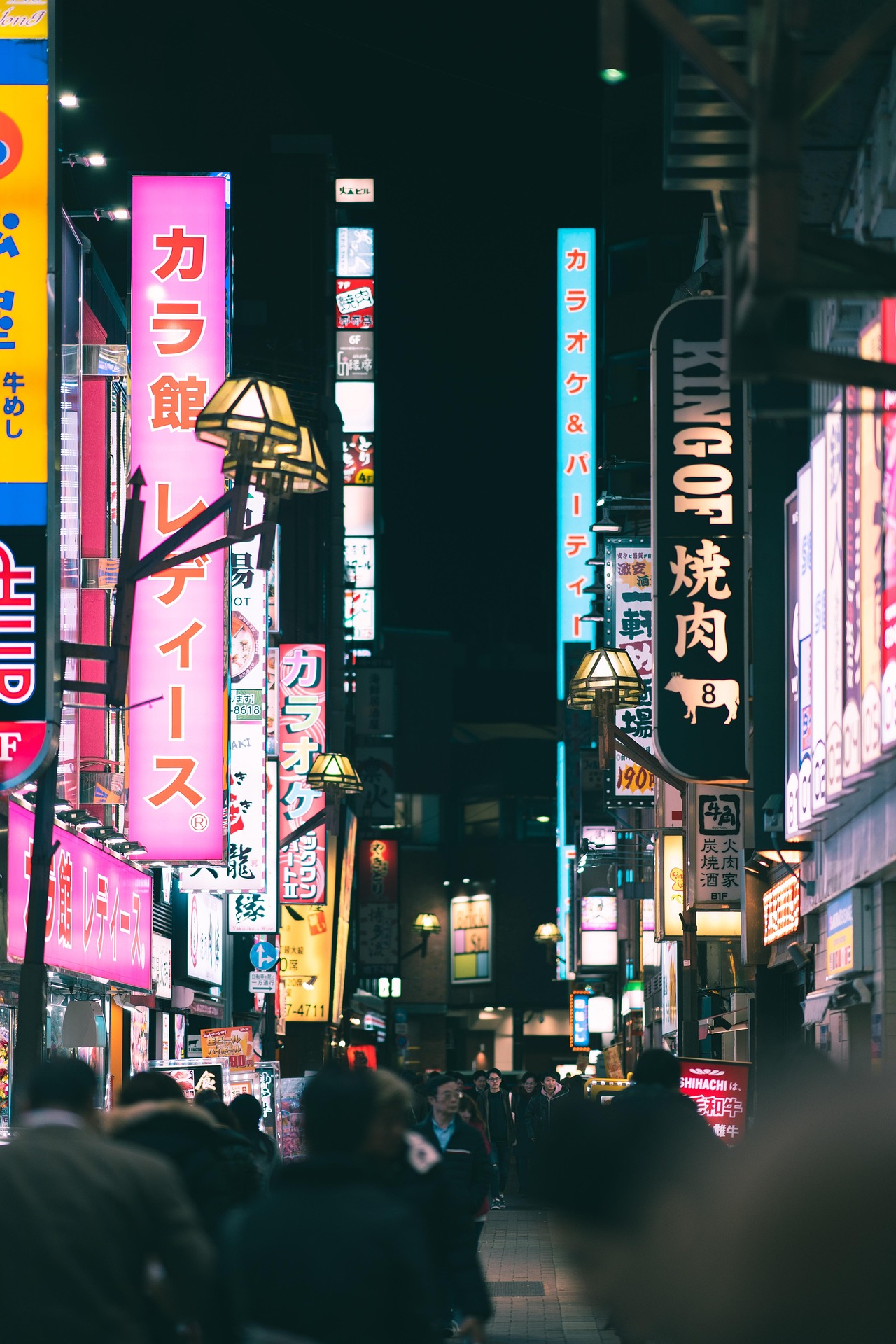
The first thing I notice is the hush beneath the neon the way a single temple bell cuts through the hum of traffic, how the scent of grilled yakitori drifts from a side street, mingling with the faint sweetness of plum blossoms. Tokyo is not only movement; it is pause, if I choose to linger.
I walk slowly, letting the city reveal itself in layers: the soft paper lanterns glowing against dusk, the polished wood of shopfronts worn smooth by decades of touch, the rhythm of footsteps on stone bridges. My pace is deliberate, and in that slowness, Tokyo feels infinite each detail a story waiting to be heard.
Here, slow travel is not about seeing less, but about feeling more. I find myself listening to the silence between train announcements, watching shadows stretch across tatami mats, tasting tea that insists on patience. Tokyo rewards me when I resist rushing; it becomes less a destination and more a companion, unfolding gently, one quiet moment at a time.
Senso-ji Temple
Senso-ji, Tokyo’s oldest temple, feels less like a monument and more like a living heartbeat. As I step through the Kaminarimon Gate, the air thickens with the scent of burning incense, mingling with the faint sweetness of sakura mochi sold nearby. The soundscape is layered: the shuffle of sandals on stone, the low murmur of prayers, the occasional clang of coins dropped into offering boxes. Light filters through the paper lanterns, casting a warm glow on the temple’s vermilion beams, their surfaces polished by centuries of touch. The textures here are tactile rough stone underfoot, smooth wood railings, the delicate rustle of silk robes worn by worshippers. History whispers in every detail: founded in the 7th century, rebuilt after war, yet still carrying the weight of devotion.
Unhurried Tip: Visit early morning when the incense smoke rises in soft columns and the crowds have yet to gather.
Meiji Shrine
The Meiji Shrine is less about grandeur and more about immersion in stillness. The moment I step into the forested approach, Tokyo’s noise fades into a muffled hum. Gravel crunches beneath my shoes, and the air smells of cedar and damp earth. The torii gates rise like guardians, their wood darkened by rain and time. Light here is gentle, fractured by leaves, dappling the path in shifting patterns. The shrine itself, dedicated to Emperor Meiji and Empress Shoken, carries a quiet dignity its cypress beams exude a faint resin scent, its courtyards echo with the soft clap of hands in prayer. The atmosphere is contemplative, a pause in the city’s relentless rhythm.
Unhurried Tip: Arrive just after sunrise when the forest is hushed, and the light is golden across the gravel paths.
Tokyo Tower
Tokyo Tower rises like a beacon, its lattice of steel painted in vivid orange and white. Approaching it, I hear the hum of the city soften into a low vibration, punctuated by the occasional laughter of couples strolling nearby. The tower’s lights flicker on as dusk settles, casting a warm glow that feels almost nostalgic. The scent of street food takoyaki, grilled skewers drifts from vendors at the base, mingling with the faint metallic tang of the tower itself. Inside, the elevators hum upward, carrying me to observation decks where the city stretches endlessly. From above, Tokyo is a sea of lights, each one a pulse of life. Yet the tower itself, built in 1958, carries a retro charm, a reminder of postwar optimism and resilience. The textures are striking: cool steel under my handrails, glass panes reflecting the city’s heartbeat, the soft hush of voices marveling at the view.
Unhurried Tip: Visit at twilight when the sky deepens to indigo and the tower’s glow feels most intimate.
Imperial Palace
The Imperial Palace sits at the heart of Tokyo, yet it feels like a world apart. As I approach, the city’s rush softens into the rustle of leaves and the gentle splash of koi in the surrounding moat. The air carries the faint scent of pine and damp stone, mingled with the sweetness of blossoms in spring. The Nijubashi Bridge arches gracefully, its stone worn smooth by centuries, while the palace walls rise with quiet authority, their surfaces textured with moss and history. This is the site of Edo Castle, once the seat of shoguns, now the residence of Japan’s emperor. The atmosphere is layered: the distant hum of traffic, the rhythmic crunch of gravel paths, the occasional call of a bird echoing across the gardens. Light shifts constantly here morning sun glitters on the water, while twilight drapes the palace in muted tones of indigo and silver.
Unhurried Tip: Visit during early spring mornings when the cherry blossoms are just opening and the paths are quiet.
Shinjuku Gyoen National Garden
Shinjuku Gyoen is a garden that feels like an unfolding poem. Entering through its gates, I am greeted by the scent of freshly cut grass and the faint perfume of seasonal flowers roses in summer, chrysanthemums in autumn. The sounds are gentle: children laughing in the distance, the soft rustle of petals falling, the occasional splash of a koi surfacing in the pond. Paths wind through three distinct landscapes Japanese traditional gardens with stone lanterns and wooden bridges, French formal gardens with symmetrical rows of roses, and English-style lawns that stretch wide beneath the sky. Light plays across the garden differently depending on where I stand: filtered through cherry blossoms, sharp and clear across open lawns, or softened by the canopy of ancient trees. The textures are tactile smooth gravel underfoot, the rough bark of towering pines, the delicate touch of petals brushing my sleeve.
Unhurried Tip: Arrive just after opening hours to walk the lawns in solitude before the midday crowds arrive.
Tsukiji Hongan-ji
Tsukiji Hongan-ji is unlike any other temple in Tokyo. Its exterior, inspired by ancient Indian architecture, rises in carved stone rather than painted wood, giving it a solemn, enduring presence. As I step inside, the air is cool and carries the faint scent of incense mixed with polished stone. The soundscape is hushed: the soft shuffle of visitors, the low resonance of chanting, the occasional creak of wooden pews. Light filters through stained glass windows, casting muted colors across the temple’s interior, where golden altars gleam softly. Built in the 1930s after the original temple was destroyed by fire, it stands as a testament to resilience and adaptation. The textures here are striking cold stone beneath my hand, smooth brass fittings, the delicate shimmer of silk banners. Outside, the bustle of Tsukiji lingers faintly, but inside the temple, time feels suspended.
Unhurried Tip: Visit in late afternoon when the stained glass glows warmly and the temple is quieter.
🌿 Conclusion: A Slow Traveler’s Rhythm in Tokyo
Tokyo is not a checklist it is a companion. Start your thoughtful journey not with urgency, but with patience. Let incense smoke, garden paths, and twilight towers guide you. The city will meet you where you pause, and in that pause, you will find its truest rhythm.