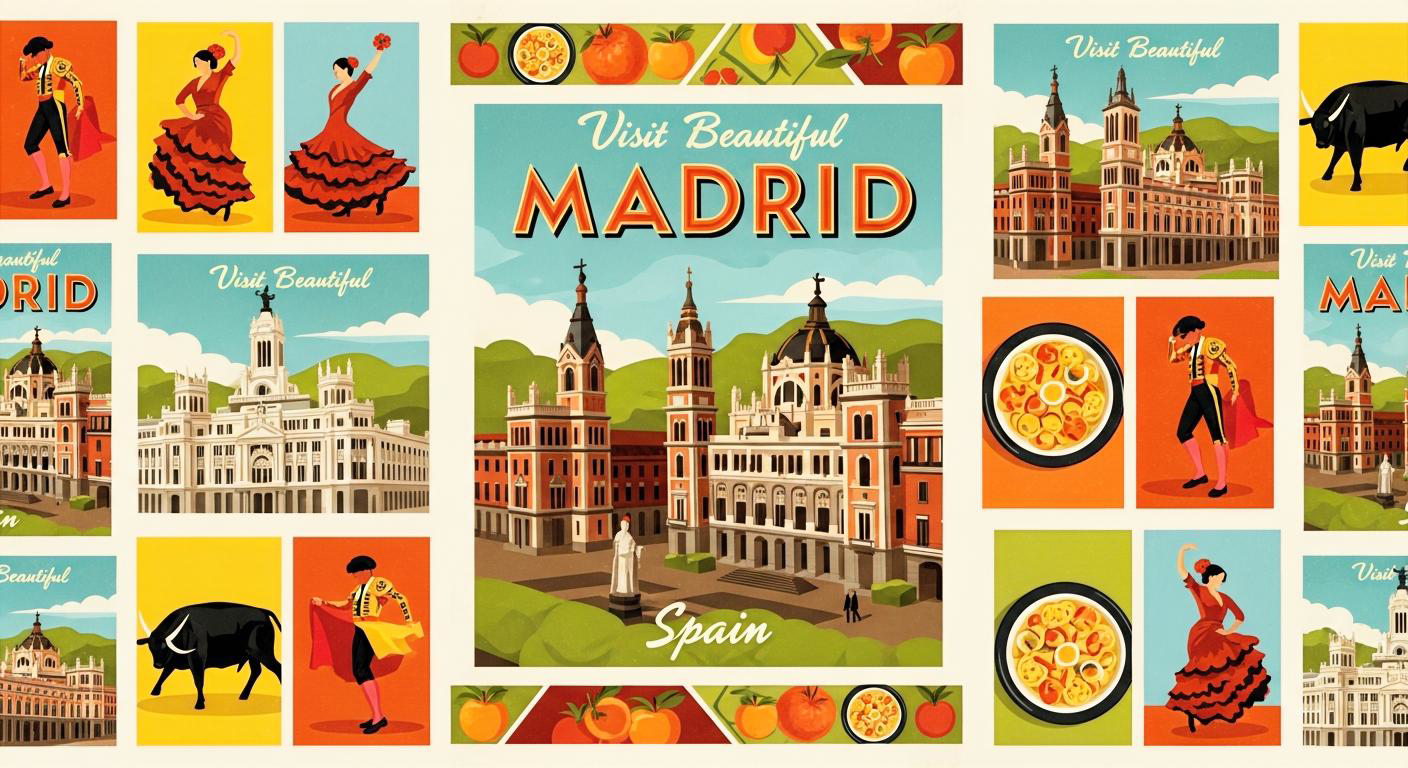
There is a specific magic in the clink of a ceramic cup against a marble table as the city breathes. This Madrid Wallpaper captures the simple joy of watching the world drift by from the shaded corner of a neighborhood plaza.
The Royal Echo of the Palacio
Standing before the grand palace, the weight of history is softened by the gentle, golden light of the Spanish sun. Let this Madrid Wallpaper remind you that even the grandest monuments are best appreciated with a long, quiet gaze.
Shadows in the Barrio de las Letras
Wander away from the main thoroughfares to find the city’s quiet pulse hidden in its narrowest alleys. This Madrid Wallpaper celebrates the beauty of getting lost and the stories etched into every sun-baked brick.
Sunset Glow Over the Temple of Debod
As the sky turns to velvet, the city skyline softens into a dream of terracotta and ancient stone. Carry the peaceful horizon of a Spanish twilight with you through this evocative Madrid Wallpaper.
The Steady Pulse of the Blue Bus
There is a quiet rhythm to the city’s movement, a steady pulse that carries you from one neighborhood story to the next. This Madrid Wallpaper captures the nostalgia of a journey where the destination is far less important than the view from the window.
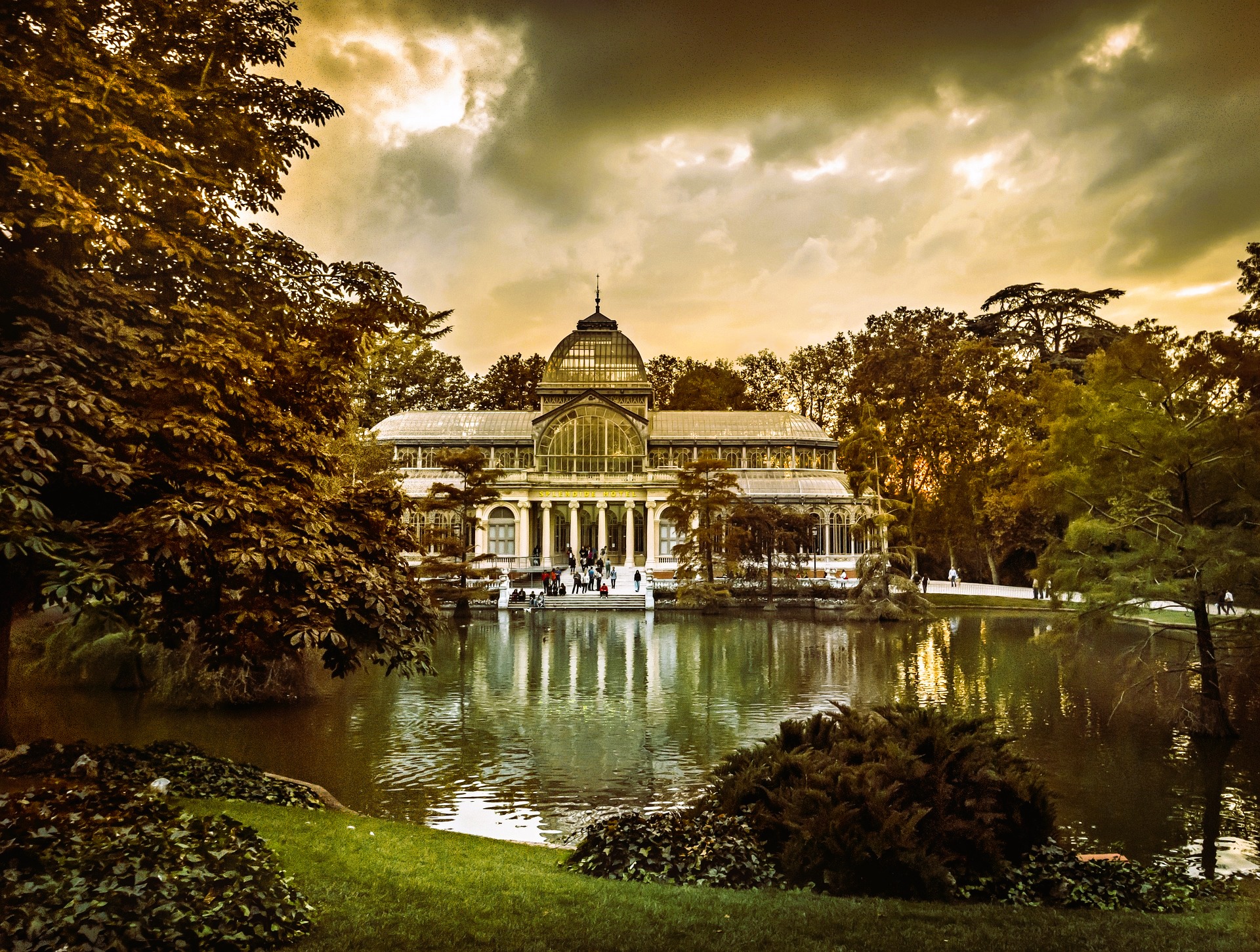
Solitude Beneath the Crystal Palace
In the green heart of the city, the air grows still and the urban noise fades into the rustle of leaves. This Madrid Wallpaper serves as an invitation to breathe deeply and stay in the moment just a little while longer.
Most travelers treat Granada as a logistical box to check, rushing through the Alhambra before catching a train out of the province. This frantic pace misses the city’s functional nuance. The most common error is failing to secure Nasrid Palace entries months in advance, resulting in wasted hours at the gate. Another is tackling the vertical incline of the Albaicín during the midday heat without a logistical plan. This guide fixes these frictions by prioritizing an unhurried cadence, focusing on the best things to do in Granada without the typical tourist fatigue. By sequencing landmarks based on elevation and light quality, you reclaim the experience from the crowds. Strategic timing transforms a standard checklist into a deliberate encounter with Andalusia’s final Moorish stronghold.
The Alhambra – Islamic Architectural Precision and Strategic Timing
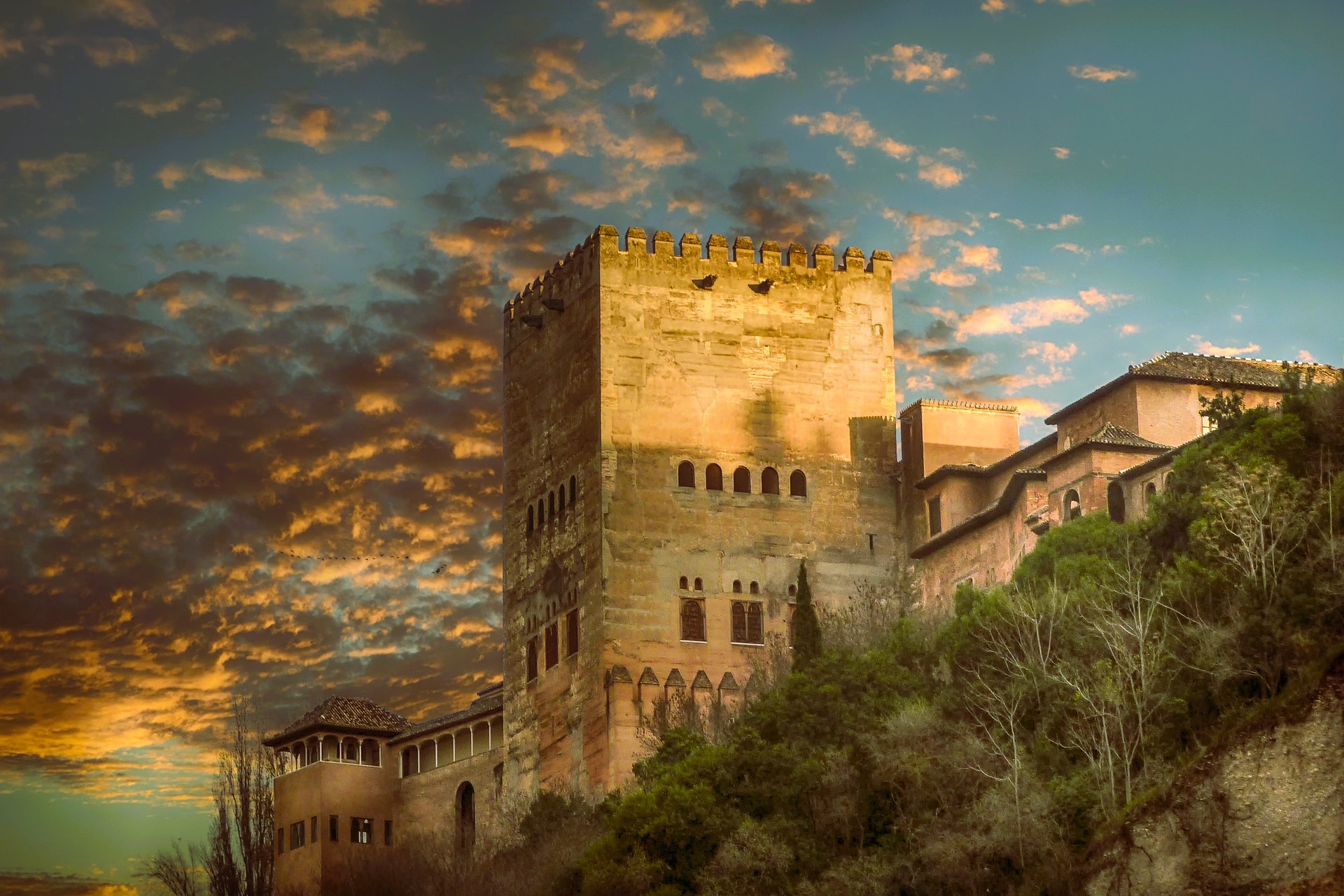
The Alhambra represents the zenith of Moorish sophistication in Western Europe, serving as both a defensive fortress and a poetic residence for the Nasrid dynasty. For the thoughtful traveler, this site is less about a massive checklist and more about observing the interplay between geometric tilework and the hydraulic engineering of the Generalife gardens. It matters today because it preserves a rare, non Western architectural philosophy that prioritizes internal reflection over external display. To experience the Nasrid Palaces without the oppressive mid morning crowds, secure the earliest possible time slot ideally at 8:30 AM and bypass the main entrance by walking up the Cuesta de Gomérez, which offers a shaded, atmospheric ascent through the woods that feels far more intentional than the shuttle bus. This approach ensures you reach the threshold before the heat and the heaviest tour groups compromise the site’s inherent tranquility and contemplative atmosphere.
The Albaicín District – Medieval Moorish Urbanism and Panoramic Views
As the city’s oldest Moorish quarter, the Albaicín is a functional lesson in medieval urban planning designed for climate control and privacy. Its narrow, winding streets create a natural wind tunnel, offering cooler temperatures than the modern city center below. The significance for a modern visitor lies in the district’s ability to resist total modernization, maintaining its status as a living neighborhood where jasmine overlaps with private garden carmens. Rather than joining the noisy crowd at the Mirador de San Nicolás for the typical sunset view, continue walking higher to the Mirador de San Cristóbal, where the perspective of the Alhambra against the Sierra Nevada is broader and significantly more peaceful. Approaching the district by foot along the Darro river allows for a slow transition into this labyrinthine space, rewarding those who value observational depth over a quick photographic summary of the skyline.
Granada Cathedral and Royal Chapel – Spanish Renaissance Power and Historical Transition
The Granada Cathedral and the adjacent Royal Chapel serve as a stark aesthetic pivot point, marking the definitive transition from Islamic rule to the Spanish Renaissance. While the exterior is often crowded by the surrounding market streets, the interior volume of the cathedral offers a cold grandeur that illustrates the immense political and religious ambitions of the sixteenth century. Modern travelers find value here in understanding the physical layering of history, as these structures were built directly over the city’s former Great Mosque. For a more cohesive understanding of this architectural shift, enter the Royal Chapel first to view the resting place of Ferdinand and Isabella before transitioning into the main cathedral. To avoid the primary queue on the Plaza de las Pasiegas, use the smaller entrance on Gran Vía de Colón during the late afternoon when the white limestone interior is illuminated by the lowering western sun.
The Sacromonte Caves – Romani Heritage and Troglodyte Architecture
The Sacromonte Caves offer a distinct immersion into the city’s Romani heritage, defined by white washed troglodyte dwellings carved directly into the steep hillsides. For a thoughtful strategist, this area represents the intersection of geography and social history, far removed from the polished marble of the lower districts. It matters because it reveals the gritty, resilient underbelly of Andalusia’s cultural evolution, specifically regarding the development of flamenco music. While many visitors stop at the lower cave bars for commercialized shows, a more strategic approach involves walking to the very top of the neighborhood to visit the Museo Cuevas del Sacromonte, which explains the environmental logic of cave living without the distraction of tourist centric performances. Observing the sunset from these higher, unpaved paths provides a raw perspective of the Alhambra across the valley, grounding the best things to do in Granada within a genuine, topographical context.
Monasterio de San Jerónimo – Hieronymite Grandeur and Plateresque Art
The Monasterio de San Jerónimo serves as a quiet sanctuary of Hieronymite grandeur, offering a reprieve from the heavy foot traffic of the central monuments. This landmark is essential for those observing the transition to the Spanish Renaissance, particularly through the lens of military history and Plateresque iconography. The main chapel, containing the tomb of the legendary general Gonzalo Fernández de Córdoba, is an exercise in complex artistic scale and religious ambition. Unlike the often congested Cathedral, this cloister allows for a slower, more analytical pace among the orange trees and gothic arches. To see the most impressive details without the usual glare, pay close attention to the second floor choir stalls where the woodwork remains exceptionally preserved. It remains one of the best things to do in Granada for travelers who value architectural detail and historical silence over a high volume, checked box itinerary.
The Alcaicería – Silk Market History and Artisanal Souvenirs
The Alcaicería is a localized remnant of the once vast Moorish silk market, now characterized by a labyrinth of narrow alleys selling traditional Fajalauza ceramics and Taracea woodwork. This site offers a tactile connection to the city’s commercial past, providing a dense, sensory environment that contrasts with the expansive vistas of the Albaicín. It matters to the modern traveler as a study in Islamic urban commercialism, where the architecture itself dictated the flow of trade and security. Rather than entering through the main plaza where crowds often stagnate, approach the market from the Calle de los Mesones side to find a more fluid path through the specialized workshops. Navigating this space early in the morning allows you to observe the merchants setting up their displays, making it one of the best things to do in Granada for those interested in artisanal continuity and urban history.
A 3 Day Strategic Itinerary
Granada’s layout rewards a tiered approach to exploration that respects the city’s verticality and optimizes the best things to do in Granada. Begin your first day at the Alhambra to capitalize on early light and lower energy levels, then descend into the central district to navigate the narrow aisles of the Alcaicería. On the second day, focus on the ecclesiastical core by visiting the Granada Cathedral and Royal Chapel. Since the Monasterio de San Jerónimo is located just a short walk to the west, it serves as a logical afternoon stop to escape the midday central bustle. Devote your final day to the eastern heights, traversing the steep, labyrinthine streets of the Albaicín neighborhood before crossing into the adjacent Sacromonte district. This sequence ensures you move through different elevations with a consistent walking rhythm that minimizes physical fatigue while maximizing observational depth.
The Unhurried Mindset
The defining pulse of Granada is found in the transition from light to shadow within its narrowest alleys. The unspoken rule for a proper encounter with the city is to prioritize patience over pace; the terrain is designed to slow you down, and resisting this reality only leads to exhaustion. To experience the city soulfully, find a stone bench in a quiet plaza away from the main thoroughfares and simply observe the way the light hits the Sierra Nevada peaks. This quietude allows the historical layers of the city to settle, shifting your perspective from that of a spectator to a witness of Granada’s enduring character.
Expanding your journey through Andalusia requires a similar strategic lens, as the neighboring cities of Cordoba and Seville offer their own distinct historical layers. Understanding the regional context of the Nasrid dynasty and the subsequent Christian conquest provides a complete map of the Spanish identity. For those seeking to deepen their tactical knowledge of the Iberian Peninsula, our upcoming guides offer refined itineraries for the thoughtful traveler. Move with intention, observe with clarity, and let the architecture tell the story.
Most travelers treat Madrid as a quick stopover, rushing through the “Golden Triangle” of art before heading to the coast. The problem? You end up exhausted by the crowds and miss the city’s actual pulse the late-afternoon vermouth, the hidden plazas of La Latina, and the cool shade of the Retiro.
This Madrid travel guide helps you navigate the high-energy capital without the burnout. Whether you are checking off the top attractions in Madrid or looking for a quiet corner to enjoy churros con chocolate, our curated list ensures you experience the city’s regal history alongside its modern, effortless charm. Discover the best things to do in Madrid by slowing down just enough to see the city as the Madrileños do.
Royal Palace of Madrid – Experience the Grandeur of Europe’s Largest Palace
Blending 18th-century Baroque architecture with the living history of the Spanish monarchy, the Royal Palace is a cornerstone of any Madrid travel guide. While the Royal Family now resides at Zarzuela, this “official” home remains a powerhouse of search volume due to its 3,418 rooms nearly double the size of Versailles. You’ll walk through the Throne Room, with its Tiepolo-frescoed ceilings, and the Royal Armory, which houses weapons used by Charles V. It’s a sensory overload of velvet, gold leaf, and porcelain that proves Madrid’s status as a former global empire. The experience is both regal and educational, offering a deep dive into the decorative arts that defined the Spanish court.
Practical Expert Tip: Book your time-slotted ticket online at least two weeks in advance, as the palace often sells out and walk-in queues can exceed two hours. To see the Changing of the Guard, visit on a Wednesday or Saturday morning between 11:00 AM and 2:00 PM.
Prado Museum – Immerse Yourself in the Golden Age of Spanish Art
As the crown jewel of the Golden Triangle of Art, the Prado is a non-negotiable for anyone visiting Madrid tips usually recommend. It houses the world’s most comprehensive collection of Spanish painting, including the haunting “Black Paintings” of Goya and Bosch’s surreal Garden of Earthly Delights. The vibe is one of hushed reverence, where the sheer volume of masterpieces can be overwhelming without a plan. Search data shows it’s consistently the most-searched museum in Spain because it doesn’t just display art; it narrates the psychological history of the Spanish spirit through centuries of conflict and courtly life. Navigating its halls feels like a journey through the collective imagination of Europe’s greatest masters, making it a high-utility stop for cultural enrichment.
Practical Expert Tip: Take advantage of free entry hours (Mon-Sat 6-8 PM, Sun 5-7 PM), but be prepared to join the queue by the Puerta de Jerónimos at least 45 minutes prior. For a quieter experience, buy a morning ticket and start at the top floor to work your way down.
El Retiro Park – Unwind in Madrid’s UNESCO-Listed Green Lung
Formerly a private retreat for royalty, El Retiro is now a 300-acre public sanctuary that perfectly balances top attractions in Madrid with “slow travel” energy. High search volume for the park is driven by its diverse landscape from the manicured Parterre Garden to the iconic boating lake. You’ll encounter street performers, local runners, and the striking Statue of the Fallen Angel. It’s the city’s favorite living room, where the crisp air and shade provide a necessary tactical break from the urban heat. The park’s UNESCO World Heritage status (as part of the Paisaje de la Luz) confirms its global cultural significance. Whether you are rowing a boat or exploring the glass-walled Palacio de Cristal, the vibe is effortlessly Madrid: sophisticated yet deeply relaxed.
Practical Expert Tip: Escape the main lake’s crowds by heading to the Rosaleda (Rose Garden) in the park’s southern end, which peaks in May and June. For a unique view, visit the secret lookout point beneath the Alfonso XII monument, often overlooked by the casual tourist.
Plaza Mayor – Discover the Heart of Habsburg Madrid
As the literal and figurative center of the city, Plaza Mayor is a staple in any Madrid travel guide. This 17th-century porticoed square is the peak of the “Experience Economy,” offering travelers a chance to sit amidst centuries of history from royal coronations to public trials. While it is a high-traffic zone, its utility lies in its architectural grandeur and its role as a navigational anchor. You aren’t just paying for a coffee; you are paying for a front-row seat to Madrid’s public life. High search intent for “authentic Madrid” often leads here, where the frescoes of the Casa de la Panadería provide a stunning backdrop for people-watching. It is a mandatory stop for those seeking the traditional “Austrias” aesthetic of the capital.
Practical Expert Tip: Avoid the overpriced tourist menus within the square and head to the Calle de Postas nearby for a legendary “Bocadillo de Calamares” (calamari sandwich) at La Ideal a local ritual that costs under five euros.
Santiago Bernabéu Stadium – Step Inside the Temple of Global Football
The Bernabéu has evolved from a simple sports venue into a high-tech pilgrimage site, making it one of the most-searched top attractions in Madrid. For the modern traveler, the “experience” here isn’t just about the match; it’s about the immersive museum, the panoramic views of the pitch, and the sheer engineering marvel of the renovation. It appeals to both sports fanatics and tech enthusiasts, offering a premium look at the Real Madrid brand. In terms of utility, it provides a high-energy contrast to the city’s art museums. As you walk through the trophy room, the “Experience Economy” is in full swing, blending heritage with interactive displays that justify the ticket price for any football fan.
Practical Expert Tip: If you aren’t attending a game, book the “Museum + Panoramic View” ticket for the final slot of the day to see the stadium lights flicker on against the Madrid
Mercado de San Miguel – Savor a Curated Gastronomic Journey
Located just steps from the main square, this market is a high-intent destination for anyone following visiting Madrid tips regarding local cuisine. Unlike traditional neighborhood markets, San Miguel is a curated gastronomic hall focused on immediate gratification. It’s worth the traveler’s time because it consolidates Spain’s regional flavors from Galician seafood to Castilian cheeses under one historic roof. The vibe is social and fast-paced; it’s about the “grazing” culture. You pay a premium for the convenience and the atmosphere, but the ability to sample Michelin-starred chef creations in a casual setting provides immense value. It’s a sensory-rich environment where the clinking of wine glasses and the aroma of Iberico ham define the midday Madrid experience.
Practical Expert Tip: To secure a standing table without the stress, arrive exactly at 10:00 AM when the doors open, or visit during the “Spanish siesta” hours (4:00 PM – 6:00 PM) when the midday rush subsides.
How to Spend 3 Perfect Days in Madrid: A Strategic Itinerary
On Day 1, focus on the historic “Madrid de los Austrias” neighborhood. Start at the Royal Palace and walk five minutes to the Plaza Mayor, finishing with a tapas crawl at the Mercado de San Miguel. Most of this area is pedestrian-friendly and within easy walking distance.
Day 2 is dedicated to the Paseo del Prado boulevard. Spend your morning at the Prado Museum before crossing the street to unwind in El Retiro Park. These sites are clustered in the “Landscape of Light” UNESCO zone, making it a seamless transition from art to nature.
On Day 3, head north via the L10 Metro line to the Santiago Bernabéu Stadium in the Chamartín district. Spend the afternoon exploring the trendy neighborhoods of Malasaña or Chueca for boutique shopping and craft vermouth, easily accessible via Madrid’s world-class public transport network.
QUICK TRAVEL FACTS (FAQ)
When is the best time to visit Madrid? The “shoulder seasons” of April to May and September to October offer the best balance. You’ll avoid the 40°C (104°F) summer heat while enjoying the crisp, blue skies that the city is famous for.
What is the one local dish I must try? While the Bocadillo de Calamares (calamari sandwich) is the ultimate street snack, the Cocido Madrileño a hearty, three-course chickpea and meat stew is the definitive traditional soul food of the capital.
What is the best way to get around the city? The Metro de Madrid is one of the cleanest and most efficient underground systems in Europe. For the historic center, however, walking is superior; most major landmarks between the Royal Palace and the Prado are within a 20-minute stroll.
If you have extra time, Madrid serves as the perfect high-speed rail hub for exploring the rugged beauty of Central Spain. Iconic UNESCO cities like Toledo and Segovia are less than 30 minutes away, offering a deeper dive into the Roman and Medieval history of the Iberian Peninsula.
Madrid is a city that doesn’t just show you its history; it invites you to live it in the plazas, the galleries, and the taverns. Whether you are here for the world-class art or the electric nightlife, the Spanish capital delivers an intensity that few other cities can match. Start planning your Madrid adventure today and secure your museum passes to experience the heart of Spain at its most vibrant.
The first thing I notice is the rhythm of footsteps echoing through narrow alleys, softened by the scent of baked bread drifting from corner cafés. The light here is patient it lingers on stone walls, slides across tiled benches, and waits for me to catch up. I move slowly, not because the city demands it, but because Barcelona rewards it. The hum of voices in markets, the salt in the air near the port, the cool shadow beneath Gothic arches all of it feels richer when I give it time. My pace turns into a conversation with the city: I pause, it answers. Barcelona is not a place to rush through. Its landmarks are not just sights but anchors, each holding centuries of memory. To walk here unhurried is to let the city reveal itself layer by layer, until I feel less like a visitor and more like part of its unfolding story.
Sagrada Família
The Sagrada Família feels less like a building and more like a living organism. Its stone breathes with the rhythm of light: morning sun piercing stained glass in sharp blues and reds, afternoon warmth spilling across carved facades, evening shadows deepening into silence. The air inside is hushed, yet alive with echoes footsteps softened by polished floors, whispers rising toward vaults that resemble a forest canopy. The scent is faintly mineral, like damp stone after rain, mingled with the wax of votive candles. Gaudí’s vision is not static; it grows, shifts, and waits. Standing here, I sense centuries compressed into a single moment, as if time itself has slowed to match the pace of construction.
Unhurried Tip: Visit in late afternoon when the stained glass ignites with warm colors, and the crowds thin.
Park Güell
Park Güell is a dialogue between nature and imagination. The air carries the scent of pine and earth, mingled with the faint sweetness of flowers. Birds weave their songs through the chatter of visitors, yet the soundscape feels balanced, never overwhelming. The mosaics shimmer under shifting light tiles catching sun like fragments of water, their colors deepening as shadows stretch. Walking slowly along the serpentine benches, I feel the texture of stone beneath my hand, cool and uneven, grounding me in the present. Gaudí’s playful architecture bends reality: columns shaped like tree trunks, pathways that curve like rivers. The city stretches below, but here, time folds inward.
Unhurried Tip: Arrive just after sunrise; the light is soft, the air fresh, and the crowds minimal.
Casa Batlló
Casa Batlló is a house that feels alive. Its façade ripples like water, balconies curve like bones, and colors shift with the day’s light. In the morning, the stone is pale and delicate; by evening, it glows with warmth, as if the building itself exhales. Inside, the atmosphere is tactile wood polished to a soft sheen, glass shimmering with hints of sea and sky. The air carries faint echoes of footsteps, the creak of staircases, and the hush of voices marveling at its strangeness. The scent is subtle, a mix of aged wood and cool plaster. Every detail feels intentional, yet playful, inviting me to slow down and notice how light bends through stained glass or how a curve guides my gaze.
Unhurried Tip: Visit in the evening when the façade is illuminated; the atmosphere is quieter and more contemplative.
La Rambla
La Rambla is a river of sound and movement. The air is thick with aromas fresh flowers from stalls, roasted chestnuts, the tang of citrus from nearby cafés. Voices rise and fall like waves: laughter, bargaining, music from street performers. The light filters through plane trees, dappling the pavement in shifting patterns. Walking slowly, I notice textures the smooth stone underfoot, the rough bark of trees, the cool metal of benches. Despite its energy, there are moments of stillness: a pause at a bookstall, a quiet glance at a painter’s canvas. The boulevard is not just a street; it is a living stage where time stretches differently depending on how I choose to move.
Unhurried Tip: Stroll in the early morning; vendors are setting up, the air is fresh, and the crowds are gentle.
Gothic Quarter (Barri Gòtic)
The Gothic Quarter is a labyrinth of time. The air is cool, carrying the faint scent of damp stone and aged wood. Footsteps echo against walls that have witnessed centuries, their surfaces worn smooth by countless hands. Lanterns cast warm pools of light, flickering against shadows that seem to breathe. The silence here is textured broken only by distant bells or the murmur of voices drifting from hidden courtyards. I move slowly, tracing carvings, pausing at arches, letting my eyes adjust to the dimness. The atmosphere is intimate, almost secretive, as if the city reveals its oldest stories only to those willing to linger.
Unhurried Tip: Explore at twilight; the balance of fading daylight and lantern glow creates a timeless atmosphere.
Palau de la Música Catalana
The Palau de la Música Catalana feels like stepping into a kaleidoscope of sound and color. Built in the early 20th century, it embodies Catalan modernism with exuberant detail. The stained-glass skylight glows like a suspended sun, casting shifting hues across the hall. The air inside carries a faint sweetness of polished wood and aged velvet, mingled with the anticipation of music. Even in silence, the space hums ornate columns shaped like blossoms, mosaics shimmering with stories, and the soft creak of seats waiting for an audience. The acoustics are so precise that even a whisper feels amplified. Walking slowly through the foyer, I sense the building’s heartbeat: a blend of artistry and devotion to sound.
Unhurried Tip: Visit during daylight hours when the skylight is most radiant, or attend a rehearsal for a quieter experience.
Montjuïc Castle
Montjuïc Castle stands on its hill like a sentinel, its stone walls weathered by centuries of watchfulness. The air here is tinged with salt from the sea, carried upward by breezes that whisper through the battlements. Footsteps echo against the fortress’s worn pathways, mingling with the distant hum of the city below. The light shifts constantly morning brings sharp clarity, while twilight softens the stone into shades of amber and violet. The atmosphere is contemplative, almost austere, yet softened by the vastness of the view. History lingers in the silence: battles fought, lives lived, and the enduring presence of the sea. Standing here, I feel both grounded and elevated, as if time stretches outward in every direction.
Unhurried Tip: Arrive near sunset; the fading light transforms the view into a layered tapestry of sea and city.
Barcelona Cathedral
Barcelona Cathedral rises from the Gothic Quarter like a solemn guardian. Its spires pierce the sky, while the square below hums with quiet anticipation. The air in the early morning is cool, carrying the faint scent of stone and incense. Inside, the silence is textured footsteps softened by centuries of wear, the faint rustle of prayer books, the flicker of candlelight casting shadows across carved saints. The stained glass glows with subdued brilliance, colors shifting as the sun climbs. The atmosphere is reverent yet welcoming, inviting me to linger in its stillness. Every detail the vaulted ceilings, the cloister’s garden with its gentle fountain feels like a reminder that time here moves differently, slower, deeper.
Unhurried Tip: Visit at dawn; the square is quiet, and the rising light transforms the façade into something etherea
Arc de Triomf
The Arc de Triomf is less imposing than its Parisian cousin, yet more approachable, more human. Its red brick glows warmly under the sun, while intricate carvings invite closer inspection. The air here is lively children laughing, cyclists passing, the faint scent of roasted nuts from nearby vendors. The promenade leading to the arch feels expansive, lined with palms that sway gently in the breeze. Light plays across the structure, shifting from bright clarity to soft shadow as the day progresses. Standing beneath it, I sense both grandeur and intimacy: a monument that celebrates not conquest, but creativity and openness. The atmosphere is communal, a space where history and daily life coexist seamlessly.
Unhurried Tip: Visit in the late morning when the light is sharp and the promenade is lively but not crowded.
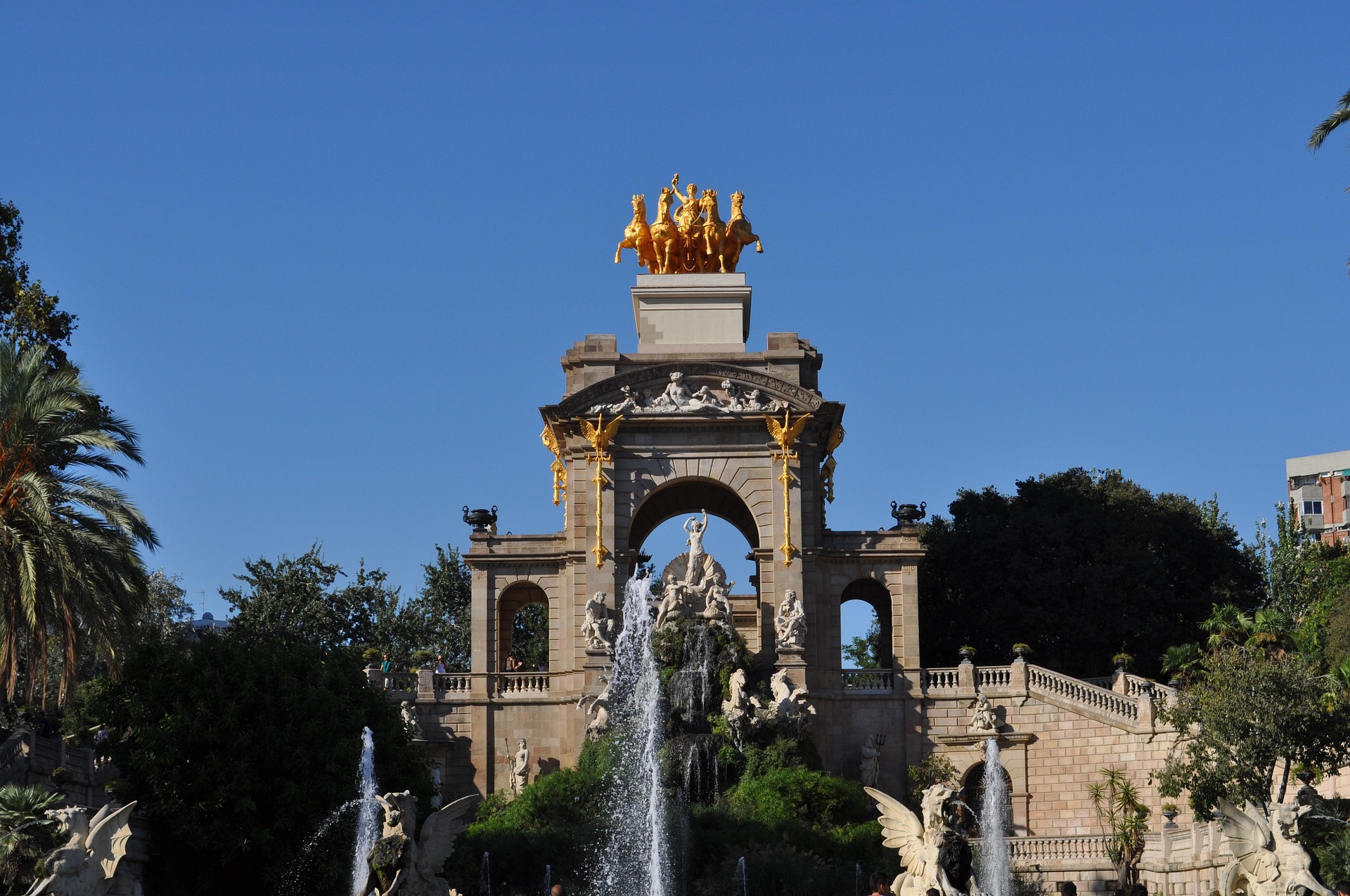
Magic Fountain of Montjuïc
The Magic Fountain of Montjuïc is a symphony of water and light. At night, the air hums with anticipation the scent of damp stone mingling with the faint sweetness of nearby blossoms. Music rises, and the fountain responds: arcs of water leap into the air, catching colored lights that shift from crimson to sapphire to gold. The soundscape is layered water rushing, music swelling, voices murmuring in awe. The atmosphere is festive yet strangely meditative, as if the fountain’s rhythm slows the pulse of the crowd. Even in silence, during the day, the fountain holds presence: its basins glisten under the sun, its stone edges cool to the touch.
Unhurried Tip: Arrive early in the evening to find a quiet spot before the crowds gather for the show.
Manage Consent
To provide the best experiences, we use technologies like cookies to store and/or access device information. Consenting to these technologies will allow us to process data such as browsing behavior or unique IDs on this site. Not consenting or withdrawing consent, may adversely affect certain features and functions.
Functional
Always active
The technical storage or access is strictly necessary for the legitimate purpose of enabling the use of a specific service explicitly requested by the subscriber or user, or for the sole purpose of carrying out the transmission of a communication over an electronic communications network.
Preferences
The technical storage or access is necessary for the legitimate purpose of storing preferences that are not requested by the subscriber or user.
Statistics
The technical storage or access that is used exclusively for statistical purposes.The technical storage or access that is used exclusively for anonymous statistical purposes. Without a subpoena, voluntary compliance on the part of your Internet Service Provider, or additional records from a third party, information stored or retrieved for this purpose alone cannot usually be used to identify you.
Marketing
The technical storage or access is required to create user profiles to send advertising, or to track the user on a website or across several websites for similar marketing purposes.