
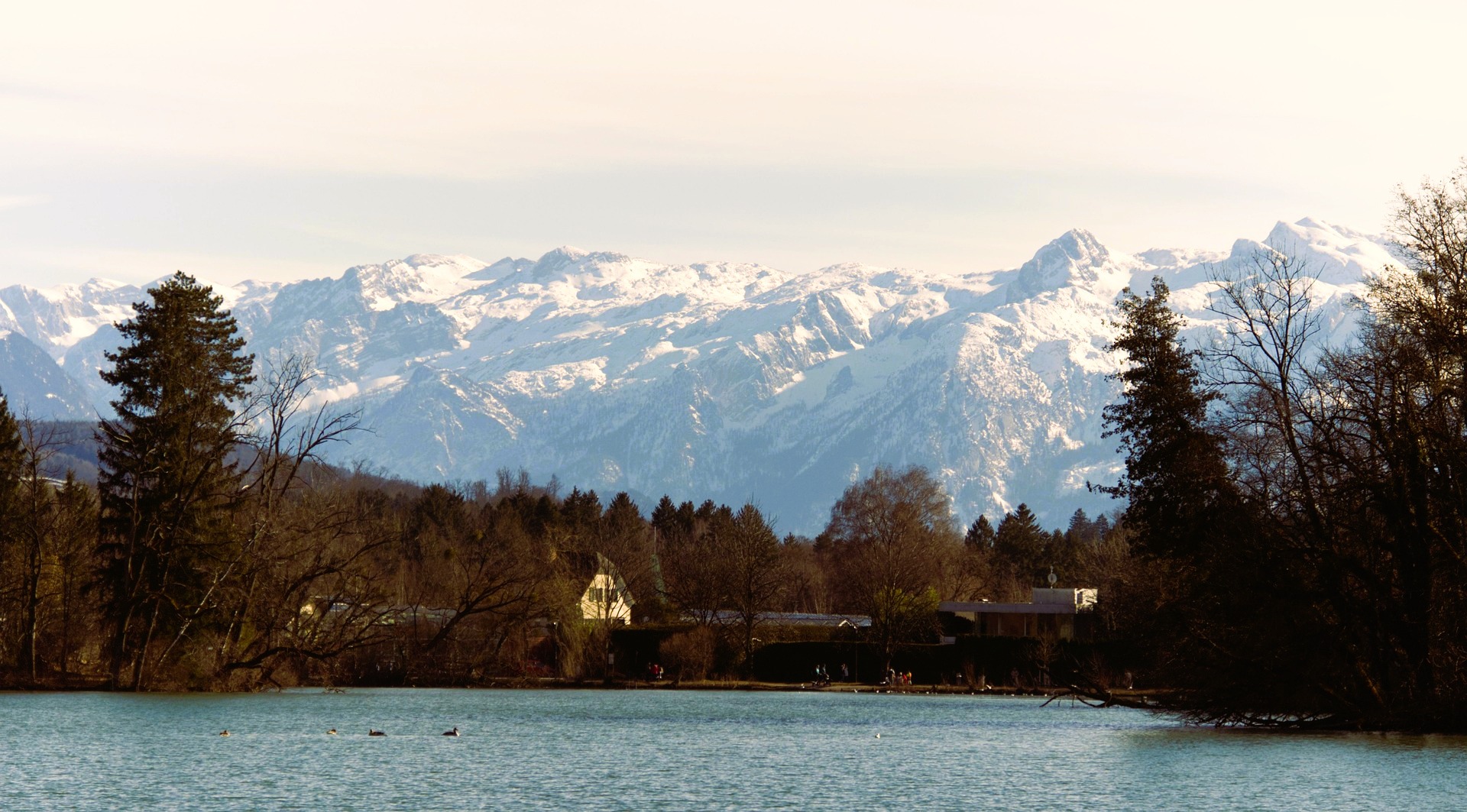
Most travelers arrive in Salzburg with a two-day checklist and a “Sound of Music” soundtrack in their heads, only to find themselves lost in the dense, winding crowds of the Getreidegasse. The challenge isn’t finding beauty it’s navigating the sheer density of history without feeling like a tourist in a maze. This Salzburg travel guide cuts through the noise to help you find the quiet organ notes in the cathedral and the best panoramic drafts of Stiegl beer. Whether you’re here for the Baroque spires or the jagged Alpine backdrop, the best things to do in Salzburg involve moving at a slower tempo. From fortress heights to hidden abbey cellars, here is how to experience the capital of the Salzburgerland with precision and purpose.
Hohensalzburg Fortress – Panoramic Views and Medieval History
The Hohensalzburg Fortress isn’t just a landmark; it’s a 900-year-old sentinel that has never been conquered. As one of the top attractions in Salzburg, it dominates the skyline, offering a deep dive into the lives of the Prince-Archbishops. Visitors can explore the opulent Golden Chamber, the medieval torture chamber, and the Rainer Regiment Museum. The utility here lies in the “Panorama Tour,” which provides the most strategic orientation of the city’s layout. While the funicular is a modern convenience, the walk up the Festungsberg offers a slower, sensory transition from the city’s baroque streets to the fortress’s rugged limestone ramparts. You aren’t just visiting a castle; you are stepping into a tactical masterpiece of Alpine defense.
Practical Expert Tip: Purchase the “Early Bird” or “Panorama” ticket online before 10:00 AM to save up to 20% and bypass the 45-minute funicular queue that forms at the Kapitelplatz station by midday.
Mirabell Palace and Gardens – Baroque Beauty and Cinematic History
No Salzburg travel guide is complete without the geometric perfection of the Mirabell Gardens. Built in 1606 by Archbishop Wolf Dietrich for his mistress, the grounds are a masterclass in Baroque landscape architecture. Beyond the famous Sound of Music filming locations like the Pegasus Fountain and the Hedge Theater, the site offers a quiet sanctuary in the Dwarf Garden. The palace interior houses the Marble Hall, widely considered one of the most beautiful wedding halls in the world. The vibe here is a refined balance of public leisure and historical opulence. It serves as a vital pedestrian artery connecting the “New” city to the “Old,” making it an essential, high-utility stop for both photography enthusiasts and those seeking a moment of horticultural zen amidst a packed itinerary.
Practical Expert Tip: The gardens open at 6:00 AM; visit then to experience the Pegasus Fountain without a single tour group in sight, and check the Marble Hall schedule for evening Mozart concerts to see the interior after hours.
Salzburg Cathedral – Architectural Grandeur and Musical Legacy
The Salzburg Cathedral (Dom zu Salzburg) stands as the epicenter of the city’s spiritual and musical identity. Known for its massive 71-meter dome and twin towers of Untersberg marble, the cathedral is where Wolfgang Amadeus Mozart was baptized and later served as the court organist. This isn’t just a place of worship; it’s an acoustic marvel. When applying visiting Salzburg tips, prioritize the midday organ concerts, which utilize the cathedral’s five separate organs to create a surround-sound experience that defines the “City of Music.” The crypt offers a somber, Romanesque contrast to the exuberant Baroque nave above, housing the remains of the powerful Archbishops. It is a dense site of cultural layering, where the weight of the Catholic Church’s historical power is visible in every frescoed inch of the ceiling.
Practical Expert Tip: While the main entrance faces Domplatz, enter through the “DomQuartier” museum wing if you want access to the organ gallery and a unique bird’s-eye view of the nave that standard visitors miss.
Getreidegasse – Historic Charm and High-End Shopping
As the pulsing artery of the Old Town, Getreidegasse represents the pinnacle of the “Experience Economy.” It is where 15th-century architecture meets 21st-century luxury. While the primary draw is the high-end boutiques and traditional craft shops, the true utility of this street lies in its “Durchhäuser” hidden passageways that reveal quiet, ivy-draped courtyards and artisanal workshops tucked away from the main flow. This is where a Salzburg travel guide comes to life; you aren’t just shopping, you are navigating a living museum of commerce. The vibe is a sophisticated blend of sensory details: the smell of fresh Bosna sausages, the visual clutter of historic signs, and the echo of footsteps on centuries-old stone. It’s an essential stop for understanding how Salzburg has balanced its mercantile grit with its aristocratic polish.
Practical Expert Tip: Escaping the midday rush is easy if you duck into the “Schatz-Durchhaus” (No. 3), which leads to a tiny, legendary bakery where you can grab a traditional Salzburger Nockerl to go.
Mozart’s Birthplace – A Global Pilgrimage for Musical Heritage
Located at Getreidegasse 9, Mozart’s Birthplace is more than a museum; it is a shrine to human genius. For anyone looking for visiting Salzburg tips, this site is the non-negotiable anchor of any itinerary. The experience is intimate, leading you through the actual rooms where Wolfgang Amadeus was born in 1756. You’ll see his childhood violin, original portraits, and the clavichord on which he composed “The Magic Flute.” The utility here is in the historical immersion; the museum effectively strips away the “tourist trap” veneer to offer a grounded look at the Mozart family’s middle-class reality. The atmosphere is hushed and reverent, providing a necessary counterpoint to the lively streets outside. It’s an essential investment for anyone wanting to connect the dots between Salzburg’s baroque aesthetic and its world-famous sound.
Practical Expert Tip: Use your Salzburg Card for free fast-track entry, and aim to visit during the final 90 minutes before closing (around 4:00 PM) to avoid the large tour groups that dominate the morning hours.
Hellbrunn Palace – Renaissance Wit and Interactive Water Features
Hellbrunn Palace is the ultimate testament to the “Experience Economy” of the 17th century. Built by Prince-Archbishop Markus Sittikus as a “pleasure palace,” it was never intended for overnight stays, only for entertainment. The high-intent search value here lies in the top attractions in Salzburg category, specifically the world-famous Trick Fountains (Wasserspiele). Visitors are led through a series of grottos and mechanical theaters powered entirely by water pressure often ending in a playful drenching from hidden jets. It is a rare surviving example of Mannerist wit. Beyond the fountains, the expansive gardens house the original “Sound of Music” gazebo, offering a free, low-utility photo op for fans. The vibe is lighthearted and surprisingly modern in its focus on guest interaction, proving that the Archbishops knew how to host a legendary party.
Practical Expert Tip: Take Bus 25 from the city center for a direct 20-minute ride; if you arrive early, the palace gardens and the “Sound of Music” gazebo are free to explore before your timed fountain tour begins.
How to Spend 3 Perfect Days in Salzburg: A Strategic Itinerary
To maximize your time, group your sightseeing by neighborhoods to avoid backtracking across the Salzach River.
On Day 1, focus exclusively on the Altstadt (Old Town). Since this entire district is a pedestrian zone, every major landmark including the Salzburg Cathedral, Getreidegasse, and Mozart’s Birthplace is within a ten-minute walking distance of each other.
On Day 2, tackle the heights and the “New” town. Start at Mirabell Palace before crossing the bridge to ride the funicular up to Hohensalzburg Fortress.
Day 3 is for the outskirts. Use the highly efficient public transport system; specifically, hop on Bus 25 from the city center, which takes you directly to the trick fountains of Hellbrunn Palace and the Untersberg cable car. This logical flow ensures you spend more time absorbing the Alpine atmosphere and less time navigating transit logs.
Quick Travel Facts
Best Time to Visit: For the best balance of weather and crowds, aim for late May or September. If you want the quintessential “Winter Wonderland” experience, December is peak season for the world-famous Christmas markets.
Top Local Dish to Try: You cannot leave without tasting Salzburger Nockerl, a fluffy, sweet soufflé representing the three snow-capped mountains surrounding the city. For a savory staple, the Wiener Schnitzel at Meissl & Schadn is a local benchmark.
How to Get Around: The historic core is strictly a walking city. For everything else, the Salzburg Card is your best friend it provides unlimited use of buses and the funicular, plus free entry to most major sites.
Discover More of Austria
If the baroque charm of the city has captured your imagination, the emerald lakes and jagged peaks of the nearby Salzkammergut (Lake District) are the natural next chapter. From the postcard-perfect shores of Hallstatt to the summer retreats of St. Gilgen, the region offers a deeper dive into the Austrian Alpine lifestyle.
Salzburg is not merely a museum of the past; it is a living, breathing composition of architectural precision and natural beauty. Your journey through the City of Music starts here book your Salzburg Card today and step into the heart of Europe’s most storied landscape.