
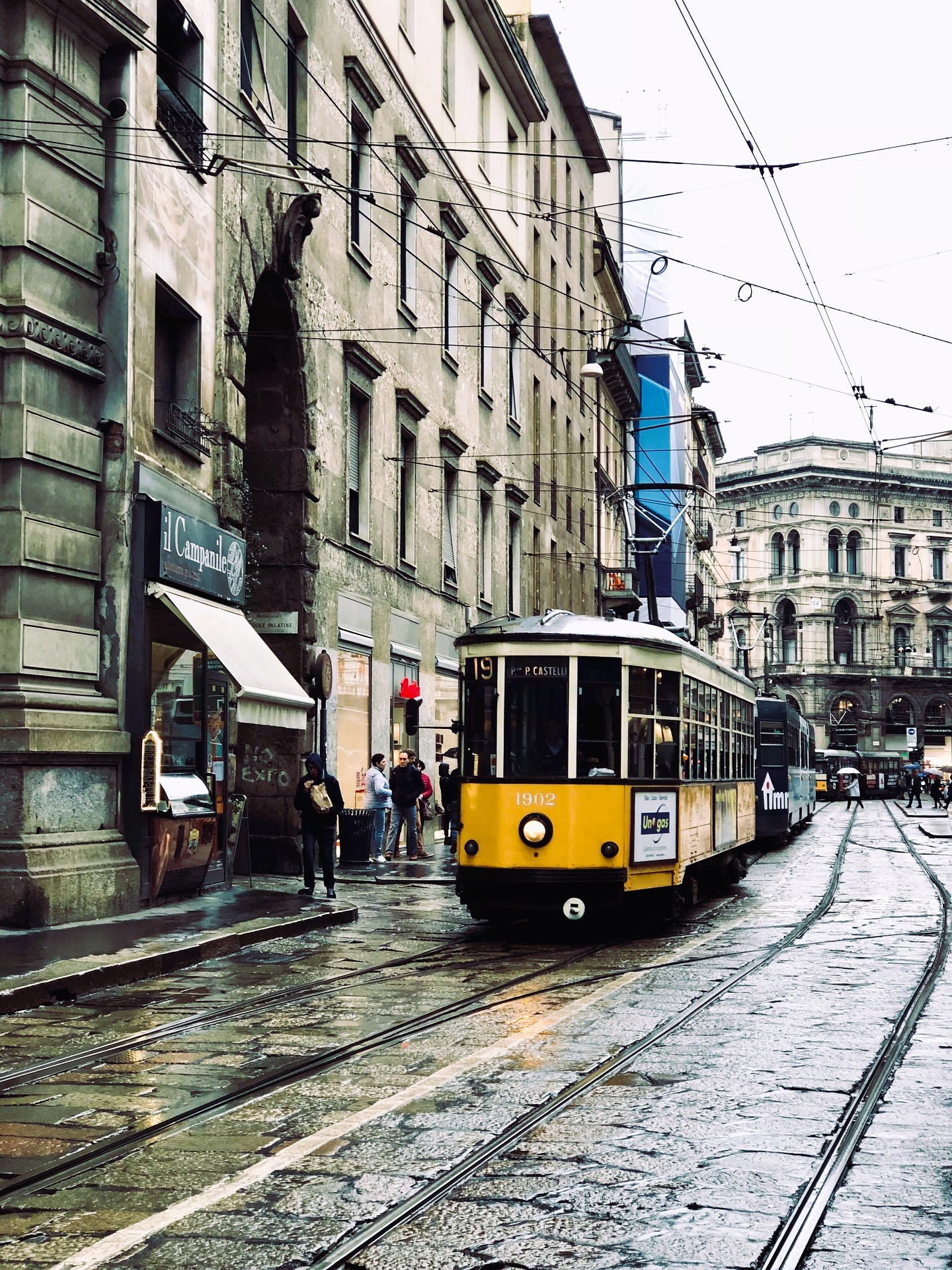
Most travelers treat Milan as a frantic 24 hour layover, sprinting between the Duomo and the Quadrilatero della Moda. This “checklist” mentality often results in a blurred experience of ticket queues and overpriced espresso. To truly capture the city’s essence, you must pivot toward an unhurried strategy. This guide focuses on the best things to do in Milan by prioritizing logistical efficiency and depth over a broad, shallow itinerary. By timing your visits to bypass the midday rush and selecting sites that offer both historical weight and architectural clarity, you can navigate the Lombard capital without the friction of the standard tourist path. Here is how to experience Milan with the observation of a local and the precision of a strategist.
Pinacoteca di Brera – Navigating the premier collection of the Italian Renaissance
The Pinacoteca di Brera serves as Milan’s most prestigious art gallery, housed within an 18th century Jesuit college that radiates a scholarly, contemplative atmosphere. Unlike the sprawling chaos of the Louvre, the Brera is curated with a chronological precision that allows you to trace the evolution of Italian painting from the Venetian school to the stark realism of Caravaggio. Its origins as a Napoleonic institution meant it was designed to educate, and that sense of intellectual clarity remains palpable in every gallery. To experience the collection with the least amount of friction, aim for the third Thursday of the month when the museum extends its hours into the evening, providing a much quieter environment than peak weekend hours. Entering during the first hour of operation on a Tuesday allows you to stand alone with Hayez’s The Kiss before school groups arrive, ensuring your encounter with these masterpieces remains personal and profound.
Duomo di Milano – Accessing the Gothic heights for a logistical advantage
The Duomo represents the zenith of Rayonnant Gothic architecture, a marble mountain that took six centuries to complete. For the thoughtful traveler, the cathedral’s interior, while vast, is often eclipsed by the sheer sculptural audacity of its rooftops. Standing among thousands of individual statues and spires offers a visceral connection to the artisans who shaped Milan’s skyline long before the modern era. This perspective allows you to observe the city from a position of relative isolation, suspended above the commercial fray of the piazza below. To navigate this landmark efficiently, prioritize the rooftops before entering the nave; by descending via the interior staircase located on the north side, you effectively bypass the separate security queue for the cathedral floor. This unhurried transition ensures you capture the early morning light on the marble before the midday crowds arrive, turning a standard visit into a strategic survey of Milanese ambition and engineering.
Santa Maria delle Grazie – Witnessing the vulnerability of Da Vinci’s masterpiece
Entering the refectory of Santa Maria delle Grazie is an exercise in restraint and preparation, as the 15 minute viewing window for Leonardo da Vinci’s The Last Supper is strictly enforced. Unlike the robust frescoes of the Roman Renaissance, Leonardo’s experimental use of tempera and oil on dry plaster has left the work in a perpetual state of fragility. This vulnerability demands a quiet, observant presence that matches the psychological tension depicted in the painting itself. For the modern traveler, the value lies in this forced focus—a rare moment of singular attention in a digital age. Because tickets are released in quarterly batches and vanish within minutes, a reliable strategy is to monitor the official website for cancellations exactly forty eight hours before your desired date. If the official portal remains exhausted, booking a late afternoon guided tour of the adjacent church often secures an entry slot that standard individual tickets do not, providing a seamless cultural entry.
Castello Sforzesco – Exploring the fortified legacy of the Sforza dynasty
The Castello Sforzesco serves as a monumental threshold between the dense urban grid of Milan and the expansive greenery of Parco Sempione. Originally a 14th century fortification, it evolved into a palatial residence that now houses several civic museums, including the room containing Michelangelo’s final, hauntingly unfinished Pietà Rondanini. For the strategic traveler, the castle offers a unique sense of spatial transition, where thick brick walls give way to open, airy courtyards that act as the city’s communal backyard. It provides a historical grounding that few other sites can match, illustrating the defensive and artistic priorities of the Renaissance dukes. To avoid the primary tourist flow, enter through the rear gate adjacent to the Parco Sempione side, which typically experiences less congestion than the main Filarete Tower entrance. This approach allows for a more tranquil introduction to the castle’s massive defensive scale and architectural layers.
Teatro alla Scala – Observing the pinnacle of global operatic tradition
Teatro alla Scala remains the undisputed center of the operatic world, a neoclassical temple where the legacies of Verdi and Puccini are preserved with exacting rigor. While securing performance tickets requires months of foresight, the theater’s museum offers a high utility alternative for observing the interior’s opulent red and gold aesthetic. Stepping into one of the velvet lined boxes provides a direct view of the massive chandelier and the stage where history’s most significant musical dramas premiered. This experience is essential for understanding Milan’s cultural identity, which is deeply rooted in the performative arts and social theater. If you visit the museum during the late morning, you can often catch a glimpse of the auditorium while it is empty of performers, but always check the schedule beforehand for rehearsal closures. Entering through the museum door on Largo Ghiringhelli allows for a swift transition into the quiet, historical archives of the theater.
Galleria Vittorio Emanuele II – Navigating the architectural drawing room of Italy
The Galleria Vittorio Emanuele II functions as Milan’s “living room,” a 19th century iron and glass arcade that connects the Duomo with La Scala. Its grand central octagon and soaring barrel vaults represent a triumph of early industrial engineering and urban design, fostering a space that is both commercial and ceremonial. For the thoughtful traveler, the value lies in observing the uniformity of the storefronts, which are legally required to feature gold lettering on a black background, maintaining a visual discipline that modern malls lack. This environment offers a masterclass in how a city can integrate luxury with public accessibility. While moving through the central passage, look for the mosaic of the bull representing Turin’s coat of arms on the floor; tradition dictates that spinning three times on your heel over the bull’s midsection ensures a return to the city. Early morning visits ensure you see the mosaics without the midday rush of shoppers.
A 3 Day Strategic Itinerary
To maximize efficiency and minimize transit fatigue, Milan’s six essential landmarks can be grouped into three distinct geographical clusters. On the first day, focus on the Duomo di Milano and the Galleria Vittorio Emanuele II. These neighboring structures form the city’s architectural core, allowing for a seamless transition from the cathedral’s marble heights to the arcade’s iron and glass vaulting. The second day should be dedicated to the Brera and Magenta districts. Start with the Pinacoteca di Brera in its eponymous bohemian neighborhood before walking west to Santa Maria delle Grazie to see the Last Supper. This route offers a rhythmic balance between high art galleries and quiet, residential streets. Conclude the third day by exploring the axis between the Castello Sforzesco and Teatro alla Scala. This final leg connects the fortified Sforza legacy with the neoclassical elegance of the opera house, navigating the refined corridors of the city center with a logical, unhurried walking pace.
The Unhurried Mindset
The unspoken rule of navigating Milan is to acknowledge that the city’s true character is hidden behind heavy stone portals and within private courtyards, rather than on the main thoroughfares. To enjoy this city properly, one must adopt a sense of detached observation, moving with the purposeful yet calm gait of the local professional. For a truly soulful experience, discard the map for an hour in the Magenta district during the golden hour. Find a small, standing only coffee bar, observe the ritual of the mid afternoon espresso, and simply listen to the city’s mechanical and human hum.