
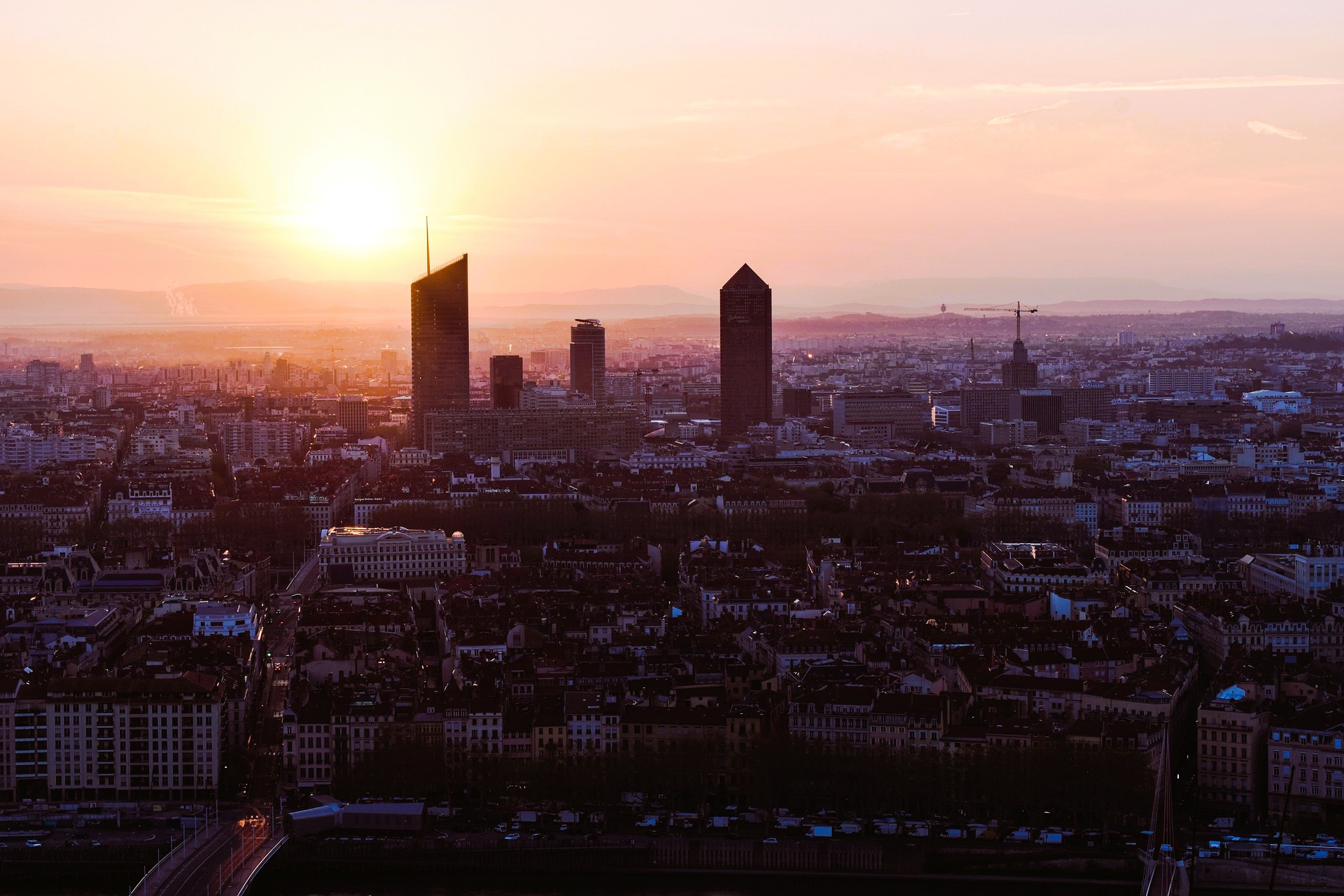
Travelers often treat Lyon as a high-speed culinary pitstop, rushing between crowded bouchons in Vieux Lyon and checking off landmarks like a grocery list. This frantic pace misses the city’s true rhythm. The secret to mastering Lyon is timing and elevation; most visitors fight the midday heat and the bottleneck of narrow traboules simultaneously. This guide corrects that error by prioritizing an unhurried approach that balances Roman antiquity with the quietest morning hours on the peninsula. By focusing on high-impact sites at optimal intervals, you avoid the common tourist fatigue that plagues the capital of Gaul. Discover the best things to do in Lyon through a lens of efficiency, allowing the city’s history to unfold without the friction of the masses.
Basilique Notre-Dame de Fourvière – Iconic Views and Byzantine Grandeur
Perched atop the Hill of Prayer, this nineteenth-century basilica serves as a permanent architectural sentinel over the city below. While the exterior’s shimmering white limestone is striking, the true value for a traveler lies in the interior’s intense mosaic work and the panoramic perspective it provides on Lyon’s geographic layout. The structure symbolizes the city’s religious devotion and its recovery from social upheaval, offering a physical bridge between the ancient Roman foundation nearby and the modern urban sprawl of the Part-Dieu district. To experience this site without the typical sensory overload, use the funicular from Vieux Lyon station early in the morning and head immediately to the Esplanade for the clearest light before the midday haze settles. This allows you to observe the transition from the red-roofed Renaissance district to the high-rise horizon in silence.
Lugdunum – Musée et Théâtres Romains – Ancient History and Brutalist Design
Lyon began here in 43 BC as the Roman capital of Gaul, and the site remains one of the most significant archaeological clusters in Europe. The twin theaters the Great Theater and the smaller Odeon are not merely static ruins but functional spaces that still resonate with the city’s cultural heritage. The accompanying museum, carved directly into the hillside, is a masterpiece of brutalist architecture that frames the artifacts against a backdrop of raw concrete and natural light. It offers a meditative atmosphere for those who appreciate history told through stone and silence. To maximize your visit, walk down the theater tiers toward the rue de l’Antiquaille exit which leads you through a series of quiet residential gardens and secret stairs that bypass the main tourist bus routes, preserving the feeling of historical discovery.
Traboules of Vieux Lyon – Renaissance Engineering and Urban Secrets
The traboules are a unique network of hidden passageways that allowed silk weavers and merchants to transport goods while remaining sheltered from the elements. These corridors represent a clever solution to urban density, winding through private courtyards and beneath arched doorways that the casual observer often ignores. Walking through them provides an intimate look at the ochre-toned Renaissance architecture that defines the Saint-Jean and Saint-Paul neighborhoods. Rather than following a generic map, look for the small bronze shields identifying the most historic passages, particularly the Longue Traboule. A specific timing hack for a tranquil experience is to visit between 8:00 and 9:30 AM on a weekday when the city is waking up but the tour groups have not yet arrived, ensuring the narrow corridors remain acoustic and uncrowded.
Les Halles de Lyon Paul Bocuse – High-End Gastronomy and Local Expertise
This indoor market serves as the definitive temple of French culinary excellence, named after the city’s most celebrated chef. It is less a grocery store and more a curated exhibition of the region’s finest products, from Saint-Marcellin cheeses to the vibrant pink praline tarts that define local patisserie. For the thoughtful traveler, the market offers a sensory education in the quality standards that underpin Lyon’s reputation as a world food capital. While the stalls are tempting at any hour, arriving around 11:00 AM allows you to secure a seat at one of the small oyster bars or bistros for a pre-lunch tasting before the local business crowd descends for their break. If you are looking for a quieter moment, seek out the specialized spice merchants tucked into the back corners where the air is thick with saffron and roasted nuts.
Musée des Beaux-Arts de Lyon – Artistic Depth and Architectural Serenity
Housed in a seventeenth-century Benedictine abbey, this museum is often cited as the “little Louvre” due to the breadth and quality of its collection. It bridges the gap between ancient Egyptian artifacts and modern European masterpieces, providing a comprehensive narrative of human creativity within the walls of the Palais Saint-Pierre. The experience is defined by the scale of the galleries, which allow for a respectful distance between the viewer and the art. The true centerpiece is the cloister garden, a secluded rectangular courtyard filled with sculptures and centuries-old trees that offers a profound silence away from the noise of Place des Terreaux. A useful strategy is to bypass the main entrance queue by checking the secondary courtyard gate which occasionally grants faster access during peak hours while leading you directly into the most tranquil part of the estate.
Parc de la Tête d’Or – Landscape Architecture and Urban Escape
As one of the largest urban parks in France, this green space functions as the city’s collective backyard, offering a sophisticated blend of botanical gardens and lakefront vistas. For a traveler, it provides a necessary pause from the density of the Presqu’île, showcasing nineteenth-century landscape design at its most ambitious. The vast glass-walled greenhouses are particularly noteworthy, housing rare tropical flora in an iron and glass structure that reflects the industrial elegance of a bygone era. To avoid the weekend crowds that flock to the central lake, head toward the northern end of the park near the Cite Internationale entrance, where the rose gardens are less frequented and offer a more intimate setting for a walk. This section provides a seamless transition back to modern architecture, allowing you to observe the city’s evolution from the natural world to contemporary design.
A 3-Day Strategic Itinerary
To experience Lyon without the typical logistical friction, group your visits by their geographical elevation and neighborhood character. On the first day, focus on the Fourvière hilltop to combine the Basilica with the Lugdunum archaeological site. This approach allows you to descend into the Vieux Lyon district by foot, utilizing the natural slope of the city rather than fighting against it. Dedicate the second day to the Presqu’île, starting with the quiet morning halls of the Musée des Beaux-Arts before navigating the historic traboules that connect the riverbanks. This central corridor is the heart of Lyonnaise commerce and history. On your final day, move east toward the 6th arrondissement. Begin with the culinary excellence of Les Halles de Lyon Paul Bocuse for an early lunch, followed by a long, restorative afternoon at Parc de la Tête d’Or. This sequence minimizes transit time and respects the city’s natural walking rhythm.
The Unhurried Mindset
The unspoken rule of Lyon is that the city belongs to those who observe rather than those who consume. It is a place of discretion where the best experiences are often hidden behind heavy oak doors or within unpretentious bistros. To enjoy the city properly, you must embrace the art of the pause. My soulful advice for a slow-travel experience is to spend one hour sitting by the Saône river at dusk with no objective other than watching the light change against the ochre facades. In these moments, the city reveals its true character not as a tourist destination, but as a living, breathing testament to French refinement and historical continuity.
Further Exploration
For those seeking to expand their journey beyond the confluence of the Rhône and Saône, the surrounding Auvergne-Rhône-Alpes region offers a wealth of medieval villages and alpine vistas that complement the urban sophistication of Lyon. Consider venturing toward the vineyards of Beaujolais or the pristine waters of Annecy to see how the regional identity shifts from industrial power to natural serenity.
A well-planned journey does not demand more time; it simply requires more intention. Safe travels through the capital of Gaul.