Tag: italy

  • 6 Best Things to Do in Venice: A Strategic Guide for the Thoughtful Traveler

    6 Best Things to Do in Venice: A Strategic Guide for the Thoughtful Traveler

    Most travelers treat Venice as a sprint, fighting through the mid day “Golden Triangle” of San Marco and Rialto alongside thousands of day trippers. This high pressure pacing leads to “Venice fatigue,” where the city feels more like a crowded museum than a living maritime republic. To truly see the city, you must invert the typical schedule. By staying overnight and prioritizing the periphery during peak hours, you allow the city’s silence to return. This guide identifies the best things to do in Venice by focusing on sites that reward observation over ticking boxes. We prioritize geographic logic and timing, ensuring your visit remains unhurried even during the height of the 2026 season.

    Basilica di San Marco – The pinnacle of Byzantine mosaics and Venetian religious authority

    St. Mark’s Basilica stands as the definitive monument to Venice’s historical identity as a bridge between the Byzantine East and the Latin West. Its golden mosaics, spanning eight centuries of craftsmanship, reflect a maritime republic that used architecture to project divine favor and staggering wealth. For the modern traveler, the challenge lies in experiencing this sacred space without the frantic pacing of the crowds that inevitably swell by midday. To find a moment of relative peace, consider entering through the Porta dei Fiori on the northern side which is reserved for those seeking prayer or attending Mass, offering a dignified alternative to the primary tourist queue. This allows you to observe the shifting light against the tesserae in a setting that feels less like a transit hub and more like the sanctuary it remains. Prioritizing the earliest 9:30 AM entry ensures you view the nave before groups arrive.

    Palazzo Ducale (Doge’s Palace) – The architectural blueprint of the Republic’s political machinery

    The Palazzo Ducale is a masterpiece of Venetian Gothic design and served for centuries as the absolute seat of power for the Republic. It is more than a residence; it is a complex administrative machine containing courtrooms, armories, and the infamous Piombi prisons where Casanova was once held. While the Sala del Maggior Consiglio is undeniably grand, the thoughtful traveler finds deeper value in the political mechanics of the city. To experience this without the standard friction, book the Secret Itineraries tour in advance, which grants access to the hidden offices and torture chambers otherwise restricted to the general public. Arriving precisely at the 9:00 AM opening allows you to navigate the Golden Staircase and the Doge’s private apartments before the primary surge of cruise ship excursions reaches the courtyard. This timing preserves the building’s imposing atmosphere, allowing the intricate wood carvings and Tintoretto canvases to speak clearly.

    Gallerie dell’Accademia – The essential chronological record of Venetian Renaissance art

    The Gallerie dell’Accademia houses the definitive collection of Venetian painting, offering a chronological evolution from the Byzantine era through the high drama of the Renaissance. Within these walls, masters like Bellini, Titian, and Veronese document the city’s transition from a rigid theological center to a sensory capital of art. For the modern observer, this museum provides a necessary intellectual anchor that offers context for the architecture seen elsewhere in the city. Unlike the crowded squares, the Accademia offers a contemplative environment, provided you avoid the late morning peak. A strategic visitor should plan for a late Monday morning or a Tuesday afternoon, as the museum closes at 2:00 PM on Mondays, often causing travelers to overlook that early window entirely. This scheduling allows for an unhurried study of Giorgione’s enigmatic Tempest, as the naturally lit rooms benefit from the softer, indirect light of the Venetian sky during these quieter hours.

    San Giorgio Maggiore – The superior panoramic perspective of the Venetian skyline

    For those seeking the definitive visual summary of Venice, the Palladian church of San Giorgio Maggiore offers an architectural clarity that the crowded main island often obscures. Situated on its own island directly across the basin, this site provides a deliberate detachment from the narrow calli of San Marco. The interior is a masterclass in Renaissance symmetry, housing late works by Tintoretto that benefit from the flooding natural light characteristic of the lagoon. While most tourists queue for hours at the Campanile di San Marco, the thoughtful traveler takes the Number 2 Vivaldi vaporetto from San Zaccaria for a brief three minute crossing to reach this quieter bell tower. The elevator to the top of the San Giorgio campanile offers an unobstructed 360 degree view of the Ducal Palace and the winding Grand Canal without the obstructive safety cages found elsewhere. This vantage point allows for a calm, strategic observation of the city’s maritime layout as the sun begins its afternoon descent.

    Peggy Guggenheim Collection – A modern counterpoint to the city’s historicist weight

    Housed in the unfinished Palazzo Venier dei Leoni, the Peggy Guggenheim Collection provides a vital aesthetic pivot from the Byzantine and Baroque influences that dominate the city. This museum represents one of the most important holdings of 20th century European and American art, featuring seminal works by Picasso, Dalí, and Magritte. The experience is uniquely intimate, as the art is displayed within Guggenheim’s former private residence, overlooking the Grand Canal from a low slung, modernist terrace. For the observer, the transition from ancient stone to Surrealism and Abstract Expressionism highlights the city’s enduring relevance as a global cultural hub. To maximize the experience, spend time in the Nasher Sculpture Garden at the rear of the property, which offers a rare pocket of shaded silence and greenery amidst the stone heavy Dorsoduro district. Arriving an hour before closing allows you to see the sculpture garden in the softest light, after the largest tour groups have departed for dinner.

    The Jewish Ghetto (Cannaregio) – A profound exploration of the world’s first segregated enclave

    The Cannaregio district contains the Ghetto Nuovo, a site of immense historical gravity that remains a functioning center of Jewish life today. Established in 1516, this area is characterized by its unusually tall tenement buildings, which were constructed vertically to accommodate a growing population within a confined urban footprint. Exploring this neighborhood offers a somber and necessary contrast to the opulence of the Rialto, grounding the traveler in the complex social history of the Venetian Republic. The area is best navigated by focusing on the small details, such as the stone slots where heavy gates once locked the inhabitants in at night. For a more profound connection, visit the Museo Ebraico and take the guided tour of the hidden synagogues, which are indistinguishable from the outside to maintain a low profile during periods of persecution. Afterward, walk toward the nearby Fondamenta della Misericordia for a quiet, canal side coffee away from the primary tourist thoroughfares, allowing the history of the Ghetto to resonate in the stillness.

    A 3 Day Strategic Itinerary

    To maximize your time without the exhaustion typical of Venetian tourism, organize your visit by sestiere to minimize redundant crossings of the Grand Canal. On your first day, focus on the San Marco district. Arrive at the Basilica di San Marco for the earliest entry, followed immediately by the Palazzo Ducale. In the afternoon, drift east into the residential alleys of Castello to observe local life away from the commercial noise. Your second day should center on the Dorsoduro district. Spend the morning at the Gallerie dell’Accademia and the afternoon at the Peggy Guggenheim Collection, connected by a brief walk along the Zattere promenade. Reserve your final day for the city’s bookends. Take the vaporetto across the basin to the island of San Giorgio Maggiore in the morning for the skyline view, then head north to the Cannaregio district to spend your final hours in the Jewish Ghetto. This geographical logic ensures an unhurried walking rhythm.

    The Unhurried Mindset

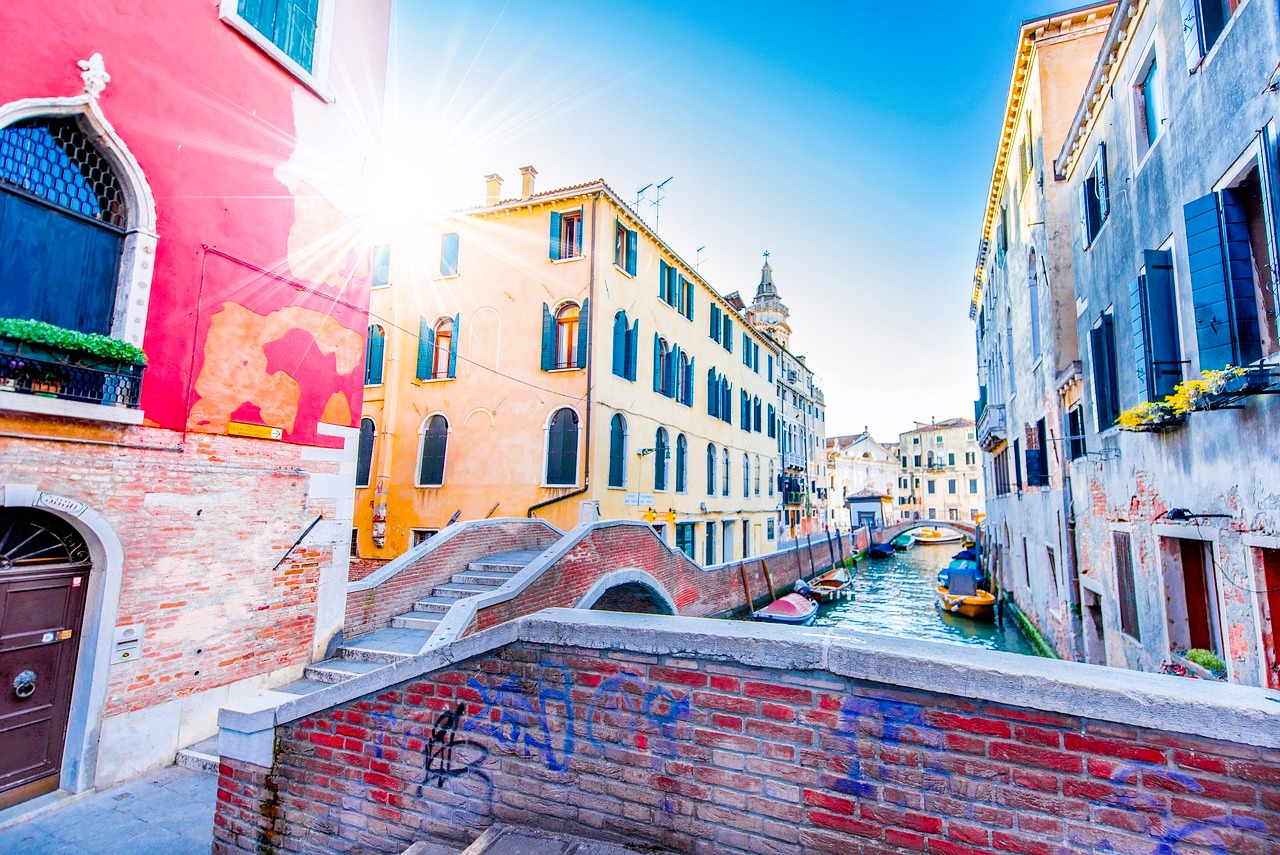
    The unspoken rule for enjoying Venice is to accept that your digital map will fail you. The city was built as a defensive labyrinth; its true character only emerges once you stop fighting the geography. To experience the city properly, you must embrace the productive detour. The most soulful moments are found in the transition between landmarks—the sudden opening of a quiet campo or the sound of water against a darkened foundation. If you find yourself in a crowd, turn into the narrowest alley available. Usually, within two turns, the silence of the lagoon returns, and the city becomes yours again.

    Strategic Transitions

    While Venice is a self contained world, it serves as the logical gateway to the broader Veneto region and the northern Italian landscape. For those with additional time, the high speed rail connections from Santa Lucia station provide immediate access to the Roman arena of Verona or the jagged peaks of the Dolomites.

    Mastering the city of canals requires a shift in perspective that values the quality of the observation over the quantity of the itinerary. Your visit to the lagoon should leave you with a sense of clarity, not a collection of blurred photographs.
  • Echoes of the Eternal: A Slow Wallpaper Through Rome’s Hidden Rhythms

    Echoes of the Eternal: A Slow Wallpaper Through Rome’s Hidden Rhythms

    The Morning Ritual

    Savor the scent of roasted beans as the world wakes up slowly around a sun-drenched table. This Rome Wallpaper captures the quiet dignity of a morning spent doing absolutely nothing at all.

    Shadows of Antiquity

    Watch the light dance across ancient stone, reminding us that time is a river, not a race. Let this Rome Wallpaper bring the enduring stillness of history to your daily screen.

    The Secret Alleyway

    There is magic found in the turns we take by mistake, down streets where the ivy grows undisturbed. This Rome Wallpaper invites you to wander where the maps don’t lead.

    Twilight Over the Seven Hills

    As the sun dips below the horizon, the city exhales in shades of violet and gold. Carry the breath of the Gianicolo hill with you through this peaceful Rome Wallpaper.

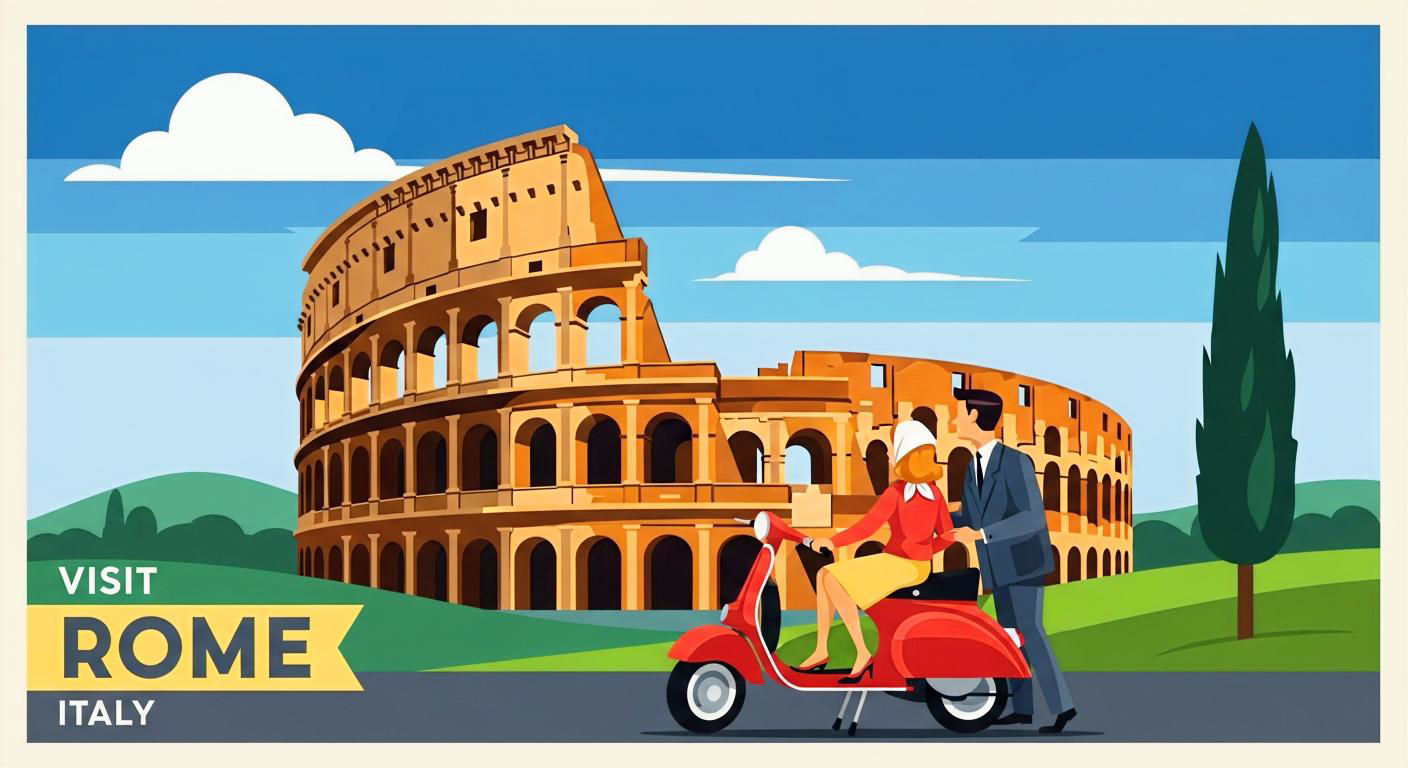
    The Roman Glide

    Not every journey requires a destination; sometimes the joy is simply in the elegance of the movement. This Rome Wallpaper celebrates the iconic silhouette of a city that knows how to move with grace.

    Sanctuary in the Courtyard

    Find your breath beside the rhythmic pulse of falling water in a garden forgotten by the crowds. This Rome Wallpaper serves as a digital retreat into the city’s silent, verdant heart.

  • Best Things to Do in Milan: A Strategic Guide for the Thoughtful Traveler

    Best Things to Do in Milan: A Strategic Guide for the Thoughtful Traveler

    Most travelers treat Milan as a frantic 24 hour layover, sprinting between the Duomo and the Quadrilatero della Moda. This “checklist” mentality often results in a blurred experience of ticket queues and overpriced espresso. To truly capture the city’s essence, you must pivot toward an unhurried strategy. This guide focuses on the best things to do in Milan by prioritizing logistical efficiency and depth over a broad, shallow itinerary. By timing your visits to bypass the midday rush and selecting sites that offer both historical weight and architectural clarity, you can navigate the Lombard capital without the friction of the standard tourist path. Here is how to experience Milan with the observation of a local and the precision of a strategist.

    Pinacoteca di Brera – Navigating the premier collection of the Italian Renaissance

    The Pinacoteca di Brera serves as Milan’s most prestigious art gallery, housed within an 18th century Jesuit college that radiates a scholarly, contemplative atmosphere. Unlike the sprawling chaos of the Louvre, the Brera is curated with a chronological precision that allows you to trace the evolution of Italian painting from the Venetian school to the stark realism of Caravaggio. Its origins as a Napoleonic institution meant it was designed to educate, and that sense of intellectual clarity remains palpable in every gallery. To experience the collection with the least amount of friction, aim for the third Thursday of the month when the museum extends its hours into the evening, providing a much quieter environment than peak weekend hours. Entering during the first hour of operation on a Tuesday allows you to stand alone with Hayez’s The Kiss before school groups arrive, ensuring your encounter with these masterpieces remains personal and profound.

    Duomo di Milano – Accessing the Gothic heights for a logistical advantage

    The Duomo represents the zenith of Rayonnant Gothic architecture, a marble mountain that took six centuries to complete. For the thoughtful traveler, the cathedral’s interior, while vast, is often eclipsed by the sheer sculptural audacity of its rooftops. Standing among thousands of individual statues and spires offers a visceral connection to the artisans who shaped Milan’s skyline long before the modern era. This perspective allows you to observe the city from a position of relative isolation, suspended above the commercial fray of the piazza below. To navigate this landmark efficiently, prioritize the rooftops before entering the nave; by descending via the interior staircase located on the north side, you effectively bypass the separate security queue for the cathedral floor. This unhurried transition ensures you capture the early morning light on the marble before the midday crowds arrive, turning a standard visit into a strategic survey of Milanese ambition and engineering.

    Santa Maria delle Grazie – Witnessing the vulnerability of Da Vinci’s masterpiece

    Entering the refectory of Santa Maria delle Grazie is an exercise in restraint and preparation, as the 15 minute viewing window for Leonardo da Vinci’s The Last Supper is strictly enforced. Unlike the robust frescoes of the Roman Renaissance, Leonardo’s experimental use of tempera and oil on dry plaster has left the work in a perpetual state of fragility. This vulnerability demands a quiet, observant presence that matches the psychological tension depicted in the painting itself. For the modern traveler, the value lies in this forced focus—a rare moment of singular attention in a digital age. Because tickets are released in quarterly batches and vanish within minutes, a reliable strategy is to monitor the official website for cancellations exactly forty eight hours before your desired date. If the official portal remains exhausted, booking a late afternoon guided tour of the adjacent church often secures an entry slot that standard individual tickets do not, providing a seamless cultural entry.

    Castello Sforzesco – Exploring the fortified legacy of the Sforza dynasty

    The Castello Sforzesco serves as a monumental threshold between the dense urban grid of Milan and the expansive greenery of Parco Sempione. Originally a 14th century fortification, it evolved into a palatial residence that now houses several civic museums, including the room containing Michelangelo’s final, hauntingly unfinished Pietà Rondanini. For the strategic traveler, the castle offers a unique sense of spatial transition, where thick brick walls give way to open, airy courtyards that act as the city’s communal backyard. It provides a historical grounding that few other sites can match, illustrating the defensive and artistic priorities of the Renaissance dukes. To avoid the primary tourist flow, enter through the rear gate adjacent to the Parco Sempione side, which typically experiences less congestion than the main Filarete Tower entrance. This approach allows for a more tranquil introduction to the castle’s massive defensive scale and architectural layers.

    Teatro alla Scala – Observing the pinnacle of global operatic tradition

    Teatro alla Scala remains the undisputed center of the operatic world, a neoclassical temple where the legacies of Verdi and Puccini are preserved with exacting rigor. While securing performance tickets requires months of foresight, the theater’s museum offers a high utility alternative for observing the interior’s opulent red and gold aesthetic. Stepping into one of the velvet lined boxes provides a direct view of the massive chandelier and the stage where history’s most significant musical dramas premiered. This experience is essential for understanding Milan’s cultural identity, which is deeply rooted in the performative arts and social theater. If you visit the museum during the late morning, you can often catch a glimpse of the auditorium while it is empty of performers, but always check the schedule beforehand for rehearsal closures. Entering through the museum door on Largo Ghiringhelli allows for a swift transition into the quiet, historical archives of the theater.

    Galleria Vittorio Emanuele II – Navigating the architectural drawing room of Italy

    The Galleria Vittorio Emanuele II functions as Milan’s “living room,” a 19th century iron and glass arcade that connects the Duomo with La Scala. Its grand central octagon and soaring barrel vaults represent a triumph of early industrial engineering and urban design, fostering a space that is both commercial and ceremonial. For the thoughtful traveler, the value lies in observing the uniformity of the storefronts, which are legally required to feature gold lettering on a black background, maintaining a visual discipline that modern malls lack. This environment offers a masterclass in how a city can integrate luxury with public accessibility. While moving through the central passage, look for the mosaic of the bull representing Turin’s coat of arms on the floor; tradition dictates that spinning three times on your heel over the bull’s midsection ensures a return to the city. Early morning visits ensure you see the mosaics without the midday rush of shoppers.

    A 3 Day Strategic Itinerary

    To maximize efficiency and minimize transit fatigue, Milan’s six essential landmarks can be grouped into three distinct geographical clusters. On the first day, focus on the Duomo di Milano and the Galleria Vittorio Emanuele II. These neighboring structures form the city’s architectural core, allowing for a seamless transition from the cathedral’s marble heights to the arcade’s iron and glass vaulting. The second day should be dedicated to the Brera and Magenta districts. Start with the Pinacoteca di Brera in its eponymous bohemian neighborhood before walking west to Santa Maria delle Grazie to see the Last Supper. This route offers a rhythmic balance between high art galleries and quiet, residential streets. Conclude the third day by exploring the axis between the Castello Sforzesco and Teatro alla Scala. This final leg connects the fortified Sforza legacy with the neoclassical elegance of the opera house, navigating the refined corridors of the city center with a logical, unhurried walking pace.

    The Unhurried Mindset

    The unspoken rule of navigating Milan is to acknowledge that the city’s true character is hidden behind heavy stone portals and within private courtyards, rather than on the main thoroughfares. To enjoy this city properly, one must adopt a sense of detached observation, moving with the purposeful yet calm gait of the local professional. For a truly soulful experience, discard the map for an hour in the Magenta district during the golden hour. Find a small, standing only coffee bar, observe the ritual of the mid afternoon espresso, and simply listen to the city’s mechanical and human hum.

  • 6 Best Things to Do in Florence: A Strategic Guide for the Thoughtful Traveler

    6 Best Things to Do in Florence: A Strategic Guide for the Thoughtful Traveler

    Most travelers treat Florence like a high-speed scavenger hunt, sprinting between the Uffizi and the Accademia before the midday heat, only to end the day with “museum fatigue” and a blurred memory of marble. This checklist-driven chaos is the city’s greatest trap. To truly see the Cradle of the Renaissance, you must adopt an unhurried approach that prioritizes timing and atmospheric depth over sheer volume.

    This guide streamlines the best things to do in Florence by focusing on six high-impact locations where the density of history justifies the effort. By shifting your schedule to early mornings or late golden hours and utilizing strategic entry points, you can reclaim the city from the masses and experience its brilliance as it was intended: with space to breathe.

    The Duomo Complex – Navigating the heart of Florence with a Brunelleschi Pass

    The Duomo is the tectonic plate upon which Florence’s identity rests, a feat of 15th-century engineering that remains the largest brick dome ever constructed. For the thoughtful traveler, the cathedral is less about the free interior which is surprisingly sparse and more about the verticality and subterranean layers that reveal the city’s evolution from the Roman era to the High Renaissance. Climbing Brunelleschi’s Dome offers a visceral connection to the architectural daring of the past, but the real depth lies in the Santa Reparata crypt, where the remains of the original Paleo-Christian church sit beneath the current floor. To avoid the primary bottleneck, skip the massive central queue for the cathedral and enter instead through the North side at Porta della Mandorla if you have a pre-booked Dome time-slot, or start at the often-overlooked Opera del Duomo Museum to see the original Ghiberti doors in a climate-controlled, crowd-free sanctuary.

    The Uffizi Gallery – Curating a world-class Renaissance art experience

    Housing the definitive collection of Italian Renaissance art, the Uffizi Gallery is a dense archive of Western thought where every corridor leads to a cultural pivot point. A strategic visitor views these halls not just as a gallery, but as a map of the Medici family’s influence and their role in fueling the creative explosion that defined an era. While Botticelli’s Primavera and Da Vinci’s Annunciation are the magnetizing draws, the gallery’s long corridors offer panoramic views of the Arno that provide a necessary visual palate cleanser between masterworks. Because the museum is notoriously congested during the midday rush, the most effective strategy is to secure the very first 8:15 AM entry or visit after 5:00 PM when the group tours dissipate. If you arrive early, head straight to the top floor and work backward from the later rooms to ensure you have the Botticelli halls almost entirely to yourself before the main current of visitors arrives.

    Galleria dell’Accademia – Strategic viewing of Michelangelo’s David and the Prisoners

    Most visitors rush through the Accademia solely to photograph Michelangelo’s David, yet the thoughtful traveler finds more resonance in the unfinished Slaves (or Prisoners) that line the Hall of the Prisoners. These rough-hewn figures, seemingly struggling to escape their marble blocks, offer a rare, intimate glimpse into Michelangelo’s “liberation” theory of sculpture that a finished masterpiece cannot provide. The museum is compact, which often leads to intense shoulder-to-shoulder crowding around the central Tribune. To bypass the worst of the friction, aim for the extended evening openings on Tuesdays during the summer months when the gallery stays open until 10:00 PM; the dramatic lighting at dusk transforms the marble’s texture and the atmosphere becomes notably more contemplative. If visiting during regular hours, booking your entrance for the final hour of operation allows you to stand before the 17-foot giant in relative silence as the security staff begins to clear the smaller peripheral rooms.

    Basilica of Santa Croce – Discovering the final resting place of Renaissance giants

    The Basilica of Santa Croce serves as the pantheon of Italian glories, housing the tombs of Michelangelo, Galileo, and Machiavelli within its soaring Gothic nave. For the strategic traveler, this site offers a more intimate and intellectual experience than the crowded Duomo, providing a direct connection to the minds that shaped modern science and philosophy. The interior is a massive repository of Florentine history, featuring Giotto’s vivid frescoes in the Bardi and Peruzzi Chapels which illustrate the transition from medieval to Renaissance art styles. As you navigate the chapels, look for the 19th-century monument to Dante Alighieri; while it is an empty cenotaph because the poet died in exile in Ravenna, it remains a poignant symbol of Florence’s enduring cultural pride. To avoid the midday glare and heat, enter through the leather school at the back of the complex where the smell of cured hides offers a sensory bridge to the city’s traditional artisan trade.

    Palazzo Vecchio – Navigating the seat of power and secret Medici passages

    The Palazzo Vecchio is the fortress-like heart of Florentine politics, where the transition from a medieval republic to a Medici dukedom is etched into the stone and timber of its grand halls. The Hall of the Five Hundred remains a masterclass in propaganda, with its massive frescoes and gilded ceilings designed to overwhelm visitors with the scale of the city’s military triumphs. A thoughtful traveler appreciates the layers of history here, from the Roman ruins of a theater visible in the basement to the private apartments of Eleanor of Toledo that showcase the domestic life of the ruling elite. For a unique perspective on the city’s layout, seek out the hidden staircase near the Map Room that leads to the battlements, as this provides a clearer view of the Arno and the surrounding hills than the more famous towers. Arriving during the final two hours of the evening opening allows you to explore the atmospheric courtyards in near-total silence.

    Piazzale Michelangelo – Capturing the quintessential Florence panoramic view

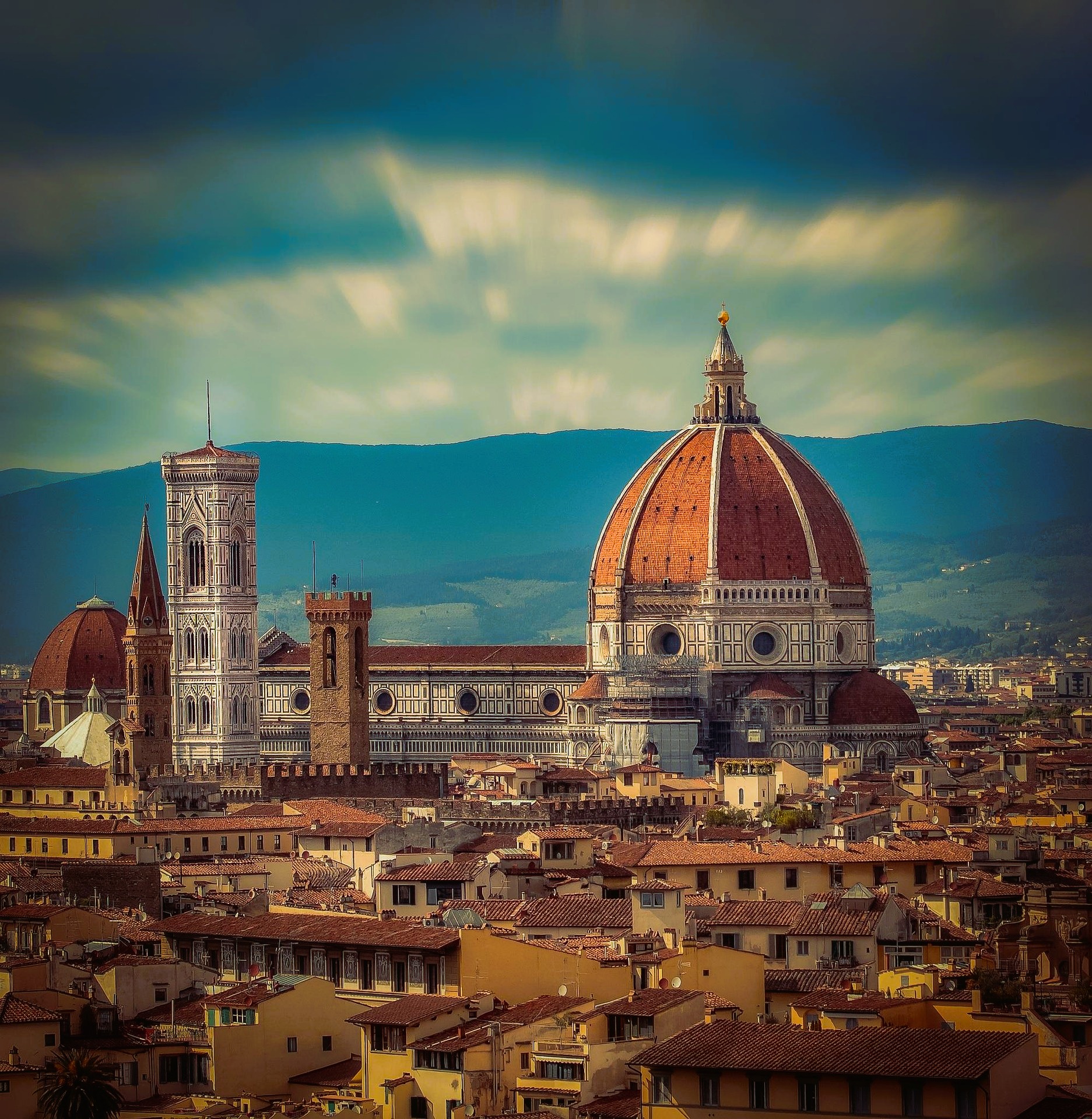
    Piazzale Michelangelo offers the most comprehensive visual summary of the city, where the skyline’s geometry defined by the Duomo, Giotto’s Campanile, and the Palazzo Vecchio becomes a single, coherent composition. While many consider this a standard tourist stop, the observant traveler uses the vantage point to understand the strategic geography that allowed Florence to flourish within the Arno Valley. The walk up through the Rose Garden provides a much more serene ascent than the crowded bus route, offering several shaded benches where you can pause to admire the sculptural installations against the backdrop of the red-tiled roofs. To experience the site without the overwhelming noise of the souvenir stalls, continue walking five minutes further uphill to the Romanesque church of San Miniato al Monte, where the monks often perform Gregorian chants at dusk. This elevated sanctuary provides a more spiritual and unhurried conclusion to the day while the same golden light illuminates the valley below.

    A 3-Day Strategic Itinerary

    To maximize your time in Florence without the exhaustion of a high-speed itinerary, group your visits by the natural divisions of the city’s historic center. Devote your first day to the religious and political core within the San Giovanni and San Marco neighborhoods, starting early at the Duomo Complex and concluding with the Accademia. This allows you to witness the city’s monumental scale before the narrow stone streets become congested. On the second day, shift your focus to the art-dense corridors of the Uffizi and the imposing history of Palazzo Vecchio near the Piazza della Signoria, where the proximity of these power centers minimizes walking time and maximizes your absorption of the Medici legacy. Reserve your final day for the Santa Croce district and a scenic cross-Arno trek to the Oltrarno. The ascent to Piazzale Michelangelo serves as a reflective finale, providing a rhythmic transition from the dense urban stone to the airy, olive-dotted hillsides that frame the Florentine horizon.

    The Unhurried Mindset

    The unspoken rule of enjoying Florence is to acknowledge that you cannot see everything in a single visit, nor should you try. The city’s true character reveals itself not in the queue for a museum, but in the deliberate pauses between them. A soulful experience here requires you to trade the digital map for a slow, observant walk through the Oltrarno’s artisan workshops, where the sound of a chisel hitting stone remains the city’s most authentic soundtrack. Proper travel in this Renaissance capital is measured by the depth of your attention, not the number of monuments you check off a list.

  • My Unhurried Days in Rome

    The first thing I notice is the sound the uneven rhythm of footsteps on cobblestones, the distant hum of a Vespa, and the sudden silence when I step into a shaded courtyard. Rome is not a city to rush; it asks me to pause, to breathe, to listen.
    I move slowly, letting the smell of roasted coffee and fresh bread drift past me, lingering in narrow alleys where the afternoon light paints walls in warm ochre. My pace is deliberate, because here, every stone and shadow carries centuries of memory.
    Rome rewards patience. The longer I stay, the more I see how time folds into itself ancient columns beside modern chatter, fountains that still sing, and evenings where the air feels heavy with history. To travel slowly here is to let the city reveal itself layer by layer, not as a checklist, but as a living story.

    Colosseum

    Standing before the Colosseum, I feel the weight of centuries pressing against the silence. The stone is rough beneath my fingertips, scarred by time yet still monumental. The air carries a faint metallic tang, as if history itself lingers in the dust. I hear the echo of footsteps tourists, guides, and my own yet the vastness swallows sound, leaving only a hushed reverence. The arches frame slices of sky, pale blue in the morning, fiery orange at dusk. I imagine the roar of crowds, the clash of steel, but what I truly sense is absence: the quiet after spectacle, the endurance of stone beyond human drama.

    Unhurried Tip: Visit at sunrise when the air is cool and the crowds have not yet arrived.

    Roman Forum

    The Forum feels like a whispering archive. Columns rise like broken teeth, marble worn smooth by centuries of touch. The scent of wild thyme drifts from patches of grass, mingling with the earthy smell of stone warmed by the sun. My footsteps crunch softly on gravel paths, and I hear birdsong weaving through the ruins. The air is heavy with memory political debates, triumphal processions, ordinary lives folded into history. Light shifts constantly, illuminating fragments: a carved relief here, a shadowed arch there. It is not grandeur that moves me, but fragility the way time erodes power into silence.

    Unhurried Tip: Enter late afternoon when the sun softens and the ruins glow with amber light.

    Pantheon

    Inside the Pantheon, the air feels cool, almost sacred. The vast dome curves above me, its geometry precise yet softened by centuries. The oculus is a living eye, letting in a shaft of light that shifts with the hours. Dust motes dance in the beam, like tiny galaxies suspended in air. The marble floor is smooth beneath my steps, echoing faintly with each movement. I smell incense lingering from a recent service, mingling with the faint mineral scent of stone. The silence here is profound, broken only by whispers and the occasional shuffle of feet. I tilt my head back, and the dome seems endless, a reminder of human ambition and divine mystery.

    Unhurried Tip: Arrive mid-morning when the sunlight enters at a sharp angle, creating dramatic contrasts inside.

    Piazza Navona

    Piazza Navona is alive with texture and rhythm. The cobblestones are uneven beneath my feet, polished by centuries of footsteps. The scent of roasting chestnuts drifts from a vendor’s cart, mingling with the sharper aroma of espresso from nearby cafés. I hear laughter, the scrape of chairs, the splash of water from Bernini’s fountains. Light pools in golden circles beneath streetlamps, while shadows stretch long across the square. Painters set up easels, their brushes whispering against canvas, capturing fleeting impressions of the evening. The square feels timeless, yet intimate grand architecture framing everyday life.

    Unhurried Tip: Visit at dusk when the square glows with lamplight and the crowds soften into gentle murmurs.

    Trevi Fountain

    The Trevi Fountain is a symphony of sound and light. Water cascades with a constant roar, filling the air with cool mist that clings to my skin. The stone glows under artificial light, baroque figures seeming almost alive in their movement. I smell damp stone and faint traces of perfume from passersby. Coins glint beneath the surface, tiny wishes suspended in water. The crowd murmurs, but the fountain’s voice dominates, a steady rhythm that feels eternal. Shadows ripple across the sculptures, and I find myself mesmerized by the interplay of water and stone, motion and stillness.

    Unhurried Tip: Arrive late at night when the crowds thin and the fountain’s roar becomes a private lullaby.

    St. Peter’s Basilica

    Stepping into St. Peter’s Basilica, I am enveloped by silence that feels alive. The marble floor is cool beneath my feet, polished by centuries of pilgrims. The scent of incense lingers faintly, mingling with the mineral tang of stone. Light filters through high windows, cascading in shafts that illuminate gilded details and shadowed corners. The dome rises above me, vast and intricate, its geometry both precise and overwhelming. I hear the soft murmur of prayers, the shuffle of footsteps, and the occasional echo of a choir rehearsing in the distance. The basilica is not just monumental it is intimate in its ability to make me feel small, yet connected to something enduring.

    Unhurried Tip: Arrive early morning before the square fills, when the basilica feels contemplative rather than crowded.

    Castel Sant’Angelo

    Castel Sant’Angelo feels like a guardian of Rome. Its circular walls rise heavy and solid, the stone carrying the scent of damp river air. As I walk across the bridge, statues of angels flank my path, their wings catching the fading light. The fortress hums with history once a mausoleum, later a papal refuge, now a silent monument. Inside, corridors echo with my footsteps, cool air brushing against my skin. I hear faint murmurs from other visitors, but mostly, it is the sound of my own breath in the stillness. From the terrace, the city stretches out, rooftops glowing in the evening sun, the dome of St. Peter’s shimmering in the distance. The river below carries a soft, steady rhythm, its scent earthy and metallic.

    Unhurried Tip: Visit at sunset when the fortress glows and the city unfolds in golden light.

    Campo de’ Fiori

    Campo de’ Fiori greets me with scents before sights: fresh basil, ripe tomatoes, citrus peel, and the faint sweetness of flowers. The square hums with voices vendors calling out, baskets shifting, laughter spilling across cobblestones. My footsteps crunch softly against the uneven stones, and I pause to watch sunlight glint off glass bottles of olive oil. The statue of Giordano Bruno stands solemn in the center, shadowed yet steady, a reminder of Rome’s layered past. The square feels alive, not monumental but intimate, a daily rhythm of trade and conversation. I hear the rustle of paper bags, the clink of coins, and the splash of water as vendors rinse produce.

    Unhurried Tip: Arrive in the morning when the market is fresh, and the square hums with local life.

    Capitoline Hill

    Capitoline Hill feels like a stage set for reflection. The square, designed by Michelangelo, unfolds with geometric precision, its pavement patterned like a star. Statues of emperors and gods stand solemn, their stone faces softened by centuries. The air carries a faint scent of pine from nearby gardens, mingling with the mineral tang of stone warmed by the sun. My footsteps echo lightly, and I hear the distant hum of traffic below, muted by height. From the terrace, the Forum stretches out, ruins glowing in afternoon light, while the city hums beyond. The hill feels elevated not just physically, but emotionally a place where Rome’s grandeur is framed by perspective.

    Unhurried Tip: Visit in late afternoon when shadows lengthen and the view of the Forum glows with amber light.

    Trastevere

    Trastevere is a labyrinth of intimacy. Narrow alleys twist and turn, cobblestones uneven beneath my feet. The scent of wood-fired pizza drifts from trattorias, mingling with the sweetness of jasmine climbing stone walls. Lanterns glow softly, casting golden pools of light that ripple across ivy-draped façades. I hear laughter spilling from open windows, the clink of glasses, and the quiet rhythm of footsteps echoing in the alleys. The neighborhood feels timeless, yet alive ancient walls holding modern voices. The air is warm, carrying traces of smoke and perfume, and I pause often just to breathe it in.

    Unhurried Tip: Explore after dusk when lanterns glow and the alleys feel both intimate and timeless.

    My Closing Thought

    I believe Rome rewards those who walk slowly, who pause at fountains, who listen to silence in basilicas, and who savor figs in a market square. Begin your thoughtful journey not with a checklist, but with patience. Let Rome reveal itself to you, one shadow, one scent, one heartbeat at a time.