
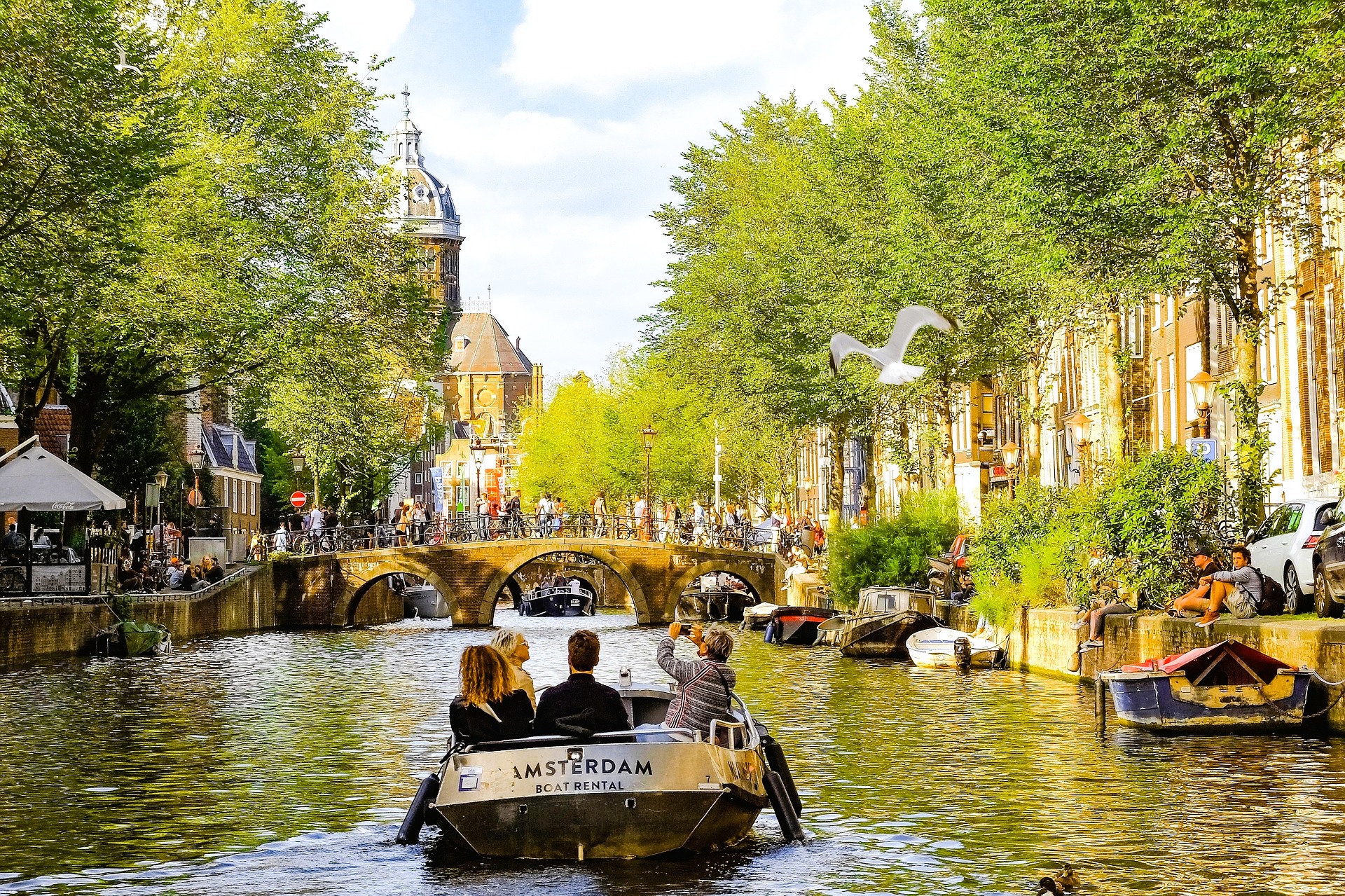
Many travelers treat Amsterdam as a frantic checklist, sprinting between major galleries while dodging bike traffic in a crowded daze. This high velocity approach inevitably leads to museum fatigue and a superficial connection to the city’s complex history. The error lies in poor timing and a failure to account for the logistical friction of the central canal belt. This guide solves that by applying a deliberate, unhurried filter to the best things to do in Amsterdam. We focus on high utility landmarks where the architectural detail and historical weight reward patient observation rather than a quick selfie. By prioritizing these six selections, you bypass the standard tourist churn and experience a version of the city that is intentional, quiet, and profoundly Dutch.
Rijksmuseum – Masterpieces of the Dutch Golden Age and Historical Grandeur
The Rijksmuseum functions as the definitive repository of Dutch identity, housing eight centuries of art and history within its neo Gothic walls. For the thoughtful traveler, this is not merely a gallery but a chronological study of the Dutch Golden Age, where the interplay of light and shadow in Rembrandts works reflects the nations 17th century prosperity. The scale of the collection can be overwhelming, yet the architectural layout encourages a rhythmic progression through the eras of Dutch mastery. To maintain an unhurried pace and avoid the dense clusters that form around the major masterpieces, aim to enter through the secondary entrance at the Petrus Cuypers annex precisely at nine in the morning when the building first opens. This strategic entry allows for a quiet contemplation of the Gallery of Honour before the mid day surge of tour groups disrupts the intended atmospheric stillness of the Great Hall.
Anne Frank House – Reflections on WWII History and Human Resilience
The Anne Frank House serves as a somber, essential meditation on human resilience and the devastating consequences of systemic exclusion. Walking through the concealed doorway behind the movable bookcase, travelers encounter the physical constraints of the Secret Annex, a space that remains largely preserved in its wartime state. It is a site that demands emotional presence and silent reflection, qualities often lost in the standard tourist cycle of the surrounding Jordaan district. Because tickets are released in specific weekly batches and vanish instantly, the most logical strategy for the modern traveler is to secure a Tuesday evening slot during the extended opening hours. Visiting after six in the evening ensures a more somber and less hurried environment, allowing the weight of the personal journals and the claustrophobic reality of the attic to resonate without the pressure of an encroaching crowd constantly moving you forward through the narrow corridors.
Van Gogh Museum – A Chronological Study of Post Impressionist Artistry
The Van Gogh Museum offers a profound psychological journey through the evolution of history’s most influential artist, housing the largest collection of his paintings and letters. Rather than focusing solely on iconic works, the thoughtful traveler should observe the chronological shifts in color palette and brushwork that mirror Van Goghs shifting mental states and artistic convictions. This focused observation reveals the labor behind the genius, transitioning from the dark tones of his early Dutch period to the vivid, frantic energy of his final years in France. To escape the midday peak and the resulting visual noise, plan your visit for a Friday evening when the museum remains open late and often features specific programming. This late night window provides a more contemplative atmosphere to appreciate the textured impasto of the canvases while the surrounding Museumplein settles into a quieter, more local rhythm after the primary day trip crowds have departed.
Ons’ Lieve Heer op Solder – A Hidden Glimpse of Clandestine Religious History
Ons’ Lieve Heer op Solder, or Our Lord in the Attic, represents the most authentic preservation of Amsterdam’s 17th century interior life and religious tolerance. While the city’s exterior is dominated by grand facades, this site reveals a clandestine Catholic church hidden within the upper floors of a seemingly ordinary canal house. The thoughtful traveler experiences a striking architectural contrast, moving from narrow, domestic living quarters into a surprisingly expansive, vaulted sanctuary. This transition serves as a physical manifestation of the Dutch concept of gedogen, or pragmatic tolerance, where private belief was permitted provided it remained invisible from the street. To truly appreciate the atmosphere, look closely at the delicate marbled wood finishes and the original pipe organ during the first hour of opening. After your visit, take a short three minute walk to the Oude Kerk square for a quiet coffee, bypassing the more chaotic tourist traps of the nearby Red Light District.
Begijnhof – A Sanctuary of Medieval Architecture and Tranquil Seclusion
The Begijnhof offers a rare, spatial shift from the commercial density of the Kalverstraat into a silent courtyard that dates back to the 14th century. Originally a lay sisterhood for women who took no monastic vows, the enclosure retains an aura of dignified seclusion that is increasingly difficult to find in the city center. The experience here is one of architectural continuity; the site contains one of the only two remaining wooden houses in Amsterdam, showcasing the medieval structural techniques that preceded the ubiquitous brick. For the strategic visitor, the value lies in the sudden drop in decibels and the opportunity to observe the traditional gabled houses without the distraction of modern traffic. To avoid the peak hour congestion at the main Spui entrance, look for the smaller, more discreet wooden door on the northern side of the square which offers a much quieter and more reflective entry point into the historic garden.
Royal Palace Amsterdam – Civic Grandeur and the Majesty of the Dam Square
The Royal Palace stands as a monumental testament to Amsterdam’s peak as a global commercial powerhouse, originally built as a town hall that was meant to be the eighth wonder of the world. For the observant traveler, the interior offers a masterclass in Classical Baroque architecture, with vast marble floors and intricate sculptures that narrate the city’s dominance over the seas. The Citizens’ Hall is the centerpiece of this experience, where the inlaid maps of the eastern and western hemispheres underfoot remind visitors of the historical reach of Dutch influence. To maximize the utility of your visit, always check the official palace calendar before arriving, as the building is still used for state functions and can close to the public on short notice. If the main square is congested, entering through the side entrance on Paleisstraat often results in a faster security check, allowing more time to study the intricate Atlas statue that crowns the rear facade.
A 3 Day Strategic Itinerary
To maximize your experience in Amsterdam, organize your movements by neighborhood to minimize transit friction and respect the city’s walking rhythm. Devote your first day to the Museumplein, where the proximity of the Rijksmuseum and the Van Gogh Museum allows for a deep dive into Dutch artistry without leaving the southern canal belt. On the second day, shift your focus to the historic center and the Jordaan. Begin with the emotional weight of the Anne Frank House before transitioning to the quietude of the Begijnhof and the civic grandeur of the Royal Palace on Dam Square. Conclude your third day by exploring the hidden layers of the Oude Zijde district, centered around the clandestine history of Ons’ Lieve Heer op Solder. This geographical grouping ensures you spend less time navigating crowded thoroughfares and more time observing the architectural nuances that define the city’s enduring character.
The Unhurried Mindset
The unspoken rule for enjoying Amsterdam properly is to yield to the bicycle. This is not merely a traffic suggestion but a fundamental respect for the local pace of life. To truly capture the city’s soul, set aside the digital map for one hour at dusk and allow the concentric canals to guide your direction. The most authentic slow travel experience is found in the “brown cafes” of the Western Canal Ring, where the dim lighting and weathered wood provide a necessary counterweight to the polished museums. Here, the goal is not to arrive, but to simply exist within the city’s historic proportions.