Tag: germany

  • The Spirit of the Elbe: 4 Essential Culinary Experiences

    The Spirit of the Elbe: 4 Essential Culinary Experiences

    Hamburg eats according to the tides and the North Sea wind. The morning belongs to the fish markets where the early catch dictates the menu. Locals skip the heavy hotel breakfasts for a quick pastry grabbed at a corner bakery. Lunch is often a functional, hot meal in the Kontorhaus district, while dinner slows down in the neighborhood taverns of St. Pauli or Ottensen. A common mistake is seeking a quiet dinner late on a Sunday when many traditional kitchens close early. Visitors also tend to overlook the specific etiquette of the fish roll; it is a standing snack, not a sit down meal. Respecting the harbor’s pace means eating when the work is done, usually accompanied by a sharp, cold pilsner.

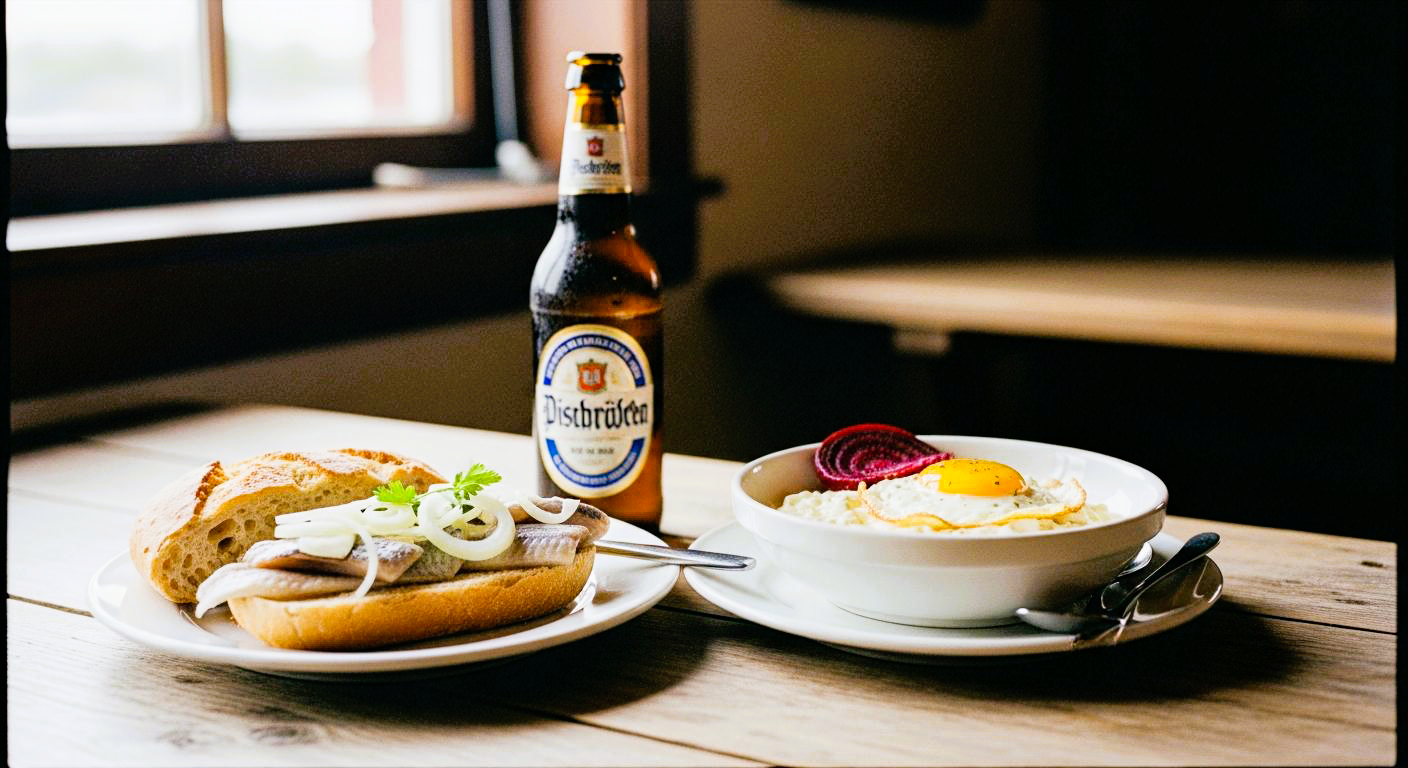
    The essential journey through the city’s flavor includes a pickled herring Fischbrötchen at the harbor, a hearty plate of salted beef Labskaus, a buttery cinnamon sugar Franzbrötchen, and a bowl of Finkenwerder Scholle pan fried with speck.

    Fischbrötchen – The Harbor’s Essential Handshake

    Standing on the Landungsbrücken pontoons, where the air smells of diesel and brine, the Fischbrötchen is the immediate culinary answer. It is not complicated; a crunchy white roll holds cold, firm Bismarck herring, crisp raw onions, and sometimes a mild remoulade. The contrast is sharp the biting acidity of the pickle against the soft interior of the bread and the oily richness of the fish. You eat it standing up, facing the Elbe, watching container ships maneuver. It is a working snack for a working port, eaten quickly between tasks. For the best texture, avoid pre made ones sitting under heat lamps and always ask for one made fresh; the bread must crackle against the cold fish. The experience is quick, elemental, and entirely defined by the proximity to the cold North Sea water.

    Labskaus – History on a Plate of Red

    Labskaus is a challenging dish visually, a bright magenta mash born from long sea voyages where fresh food was scarce. It is a rough mixture of salted beef, potatoes, and beetroot, ground together into a thick paste. The taste is deeply savory, earthy from the beets, and intensely salty. Traditionally, it arrives topped with a fried egg and accompanied by a rolled sour herring and a gherkin on the side. These acidic elements are necessary to cut through the dense richness of the mash. You will find it in traditional Gaststätten with dark wood paneling and maritime memorabilia. While it looks intimidating, the flavor is comforting and robust. It is a heavy meal, so plan for a long walk along the Alster afterward rather than a productive afternoon.

    Franzbrötchen – The Morning Sweet Specific to Hamburg

    This flattened pastry is Hamburg’s answer to the croissant, but denser and heavily spiced. A Franzbrötchen is made from laminated dough, similar to Danish pastry, filled with butter and cinnamon sugar, then pressed flat before baking. The result is a caramelized, sticky exterior that gives way to soft, buttery layers inside. The cinnamon flavor is dominant, bordering on aggressive, and the sweetness is substantial. Locals grab them from neighborhood bakeries in the morning to pair with strong black coffee. The texture varies significantly depending on the bakery; some are flaky, while others are doughy and almost wet with butter. Look for the darkest ones in the display case, as the nearly burnt edges carry the best caramelized flavor. It is a messy, satisfying start to a gray Hamburg day.

    Finkenwerder Scholle – The North Sea Fried in Bacon Fat

    Named after a former fishing village across the Elbe, this dish is the definitive way Hamburg prepares plaice. The flatfish is whole, delicate, and mild, but its preparation is robust. It is pan fried, traditionally in lard or butter, and generously covered with cubes of fatty speck (bacon) and North Sea shrimp. The skin crisps up, absorbing the smoky rendered fat from the bacon, while the white flesh underneath remains moist. It is usually served with potatoes piled high on the plate. The flavor profile is salt on salt, fat on fat, balanced only by the sweetness of the fresh fish. Because plaice is best eaten fresh, order this only when it is in season during the warmer months for the sweetest flesh. It requires patience to navigate the bones, a necessary ritual of the meal.

    Following the Current from Dawn to Dusk

    The route begins at the water’s edge in the early morning light where the Fischbrötchen provides a sharp, salty awakening. Moving from the Landungsbrücken towards the city center, a stop at a neighborhood bakery for a Franzbrötchen offers a necessary sugar transition before the day’s heavier commitments. Midday requires the grounding presence of Labskaus in a traditional Altstadt tavern, providing a dense, savory anchor that reflects the city’s maritime history. The journey concludes back toward the harbor or the Finkenwerder district for a dinner of Finkenwerder Scholle. This sequence respects the city’s geographic flow from the working docks to the merchant houses and back to the fishing heritage. It balances the bracing acidity of the morning with the rich, fatty textures of the evening, mirroring the transition from a brisk harbor breeze to the warmth of a wood paneled dining room.

    The Silence of the Standing Table

    In Hamburg, the most authentic interactions happen at the Stehtisch or standing table. This is the city’s true social equalizer found at harbor stalls and corner delis. Local etiquette favors a brisk, functional approach to eating rather than a long, performative sit down. When you approach a crowded standing table, a brief nod to those already there is the only required introduction. Do not linger once the meal is finished; the space is meant for the next person coming in from the cold. Efficiency and a lack of fuss are the primary markers of a local. Engaging in loud, intrusive conversation is considered a breach of the unspoken harbor code. Respect the brisk pace of the port by eating with focus and moving on when the task is done, leaving the space as clean as you found it.

    A City Defined by Salt and Steel

    Hamburg does not negotiate with its culinary identity. It remains a city rooted in the practicalities of the North Sea, where preservation, salt, and animal fat are the historical pillars of the kitchen. The food here is a reflection of endurance and trade, favoring the honest weight of a potato mash or the precise crispness of a fried fish skin over modern culinary trends. This is a landscape for the diner who appreciates consistency and the rugged charm of a cuisine that has changed little since the height of the Hanseatic League. To eat in Hamburg is to participate in a ritual of northern resilience, where every dish is a direct response to the cold wind and the gray water of the Elbe. It is a heavy, unapologetic, and deeply satisfying culinary heritage that rewards those who value substance over style.
  • The Artistic Rhythm of Hamburg: A Strategic Cultural Guide

    The Artistic Rhythm of Hamburg: A Strategic Cultural Guide

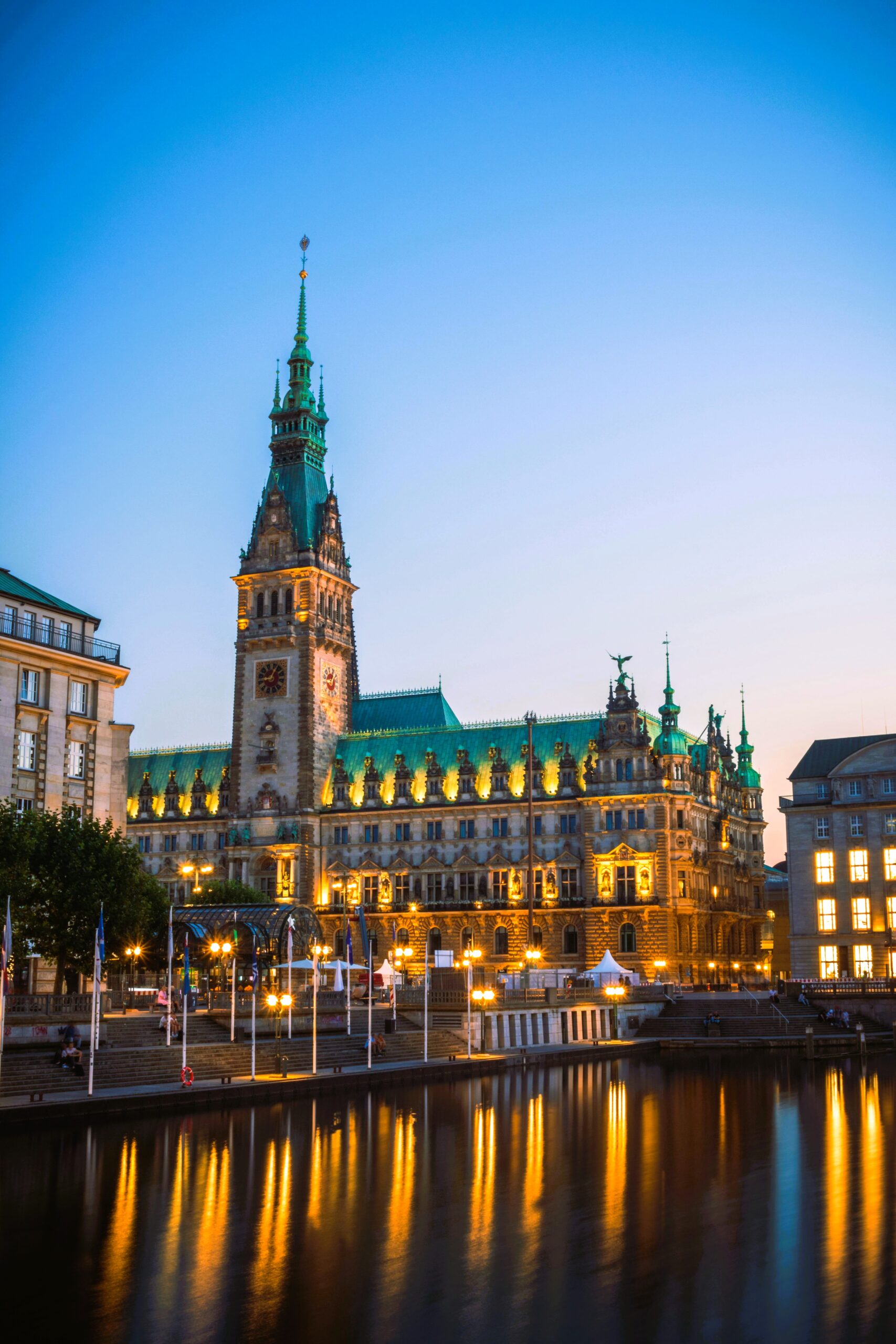
    Hamburg operates on a frequency where industrial grit meets high-concept elegance, creating a landscape that demands a curated approach. To navigate this metropolis effectively, one must look beyond the harbor fog to find a city defined by its sonic history and visual daring. This Hamburg cultural itinerary serves as your navigational compass, tracing the lineage of the Elbe from the neo-Gothic brickwork of Speicherstadt to the contemporary glass waves of the Elbphilharmonie. It is a city of dualities, where the legacy of the Hanseatic League informs a modern, restless creative spirit. By engaging with these curated touchpoints, you witness how Hamburg’s maritime heritage provides the structural bones for its most progressive artistic movements.

    Glass Waves and Historic Resonance

    Hamburg’s sonic identity is built upon a dialogue between tradition and radical innovation, best experienced through its two premier concert halls spanning different eras. The Laeiszhalle offers a warm, neo-Baroque embrace for the classical canon, while the Herzog & de Meuron-designed Elbphilharmonie stands as a crystalline monument to acoustic experimentation perched atop an old brick warehouse. Engaging with the Elbphilharmonie requires strategy, as its visual dominance is matched by the high demand for its performances. To fully appreciate the architectural feat without the pressure of securing a main hall ticket, we recommend visiting the Plaza the public viewing platform sandwiched between the brick base and the glass structure during sunset for an unparalleled auditory and visual panorama of the harbor at work.

    A Linear Odyssey Through Visual Thought

    The Kunstmeile, or Art Mile, is not merely a geographical convenience near the central station, but a curated timeline of European visual culture. The journey begins firmly in the past at the Hamburger Kunsthalle, where northern German medieval masters give way to Caspar David Friedrich’s iconic romantic landscapes, grounding the viewer in regional history. Yet, just a short walk connects this weight of tradition to the Deichtorhallen, converted market halls that now house cutting-edge contemporary photography and abstract installations. Mastering this axis requires pacing, so rather than attempting both monumental institutions in a single sweep, align your visit with the Kunsthalle’s late-night Thursday openings to experience the collections with more breathing room and a distinctively contemplative atmosphere.

    The Gothic Cathedrals of Commerce

    The Speicherstadt stands as a testament to Hamburg’s massive Hanseatic ambition, a UNESCO World Heritage site where utilitarian storage was rendered with almost ecclesiastical reverence in the late 19th century. These neo-Gothic brick canyons, built upon oak piles driven deep into the riverbed, once held coffee, spices, and carpets from across the globe, forming the economic engine of the free city. Today, they offer a melancholic, textured atmosphere that defines Hamburg’s aesthetic profile. While the district is visually striking at any hour, the true architectural drama is revealed when the tide is high, allowing the water of the canals to mirror the intricate facades flawlessly. We advise timing your walk to coincide with twilight, when the electric illumination of the bridges casts deep shadows and highlights the sheer scale of this industrial monument.

    Anarchy and Aesthetics in the Schanze

    Far removed from the polished marble of the Kunsthalle is the Sternschanze, a district where Hamburg’s creative pulse beats with a raw, defiant energy. Formerly a working-class bastion, the area has successfully resisted total gentrification, maintaining a fiercely independent spirit visible in its densely layered street art and cooperative commercial spaces. It is a living, breathing gallery where political statements blur into aerosol murals on every available surface. To understand the current trajectory of Hamburg’s subcultures, one must navigate away from the main thoroughfare of Schulterblatt and explore the smaller side streets housing vinyl shops and design collectives, where the authentic, uncurated voice of the neighborhood remains loudest.

    Rhythmic Pauses in a Vertical City

    Hamburg is a city of vast distances and sharp maritime winds, which can lead to rapid cultural exhaustion if one attempts to conquer it on foot alone. The secret to a sustained engagement lies in embracing the rhythmic transitions between its districts. Rather than viewing the transit system as a mere utility, utilize the city’s extensive ferry network specifically the Line 62 from Landungsbrücken as a floating sanctuary. These public vessels offer a momentary reprieve from the pavement, allowing the architecture of the harbor to slide past at a meditative pace. By alternating intense gallery visits with these aquatic intervals, you preserve the mental clarity necessary to appreciate the finer details of the Hanseatic landscape. It is this balance of kinetic exploration and stillness on the water that transforms a frantic itinerary into a meaningful, rhythmic dialogue with the city’s industrial and artistic heart.

    The Texture of Resilient Brick

    To truly see Hamburg, one must look at the way its red brick absorbs the North Sea light. Unlike the reflective glass of modern skyscrapers, these porous surfaces hold onto the city’s history, showing the soot of industrialization and the salt of the harbor. Observe the subtle shifts in masonry where the old meets the reconstructed, treating the buildings as a manuscript of resilience. Deep understanding of this city comes from touching these cold, rough surfaces in the Speicherstadt or the Kontorhaus district, recognizing that the aesthetic beauty is inseparable from the functional, hardworking identity that built it.

    A Harbor of Perpetual Motion

    Hamburg does not offer the static, preserved beauty of a museum city; it provides the raw, unceasing energy of a port that never sleeps. It is a place where the grandeur of its merchant past is constantly being reinterpreted by the urgency of its creative present. Leaving the city, one carries a sense of its structural weight and its fluid, restless spirit a combination that ensures its cultural relevance remains as deep as its harbor. The rhythm of the Elbe continues regardless of the viewer, making every return to its banks a new encounter with a city that is perpetually becoming itself.

  • 6 Best Things to Do in Munich: A Strategic Guide for the Thoughtful Traveler

    6 Best Things to Do in Munich: A Strategic Guide for the Thoughtful Traveler

    Travelers often treat Munich as a checklist, sprinting between the Glockenspiel and the Hofbräuhaus only to find themselves trapped in bottlenecks of tour groups. This high-speed approach misses the city’s actual rhythm the Gemütlichkeit found in the spaces between the landmarks. To truly see the city, you must reverse the standard itinerary. By prioritizing off-peak entry to the Royal Residenz and utilizing the city’s green spaces during the mid-day rush, you bypass the friction. This guide identifies the best things to do in Munich using a curated, unhurried strategy that favors depth over a frantic pursuit of photo ops. You will trade the stress of the crowds for the quiet observation of Bavarian craftsmanship and open-air culture.

    Marienplatz – The historic ground-zero of Bavarian civic life

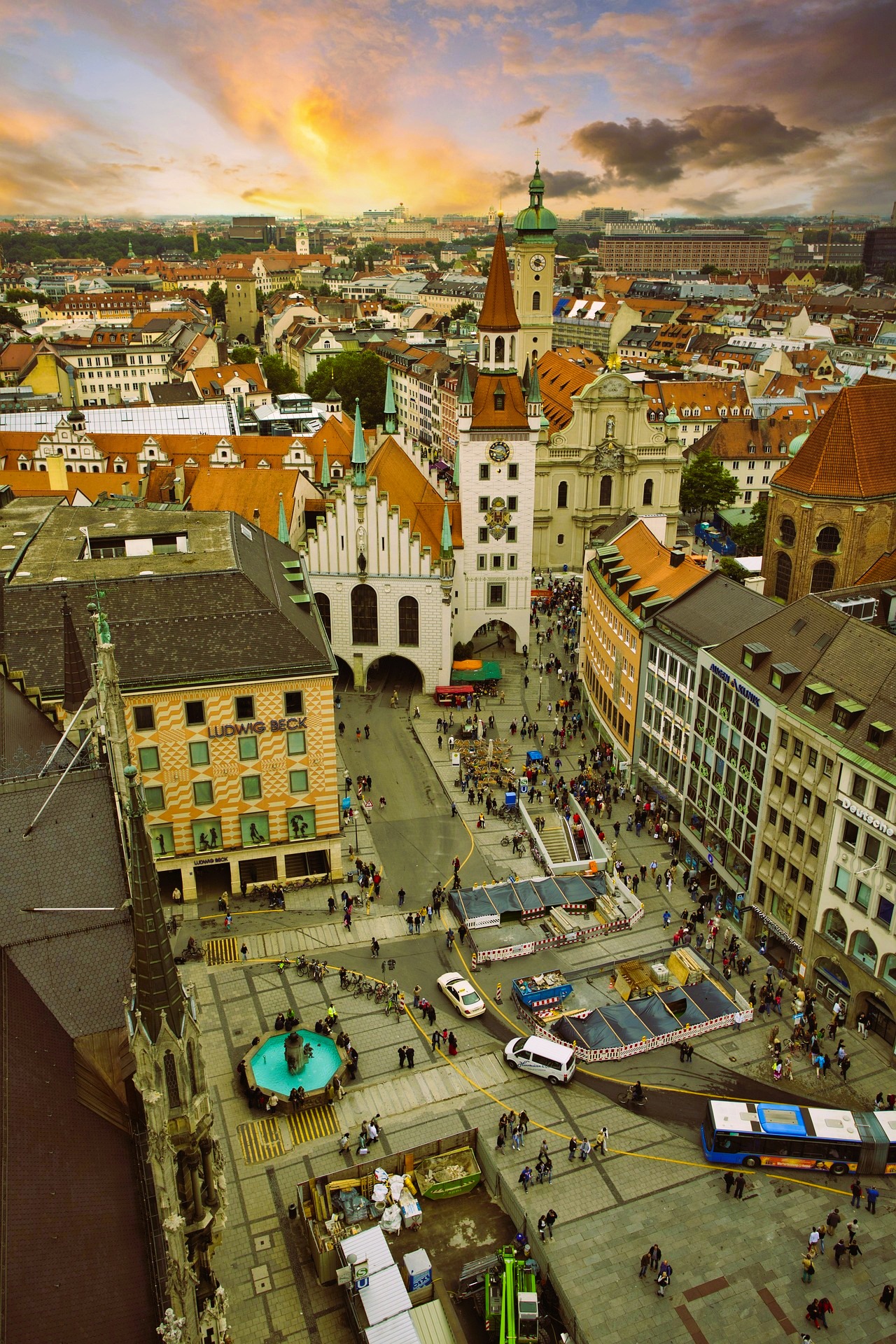
    Marienplatz has functioned as the primary pivot point of Munich since the city’s founding in 1158, serving as a silent witness to the evolution from a medieval market to a modern metropolitan center. The square is anchored by the Neo-Gothic New Town Hall, whose facade dominates the space with an intricate display of stone carvings that reflect the civic pride of the late nineteenth century. For the thoughtful traveler, the square offers more than just a photo of the Glockenspiel; it represents the historical layer-cake of Bavaria, where the golden Mariensäule column commemorates survival through the Thirty Years’ War. To observe the square without the overwhelming pressure of the mid-day tour groups, aim to arrive before nine in the morning when the local commuters are the only ones crossing the cobbles and the light hits the Old Town Hall at a low, dramatic angle that highlights its Gothic simplicity.

    Munich Residenz – A dense masterclass in European royal aesthetics

    The Munich Residenz stands as the largest city palace in Germany, acting as an expansive architectural record of the Wittelsbach dynasty’s influence from the fourteenth century until 1918. Walking through its 130 rooms provides a physical timeline of European design, transitioning from the vaulted Renaissance Antiquarium to the explosive gold leaf of the Rococo Rich Rooms. This site matters to the modern traveler because it showcases how power was curated and projected through domestic space, evolving from a defensive fortress into a sprawling cultural monument. The scale can be disorienting, so a strategic visitor should prioritize the Treasury early in the day to view the Bavarian crown jewels before the interior humidity and noise levels rise. To ensure you do not miss the hidden jewel-box of the Cuvilliés Theatre, remember that it often requires a separate ticket and has its own distinct entrance tucked away near the Fountain Courtyard.

    Englischer Garten – The intersection of landscape art and urban recreation

    Spanning more than nine hundred acres, the Englischer Garten is a masterclass in eighteenth-century landscape architecture that rejects the rigid symmetry of French gardens in favor of a naturalistic, rolling aesthetic. It provides a crucial social lung for the city, where the rigorous discipline of German industry softens into a relaxed outdoor culture of beer gardens and sunbathing. The park’s most striking modern feature is the Eisbachwelle, a standing wave where wetsuit-clad surfers navigate an urban current regardless of the season, illustrating Munich’s unexpected subcultures. While most visitors gravitate toward the crowded Chinese Tower for a liter of beer, the thoughtful traveler should continue walking north toward the Kleinhesseloher See where the Seehaus beer garden offers a far more peaceful experience overlooking the water. This northward movement allows for a deeper appreciation of the park’s transition from manicured urban paths into the wilder, wooded stretches of the Isar floodplains.

    Viktualienmarkt – An sensory anchor for Bavarian culinary tradition

    Viktualienmarkt serves as the gastronomic soul of the city, transitioning from a humble farmers’ market into a sprawling open-air theater of regional flavors and artisanal crafts. For the strategic traveler, this is where the city’s rigorous order yields to the tactile pleasures of seasonal white asparagus, alpine cheeses, and freshly pressed juices. It offers a rare opportunity to witness the daily intersection of high-end gastronomy and local routine, all beneath the shade of the central maypole. To truly grasp the local lifestyle, bypass the crowded main aisles and look for the Caspar Plautz potato stall, where you can sample elevated takes on the humble tuber away from the heaviest tourist flow. Early morning visits allow you to watch the vendors assemble their displays with surgical precision before the lunch rush consumes the communal seating areas of the central beer garden.

    Alte Pinakothek – A curated survey of the European Old Masters

    Alte Pinakothek – A curated survey of the European Old Masters

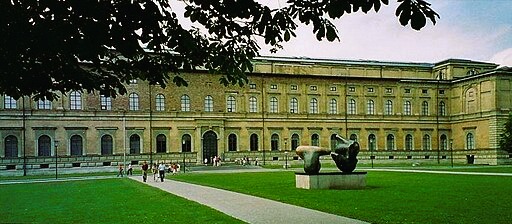
    The Alte Pinakothek offers one of the most significant collections of European paintings in existence, housed within a Neoclassical structure that was revolutionary for its time. For the thoughtful observer, the experience is less about checking off famous names and more about tracing the intellectual evolution of the Renaissance and Baroque periods through the works of Rubens, Dürer, and Da Vinci. The massive proportions of the galleries are designed to allow the art to breathe, creating a contemplative atmosphere that stands in stark contrast to the kinetic energy of the surrounding Maxvorstadt district. If you find the vastness of the Flemish galleries overwhelming, focus your attention on the intricate details of Altdorfer’s Battle of Alexander, which contains thousands of miniature figures. A specific financial strategy for the art-focused traveler is to plan your visit for a Sunday, when the admission fee drops to a single Euro, making it the most cost-effective cultural experience in the city.

    Nymphenburg Palace – The expansive grandeur of a summer retreat

    Nymphenburg Palace represents the Wittelsbachs’ desire to escape the urban constraints of the Residenz, offering a sprawling Baroque complex that harmonizes architecture with water and woodland. This site is essential for understanding the sheer scale of Bavarian royal ambition, particularly as you walk through the Great Hall with its ceiling frescoes that seem to dissolve into the sky. The surrounding park serves as a quieter alternative to the city center, featuring hidden pavilions like the Amalienburg, which contains some of the world’s finest Rococo interiors. To maximize your time, avoid the lengthy walk from the main canal and instead use the tram line 17 which drops you almost directly at the palace gates, allowing you more energy to explore the further reaches of the gardens. Keep a sharp eye out for the resident swans near the iron pumps, which have been part of the palace’s living aesthetic for generations.

    A 3-Day Strategic Itinerary

    To maximize your time in Munich, organize your visit by geographical clusters to minimize transit friction. Devote your first day to the Altstadt district, beginning at Marienplatz for the morning light before moving to the nearby Munich Residenz and concluding with a late lunch at the Viktualienmarkt. This keeps your movements within a tight, walkable radius. On the second day, shift your focus north to the Maxvorstadt neighborhood, known as the museum quarter. Spend your morning at the Alte Pinakothek and transition into the adjacent Englischer Garten for a mid-afternoon decompression by the water. Reserve your third day for the western edge of the city to explore the expansive grounds of Nymphenburg Palace. This sequence balances the dense historical architecture of the center with the airy, expansive landscapes of the outer districts, ensuring a rhythm that feels purposeful rather than exhausted.

    The Unhurried Mindset

    The unspoken rule of Munich is that productivity must eventually yield to presence. While the city functions with high-precision engineering, its social fabric is held together by the concept of Stehenbleiben the act of simply stopping. To enjoy the city properly, you must accept that the best moments occur when you are not technically doing anything at all. A soulful approach to slow travel here involves finding a quiet bench in the Hofgarten or a corner of a traditional Wirtshaus and observing the local choreography of conversation and flinty Bavarian humor. True luxury in this city is found in the unscripted hour spent watching the shadows lengthen against the brickwork of the Frauenkirche.

    Beyond the City Gates

    Once you have calibrated your pace to the Bavarian capital, the surrounding Alpine regions and the storied cities of the German south offer a natural progression for the thoughtful traveler. The rail lines from Hauptbahnhof provide direct access to the rugged landscapes of Garmisch-Partenkirchen and the medieval preservation of Nuremberg.

    For those ready to extend their journey across the border or deeper into the federal states, our comprehensive regional guides provide the same strategic clarity found here.

    Step away from the map and let the city reveal itself through the quiet details.

  • My Unhurried Days in Berlin

    My Unhurried Days in Berlin

    The first thing I notice is the rhythm Berlin doesn’t rush me. The air carries a faint trace of roasted coffee drifting from corner cafés, while the soft hum of trams blends with the crunch of gravel under my shoes. Light filters through wide boulevards, catching on stone facades that seem to breathe with history.
    I move slowly here, not because the city demands it, but because it rewards it. The textures of Berlin its worn cobblestones, its iron bridges, its quiet courtyards invite me to pause. I find myself listening longer, watching shadows stretch across monuments, and letting the scent of linden trees guide me through streets that feel both vast and intimate.
    Berlin is not a place to tick off sights; it is a city to inhabit. Time stretches differently when I allow myself to wander without urgency. Every landmark becomes more than a destination it becomes a companion to my unhurried steps. This is why Berlin deserves not just a visit, but days of lingering, of breathing in its layers, of letting its stories unfold at their own pace.

    Brandenburg Gate

    Standing before the Brandenburg Gate, I feel the weight of centuries pressing gently against the present. The sandstone glows honey-colored in the late afternoon, its neoclassical columns rising with quiet authority. The air carries the faint scent of roasted chestnuts from nearby vendors, mingling with the crispness of Berlin’s winter wind. The soundscape is layered: bicycles clicking past, footsteps echoing on cobblestones, and the occasional murmur of tour guides. Yet, despite the movement, there is a stillness here. The Gate has witnessed triumphs, tragedies, and reunions, and its presence feels less like a monument and more like a pause in time.

    Unhurried Tip: Visit just before sunset when the square empties slightly, and the light softens into amber tones.

    Reichstag Building

    The Reichstag is more than a seat of power it is a space where transparency becomes tangible. Walking the spiral ramp inside the glass dome, I hear the muffled shuffle of shoes against steel, the faint hum of voices rising and falling like echoes. Sunlight filters through the glass, scattering across polished surfaces, while the city stretches outward in every direction. The air inside feels clean, almost sharpened by the glass enclosure, and the scent is faintly metallic, mingled with the warmth of bodies moving slowly upward. History lingers in the stone walls below, scarred yet resilient, while above, the dome feels like a promise of openness.

    Unhurried Tip: Arrive early in the morning when the dome is quiet, and the city below is just waking.

    Berlin Cathedral (Berliner Dom)

    The Berlin Cathedral rises with a kind of solemn grace, its green copper dome catching the morning sun like a beacon. As I step inside, the air shifts cool, scented faintly of stone and candle wax. My footsteps echo against marble floors, mingling with the distant resonance of an organ. Light filters through stained glass, painting the interior in muted blues and reds, while the silence feels almost tactile. Outside, the Spree River flows gently, carrying reflections of the dome across its surface. The cathedral is both grand and intimate, a place where history and devotion intertwine with sensory quiet.

    Unhurried Tip: Step inside during early morning hours when the cathedral is hushed, and the river outside is calm.

    Museum Island

    Museum Island is a gathering of stories carved in stone. Walking across its bridges, I hear the gentle lap of the Spree against embankments, the shuffle of visitors, and the occasional call of a bird overhead. The facades of the museums rise in stately rhythm, their columns catching light that shifts with the hour. The air smells faintly of river water, mixed with the earthy scent of fallen leaves in autumn. Inside, each museum holds worlds ancient artifacts, painted canvases, sculpted forms but outside, the island itself feels like a museum of atmosphere. The blend of history and water creates a serenity that lingers long after I leave.

    Unhurried Tip: Visit in late afternoon when the crowds thin, and the facades glow with golden light.

    Berlin Wall Memorial

    The Berlin Wall Memorial is not loud it is quiet, almost painfully so. Walking along the preserved sections, I hear the crunch of gravel underfoot, the distant hum of traffic muted by space. The air feels heavier here, tinged with the scent of damp concrete and grass. The wall itself rises with raw texture, scarred and unyielding, while the open field around it breathes silence. Light falls unevenly across the surface, casting shadows that seem to hold memory. It is not just a monument it is a pause, a reminder of division and reunion, of lives interrupted and lives reclaimed.

    Unhurried Tip: Visit on a cloudy day when the atmosphere deepens, and the memorial feels most contemplative.

    East Side Gallery

    Walking along the East Side Gallery, I feel the city’s pulse expressed in paint. The preserved stretch of the Berlin Wall is alive with murals bright blues, reds, and yellows that seem to vibrate against the gray concrete beneath. The air smells faintly of river water, mixed with the tang of spray paint lingering from fresh additions. Footsteps echo unevenly on the pavement, and the murmur of voices drifts in multiple languages, blending into a chorus of curiosity. Light shifts across the wall’s surface, highlighting brushstrokes and cracks, reminding me that this is both art and scar. The Spree flows nearby, its ripples catching fragments of color, as if the river itself carries the memory of division and the hope of unity.

    Unhurried Tip: Visit early morning when the wall is quiet, and the colors glow softly in the rising light.

    Charlottenburg Palace

    Charlottenburg Palace feels like a breath of elegance suspended in time. Approaching its baroque façade, I hear the crunch of gravel paths underfoot, the distant splash of fountains, and the rustle of leaves stirred by the wind. The air carries the scent of trimmed hedges and blooming roses, mingled with the faint sweetness of pastries from a nearby café. Inside, gilded halls shimmer with candlelight reflections, while parquet floors creak softly beneath careful steps. Sunlight filters through tall windows, illuminating painted ceilings that seem to float above me. Outside, the gardens stretch endlessly, their symmetry calming, their silence broken only by birdsong.

    Unhurried Tip: Stroll the gardens in late afternoon when the light softens and the crowds disperse.

    Kaiser Wilhelm Memorial Church

    The Kaiser Wilhelm Memorial Church is a fragment of history standing defiantly amid modernity. Its broken spire rises jagged against the sky, a reminder of war’s scars. The air here feels heavier, tinged with the scent of stone and faint incense from nearby candles. Inside, the new chapel glows with blue stained-glass panels, casting a cool, serene light that softens the silence. Footsteps echo gently, and the hum of traffic outside fades into a distant murmur. The juxtaposition of ruin and renewal creates a rhythm raw textures of shattered stone beside smooth glass walls. It is not a place of spectacle, but of reflection, where light and shadow carry memory.

    Unhurried Tip: Visit at twilight when the spire silhouette contrasts with glowing stained glass.

    Gendarmenmarkt

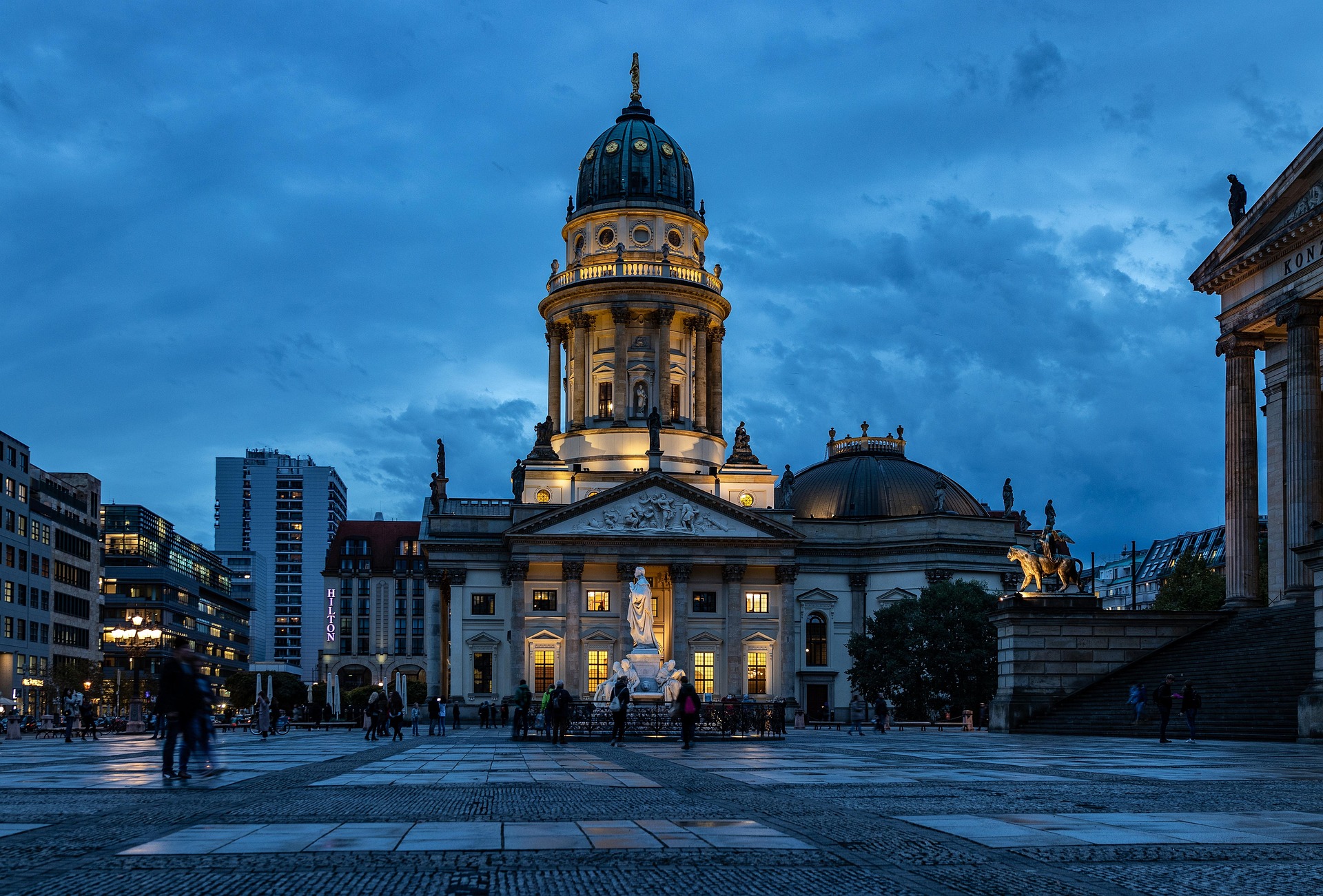
    Gendarmenmarkt is a square that breathes harmony. Standing between the German and French Cathedrals, I hear the crunch of boots on cobblestones, the faint laughter of people drifting through, and the distant notes of street musicians. The air smells of mulled wine in winter, or fresh bread from nearby cafés in summer. Light spills across the square, catching the domes in golden tones, while shadows stretch long and soft. The architecture feels balanced, each building echoing the other, creating a rhythm that calms the eye and the spirit. In winter, the square glows with festive stalls; in summer, it hums with open-air concerts.

    Unhurried Tip: Pause here in the evening when the square is lit, and the atmosphere turns contemplative.

    Alexanderplatz

    Alexanderplatz is a space of movement, yet it holds moments of stillness. The Fernsehturm rises above, its needle piercing the sky, while trams slide across tracks with a soft metallic hum. The air smells faintly of fresh bread from bakeries opening early, mixed with the sharpness of cold morning air. Footsteps scatter across the square, echoing against concrete, while pigeons flutter overhead. Light breaks slowly across the plaza, turning glass surfaces into mirrors. Despite its bustle, Alexanderplatz feels timeless its layers of history embedded in stone, its openness inviting pause.

    Unhurried Tip: Arrive at dawn when the square is quiet, and the tower glows softly in mist.

    How to Linger in Berlin: A Slow Traveler’s Wrap-Up

    : I believe Berlin is best experienced like a long conversation one that unfolds slowly, with pauses, silences, and unexpected laughter. If you give yourself time, the city will speak back in textures, sounds, and light. Start your thoughtful journey not with urgency, but with presence. Let Berlin meet you at your pace.