Tag: france

  • 6 Best Things to Do in Strasbourg: A Strategic Guide for the Thoughtful Traveler

    6 Best Things to Do in Strasbourg: A Strategic Guide for the Thoughtful Traveler

    Most travelers treat Strasbourg as a checklist, rushing between the cathedral and the Petite France canal photo ops before disappearing into a crowded winstub. This high speed approach misses the city’s unique Franco German duality and architectural progression. The primary mistake is failing to account for the physical bottlenecks of the Grande Île, resulting in a fractured, stressful experience. This guide prioritizes a logical flow that balances iconic landmarks with the wider urban landscape. By focusing on the best things to do in Strasbourg through an unhurried lens, you can navigate the historical transitions—from Middle Age timber frames to Prussian Imperialism—without the fatigue of the typical tourist circuit.

    Cathédrale Notre Dame de Strasbourg – Gothic Architecture and Astronomical Precision

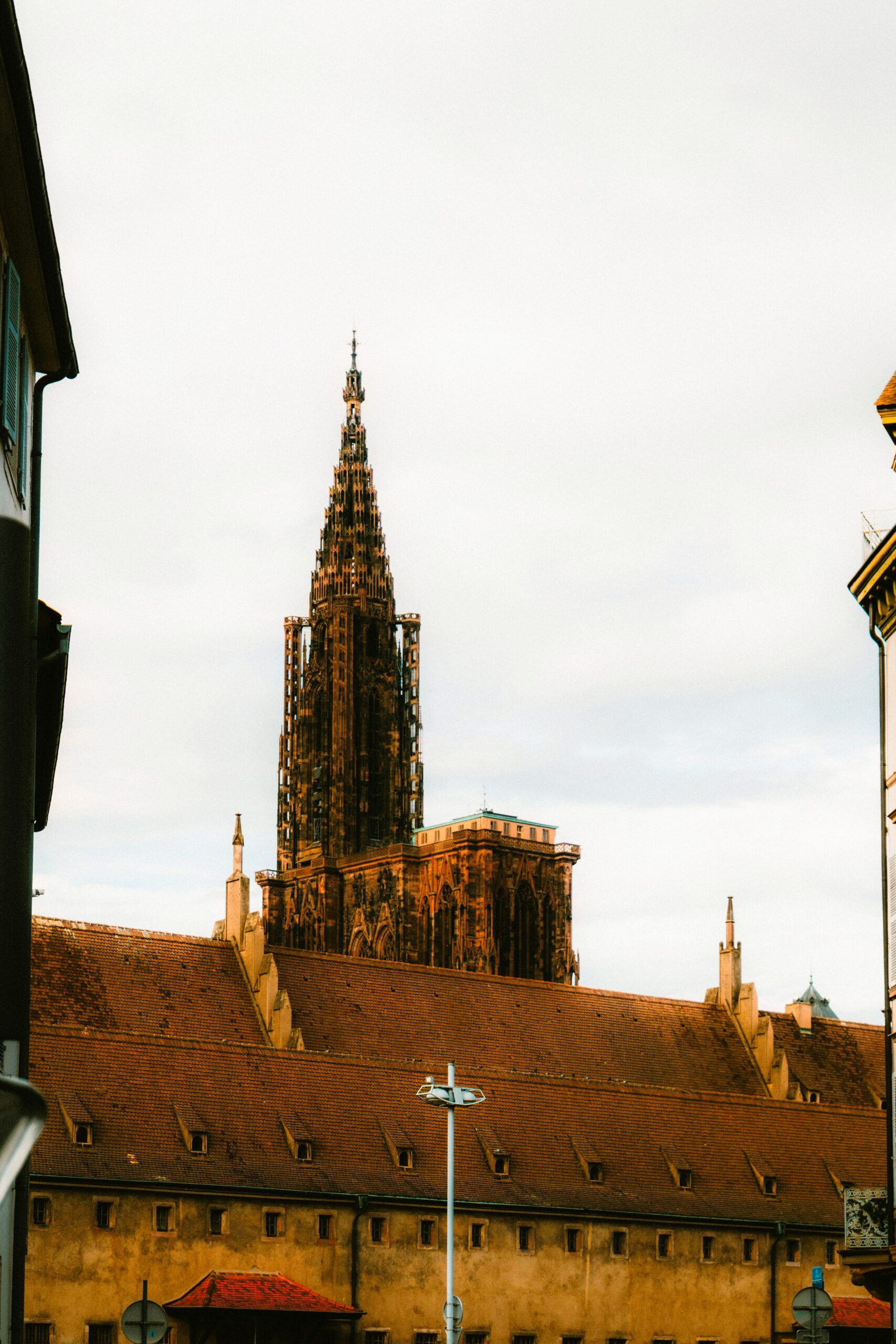
    The cathedral stands as a singular transition point between the High Middle Ages and the Renaissance, defined by its asymmetric silhouette and Vosges sandstone hue. For the thoughtful traveler, this structure is more than a religious site; it is an engineering marvel that held the title of the world’s tallest building for over two centuries. The interior houses the 16th century astronomical clock, a masterpiece of mathematical complexity that still performs its daily procession. To truly appreciate the scale without the claustrophobia of the midday crowds, arrive exactly at 8:30 AM when the doors first open to witness the morning light filtering through the 14th century stained glass in near silence. This early entry allows you to observe the intricate facade carvings at eye level from the Place de la Cathédrale before the tour groups occupy the square, ensuring a focused study of the spire’s verticality.

    La Petite France – Historical Preservation and Urban Hydrology

    This district serves as the architectural soul of the city, where timber framed houses from the 16th and 17th centuries line a network of four narrow canals. Originally the quarters of tanners, millers, and fishermen, the area offers a direct look at how medieval urban planning integrated with the natural flow of the Ill River. The preservation here is meticulous, reflecting the unique Alsatian identity that survived centuries of border shifts. While the main thoroughfares can feel congested, you can find a more authentic perspective by walking the narrow Rue des Moulins toward the revolving bridge, where you can watch the lock system in operation. A strategic way to experience the area is to visit during the blue hour just after sunset when the reflection of the illuminated facades on the still water provides a clearer view of the structural details often missed during the busy afternoon hours.

    Barrage Vauban – Strategic Defense and Panoramic Perspectives

    Built in the late 17th century by the engineer Vauban, this fortified bridge and weir was designed to flood the southern approach to the city during an attack. It represents the clinical, defensive mindset of the Louis XIV era, contrasting sharply with the organic growth of the neighboring Petite France. The structure functions as a physical timeline of military history, housing weathered sculptures from the cathedral within its internal corridor. For the traveler seeking a logical layout of the city, the grassy rooftop terrace is essential. Access the terrace via the internal staircase to see the Ponts Couverts and the cathedral spire aligned in a single frame. This vantage point is best utilized in the late afternoon when the sun is behind you, providing the clearest visibility of the medieval fortifications without the glare that typically obscures the horizon during the midday peak.

    Palais Rohan – Enlightenment Sophistication and Artistic Continuity

    The Palais Rohan serves as a grand physical boundary between the medieval density of the cathedral square and the flowing energy of the Ill River. This 18th century episcopal palace is the pinnacle of French Baroque architecture in the city, offering a sophisticated contrast to the surrounding timber frames. For the strategic traveler, the palace represents the intellectual shift of the Enlightenment, housing three distinct museums within its walls that trace the evolution of Alsatian fine arts, archaeology, and decorative history. The experience is best defined by the rhythmic symmetry of its courtyard and the opulence of the syncretic French German interior designs. To avoid the primary museum queues, enter through the river facing terrace instead of the main courtyard to access the Archaeological Museum first, which provides a chronological foundation for the city’s Roman origins before you ascend to the more decorative royal apartments on the upper floors.

    The Neustadt District – Imperial Scale and Prussian Urbanism

    The Neustadt, or New Town, is a monumental testament to the German Imperial period following 1871, characterized by wide boulevards and heavy, prestige driven architecture. This district offers a stark departure from the cramped quarters of the Grande Île, showcasing a deliberate urban expansion that prioritized hygiene, light, and administrative power. Walking through Place de la République allows you to observe the intersection of Neo Renaissance and Art Nouveau styles, a visual representation of the city’s complex political identity. It is a necessary stop for understanding Strasbourg’s dual heritage beyond the typical postcard imagery. A practical way to navigate this expansive area is to use the tram lines B or C from the city center to the République stop, then walking toward the National and University Library to find the quiet, landscaped gardens tucked behind the main circular plaza for a peaceful vantage point.

    The European Quarter – Modern Diplomacy and Contemporary Glasswork

    Located at the northern edge of the city, the European Quarter is the modern heartbeat of the continent’s administrative identity, home to the European Parliament and the Council of Europe. This area offers a clinical yet fascinating look at contemporary glass and steel architecture, symbolizing transparency and post war reconciliation. While the historic center feels fixed in time, this district is constantly evolving, reflecting Strasbourg’s role as a de facto capital of Europe. The circular design of the Louise Weiss building is particularly striking when viewed from the water, illustrating the scale of modern democratic institutions. For a more intimate perspective, follow the promenade along the Marne Rhine Canal where you can observe the reflection of the Parliament’s flag lined facade in the water. This path is often overlooked by those taking the shuttle, providing a much quieter walking route that connects the Orangerie Park directly to the heart of the diplomatic zone.

    A 3 Day Strategic Itinerary

    A logical exploration of Strasbourg requires a geographical division that respects the walking rhythm of the city. Day one should focus exclusively on the Grande Île, beginning at the Cathédrale Notre Dame de Strasbourg and transitioning into the refined rooms of the Palais Rohan. This minimizes transit and allows for a deep immersion in the medieval core. On the second day, move westward toward the Petite France district to observe the interlocking canals and timber framed aesthetics before walking the short distance to the Barrage Vauban for an elevated perspective of the historical fortifications. Reserve the third day for the broader urban expansions beyond the river. Start with the Prussian grandeur of the Neustadt district and conclude with a tram ride to the European Quarter. This sequence ensures a steady progression from the city’s ancient origins to its modern diplomatic identity while avoiding the exhaustion of repetitive backtracking through the crowded central squares.

    The Unhurried Mindset

    The unspoken rule of Strasbourg is to respect the transition between the frantic pace of the morning markets and the slow, deliberate ritual of the evening winstub. To enjoy this city properly, you must accept that its beauty is found in the stillness of the side streets rather than the spectacle of the main plazas. The soulful way to experience Alsace is to sit by the Ill River at dusk, away from the designated photo spots, and watch the light change on the sandstone. True travel here is found in the pauses—the moment you stop looking at the map and start noticing the subtle shift from French elegance to Germanic structure.

    Expand Your Journey

    Strasbourg serves as the primary gateway to the wider Alsatian wine route and the rugged beauty of the Vosges Mountains. Beyond the city limits, the region offers a dense network of fortified villages and high altitude castles that demand a similar level of strategic planning. Whether you are moving south toward Colmar or crossing the Rhine into the Black Forest, the same principles of deliberate, unhurried observation apply.

    The most profound discoveries in Alsace are rarely the loudest; they are the ones found when you choose the quieter path.
  • The Veins of the Ville Lumière: 4 Essential Culinary Experiences

    The Veins of the Ville Lumière: 4 Essential Culinary Experiences

    Paris eats by the clock. Breakfast is a quick, standing affair of espresso and pastry at the zinc bar. Lunch is strictly between 12:00 and 14:00; arriving late means a closed kitchen. The afternoon lull is for coffee, not heavy meals. Dinner begins no earlier than 19:30, peaking at 20:30. A common mistake is expecting all day service or rushing the bill. In a bistro, the table is yours until you ask for l’addition. Do not wait for the waiter to bring it automatically; they view it as a gesture of hospitality to let you linger. Always start interactions with a direct Bonjour to unlock the best service and avoid the rude Parisian trope.

    Croissant – The morning’s buttery shatter

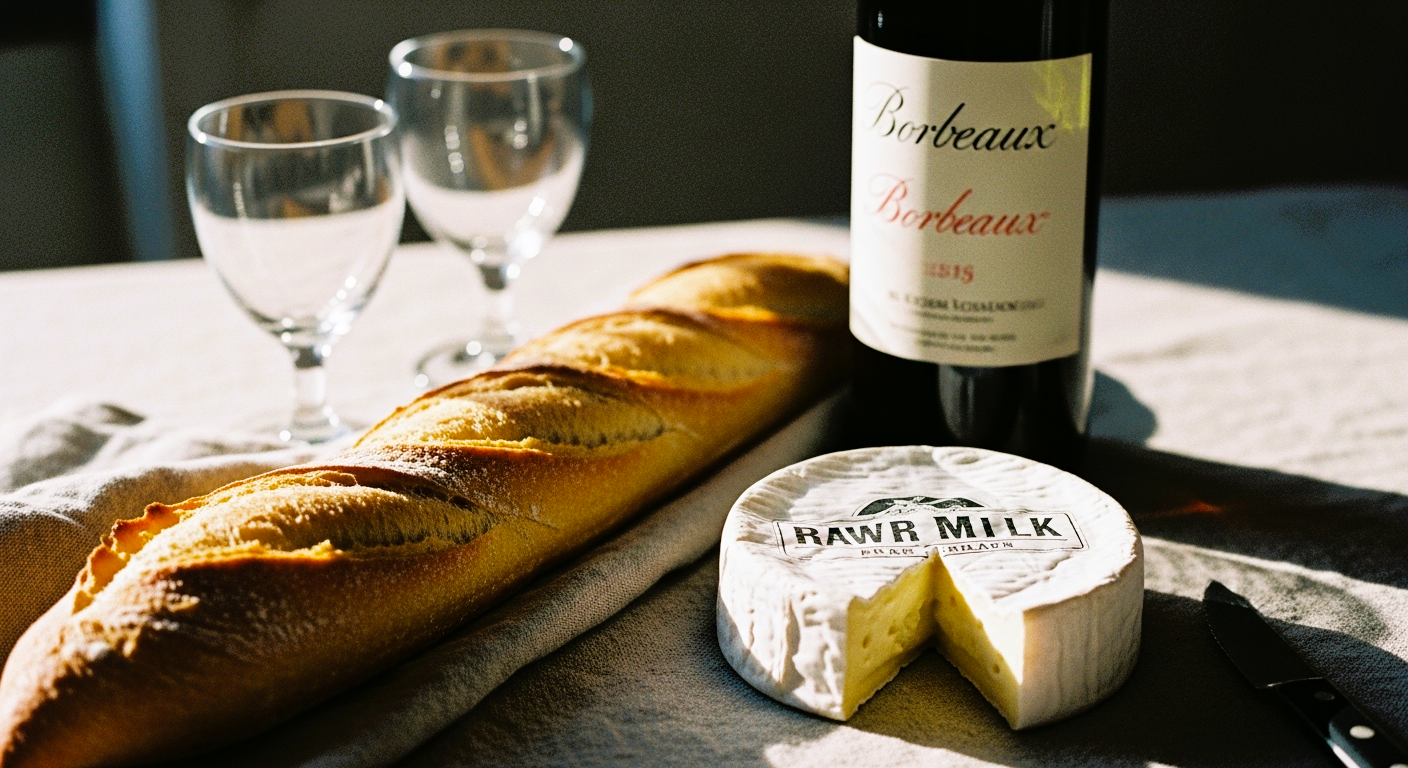
    The initial resistance of the caramelized shell breaks into a web of moist, elastic interior. There is the scent of cultured butter and slow fermented dough. It is a functional ritual, often consumed rapidly while standing at the counter or walking toward the metro. This is not a pastry for delicate eating; a good croissant should crackle, leaving a visible trail of flakes on your clothes. The texture defines the experience more than the simple ingredient profile. Avoid the shiny, perfectly uniform examples found near tourist hubs. Look for irregular shapes and deep golden brown saturation, indicating high heat baking and complex sugar development rather than simple browning. When selecting a bakery, ensure the window proudly displays “Artisan Boulanger” signs, confirming they laminate the dough in house daily rather than baking industrial frozen products, which lack this critical textural contrast.

    Steak Frites – The carnivorous pulse of the bistro

    A thin skirt steak, perhaps a bavette or faux filet, arrives seared hard on a metal platter. It is usually sliced crosswise, revealing a deep red interior and swimming in a savory, herbaceous compound butter or a dark pan reduction. Beside it, a mountain of hand cut fries, ideally cooked twice for a definitive crunch, holds a high temperature. This is utility food, the standard lunch order that fuels the working district. The flavor is primal: salt, fat, and high quality mineral rich beef. Do not ask for a prime cut here; this is bistro food, utilizing tougher, more flavorful muscles. Specify your cooking preference clearly; “saignant” (rare) is the standard and recommended way to eat these leaner cuts without them becoming tough. The sound of clinking silverware against the heavy ceramic plates is the constant soundtrack to this meal.

    Comté – Crystallized time on the rind

    This is a hard cow’s milk cheese from the Jura mountains. When aged over eighteen months, the texture is dense and firm, broken by crunchy bursts of tyrosine crystals—amino acid formations that signal maturity. The flavor profile leads with roasted hazelnuts, brown butter, and a complex umami tang that lingers long after the swallow. Visit an affineur like Laurent Dubois, where the smell of ammonia and damp earth hits you immediately. It is functional food, usually served simple, after the main course but before dessert, allowing the specific vintage to speak. Request a wedge cut from a large, labeled wheel, ensuring it shows a deep ochre hue rather than pale yellow, confirming a diet of summer grasses rich in beta carotene. Taste the progression of ages; the shift from milky to nutty to savory is a defining Parisian flavor experience.

    Onion Soup – The original late night restorative

    This is survival food, born in the now demolished Les Halles market. A dark, ceramic crock arrives, crowned by a rugged, molten dome of Gruyère and Comté cheese that has baked into a definitive crust. Below the cheese, a thick slice of country bread has soaked up the broth until it dissolves. The liquid itself is almost sweet, thick with onions caramelized for six to eight hours until they are a dark jam. There is a faint tang of white wine or sherry cut with deep, savory beef stock. Order this at a 24 hour brasserie after midnight, which is its traditional context for market workers and late night revelers, and always let it cool slightly or the blistering cheese will burn your palate instantly. The flavor is heavy, comforting, and designed to counteract a night of excess or the cold morning air.

    From the First Flake to the Last Broth

    Begin in the quiet of the morning with a croissant near the Canal Saint Martin, where the light hits the water and the bakers are finishing their first shifts. As the city accelerates, move toward the 11th arrondissement for a midday steak frites; the high density of traditional bistros here ensures competitive quality and rapid service. By late afternoon, cross the river to a Left Bank fromagerie to sample Comté when the shop is less crowded and the monger has time to explain the aging process. Conclude the circuit in the center of the city at a historic brasserie for onion soup. This geographic loop mirrors the natural progression of the Parisian palate, moving from light fats to heavy proteins, finishing with the restorative power of a deep, caramelized broth after dark.

    The Etiquette of the Crust

    Bread is never a preliminary snack in Paris; it is a permanent fixture of the landscape. Do not look for a bread plate. The baguette rests directly on the paper or cloth of the table throughout the meal. It functions as a secondary utensil, used to push vegetables onto a fork or to mop up the remaining glaze of a steak sauce. To finish a plate with a piece of bread is to signal total satisfaction, not a lack of manners. If the basket is empty, it is perfectly acceptable to ask for more, but never butter it unless you are eating breakfast. In the evening, the bread exists to support the complexity of the cheese and the integrity of the sauce, acting as a neutral anchor in a sea of rich fats.

    The Rigor of the Routine

    Paris remains the global benchmark not because of constant reinvention, but because of its obsession with the fundamental. The city identity is a fortress built on the precise lamination of dough, the exact timing of a sear, and the patient aging of milk. It is a place where a single ingredient, like a mountain cheese or a common onion, is elevated through technique rather than artifice. The dining experience is a shared cultural commitment to time and quality. Success in navigating this city comes from respecting these established rhythms and understanding that every meal is a dialogue between the producer and the patron. This is a city that demands attention to detail, rewarding the disciplined eater with the most consistent flavors on the continent.

  • The Limestone Muse: A Cartography of Light and Stone in Paris

    The Limestone Muse: A Cartography of Light and Stone in Paris

    To observe Paris is to engage in a silent dialogue with time. The city does not merely exist; it breathes through the porous Lutetian limestone of its facades and the rhythmic symmetry of its boulevards. As a living masterpiece, it demands a rejection of the frantic itinerary in favor of the flâneur’s intentional drift. Here, the philosophy of observation reveals that every iron wrought balcony and rain slicked cobblestone is a deliberate brushstroke in a centuries old composition. By slowing our pace, we transition from mere visitors to witnesses of a cultural phenomenon where the boundary between the museum and the street dissolves, leaving only the profound, unhurried resonance of a city that has mastered the art of being.

    The forthcoming exploration will navigate this urban gallery through four distinct movements. We will first examine the structural rhythm of the Haussmannian legacy and the curated stillness found within the hidden courtyards of the Marais. Subsequently, the narrative will shift toward the ethereal interplay of stained glass within the city’s gothic anchors and conclude with the avant garde dialogue between industrial modernity and classical proportions.

    The Structural Rhythm of the Haussmannian Legacy

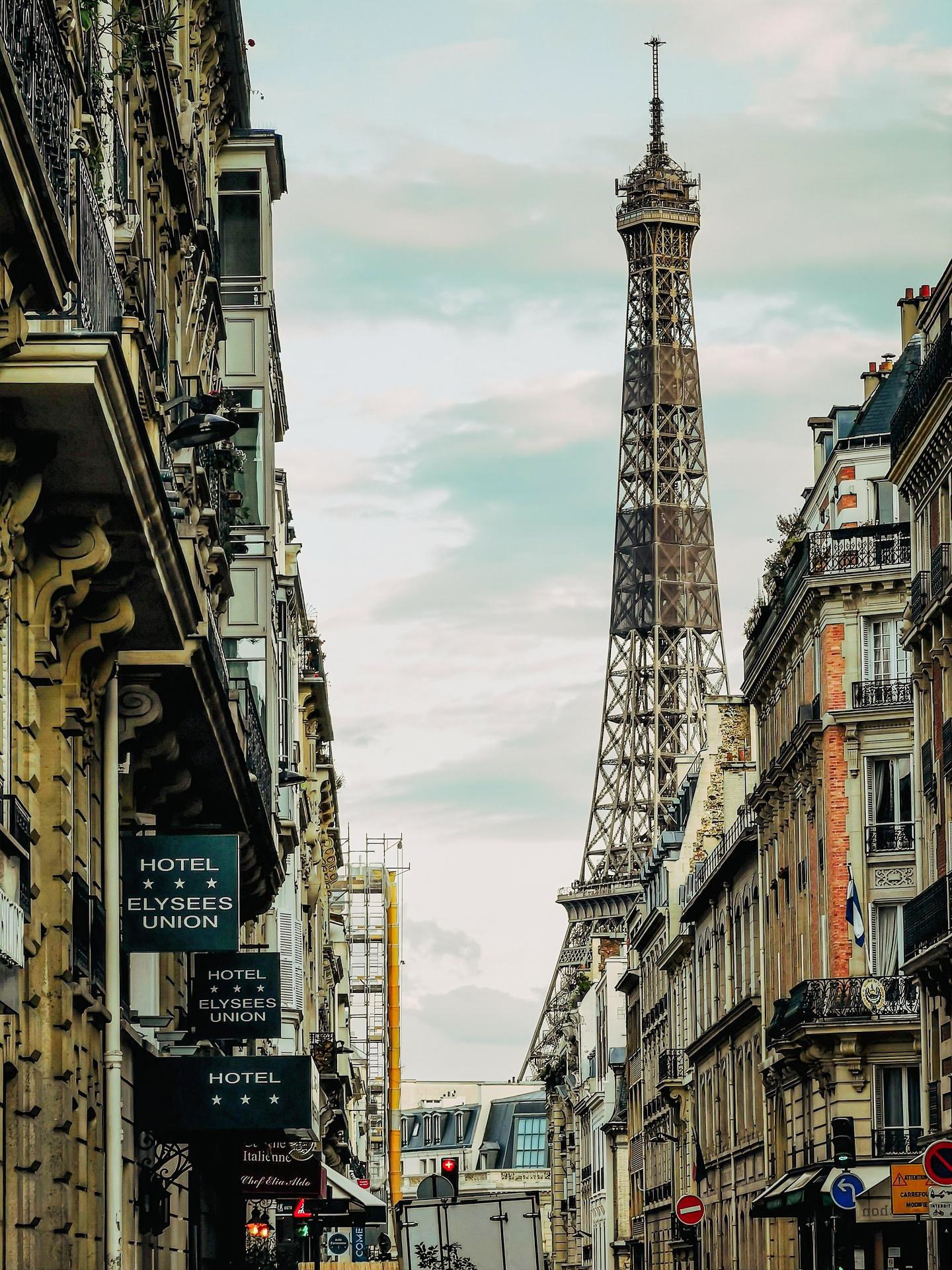
    The Haussmannian facade is not a mere wall but a rhythmic score written in Lutetian limestone, a geological signature that anchors Paris to its own soil. To observe these structures is to witness the triumph of a unified aesthetic vision where the individual building yields to the collective harmony of the boulevard. The strict horizontal alignment of the second floor balconies, adorned with intricate wrought iron, creates a visual continuum that guides the eye toward the vanishing point of a distant monument. This architectural discipline reflects a profound philosophy of order and light, where the cream colored stone captures the shifting moods of the Parisian sky, turning the city into a vast, monochromatic canvas. Within this grid, the Mansard roofs provide a textured silhouette against the ether, their zinc and slate tiles shimmering like the scales of an ancient, urban creature resting in the quietude of early morning.

    The Curated Stillness of Hidden Marais Courtyards

    Beyond the rhythmic pulse of the grand boulevards lies a more intimate geometry within the private courtyards of the Marais. These secluded spaces, often concealed behind heavy timber carriage doors, serve as the city’s silent lungs where time appears to lose its forward momentum. Here, the architecture of the seventeenth century hôtel particulier reveals a delicate balance between aristocratic grandeur and domestic sanctuary. To enter these enclosures is to step into a curated stillness where the ivy clad walls and moss softened paving stones whisper of a pre industrial elegance. The philosophy of the unhurried traveler finds its zenith here; there is no spectacle to chase, only the subtle interplay of shadow on a sun drenched pediment or the gentle drip of a forgotten fountain. These courtyards represent the internal life of the city, a sanctuary of historical memory preserved within the density of the modern metropolis.

    The Ethereal Interplay of Stained Glass within Gothic Anchors

    To observe the Gothic anchor is to study the physics of transcendence. Within the skeletal stone of the Sainte Chapelle, the wall ceases to be a barrier and becomes a translucent membrane. The method of observation here requires a stationary vigil; one must remain unhurried as the sun charts its arc, watching the floor become a shifting mosaic of deep amethysts and searing rubies. This is not merely a display of light but a deliberate manipulation of the human spirit through medieval optics. By focusing on the leaden cames that bind the glass, the observer recognizes the structural tension that allows such fragility to reach toward the heavens. It is a silent, chromatic liturgy that demands the viewer abandon the temporal for the eternal.

    The Avant Garde Dialogue of Industrial Modernity and Classical Proportions

    The dialogue between the industrial and the classical is best observed where the steel skeletons of the late nineteenth century intersect with the city’s stone foundations. Engaging with this nuance requires an eye for the elegance of the rivet and the curve of the iron beam, as seen in the soaring glass roofs of the Grand Palais. One must look upward to witness how the weightless transparency of glass challenges the gravity of the surrounding masonry. This architectural friction creates a unique urban tension, where the transparency of the modern age is framed by the permanence of the past. Observing these structural intersections reveals the city’s ability to evolve without severing its aesthetic lineage, maintaining a fluid continuity between the age of steam and the age of light.

    The Persistence of the Parisienne Masterpiece

    The enduring resonance of Paris lies not in its individual monuments but in the collective architectural soul that persists through the changing light of centuries. As we transition from the grand boulevards to the secret gardens, we recognize that the city serves as a perpetual exhibition of human intent and aesthetic endurance. To observe Paris is to acknowledge that beauty is a discipline, a deliberate layering of history and stone that refuses to be hurried. This urban tapestry remains an essential reference for the modern spirit, offering a sanctuary where the past is not a relic but a living, breathing participant in the present. It is here, in the unhurried drift, that we truly learn the art of seeing, finding that the city’s greatest gift is the quiet invitation to witness the sublime in the everyday.

    Now that the map has been drawn and the light observed, the threshold of your own discovery awaits; perhaps it is time to set aside the itinerary and begin the walk into the living gallery.

  • 6 Best Things to Do in Bordeaux: A Strategic Guide for the Thoughtful Traveler

    6 Best Things to Do in Bordeaux: A Strategic Guide for the Thoughtful Traveler

    Many travelers treat Bordeaux as a frantic checklist, rushing between tasting rooms and the Rue Sainte Catherine crowds only to miss the city’s architectural and historical depth. This high velocity approach often leads to “monument fatigue,” where the grandeur of 18th century limestone begins to blur. This guide fixes that by adopting an unhurried, strategic approach. Instead of covering every square, we prioritize the best things to do in Bordeaux by selecting sites that offer maximum historical density and spatial clarity. By timing your visits to avoid the peak tram line surges and focusing on the city’s “golden circle,” you can experience the UNESCO listed core without the typical friction of a standard tourist itinerary.

    La Cité du Vin – The Evolution of Oenological Culture

    This metallic monolith serves as a bold architectural counterpoint to Bordeaux’s neoclassical skyline, symbolizing the city’s transition into a modern global wine capital. While most visitors approach wine through traditional cellar tours, this site offers a sensory immersion into the global history of viticulture. A strategic traveler should prioritize the permanent exhibition’s interactive modules, which bypass dry data in favor of atmospheric storytelling. The structure itself mimics the swirl of wine in a glass, grounding the experience in the physical relationship between the vine and the river. To maximize the value of your ticket, head directly to the eighth floor Belvedere for your included tasting during the late afternoon; the panoramic views of the Garonne and the Pont Jacques Chaban Delmas are best captured when the sun hits the limestone buildings of the Chartrons district at a low angle.

    Place de la Bourse & Le Miroir d’Eau – Symmetry and Urban Reflection

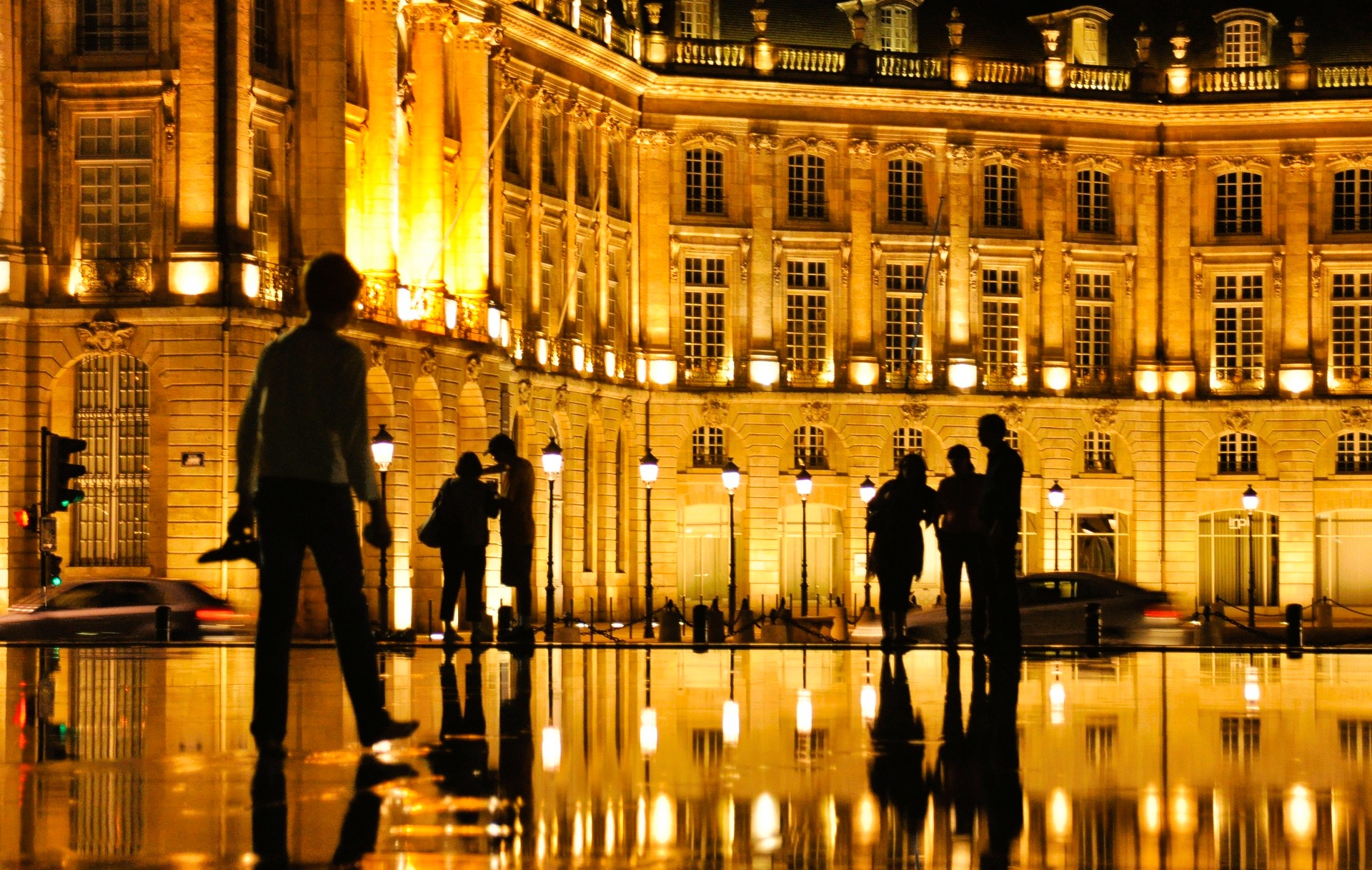
    Commissioned by Intendant Boucher in the 18th century, this horseshoe shaped complex represents the moment Bordeaux broke free from its medieval walls to embrace the Enlightenment. The Place de la Bourse is a masterclass in French classical architecture, designed to reflect the power of the monarchy and the prosperity of the colonial port. Today, the Mirror of Water adds a layer of modern utility, creating a shifting visual dialogue between the heavy stone facades and their ephemeral liquid twins. For the thoughtful observer, this space is less about the photograph and more about the intersection of civic pride and public leisure. Avoid the heavy mid afternoon crowds by arriving just before dusk, when the fog effects are most atmospheric and the surrounding restaurants of the Saint Pierre district haven’t yet reached their peak occupancy for dinner service.

    Cathédrale Saint André & Tour Pey Berland Gothic Verticality and Independence

    Standing as the spiritual anchor of the city, the Cathedral of Saint André is where the history of Aquitaine and the French crown frequently collided, most notably during the royal wedding of Eleanor of Aquitaine. Its unique layout, featuring a separate bell tower, was a structural necessity dictated by the marshy ground of the river basin. The Pey Berland tower offers a physical challenge that rewards the strategic traveler with the most comprehensive perspective of the city’s UNESCO protected urban fabric. While the cathedral interior provides a cool, silent refuge from the bustle of the nearby shopping districts, the climb up the narrow staircase of the tower requires timing. Book your specific entry slot for the tower early in the morning to navigate the 231 steps before the heat and the narrow corridors become congested with the midday tour groups.

    Grand Théâtre de Bordeaux – Neoclassical Mastery and Performance Heritage

    Designed by architect Victor Louis, this structure served as the aesthetic prototype for the Opéra Garnier in Paris, representing the pinnacle of 18th century Enlightenment architecture. Its twelve Corinthian columns, topped by statues of the muses and goddesses, establish a visual rhythm that defines the Place de la Comédie. For the strategic traveler, the interior is where the true value lies, offering a masterclass in acoustics and visual harmony through its blue and gold auditorium. To appreciate the scale without the constraints of a formal tour, consider booking a matinee performance; this allows you to experience the space as it was intended—through the movement of an audience rather than a static exhibit. Look closely at the ceiling fresco by Jean Baptiste Claude Robin, which was meticulously restored to its original brilliance, and notice the subtle inclusion of the city’s coat of arms within the celestial imagery.

    Porte Cailhau – Medieval Fortification and Urban Gateway

    Standing as a triumphant arch dedicated to Charles VIII’s victory at Fornovo, this limestone gate remains one of the few physical remnants of the city’s defensive past. Its transition from a defensive bastion to a ceremonial entrance marks the evolution of Bordeaux from a fortified medieval stronghold to an open, prosperous port city. The gate’s conical roofs and ornate carvings provide a sharp contrast to the surrounding neoclassical facades, offering a vertical perspective on the historical layers of the Saint Pierre district. Climbing to the upper floor provides a unique vantage point over the oldest bridge in the city, the Pont de Pierre. To avoid the congestion of the main thoroughfares, approach the gate from the narrow side streets of the old town rather than the riverfront, as this reveals the architectural detail more gradually and places the monument in its proper historical context.

    Les Bassins des Lumières – Digital Immersion in a Submarine Base

    This former World War II U boat base has been transformed into the world’s largest digital art center, repurposing four massive submarine basins into a canvas for light and sound. The experience is defined by the stark juxtaposition between the brutalist concrete architecture and the fluid, vibrant projections reflecting off the water’s surface. It offers a rare opportunity to see how industrial history can be reclaimed for contemporary cultural utility without erasing its somber origins. The scale of the projections creates a meditative environment that contrasts sharply with the traditional museum experience found elsewhere in the city. To ensure a seamless visit, take the tram line B toward Berges de la Garonne and get off at the Cité du Vin stop, then enjoy the ten minute walk through the revitalized wet docks area to witness the ongoing urban transformation of the Bassins à Flot.

    A 3 Day Strategic Itinerary

    To maximize the geographical logic of your visit, group the landmarks by their proximity to the Garonne River and the historic center. Spend your first day in the Chartrons and Bassins à Flot districts, starting with the digital immersion of Les Bassins des Lumières before walking south to La Cité du Vin. This keeps your morning industrial and your afternoon focused on oenological history. Dedicate the second day to the neoclassical core of the Saint Pierre and Quinconces neighborhoods. Begin at the Grand Théâtre de Bordeaux and move toward the Place de la Bourse to witness the Mirror of Water as the light shifts. On your final day, head toward the medieval Saint Eloi quarter. Start at the Porte Cailhau and walk toward the Cathédrale Saint André and the Tour Pey Berland. This route follows the city’s natural walking rhythm, allowing for long lunches in shaded squares without backtracking across the tram lines.

    The Unhurried Mindset

    The unspoken rule of Bordeaux is that the city belongs to those who understand the value of the pause. While the architecture is grand and imposing, the culture is surprisingly intimate, rooted in the concept of the long, stationary afternoon. To truly align with the local vibe, abandon the urge to see every monument in a single loop. Instead, adopt the soulful practice of choosing one limestone terrace in the Saint Michel or Chartrons district and remaining there for two hours with a single glass of Clairet. Observe how the honey colored stone changes as the Atlantic light softens, and you will find that the city reveals its character not in its landmarks, but in its stillness.

    Bordeaux serves as the sophisticated gateway to the broader Atlantic coast and the rolling viticultural landscapes of Southwest France. Whether you choose to follow the river further into the medieval villages of Saint Émilion or head west toward the shifting sands of the Bassin d’Arcachon, the region offers a depth of history that rewards the patient traveler.

    Move beyond the map and let the rhythm of the river guide your discovery.

  • 6 Best Things to Do in Lyon: A Strategic Guide for the Thoughtful Traveler

    6 Best Things to Do in Lyon: A Strategic Guide for the Thoughtful Traveler

    Travelers often treat Lyon as a high-speed culinary pitstop, rushing between crowded bouchons in Vieux Lyon and checking off landmarks like a grocery list. This frantic pace misses the city’s true rhythm. The secret to mastering Lyon is timing and elevation; most visitors fight the midday heat and the bottleneck of narrow traboules simultaneously. This guide corrects that error by prioritizing an unhurried approach that balances Roman antiquity with the quietest morning hours on the peninsula. By focusing on high-impact sites at optimal intervals, you avoid the common tourist fatigue that plagues the capital of Gaul. Discover the best things to do in Lyon through a lens of efficiency, allowing the city’s history to unfold without the friction of the masses.

    Basilique Notre-Dame de Fourvière – Iconic Views and Byzantine Grandeur

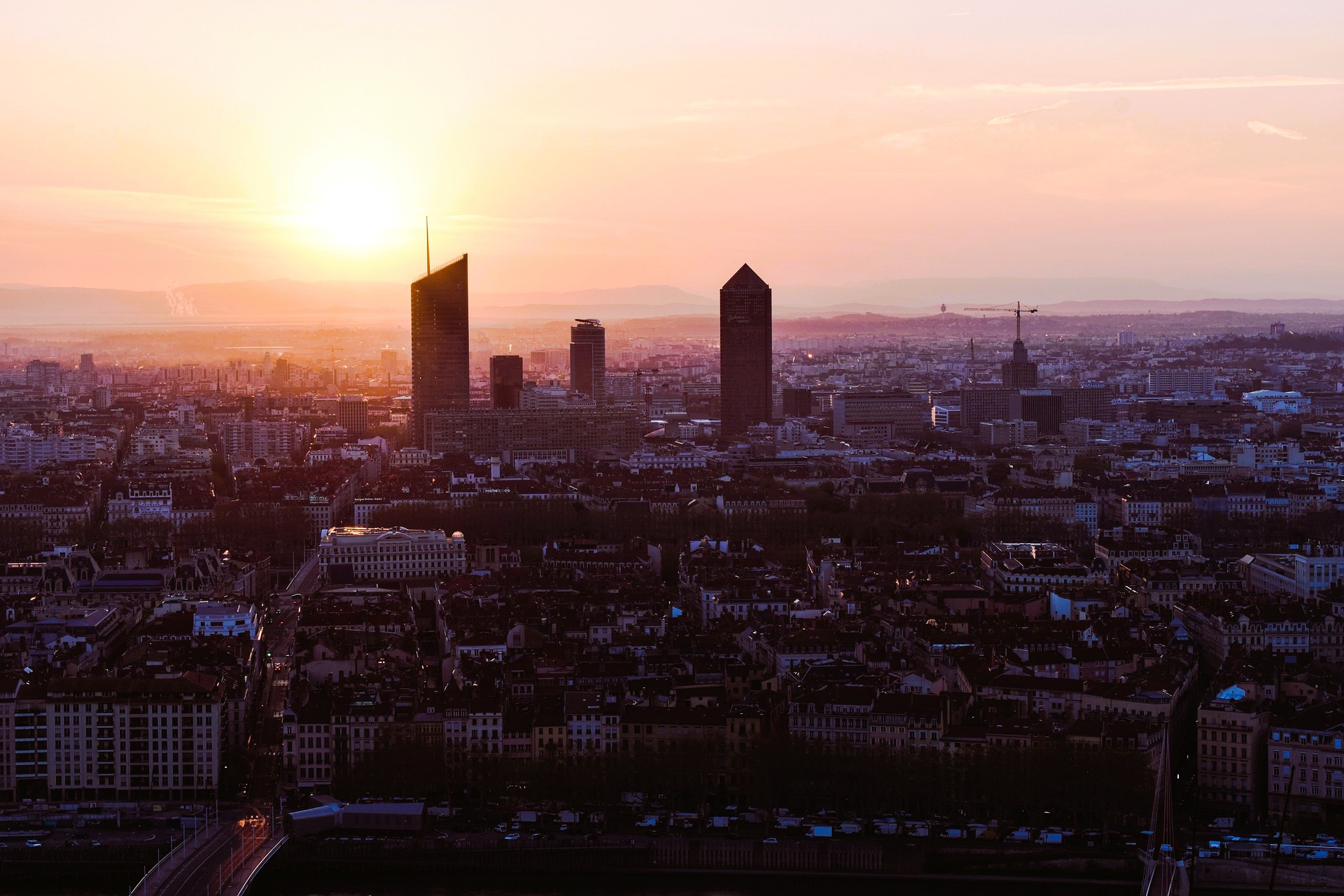
    Perched atop the Hill of Prayer, this nineteenth-century basilica serves as a permanent architectural sentinel over the city below. While the exterior’s shimmering white limestone is striking, the true value for a traveler lies in the interior’s intense mosaic work and the panoramic perspective it provides on Lyon’s geographic layout. The structure symbolizes the city’s religious devotion and its recovery from social upheaval, offering a physical bridge between the ancient Roman foundation nearby and the modern urban sprawl of the Part-Dieu district. To experience this site without the typical sensory overload, use the funicular from Vieux Lyon station early in the morning and head immediately to the Esplanade for the clearest light before the midday haze settles. This allows you to observe the transition from the red-roofed Renaissance district to the high-rise horizon in silence.

    Lugdunum – Musée et Théâtres Romains – Ancient History and Brutalist Design

    Lyon began here in 43 BC as the Roman capital of Gaul, and the site remains one of the most significant archaeological clusters in Europe. The twin theaters the Great Theater and the smaller Odeon are not merely static ruins but functional spaces that still resonate with the city’s cultural heritage. The accompanying museum, carved directly into the hillside, is a masterpiece of brutalist architecture that frames the artifacts against a backdrop of raw concrete and natural light. It offers a meditative atmosphere for those who appreciate history told through stone and silence. To maximize your visit, walk down the theater tiers toward the rue de l’Antiquaille exit which leads you through a series of quiet residential gardens and secret stairs that bypass the main tourist bus routes, preserving the feeling of historical discovery.

    Traboules of Vieux Lyon – Renaissance Engineering and Urban Secrets

    The traboules are a unique network of hidden passageways that allowed silk weavers and merchants to transport goods while remaining sheltered from the elements. These corridors represent a clever solution to urban density, winding through private courtyards and beneath arched doorways that the casual observer often ignores. Walking through them provides an intimate look at the ochre-toned Renaissance architecture that defines the Saint-Jean and Saint-Paul neighborhoods. Rather than following a generic map, look for the small bronze shields identifying the most historic passages, particularly the Longue Traboule. A specific timing hack for a tranquil experience is to visit between 8:00 and 9:30 AM on a weekday when the city is waking up but the tour groups have not yet arrived, ensuring the narrow corridors remain acoustic and uncrowded.

    Les Halles de Lyon Paul Bocuse – High-End Gastronomy and Local Expertise

    This indoor market serves as the definitive temple of French culinary excellence, named after the city’s most celebrated chef. It is less a grocery store and more a curated exhibition of the region’s finest products, from Saint-Marcellin cheeses to the vibrant pink praline tarts that define local patisserie. For the thoughtful traveler, the market offers a sensory education in the quality standards that underpin Lyon’s reputation as a world food capital. While the stalls are tempting at any hour, arriving around 11:00 AM allows you to secure a seat at one of the small oyster bars or bistros for a pre-lunch tasting before the local business crowd descends for their break. If you are looking for a quieter moment, seek out the specialized spice merchants tucked into the back corners where the air is thick with saffron and roasted nuts.

    Musée des Beaux-Arts de Lyon – Artistic Depth and Architectural Serenity

    Housed in a seventeenth-century Benedictine abbey, this museum is often cited as the “little Louvre” due to the breadth and quality of its collection. It bridges the gap between ancient Egyptian artifacts and modern European masterpieces, providing a comprehensive narrative of human creativity within the walls of the Palais Saint-Pierre. The experience is defined by the scale of the galleries, which allow for a respectful distance between the viewer and the art. The true centerpiece is the cloister garden, a secluded rectangular courtyard filled with sculptures and centuries-old trees that offers a profound silence away from the noise of Place des Terreaux. A useful strategy is to bypass the main entrance queue by checking the secondary courtyard gate which occasionally grants faster access during peak hours while leading you directly into the most tranquil part of the estate.

    Parc de la Tête d’Or – Landscape Architecture and Urban Escape

    As one of the largest urban parks in France, this green space functions as the city’s collective backyard, offering a sophisticated blend of botanical gardens and lakefront vistas. For a traveler, it provides a necessary pause from the density of the Presqu’île, showcasing nineteenth-century landscape design at its most ambitious. The vast glass-walled greenhouses are particularly noteworthy, housing rare tropical flora in an iron and glass structure that reflects the industrial elegance of a bygone era. To avoid the weekend crowds that flock to the central lake, head toward the northern end of the park near the Cite Internationale entrance, where the rose gardens are less frequented and offer a more intimate setting for a walk. This section provides a seamless transition back to modern architecture, allowing you to observe the city’s evolution from the natural world to contemporary design.

    A 3-Day Strategic Itinerary

    To experience Lyon without the typical logistical friction, group your visits by their geographical elevation and neighborhood character. On the first day, focus on the Fourvière hilltop to combine the Basilica with the Lugdunum archaeological site. This approach allows you to descend into the Vieux Lyon district by foot, utilizing the natural slope of the city rather than fighting against it. Dedicate the second day to the Presqu’île, starting with the quiet morning halls of the Musée des Beaux-Arts before navigating the historic traboules that connect the riverbanks. This central corridor is the heart of Lyonnaise commerce and history. On your final day, move east toward the 6th arrondissement. Begin with the culinary excellence of Les Halles de Lyon Paul Bocuse for an early lunch, followed by a long, restorative afternoon at Parc de la Tête d’Or. This sequence minimizes transit time and respects the city’s natural walking rhythm.

    The Unhurried Mindset

    The unspoken rule of Lyon is that the city belongs to those who observe rather than those who consume. It is a place of discretion where the best experiences are often hidden behind heavy oak doors or within unpretentious bistros. To enjoy the city properly, you must embrace the art of the pause. My soulful advice for a slow-travel experience is to spend one hour sitting by the Saône river at dusk with no objective other than watching the light change against the ochre facades. In these moments, the city reveals its true character not as a tourist destination, but as a living, breathing testament to French refinement and historical continuity.

    Further Exploration

    For those seeking to expand their journey beyond the confluence of the Rhône and Saône, the surrounding Auvergne-Rhône-Alpes region offers a wealth of medieval villages and alpine vistas that complement the urban sophistication of Lyon. Consider venturing toward the vineyards of Beaujolais or the pristine waters of Annecy to see how the regional identity shifts from industrial power to natural serenity.

    A well-planned journey does not demand more time; it simply requires more intention. Safe travels through the capital of Gaul.

  • Best Things to Do in Nice: A Journal of Leisure

    Best Things to Do in Nice: A Journal of Leisure

    The hush of waves against the Promenade des Anglais sets the rhythm of the day, while the scent of citrus drifts from market stalls in Old Town. Nice rewards those who linger its light softens the facades of Belle Époque villas, and its museums invite unhurried reflection. Exploring the best things to do in Nice is not about rushing through a checklist but savoring the city’s cadence: strolling along seaside boulevards, pausing in shaded squares, and letting art and history unfold at their own pace. For the slow traveler, Nice is less a destination than a living canvas, where each step offers a moment to pause, observe, and breathe.

    Promenade des Anglais – Seaside Elegance at Walking Pace

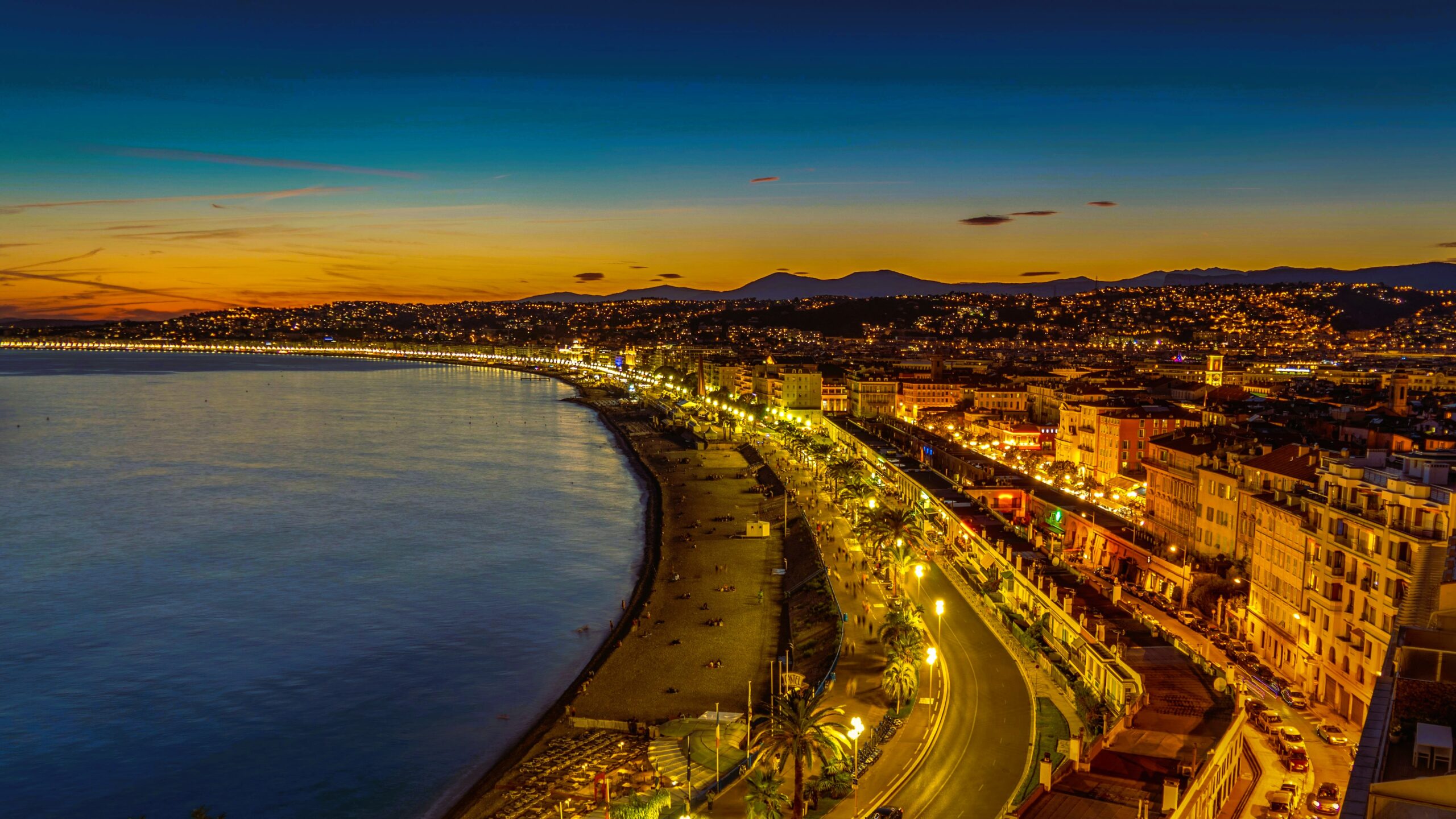
    The Promenade des Anglais is more than a boulevard it’s a living stage where sea, sky, and city converge. Built in the 19th century, it reflects Nice’s cosmopolitan past while offering a timeless rhythm for today’s traveler. The vibe is serene yet social: locals stroll with dogs, joggers pace themselves against the horizon, and the Mediterranean breeze carries a salt-kissed calm. It’s a must-visit because it embodies the essence of Nice accessible beauty, effortless leisure, and a reminder that travel can be as simple as walking slowly by the sea.

    Unhurried Tip: Visit just after sunrise when the promenade is quiet, and the water glows with soft pastel light.

    Castle Hill (Colline du Château) – Panoramic Calm Above the City

    Castle Hill offers the most commanding perspective of Nice, yet its atmosphere is surprisingly tranquil. Once the site of a medieval fortress, today it’s a landscaped park where waterfalls murmur and shaded paths invite unhurried exploration. The vibe is contemplative: families picnic, artists sketch, and travelers pause to absorb the layered history beneath their feet. It’s a must-visit because it reveals the city’s scale and beauty in one glance Old Town’s maze, the curve of the Promenade, and the endless horizon of the Côte d’Azur.

    Unhurried Tip: Take the free elevator from the Old Town in the late afternoon; crowds thin and the light is golden.

    Nice Old Town (Vieux Nice) – A Labyrinth of Living History

    Vieux Nice is a sensory immersion into centuries of lived culture. Its winding streets echo with footsteps, the scent of fresh socca drifts from corner stalls, and pastel facades glow under the Mediterranean light. The vibe is intimate and timeless: artisans open their shops, locals chat in shaded squares, and every turn reveals a hidden chapel or market. It’s a must-visit because it embodies the soul of Nice authentic, layered, and endlessly walkable. Here, history isn’t displayed; it’s lived, and travelers are invited to join the rhythm.

    Unhurried Tip: Explore early in the morning before shops open; the alleys are hushed, and you’ll feel the town awakening.

    Cours Saleya Market – Morning Ritual of Color and Flavor

    Cours Saleya Market is the heartbeat of Nice’s daily rhythm, where the scent of lavender mingles with ripe tomatoes and citrus. This historic square in the Old Town transforms into a sensory feast each morning, with vendors calling out and locals weaving through the stalls. The atmosphere is lively yet intimate, offering travelers a chance to slow down and savor the textures of Mediterranean life. It’s a must-visit because it connects you directly to Nice’s traditions food, fragrance, and community all in one place.

    Unhurried Tip: Arrive before 9 a.m. to enjoy the market before tour groups arrive, when locals shop in peace.

    Matisse Museum – Quiet Dialogues with Color

    The Matisse Museum, set in a 17th-century villa, offers a contemplative retreat into the artist’s world. Here, the pace slows as visitors move through rooms filled with sketches, sculptures, and the vibrant cut-outs that defined his later years. The vibe is hushed, almost reverent, as the works reveal Matisse’s lifelong dialogue with color and form. It’s a must-visit because it anchors Nice’s identity as a city of art, complementing the seaside leisure of the Promenade des Anglais with intellectual depth and creative resonance.

    Unhurried Tip: Visit in the late afternoon; the museum is quieter, and the light softens the galleries beautifully.

    Marc Chagall National Museum – Spiritual Light in Paint

    The Experience: The Marc Chagall National Museum is a sanctuary of color and spirit. Dedicated to the artist’s biblical works, it envelops visitors in luminous canvases and radiant stained glass. The vibe is meditative: silence punctuated by the soft shuffle of footsteps, as travelers absorb Chagall’s vision of faith and humanity. It’s a must-visit because it offers not just art, but an emotional journey where light itself becomes a medium, and Nice’s cultural richness deepens beyond its seaside charm.

    Unhurried Tip: Arrive just after opening; the morning light through the stained glass is at its most ethereal.

    A Thoughtful 3-Day Itinerary for Nice

    Day 1: Begin with a sunrise walk along the Promenade des Anglais, letting the sea set the pace. From there, wander into Vieux Nice, where alleys and markets unfold naturally. Pause at Cours Saleya Market for a late-morning coffee and flowers before drifting back through Old Town’s shaded squares.
    Day 2: Take the elevator or climb gently to Castle Hill, where panoramic views reward a slow ascent. Spend the afternoon descending at leisure, stopping for sketches or quiet reflection. End the day with a seaside stroll, retracing the city’s rhythm from above to below.
    Day 3: Dedicate time to art. Begin at the Matisse Museum, absorbing the quiet dialogue of color. Transition by bus or tram to the Marc Chagall National Museum, where stained glass and canvases invite contemplation. This final day balances Nice’s coastal ease with its cultural depth.

    For more journeys shaped by unhurried discovery, explore our other European guides or visit the About page to learn the philosophy behind Unhurried Traveler Map.