Tag: europe

  • 6 Best Things to Do in Strasbourg: A Strategic Guide for the Thoughtful Traveler

    6 Best Things to Do in Strasbourg: A Strategic Guide for the Thoughtful Traveler

    Most travelers treat Strasbourg as a checklist, rushing between the cathedral and the Petite France canal photo ops before disappearing into a crowded winstub. This high speed approach misses the city’s unique Franco German duality and architectural progression. The primary mistake is failing to account for the physical bottlenecks of the Grande Île, resulting in a fractured, stressful experience. This guide prioritizes a logical flow that balances iconic landmarks with the wider urban landscape. By focusing on the best things to do in Strasbourg through an unhurried lens, you can navigate the historical transitions—from Middle Age timber frames to Prussian Imperialism—without the fatigue of the typical tourist circuit.

    Cathédrale Notre Dame de Strasbourg – Gothic Architecture and Astronomical Precision

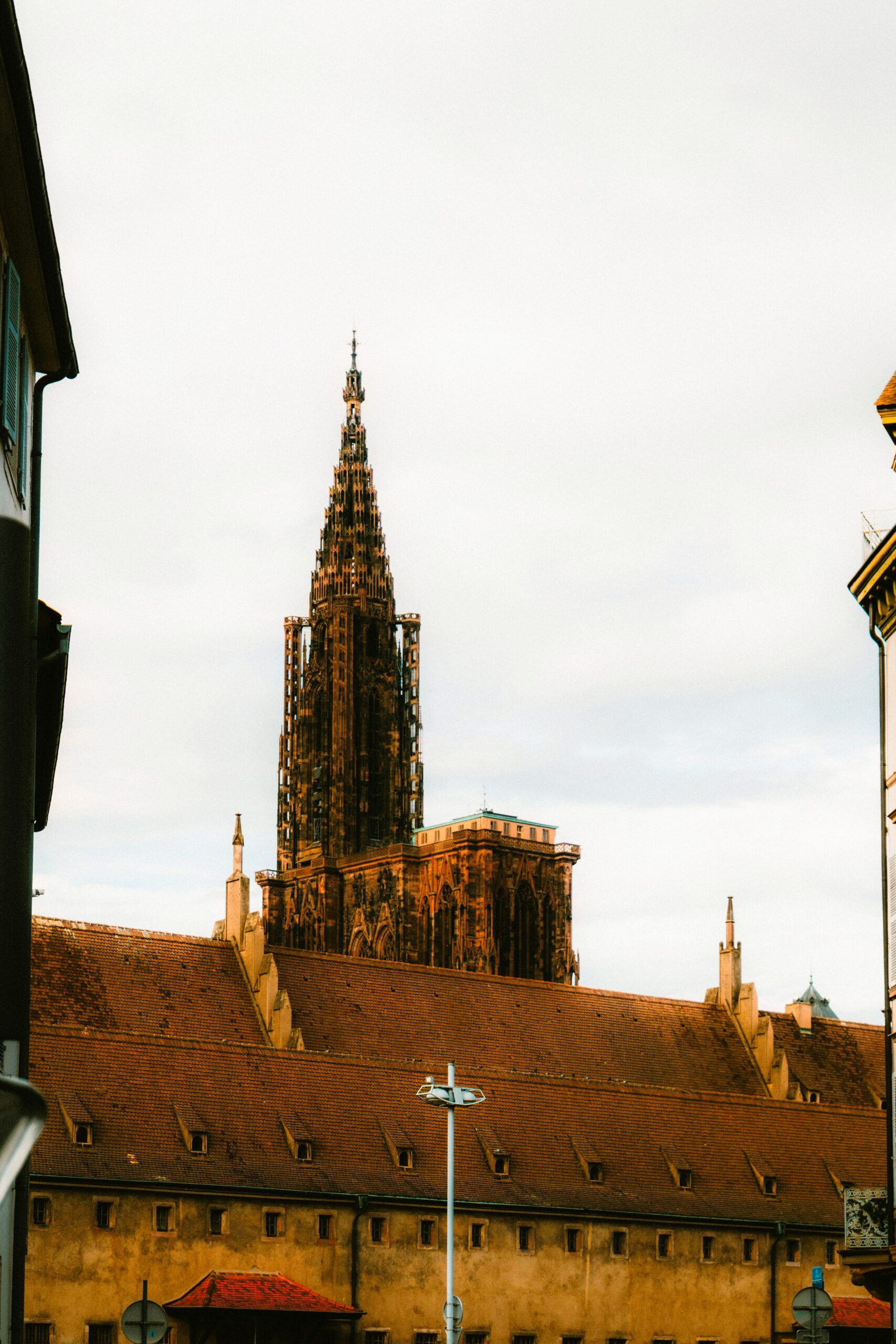
    The cathedral stands as a singular transition point between the High Middle Ages and the Renaissance, defined by its asymmetric silhouette and Vosges sandstone hue. For the thoughtful traveler, this structure is more than a religious site; it is an engineering marvel that held the title of the world’s tallest building for over two centuries. The interior houses the 16th century astronomical clock, a masterpiece of mathematical complexity that still performs its daily procession. To truly appreciate the scale without the claustrophobia of the midday crowds, arrive exactly at 8:30 AM when the doors first open to witness the morning light filtering through the 14th century stained glass in near silence. This early entry allows you to observe the intricate facade carvings at eye level from the Place de la Cathédrale before the tour groups occupy the square, ensuring a focused study of the spire’s verticality.

    La Petite France – Historical Preservation and Urban Hydrology

    This district serves as the architectural soul of the city, where timber framed houses from the 16th and 17th centuries line a network of four narrow canals. Originally the quarters of tanners, millers, and fishermen, the area offers a direct look at how medieval urban planning integrated with the natural flow of the Ill River. The preservation here is meticulous, reflecting the unique Alsatian identity that survived centuries of border shifts. While the main thoroughfares can feel congested, you can find a more authentic perspective by walking the narrow Rue des Moulins toward the revolving bridge, where you can watch the lock system in operation. A strategic way to experience the area is to visit during the blue hour just after sunset when the reflection of the illuminated facades on the still water provides a clearer view of the structural details often missed during the busy afternoon hours.

    Barrage Vauban – Strategic Defense and Panoramic Perspectives

    Built in the late 17th century by the engineer Vauban, this fortified bridge and weir was designed to flood the southern approach to the city during an attack. It represents the clinical, defensive mindset of the Louis XIV era, contrasting sharply with the organic growth of the neighboring Petite France. The structure functions as a physical timeline of military history, housing weathered sculptures from the cathedral within its internal corridor. For the traveler seeking a logical layout of the city, the grassy rooftop terrace is essential. Access the terrace via the internal staircase to see the Ponts Couverts and the cathedral spire aligned in a single frame. This vantage point is best utilized in the late afternoon when the sun is behind you, providing the clearest visibility of the medieval fortifications without the glare that typically obscures the horizon during the midday peak.

    Palais Rohan – Enlightenment Sophistication and Artistic Continuity

    The Palais Rohan serves as a grand physical boundary between the medieval density of the cathedral square and the flowing energy of the Ill River. This 18th century episcopal palace is the pinnacle of French Baroque architecture in the city, offering a sophisticated contrast to the surrounding timber frames. For the strategic traveler, the palace represents the intellectual shift of the Enlightenment, housing three distinct museums within its walls that trace the evolution of Alsatian fine arts, archaeology, and decorative history. The experience is best defined by the rhythmic symmetry of its courtyard and the opulence of the syncretic French German interior designs. To avoid the primary museum queues, enter through the river facing terrace instead of the main courtyard to access the Archaeological Museum first, which provides a chronological foundation for the city’s Roman origins before you ascend to the more decorative royal apartments on the upper floors.

    The Neustadt District – Imperial Scale and Prussian Urbanism

    The Neustadt, or New Town, is a monumental testament to the German Imperial period following 1871, characterized by wide boulevards and heavy, prestige driven architecture. This district offers a stark departure from the cramped quarters of the Grande Île, showcasing a deliberate urban expansion that prioritized hygiene, light, and administrative power. Walking through Place de la République allows you to observe the intersection of Neo Renaissance and Art Nouveau styles, a visual representation of the city’s complex political identity. It is a necessary stop for understanding Strasbourg’s dual heritage beyond the typical postcard imagery. A practical way to navigate this expansive area is to use the tram lines B or C from the city center to the République stop, then walking toward the National and University Library to find the quiet, landscaped gardens tucked behind the main circular plaza for a peaceful vantage point.

    The European Quarter – Modern Diplomacy and Contemporary Glasswork

    Located at the northern edge of the city, the European Quarter is the modern heartbeat of the continent’s administrative identity, home to the European Parliament and the Council of Europe. This area offers a clinical yet fascinating look at contemporary glass and steel architecture, symbolizing transparency and post war reconciliation. While the historic center feels fixed in time, this district is constantly evolving, reflecting Strasbourg’s role as a de facto capital of Europe. The circular design of the Louise Weiss building is particularly striking when viewed from the water, illustrating the scale of modern democratic institutions. For a more intimate perspective, follow the promenade along the Marne Rhine Canal where you can observe the reflection of the Parliament’s flag lined facade in the water. This path is often overlooked by those taking the shuttle, providing a much quieter walking route that connects the Orangerie Park directly to the heart of the diplomatic zone.

    A 3 Day Strategic Itinerary

    A logical exploration of Strasbourg requires a geographical division that respects the walking rhythm of the city. Day one should focus exclusively on the Grande Île, beginning at the Cathédrale Notre Dame de Strasbourg and transitioning into the refined rooms of the Palais Rohan. This minimizes transit and allows for a deep immersion in the medieval core. On the second day, move westward toward the Petite France district to observe the interlocking canals and timber framed aesthetics before walking the short distance to the Barrage Vauban for an elevated perspective of the historical fortifications. Reserve the third day for the broader urban expansions beyond the river. Start with the Prussian grandeur of the Neustadt district and conclude with a tram ride to the European Quarter. This sequence ensures a steady progression from the city’s ancient origins to its modern diplomatic identity while avoiding the exhaustion of repetitive backtracking through the crowded central squares.

    The Unhurried Mindset

    The unspoken rule of Strasbourg is to respect the transition between the frantic pace of the morning markets and the slow, deliberate ritual of the evening winstub. To enjoy this city properly, you must accept that its beauty is found in the stillness of the side streets rather than the spectacle of the main plazas. The soulful way to experience Alsace is to sit by the Ill River at dusk, away from the designated photo spots, and watch the light change on the sandstone. True travel here is found in the pauses—the moment you stop looking at the map and start noticing the subtle shift from French elegance to Germanic structure.

    Expand Your Journey

    Strasbourg serves as the primary gateway to the wider Alsatian wine route and the rugged beauty of the Vosges Mountains. Beyond the city limits, the region offers a dense network of fortified villages and high altitude castles that demand a similar level of strategic planning. Whether you are moving south toward Colmar or crossing the Rhine into the Black Forest, the same principles of deliberate, unhurried observation apply.

    The most profound discoveries in Alsace are rarely the loudest; they are the ones found when you choose the quieter path.
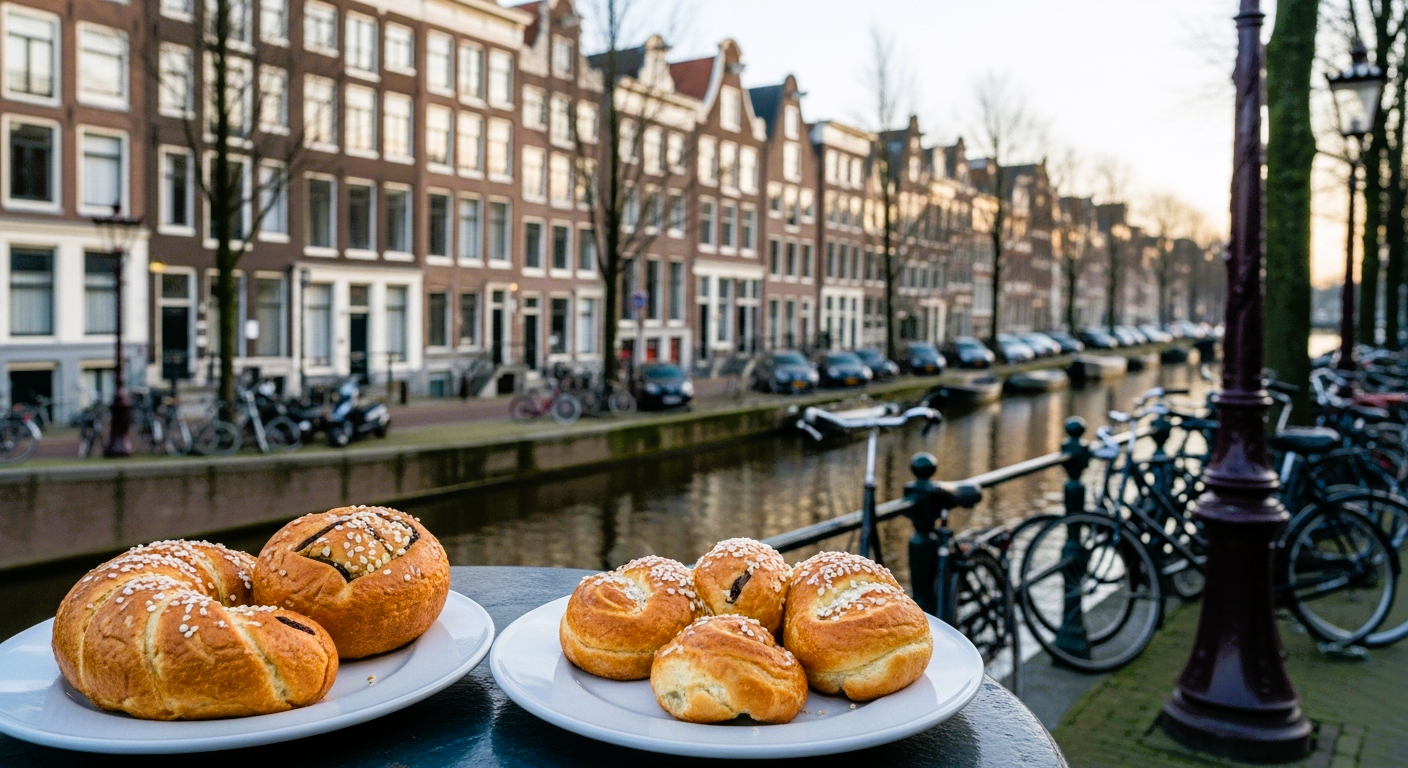
  • Raw North Sea Grit: Amsterdam 4 Essential Culinary Experiences

    Raw North Sea Grit: Amsterdam 4 Essential Culinary Experiences

    Amsterdam follows a rigid daylight rhythm that catches the unprepared off guard. Locals treat lunch as a utilitarian bridge often a quick sandwich at a desk or a stand-up snack saving their social energy for the borrel. This late-afternoon transition involves bitterballen and beer, serving as the bridge to dinner, which starts early and ends by ten. The most common mistake is assuming the kitchen stays open late; many of the best neighborhood spots stop serving food while the night is still young. Another error is bypassing the haringhandel stands during the day, thinking herring is a mere novelty rather than the city’s foundational protein. To eat well here, you must embrace the early start and the deep-fried snack culture that fuels the gap between work and rest.

    The progression through the city begins with a raw salted herring from a canal-side stall, continues into the crunch of a deep-fried bitterbal at a brown cafe, moves to the layered spice of a Surinese pom sandwich, and concludes with the thick syrupy center of a fresh stroopwafel.

    Haring – The Foundational Silver of the North Sea

    Haring, or raw ‘new’ herring, is not merely a snack but the historically vital protein that built Amsterdam’s trade wealth. It is preserved simply salted and “soused” (fermented in a light brine). When eating, you will notice the texture is exceptionally silky and firm, not slimy, collapsing into a rich, buttery, mildly briny, and decidedly not fishy flavor. It is a clean taste. While the classic image involves tilting your head back to swallow the fillet whole, locals often prefer it chopped with raw white onions and a slice of sour pickle. This sharp, crunchy acidity cuts through the fatty richness perfectly. It is almost always consumed standing up at a street haringhandel (herring cart). Do not look for a chair. For the best experience, visit a stand between May and July when the ‘Hollandse Nieuwe’ catch the season’s first and fattiest arrives. It is essential to eat it within minutes of being cleaned and plated.

    Bitterballen – The Scalding Heart of the Amsterdam Borrel

    The bitterbal is the undisputed fuel of the borrel the ritualized late-afternoon drinks that bridge work and dinner. These deep-fried spheres are essentially thickened beef or veal ragout, coated in breadcrumbs and fried until structurally sound. The experience is defined by contrast: the exterior provides an intense crunch, which immediately gives way to a molten, savory center that is rich, gooey, and often scalding. They must always be served with a side of sharp, coarse brown mustard to provide necessary acidity. Bitterballen are social food, shared from a communal plate at a traditional ‘brown cafe’ where the dark wood and low light match the deep fried aesthetic. This is a crucial practical tip: never bite immediately upon arrival. The interior retains immense heat and will cause serious burns. Wait at least thirty seconds; the resting time allows the flavors to settle and your palate to survive.

    Broodje Pom – The Post-Colonial Heat in a Soft White Roll

    The broodje pom is a vivid example of how Surinamese cuisine has become essential to Amsterdam’s culinary identity. It is a sandwich built on a cheap, soft white bun, offering zero resistance, which allows the filling to dominate. Pom itself is a casserole made from tayer (a root vegetable), baked until creamy, sweet, and citrusy (traditionally using orange juice). In this sandwich, it is layered with seasoned, shredded chicken, creating a savory and comforting density. The flavor profile is simultaneously sweet, salty, earthy, and bright. When ordering, you will be asked if you want it spicy. If you say yes, a dollop of pepre (a fiery hot sauce made from Madame Jeanette peppers) is added. It is recommended to accept the spice; it cuts through the richness of the root vegetable perfectly. As a practical tip, always add the pickled cucumber; its sharp acidity and bright pink hue provide the necessary textural and flavor contrast.

    Stroopwafel – The Warming Syrup Bond of the Open Market

    The stroopwafel is perhaps the most famous Dutch sweet, but the version available globally in plastic packets is a pale imitation of the fresh experience. A real stroopwafel is created at an outdoor market stall (like Albert Cuyp) by pressing a ball of spiced, cinnamon-infused dough between a hot waffle iron. Once pressed thin and cooked, the round waffle is immediately split horizontally, smeared with a warm, dark caramel syrup (stroop), and pressed back together. The resulting wafer is warm, structurally pliable, and the center is molten. It smells intensely of toasted sugar and spice. When consuming, it is essential to hold the steaming wafel immediately and eat it while the center is still fluid. The practical tip here is simple: never buy a pre-packaged one when you can stand at a stall and watch the irons press a fresh one for you. The difference in texture and flavor profile is dramatic.

    The Salted Path from Morning Market to Brown Cafe

    The most logical route begins at the Albert Cuypmarkt in De Pijp. Start with a fresh, steaming stroopwafel while the market air is still crisp and the smell of toasted sugar dominates the stalls. This sugar hit provides the energy needed to navigate the crowds. From there, move toward a nearby haringhandel to reset the palate with the clean, briny snap of raw herring and sharp onions. This savory transition prepares you for the heavier afternoon. As the light begins to dim, head toward the city center or the Jordaan for a broodje pom at a Surinamese toko, where the heat of the peppers provides a mid-day lift. End the journey at a traditional brown cafe by a canal. Here, the bitterballen arrive as the sun dips, their salty, fried crunch pairing with a local beer. This sequence respects the city’s geography and the natural progression from street-side snacking to the seated comfort of a wood-paneled pub.

    The Unspoken Etiquette of the Standing Snack

    Eating in Amsterdam is often an act of standing still. To eat like a local, you must master the art of the pavement pause. Whether at a herring cart or a fry walk-up, do not walk while eating. It is common practice to stand directly at the counter or within a three-meter radius of the stall, finish the portion, and dispose of the paper tray immediately. This creates a brief, focused moment of consumption amidst the bicycle traffic. In the brown cafes, the etiquette is similarly grounded. You do not wave for service; you catch the eye of the bartender with a subtle nod. The space is communal but quiet. Respect the silence of the old wood. When the bitterballen arrive, they are shared from the center of the table, never hoarded. This stillness is how you separate yourself from the frantic pace of the tourist center and integrate into the city’s functional, steady pulse.

    The Durable Soul of a Waterborne Kitchen

    Amsterdam’s culinary identity is not found in white tablecloths or complex plating. It is a city defined by its ability to preserve, fry, and spice its way into comfort. From the medieval necessity of salted fish to the colonial influence that brought the heat of the tropics to a cold northern port, the food here is utilitarian, honest, and resilient. It is a kitchen built on the water, designed to be consumed quickly and provide immediate warmth. To understand this city is to accept that its best flavors are often served on paper plates or shared over scarred wooden tables. This is a grounded, textured food culture that prioritizes the bite over the spectacle. It is a city that feeds you well if you are willing to stand on a rainy corner or squeeze into a crowded, dimly lit bar at four in the afternoon.

  • The Fluid Canvas: Amsterdam as an Architectural Breath

    The Fluid Canvas: Amsterdam as an Architectural Breath

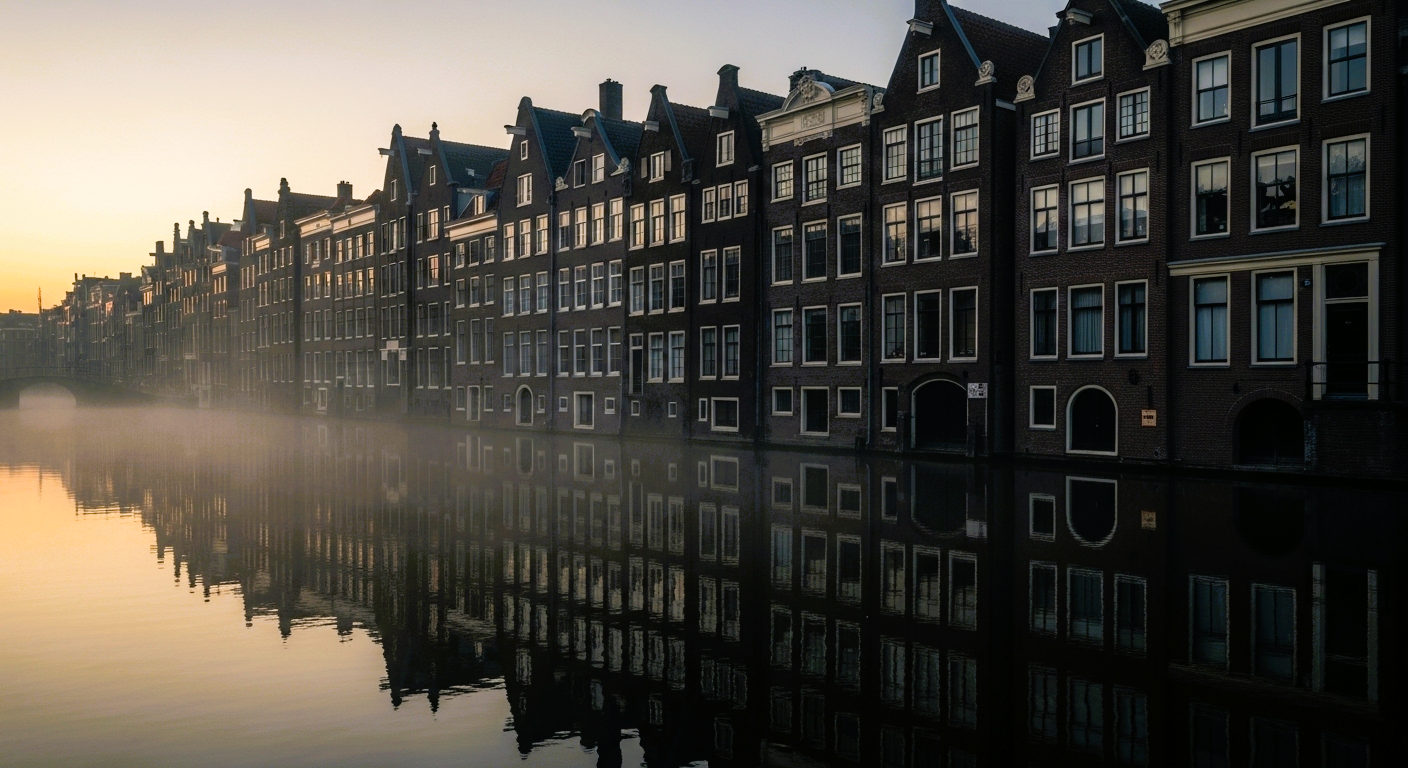
    To observe Amsterdam is to witness a delicate negotiation between the liquid and the stone. It is a city that does not merely sit upon the land but floats within a rhythmic pulse of historic engineering and golden-age ambition. Here, the concept of unhurried travel is not a choice but a requirement, dictated by the narrow brick corridors and the leaning facades that whisper of a century’s weight. The city functions as a curated gallery where the exhibits are the houses themselves, their gables reaching like hands toward a gray, maritime sky. To walk these streets is to engage with a living philosophy of observation, where every reflection in the dark canal water serves as a secondary, shimmering reality of a society built on the art of the intentional.

    The Geometry of the Amstel

    The Amstel River acts as the foundational spine of Amsterdam, a liquid avenue that dictates the mathematical precision of the city’s concentric growth. To observe the river is to understand the Dutch mastery over the ephemeral; it is a landscape defined by the rhythmic repetition of stone bridges and the stoic permanence of the quay. This waterway is not merely a topographical feature but a curated vista where the architecture leans inward, as if paying homage to the source of its prosperity. The grand facades along the riverbanks serve as a visual lexicon of the Golden Age, where symmetry and proportion reflect a societal obsession with order and aesthetic clarity. In the stillness of a slow afternoon, the river transforms into a vast, horizontal gallery, framing the city’s evolution from a tactical fishing outpost to a sophisticated metropolitan masterpiece of maritime engineering.

    The Interiority of Light

    In the Dutch tradition, light is treated as a physical substance, a tactile element that defines the soul of a space. This philosophy is most evident when observing the interplay between the tall, narrow windows of the canal houses and the shifting northern sky. The architecture is designed to invite the sun’s reach deep into the domestic sphere, creating a dialogue between the public facade and the private sanctuary. This curation of light traces back to the canvases of the Old Masters, where a single source of illumination could transform a mundane room into a spiritual encounter. To wander the streets is to notice how the glass panes act as filters, catching the silver glint of the clouds and casting a soft, painterly glow upon the weathered textures of the interior timbers. It is an invitation to pause and acknowledge the quiet, luminous poetry inherent in the city’s very atmosphere.

    The Industrial Rebirth of the North

    To cross the water toward the northern banks is to transition from the golden-age past into a landscape of metallic reclamation. The ritual here is one of vertical observation, where the skeletal remains of shipyards have been repurposed into a new, jagged aesthetic. This industrial rebirth demands a different pace—one that appreciates the rusted patina of a crane against the stark, modern glass of a museum. It is a dialogue between the obsolete and the avant-garde, where the echoes of heavy machinery have been replaced by the quiet hum of creative intention. One must stand at the edge of the NDSM wharf and allow the scale of the repurposed hangars to dwarf the senses, acknowledging how the city breathes through its ability to reinvent its own iron bones into a contemporary masterpiece of urban survival.

    The Silent Gardens of the Begijnhof

    Engaging with the hidden interiority of the city requires the unhurried method of seeking the void. The Begijnhof represents a physical pause in the urban fabric, a sanctuary of medieval silence tucked behind an unassuming wooden door. To enter this space is to step out of the chronological flow of the surrounding streets and into a curated stillness. The observation here is found in the soft alignment of the small, white-painted facades and the ancient, tilted gravestones set into the lawn. It is a masterclass in the art of the enclosed garden, where the architecture acts as a dampener for the external world. The nuance lies in the sound of one’s own footsteps on the cobblestones, a rhythmic reminder that the most profound artistic experiences in Amsterdam are often those found in the deliberate absence of noise.

    The Perennial Gallery of the Lowlands

    Amsterdam remains a testament to the endurance of the human scale in architecture. It is a city that refuses to be consumed by the velocity of the modern era, instead inviting the observer to synchronize their pulse with the slow lap of the canals against the quay. Its artistic legacy is not confined to the gilded frames of its museums but is etched into the very grain of its brickwork and the specific, silver quality of its light. To leave Amsterdam is not to exit a destination, but to step out of a meticulously curated experience of space and time, where the dialogue between history and innovation continues to resonate in every silent, gabled reflection.

    As the light fades over the Amstel, one must consider where the next conversation between the environment and the soul will begin, perhaps in the layered shadows of another historic capital awaiting a similar unhurried gaze.

  • 6 Best Things to Do in Venice: A Strategic Guide for the Thoughtful Traveler

    6 Best Things to Do in Venice: A Strategic Guide for the Thoughtful Traveler

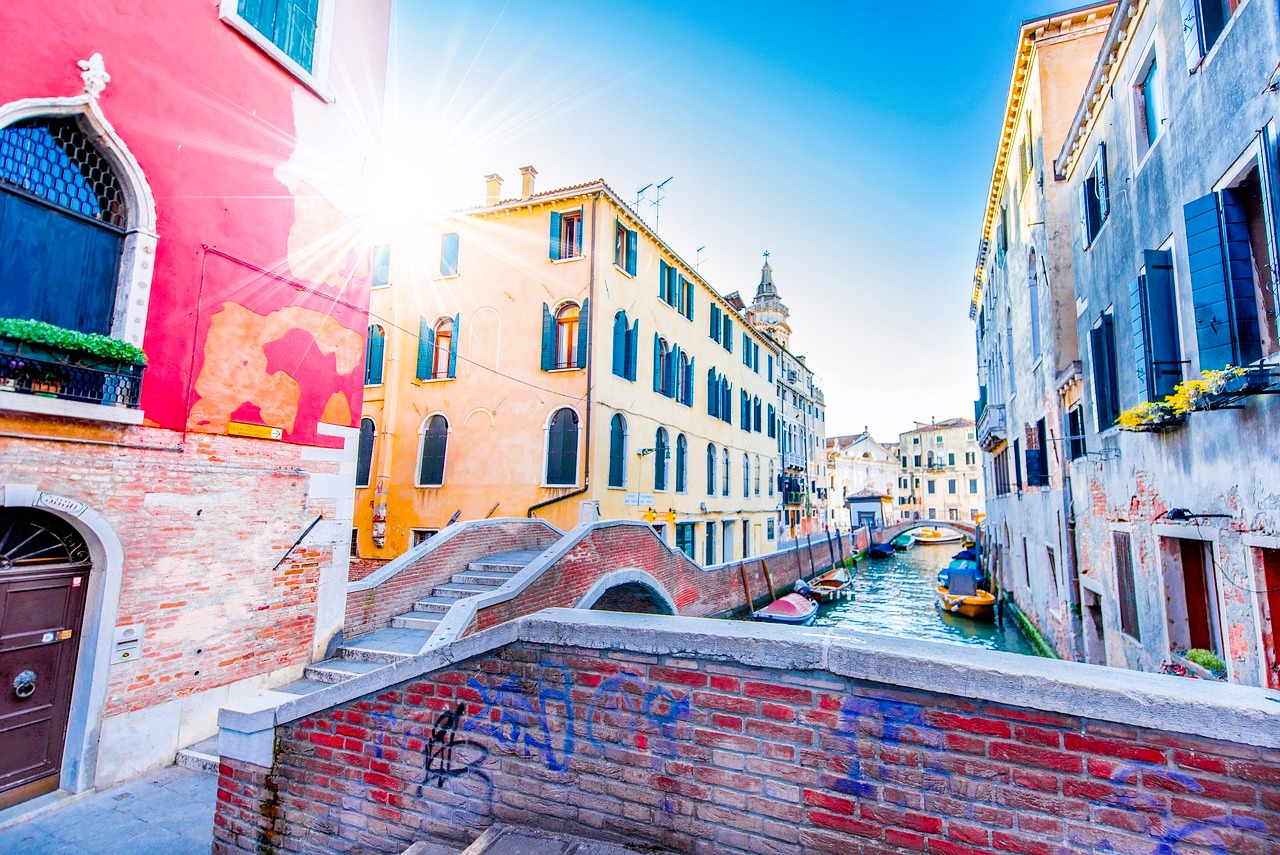
    Most travelers treat Venice as a sprint, fighting through the mid day “Golden Triangle” of San Marco and Rialto alongside thousands of day trippers. This high pressure pacing leads to “Venice fatigue,” where the city feels more like a crowded museum than a living maritime republic. To truly see the city, you must invert the typical schedule. By staying overnight and prioritizing the periphery during peak hours, you allow the city’s silence to return. This guide identifies the best things to do in Venice by focusing on sites that reward observation over ticking boxes. We prioritize geographic logic and timing, ensuring your visit remains unhurried even during the height of the 2026 season.

    Basilica di San Marco – The pinnacle of Byzantine mosaics and Venetian religious authority

    St. Mark’s Basilica stands as the definitive monument to Venice’s historical identity as a bridge between the Byzantine East and the Latin West. Its golden mosaics, spanning eight centuries of craftsmanship, reflect a maritime republic that used architecture to project divine favor and staggering wealth. For the modern traveler, the challenge lies in experiencing this sacred space without the frantic pacing of the crowds that inevitably swell by midday. To find a moment of relative peace, consider entering through the Porta dei Fiori on the northern side which is reserved for those seeking prayer or attending Mass, offering a dignified alternative to the primary tourist queue. This allows you to observe the shifting light against the tesserae in a setting that feels less like a transit hub and more like the sanctuary it remains. Prioritizing the earliest 9:30 AM entry ensures you view the nave before groups arrive.

    Palazzo Ducale (Doge’s Palace) – The architectural blueprint of the Republic’s political machinery

    The Palazzo Ducale is a masterpiece of Venetian Gothic design and served for centuries as the absolute seat of power for the Republic. It is more than a residence; it is a complex administrative machine containing courtrooms, armories, and the infamous Piombi prisons where Casanova was once held. While the Sala del Maggior Consiglio is undeniably grand, the thoughtful traveler finds deeper value in the political mechanics of the city. To experience this without the standard friction, book the Secret Itineraries tour in advance, which grants access to the hidden offices and torture chambers otherwise restricted to the general public. Arriving precisely at the 9:00 AM opening allows you to navigate the Golden Staircase and the Doge’s private apartments before the primary surge of cruise ship excursions reaches the courtyard. This timing preserves the building’s imposing atmosphere, allowing the intricate wood carvings and Tintoretto canvases to speak clearly.

    Gallerie dell’Accademia – The essential chronological record of Venetian Renaissance art

    The Gallerie dell’Accademia houses the definitive collection of Venetian painting, offering a chronological evolution from the Byzantine era through the high drama of the Renaissance. Within these walls, masters like Bellini, Titian, and Veronese document the city’s transition from a rigid theological center to a sensory capital of art. For the modern observer, this museum provides a necessary intellectual anchor that offers context for the architecture seen elsewhere in the city. Unlike the crowded squares, the Accademia offers a contemplative environment, provided you avoid the late morning peak. A strategic visitor should plan for a late Monday morning or a Tuesday afternoon, as the museum closes at 2:00 PM on Mondays, often causing travelers to overlook that early window entirely. This scheduling allows for an unhurried study of Giorgione’s enigmatic Tempest, as the naturally lit rooms benefit from the softer, indirect light of the Venetian sky during these quieter hours.

    San Giorgio Maggiore – The superior panoramic perspective of the Venetian skyline

    For those seeking the definitive visual summary of Venice, the Palladian church of San Giorgio Maggiore offers an architectural clarity that the crowded main island often obscures. Situated on its own island directly across the basin, this site provides a deliberate detachment from the narrow calli of San Marco. The interior is a masterclass in Renaissance symmetry, housing late works by Tintoretto that benefit from the flooding natural light characteristic of the lagoon. While most tourists queue for hours at the Campanile di San Marco, the thoughtful traveler takes the Number 2 Vivaldi vaporetto from San Zaccaria for a brief three minute crossing to reach this quieter bell tower. The elevator to the top of the San Giorgio campanile offers an unobstructed 360 degree view of the Ducal Palace and the winding Grand Canal without the obstructive safety cages found elsewhere. This vantage point allows for a calm, strategic observation of the city’s maritime layout as the sun begins its afternoon descent.

    Peggy Guggenheim Collection – A modern counterpoint to the city’s historicist weight

    Housed in the unfinished Palazzo Venier dei Leoni, the Peggy Guggenheim Collection provides a vital aesthetic pivot from the Byzantine and Baroque influences that dominate the city. This museum represents one of the most important holdings of 20th century European and American art, featuring seminal works by Picasso, Dalí, and Magritte. The experience is uniquely intimate, as the art is displayed within Guggenheim’s former private residence, overlooking the Grand Canal from a low slung, modernist terrace. For the observer, the transition from ancient stone to Surrealism and Abstract Expressionism highlights the city’s enduring relevance as a global cultural hub. To maximize the experience, spend time in the Nasher Sculpture Garden at the rear of the property, which offers a rare pocket of shaded silence and greenery amidst the stone heavy Dorsoduro district. Arriving an hour before closing allows you to see the sculpture garden in the softest light, after the largest tour groups have departed for dinner.

    The Jewish Ghetto (Cannaregio) – A profound exploration of the world’s first segregated enclave

    The Cannaregio district contains the Ghetto Nuovo, a site of immense historical gravity that remains a functioning center of Jewish life today. Established in 1516, this area is characterized by its unusually tall tenement buildings, which were constructed vertically to accommodate a growing population within a confined urban footprint. Exploring this neighborhood offers a somber and necessary contrast to the opulence of the Rialto, grounding the traveler in the complex social history of the Venetian Republic. The area is best navigated by focusing on the small details, such as the stone slots where heavy gates once locked the inhabitants in at night. For a more profound connection, visit the Museo Ebraico and take the guided tour of the hidden synagogues, which are indistinguishable from the outside to maintain a low profile during periods of persecution. Afterward, walk toward the nearby Fondamenta della Misericordia for a quiet, canal side coffee away from the primary tourist thoroughfares, allowing the history of the Ghetto to resonate in the stillness.

    A 3 Day Strategic Itinerary

    To maximize your time without the exhaustion typical of Venetian tourism, organize your visit by sestiere to minimize redundant crossings of the Grand Canal. On your first day, focus on the San Marco district. Arrive at the Basilica di San Marco for the earliest entry, followed immediately by the Palazzo Ducale. In the afternoon, drift east into the residential alleys of Castello to observe local life away from the commercial noise. Your second day should center on the Dorsoduro district. Spend the morning at the Gallerie dell’Accademia and the afternoon at the Peggy Guggenheim Collection, connected by a brief walk along the Zattere promenade. Reserve your final day for the city’s bookends. Take the vaporetto across the basin to the island of San Giorgio Maggiore in the morning for the skyline view, then head north to the Cannaregio district to spend your final hours in the Jewish Ghetto. This geographical logic ensures an unhurried walking rhythm.

    The Unhurried Mindset

    The unspoken rule for enjoying Venice is to accept that your digital map will fail you. The city was built as a defensive labyrinth; its true character only emerges once you stop fighting the geography. To experience the city properly, you must embrace the productive detour. The most soulful moments are found in the transition between landmarks—the sudden opening of a quiet campo or the sound of water against a darkened foundation. If you find yourself in a crowd, turn into the narrowest alley available. Usually, within two turns, the silence of the lagoon returns, and the city becomes yours again.

    Strategic Transitions

    While Venice is a self contained world, it serves as the logical gateway to the broader Veneto region and the northern Italian landscape. For those with additional time, the high speed rail connections from Santa Lucia station provide immediate access to the Roman arena of Verona or the jagged peaks of the Dolomites.

    Mastering the city of canals requires a shift in perspective that values the quality of the observation over the quantity of the itinerary. Your visit to the lagoon should leave you with a sense of clarity, not a collection of blurred photographs.

  • Best Things to Do in Athens: A Strategist’s Guide to the Greek Capital

    Best Things to Do in Athens: A Strategist’s Guide to the Greek Capital

    Athens is often treated as a 48-hour layover a hot, crowded dash to the Parthenon before fleeing for the islands. But the secret to mastering the city isn’t just about checking boxes; it’s about timing. To truly enjoy the best things to do in Athens, you have to navigate the friction between ancient scale and modern urbanity.

    Whether you’re hunting for the perfect sunset over the Saronic Gulf or navigating the steep marble of the “High City,” success depends on these visiting Athens tips: go early, stay late, and look beyond the stone. This Athens travel guide balances the heavy-hitters with the slow-burn neighborhoods where the city’s real 2026 “renaissance” is happening far away from the cruise ship surges.

    Acropolis of Athens – The Ultimate Blueprint of Western Civilization

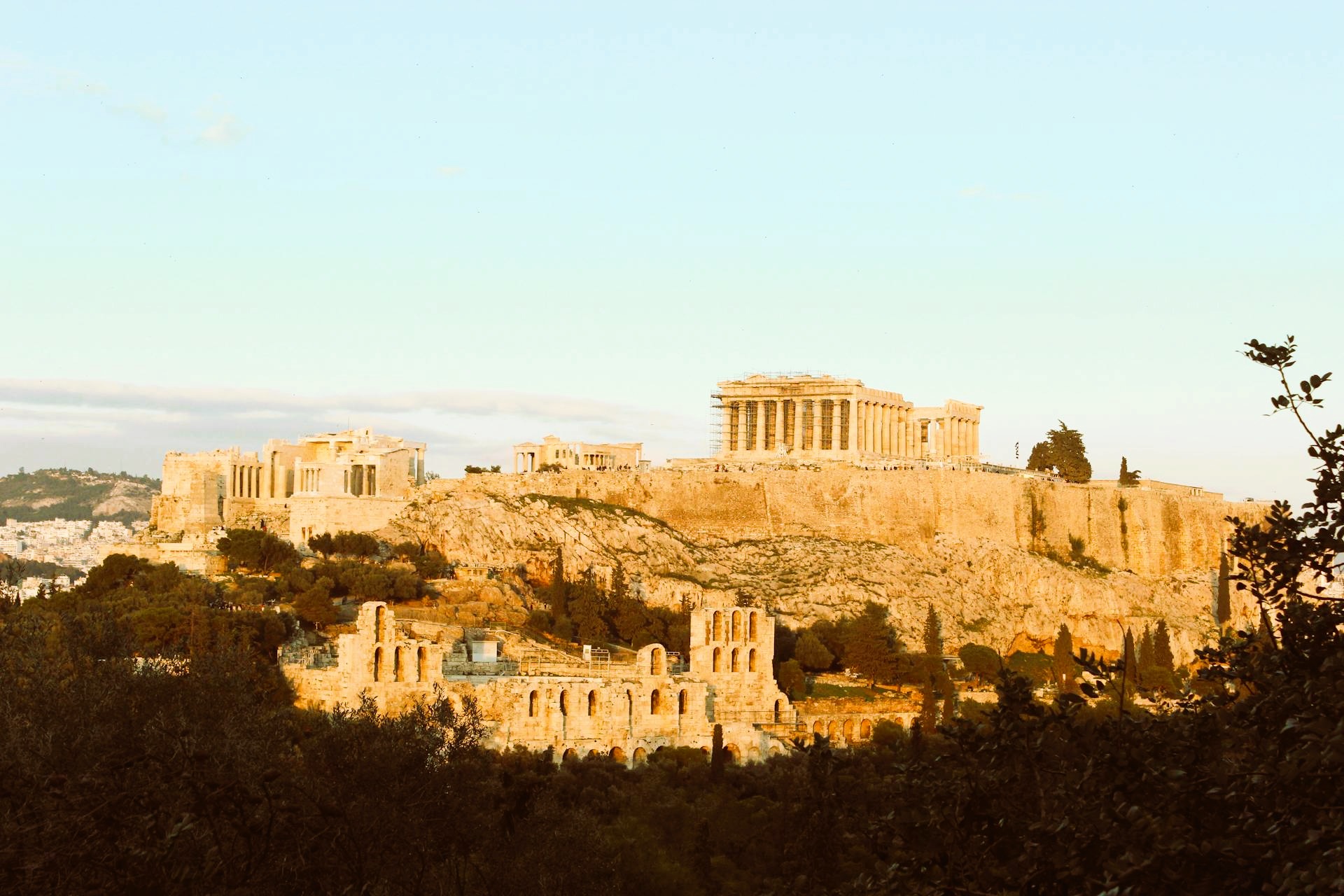
    Standing atop the “High City” is more than a history lesson; it is an exercise in scale and endurance. As the primary pillar of any Athens travel guide, the Acropolis provides a 360-degree orientation of the Attic basin that helps you understand the city’s chaotic layout. In 2026, the experience is defined by the mandatory timed-entry system, which has significantly thinned the once-stifling crowds, allowing for a more meditative pace. You aren’t just seeing ruins; you are walking through the birthplace of democracy and theater. The sheer engineering of the Propylaea and the delicate Caryatids of the Erechtheion offer a physical connection to the 5th century BC that feels surprisingly immediate. Despite the modernization of the paths, the ascent remains rugged and steep, rewarding the effort with a perspective on Western heritage that no textbook can replicate.

    Practical Expert Tip: Book the 8:00 AM slot via the official Hellenic Heritage portal at least three weeks in advance. Enter through the “South Slope” gate near the Acropolis Metro to see the Theater of Dionysus first and bypass the massive tour bus queues at the main western entrance.

    Acropolis Museum – A High-Tech Lens on Ancient Art

    Often cited in visiting Athens tips as the best “midday escape,” this museum is a climate-controlled masterclass in contextual architecture. Designed by Bernard Tschumi, the building sits on stilts over an excavated Byzantine neighborhood, visible through glass floor panels as you enter. The museum’s utility lies in its “reconstruction” of the Acropolis experience; the top floor is rotated precisely to align with the Parthenon itself, allowing you to see the marbles in the exact orientation they once held. The vibe is sophisticated and airy, a sharp contrast to the dusty heat of the ruins. Watching the natural light change on the surviving statues specifically the five original Caryatid “Maidens” bridges the gap between archaeological fragments and living history. It provides the intellectual “why” to the physical “what” you witnessed on the hill, making the complex history of the site digestible and visually stunning.

    Practical Expert Tip: Visit on Friday evenings when the museum stays open until 10:00 PM. The restaurant terrace offers one of the most prestigious (and relatively quiet) dinner views of the illuminated Acropolis in the entire city.

    Ancient Agora – The Social Heart of Classical Democracy

    If the Acropolis was for the gods, the Ancient Agora was for the people. This sprawling site ranks among the top attractions in Athens because it offers a “lived-in” feel that the citadel lacks. This was the commercial and political hub where Socrates debated and the first judicial systems were tested. The utility here is the variety: you have the Temple of Hephaestus the most perfectly preserved Doric temple in Greece and the Stoa of Attalos, a fully reconstructed 2nd-century BC shopping mall that now houses the Agora Museum. Walking the Panathenaic Way, you feel the city’s pulse as it moved 2,500 years ago. The vibe is greener and more park-like than other sites, offering pockets of shade and a sense of wandering through an ancient neighborhood rather than a sterile monument. It is the best place to visualize the daily friction of Athenian life.

    Practical Expert Tip: Use the “Multi-Site Combo Ticket” here to save money if you plan on seeing the nearby Roman Agora. Enter from the Adrianou Street side to immediately access the Stoa of Attalos for a shaded, chronological overview of the site’s artifacts before heading to the sun-exposed temple.

    Panathenaic Stadium – A High-Octane Journey Through Olympic History

    As one of the premier top attractions in Athens, the “Kallimarmaro” offers a visceral connection to the “Experience Economy” by allowing visitors to actually run the track where the 1896 Olympic revival began. Unlike static ruins, this site encourages physical interaction; you can climb the steep tiers, walk the vaulted athletes’ tunnel, and stand on the podium for a photo. The vibe is one of triumphant scale and symmetry. While many travelers simply snap a photo from the fence, paying for entry provides access to the Olympic museum inside the stone passage, housing rare torches and posters. It’s an essential stop for sports enthusiasts and those seeking a tangible link between ancient Greek athletic ideals and the modern global stage. The sheer reflective power of the white marble under the Mediterranean sun makes it a sensory, high-contrast highlight of any trip.

    Practical Expert Tip: Visit during the “Golden Hour” (one hour before sunset) when the marble glows orange; then, head to the nearby “Odeon” cafe in the Pangrati neighborhood for a local freddo espresso away from the tourist crowds.

    Temple of Olympian Zeus – A Lesson in Colossal Scale

    This site represents the “Experience Economy” through the lens of awe and monumental ambition. Once the largest temple in Greece, its few remaining columns each standing 17 meters tall deliver a sense of scale that even the Parthenon struggles to match. When considering visiting Athens tips, this site is often recommended for its central location and the way it anchors the city’s modern traffic with ancient gravity. The vibe here is one of peaceful desolation; the vast, grassy field provides a buffer from the surrounding city noise. It serves as a reminder of the long Roman period of Greek history, having been completed by Emperor Hadrian. For the traveler, it offers a quick but high-impact visual that emphasizes the sheer audacity of ancient construction projects, making it a staple of any comprehensive Athens travel guide.

    Practical Expert Tip: Use the side entrance on Vasilissis Amalias Avenue to avoid the main gate lines; it also places you directly next to Hadrian’s Arch, allowing you to “check off” two major monuments in one fluid movement.

    Mount Lycabettus – The Ultimate Panoramic Reward

    Lycabettus is the pinnacle of the Athenian “Experience Economy,” offering the most comprehensive visual payoff in the city. Rising 277 meters above sea level, it provides the “big picture” perspective that helps travelers synthesize everything they have seen on the ground. The vibe at the top is celebratory, especially at dusk when the whitewashed Chapel of St. George begins to glow and the city lights flicker on below. It is the perfect strategic bookend to a trip, allowing you to identify the top attractions in Athens from a bird’s-eye view. Whether you choose the fitness-focused hike up the pine-clad slopes or the high-tech funicular ride through the mountain’s interior, the experience is about the transition from urban grit to breezy, limestone heights. It is where the scale of Athens truly becomes understandable.

    Practical Expert Tip: Skip the overpriced tourist restaurants at the very top; instead, take the funicular up for the view, but walk down the stairs to the Dexameni square in Kolonaki for authentic mezedes at the historic outdoor café.

    How to Spend 3 Perfect Days in Athens: A Strategic Itinerary

    To maximize your time without succumbing to “ruin fatigue,” structure your visit by neighborhood clusters. This approach minimizes transit time and keeps you within walking distance of the city’s best local haunts.

    Day 1: The Historical Core. Start with an 8:00 AM ascent to the Acropolis, followed by the Acropolis Museum. Spend your afternoon wandering the cobblestone labyrinth of Plaka and the island-esque alleys of Anafiotika. End with a sunset drink in Monastiraki, where the ancient and modern collide.

    Day 2: The Civic Heart. Head to the Ancient Agora in the morning to beat the heat. Afterward, walk through the National Gardens to reach the Panathenaic Stadium. In the evening, explore the trendy Pangrati or Koukaki neighborhoods for an authentic, non-touristy dinner.

    Day 3: The Grand Finale. Start at the Temple of Olympian Zeus before taking the Metro to the upscale Kolonaki district. Browse the boutiques and galleries before taking the funicular up Mount Lycabettus for a final panoramic goodbye.

    This flow leverages the efficiency of the Athens Metro while ensuring you experience the distinct “micro-vibes” of each central district.

    Quick Travel Facts (FAQ)

    When is the best time to visit Athens? Target the shoulder seasons: April to early June or September to October. You’ll enjoy mild temperatures (20°C–25°C) and significantly thinner crowds than the sweltering July-August peak.

    What is the “must-try” local dish? Beyond the standard gyro, seek out Moussaka at a traditional basement taverna. For a quick snack, grab a Spanakopita (spinach and feta pie) from a local bakery like Ariston it is the quintessential Athenian fuel.

    How do I get around the city? The Athens Metro is fast, clean, and archaeological in itself (many stations display artifacts found during excavation). For a flat fare, use the “Tap2Ride” feature with your contactless card, or grab a 3-day tourist pass if you’re arriving via the airport.

  • Best Things to Do in Vienna: A Journal for the Unhurried Traveler

    Best Things to Do in Vienna: A Journal for the Unhurried Traveler

    The hush of footsteps on polished stone echoes through Vienna’s grand halls, while the scent of roasted coffee drifts from a corner café. This is a city where light lingers on baroque facades and time slows in the rhythm of waltz and conversation. Exploring the best things to do in Vienna is not about rushing through a checklist it’s about savoring the cadence of imperial boulevards, lingering in museums, and pausing for a slice of cake that tastes of centuries. For the unhurried traveler, Vienna rewards patience: every palace, every park, every quiet square invites you to stay longer, listen closer, and let the city unfold at its own pace.

    Schönbrunn Palace – Imperial Grandeur in Slow Motion

    Walking through Schönbrunn Palace feels like stepping into a living canvas of imperial history. The vast courtyards echo with the footsteps of emperors, while the manicured gardens invite you to pause and breathe. Inside, gilded halls whisper stories of Habsburg elegance, yet the true magic lies outdoors where fountains, statues, and shaded paths create a rhythm of stillness. This UNESCO site is not just a monument; it’s a sanctuary for those who want to experience Vienna’s grandeur at a human pace.

    Visit early in the morning when the gates open the gardens are nearly empty, and the light is unforgettable.

    Belvedere Palace – Art, Gardens, and Timeless Light

    The Experience: Belvedere Palace is both an architectural masterpiece and a treasury of art. The baroque design frames sweeping gardens where symmetry and serenity meet. Inside, Klimt’s The Kiss glows with golden intimacy, drawing visitors into Vienna’s artistic soul. Yet beyond the galleries, the palace grounds invite slow wandering terraces, fountains, and quiet benches where time seems suspended. It is a place where art and landscape converse, offering travelers a layered experience that rewards patience and presence.

    Arrive late afternoon most tours have ended, and the golden light makes the gardens shimmer.

    St. Stephen’s Cathedral – Echoes Beneath the Gothic Spire

    Rising from the heart of Vienna, St. Stephen’s Cathedral is a monument of resilience and faith. Its Gothic spire commands the skyline, while inside, candlelight flickers against centuries-old stone. The air carries a solemn hush, broken only by the organ’s resonance. Visitors sense both grandeur and intimacy history etched into every arch, every mosaic. Climbing the South Tower rewards with sweeping city views, yet the true essence lies in the quiet moments: standing still as the bells reverberate through the square.

    Step inside just before evening mass the crowds thin, and the cathedral feels profoundly alive.

    Vienna State Opera – A Stage of Timeless Elegance

    The Vienna State Opera is more than a performance venue it is the heartbeat of the city’s cultural life. Its grand marble staircases and chandeliers set the stage for evenings steeped in tradition. Even without attending a show, standing in the foyer feels like entering a living museum of music. For travelers seeking a Vienna travel guide that emphasizes atmosphere, this landmark is essential: the sound of rehearsals drifting through corridors, the anticipation in the air before curtain rise, and the sense of continuity that opera has given Vienna for centuries.

    Book a daytime tour the halls are quieter, and you can linger without the evening rush.

    Kunsthistorisches Museum – A Temple of Art and Memory

    The Kunsthistorisches Museum is a sanctuary for art lovers and slow travelers alike. Its galleries hold treasures from Caravaggio to Bruegel, yet the building itself is a masterpiece ornate ceilings, marble columns, and quiet alcoves where time seems suspended. Exploring here is not about rushing from one exhibit to another; it’s about pausing before a canvas, letting colors and brushstrokes speak. For those drawn to Vienna palaces and museums, this is a crown jewel, offering both grandeur and intimacy. The museum’s café, tucked under frescoed arches, invites reflection as much as refreshment.

    Visit on a weekday morning the galleries are hushed, and you can stand alone with the masters.

    Stadtpark – Green Rhythms in the Heart of Vienna

    Stadtpark is Vienna’s invitation to breathe. The rustle of leaves, the ripple of water, and the golden statue of Johann Strauss create a harmony that feels both urban and timeless. Unlike palaces or cathedrals, this park rewards stillness: sitting on a bench, watching locals stroll, or listening to birdsong. It is a reminder that the city’s rhythm includes pauses, not just crescendos. For travelers consulting a Vienna travel guide, Stadtpark offers balance a green refuge where history and daily life meet in quiet continuity.

    Arrive just after sunrise the park belongs to you, and the city feels newly awakened.

    A Thoughtful 3-Day Itinerary for Vienna

    Day 1: Begin at Schönbrunn Palace, wandering its gardens at a gentle pace before stepping inside the imperial halls. From there, take a short tram ride to Belvedere Palace, where art and landscaped terraces invite you to linger until late afternoon.
    Day 2: Start in the old town at St. Stephen’s Cathedral, absorbing its Gothic presence before strolling through pedestrian streets toward the Vienna State Opera. Pause for coffee nearby, then join a guided tour or simply enjoy the building’s atmosphere.
    Day 3: Dedicate the morning to the Kunsthistorisches Museum, moving slowly through its galleries and pausing in the café. In the afternoon, walk or take a quick metro ride to Stadtpark, where Vienna’s rhythm softens into birdsong and statues.
    This itinerary balances grandeur with quiet moments, ensuring each day unfolds at a pace that honors the city’s spirit.

    Travel with a slow heart, and Vienna will meet you halfway. Its palaces, parks, and cafés are not destinations to be conquered, but companions in reflection. Let the city’s cadence remind you: the richest experiences are those you allow to breathe.