
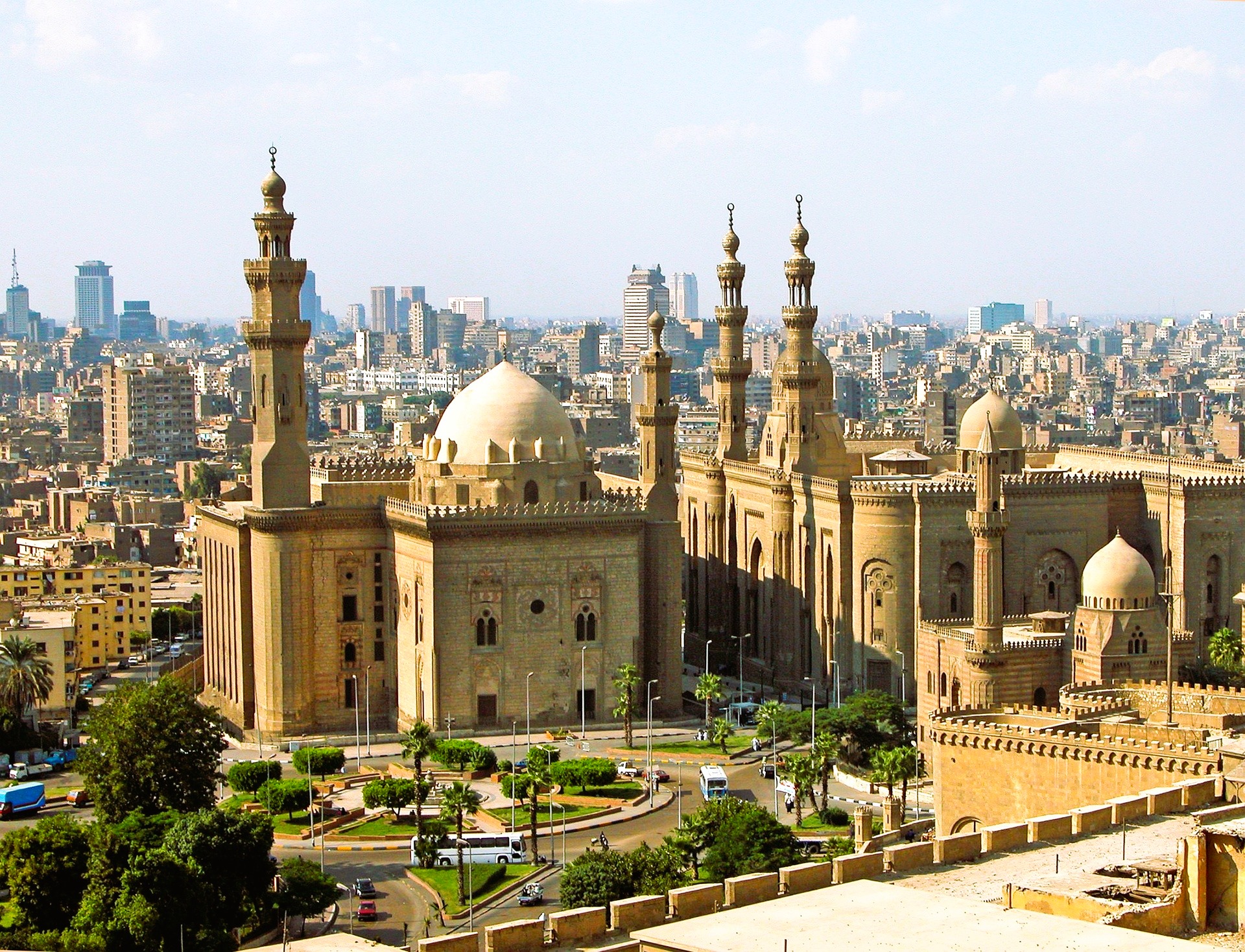
The first thing I notice is the hum the layered chorus of car horns, prayer calls, and the shuffle of sandals against stone. Cairo is never silent, yet its rhythm slows me down. I find myself pausing at corners, watching dust float in shafts of late-afternoon light, breathing in the mingled scent of cardamom, diesel, and fresh bread.
In this city, time stretches differently. I don’t rush from one monument to the next; instead, I linger in shaded courtyards, trace the worn edges of wooden doors, and let the Nile’s slow current set my pace. Cairo rewards patience the longer I stay, the more its textures reveal themselves: the cool marble under my palm, the warmth of brass lamps glowing at dusk, the quiet generosity of tea offered without hurry.
For me, slow travel here is not indulgence but necessity. Cairo is too vast, too layered, too alive to be consumed quickly. To walk its streets unhurried is to honor its centuries, to feel the weight of history not as spectacle but as atmosphere. I leave space for Cairo to unfold, and in return, it teaches me how to move at the speed of life itself.
The Sphinx
The Sphinx greets me with silence. Its face, worn and softened by centuries of wind, carries a quiet dignity. The air around it feels heavier, as if the desert itself pauses here. I hear the crunch of gravel underfoot, the murmur of guides speaking in low tones, and the occasional flutter of a bird cutting across the sky. The scent of dust is constant, mingled with faint traces of incense drifting from nearby vendors. Light plays delicately across its features morning sun sharpens its contours, while evening shadows lend it mystery. The Sphinx is smaller than the pyramids, yet its presence feels more intimate, as though it watches me directly. I find myself slowing, studying the cracks in its stone, the way its body blends into the earth, half-statue, half-landscape.
Unhurried Tip: Arrive in late afternoon when the crowds thin, and the fading light deepens its expression.
The Egyptian Museum
Inside the Egyptian Museum, the air is cooler, tinged with the faint scent of polished wood and aged paper. The hush of footsteps on marble floors creates a rhythm, broken only by the creak of doors or the murmur of voices in distant galleries. Light filters through high windows, catching on gold, alabaster, and faded textiles. I move slowly, pausing before each artifact the delicate brushstrokes on a papyrus, the smooth curve of a statue’s cheek, the shimmer of Tutankhamun’s mask under glass. The atmosphere is dense with history, yet intimate; I feel as though I am walking through layers of time, each corridor a passage into another century. The museum is not overwhelming if I allow myself to stop, to breathe, to let each object speak in its own tempo.
Unhurried Tip: Visit in the morning when the museum is quieter, and the light is gentler on the exhibits.
Khan el-Khalili Bazaar
Khan el-Khalili is less a market than a living organism. The air is thick with aromas cinnamon, roasted coffee, cardamom, and the faint tang of copper being hammered into shape. Sounds overlap: merchants calling softly, the clink of tea glasses, the shuffle of sandals against stone. Light filters unevenly through awnings, catching on polished brass and colored glass, creating a kaleidoscope of reflections. As I wander, I notice the textures: the rough weave of carpets under my fingers, the cool smoothness of alabaster figurines, the delicate crackle of old paper in antique bookshops. The bazaar is centuries old, yet it feels timeless, a place where trade and conversation blend seamlessly.
Unhurried Tip: Visit in the early evening when lanterns glow, and the crowds soften into a gentle hum.
Al-Azhar Mosque
Al-Azhar Mosque is a sanctuary of light and silence. The marble underfoot is cool, carrying the faint scent of dust and incense. The call to prayer rises gently, echoing against arches and domes, filling the air with a rhythm that feels eternal. I notice the play of shadows across carved stone, the delicate geometry of patterns etched into walls, the way sunlight filters through latticed windows, scattering across the floor in fragments. The mosque is not only a place of worship but of learning, its centuries-old legacy woven into the quiet presence of students reading in shaded corners. The atmosphere is serene, yet alive each breath feels slower, each step more deliberate.
Unhurried Tip: Arrive just after sunrise when the courtyard is empty, and the light is at its gentlest.
The Citadel of Saladin
The Citadel of Saladin rises above Cairo like a watchful guardian. The climb brings me into cooler air, tinged with stone and faint echoes of footsteps against ancient walls. From its terraces, the city stretches endlessly rooftops, domes, and minarets dissolving into desert haze. The soundscape shifts here: the distant hum of traffic becomes a muted drone, while the call to prayer drifts upward, layered from dozens of mosques below. Inside, the mosques and halls carry their own atmosphere vaulted ceilings that amplify whispers, marble floors that reflect soft light, and walls that hold centuries of history. The Citadel feels both monumental and intimate, a place where power and devotion once intertwined.
Unhurried Tip: Visit in late afternoon when the sun softens, and the city below glows in golden haze.
The Pyramids of Giza
Standing before the Pyramids of Giza, I feel the desert air shift dry, sharp, and filled with the faint scent of sand warmed by centuries of sun. The stones themselves radiate heat, their surfaces rough and uneven, carrying the weight of thousands of years. The wind whistles faintly across the plateau, carrying echoes of camel bells and distant voices. Light changes everything here: in the morning, the pyramids glow honey-gold; by midday, they blaze white against the sky; at dusk, they fall into shadow, monumental silhouettes against fading crimson. Their scale is overwhelming, yet when I pause, I notice the smaller detailsthe grooves in the limestone, the way shadows nestle into cracks, the silence that lingers between gusts of wind.
Unhurried Tip: Visit at sunrise when the plateau is quiet, and the light softens the harsh desert edges.
Moving Slowly Through Cairo
I believe Cairo rewards those who linger. Each stone, each shadow, each voice in the street carries centuries, and only by moving slowly do those centuries speak. Begin your thoughtful journey here not with urgency, but with patience and let Cairo teach you how to travel at the pace of life itself.