
Tag: blog

  • Estonia Itinerary: The Only 7 Days Plan You Need for Car Rental Travel

    Estonia Itinerary: The Only 7 Days Plan You Need for Car Rental Travel

    Most Estonia guides fail by over-allocating time to Tallinn’s Old Town, causing travelers to miss the high-value ecological diversity of the islands and the southern highlands. This plan fixes that by using a high-mobility “Triangle Route.” By utilizing a rental car, you bypass the 35% time-loss associated with regional bus synchronization.

    Best Time to Visit: May to September (Maximized daylight for driving; 18+ hours in June).

    Estimated Daily Budget: €110–€150 per person (Includes mid-range lodging, fuel, and ferry tolls).

    Maximizing ROI: The Math Behind the 7-Day Loop

    A 7-day duration provides the optimal time-to-value ratio for Estonia’s geography. With a total land area of ~45,000 km², the primary points of interest (Tallinn, Kuressaare, and Tartu) form a triangle with legs no longer than 200km.

    Travel Time Efficiency:

    Tallinn to Kuressaare: 4 hours (including ferry).

    Kuressaare to Tartu: 4.5 hours.

    Tartu to Tallinn: 2.5 hours.

    By dedicating 168 hours to this route, you spend less than 8% of your total trip in transit. This allows for 2-night “micro-hubs” in each major zone, ensuring you spend your “active daylight” on-site rather than on the asphalt.

    The Kalamaja District (Tallinn) & Kuressaare

    While this is a moving itinerary, your Strategic Anchor is Tallinn’s Kalamaja District. Located North-West of the Old Town, Kalamaja provides immediate access to the E20 and E67 highways, allowing you to exit the city limits toward Lahemaa or Western Estonia in under 12 minutes, bypassing the congested city center. For the island portion of the trip, Kuressaare serves as the tactical base, placing you within 45 minutes of the Vilsandi coastline and the Sõrve Peninsula, effectively cutting daily island transit times by half compared to staying near the Muhu ferry port.

    THE “HIGH-VALUE” ITINERARY

    Strategic Focus: This Estonia Itinerary 7 Days utilizes the “Triangle Route” to eliminate backtracking and maximize your time in nature.

    Day 1: Tallinn The Medieval Entry Point

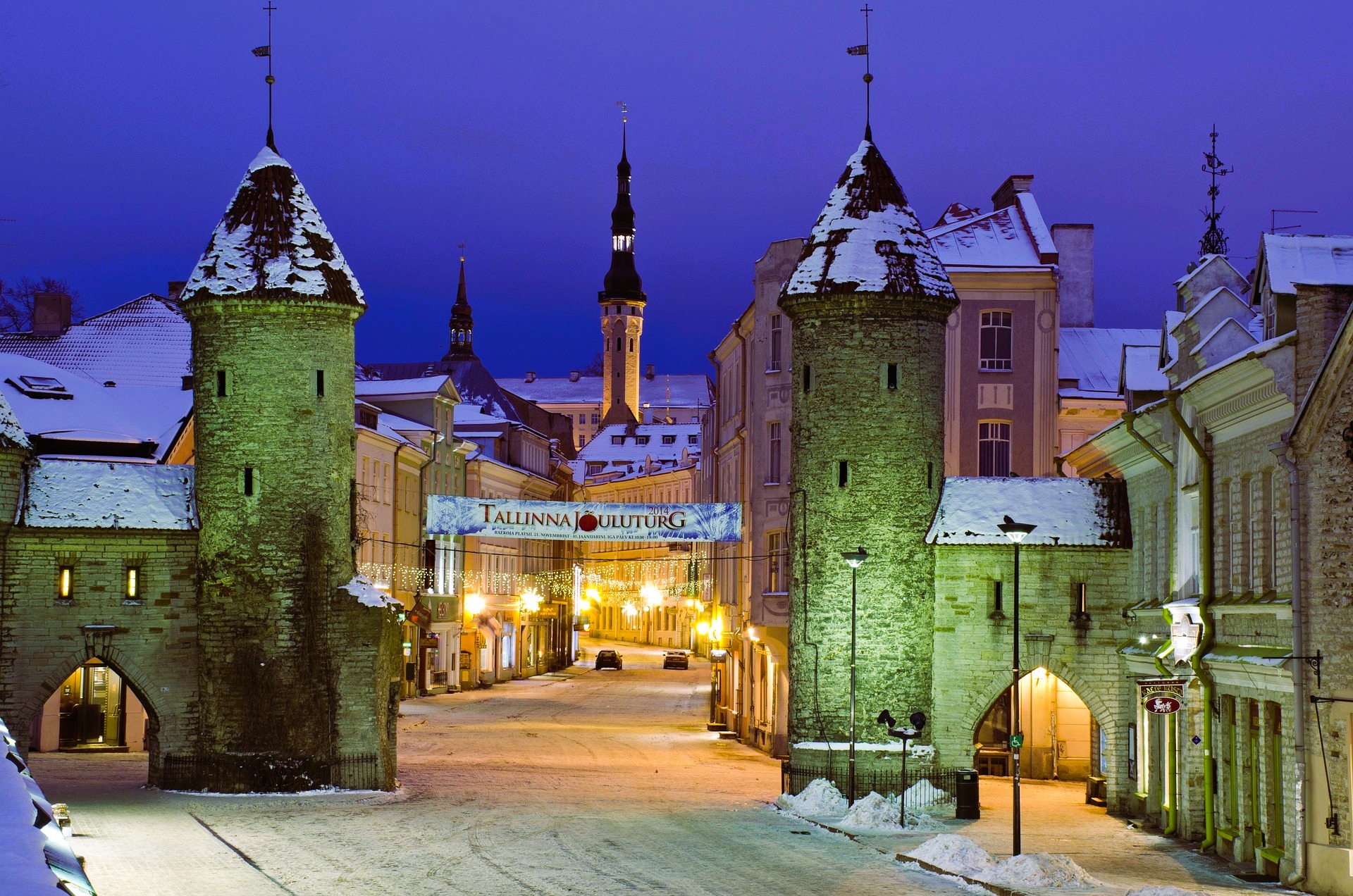
    The Morning Focus: Tallinn Old Town (Upper Town/Toompea). Walk the fortress walls for the Kohtuotsa viewing platform panorama.

    The Logistical Tip: Arrive at the Town Hall Square before 09:00 to photograph the Hanseatic architecture before the cruise ship crowds arrive.

    The “One Thing to Eat”: Kiluvõileib (Sprat sandwich) at a local cafe near the Niguliste Museum.

    Day 2: Lahemaa National Park The Coastal Push

    The Morning Focus: Viru Bog Trail. A 6km boardwalk through high-value peat bog landscapes and watchtowers.

    The Logistical Tip: Leave Tallinn by 08:30 via the E20. Use the RMK (State Forest Management Center) app for real-time trail maps.

    The “One Thing to Eat”: Smoked trout at the Altja Fishing Village tavern.

    Day 3: The Island Transition Muhu to Saaremaa

    The Morning Focus: Angla Windmills. Five iconic wooden windmills that represent the peak of Saaremaa’s agricultural heritage.

    The Logistical Tip: Pre-book your Virtsu–Kuivastu ferry ticket online (Praamid.ee) to skip the 1-2 hour standby queues. This is essential for maintaining your Estonia Itinerary 7 Days pace.

    The “One Thing to Eat”: Muhuleib (Dark rye bread with nuts/seeds) fresh from the Muhu Pagarid bakery.

    Day 4: Deep Saaremaa Cliffs and Craters

    The Morning Focus: Panga Cliff. The highest coastal cliff in Western Estonia, offering 21-meter drops into the Baltic.

    The Logistical Tip: Visit the Kaali Meteorite Crater on your way back to Kuressaare; it’s a 20-minute stop that fits perfectly into the transit window.

    The “One Thing to Eat”: Wild boar or locally caught Juniper-infused fish in Kuressaare.

    Day 5: The Academic Capital Tartu

    The Morning Focus: The Estonian National Museum (ERM). An architectural marvel built on a former Soviet airbase runway.

    The Logistical Tip: The drive from Saaremaa to Tartu is the longest leg (approx. 4.5 hours). Start by 09:00 to reach Tartu for a late lunch.

    The “One Thing to Eat”: Modern Estonian fusion at Aparaaditehas (The Widget Factory district).

    Day 6: Southern Nature & Onion Route

    The Morning Focus: Peipsi Lake & The Onion Route. Explore the unique culture of the Old Believers living along the Russian border.

    The Logistical Tip: Use the secondary roads (Route 222) for a more scenic drive through the yellow “National Geographic” windows.

    The “One Thing to Eat”: Famous Peipsi Onion Pie and samovar tea.

    Day 7: The Return Loop

    The Morning Focus: Viljandi Castle Hills. The ruins of a 13th-century Order of Livonia castle overlooking a pristine lake.

    The Logistical Tip: Viljandi is the perfect halfway point between Tartu and Tallinn, allowing for a 2-hour “leg stretch” before dropping off the rental car.

    The “One Thing to Eat”: Artisanal pastries at the Rohelise Maja Pood ja Kohvik.

    TRAVELER’S CHEAT SHEET

    Local SIM/Data: Pick up a Telia or Elisa “Super” prepaid SIM at any R-Kiosk. 10GB of data costs roughly €5; Estonia has near-100% 4G/5G coverage, even in deep forests.

    Transport “Hack”: Download the Pargi.ee app. It handles all street parking via your credit card, which is vital in Tallinn and Tartu where zones change block-by-block.

    Tourist Trap Avoidance: Avoid eating on the Tallinn Town Hall Square. Walk 5-10 minutes toward the Telliskivi Creative City for better quality at 40% lower prices.

    Internal Link: Looking for more Baltic inspiration? Check out our guide to the [Best places to visit in Northern Europe].

    COMMON QUESTIONS (FAQ)

    Is 7 Days enough for Estonia? Yes. Because Estonia is compact, 7 days allows you to cover the “Golden Triangle” (Tallinn, Saaremaa, Tartu) without exceeding 3 hours of driving on most days. It provides a 70/30 split between outdoor exploration and urban culture.

    How much does a 7 Days trip to Estonia cost? Expect to spend between €800 and €1,100 per person. This includes a mid-sized rental car (€250/week), fuel, mid-range boutique hotels, and high-quality dining. Booking ferries and car rentals 3 months in advance can reduce this by 15%.

    CONCLUSION: THE ROI This itinerary yields a high Experience-to-Transit ratio. By utilizing a car rental over the 7-day window, you reclaim approximately 14 hours otherwise spent waiting for regional buses. This time is reinvested into the bogs of Lahemaa and the cliffs of Saaremaa, delivering a comprehensive “Wild Estonia” experience that city-bound travelers miss.
  • Slovenia Itinerary: The Only 7 Days Plan You Need for Car Rental Travel

    Slovenia Itinerary: The Only 7 Days Plan You Need for Car Rental Travel

    This plan works because it eliminates the “backtracking” common in public transport routes, saving approximately 12 hours of transit time over one week. By utilizing a vehicle, you bypass restricted bus schedules, allowing for sunrise arrivals at major landmarks before tour groups arrive.

    Best Time to Visit: May to September (for mountain pass accessibility).

    Estimated Daily Budget: €120–€150 per person (including mid-range accommodation, fuel, and dining).

    Maximizing Optimal Time-to-Value: The 7-Day Efficiency Model

    A 7-day duration is the mathematical “sweet spot” for Slovenia due to the country’s compact geography. With a total land area of just 20,273 km², a one-week window allows for a 360-degree loop starting and ending in the capital without exceeding an average of 90 minutes of driving per day.

    This specific duration permits a 48-hour focus on the Alpine region, 24 hours for the Karst plateau, and 24 hours for the Adriatic coast, while maintaining a 20% “buffer” for spontaneous stops in the Soča Valley. Any shorter and you sacrifice the western peaks; any longer and the diminishing returns of small-town exploration begin to set in for the active traveler.

    The Strategic Hub: Ljubljana (Central District)

    For this 7-day model, Ljubljana serves as the primary strategic anchor for the first 3 nights. Its position at the intersection of the A1 and A2 motorways is statistically the most efficient launchpad in the country.

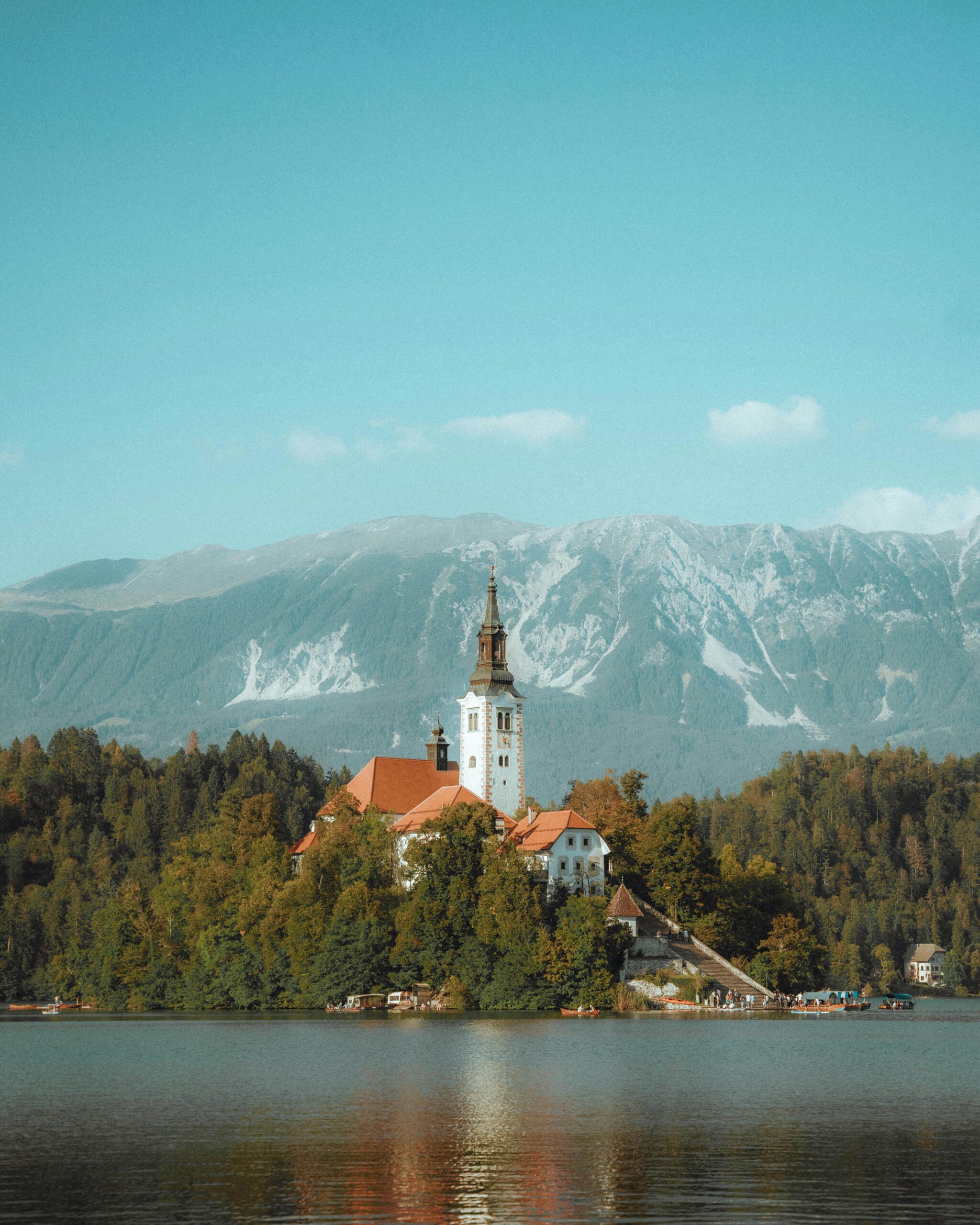
    Logistical Advantage: From a central Ljubljana base, you are within a 45-minute radius of Lake Bled, the Velika Planina plateau, and the Postojna Caves.

    Transit Minimization: By centering here initially, you avoid the “pack and unpack” fatigue of daily hotel changes, allowing for high-velocity day trips before transitioning to a secondary “spoke” location in the Soča Valley for the final leg of the journey.

    THE “HIGH-VALUE” ITINERARY

    Day 1: Ljubljana Logistics & Arrival

    The Morning Focus: Pick up your rental car at LJU airport and check into your central hub. Walk the Triple Bridge and ascend to Ljubljana Castle for a layout overview.

    The Logistical Tip: Slovenia Itinerary 7 Days success starts with a “Vignette” (toll sticker). Ensure your rental includes one or purchase it at the first gas station to avoid heavy fines on the A1.

    The “One Thing to Eat”: Kranjska klobasa (Carniolan sausage) at Klobasarna.

    Day 2: The Alpine Spoke (Lake Bled & Vintgar Gorge)

    The Morning Focus: Arrival at Vintgar Gorge by 08:00. The wooden walkways are narrow; arriving at opening time is the only way to avoid the mid-day “bottleneck.”

    The Logistical Tip: Park at the “Bled Rose Hotel” or designated central lots early; Lake Bled parking is strictly enforced and fills by 10:00.

    The “One Thing to Eat”: Kremna rezina (Bled Cream Cake) at Slaščičarna Zvezda.

    Day 3: The High Plateau (Velika Planina)

    The Morning Focus: Take the cable car from Kamniška Bistrica to the shepherd’s settlement of Velika Planina. It is one of the last remaining high-mountain herdsmen villages in Europe.

    The Logistical Tip: Check the webcam for cloud cover before leaving Ljubljana; if visibility is zero, swap this day with Day 4.

    The “One Thing to Eat”: Fresh Trnič cheese or a bowl of Jota (sauerkraut stew) at a mountain hut.

    Day 4: Subterranean Giants (Postojna & Predjama)

    The Morning Focus: Postojna Cave system via the electric train. Follow this immediately with the 15-minute drive to Predjama Castle, the world’s largest cave castle.

    The Logistical Tip: Buy a “Combo Ticket” online at least 24 hours in advance. This grants a specific time slot for the cave, which is essential during peak months.

    The “One Thing to Eat”: Venison goulash at a traditional Gostilna in the Karst region.

    Day 5: The Soča Valley Transition (Vršič Pass)

    The Morning Focus: Drive the 50 hairpin turns of the Vršič Pass. Stop at the Russian Chapel and the Jasna Lake before descending into Bovec.

    The Logistical Tip: Use engine braking on the descent into the Soča Valley to prevent brake fade. This is the most technical driving day of the itinerary.

    The “One Thing to Eat”: Čompe (boiled potatoes) with salted cottage cheese in Bovec.

    Day 6: Emerald Waters & Adrenaline

    The Morning Focus: The Great Soča Gorges or a white-water rafting session. The water temperature rarely exceeds 12°C, so a guided tour with wetsuits is recommended.

    The Logistical Tip: If heading toward the coast next, depart Bovec by 16:00 to catch the sunset at your next stop.

    The “One Thing to Eat”: Fresh river trout (Soška postrv) at a local riverside eatery.

    Day 7: The Adriatic Finish (Piran)

    The Morning Focus: Explore the Venetian Gothic architecture of Piran. Climb the Bell Tower of St. George’s Parish Church for 360-degree views of Italy and Croatia.

    The Logistical Tip: Piran is car-free. Park at the “Fornace” garage and take the free shuttle bus into Tartini Square.

    The “One Thing to Eat”: Sea-salt seasoned sea bass or “Fritaja” with wild asparagus.

    TRAVELER’S CHEAT SHEET

    Local SIM/Data: Purchase a Telemach or A1 prepaid SIM at any “Petrol” gas station. For €10, you typically get 100GB of data essential for real-time GPS navigation in the Alps.

    Transport Hack: Don’t rely on Google Maps travel times in the Julian Alps; add a 20% time buffer due to narrow roads and slow-moving agricultural vehicles.

    Tourist Trap Avoidance: Avoid the “Bled Island” Pletna boat if you are on a tight schedule. The view of the island from the Ojstrica viewpoint is free and significantly more “Instagrammable.”

    Internal Link Suggestion: Discover more European gems in our guide to the [Best places to visit in Central Europe].

    Is 7 Days enough for Slovenia? Yes. Because Slovenia is compact, a 7-day itinerary allows you to cover the “Golden Triangle” (Ljubljana, Lake Bled, and the Coast) and the Soča Valley without rushing. It provides the highest ROI for your time by minimizing transit between major landmarks.

    How much does a 7-day trip to Slovenia cost? For an active couple using a car rental, expect to spend between €1,700 and €2,100 total. This includes a mid-range vehicle (€400), fuel/tolls (€100), boutique accommodation (€900), and dining/entry fees (€600).

    Conclusion This itinerary is designed for optimal time-to-value. By leveraging a car rental and a hub-and-spoke strategy, you save over 15 hours of waiting for public transit, effectively gaining two “extra” days of sightseeing. You aren’t just seeing Slovenia; you are experiencing it with surgical efficiency.