
Category: North America

Discover road trips, national parks, and urban centers across the US, Canada, and Mexico. Our North America guides focus on unique regional experiences and mindful exploration.

  • The Art of the Linger: Defining the Best Things to Do in Miami

    The Art of the Linger: Defining the Best Things to Do in Miami

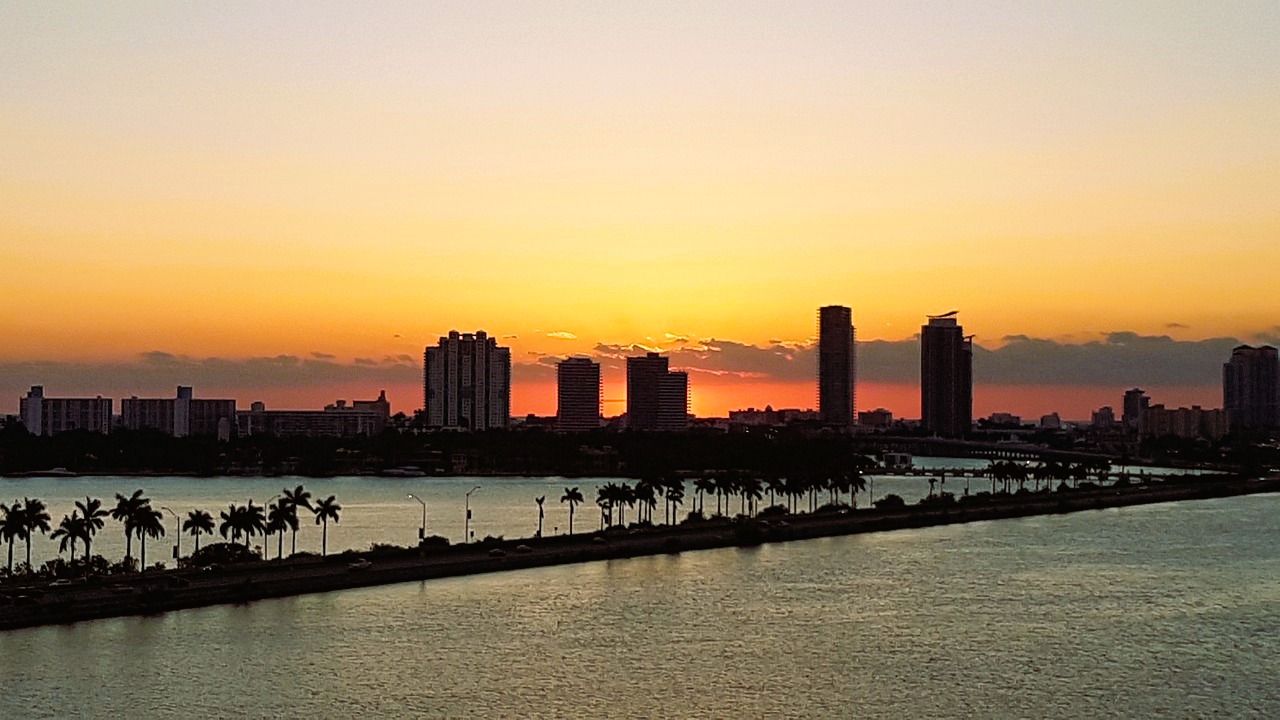
    The scent of salt-heavy air and dark-roasted espresso drifts through the shaded colonnades of Coral Gables long before the midday heat takes hold. While most travelers rush toward the neon-lit frenzy of the shore, the true character of this coastal enclave reveals itself only to those willing to pause. Identifying the best things to do in Miami requires a fundamental shift in tempo exchanging the frantic pulse of the tourist track for the dappled light of tropical hammocks and the rhythmic, percussive click of dominoes in a quiet park. Here, the city rewards the patient observer with streamline-moderne details and secret waterfront alcoves. This guide prioritizes depth over distance, inviting you to inhabit Miami’s unique cultural intersections rather than merely passing through them.

    Vizcaya Museum & Gardens – A Gilded Age Escape

    Stepping into Vizcaya feels like a quiet collapse of time. Built in 1916 as James Deering’s winter estate, this limestone marvel blends European grandeur with the wild, salt-misted edge of the subtropics. You’ll find yourself lingering in the Enclosed Loggia, where the breeze carries the scent of antique wood and sea air. It is a must-visit because it offers a rare, stillness-heavy counterpoint to Miami’s modern pulse, inviting you to trace the lichen-covered statues and watch the light shift through the mangroves.

    Unhurried Tip: Arrive at 9:30 AM on a weekday and head straight to the Secret Garden; the early morning shadows on the coral stone walls offer a sanctuary of silence before the main house tours peak.

    My Sincere Takeaway: Standing on the terrace, watching the tide lap against the weathered stone barge, I felt the weight of the city dissolve. It is a place that demands you put your phone away and simply breathe in the history.

    Fairchild Tropical Botanic Garden – A Canopy of Quiet

    Fairchild is an 83-acre testament to the patience of nature. Founded in 1938 by legendary plant hunter David Fairchild, the garden is a living museum of rare, prehistoric-looking cycads and vibrant orchids. Here, the “slow” in travel is literal; the sprawling landscape rewards the aimless wanderer. You’ll find yourself pausing at the Moos Sunken Garden, where a gentle waterfall creates a private acoustic world. It is essential for those seeking to reconnect with a version of Florida that existed long before the concrete, offering a profound sense of ecological scale.

    Unhurried Tip: Skip the narrated tram for the first hour; instead, walk the Lowlands paths toward the Pandanus Lake at sunrise to see the herons fishing in total solitude.

    My Sincere Takeaway: There is a specific kind of peace found under the giant Baobab trees a reminder that some things take a century to become beautiful. I left feeling more grounded than I have in years.

    The Barnacle Historic State Park – The Soul of Old Florida

    Tucked behind a veil of tropical forest in Coconut Grove, The Barnacle is the oldest house in Miami-Dade County. Built by pioneer Ralph Munroe, this frontier-style home embodies the “Era of the Bay,” when the only way to reach Miami was by sea. The vibe is decidedly unpretentious; the air feels cooler under the dense hammock canopy. It is a must-visit to understand the city’s rugged, maritime roots. Sitting on the porch, you can hear the rhythmic creak of rocking chairs and the distant halyards of sailboats clinking in the harbor.

    Unhurried Tip: Bring a small picnic and a book on a Friday afternoon; the lawn sloping toward the bay is rarely crowded and offers the best sunset view in the Grove.

    My Sincere Takeaway: Watching the sailboats from Munroe’s porch made me realize how much we miss when we rush. This small sliver of preserved forest is the heart of Miami’s original, quiet identity.

    Venetian Pool – A Subterranean Coral Masterpiece

    Carved from a coral rock quarry in 1923, the Venetian Pool is the pinnacle of the Art Deco Historic District’s more organic, Mediterranean neighbor. This is not a typical swimming hole; it is a sprawling aquatic stage where 800,000 gallons of fresh spring water are drained and refilled daily. As you swim through the cool, dark limestone grottoes or lounge on the vine-covered bridges, the hum of the city fades behind thick coral walls. It is a must-visit for the sheer sensory shift the temperature of the water, the texture of the hand-cut stone, and the scent of damp earth. It rewards a slow pace, encouraging you to drift rather than lap, soaking in the architectural romance of a bygone Florida.

    Unhurried Tip: Visit on a Tuesday or Wednesday shortly after opening; the water is at its clearest and the echoes within the grottos remain undisturbed by midday crowds.

    My Sincere Takeaway: Floating on my back and looking up at the clay-tiled towers, I felt like I had slipped into a 1920s postcard. It’s a rare place where the art of leisure still feels sacred.

    Ancient Spanish Monastery – A Medieval Sanctuary in the Sun

    Transported stone-by-stone from Segovia, Spain, this 12th-century monastery is a pocket of silence in a city of neon. It is one of the most surprising hidden gems in Little Havana’s neighboring districts, offering a profound architectural contrast to Miami’s modern skyline. Walking through the cloisters, you feel the coolness of the old-world stone a physical weight that anchors you to the present moment. The gardens, filled with ancient oaks and blooming jasmine, invite long, contemplative walks. It is a must-visit because it provides a spiritual and historical depth that forces you to slow down. You aren’t just looking at history; you are walking through a structure that has breathed for eight centuries, reminding you that time is a vast, slow-moving river.

    Unhurried Tip: Seek out the “Chapter House” during the late afternoon when the stained glass casts vibrant, prismatic patterns across the grey stone walls.

    My Sincere Takeaway: The stillness here is heavy and healing. It’s the only place in Miami where I’ve truly felt the world outside completely cease to exist for an hour.

    Deering Estate – The Edge of the Wilderness

    As the centerpiece of our Miami slow travel guide, the Deering Estate represents the intersection of human ambition and raw, coastal wilderness. This 444-acre preserve is a mosaic of hardwood hammocks and salt marshes. Walking the quiet boardwalks, you may spot a manatee in the mangroves or a soaring osprey above. The 1920s Stone House stands as a silent witness to the salt-slicked history of the Atlantic coast. It is a must-visit for those who crave the “old Florida” atmosphere a place where the wind through the palms is the only soundtrack. Here, slow exploration isn’t a choice; it’s a natural reaction to the vast horizon and the rhythmic pulse of the tide against the limestone shore.

    Unhurried Tip: Book a guided nature preserve tour to access the Tequesta burial mound; it is a hauntingly beautiful site that most visitors never see.

    My Sincere Takeaway: Standing at the water’s edge, I realized that Miami’s greatest luxury isn’t its nightlife, but its capacity for profound, natural silence. This estate is where the city’s soul truly rests.

    A Thoughtful 3-Day Itinerary for Miami

    This sequence is designed to honor the city’s geography while protecting your energy, ensuring you never feel the need to rush through the humid, tropical air.

    Day One: The Gables and the Grove Begin with a morning dip in the freshwater springs of the Venetian Pool. Once refreshed, take a short, leaf-canopied drive or local bike share to The Barnacle Historic State Park. Spend your afternoon on a rocking chair, watching the sailboats of Coconut Grove drift across the bay.

    Day Two: Tropical Grandeur Dedicate your morning to the Italianate elegance of Vizcaya Museum & Gardens. In the afternoon, follow the coastline south to Fairchild Tropical Botanic Garden. The proximity allows you to remain in a “garden state of mind,” transitioning from manicured European aesthetics to wild, prehistoric flora.

    Day Three: Ancient Stones and Wild Shores Start early at the Ancient Spanish Monastery in North Miami Beach to catch the morning light through the cloisters. Conclude your journey by heading south to the Deering Estate, where the day ends naturally with a slow walk along the mangrove boardwalks as the Atlantic tide rolls in.

    If you find that this measured pace resonates with your travel style, you may enjoy exploring our deep-dive guides into other coastal sanctuaries across North America, or visit our About page to learn more about the slow travel philosophy that guides the “Unhurried Traveler Map.”

    Traveling with a Slow Heart

    Miami is often sold as a city of high-velocity glamour and neon noise, but its true luxury is the quiet persistence of its natural and historical roots. When you choose to linger at a single limestone fountain or sit beneath a century-old Baobab tree, you aren’t just seeing a site; you are reclaiming your own time. Travel is not a race to collect landmarks; it is a series of moments where the world is allowed to speak, and you are finally still enough to listen. Go into the salt air with an open schedule and a slow heart the city will reveal itself to you in ways the hurried traveler will never know.
  • The Best Things to Do in Boston: A Study in Brick and Brine

    The Best Things to Do in Boston: A Study in Brick and Brine

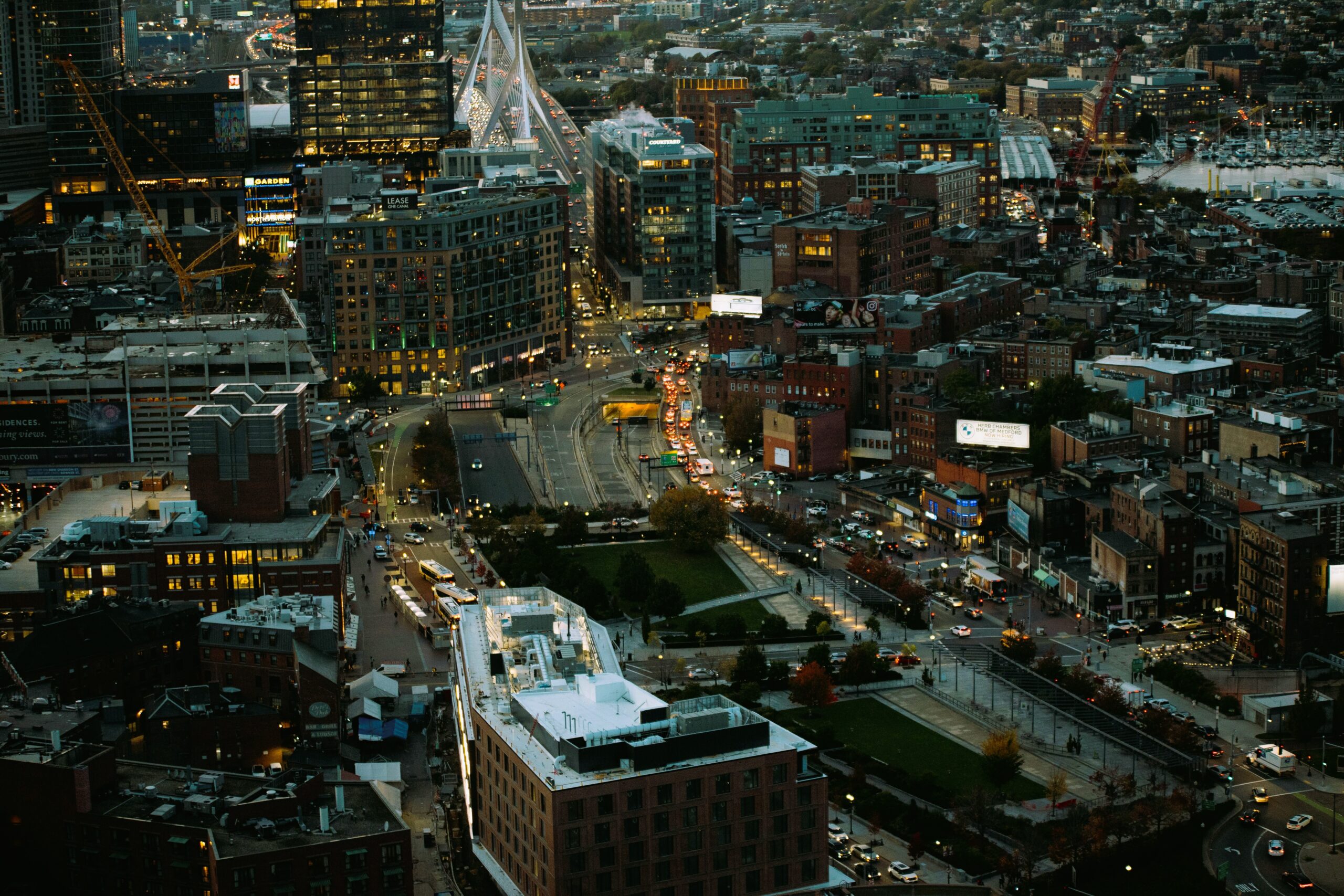
    The morning begins with the low, rhythmic tolling of a distant bell, softened by the thick salt air drifting off the harbor. In this city, history isn’t a museum exhibit; it’s the uneven texture of 18th-century masonry beneath your palm and the scent of old paper found in a hidden library. While many rush through a checklist of sights, the best things to do in Boston reveal themselves only to those who linger.

    Boston’s compact geometry is a gift to the unhurried. It is a city of “short distances,” where a ten-minute stroll transitions from the maritime shadows of the wharf to the quiet, sun-dappled alleys of a colonial neighborhood. By trading the rapid transit of a ride-share for a deliberate pace, you witness the subtle shift from the Atlantic’s brine to the aroma of fresh espresso, discovering a city that prefers a heartbeat over a frantic pulse.

    Isabella Stewart Gardner Museum – An Enclosed Venetian Dream

    Stepping into the Gardner Museum feels less like entering a gallery and more like slipping into a private, centuries-old secret. The heart of the palace is the flowering courtyard, where the scent of damp earth and jasmine hangs heavy in the air, regardless of the Boston winter outside. Isabella Stewart Gardner curated every inch of this space, decreeing that nothing be changed, which lends the museum a haunting, frozen-in-time quality. As you wander through the cloisters, the sound of splashing water from the Roman fountains provides a rhythmic backdrop to masterpieces by Rembrandt and Sargent. This is a must-visit because it defies the typical museum “marathon”; it is a sensory sanctuary designed for contemplation, where the architecture and the art are inextricably linked by one woman’s singular, eccentric vision.

    Unhurried Tip: Visit on a weekday afternoon and head directly to the Monk’s Garden, a lesser-known outdoor space that offers a meditative, winding path away from the main courtyard crowds.

    My Sincere Takeaway: There is a profound, quiet melancholy in the empty frames where stolen paintings once hung. It serves as a poignant reminder that beauty is fleeting, making the vibrant, living garden in the center feel like a triumphant, defiant heartbeat against the stillness of the past.

    The Boston Athenaeum – The Scent of Leather and History

    Tucked behind a discreet vermillion door on Beacon Hill, the Athenaeum is one of the oldest independent libraries in the United States. The air here is distinct cool, still, and perfumed with the metallic tang of old bindings and floor wax. As you ascend to the fifth-floor reading room, the city’s traffic noise vanishes, replaced by the occasional rustle of a turning page. Light pours through large windows, illuminating gold-leaf spines and marble busts of Stoic philosophers. It is a must-visit for the “slow traveler” because it represents the intellectual soul of the city; it is a place where time is measured in chapters rather than minutes. Here, the search intent is satisfied by the rare opportunity to sit in a space that has hosted literary giants, offering a scholarly solitude that is increasingly rare in the modern world.

    Unhurried Tip: Request a day pass in advance to access the upper floors, and find a seat overlooking the Granary Burying Ground for a strangely peaceful perspective on the city’s timeline.

    My Sincere Takeaway: Sitting here, surrounded by the collective wisdom of centuries, I feel a grounding sense of continuity. It is a rare privilege to be silenced not by rules, but by a spontaneous, deep respect for the quiet pursuit of knowledge that these walls have protected since 1807.

    Boston Public Garden – A Botanical Respite in the Urban Core

    Established in 1837 as the first public botanical garden in America, this park is a masterclass in Victorian landscape design. Unlike the neighboring Common, the Public Garden is meant for wandering, not traversing. The vibe is one of curated grace; gravel paths meander past exotic trees and vibrant, “carpet-style” floral displays that change with the seasons. You’ll see the iconic Swan Boats drifting lazily across the lagoon, their rhythmic paddling the only disruption to the water’s surface. It is a must-visit because it offers a deliberate contrast to the surrounding glass skyscrapers. The garden invites you to notice the texture of a tulip petal or the sway of a willow branch, forcing a transition from the frantic pace of the Financial District to a tempo dictated by nature and the changing light of the afternoon sun.

    Unhurried Tip: Arrive at sunrise when the morning mist still clings to the lagoon; you will have the “Make Way for Ducklings” statues and the suspension bridge entirely to yourself before the city wakes.

    My Sincere Takeaway: I find a peculiar magic in the way the heavy willow branches create private green rooms along the water’s edge. It is in these small, shaded pockets that I truly feel the city’s pulse slow down, transforming a simple walk into a restorative, almost cinematic, experience.

    Old North Church – Echoes of a Revolutionary Spirit

    Walking into the sanctuary of Old North, the first thing you notice is the stark, beautiful geometry of the white box pews. The air feels cool and carries a faint scent of beeswax and old wood. While famous for Paul Revere’s lanterns, the real magic of these historic Boston landmarks lies in the quiet stillness found within the high-walled pews, designed to trap heat but now serving as private alcoves for reflection. As sunlight streams through the tall windows, illuminating the brass chandeliers, you can almost hear the echoes of the 18th century. It is a must-visit because it offers a rare moment of verticality and peace in the bustling North End, allowing you to contemplate the weight of the choices made within these walls that eventually reshaped a nation.

    Unhurried Tip: Book a “Behind the Scenes” tour to descend into the colonial-era crypt, where the temperature drops and the silence of the city’s past becomes truly tactile.

    My Sincere Takeaway: Standing in the shadows of the gallery, I felt the immense gravity of history not as a dry textbook entry, but as a living, breathing responsibility. It’s a place that makes you whisper, out of respect for the silence it has kept for centuries.

    Acorn Street – The Timeless Texture of Beacon Hill

    Acorn Street is perhaps the most sensory-rich pocket of the city, perfectly embodying the spirit of Boston slow travel. Beneath your boots, the river-stone cobblestones are uneven and temperamental, forcing a slower, more intentional gait. The street is narrow, framed by the rich, oxblood brick of 19th-century homes and the glossy black of their shutters. In the early evening, the neighborhood smells of chimney smoke and boxwood hedges. This spot is a must-visit not just for the photograph, but for the scale; it serves as a physical reminder of a Boston built for the pedestrian. By lingering here for more than a fleeting snapshot, you begin to notice the intricate ironwork and the way the shadows stretch across the stones, revealing a neighborhood that guards its elegance with quiet ferocity.

    Unhurried Tip: Visit during a light snowfall or just after a rain; the wet stones reflect the streetlamps, and the usual tourist crowds vanish, leaving the alley entirely to your imagination.

    My Sincere Takeaway: There is a rhythmic clicking sound your shoes make on these stones that feels like a metronome for the soul. It’s the one place in the city where I feel completely untethered from the digital world and reconnected to the Earth.

    Charles River Esplanade – A Symphony of Wind and Water

    The Esplanade is a ribbon of green that offers the most expansive quiet places in Boston. Here, the city’s roar is replaced by the snapping of sailboat canvas and the soft hiss of the wind through the weeping willows. As you walk along the wooden footbridges and stone docks, the scent of fresh water and mown grass dominates. This is where the city comes to breathe. It is a must-visit for the unhurried traveler because it provides the essential “outer view” of Boston’s skyline, allowing you to see the city as a whole from a distance. The experience is defined by the horizon; watching the sculls glide through the water creates a hypnotic, meditative state that is the perfect antidote to the density of the downtown streets.

    Unhurried Tip: Walk past the Hatch Shell toward the community boating docks at twilight to find a bench; it’s the best seat in the city for watching the skyline light up without the noise.

    My Sincere Takeaway: I’ve spent hours here just watching the way the light dances on the ripples of the Charles. It’s a humbling reminder that even in the heart of a major city, the water always has the final, most peaceful word.

    A Thoughtful 3-Day Itinerary for Boston

    To truly inhabit Boston, one must resist the urge to see it all in a single afternoon. This selection of landmarks is best experienced by grouping them geographically, allowing for long, contemplative walks in between.

    Day One: The Cultivated Soul. Begin your morning at the Isabella Stewart Gardner Museum when the light is most translucent. Spend your afternoon transitioning to the Boston Public Garden, perhaps walking through the Fens and Commonwealth Avenue Mall to see the city’s emerald skeleton.

    Day Two: The Intellectual Heart. Start within the quiet stacks of The Boston Athenaeum. From there, it is a short, uphill climb to the cobblestones of Acorn Street. End your day with a sunset stroll along the Charles River Esplanade, watching the river change color as the city lights flicker on.

    Day Three: The Historical Echo. Devote your final day to the North End. Visit Old North Church during the morning quiet, then spend the rest of your day getting lost in the surrounding Italian quarter, moving where the scent of baking bread leads you.

    Travel is often treated as a race toward a finish line of “checked boxes,” but the soul of a place like Boston is only found in the pauses. When you stop looking for the “next” thing and begin noticing the texture of the brick or the specific tilt of the afternoon sun, the city stops being a destination and starts being a conversation. Leave your maps in your pocket occasionally; let your curiosity be your compass, and move with a slow heart.

  • Why I Take My Time in Los Angeles

    Why I Take My Time in Los Angeles

    The first thing I notice is the air salt carried inland from the Pacific, mingling with the faint scent of citrus from market stalls. The city hums, not in haste, but in layers: the low thrum of traffic, the sudden laughter spilling from a café, the distant echo of a saxophone warming the twilight.
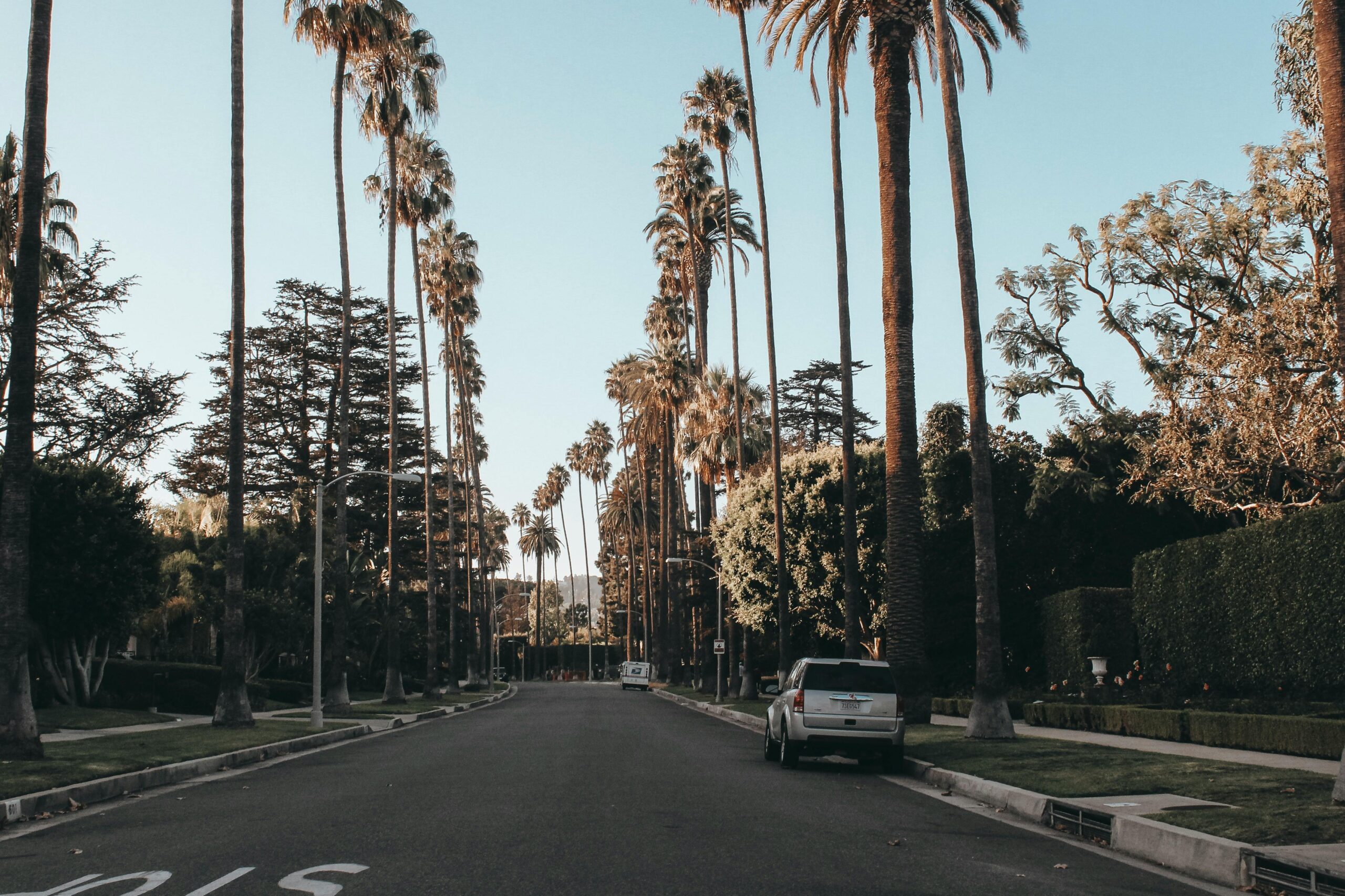
    I move slowly here. Los Angeles is not a place to rush through; it asks me to pause, to let the light shift across stucco walls and palm fronds, to feel the textures of neighborhoods that reveal themselves only when I linger. The city’s vastness is softened when I walk it at my own pace, when I allow its contrasts Hollywood’s neon, Venice’s sea spray, Downtown’s brick and steel to settle into rhythm.
    For me, slow travel in Los Angeles means savoring the overlooked: the way shadows stretch long across boulevards at dusk, the quiet corners of museums where time seems suspended, the warmth of a taco eaten curbside with no agenda but taste. This is a city that rewards patience, a place where every pause deepens the story.

    Griffith Observatory

    Griffith Observatory sits like a sentinel above Los Angeles, its white domes catching the shifting hues of the sky. Built in 1935, it has long been a place where science and wonder meet, but what lingers most is the atmosphere. The air here is cooler, tinged with eucalyptus from the surrounding park. As I walk up the path, I hear the crunch of gravel underfoot, the murmur of visitors speaking in hushed tones, and the occasional burst of laughter carried by the wind. Inside, the exhibits hum with quiet energy, but outside, the view steals my breath: the sprawl of Los Angeles stretching endlessly, a quilt of lights and shadows. At night, the telescopes invite me to lean into the cosmos, the silence punctuated only by the faint whir of machinery and the soft gasp of someone seeing Saturn’s rings for the first time.

    Unhurried Tip: Visit just before sunset; the crowds thin as the sky deepens, and the transition from day to night feels timeless.

    The Getty Center

    The Getty Center rises above the city like a modern acropolis, its pale stone glowing in the California sun. Designed by Richard Meier, it opened in 1997, but its timelessness lies in the way light and silence shape the experience. The tram ride up is gentle, the hum of machinery blending with the rustle of leaves. Once inside, the scent of stone warmed by sunlight mingles with the faint fragrance of lavender from the gardens. The galleries are hushed, footsteps softened by carpet, voices lowered to whispers. Outside, the Central Garden unfolds like a living sculpture: water trickles over stones, bees hover lazily over blossoms, and the breeze carries the faint salt of the Pacific. The city below feels distant, softened by haze, while the Getty itself feels suspended in its own rhythm.

    Unhurried Tip: Arrive mid-morning on a weekday; the galleries are quieter, and the gardens glow in softer light.

    Walt Disney Concert Hall

    Frank Gehry’s Walt Disney Concert Hall feels less like a building and more like a sculpture unfurling into the city. Completed in 2003, its stainless steel panels catch the Los Angeles sun, turning light into liquid. Walking around it, I hear the city’s pulse traffic humming, footsteps echoing against steel, the occasional street musician’s notes bouncing off the curved walls. Inside, the atmosphere shifts: the scent of polished wood, the hush of anticipation before a performance, the way sound seems to breathe in the vast auditorium. The acoustics are legendary, but what I notice most is the silence before the first note the collective pause, the shared breath. Outside, the building itself becomes a canvas for light; at dusk, the steel glows amber, then fades into shadow, reflecting the city’s restless energy.

    Unhurried Tip: Explore the exterior in the late afternoon; the shifting light transforms the steel into something alive.

    Los Angeles County Museum of Art (LACMA)

    LACMA is not just a museum it feels like a shifting landscape of art and atmosphere. Established in 1965, it has grown into the largest art museum in the western United States, but its scale never overwhelms when I move slowly through its spaces. The galleries carry a hush, footsteps softened against polished floors, the faint scent of paper and varnish lingering in the air. Outside, the “Urban Light” installation hums with quiet electricity, the lamps glowing like sentinels against the night. I hear the faint buzz of bulbs, the murmur of visitors weaving between the rows, and the occasional click of a camera shutter. Inside, the light changes with each room dimmed to protect ancient textiles, glowing warmly over modern canvases. The museum feels alive, not in haste, but in rhythm, each space inviting me to pause and let the art breathe.

    Unhurried Tip: Visit in the late afternoon, then step outside at dusk to watch “Urban Light” come alive.

    Hollywood Sign

    The Hollywood Sign, erected in 1923, began as an advertisement but has become a symbol of Los Angeles itself. Yet when I approach it slowly, away from the rush of expectation, it feels less like spectacle and more like a quiet sentinel. The trail leading up carries the scent of dry earth and sagebrush, the crunch of gravel underfoot, and the occasional rustle of lizards darting through the brush. The air is sharper here, tinged with dust and sunlight. As I climb, the city’s noise fades, replaced by the rhythm of my own breath and the distant call of birds. The letters themselves are stark, almost austere, their whiteness catching the sun and throwing it back in brilliance. Standing near, I hear only the wind moving across the hillside, a reminder that even icons can be quiet.

    Unhurried Tip: Go early in the morning; the trails are cooler, and the city below is still waking.

    Santa Monica Pier

    Santa Monica Pier, built in 1909, stretches into the Pacific like a bridge between land and sea. The air here is thick with salt, mingling with the scent of fried dough and popcorn drifting from stalls. The wooden boards creak underfoot, worn smooth by decades of footsteps. I hear the crash of waves beneath, the laughter of children chasing seagulls, and the distant hum of the Ferris wheel turning slowly against the sky. At sunset, the light softens, painting the ocean in gold and violet, while the pier itself glows with neon and nostalgia. Musicians strum guitars, their notes carried by the breeze, blending with the rhythm of the surf. The atmosphere is layered joyful yet timeless, noisy yet serene when I pause at the edge to watch the horizon.

    Unhurried Tip: Arrive just before sunset; the crowds thin as the light fades, and the ocean feels infinite.

    A Slow Rhythm in Los Angeles

    Los Angeles is not a city to conquer it is a city to feel. When I slow down, I notice the scent of eucalyptus on a hillside, the hush before a concert begins, the glow of lamps at dusk. Begin your journey with patience, and the city will reveal itself in layers, one pause at a time.