Category: Europe

Dive into the history, culture, and cuisine of the continent. Find guides for slow travel through European cities, historic villages, and budget-friendly routes across the classic backpacking destinations.

  • Best Things to Do in Salzburg: A Local’s Guide to the City of Music

    Best Things to Do in Salzburg: A Local’s Guide to the City of Music

    Most travelers arrive in Salzburg with a two-day checklist and a “Sound of Music” soundtrack in their heads, only to find themselves lost in the dense, winding crowds of the Getreidegasse. The challenge isn’t finding beauty it’s navigating the sheer density of history without feeling like a tourist in a maze. This Salzburg travel guide cuts through the noise to help you find the quiet organ notes in the cathedral and the best panoramic drafts of Stiegl beer. Whether you’re here for the Baroque spires or the jagged Alpine backdrop, the best things to do in Salzburg involve moving at a slower tempo. From fortress heights to hidden abbey cellars, here is how to experience the capital of the Salzburgerland with precision and purpose.

    Hohensalzburg Fortress – Panoramic Views and Medieval History

    The Hohensalzburg Fortress isn’t just a landmark; it’s a 900-year-old sentinel that has never been conquered. As one of the top attractions in Salzburg, it dominates the skyline, offering a deep dive into the lives of the Prince-Archbishops. Visitors can explore the opulent Golden Chamber, the medieval torture chamber, and the Rainer Regiment Museum. The utility here lies in the “Panorama Tour,” which provides the most strategic orientation of the city’s layout. While the funicular is a modern convenience, the walk up the Festungsberg offers a slower, sensory transition from the city’s baroque streets to the fortress’s rugged limestone ramparts. You aren’t just visiting a castle; you are stepping into a tactical masterpiece of Alpine defense.

    Practical Expert Tip: Purchase the “Early Bird” or “Panorama” ticket online before 10:00 AM to save up to 20% and bypass the 45-minute funicular queue that forms at the Kapitelplatz station by midday.

    Mirabell Palace and Gardens – Baroque Beauty and Cinematic History

    No Salzburg travel guide is complete without the geometric perfection of the Mirabell Gardens. Built in 1606 by Archbishop Wolf Dietrich for his mistress, the grounds are a masterclass in Baroque landscape architecture. Beyond the famous Sound of Music filming locations like the Pegasus Fountain and the Hedge Theater, the site offers a quiet sanctuary in the Dwarf Garden. The palace interior houses the Marble Hall, widely considered one of the most beautiful wedding halls in the world. The vibe here is a refined balance of public leisure and historical opulence. It serves as a vital pedestrian artery connecting the “New” city to the “Old,” making it an essential, high-utility stop for both photography enthusiasts and those seeking a moment of horticultural zen amidst a packed itinerary.

    Practical Expert Tip: The gardens open at 6:00 AM; visit then to experience the Pegasus Fountain without a single tour group in sight, and check the Marble Hall schedule for evening Mozart concerts to see the interior after hours.

    Salzburg Cathedral – Architectural Grandeur and Musical Legacy

    The Salzburg Cathedral (Dom zu Salzburg) stands as the epicenter of the city’s spiritual and musical identity. Known for its massive 71-meter dome and twin towers of Untersberg marble, the cathedral is where Wolfgang Amadeus Mozart was baptized and later served as the court organist. This isn’t just a place of worship; it’s an acoustic marvel. When applying visiting Salzburg tips, prioritize the midday organ concerts, which utilize the cathedral’s five separate organs to create a surround-sound experience that defines the “City of Music.” The crypt offers a somber, Romanesque contrast to the exuberant Baroque nave above, housing the remains of the powerful Archbishops. It is a dense site of cultural layering, where the weight of the Catholic Church’s historical power is visible in every frescoed inch of the ceiling.

    Practical Expert Tip: While the main entrance faces Domplatz, enter through the “DomQuartier” museum wing if you want access to the organ gallery and a unique bird’s-eye view of the nave that standard visitors miss.

    Getreidegasse – Historic Charm and High-End Shopping

    As the pulsing artery of the Old Town, Getreidegasse represents the pinnacle of the “Experience Economy.” It is where 15th-century architecture meets 21st-century luxury. While the primary draw is the high-end boutiques and traditional craft shops, the true utility of this street lies in its “Durchhäuser” hidden passageways that reveal quiet, ivy-draped courtyards and artisanal workshops tucked away from the main flow. This is where a Salzburg travel guide comes to life; you aren’t just shopping, you are navigating a living museum of commerce. The vibe is a sophisticated blend of sensory details: the smell of fresh Bosna sausages, the visual clutter of historic signs, and the echo of footsteps on centuries-old stone. It’s an essential stop for understanding how Salzburg has balanced its mercantile grit with its aristocratic polish.

    Practical Expert Tip: Escaping the midday rush is easy if you duck into the “Schatz-Durchhaus” (No. 3), which leads to a tiny, legendary bakery where you can grab a traditional Salzburger Nockerl to go.

    Mozart’s Birthplace – A Global Pilgrimage for Musical Heritage

    Located at Getreidegasse 9, Mozart’s Birthplace is more than a museum; it is a shrine to human genius. For anyone looking for visiting Salzburg tips, this site is the non-negotiable anchor of any itinerary. The experience is intimate, leading you through the actual rooms where Wolfgang Amadeus was born in 1756. You’ll see his childhood violin, original portraits, and the clavichord on which he composed “The Magic Flute.” The utility here is in the historical immersion; the museum effectively strips away the “tourist trap” veneer to offer a grounded look at the Mozart family’s middle-class reality. The atmosphere is hushed and reverent, providing a necessary counterpoint to the lively streets outside. It’s an essential investment for anyone wanting to connect the dots between Salzburg’s baroque aesthetic and its world-famous sound.

    Practical Expert Tip: Use your Salzburg Card for free fast-track entry, and aim to visit during the final 90 minutes before closing (around 4:00 PM) to avoid the large tour groups that dominate the morning hours.

    Hellbrunn Palace – Renaissance Wit and Interactive Water Features

    Hellbrunn Palace is the ultimate testament to the “Experience Economy” of the 17th century. Built by Prince-Archbishop Markus Sittikus as a “pleasure palace,” it was never intended for overnight stays, only for entertainment. The high-intent search value here lies in the top attractions in Salzburg category, specifically the world-famous Trick Fountains (Wasserspiele). Visitors are led through a series of grottos and mechanical theaters powered entirely by water pressure often ending in a playful drenching from hidden jets. It is a rare surviving example of Mannerist wit. Beyond the fountains, the expansive gardens house the original “Sound of Music” gazebo, offering a free, low-utility photo op for fans. The vibe is lighthearted and surprisingly modern in its focus on guest interaction, proving that the Archbishops knew how to host a legendary party.

    Practical Expert Tip: Take Bus 25 from the city center for a direct 20-minute ride; if you arrive early, the palace gardens and the “Sound of Music” gazebo are free to explore before your timed fountain tour begins.

    How to Spend 3 Perfect Days in Salzburg: A Strategic Itinerary

    To maximize your time, group your sightseeing by neighborhoods to avoid backtracking across the Salzach River.

    On Day 1, focus exclusively on the Altstadt (Old Town). Since this entire district is a pedestrian zone, every major landmark including the Salzburg Cathedral, Getreidegasse, and Mozart’s Birthplace is within a ten-minute walking distance of each other.

    On Day 2, tackle the heights and the “New” town. Start at Mirabell Palace before crossing the bridge to ride the funicular up to Hohensalzburg Fortress.

    Day 3 is for the outskirts. Use the highly efficient public transport system; specifically, hop on Bus 25 from the city center, which takes you directly to the trick fountains of Hellbrunn Palace and the Untersberg cable car. This logical flow ensures you spend more time absorbing the Alpine atmosphere and less time navigating transit logs.

    Quick Travel Facts

    Best Time to Visit: For the best balance of weather and crowds, aim for late May or September. If you want the quintessential “Winter Wonderland” experience, December is peak season for the world-famous Christmas markets.

    Top Local Dish to Try: You cannot leave without tasting Salzburger Nockerl, a fluffy, sweet soufflé representing the three snow-capped mountains surrounding the city. For a savory staple, the Wiener Schnitzel at Meissl & Schadn is a local benchmark.

    How to Get Around: The historic core is strictly a walking city. For everything else, the Salzburg Card is your best friend it provides unlimited use of buses and the funicular, plus free entry to most major sites.

    Discover More of Austria

    If the baroque charm of the city has captured your imagination, the emerald lakes and jagged peaks of the nearby Salzkammergut (Lake District) are the natural next chapter. From the postcard-perfect shores of Hallstatt to the summer retreats of St. Gilgen, the region offers a deeper dive into the Austrian Alpine lifestyle.

    Salzburg is not merely a museum of the past; it is a living, breathing composition of architectural precision and natural beauty. Your journey through the City of Music starts here book your Salzburg Card today and step into the heart of Europe’s most storied landscape.
  • Estonia Itinerary: The Only 7 Days Plan You Need for Car Rental Travel

    Estonia Itinerary: The Only 7 Days Plan You Need for Car Rental Travel

    Most Estonia guides fail by over-allocating time to Tallinn’s Old Town, causing travelers to miss the high-value ecological diversity of the islands and the southern highlands. This plan fixes that by using a high-mobility “Triangle Route.” By utilizing a rental car, you bypass the 35% time-loss associated with regional bus synchronization.

    Best Time to Visit: May to September (Maximized daylight for driving; 18+ hours in June).

    Estimated Daily Budget: €110–€150 per person (Includes mid-range lodging, fuel, and ferry tolls).

    Maximizing ROI: The Math Behind the 7-Day Loop

    A 7-day duration provides the optimal time-to-value ratio for Estonia’s geography. With a total land area of ~45,000 km², the primary points of interest (Tallinn, Kuressaare, and Tartu) form a triangle with legs no longer than 200km.

    Travel Time Efficiency:

    Tallinn to Kuressaare: 4 hours (including ferry).

    Kuressaare to Tartu: 4.5 hours.

    Tartu to Tallinn: 2.5 hours.

    By dedicating 168 hours to this route, you spend less than 8% of your total trip in transit. This allows for 2-night “micro-hubs” in each major zone, ensuring you spend your “active daylight” on-site rather than on the asphalt.

    The Kalamaja District (Tallinn) & Kuressaare

    While this is a moving itinerary, your Strategic Anchor is Tallinn’s Kalamaja District. Located North-West of the Old Town, Kalamaja provides immediate access to the E20 and E67 highways, allowing you to exit the city limits toward Lahemaa or Western Estonia in under 12 minutes, bypassing the congested city center. For the island portion of the trip, Kuressaare serves as the tactical base, placing you within 45 minutes of the Vilsandi coastline and the Sõrve Peninsula, effectively cutting daily island transit times by half compared to staying near the Muhu ferry port.

    THE “HIGH-VALUE” ITINERARY

    Strategic Focus: This Estonia Itinerary 7 Days utilizes the “Triangle Route” to eliminate backtracking and maximize your time in nature.

    Day 1: Tallinn The Medieval Entry Point

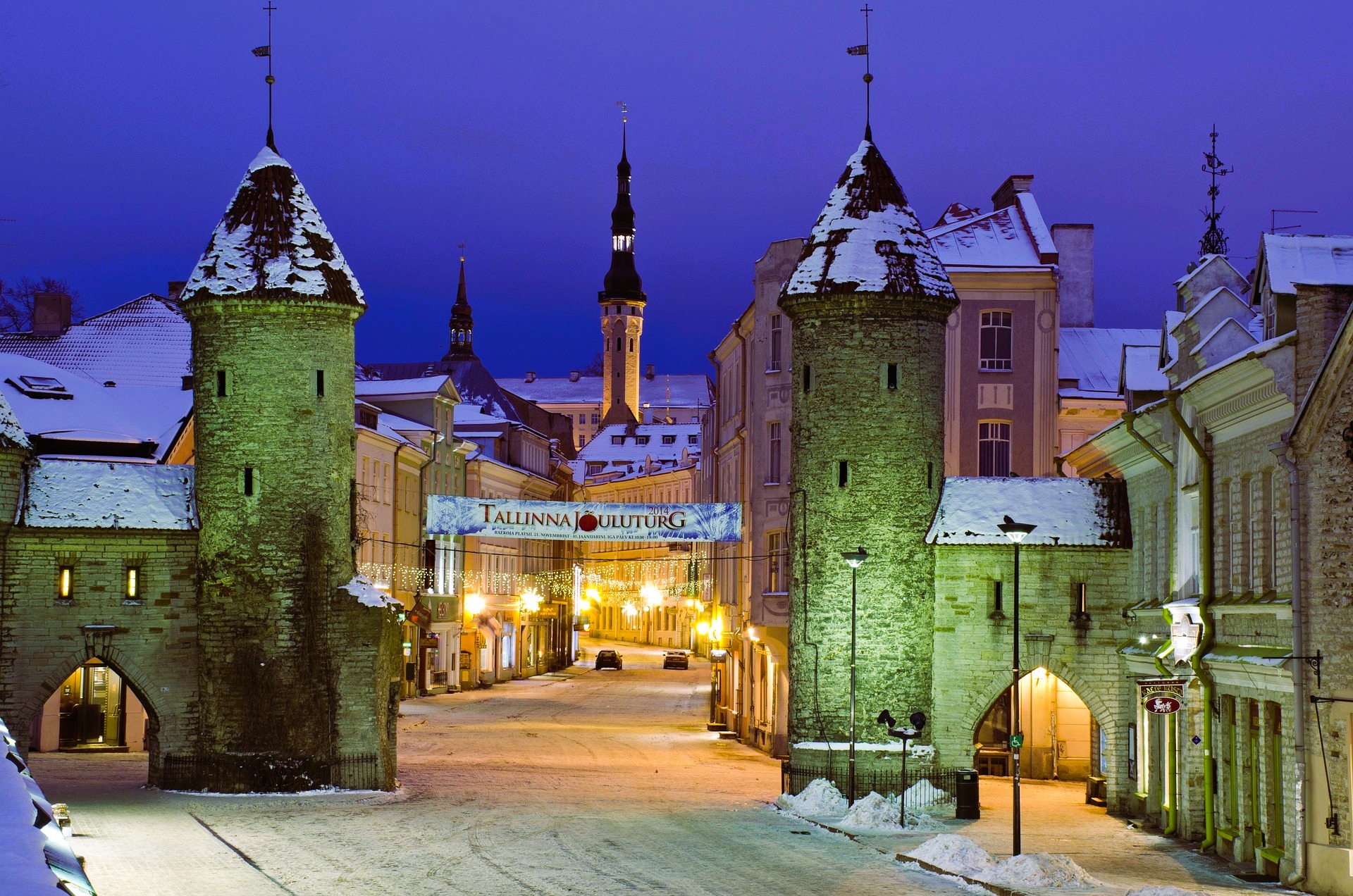
    The Morning Focus: Tallinn Old Town (Upper Town/Toompea). Walk the fortress walls for the Kohtuotsa viewing platform panorama.

    The Logistical Tip: Arrive at the Town Hall Square before 09:00 to photograph the Hanseatic architecture before the cruise ship crowds arrive.

    The “One Thing to Eat”: Kiluvõileib (Sprat sandwich) at a local cafe near the Niguliste Museum.

    Day 2: Lahemaa National Park The Coastal Push

    The Morning Focus: Viru Bog Trail. A 6km boardwalk through high-value peat bog landscapes and watchtowers.

    The Logistical Tip: Leave Tallinn by 08:30 via the E20. Use the RMK (State Forest Management Center) app for real-time trail maps.

    The “One Thing to Eat”: Smoked trout at the Altja Fishing Village tavern.

    Day 3: The Island Transition Muhu to Saaremaa

    The Morning Focus: Angla Windmills. Five iconic wooden windmills that represent the peak of Saaremaa’s agricultural heritage.

    The Logistical Tip: Pre-book your Virtsu–Kuivastu ferry ticket online (Praamid.ee) to skip the 1-2 hour standby queues. This is essential for maintaining your Estonia Itinerary 7 Days pace.

    The “One Thing to Eat”: Muhuleib (Dark rye bread with nuts/seeds) fresh from the Muhu Pagarid bakery.

    Day 4: Deep Saaremaa Cliffs and Craters

    The Morning Focus: Panga Cliff. The highest coastal cliff in Western Estonia, offering 21-meter drops into the Baltic.

    The Logistical Tip: Visit the Kaali Meteorite Crater on your way back to Kuressaare; it’s a 20-minute stop that fits perfectly into the transit window.

    The “One Thing to Eat”: Wild boar or locally caught Juniper-infused fish in Kuressaare.

    Day 5: The Academic Capital Tartu

    The Morning Focus: The Estonian National Museum (ERM). An architectural marvel built on a former Soviet airbase runway.

    The Logistical Tip: The drive from Saaremaa to Tartu is the longest leg (approx. 4.5 hours). Start by 09:00 to reach Tartu for a late lunch.

    The “One Thing to Eat”: Modern Estonian fusion at Aparaaditehas (The Widget Factory district).

    Day 6: Southern Nature & Onion Route

    The Morning Focus: Peipsi Lake & The Onion Route. Explore the unique culture of the Old Believers living along the Russian border.

    The Logistical Tip: Use the secondary roads (Route 222) for a more scenic drive through the yellow “National Geographic” windows.

    The “One Thing to Eat”: Famous Peipsi Onion Pie and samovar tea.

    Day 7: The Return Loop

    The Morning Focus: Viljandi Castle Hills. The ruins of a 13th-century Order of Livonia castle overlooking a pristine lake.

    The Logistical Tip: Viljandi is the perfect halfway point between Tartu and Tallinn, allowing for a 2-hour “leg stretch” before dropping off the rental car.

    The “One Thing to Eat”: Artisanal pastries at the Rohelise Maja Pood ja Kohvik.

    TRAVELER’S CHEAT SHEET

    Local SIM/Data: Pick up a Telia or Elisa “Super” prepaid SIM at any R-Kiosk. 10GB of data costs roughly €5; Estonia has near-100% 4G/5G coverage, even in deep forests.

    Transport “Hack”: Download the Pargi.ee app. It handles all street parking via your credit card, which is vital in Tallinn and Tartu where zones change block-by-block.

    Tourist Trap Avoidance: Avoid eating on the Tallinn Town Hall Square. Walk 5-10 minutes toward the Telliskivi Creative City for better quality at 40% lower prices.

    Internal Link: Looking for more Baltic inspiration? Check out our guide to the [Best places to visit in Northern Europe].

    COMMON QUESTIONS (FAQ)

    Is 7 Days enough for Estonia? Yes. Because Estonia is compact, 7 days allows you to cover the “Golden Triangle” (Tallinn, Saaremaa, Tartu) without exceeding 3 hours of driving on most days. It provides a 70/30 split between outdoor exploration and urban culture.

    How much does a 7 Days trip to Estonia cost? Expect to spend between €800 and €1,100 per person. This includes a mid-sized rental car (€250/week), fuel, mid-range boutique hotels, and high-quality dining. Booking ferries and car rentals 3 months in advance can reduce this by 15%.

    CONCLUSION: THE ROI This itinerary yields a high Experience-to-Transit ratio. By utilizing a car rental over the 7-day window, you reclaim approximately 14 hours otherwise spent waiting for regional buses. This time is reinvested into the bogs of Lahemaa and the cliffs of Saaremaa, delivering a comprehensive “Wild Estonia” experience that city-bound travelers miss.

  • Best Things to Do in Madrid: A Local’s Guide to Spain’s Capital

    Best Things to Do in Madrid: A Local’s Guide to Spain’s Capital

    Most travelers treat Madrid as a quick stopover, rushing through the “Golden Triangle” of art before heading to the coast. The problem? You end up exhausted by the crowds and miss the city’s actual pulse the late-afternoon vermouth, the hidden plazas of La Latina, and the cool shade of the Retiro.

    This Madrid travel guide helps you navigate the high-energy capital without the burnout. Whether you are checking off the top attractions in Madrid or looking for a quiet corner to enjoy churros con chocolate, our curated list ensures you experience the city’s regal history alongside its modern, effortless charm. Discover the best things to do in Madrid by slowing down just enough to see the city as the Madrileños do.

    Royal Palace of Madrid – Experience the Grandeur of Europe’s Largest Palace

    Blending 18th-century Baroque architecture with the living history of the Spanish monarchy, the Royal Palace is a cornerstone of any Madrid travel guide. While the Royal Family now resides at Zarzuela, this “official” home remains a powerhouse of search volume due to its 3,418 rooms nearly double the size of Versailles. You’ll walk through the Throne Room, with its Tiepolo-frescoed ceilings, and the Royal Armory, which houses weapons used by Charles V. It’s a sensory overload of velvet, gold leaf, and porcelain that proves Madrid’s status as a former global empire. The experience is both regal and educational, offering a deep dive into the decorative arts that defined the Spanish court.

    Practical Expert Tip: Book your time-slotted ticket online at least two weeks in advance, as the palace often sells out and walk-in queues can exceed two hours. To see the Changing of the Guard, visit on a Wednesday or Saturday morning between 11:00 AM and 2:00 PM.

    Prado Museum – Immerse Yourself in the Golden Age of Spanish Art

    As the crown jewel of the Golden Triangle of Art, the Prado is a non-negotiable for anyone visiting Madrid tips usually recommend. It houses the world’s most comprehensive collection of Spanish painting, including the haunting “Black Paintings” of Goya and Bosch’s surreal Garden of Earthly Delights. The vibe is one of hushed reverence, where the sheer volume of masterpieces can be overwhelming without a plan. Search data shows it’s consistently the most-searched museum in Spain because it doesn’t just display art; it narrates the psychological history of the Spanish spirit through centuries of conflict and courtly life. Navigating its halls feels like a journey through the collective imagination of Europe’s greatest masters, making it a high-utility stop for cultural enrichment.

    Practical Expert Tip: Take advantage of free entry hours (Mon-Sat 6-8 PM, Sun 5-7 PM), but be prepared to join the queue by the Puerta de Jerónimos at least 45 minutes prior. For a quieter experience, buy a morning ticket and start at the top floor to work your way down.

    El Retiro Park – Unwind in Madrid’s UNESCO-Listed Green Lung

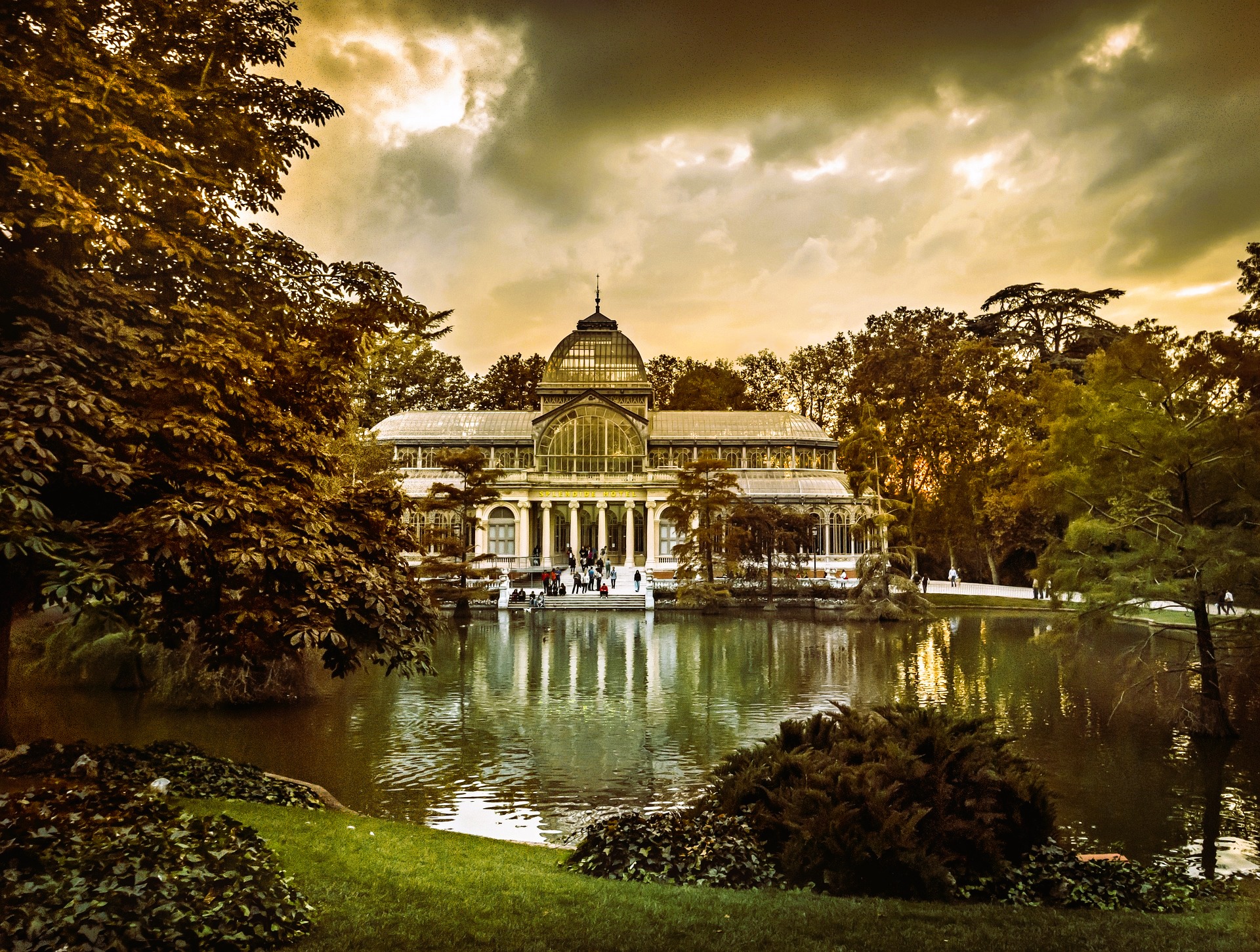
    Formerly a private retreat for royalty, El Retiro is now a 300-acre public sanctuary that perfectly balances top attractions in Madrid with “slow travel” energy. High search volume for the park is driven by its diverse landscape from the manicured Parterre Garden to the iconic boating lake. You’ll encounter street performers, local runners, and the striking Statue of the Fallen Angel. It’s the city’s favorite living room, where the crisp air and shade provide a necessary tactical break from the urban heat. The park’s UNESCO World Heritage status (as part of the Paisaje de la Luz) confirms its global cultural significance. Whether you are rowing a boat or exploring the glass-walled Palacio de Cristal, the vibe is effortlessly Madrid: sophisticated yet deeply relaxed.

    Practical Expert Tip: Escape the main lake’s crowds by heading to the Rosaleda (Rose Garden) in the park’s southern end, which peaks in May and June. For a unique view, visit the secret lookout point beneath the Alfonso XII monument, often overlooked by the casual tourist.

    Plaza Mayor – Discover the Heart of Habsburg Madrid

    As the literal and figurative center of the city, Plaza Mayor is a staple in any Madrid travel guide. This 17th-century porticoed square is the peak of the “Experience Economy,” offering travelers a chance to sit amidst centuries of history from royal coronations to public trials. While it is a high-traffic zone, its utility lies in its architectural grandeur and its role as a navigational anchor. You aren’t just paying for a coffee; you are paying for a front-row seat to Madrid’s public life. High search intent for “authentic Madrid” often leads here, where the frescoes of the Casa de la Panadería provide a stunning backdrop for people-watching. It is a mandatory stop for those seeking the traditional “Austrias” aesthetic of the capital.

    Practical Expert Tip: Avoid the overpriced tourist menus within the square and head to the Calle de Postas nearby for a legendary “Bocadillo de Calamares” (calamari sandwich) at La Ideal a local ritual that costs under five euros.

    Santiago Bernabéu Stadium – Step Inside the Temple of Global Football

    The Bernabéu has evolved from a simple sports venue into a high-tech pilgrimage site, making it one of the most-searched top attractions in Madrid. For the modern traveler, the “experience” here isn’t just about the match; it’s about the immersive museum, the panoramic views of the pitch, and the sheer engineering marvel of the renovation. It appeals to both sports fanatics and tech enthusiasts, offering a premium look at the Real Madrid brand. In terms of utility, it provides a high-energy contrast to the city’s art museums. As you walk through the trophy room, the “Experience Economy” is in full swing, blending heritage with interactive displays that justify the ticket price for any football fan.

    Practical Expert Tip: If you aren’t attending a game, book the “Museum + Panoramic View” ticket for the final slot of the day to see the stadium lights flicker on against the Madrid

    Mercado de San Miguel – Savor a Curated Gastronomic Journey

    Located just steps from the main square, this market is a high-intent destination for anyone following visiting Madrid tips regarding local cuisine. Unlike traditional neighborhood markets, San Miguel is a curated gastronomic hall focused on immediate gratification. It’s worth the traveler’s time because it consolidates Spain’s regional flavors from Galician seafood to Castilian cheeses under one historic roof. The vibe is social and fast-paced; it’s about the “grazing” culture. You pay a premium for the convenience and the atmosphere, but the ability to sample Michelin-starred chef creations in a casual setting provides immense value. It’s a sensory-rich environment where the clinking of wine glasses and the aroma of Iberico ham define the midday Madrid experience.

    Practical Expert Tip: To secure a standing table without the stress, arrive exactly at 10:00 AM when the doors open, or visit during the “Spanish siesta” hours (4:00 PM – 6:00 PM) when the midday rush subsides.

    How to Spend 3 Perfect Days in Madrid: A Strategic Itinerary

    On Day 1, focus on the historic “Madrid de los Austrias” neighborhood. Start at the Royal Palace and walk five minutes to the Plaza Mayor, finishing with a tapas crawl at the Mercado de San Miguel. Most of this area is pedestrian-friendly and within easy walking distance.

    Day 2 is dedicated to the Paseo del Prado boulevard. Spend your morning at the Prado Museum before crossing the street to unwind in El Retiro Park. These sites are clustered in the “Landscape of Light” UNESCO zone, making it a seamless transition from art to nature.

    On Day 3, head north via the L10 Metro line to the Santiago Bernabéu Stadium in the Chamartín district. Spend the afternoon exploring the trendy neighborhoods of Malasaña or Chueca for boutique shopping and craft vermouth, easily accessible via Madrid’s world-class public transport network.

    QUICK TRAVEL FACTS (FAQ)

    When is the best time to visit Madrid? The “shoulder seasons” of April to May and September to October offer the best balance. You’ll avoid the 40°C (104°F) summer heat while enjoying the crisp, blue skies that the city is famous for.

    What is the one local dish I must try? While the Bocadillo de Calamares (calamari sandwich) is the ultimate street snack, the Cocido Madrileño a hearty, three-course chickpea and meat stew is the definitive traditional soul food of the capital.

    What is the best way to get around the city? The Metro de Madrid is one of the cleanest and most efficient underground systems in Europe. For the historic center, however, walking is superior; most major landmarks between the Royal Palace and the Prado are within a 20-minute stroll.

    If you have extra time, Madrid serves as the perfect high-speed rail hub for exploring the rugged beauty of Central Spain. Iconic UNESCO cities like Toledo and Segovia are less than 30 minutes away, offering a deeper dive into the Roman and Medieval history of the Iberian Peninsula.

    Madrid is a city that doesn’t just show you its history; it invites you to live it in the plazas, the galleries, and the taverns. Whether you are here for the world-class art or the electric nightlife, the Spanish capital delivers an intensity that few other cities can match. Start planning your Madrid adventure today and secure your museum passes to experience the heart of Spain at its most vibrant.

  • Best Things to Do in Athens: A Strategist’s Guide to the Greek Capital

    Best Things to Do in Athens: A Strategist’s Guide to the Greek Capital

    Athens is often treated as a 48-hour layover a hot, crowded dash to the Parthenon before fleeing for the islands. But the secret to mastering the city isn’t just about checking boxes; it’s about timing. To truly enjoy the best things to do in Athens, you have to navigate the friction between ancient scale and modern urbanity.

    Whether you’re hunting for the perfect sunset over the Saronic Gulf or navigating the steep marble of the “High City,” success depends on these visiting Athens tips: go early, stay late, and look beyond the stone. This Athens travel guide balances the heavy-hitters with the slow-burn neighborhoods where the city’s real 2026 “renaissance” is happening far away from the cruise ship surges.

    Acropolis of Athens – The Ultimate Blueprint of Western Civilization

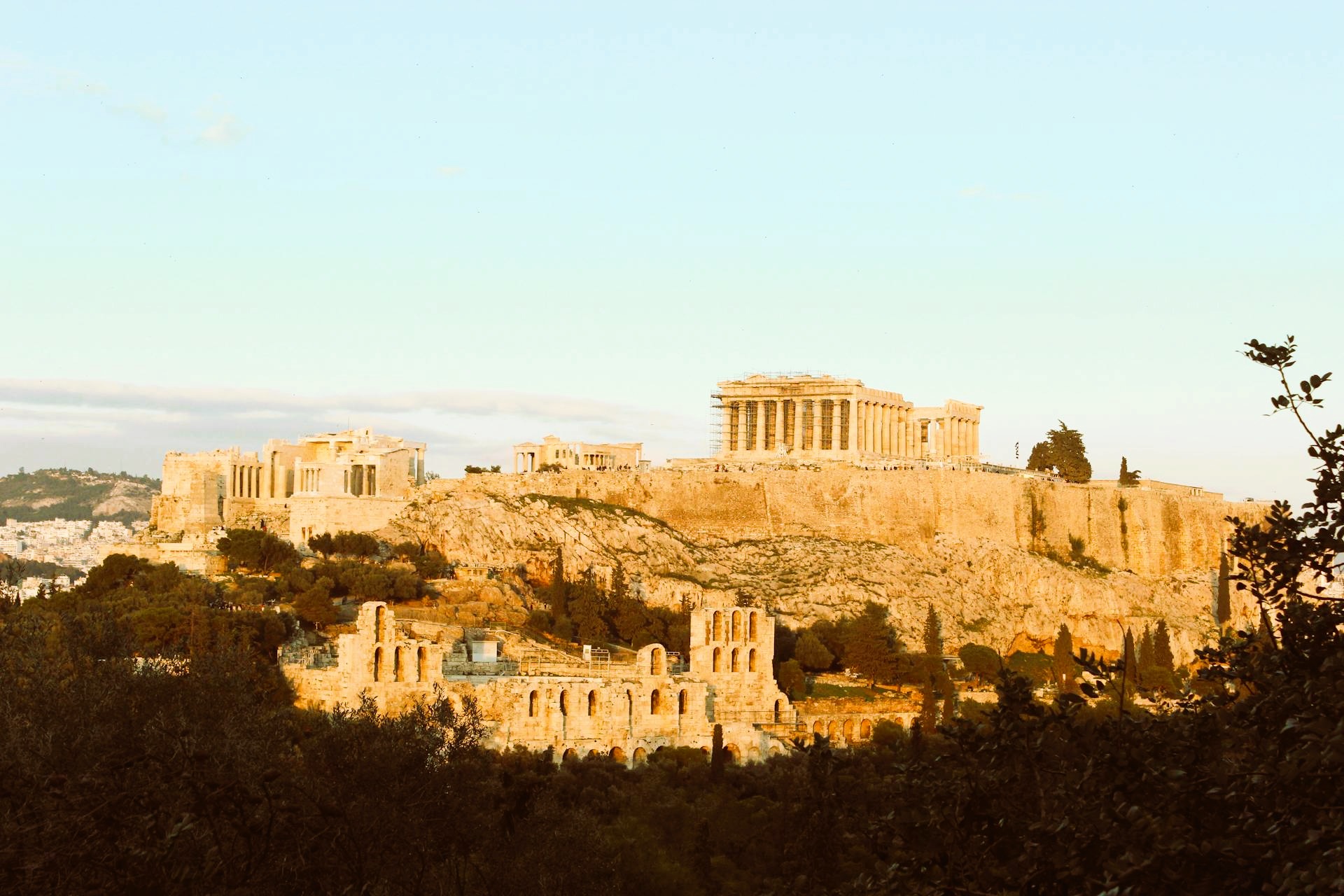
    Standing atop the “High City” is more than a history lesson; it is an exercise in scale and endurance. As the primary pillar of any Athens travel guide, the Acropolis provides a 360-degree orientation of the Attic basin that helps you understand the city’s chaotic layout. In 2026, the experience is defined by the mandatory timed-entry system, which has significantly thinned the once-stifling crowds, allowing for a more meditative pace. You aren’t just seeing ruins; you are walking through the birthplace of democracy and theater. The sheer engineering of the Propylaea and the delicate Caryatids of the Erechtheion offer a physical connection to the 5th century BC that feels surprisingly immediate. Despite the modernization of the paths, the ascent remains rugged and steep, rewarding the effort with a perspective on Western heritage that no textbook can replicate.

    Practical Expert Tip: Book the 8:00 AM slot via the official Hellenic Heritage portal at least three weeks in advance. Enter through the “South Slope” gate near the Acropolis Metro to see the Theater of Dionysus first and bypass the massive tour bus queues at the main western entrance.

    Acropolis Museum – A High-Tech Lens on Ancient Art

    Often cited in visiting Athens tips as the best “midday escape,” this museum is a climate-controlled masterclass in contextual architecture. Designed by Bernard Tschumi, the building sits on stilts over an excavated Byzantine neighborhood, visible through glass floor panels as you enter. The museum’s utility lies in its “reconstruction” of the Acropolis experience; the top floor is rotated precisely to align with the Parthenon itself, allowing you to see the marbles in the exact orientation they once held. The vibe is sophisticated and airy, a sharp contrast to the dusty heat of the ruins. Watching the natural light change on the surviving statues specifically the five original Caryatid “Maidens” bridges the gap between archaeological fragments and living history. It provides the intellectual “why” to the physical “what” you witnessed on the hill, making the complex history of the site digestible and visually stunning.

    Practical Expert Tip: Visit on Friday evenings when the museum stays open until 10:00 PM. The restaurant terrace offers one of the most prestigious (and relatively quiet) dinner views of the illuminated Acropolis in the entire city.

    Ancient Agora – The Social Heart of Classical Democracy

    If the Acropolis was for the gods, the Ancient Agora was for the people. This sprawling site ranks among the top attractions in Athens because it offers a “lived-in” feel that the citadel lacks. This was the commercial and political hub where Socrates debated and the first judicial systems were tested. The utility here is the variety: you have the Temple of Hephaestus the most perfectly preserved Doric temple in Greece and the Stoa of Attalos, a fully reconstructed 2nd-century BC shopping mall that now houses the Agora Museum. Walking the Panathenaic Way, you feel the city’s pulse as it moved 2,500 years ago. The vibe is greener and more park-like than other sites, offering pockets of shade and a sense of wandering through an ancient neighborhood rather than a sterile monument. It is the best place to visualize the daily friction of Athenian life.

    Practical Expert Tip: Use the “Multi-Site Combo Ticket” here to save money if you plan on seeing the nearby Roman Agora. Enter from the Adrianou Street side to immediately access the Stoa of Attalos for a shaded, chronological overview of the site’s artifacts before heading to the sun-exposed temple.

    Panathenaic Stadium – A High-Octane Journey Through Olympic History

    As one of the premier top attractions in Athens, the “Kallimarmaro” offers a visceral connection to the “Experience Economy” by allowing visitors to actually run the track where the 1896 Olympic revival began. Unlike static ruins, this site encourages physical interaction; you can climb the steep tiers, walk the vaulted athletes’ tunnel, and stand on the podium for a photo. The vibe is one of triumphant scale and symmetry. While many travelers simply snap a photo from the fence, paying for entry provides access to the Olympic museum inside the stone passage, housing rare torches and posters. It’s an essential stop for sports enthusiasts and those seeking a tangible link between ancient Greek athletic ideals and the modern global stage. The sheer reflective power of the white marble under the Mediterranean sun makes it a sensory, high-contrast highlight of any trip.

    Practical Expert Tip: Visit during the “Golden Hour” (one hour before sunset) when the marble glows orange; then, head to the nearby “Odeon” cafe in the Pangrati neighborhood for a local freddo espresso away from the tourist crowds.

    Temple of Olympian Zeus – A Lesson in Colossal Scale

    This site represents the “Experience Economy” through the lens of awe and monumental ambition. Once the largest temple in Greece, its few remaining columns each standing 17 meters tall deliver a sense of scale that even the Parthenon struggles to match. When considering visiting Athens tips, this site is often recommended for its central location and the way it anchors the city’s modern traffic with ancient gravity. The vibe here is one of peaceful desolation; the vast, grassy field provides a buffer from the surrounding city noise. It serves as a reminder of the long Roman period of Greek history, having been completed by Emperor Hadrian. For the traveler, it offers a quick but high-impact visual that emphasizes the sheer audacity of ancient construction projects, making it a staple of any comprehensive Athens travel guide.

    Practical Expert Tip: Use the side entrance on Vasilissis Amalias Avenue to avoid the main gate lines; it also places you directly next to Hadrian’s Arch, allowing you to “check off” two major monuments in one fluid movement.

    Mount Lycabettus – The Ultimate Panoramic Reward

    Lycabettus is the pinnacle of the Athenian “Experience Economy,” offering the most comprehensive visual payoff in the city. Rising 277 meters above sea level, it provides the “big picture” perspective that helps travelers synthesize everything they have seen on the ground. The vibe at the top is celebratory, especially at dusk when the whitewashed Chapel of St. George begins to glow and the city lights flicker on below. It is the perfect strategic bookend to a trip, allowing you to identify the top attractions in Athens from a bird’s-eye view. Whether you choose the fitness-focused hike up the pine-clad slopes or the high-tech funicular ride through the mountain’s interior, the experience is about the transition from urban grit to breezy, limestone heights. It is where the scale of Athens truly becomes understandable.

    Practical Expert Tip: Skip the overpriced tourist restaurants at the very top; instead, take the funicular up for the view, but walk down the stairs to the Dexameni square in Kolonaki for authentic mezedes at the historic outdoor café.

    How to Spend 3 Perfect Days in Athens: A Strategic Itinerary

    To maximize your time without succumbing to “ruin fatigue,” structure your visit by neighborhood clusters. This approach minimizes transit time and keeps you within walking distance of the city’s best local haunts.

    Day 1: The Historical Core. Start with an 8:00 AM ascent to the Acropolis, followed by the Acropolis Museum. Spend your afternoon wandering the cobblestone labyrinth of Plaka and the island-esque alleys of Anafiotika. End with a sunset drink in Monastiraki, where the ancient and modern collide.

    Day 2: The Civic Heart. Head to the Ancient Agora in the morning to beat the heat. Afterward, walk through the National Gardens to reach the Panathenaic Stadium. In the evening, explore the trendy Pangrati or Koukaki neighborhoods for an authentic, non-touristy dinner.

    Day 3: The Grand Finale. Start at the Temple of Olympian Zeus before taking the Metro to the upscale Kolonaki district. Browse the boutiques and galleries before taking the funicular up Mount Lycabettus for a final panoramic goodbye.

    This flow leverages the efficiency of the Athens Metro while ensuring you experience the distinct “micro-vibes” of each central district.

    Quick Travel Facts (FAQ)

    When is the best time to visit Athens? Target the shoulder seasons: April to early June or September to October. You’ll enjoy mild temperatures (20°C–25°C) and significantly thinner crowds than the sweltering July-August peak.

    What is the “must-try” local dish? Beyond the standard gyro, seek out Moussaka at a traditional basement taverna. For a quick snack, grab a Spanakopita (spinach and feta pie) from a local bakery like Ariston it is the quintessential Athenian fuel.

    How do I get around the city? The Athens Metro is fast, clean, and archaeological in itself (many stations display artifacts found during excavation). For a flat fare, use the “Tap2Ride” feature with your contactless card, or grab a 3-day tourist pass if you’re arriving via the airport.

  • Slovenia Itinerary: The Only 7 Days Plan You Need for Car Rental Travel

    Slovenia Itinerary: The Only 7 Days Plan You Need for Car Rental Travel

    This plan works because it eliminates the “backtracking” common in public transport routes, saving approximately 12 hours of transit time over one week. By utilizing a vehicle, you bypass restricted bus schedules, allowing for sunrise arrivals at major landmarks before tour groups arrive.

    Best Time to Visit: May to September (for mountain pass accessibility).

    Estimated Daily Budget: €120–€150 per person (including mid-range accommodation, fuel, and dining).

    Maximizing Optimal Time-to-Value: The 7-Day Efficiency Model

    A 7-day duration is the mathematical “sweet spot” for Slovenia due to the country’s compact geography. With a total land area of just 20,273 km², a one-week window allows for a 360-degree loop starting and ending in the capital without exceeding an average of 90 minutes of driving per day.

    This specific duration permits a 48-hour focus on the Alpine region, 24 hours for the Karst plateau, and 24 hours for the Adriatic coast, while maintaining a 20% “buffer” for spontaneous stops in the Soča Valley. Any shorter and you sacrifice the western peaks; any longer and the diminishing returns of small-town exploration begin to set in for the active traveler.

    The Strategic Hub: Ljubljana (Central District)

    For this 7-day model, Ljubljana serves as the primary strategic anchor for the first 3 nights. Its position at the intersection of the A1 and A2 motorways is statistically the most efficient launchpad in the country.

    Logistical Advantage: From a central Ljubljana base, you are within a 45-minute radius of Lake Bled, the Velika Planina plateau, and the Postojna Caves.

    Transit Minimization: By centering here initially, you avoid the “pack and unpack” fatigue of daily hotel changes, allowing for high-velocity day trips before transitioning to a secondary “spoke” location in the Soča Valley for the final leg of the journey.

    THE “HIGH-VALUE” ITINERARY

    Day 1: Ljubljana Logistics & Arrival

    The Morning Focus: Pick up your rental car at LJU airport and check into your central hub. Walk the Triple Bridge and ascend to Ljubljana Castle for a layout overview.

    The Logistical Tip: Slovenia Itinerary 7 Days success starts with a “Vignette” (toll sticker). Ensure your rental includes one or purchase it at the first gas station to avoid heavy fines on the A1.

    The “One Thing to Eat”: Kranjska klobasa (Carniolan sausage) at Klobasarna.

    Day 2: The Alpine Spoke (Lake Bled & Vintgar Gorge)

    The Morning Focus: Arrival at Vintgar Gorge by 08:00. The wooden walkways are narrow; arriving at opening time is the only way to avoid the mid-day “bottleneck.”

    The Logistical Tip: Park at the “Bled Rose Hotel” or designated central lots early; Lake Bled parking is strictly enforced and fills by 10:00.

    The “One Thing to Eat”: Kremna rezina (Bled Cream Cake) at Slaščičarna Zvezda.

    Day 3: The High Plateau (Velika Planina)

    The Morning Focus: Take the cable car from Kamniška Bistrica to the shepherd’s settlement of Velika Planina. It is one of the last remaining high-mountain herdsmen villages in Europe.

    The Logistical Tip: Check the webcam for cloud cover before leaving Ljubljana; if visibility is zero, swap this day with Day 4.

    The “One Thing to Eat”: Fresh Trnič cheese or a bowl of Jota (sauerkraut stew) at a mountain hut.

    Day 4: Subterranean Giants (Postojna & Predjama)

    The Morning Focus: Postojna Cave system via the electric train. Follow this immediately with the 15-minute drive to Predjama Castle, the world’s largest cave castle.

    The Logistical Tip: Buy a “Combo Ticket” online at least 24 hours in advance. This grants a specific time slot for the cave, which is essential during peak months.

    The “One Thing to Eat”: Venison goulash at a traditional Gostilna in the Karst region.

    Day 5: The Soča Valley Transition (Vršič Pass)

    The Morning Focus: Drive the 50 hairpin turns of the Vršič Pass. Stop at the Russian Chapel and the Jasna Lake before descending into Bovec.

    The Logistical Tip: Use engine braking on the descent into the Soča Valley to prevent brake fade. This is the most technical driving day of the itinerary.

    The “One Thing to Eat”: Čompe (boiled potatoes) with salted cottage cheese in Bovec.

    Day 6: Emerald Waters & Adrenaline

    The Morning Focus: The Great Soča Gorges or a white-water rafting session. The water temperature rarely exceeds 12°C, so a guided tour with wetsuits is recommended.

    The Logistical Tip: If heading toward the coast next, depart Bovec by 16:00 to catch the sunset at your next stop.

    The “One Thing to Eat”: Fresh river trout (Soška postrv) at a local riverside eatery.

    Day 7: The Adriatic Finish (Piran)

    The Morning Focus: Explore the Venetian Gothic architecture of Piran. Climb the Bell Tower of St. George’s Parish Church for 360-degree views of Italy and Croatia.

    The Logistical Tip: Piran is car-free. Park at the “Fornace” garage and take the free shuttle bus into Tartini Square.

    The “One Thing to Eat”: Sea-salt seasoned sea bass or “Fritaja” with wild asparagus.

    TRAVELER’S CHEAT SHEET

    Local SIM/Data: Purchase a Telemach or A1 prepaid SIM at any “Petrol” gas station. For €10, you typically get 100GB of data essential for real-time GPS navigation in the Alps.

    Transport Hack: Don’t rely on Google Maps travel times in the Julian Alps; add a 20% time buffer due to narrow roads and slow-moving agricultural vehicles.

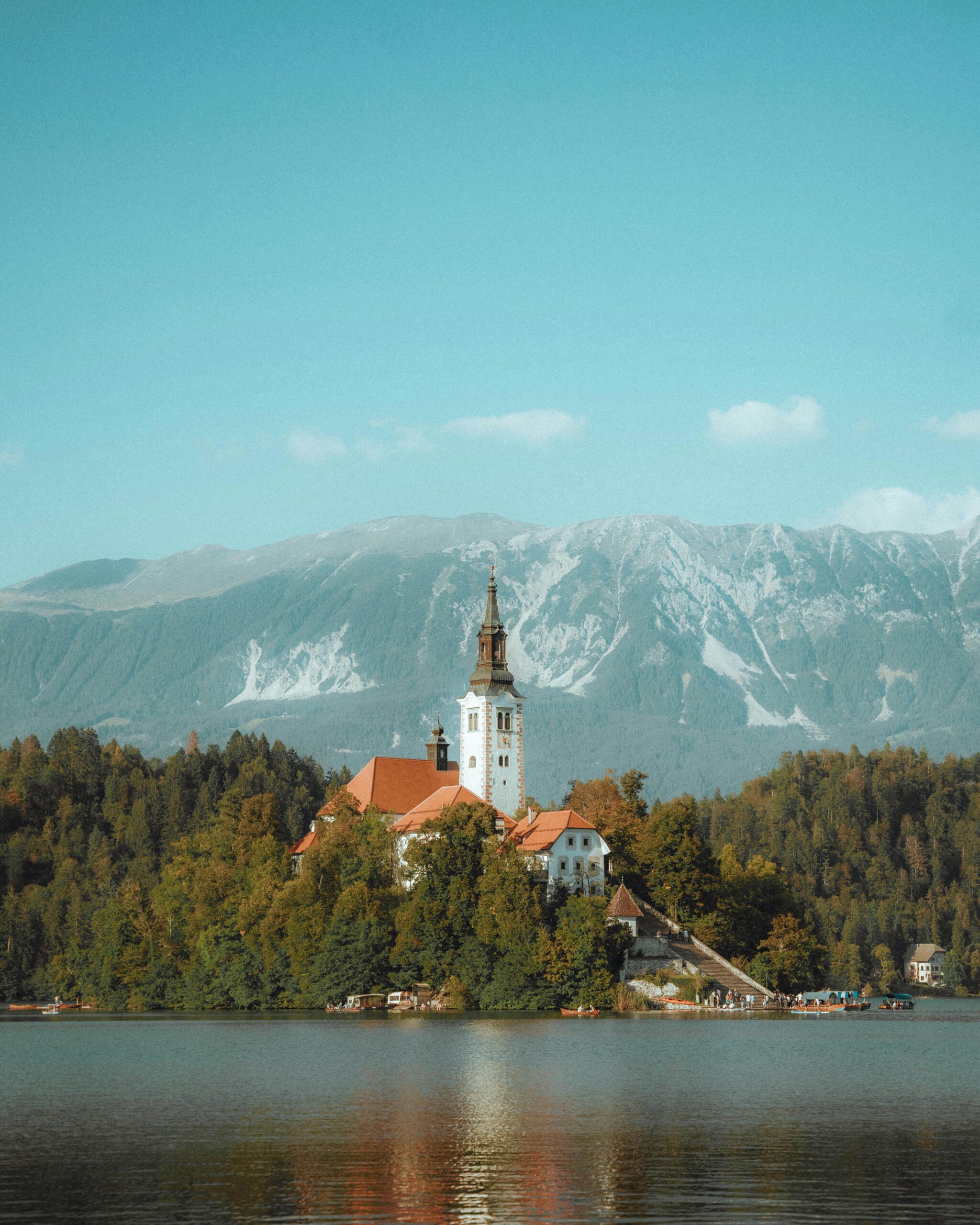
    Tourist Trap Avoidance: Avoid the “Bled Island” Pletna boat if you are on a tight schedule. The view of the island from the Ojstrica viewpoint is free and significantly more “Instagrammable.”

    Internal Link Suggestion: Discover more European gems in our guide to the [Best places to visit in Central Europe].

    Is 7 Days enough for Slovenia? Yes. Because Slovenia is compact, a 7-day itinerary allows you to cover the “Golden Triangle” (Ljubljana, Lake Bled, and the Coast) and the Soča Valley without rushing. It provides the highest ROI for your time by minimizing transit between major landmarks.

    How much does a 7-day trip to Slovenia cost? For an active couple using a car rental, expect to spend between €1,700 and €2,100 total. This includes a mid-range vehicle (€400), fuel/tolls (€100), boutique accommodation (€900), and dining/entry fees (€600).

    Conclusion This itinerary is designed for optimal time-to-value. By leveraging a car rental and a hub-and-spoke strategy, you save over 15 hours of waiting for public transit, effectively gaining two “extra” days of sightseeing. You aren’t just seeing Slovenia; you are experiencing it with surgical efficiency.

  • 12 Best Things to Do in Zurich: A Local’s Guide to Switzerland’s Cultural Capital

    12 Best Things to Do in Zurich: A Local’s Guide to Switzerland’s Cultural Capital

    Zurich is often unfairly dismissed as a mere layover for bankers or a transit point for the Alps. However, beneath its polished, precision-timed exterior lies a city where medieval history meets industrial-cool. The real challenge for travelers isn’t finding enough to do it’s navigating the high costs and optimizing a tight schedule.

    Whether you’re here for the snap of a lakeside bratwurst or the world-renowned art scene, this Zurich travel guide cuts through the noise. We’ve curated the best things to do in Zurich to ensure you experience more than just the Bahnhofstrasse storefronts. From hidden Roman ruins to panoramic mountain climbs reachable by train, these top attractions in Zurich balance the city’s sophisticated luxury with its surprisingly raw, creative edges.

    Grossmünster – Towering Views Over Medieval Old Town

    Grossmünster is the undisputed anchor of the city’s skyline. Once the starting point of the Swiss-German Reformation, this 12th-century cathedral today serves as a primary pillar for any Zurich travel guide. Inside, the atmosphere is a blend of austere medieval architecture and modern artistic flourishes, notably the glowing agate windows by Sigmar Polke. Most travelers flock here for the Karlsturm (Charles Tower); after a climb of 187 narrow stone steps, you are rewarded with a panoramic 360-degree view of the Limmat River and the distant Glarus Alps. It is a “must-visit” because it provides the essential geographical orientation of the city while anchoring you in its religious and political history.

    Practical Expert Tip: Visit on a weekday morning just after opening to climb the tower without the bottleneck of tour groups, and remember that the church interior remains free to enter.

    Lindt Home of Chocolate – A Modern Pilgrimage for Sweet Seekers

    The Lindt Home of Chocolate has rapidly become one of the top attractions in Zurich by offering a high-tech, sensory-heavy experience that justifies its massive search popularity. This isn’t just a shop; it’s a 65,000-square-foot facility featuring an interactive museum that traces chocolate from bean to bar. The vibe is sleek, futuristic, and unashamedly indulgent. You’ll find the world’s largest Lindt shop here, but the real draw is the “Chocolate Heaven” tasting room where you can sample unlimited Lindor varieties. It solves the “rainy day” problem for travelers, providing a world-class indoor activity that appeals to every demographic, from families to solo foodies looking for that quintessential Swiss souvenir.

    Practical Expert Tip: You must book your timed entry ticket at least 10–14 days in advance; if you show up without one, you will likely be turned away at the door.

    Lake Zurich (Zürisee) – The City’s Sparkling Alpine Heart

    Lake Zurich is where the city breathes. Following any practical visiting Zurich tips, you’ll find that the lake transforms the urban environment into a resort-like escape. In the summer, the “Badis” (lakeside swimming baths) are the center of social life, while winter brings a moody, cinematic mist over the water. The utility here lies in the public transport system; the lake is fully integrated into the ZVV network, making a scenic boat trip as easy as taking a bus. Whether you are strolling the flower-lined promenade at Seefeld or taking a long-distance ferry to the “Rose Town” of Rapperswil, the lake provides a sensory reset from the bustling Bahnhofstrasse.

    Practical Expert Tip: If you have a Zürich Card, the 90-minute “Short Lake Cruise” is entirely free and departs frequently from the Bürkliplatz pier.

    Lindenhof – A Historic Sanctuary Above the Altstadt

    Lindenhof is the city’s literal foundation, once housing a Roman fort and later a Carolingian palace. In the modern experience economy, it serves as the ultimate low-cost, high-reward viewpoint. It’s where the city’s pace slows down; you won’t find ticket barriers or gift shops here, only lime trees and historic stone walls. For those following a Zurich travel guide, this is the premier spot for photography without the crowds of the main thoroughfares. It offers a meditative break where you can watch the river traffic and the clock faces of the Old Town. Its cultural value is unmatched, providing a tangible link to Zurich’s prehistoric and medieval roots while functioning as a beloved public living room.

    Practical Expert Tip: Skip the steep main stairs and take the gentler, winding path through the Schipfe district Zurich’s oldest neighborhood to discover hidden artisan workshops before reaching the summit.

    Swiss National Museum – A Castle of Curated History

    Located directly behind the main station, the Landesmuseum is one of the top attractions in Zurich for those seeking to understand the “Swiss-ness” of Switzerland. It moves beyond dusty displays, using immersive technology to walk you through 1,000 years of history, from prehistoric artifacts to the evolution of Swiss banking. The vibe is sophisticated and intellectually stimulating, making it an essential “utility-first” stop for rainy days or for those who want context before heading into the Alps. It is a masterclass in how a museum can be both a monument to the past and a beacon of contemporary design, providing a high-value educational experience that justifies every franc of the entry fee.

    Practical Expert Tip: If you are visiting on a Thursday, the museum stays open until 7:00 PM, allowing you to explore the galleries in a much quieter, atmospheric setting after the daytime crowds have dispersed.

    Uetliberg Mountain – The Peak of the “Top of Zurich”

    Uetliberg provides the literal high point of any trip. Following these visiting Zurich tips, you can trade the urban pavement for mountain air in just 20 minutes via the S10 train. This peak offers a 360-degree spectacle that places the entire region into perspective. In the summer, it’s a hub for “slow travel” via the Planet Trail; in winter, the paths transform into thrilling sledding runs. It’s worth the time because it delivers that quintessential Swiss mountain experience without the logistical headache or cost of a full day trip to central Switzerland. The experience is one of liberation standing 871 meters above sea level, looking down at the miniature city below.

    Practical Expert Tip: For the ultimate local experience, hike the easy two-hour ridge path from Uetliberg to Felsenegg, then take the cable car down to Adliswil for a scenic train ride back to the city center.

    How to Spend 3 Perfect Days in Zurich: A Strategic Itinerary

    To experience Zurich without the burnout, strategy is key. This high-utility flow minimizes travel time and maximizes the city’s distinct neighborhoods.

    Day 1: The Historical Core (District 1): Focus on the walking distance treasures of the Altstadt. Start at the Swiss National Museum near the main station, then cross the river to climb the Grossmünster towers. End your afternoon with a peaceful sunset at Lindenhof, just a short stroll through the medieval winding lanes.

    Day 2: Chocolate and Cruises: Head south via the efficient public transport network (Tram 7) to the Lindt Home of Chocolate in Kilchberg. Return via a passenger ferry across Lake Zurich, disembarking at Bürkliplatz to enjoy the lakeside promenade and the sophisticated Seefeld vibe.

    Day 3: The Alpine Ascent: Take the S10 train from the central hub to Uetliberg Mountain. Spend your morning hiking the ridge paths for the “Top of Zurich” view before descending into the trendy, industrial-cool Zurich-West for a final evening of modern Swiss dining.

    Quick Travel Facts

    When is the best time to visit Zurich? Visit between June and September for lake swimming and outdoor festivals, or in December to experience the world-class Christmas markets and the Swarovski-decorated tree at the main station.

    What is the must-try local dish? You cannot leave without tasting Zürcher Geschnetzeltes thinly sliced veal in a creamy mushroom and white wine sauce, traditionally served with a crispy gold-brown Rösti (Swiss potato pancake).

    What is the best way to get around? Zurich is a global leader in public transport. Purchase a Zürich Card for 24 or 72 hours of unlimited travel on trams, buses, trains, and even lake boats, plus free or discounted entry to most museums.

    Explore the Heart of Switzerland

    While Zurich offers a masterclass in urban Swiss living, it is also the perfect gateway to the rest of the country. Just a short, scenic train ride away lie the jagged peaks of Lucerne or the turquoise waters of the Bernese Oberland.

    Zurich is more than a financial hub; it is a city of layers where 2,000 years of history meet cutting-edge innovation. Whether you are here for the world’s finest chocolate or the crisp mountain air, your Swiss story begins here. Secure your Zürich Card and book your Lindt entry today to ensure you don’t miss out on the city’s most coveted experiences.

  • 12 Best Things to Do in Prague: A Local’s Guide to the Heart of Bohemia

    12 Best Things to Do in Prague: A Local’s Guide to the Heart of Bohemia

    Prague’s medieval charm is no secret, but navigating the “City of a Hundred Spires” without a strategy often leads to overpriced tourist traps and crowded bottlenecks. Whether you are dodging the midday rush on the Vltava or hunting for a quiet cellar bar in Vinohrady, finding the best things to do in Prague requires a balance of iconic history and local cadence.

    This Prague travel guide cuts through the noise, offering a utility-first approach to the Czech capital. We prioritize the gravity of Gothic spires and the crisp pour of a fresh Pilsner over generic sightseeing. From the shadow of the Castle to the hidden gardens of Malá Strana, here is how to navigate the city’s architectural weight and culinary depth without feeling like just another face in the crowd.

    Prague Castle – The World’s Largest Ancient Fortress Complex

    Prague Castle isn’t just a single building; it’s a sprawling 70,000-square-meter complex that holds the Guinness World Record for the largest ancient castle. Dominating the Hradčany district, it serves as the official seat of the Czech President and a repository for the Bohemian Crown Jewels. Search data confirms its status as the most visited site in the country because it provides a vertical history of Europe, from Romanesque basements to Gothic spires. When considering visiting Prague tips, the utility here lies in the “Circuit Ticket,” which grants access to the stunning St. Vitus Cathedral and the colorful Golden Lane. You’ll witness the weight of centuries in the stone walls and the intricate, modern stained glass within the cathedral. It’s a physical manifestation of Czech resilience that requires at least half a day to explore.

    Practical Expert Tip: Skip the main Hradčany Square entrance to avoid the longest security lines; instead, take Tram 22 to the ‘Pražský hrad’ stop and enter through the 2nd Courtyard side gate near the bridge.

    Charles Bridge – A 14th-Century Gothic Masterpiece

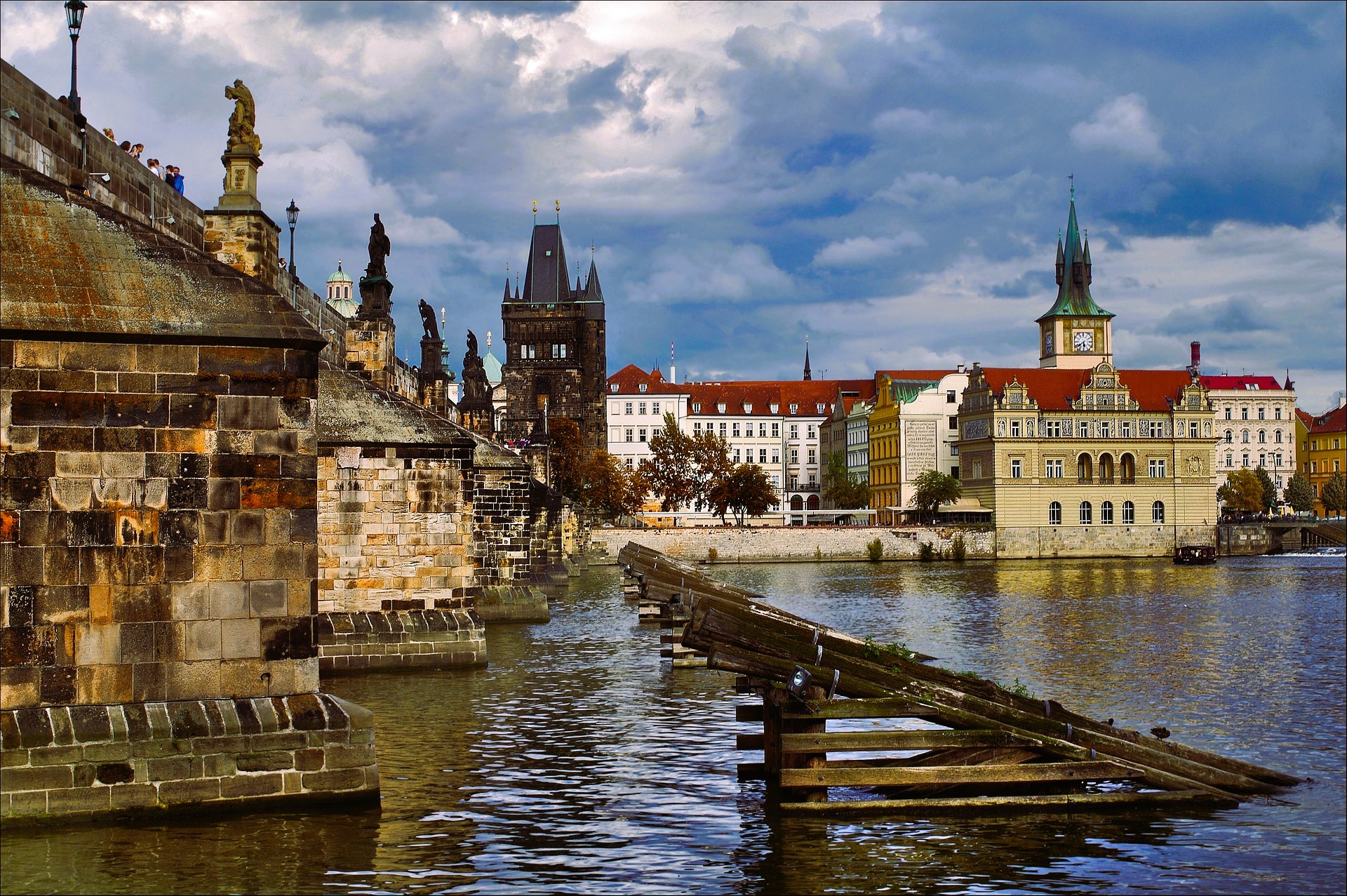
    Completed in the early 15th century, the Charles Bridge is the quintessential Gothic link between the Old Town and the Lesser Town. Commissioned by Charles IV, this stone bridge replaced the flood-damaged Judith Bridge and is famously protected by 30 Baroque statues of saints. As one of the top attractions in Prague, it sees millions of visitors annually, yet it maintains an ethereal, cinematic quality especially when the gas lamps flicker on at dusk. Beyond its visual appeal, the bridge serves as a functional pedestrian artery, bustling with local painters and jazz musicians during the day. Travelers will experience the tactile history of the worn sandstone and the panoramic views of the river. It’s a masterpiece of civil engineering that has survived centuries of floods and wars, standing today as a symbol of the city’s endurance.

    Practical Expert Tip: To experience the bridge without the crush of tour groups, arrive before 7:00 AM; the “Golden Hour” light hitting the Vltava provides the city’s best photography conditions without any crowds.

    Old Town Square – The Historic Epicenter and Astronomical Wonder

    Serving as the city’s main marketplace since the 12th century, Old Town Square is a dense concentration of architectural styles ranging from the Gothic spires of Týn Church to the Baroque facade of St. Nicholas. This area is a staple of any Prague travel guide because it houses the world’s oldest functioning Astronomical Clock (Orloj). Every hour, crowds gather to watch the “Procession of the Apostles,” a mechanical marvel that has captivated visitors since 1410. Beyond the clock, the square is the site of historic executions and celebrations, making it the emotional heart of the Czech people. Travelers will see a vibrant mix of history and modern life, where horse-drawn carriages share space with street performers. The utility here is in its central location, making it the perfect orientation point for exploring the surrounding medieval alleyways.

    Practical Expert Tip: Avoid the midday crowd crush at the clock’s base; instead, book a ticket for the Old Town Hall Tower to watch the mechanical procession from the inside for a unique, close-up perspective.

    St. Vitus Cathedral – The Gothic Crown of the Czech Capital

    While located within the Castle grounds, St. Vitus is an experience unto itself, representing the pinnacle of European Gothic design. For those following a Prague travel guide, this cathedral is the ultimate “value” stop because the first third of the nave is free to enter, offering a glimpse of Art Nouveau master Alfons Mucha’s stained glass. It is worth the ticket price for the “experience economy” seeker who wants to stand in the coronation site of Bohemian kings. You’ll witness a literal timeline of architecture, from the 14th-century Golden Gate to the 20th-century finishing touches. It offers a spiritual weight and artistic depth that few cathedrals globally can match. As a cornerstone of top attractions in Prague, its scale and the vibrant light play inside make it a sensory-heavy highlight of any itinerary.

    Practical Expert Tip: To avoid the massive morning tour groups, visit exactly 90 minutes before closing when the light hits the stained glass at its most dramatic angle and the echoes of the nave are undisturbed.

    Petřín Lookout Tower – The Eiffel Tower of Bohemia

    Rising 63 meters above the city’s highest hill, this 1891 steel-framework tower offers the best 360-degree views in the region. It’s an essential stop for travelers who value the “experience” of perspective; on clear days, you can see across the Bohemian landscape to the Giant Mountains. Following visiting Prague tips, this spot is best reached by the historic funicular, which turns a steep climb into a scenic journey. The vibe is decidedly “slow travel,” surrounded by rose gardens and orchards that provide a quiet respite from the stone-heavy city center. It’s a low-cost, high-reward activity that provides the physical context of Prague’s layout. Whether you’re a photographer or a family seeking open space, Petřín bridges the gap between urban density and hilltop tranquility, making it a functional and aesthetic must-see.

    Practical Expert Tip: Skip the elevator line and the fee by walking the 299 stairs; not only is it cheaper, but the staggered platforms offer unique, uncrowded photo ops at different heights.

    Vyšehrad – The Ancient Fortress Above the River

    Often overlooked by those rushing through a standard Prague travel guide, Vyšehrad is the city’s “hidden in plain sight” masterpiece. This 10th-century fortress is where the legend of Prague began, offering a more atmospheric, local experience than the crowded Castle District. The utility here is the combination of free public park space, the stunning neo-Gothic Basilica, and the Vyšehrad Cemetery the final resting place of national icons like Dvořák. It caters to the traveler looking for depth over checklists, providing a hauntingly beautiful vibe that feels intimate and authentic. You’ll walk along 17th-century ramparts that offer the most dramatic views of the river’s bend without the shoulder-to-shoulder crowds. It’s an essential site for understanding the mythic roots of the Czech nation while enjoying a peaceful, sunset stroll.

    Practical Expert Tip: After exploring the ramparts, head to the nearby ‘Hospoda Na Hradbách’ a local beer garden tucked within the fortress walls that serves excellent Balkan grilled meats and craft beer with a view.

    How to Spend 3 Perfect Days in Prague: A Strategic Itinerary

    Maximize your time by grouping the city’s top attractions in Prague by district to minimize transit and maximize the “slow travel” experience.

    Day 1: The Medieval Core. Start at Old Town Square to witness the Astronomical Clock’s morning chime. From here, it is a short, scenic walking distance through the winding Karlova street to the Charles Bridge. Spend your afternoon getting lost in the narrow alleys of the Old Town.

    Day 2: The Royal Heights. Cross the river to the Malá Strana neighborhood. Dedicate your morning to the Prague Castle complex and the towering St. Vitus Cathedral. In the afternoon, take the historic funicular up to Petřín Lookout Tower for sunset views.

    Day 3: Legends & Local Life. Head south via public transport to the peaceful fortress of Vyšehrad. This area is perfect for a quieter morning stroll before heading back toward the New Town riverfront for a local beer.

    Quick Travel Facts

    You’ll enjoy mild weather and fewer crowds than the peak summer heat or the freezing (but festive) December market rush.

    Top Local Dish: You cannot leave without trying Svíčková na smetaně tender beef sirloin in a creamy root vegetable sauce, served with bread dumplings and a dollop of cranberry jam.

    How to Get Around: Prague has one of Europe’s best public transport networks. Use the PID Lítačka app to buy a 72-hour pass, which covers all red trams, the metro, and even the Petřín funicular.

    Discover Beyond the Spires

    While these landmarks define the capital, the rest of the Czech Republic offers a wealth of Bohemian glassworks, Moravian wine cellars, and UNESCO-listed towns like Český Krumlov just a short train ride away.

    The Bottom Line: Prague is a city where every stone tells a thousand-year-old story; stop planning and start your journey into the heart of Europe by securing your Castle tickets and flight today.

  • The Golden Hour on the Danube: Best things to do in Budapest for the Unhurried Traveler

    The Golden Hour on the Danube: Best things to do in Budapest for the Unhurried Traveler

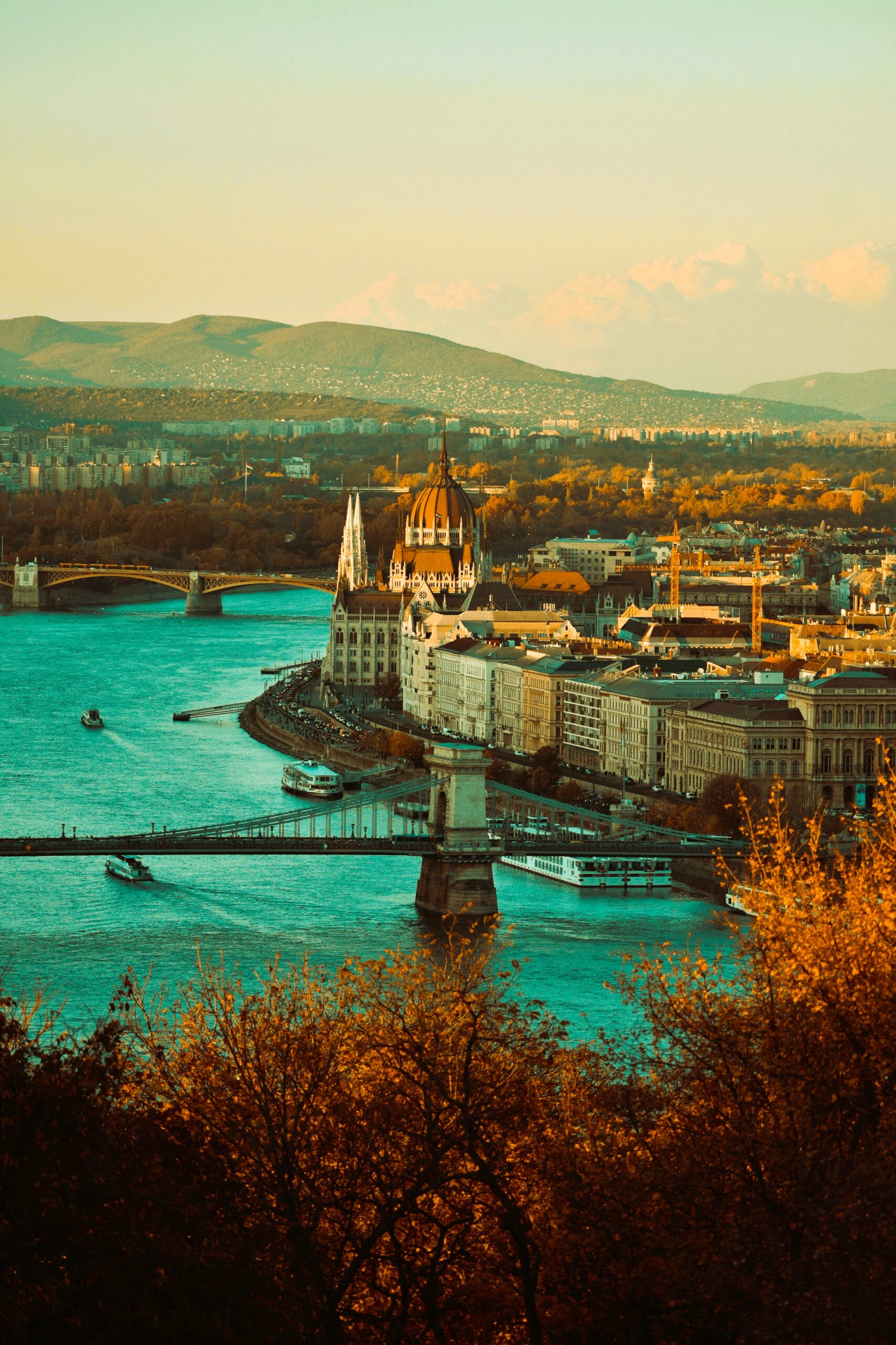
    The morning air along the riverbank carries a sharp, metallic chill that yields only to the rising, sulfurous steam of the thermal springs. Budapest is a city of heavy limestone and liquid history, demanding a pulse that matches its slow-moving river. While most visitors rush between landmarks, the best things to do in Budapest are found in the deliberate pauses the lingering warmth of a neo-Baroque bath or the amber light hitting the Parliament’s Gothic spires at dusk.

    To truly understand this city is to abandon the frantic checklist. It requires wandering the cobblestones of the Buda side until your legs ache, then finding refuge in a century-old coffee house. By embracing a slower cadence, the capital’s layers of Ottoman, Habsburg, and Art Nouveau influence begin to align, offering a depth of experience that the hurried traveler often misses.

    Gellért Thermal Bath – A Sanctuary of Art Nouveau Splendor

    Stepping into Gellért feels like entering a cathedral dedicated to water. The air is thick with mineral warmth and the hushed echoes of voices bouncing off porcelain-tiled walls. Built in 1918, this Secessionist masterpiece offers more than just a soak; it provides a sensory journey through Hungary’s deep-seated spa culture. As you submerge in the medicinal 38°C (100°F) waters, the intricate floral motifs and stained glass windows create a sense of timelessness. It is a must-visit because it marries architectural grandeur with genuine wellness, allowing you to physically feel the history of the city’s “City of Spas” title. Here, the frantic pace of the outer world dissolves into the rhythmic movement of the lap pool and the gentle hiss of steam.

    Unhurried Tip: Skip the main indoor pool and head straight for the outdoor wave pool area during the early morning hours to enjoy the crisp air against the steam without the crowds.

    Fisherman’s Bastion – A Panoramic Dreamscape Above the Danube

    While its name suggests a defensive history, Fisherman’s Bastion was actually completed in 1902 as a decorative terrace to celebrate the Hungarian state’s millennium. Walking its ramparts feels like navigating a fairy-tale fortress made of ivory-colored limestone. Each of the seven conical towers represents a Magyar tribe, and the arched windows act as frames for the most iconic views of the Danube. Visitors flock here for the “Instagram shot,” but the true slow-travel experience lies in the textures the cool touch of the stone and the way the wind carries the sound of church bells from the valley below. It is essential because it offers a literal and figurative perspective of Budapest’s dual nature, bridging the medieval silence of Buda with the grand scale of Pest across the water.

    Unhurried Tip: Visit after 9:00 PM when the ticket booths close and the crowds vanish; the monument remains open, illuminated in gold, offering a silent, private view of the city lights.

    Margaret Island – A Verdant Refuge in the Heart of the River

    Anchored in the middle of the Danube, Margaret Island serves as Budapest’s green lung. Reaching it requires a deliberate detour onto the Margit Bridge, immediately trading urban traffic for the rustle of centenarian oaks and the scent of rose gardens. This 2.5-kilometer stretch of parkland houses 13th-century Franciscan ruins and a Japanese garden that invites contemplative walking. Unlike the bustling city squares, the island operates on a different clock one measured by the spray of the musical fountain and the slow laps of joggers. It is a must-visit for anyone seeking a “slow travel” anchor; it provides the necessary space to process the city’s intensity. Whether you are exploring the medieval cloister or sitting by the water’s edge, the island offers a rare, car-free sanctuary where nature and history coexist in quiet harmony.

    Unhurried Tip: Rent a “bringóhintó” (pedal cart) to explore the far northern reaches of the island where the medieval ruins are located, far from the more tourist-heavy southern entrance.

    Ervin Szabó Library – A Neo-Baroque Reading Room Retreat

    Hidden within a functional modern library lies the former Wenckheim Palace, a series of 19th-century aristocrat reading rooms that feel frozen in time. As you step onto the creaking parquet floors, the city’s roar is replaced by the soft rustle of turning pages and the scent of aged paper and beeswax. Gold-leaf moldings and deep leather armchairs invite you to linger for hours rather than minutes. It is a vital stop for those seeking Danube River sights of a different sort the intellectual and architectural grandeur of the Hungarian Golden Age. This isn’t a place for sightseeing; it’s a place for being. Sitting under a massive chandelier, you realize the library isn’t just a collection of books, but a sanctuary for the city’s quietest thoughts and most elegant histories.

    Unhurried Tip: Access the fourth floor “palace” section during a weekday afternoon to find an empty velvet armchair away from the small clusters of local students.

    Matthias Church – A Kaleidoscope of Stone and Color

    Located in the heart of Buda Castle Hill, Matthias Church is a breathtaking departure from the somber gray of traditional cathedrals. The interior is a riot of color, with every inch of wall covered in intricate geometric patterns and warm earth tones that glow when the sun hits the stained glass. The air is often filled with the faint, lingering scent of incense and the vibration of organ music. Originally built in the 13th century, it has served as a coronation site for kings and a mosque for sultans, and that complex identity is etched into its very stone. Walking through the nave, you feel the weight of centuries of shifting empires, yet the vibrant tiles offer a sense of playfulness and resilience that defines the Hungarian spirit.

    Unhurried Tip: Attend the evening Latin organ mass on Sundays to experience the acoustics and atmosphere as they were intended, without the distractions of daytime tour groups.

    Hospital in the Rock – A Silent Echo of Resilience

    Deep beneath the cobblestones of the castle district lies a labyrinthine network of natural caves used as a secret emergency hospital and nuclear bunker. The air here is noticeably cooler and carries a damp, limestone scent that grounds you in the gravity of the site’s history. As you walk through the narrow corridors, the silence is heavy, punctuated only by the distant hum of the ventilation system. It provides a stark, necessary contrast to the Budapest thermal baths above ground; while the baths represent healing through leisure, this site represents healing through sheer will and survival. Seeing the original 1940s medical supplies and cramped wards offers a profound connection to the city’s endurance through the Siege of Budapest and the Cold War, making it a powerful site for reflection.

    Unhurried Tip: Book the last tour of the day to avoid the school groups and allow the heavy, subterranean stillness to fully sink in as you exit into the dusk.

    A Thoughtful 3-Day Itinerary for Budapest

    To see Budapest slowly is to allow the city’s geography to dictate your pace. On Day One, focus on the heights of the Buda side. Begin at the Hospital in the Rock before ascending the limestone steps to Matthias Church and Fisherman’s Bastion. The proximity allows you to spend hours watching the shadows lengthen over the Parliament building without a single transit transfer.

    On Day Two, cross to the Pest side for intellectual and natural quiet. Spend your morning lost in the wood-paneled silence of the Ervin Szabó Library, then take a leisurely stroll or the scenic Tram 2 toward Margaret Island. Dedicate the afternoon to the island’s gardens, where the city noise is muffled by ancient oaks.

    Finally, Day Three is reserved for the ritual of water. Begin at Gellért Thermal Bath, letting the mineral heat dictate your morning. Spend the rest of your day wandering the riverbanks, perhaps crossing the Liberty Bridge on foot to watch the sunset reflect off the Danube, concluding your journey not with a checklist, but with a feeling.

    If you found this pace rewarding, you may enjoy our other guides to Central European capitals or read more about our Slow Travel Philosophy on our “About” page.

    True travel is not a race to collect landmarks, but an invitation to let a place change your rhythm. When you stop measuring your days by the number of photos taken and start measuring them by the depth of your breath in a quiet library or the warmth of a thermal spring, the city begins to reveal its true character. Leave the map behind for an hour, listen to the river, and walk with a slow heart. The most profound stories of Budapest aren’t shouted; they are whispered in the pauses between the sights.

  • Best Things to Do in Vienna: A Journal for the Unhurried Traveler

    Best Things to Do in Vienna: A Journal for the Unhurried Traveler

    The hush of footsteps on polished stone echoes through Vienna’s grand halls, while the scent of roasted coffee drifts from a corner café. This is a city where light lingers on baroque facades and time slows in the rhythm of waltz and conversation. Exploring the best things to do in Vienna is not about rushing through a checklist it’s about savoring the cadence of imperial boulevards, lingering in museums, and pausing for a slice of cake that tastes of centuries. For the unhurried traveler, Vienna rewards patience: every palace, every park, every quiet square invites you to stay longer, listen closer, and let the city unfold at its own pace.

    Schönbrunn Palace – Imperial Grandeur in Slow Motion

    Walking through Schönbrunn Palace feels like stepping into a living canvas of imperial history. The vast courtyards echo with the footsteps of emperors, while the manicured gardens invite you to pause and breathe. Inside, gilded halls whisper stories of Habsburg elegance, yet the true magic lies outdoors where fountains, statues, and shaded paths create a rhythm of stillness. This UNESCO site is not just a monument; it’s a sanctuary for those who want to experience Vienna’s grandeur at a human pace.

    Visit early in the morning when the gates open the gardens are nearly empty, and the light is unforgettable.

    Belvedere Palace – Art, Gardens, and Timeless Light

    The Experience: Belvedere Palace is both an architectural masterpiece and a treasury of art. The baroque design frames sweeping gardens where symmetry and serenity meet. Inside, Klimt’s The Kiss glows with golden intimacy, drawing visitors into Vienna’s artistic soul. Yet beyond the galleries, the palace grounds invite slow wandering terraces, fountains, and quiet benches where time seems suspended. It is a place where art and landscape converse, offering travelers a layered experience that rewards patience and presence.

    Arrive late afternoon most tours have ended, and the golden light makes the gardens shimmer.

    St. Stephen’s Cathedral – Echoes Beneath the Gothic Spire

    Rising from the heart of Vienna, St. Stephen’s Cathedral is a monument of resilience and faith. Its Gothic spire commands the skyline, while inside, candlelight flickers against centuries-old stone. The air carries a solemn hush, broken only by the organ’s resonance. Visitors sense both grandeur and intimacy history etched into every arch, every mosaic. Climbing the South Tower rewards with sweeping city views, yet the true essence lies in the quiet moments: standing still as the bells reverberate through the square.

    Step inside just before evening mass the crowds thin, and the cathedral feels profoundly alive.

    Vienna State Opera – A Stage of Timeless Elegance

    The Vienna State Opera is more than a performance venue it is the heartbeat of the city’s cultural life. Its grand marble staircases and chandeliers set the stage for evenings steeped in tradition. Even without attending a show, standing in the foyer feels like entering a living museum of music. For travelers seeking a Vienna travel guide that emphasizes atmosphere, this landmark is essential: the sound of rehearsals drifting through corridors, the anticipation in the air before curtain rise, and the sense of continuity that opera has given Vienna for centuries.

    Book a daytime tour the halls are quieter, and you can linger without the evening rush.

    Kunsthistorisches Museum – A Temple of Art and Memory

    The Kunsthistorisches Museum is a sanctuary for art lovers and slow travelers alike. Its galleries hold treasures from Caravaggio to Bruegel, yet the building itself is a masterpiece ornate ceilings, marble columns, and quiet alcoves where time seems suspended. Exploring here is not about rushing from one exhibit to another; it’s about pausing before a canvas, letting colors and brushstrokes speak. For those drawn to Vienna palaces and museums, this is a crown jewel, offering both grandeur and intimacy. The museum’s café, tucked under frescoed arches, invites reflection as much as refreshment.

    Visit on a weekday morning the galleries are hushed, and you can stand alone with the masters.

    Stadtpark – Green Rhythms in the Heart of Vienna

    Stadtpark is Vienna’s invitation to breathe. The rustle of leaves, the ripple of water, and the golden statue of Johann Strauss create a harmony that feels both urban and timeless. Unlike palaces or cathedrals, this park rewards stillness: sitting on a bench, watching locals stroll, or listening to birdsong. It is a reminder that the city’s rhythm includes pauses, not just crescendos. For travelers consulting a Vienna travel guide, Stadtpark offers balance a green refuge where history and daily life meet in quiet continuity.

    Arrive just after sunrise the park belongs to you, and the city feels newly awakened.

    A Thoughtful 3-Day Itinerary for Vienna

    Day 1: Begin at Schönbrunn Palace, wandering its gardens at a gentle pace before stepping inside the imperial halls. From there, take a short tram ride to Belvedere Palace, where art and landscaped terraces invite you to linger until late afternoon.
    Day 2: Start in the old town at St. Stephen’s Cathedral, absorbing its Gothic presence before strolling through pedestrian streets toward the Vienna State Opera. Pause for coffee nearby, then join a guided tour or simply enjoy the building’s atmosphere.
    Day 3: Dedicate the morning to the Kunsthistorisches Museum, moving slowly through its galleries and pausing in the café. In the afternoon, walk or take a quick metro ride to Stadtpark, where Vienna’s rhythm softens into birdsong and statues.
    This itinerary balances grandeur with quiet moments, ensuring each day unfolds at a pace that honors the city’s spirit.

    Travel with a slow heart, and Vienna will meet you halfway. Its palaces, parks, and cafés are not destinations to be conquered, but companions in reflection. Let the city’s cadence remind you: the richest experiences are those you allow to breathe.

  • Best Things to Do in Nice: A Journal of Leisure

    Best Things to Do in Nice: A Journal of Leisure

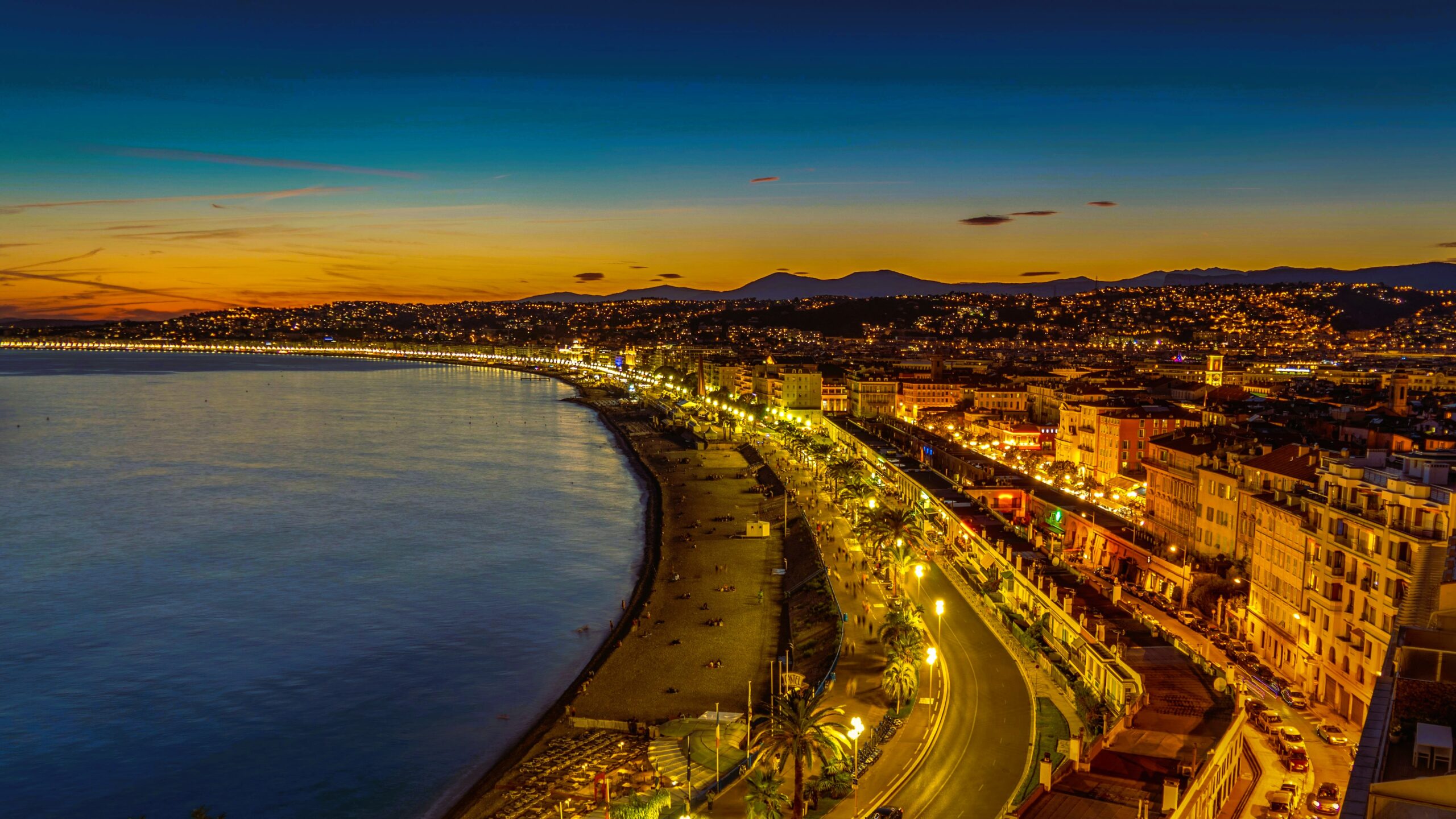
    The hush of waves against the Promenade des Anglais sets the rhythm of the day, while the scent of citrus drifts from market stalls in Old Town. Nice rewards those who linger its light softens the facades of Belle Époque villas, and its museums invite unhurried reflection. Exploring the best things to do in Nice is not about rushing through a checklist but savoring the city’s cadence: strolling along seaside boulevards, pausing in shaded squares, and letting art and history unfold at their own pace. For the slow traveler, Nice is less a destination than a living canvas, where each step offers a moment to pause, observe, and breathe.

    Promenade des Anglais – Seaside Elegance at Walking Pace

    The Promenade des Anglais is more than a boulevard it’s a living stage where sea, sky, and city converge. Built in the 19th century, it reflects Nice’s cosmopolitan past while offering a timeless rhythm for today’s traveler. The vibe is serene yet social: locals stroll with dogs, joggers pace themselves against the horizon, and the Mediterranean breeze carries a salt-kissed calm. It’s a must-visit because it embodies the essence of Nice accessible beauty, effortless leisure, and a reminder that travel can be as simple as walking slowly by the sea.

    Unhurried Tip: Visit just after sunrise when the promenade is quiet, and the water glows with soft pastel light.

    Castle Hill (Colline du Château) – Panoramic Calm Above the City

    Castle Hill offers the most commanding perspective of Nice, yet its atmosphere is surprisingly tranquil. Once the site of a medieval fortress, today it’s a landscaped park where waterfalls murmur and shaded paths invite unhurried exploration. The vibe is contemplative: families picnic, artists sketch, and travelers pause to absorb the layered history beneath their feet. It’s a must-visit because it reveals the city’s scale and beauty in one glance Old Town’s maze, the curve of the Promenade, and the endless horizon of the Côte d’Azur.

    Unhurried Tip: Take the free elevator from the Old Town in the late afternoon; crowds thin and the light is golden.

    Nice Old Town (Vieux Nice) – A Labyrinth of Living History

    Vieux Nice is a sensory immersion into centuries of lived culture. Its winding streets echo with footsteps, the scent of fresh socca drifts from corner stalls, and pastel facades glow under the Mediterranean light. The vibe is intimate and timeless: artisans open their shops, locals chat in shaded squares, and every turn reveals a hidden chapel or market. It’s a must-visit because it embodies the soul of Nice authentic, layered, and endlessly walkable. Here, history isn’t displayed; it’s lived, and travelers are invited to join the rhythm.

    Unhurried Tip: Explore early in the morning before shops open; the alleys are hushed, and you’ll feel the town awakening.

    Cours Saleya Market – Morning Ritual of Color and Flavor

    Cours Saleya Market is the heartbeat of Nice’s daily rhythm, where the scent of lavender mingles with ripe tomatoes and citrus. This historic square in the Old Town transforms into a sensory feast each morning, with vendors calling out and locals weaving through the stalls. The atmosphere is lively yet intimate, offering travelers a chance to slow down and savor the textures of Mediterranean life. It’s a must-visit because it connects you directly to Nice’s traditions food, fragrance, and community all in one place.

    Unhurried Tip: Arrive before 9 a.m. to enjoy the market before tour groups arrive, when locals shop in peace.

    Matisse Museum – Quiet Dialogues with Color

    The Matisse Museum, set in a 17th-century villa, offers a contemplative retreat into the artist’s world. Here, the pace slows as visitors move through rooms filled with sketches, sculptures, and the vibrant cut-outs that defined his later years. The vibe is hushed, almost reverent, as the works reveal Matisse’s lifelong dialogue with color and form. It’s a must-visit because it anchors Nice’s identity as a city of art, complementing the seaside leisure of the Promenade des Anglais with intellectual depth and creative resonance.

    Unhurried Tip: Visit in the late afternoon; the museum is quieter, and the light softens the galleries beautifully.

    Marc Chagall National Museum – Spiritual Light in Paint

    The Experience: The Marc Chagall National Museum is a sanctuary of color and spirit. Dedicated to the artist’s biblical works, it envelops visitors in luminous canvases and radiant stained glass. The vibe is meditative: silence punctuated by the soft shuffle of footsteps, as travelers absorb Chagall’s vision of faith and humanity. It’s a must-visit because it offers not just art, but an emotional journey where light itself becomes a medium, and Nice’s cultural richness deepens beyond its seaside charm.

    Unhurried Tip: Arrive just after opening; the morning light through the stained glass is at its most ethereal.

    A Thoughtful 3-Day Itinerary for Nice

    Day 1: Begin with a sunrise walk along the Promenade des Anglais, letting the sea set the pace. From there, wander into Vieux Nice, where alleys and markets unfold naturally. Pause at Cours Saleya Market for a late-morning coffee and flowers before drifting back through Old Town’s shaded squares.
    Day 2: Take the elevator or climb gently to Castle Hill, where panoramic views reward a slow ascent. Spend the afternoon descending at leisure, stopping for sketches or quiet reflection. End the day with a seaside stroll, retracing the city’s rhythm from above to below.
    Day 3: Dedicate time to art. Begin at the Matisse Museum, absorbing the quiet dialogue of color. Transition by bus or tram to the Marc Chagall National Museum, where stained glass and canvases invite contemplation. This final day balances Nice’s coastal ease with its cultural depth.

    For more journeys shaped by unhurried discovery, explore our other European guides or visit the About page to learn the philosophy behind Unhurried Traveler Map.