Category: Europe

Dive into the history, culture, and cuisine of the continent. Find guides for slow travel through European cities, historic villages, and budget-friendly routes across the classic backpacking destinations.

  • 6 Best Things to Do in Strasbourg: A Strategic Guide for the Thoughtful Traveler

    6 Best Things to Do in Strasbourg: A Strategic Guide for the Thoughtful Traveler

    Most travelers treat Strasbourg as a checklist, rushing between the cathedral and the Petite France canal photo ops before disappearing into a crowded winstub. This high speed approach misses the city’s unique Franco German duality and architectural progression. The primary mistake is failing to account for the physical bottlenecks of the Grande Île, resulting in a fractured, stressful experience. This guide prioritizes a logical flow that balances iconic landmarks with the wider urban landscape. By focusing on the best things to do in Strasbourg through an unhurried lens, you can navigate the historical transitions—from Middle Age timber frames to Prussian Imperialism—without the fatigue of the typical tourist circuit.

    Cathédrale Notre Dame de Strasbourg – Gothic Architecture and Astronomical Precision

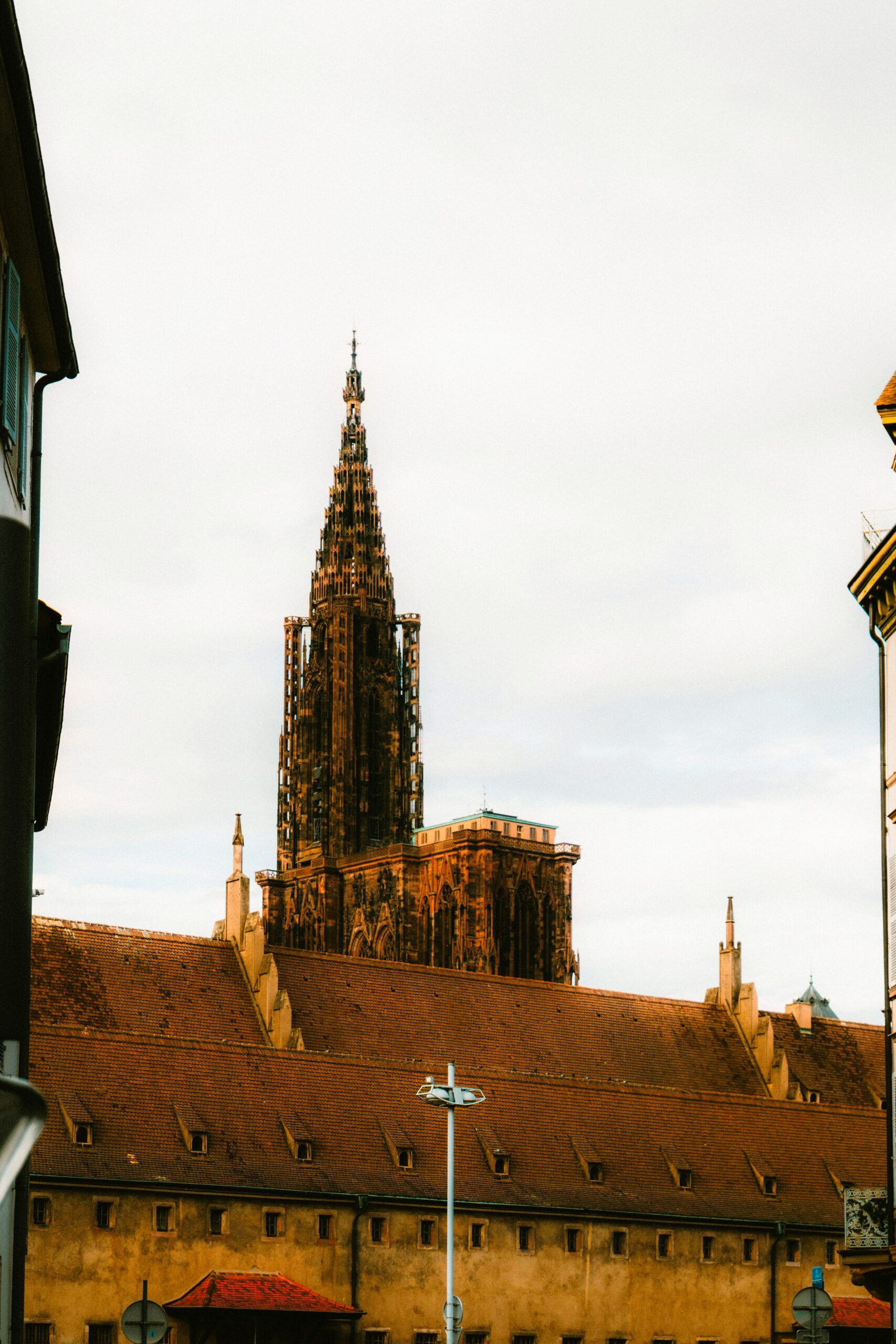
    The cathedral stands as a singular transition point between the High Middle Ages and the Renaissance, defined by its asymmetric silhouette and Vosges sandstone hue. For the thoughtful traveler, this structure is more than a religious site; it is an engineering marvel that held the title of the world’s tallest building for over two centuries. The interior houses the 16th century astronomical clock, a masterpiece of mathematical complexity that still performs its daily procession. To truly appreciate the scale without the claustrophobia of the midday crowds, arrive exactly at 8:30 AM when the doors first open to witness the morning light filtering through the 14th century stained glass in near silence. This early entry allows you to observe the intricate facade carvings at eye level from the Place de la Cathédrale before the tour groups occupy the square, ensuring a focused study of the spire’s verticality.

    La Petite France – Historical Preservation and Urban Hydrology

    This district serves as the architectural soul of the city, where timber framed houses from the 16th and 17th centuries line a network of four narrow canals. Originally the quarters of tanners, millers, and fishermen, the area offers a direct look at how medieval urban planning integrated with the natural flow of the Ill River. The preservation here is meticulous, reflecting the unique Alsatian identity that survived centuries of border shifts. While the main thoroughfares can feel congested, you can find a more authentic perspective by walking the narrow Rue des Moulins toward the revolving bridge, where you can watch the lock system in operation. A strategic way to experience the area is to visit during the blue hour just after sunset when the reflection of the illuminated facades on the still water provides a clearer view of the structural details often missed during the busy afternoon hours.

    Barrage Vauban – Strategic Defense and Panoramic Perspectives

    Built in the late 17th century by the engineer Vauban, this fortified bridge and weir was designed to flood the southern approach to the city during an attack. It represents the clinical, defensive mindset of the Louis XIV era, contrasting sharply with the organic growth of the neighboring Petite France. The structure functions as a physical timeline of military history, housing weathered sculptures from the cathedral within its internal corridor. For the traveler seeking a logical layout of the city, the grassy rooftop terrace is essential. Access the terrace via the internal staircase to see the Ponts Couverts and the cathedral spire aligned in a single frame. This vantage point is best utilized in the late afternoon when the sun is behind you, providing the clearest visibility of the medieval fortifications without the glare that typically obscures the horizon during the midday peak.

    Palais Rohan – Enlightenment Sophistication and Artistic Continuity

    The Palais Rohan serves as a grand physical boundary between the medieval density of the cathedral square and the flowing energy of the Ill River. This 18th century episcopal palace is the pinnacle of French Baroque architecture in the city, offering a sophisticated contrast to the surrounding timber frames. For the strategic traveler, the palace represents the intellectual shift of the Enlightenment, housing three distinct museums within its walls that trace the evolution of Alsatian fine arts, archaeology, and decorative history. The experience is best defined by the rhythmic symmetry of its courtyard and the opulence of the syncretic French German interior designs. To avoid the primary museum queues, enter through the river facing terrace instead of the main courtyard to access the Archaeological Museum first, which provides a chronological foundation for the city’s Roman origins before you ascend to the more decorative royal apartments on the upper floors.

    The Neustadt District – Imperial Scale and Prussian Urbanism

    The Neustadt, or New Town, is a monumental testament to the German Imperial period following 1871, characterized by wide boulevards and heavy, prestige driven architecture. This district offers a stark departure from the cramped quarters of the Grande Île, showcasing a deliberate urban expansion that prioritized hygiene, light, and administrative power. Walking through Place de la République allows you to observe the intersection of Neo Renaissance and Art Nouveau styles, a visual representation of the city’s complex political identity. It is a necessary stop for understanding Strasbourg’s dual heritage beyond the typical postcard imagery. A practical way to navigate this expansive area is to use the tram lines B or C from the city center to the République stop, then walking toward the National and University Library to find the quiet, landscaped gardens tucked behind the main circular plaza for a peaceful vantage point.

    The European Quarter – Modern Diplomacy and Contemporary Glasswork

    Located at the northern edge of the city, the European Quarter is the modern heartbeat of the continent’s administrative identity, home to the European Parliament and the Council of Europe. This area offers a clinical yet fascinating look at contemporary glass and steel architecture, symbolizing transparency and post war reconciliation. While the historic center feels fixed in time, this district is constantly evolving, reflecting Strasbourg’s role as a de facto capital of Europe. The circular design of the Louise Weiss building is particularly striking when viewed from the water, illustrating the scale of modern democratic institutions. For a more intimate perspective, follow the promenade along the Marne Rhine Canal where you can observe the reflection of the Parliament’s flag lined facade in the water. This path is often overlooked by those taking the shuttle, providing a much quieter walking route that connects the Orangerie Park directly to the heart of the diplomatic zone.

    A 3 Day Strategic Itinerary

    A logical exploration of Strasbourg requires a geographical division that respects the walking rhythm of the city. Day one should focus exclusively on the Grande Île, beginning at the Cathédrale Notre Dame de Strasbourg and transitioning into the refined rooms of the Palais Rohan. This minimizes transit and allows for a deep immersion in the medieval core. On the second day, move westward toward the Petite France district to observe the interlocking canals and timber framed aesthetics before walking the short distance to the Barrage Vauban for an elevated perspective of the historical fortifications. Reserve the third day for the broader urban expansions beyond the river. Start with the Prussian grandeur of the Neustadt district and conclude with a tram ride to the European Quarter. This sequence ensures a steady progression from the city’s ancient origins to its modern diplomatic identity while avoiding the exhaustion of repetitive backtracking through the crowded central squares.

    The Unhurried Mindset

    The unspoken rule of Strasbourg is to respect the transition between the frantic pace of the morning markets and the slow, deliberate ritual of the evening winstub. To enjoy this city properly, you must accept that its beauty is found in the stillness of the side streets rather than the spectacle of the main plazas. The soulful way to experience Alsace is to sit by the Ill River at dusk, away from the designated photo spots, and watch the light change on the sandstone. True travel here is found in the pauses—the moment you stop looking at the map and start noticing the subtle shift from French elegance to Germanic structure.

    Expand Your Journey

    Strasbourg serves as the primary gateway to the wider Alsatian wine route and the rugged beauty of the Vosges Mountains. Beyond the city limits, the region offers a dense network of fortified villages and high altitude castles that demand a similar level of strategic planning. Whether you are moving south toward Colmar or crossing the Rhine into the Black Forest, the same principles of deliberate, unhurried observation apply.

    The most profound discoveries in Alsace are rarely the loudest; they are the ones found when you choose the quieter path.
  • 6 Best Things to Do in Venice: A Strategic Guide for the Thoughtful Traveler

    6 Best Things to Do in Venice: A Strategic Guide for the Thoughtful Traveler

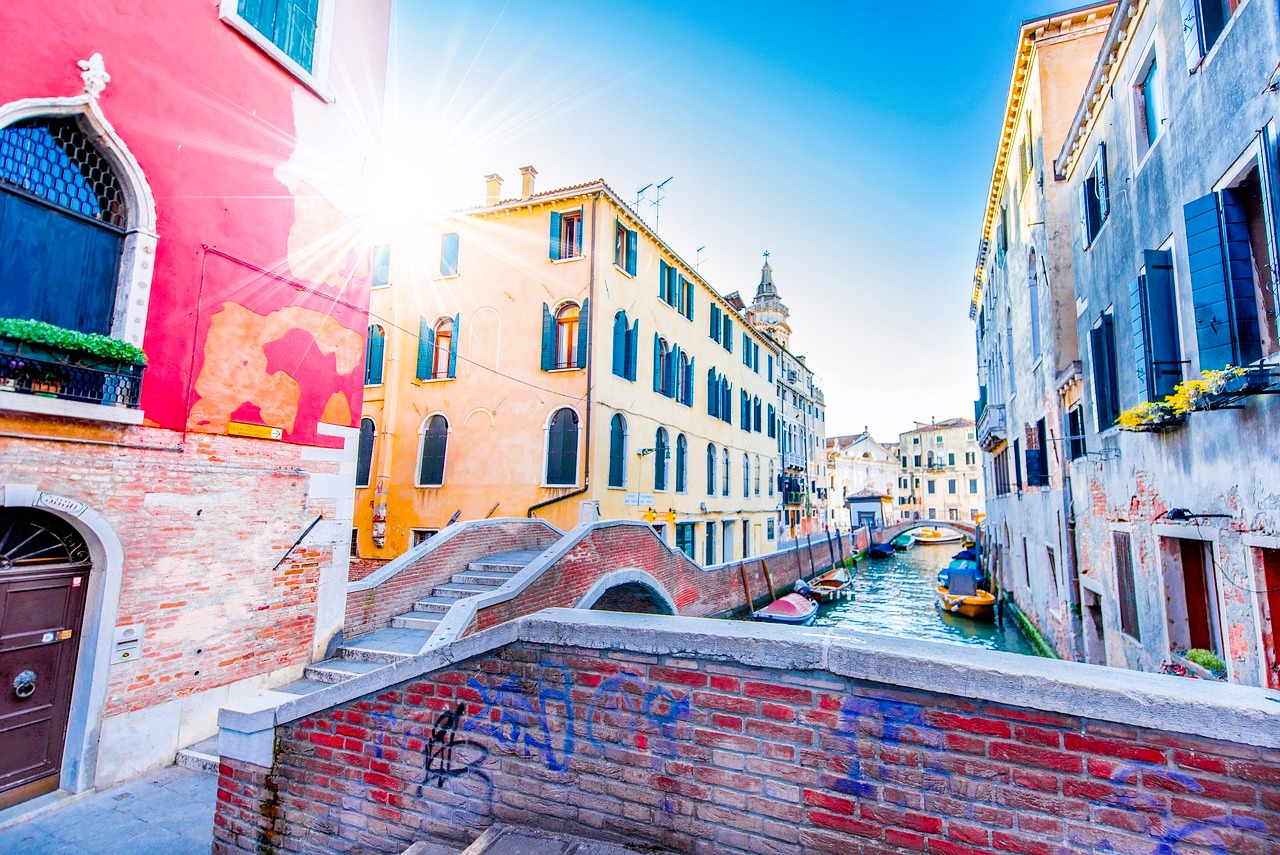
    Most travelers treat Venice as a sprint, fighting through the mid day “Golden Triangle” of San Marco and Rialto alongside thousands of day trippers. This high pressure pacing leads to “Venice fatigue,” where the city feels more like a crowded museum than a living maritime republic. To truly see the city, you must invert the typical schedule. By staying overnight and prioritizing the periphery during peak hours, you allow the city’s silence to return. This guide identifies the best things to do in Venice by focusing on sites that reward observation over ticking boxes. We prioritize geographic logic and timing, ensuring your visit remains unhurried even during the height of the 2026 season.

    Basilica di San Marco – The pinnacle of Byzantine mosaics and Venetian religious authority

    St. Mark’s Basilica stands as the definitive monument to Venice’s historical identity as a bridge between the Byzantine East and the Latin West. Its golden mosaics, spanning eight centuries of craftsmanship, reflect a maritime republic that used architecture to project divine favor and staggering wealth. For the modern traveler, the challenge lies in experiencing this sacred space without the frantic pacing of the crowds that inevitably swell by midday. To find a moment of relative peace, consider entering through the Porta dei Fiori on the northern side which is reserved for those seeking prayer or attending Mass, offering a dignified alternative to the primary tourist queue. This allows you to observe the shifting light against the tesserae in a setting that feels less like a transit hub and more like the sanctuary it remains. Prioritizing the earliest 9:30 AM entry ensures you view the nave before groups arrive.

    Palazzo Ducale (Doge’s Palace) – The architectural blueprint of the Republic’s political machinery

    The Palazzo Ducale is a masterpiece of Venetian Gothic design and served for centuries as the absolute seat of power for the Republic. It is more than a residence; it is a complex administrative machine containing courtrooms, armories, and the infamous Piombi prisons where Casanova was once held. While the Sala del Maggior Consiglio is undeniably grand, the thoughtful traveler finds deeper value in the political mechanics of the city. To experience this without the standard friction, book the Secret Itineraries tour in advance, which grants access to the hidden offices and torture chambers otherwise restricted to the general public. Arriving precisely at the 9:00 AM opening allows you to navigate the Golden Staircase and the Doge’s private apartments before the primary surge of cruise ship excursions reaches the courtyard. This timing preserves the building’s imposing atmosphere, allowing the intricate wood carvings and Tintoretto canvases to speak clearly.

    Gallerie dell’Accademia – The essential chronological record of Venetian Renaissance art

    The Gallerie dell’Accademia houses the definitive collection of Venetian painting, offering a chronological evolution from the Byzantine era through the high drama of the Renaissance. Within these walls, masters like Bellini, Titian, and Veronese document the city’s transition from a rigid theological center to a sensory capital of art. For the modern observer, this museum provides a necessary intellectual anchor that offers context for the architecture seen elsewhere in the city. Unlike the crowded squares, the Accademia offers a contemplative environment, provided you avoid the late morning peak. A strategic visitor should plan for a late Monday morning or a Tuesday afternoon, as the museum closes at 2:00 PM on Mondays, often causing travelers to overlook that early window entirely. This scheduling allows for an unhurried study of Giorgione’s enigmatic Tempest, as the naturally lit rooms benefit from the softer, indirect light of the Venetian sky during these quieter hours.

    San Giorgio Maggiore – The superior panoramic perspective of the Venetian skyline

    For those seeking the definitive visual summary of Venice, the Palladian church of San Giorgio Maggiore offers an architectural clarity that the crowded main island often obscures. Situated on its own island directly across the basin, this site provides a deliberate detachment from the narrow calli of San Marco. The interior is a masterclass in Renaissance symmetry, housing late works by Tintoretto that benefit from the flooding natural light characteristic of the lagoon. While most tourists queue for hours at the Campanile di San Marco, the thoughtful traveler takes the Number 2 Vivaldi vaporetto from San Zaccaria for a brief three minute crossing to reach this quieter bell tower. The elevator to the top of the San Giorgio campanile offers an unobstructed 360 degree view of the Ducal Palace and the winding Grand Canal without the obstructive safety cages found elsewhere. This vantage point allows for a calm, strategic observation of the city’s maritime layout as the sun begins its afternoon descent.

    Peggy Guggenheim Collection – A modern counterpoint to the city’s historicist weight

    Housed in the unfinished Palazzo Venier dei Leoni, the Peggy Guggenheim Collection provides a vital aesthetic pivot from the Byzantine and Baroque influences that dominate the city. This museum represents one of the most important holdings of 20th century European and American art, featuring seminal works by Picasso, Dalí, and Magritte. The experience is uniquely intimate, as the art is displayed within Guggenheim’s former private residence, overlooking the Grand Canal from a low slung, modernist terrace. For the observer, the transition from ancient stone to Surrealism and Abstract Expressionism highlights the city’s enduring relevance as a global cultural hub. To maximize the experience, spend time in the Nasher Sculpture Garden at the rear of the property, which offers a rare pocket of shaded silence and greenery amidst the stone heavy Dorsoduro district. Arriving an hour before closing allows you to see the sculpture garden in the softest light, after the largest tour groups have departed for dinner.

    The Jewish Ghetto (Cannaregio) – A profound exploration of the world’s first segregated enclave

    The Cannaregio district contains the Ghetto Nuovo, a site of immense historical gravity that remains a functioning center of Jewish life today. Established in 1516, this area is characterized by its unusually tall tenement buildings, which were constructed vertically to accommodate a growing population within a confined urban footprint. Exploring this neighborhood offers a somber and necessary contrast to the opulence of the Rialto, grounding the traveler in the complex social history of the Venetian Republic. The area is best navigated by focusing on the small details, such as the stone slots where heavy gates once locked the inhabitants in at night. For a more profound connection, visit the Museo Ebraico and take the guided tour of the hidden synagogues, which are indistinguishable from the outside to maintain a low profile during periods of persecution. Afterward, walk toward the nearby Fondamenta della Misericordia for a quiet, canal side coffee away from the primary tourist thoroughfares, allowing the history of the Ghetto to resonate in the stillness.

    A 3 Day Strategic Itinerary

    To maximize your time without the exhaustion typical of Venetian tourism, organize your visit by sestiere to minimize redundant crossings of the Grand Canal. On your first day, focus on the San Marco district. Arrive at the Basilica di San Marco for the earliest entry, followed immediately by the Palazzo Ducale. In the afternoon, drift east into the residential alleys of Castello to observe local life away from the commercial noise. Your second day should center on the Dorsoduro district. Spend the morning at the Gallerie dell’Accademia and the afternoon at the Peggy Guggenheim Collection, connected by a brief walk along the Zattere promenade. Reserve your final day for the city’s bookends. Take the vaporetto across the basin to the island of San Giorgio Maggiore in the morning for the skyline view, then head north to the Cannaregio district to spend your final hours in the Jewish Ghetto. This geographical logic ensures an unhurried walking rhythm.

    The Unhurried Mindset

    The unspoken rule for enjoying Venice is to accept that your digital map will fail you. The city was built as a defensive labyrinth; its true character only emerges once you stop fighting the geography. To experience the city properly, you must embrace the productive detour. The most soulful moments are found in the transition between landmarks—the sudden opening of a quiet campo or the sound of water against a darkened foundation. If you find yourself in a crowd, turn into the narrowest alley available. Usually, within two turns, the silence of the lagoon returns, and the city becomes yours again.

    Strategic Transitions

    While Venice is a self contained world, it serves as the logical gateway to the broader Veneto region and the northern Italian landscape. For those with additional time, the high speed rail connections from Santa Lucia station provide immediate access to the Roman arena of Verona or the jagged peaks of the Dolomites.

    Mastering the city of canals requires a shift in perspective that values the quality of the observation over the quantity of the itinerary. Your visit to the lagoon should leave you with a sense of clarity, not a collection of blurred photographs.

  • 6 Best Things to Do in Bordeaux: A Strategic Guide for the Thoughtful Traveler

    6 Best Things to Do in Bordeaux: A Strategic Guide for the Thoughtful Traveler

    Many travelers treat Bordeaux as a frantic checklist, rushing between tasting rooms and the Rue Sainte Catherine crowds only to miss the city’s architectural and historical depth. This high velocity approach often leads to “monument fatigue,” where the grandeur of 18th century limestone begins to blur. This guide fixes that by adopting an unhurried, strategic approach. Instead of covering every square, we prioritize the best things to do in Bordeaux by selecting sites that offer maximum historical density and spatial clarity. By timing your visits to avoid the peak tram line surges and focusing on the city’s “golden circle,” you can experience the UNESCO listed core without the typical friction of a standard tourist itinerary.

    La Cité du Vin – The Evolution of Oenological Culture

    This metallic monolith serves as a bold architectural counterpoint to Bordeaux’s neoclassical skyline, symbolizing the city’s transition into a modern global wine capital. While most visitors approach wine through traditional cellar tours, this site offers a sensory immersion into the global history of viticulture. A strategic traveler should prioritize the permanent exhibition’s interactive modules, which bypass dry data in favor of atmospheric storytelling. The structure itself mimics the swirl of wine in a glass, grounding the experience in the physical relationship between the vine and the river. To maximize the value of your ticket, head directly to the eighth floor Belvedere for your included tasting during the late afternoon; the panoramic views of the Garonne and the Pont Jacques Chaban Delmas are best captured when the sun hits the limestone buildings of the Chartrons district at a low angle.

    Place de la Bourse & Le Miroir d’Eau – Symmetry and Urban Reflection

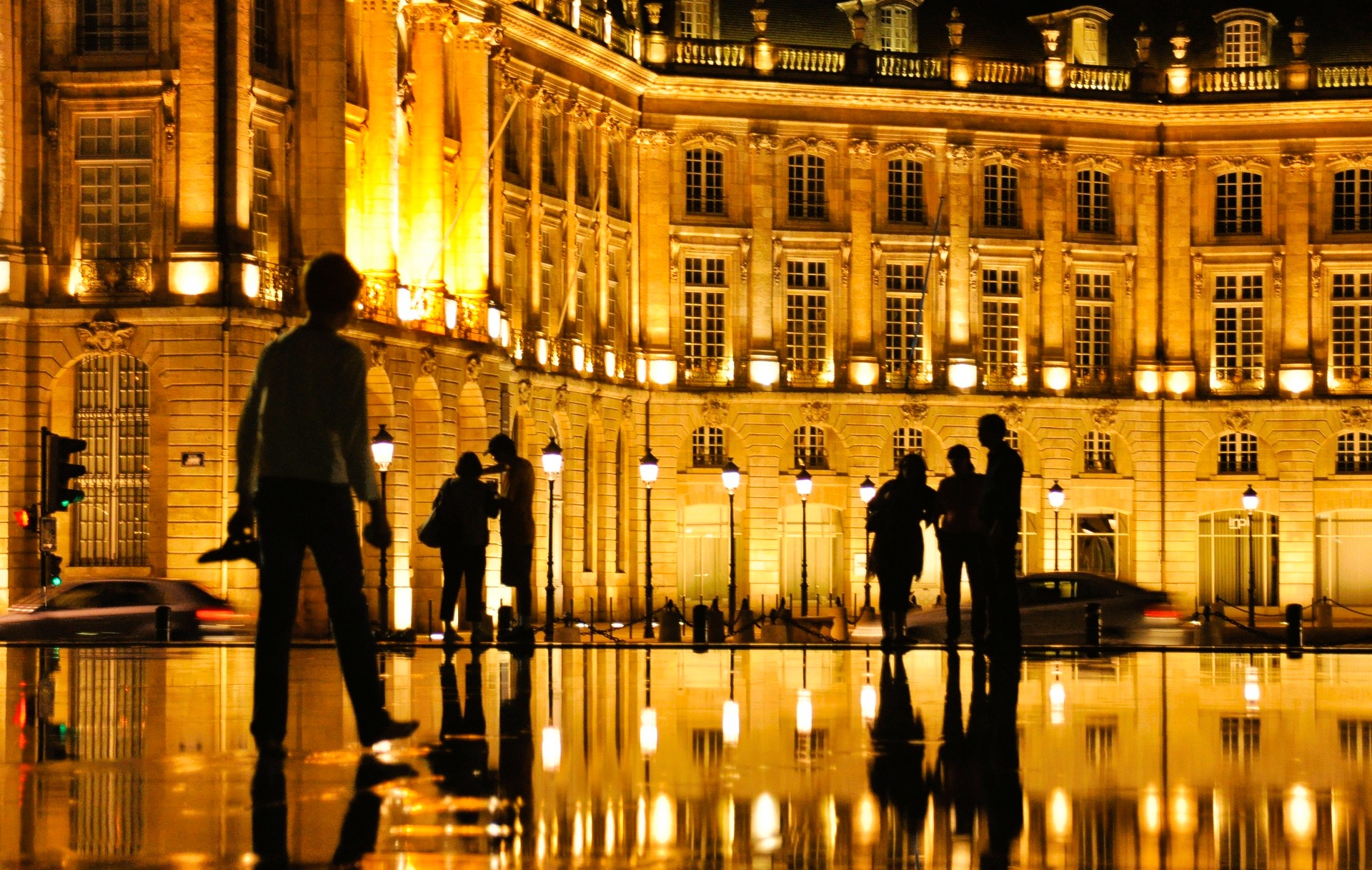
    Commissioned by Intendant Boucher in the 18th century, this horseshoe shaped complex represents the moment Bordeaux broke free from its medieval walls to embrace the Enlightenment. The Place de la Bourse is a masterclass in French classical architecture, designed to reflect the power of the monarchy and the prosperity of the colonial port. Today, the Mirror of Water adds a layer of modern utility, creating a shifting visual dialogue between the heavy stone facades and their ephemeral liquid twins. For the thoughtful observer, this space is less about the photograph and more about the intersection of civic pride and public leisure. Avoid the heavy mid afternoon crowds by arriving just before dusk, when the fog effects are most atmospheric and the surrounding restaurants of the Saint Pierre district haven’t yet reached their peak occupancy for dinner service.

    Cathédrale Saint André & Tour Pey Berland Gothic Verticality and Independence

    Standing as the spiritual anchor of the city, the Cathedral of Saint André is where the history of Aquitaine and the French crown frequently collided, most notably during the royal wedding of Eleanor of Aquitaine. Its unique layout, featuring a separate bell tower, was a structural necessity dictated by the marshy ground of the river basin. The Pey Berland tower offers a physical challenge that rewards the strategic traveler with the most comprehensive perspective of the city’s UNESCO protected urban fabric. While the cathedral interior provides a cool, silent refuge from the bustle of the nearby shopping districts, the climb up the narrow staircase of the tower requires timing. Book your specific entry slot for the tower early in the morning to navigate the 231 steps before the heat and the narrow corridors become congested with the midday tour groups.

    Grand Théâtre de Bordeaux – Neoclassical Mastery and Performance Heritage

    Designed by architect Victor Louis, this structure served as the aesthetic prototype for the Opéra Garnier in Paris, representing the pinnacle of 18th century Enlightenment architecture. Its twelve Corinthian columns, topped by statues of the muses and goddesses, establish a visual rhythm that defines the Place de la Comédie. For the strategic traveler, the interior is where the true value lies, offering a masterclass in acoustics and visual harmony through its blue and gold auditorium. To appreciate the scale without the constraints of a formal tour, consider booking a matinee performance; this allows you to experience the space as it was intended—through the movement of an audience rather than a static exhibit. Look closely at the ceiling fresco by Jean Baptiste Claude Robin, which was meticulously restored to its original brilliance, and notice the subtle inclusion of the city’s coat of arms within the celestial imagery.

    Porte Cailhau – Medieval Fortification and Urban Gateway

    Standing as a triumphant arch dedicated to Charles VIII’s victory at Fornovo, this limestone gate remains one of the few physical remnants of the city’s defensive past. Its transition from a defensive bastion to a ceremonial entrance marks the evolution of Bordeaux from a fortified medieval stronghold to an open, prosperous port city. The gate’s conical roofs and ornate carvings provide a sharp contrast to the surrounding neoclassical facades, offering a vertical perspective on the historical layers of the Saint Pierre district. Climbing to the upper floor provides a unique vantage point over the oldest bridge in the city, the Pont de Pierre. To avoid the congestion of the main thoroughfares, approach the gate from the narrow side streets of the old town rather than the riverfront, as this reveals the architectural detail more gradually and places the monument in its proper historical context.

    Les Bassins des Lumières – Digital Immersion in a Submarine Base

    This former World War II U boat base has been transformed into the world’s largest digital art center, repurposing four massive submarine basins into a canvas for light and sound. The experience is defined by the stark juxtaposition between the brutalist concrete architecture and the fluid, vibrant projections reflecting off the water’s surface. It offers a rare opportunity to see how industrial history can be reclaimed for contemporary cultural utility without erasing its somber origins. The scale of the projections creates a meditative environment that contrasts sharply with the traditional museum experience found elsewhere in the city. To ensure a seamless visit, take the tram line B toward Berges de la Garonne and get off at the Cité du Vin stop, then enjoy the ten minute walk through the revitalized wet docks area to witness the ongoing urban transformation of the Bassins à Flot.

    A 3 Day Strategic Itinerary

    To maximize the geographical logic of your visit, group the landmarks by their proximity to the Garonne River and the historic center. Spend your first day in the Chartrons and Bassins à Flot districts, starting with the digital immersion of Les Bassins des Lumières before walking south to La Cité du Vin. This keeps your morning industrial and your afternoon focused on oenological history. Dedicate the second day to the neoclassical core of the Saint Pierre and Quinconces neighborhoods. Begin at the Grand Théâtre de Bordeaux and move toward the Place de la Bourse to witness the Mirror of Water as the light shifts. On your final day, head toward the medieval Saint Eloi quarter. Start at the Porte Cailhau and walk toward the Cathédrale Saint André and the Tour Pey Berland. This route follows the city’s natural walking rhythm, allowing for long lunches in shaded squares without backtracking across the tram lines.

    The Unhurried Mindset

    The unspoken rule of Bordeaux is that the city belongs to those who understand the value of the pause. While the architecture is grand and imposing, the culture is surprisingly intimate, rooted in the concept of the long, stationary afternoon. To truly align with the local vibe, abandon the urge to see every monument in a single loop. Instead, adopt the soulful practice of choosing one limestone terrace in the Saint Michel or Chartrons district and remaining there for two hours with a single glass of Clairet. Observe how the honey colored stone changes as the Atlantic light softens, and you will find that the city reveals its character not in its landmarks, but in its stillness.

    Bordeaux serves as the sophisticated gateway to the broader Atlantic coast and the rolling viticultural landscapes of Southwest France. Whether you choose to follow the river further into the medieval villages of Saint Émilion or head west toward the shifting sands of the Bassin d’Arcachon, the region offers a depth of history that rewards the patient traveler.

    Move beyond the map and let the rhythm of the river guide your discovery.

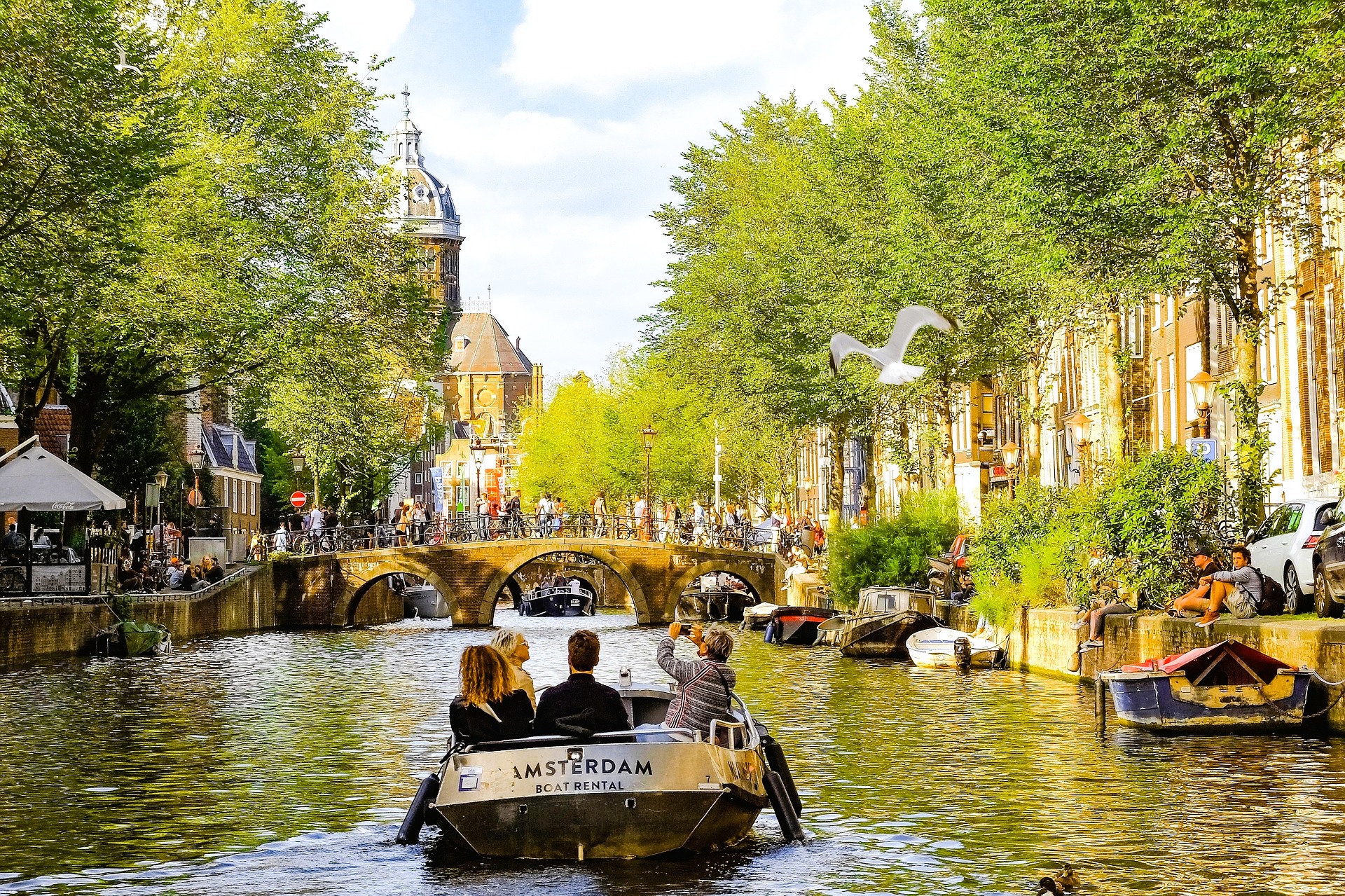
  • Best Things to Do in Amsterdam:A Strategic Guide for the Thoughtful Traveler

    Best Things to Do in Amsterdam:A Strategic Guide for the Thoughtful Traveler

    Many travelers treat Amsterdam as a frantic checklist, sprinting between major galleries while dodging bike traffic in a crowded daze. This high velocity approach inevitably leads to museum fatigue and a superficial connection to the city’s complex history. The error lies in poor timing and a failure to account for the logistical friction of the central canal belt. This guide solves that by applying a deliberate, unhurried filter to the best things to do in Amsterdam. We focus on high utility landmarks where the architectural detail and historical weight reward patient observation rather than a quick selfie. By prioritizing these six selections, you bypass the standard tourist churn and experience a version of the city that is intentional, quiet, and profoundly Dutch.

    Rijksmuseum – Masterpieces of the Dutch Golden Age and Historical Grandeur

    The Rijksmuseum functions as the definitive repository of Dutch identity, housing eight centuries of art and history within its neo Gothic walls. For the thoughtful traveler, this is not merely a gallery but a chronological study of the Dutch Golden Age, where the interplay of light and shadow in Rembrandts works reflects the nations 17th century prosperity. The scale of the collection can be overwhelming, yet the architectural layout encourages a rhythmic progression through the eras of Dutch mastery. To maintain an unhurried pace and avoid the dense clusters that form around the major masterpieces, aim to enter through the secondary entrance at the Petrus Cuypers annex precisely at nine in the morning when the building first opens. This strategic entry allows for a quiet contemplation of the Gallery of Honour before the mid day surge of tour groups disrupts the intended atmospheric stillness of the Great Hall.

    Anne Frank House – Reflections on WWII History and Human Resilience

    The Anne Frank House serves as a somber, essential meditation on human resilience and the devastating consequences of systemic exclusion. Walking through the concealed doorway behind the movable bookcase, travelers encounter the physical constraints of the Secret Annex, a space that remains largely preserved in its wartime state. It is a site that demands emotional presence and silent reflection, qualities often lost in the standard tourist cycle of the surrounding Jordaan district. Because tickets are released in specific weekly batches and vanish instantly, the most logical strategy for the modern traveler is to secure a Tuesday evening slot during the extended opening hours. Visiting after six in the evening ensures a more somber and less hurried environment, allowing the weight of the personal journals and the claustrophobic reality of the attic to resonate without the pressure of an encroaching crowd constantly moving you forward through the narrow corridors.

    Van Gogh Museum – A Chronological Study of Post Impressionist Artistry

    The Van Gogh Museum offers a profound psychological journey through the evolution of history’s most influential artist, housing the largest collection of his paintings and letters. Rather than focusing solely on iconic works, the thoughtful traveler should observe the chronological shifts in color palette and brushwork that mirror Van Goghs shifting mental states and artistic convictions. This focused observation reveals the labor behind the genius, transitioning from the dark tones of his early Dutch period to the vivid, frantic energy of his final years in France. To escape the midday peak and the resulting visual noise, plan your visit for a Friday evening when the museum remains open late and often features specific programming. This late night window provides a more contemplative atmosphere to appreciate the textured impasto of the canvases while the surrounding Museumplein settles into a quieter, more local rhythm after the primary day trip crowds have departed.

    Ons’ Lieve Heer op Solder – A Hidden Glimpse of Clandestine Religious History

    Ons’ Lieve Heer op Solder, or Our Lord in the Attic, represents the most authentic preservation of Amsterdam’s 17th century interior life and religious tolerance. While the city’s exterior is dominated by grand facades, this site reveals a clandestine Catholic church hidden within the upper floors of a seemingly ordinary canal house. The thoughtful traveler experiences a striking architectural contrast, moving from narrow, domestic living quarters into a surprisingly expansive, vaulted sanctuary. This transition serves as a physical manifestation of the Dutch concept of gedogen, or pragmatic tolerance, where private belief was permitted provided it remained invisible from the street. To truly appreciate the atmosphere, look closely at the delicate marbled wood finishes and the original pipe organ during the first hour of opening. After your visit, take a short three minute walk to the Oude Kerk square for a quiet coffee, bypassing the more chaotic tourist traps of the nearby Red Light District.

    Begijnhof – A Sanctuary of Medieval Architecture and Tranquil Seclusion

    The Begijnhof offers a rare, spatial shift from the commercial density of the Kalverstraat into a silent courtyard that dates back to the 14th century. Originally a lay sisterhood for women who took no monastic vows, the enclosure retains an aura of dignified seclusion that is increasingly difficult to find in the city center. The experience here is one of architectural continuity; the site contains one of the only two remaining wooden houses in Amsterdam, showcasing the medieval structural techniques that preceded the ubiquitous brick. For the strategic visitor, the value lies in the sudden drop in decibels and the opportunity to observe the traditional gabled houses without the distraction of modern traffic. To avoid the peak hour congestion at the main Spui entrance, look for the smaller, more discreet wooden door on the northern side of the square which offers a much quieter and more reflective entry point into the historic garden.

    Royal Palace Amsterdam – Civic Grandeur and the Majesty of the Dam Square

    The Royal Palace stands as a monumental testament to Amsterdam’s peak as a global commercial powerhouse, originally built as a town hall that was meant to be the eighth wonder of the world. For the observant traveler, the interior offers a masterclass in Classical Baroque architecture, with vast marble floors and intricate sculptures that narrate the city’s dominance over the seas. The Citizens’ Hall is the centerpiece of this experience, where the inlaid maps of the eastern and western hemispheres underfoot remind visitors of the historical reach of Dutch influence. To maximize the utility of your visit, always check the official palace calendar before arriving, as the building is still used for state functions and can close to the public on short notice. If the main square is congested, entering through the side entrance on Paleisstraat often results in a faster security check, allowing more time to study the intricate Atlas statue that crowns the rear facade.

    A 3 Day Strategic Itinerary

    To maximize your experience in Amsterdam, organize your movements by neighborhood to minimize transit friction and respect the city’s walking rhythm. Devote your first day to the Museumplein, where the proximity of the Rijksmuseum and the Van Gogh Museum allows for a deep dive into Dutch artistry without leaving the southern canal belt. On the second day, shift your focus to the historic center and the Jordaan. Begin with the emotional weight of the Anne Frank House before transitioning to the quietude of the Begijnhof and the civic grandeur of the Royal Palace on Dam Square. Conclude your third day by exploring the hidden layers of the Oude Zijde district, centered around the clandestine history of Ons’ Lieve Heer op Solder. This geographical grouping ensures you spend less time navigating crowded thoroughfares and more time observing the architectural nuances that define the city’s enduring character.

    The Unhurried Mindset

    The unspoken rule for enjoying Amsterdam properly is to yield to the bicycle. This is not merely a traffic suggestion but a fundamental respect for the local pace of life. To truly capture the city’s soul, set aside the digital map for one hour at dusk and allow the concentric canals to guide your direction. The most authentic slow travel experience is found in the “brown cafes” of the Western Canal Ring, where the dim lighting and weathered wood provide a necessary counterweight to the polished museums. Here, the goal is not to arrive, but to simply exist within the city’s historic proportions.

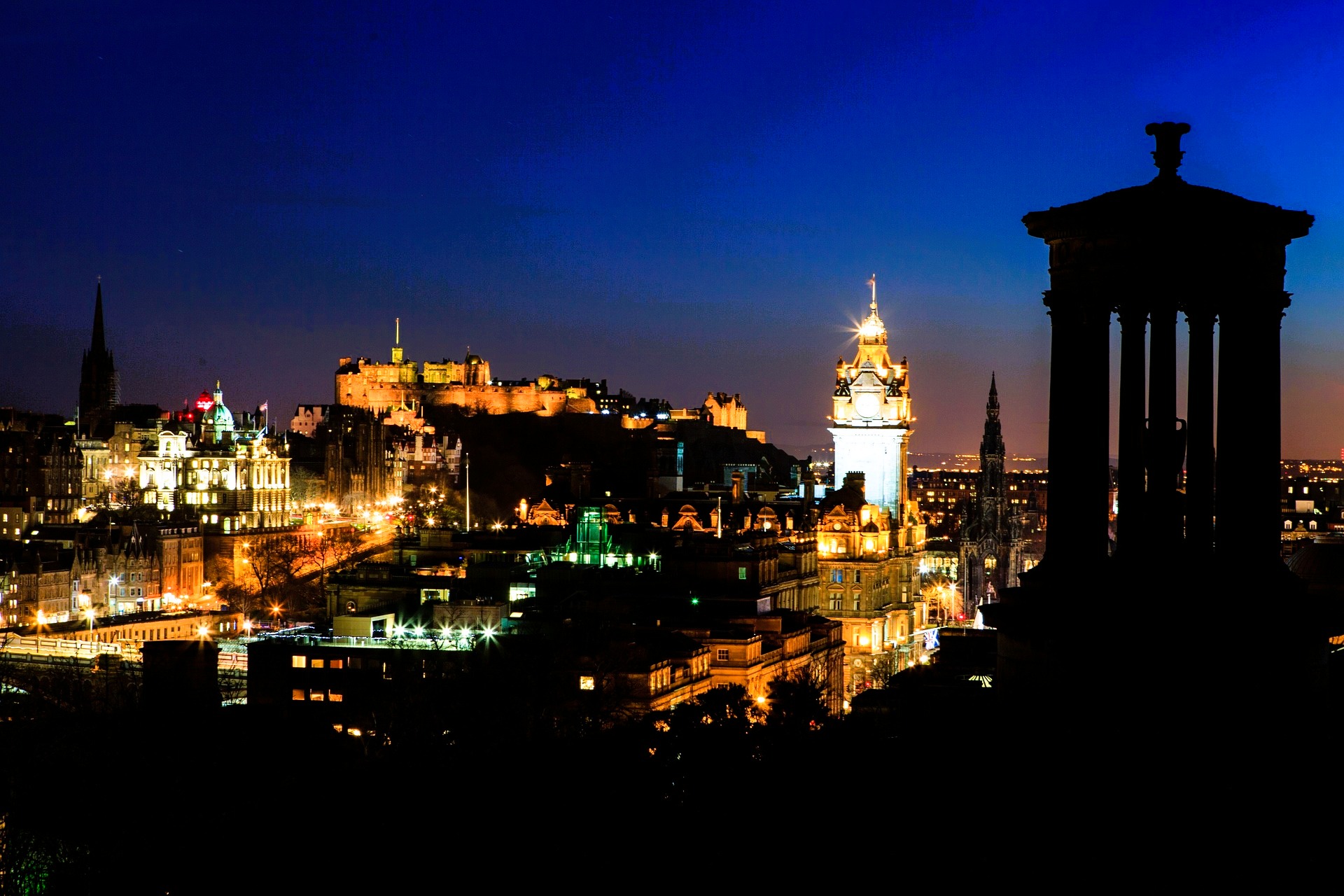
  • Best Things to Do in Edinburgh: A Strategic Guide for the Thoughtful Traveler

    Best Things to Do in Edinburgh: A Strategic Guide for the Thoughtful Traveler

    Edinburgh often suffers from its own success, where the sheer volume of visitors can turn its medieval streets into a crowded obstacle course. Most travelers make the mistake of treating the Royal Mile as a sprint, ticking off landmarks while missing the subtle architectural layers and quiet closes that define the city’s character. This guide prioritizes a deliberate, unhurried approach to the best things to do in Edinburgh, shifting focus from frantic sight hopping to high utility experiences. By timing your visits to bypass peak bottlenecks and selecting sites that offer deep historical immersion over surface level novelty, you can navigate the Scottish capital with more clarity and less friction. Here is how to see Edinburgh without the exhaustion.

    Edinburgh Castle – The Strategic Historical Apex

    Edinburgh Castle serves as the definitive anchor of the city’s skyline, a fortress built upon the plug of an extinct volcano that has witnessed centuries of royal transitions and military sieges. For the thoughtful traveler, the value lies not just in the panoramic views of the Firth of Forth but in the layered architectural evolution from the 12th century St. Margaret’s Chapel to the Renaissance era Great Hall. Navigating this site requires a tactical approach to avoid the mid morning surges that often congest the Crown Square and the Honours of Scotland exhibit. A more rewarding experience is found by arriving exactly at the gates for the opening slot, allowing you to appreciate the stark silence of the Scottish National War Memorial before the one o’clock gun draws the inevitable crowds. This early entry ensures a coherent understanding of the castle’s role as both a defensive stronghold and a seat of power.

    The Real Mary King’s Close – A Masterclass in Subterranean Social History

    The Real Mary King’s Close offers a rare, vertical slice of 17th century urban life, preserved beneath the modern foundations of the Royal Mile. This network of buried streets and tenement houses provides a visceral connection to a period when the city’s density forced inhabitants into increasingly cramped, subterranean conditions. Rather than a mere ghost tour, the experience functions as a rigorous social history lesson, illustrating the stark class divides and the devastating impact of the plague on the local population. To maximize the utility of your visit, consider booking the final tour of the evening, which often benefits from a more somber, reflective atmosphere and smaller group sizes than the frantic afternoon sessions. This timing allows for a deeper engagement with the guide’s historical narrative, ensuring that the architectural remnants of the Old Town are understood as lived environments rather than static museum displays.

    National Museum of Scotland – The Curated Synthesis of Scottish Identity

    The National Museum of Scotland is an essential stop for those seeking to synthesize the disparate threads of the nation’s scientific, industrial, and artistic heritage within a single structure. The juxtaposition of the soaring, light filled Victorian Grand Gallery with the modern, sandstone clad Scotland galleries creates a spatial narrative that reflects the country’s own transition into modernity. For the strategic traveler, the museum offers a comprehensive overview of everything from the Lewis Chessmen to the technological innovations of the Scottish Enlightenment. While most visitors congregate around the popular biological displays on the lower levels, a more tranquil and observant path leads to the Level 7 roof terrace. This often overlooked vantage point provides a clear, 360 degree perspective of the city’s topography, offering a moment of quiet synthesis away from the bustling main halls and school groups. It remains the most efficient way to contextualize Scotland’s global impact.

    Calton Hill – The Neoclassical Panorama of the Scottish Enlightenment

    Calton Hill serves as the architectural manifestation of Edinburgh’s claim as the Athens of the North, offering an intellectual and visual survey of the city’s neoclassical ambitions. The site is home to the stark, unfinished National Monument and the Dugald Stewart Monument, both of which provide a framed perspective of the skyline that is unmatched for its clarity. For the thoughtful traveler, the value lies in the intersection of civic pride and urban planning, where the rigid geometry of the New Town meets the jagged silhouette of the Old Town. To avoid the standard tourist congestion that gathers at the foot of the hill near the main stairs, a more efficient and tranquil approach is to take the winding path from the back of the hill near the Royal Terrace. This alternative route offers a gradual reveal of the Firth of Forth and the Leith docks, allowing for a more observant and unhurried ascent.

    Palace of Holyroodhouse – The Royal Narrative of Sovereign Continuity

    Situated at the eastern terminus of the Royal Mile, the Palace of Holyroodhouse functions as the official residence of the British monarch in Scotland and a repository of the nation’s royal lineage. The experience transitions from the somber, wood paneled chambers of Mary, Queen of Scots, to the grand Baroque State Apartments, reflecting a shift from medieval intrigue to modern diplomatic utility. This site is essential for those who wish to understand the physical setting of centuries of political power without the frantic energy of the nearby castle. A rewarding way to deepen this visit is to spend time in the ruins of the 12th century Holyrood Abbey, located directly adjacent to the palace, where the roofless arches provide a quiet space for reflection on the passage of time. Most visitors rush through the garden, but looking for the small, discreet Queen Elizabeth II Rose Garden offers a serene moment away from the main tour path.

    Dean Village – The Post Industrial Tranquility of the Water of Leith

    Dean Village offers a stark, refreshing contrast to the stone heavy density of the city center, functioning as a quiet enclave that preserves its heritage as a 19th century grain milling hub. The timber framed buildings and the gentle flow of the Water of Leith provide a sensory reset for the thoughtful traveler, emphasizing the city’s ability to hide its most picturesque corners in plain sight. This area is less about specific landmarks and more about the atmospheric quality of the yellow sandstone architecture and the lush greenery that lines the riverbanks. For a logical and efficient exit back toward the West End, follow the riverside walkway toward the Stockbridge neighborhood instead of retracing your steps up the steep cobbles of Bell’s Brae. This path allows you to encounter the St. Bernard’s Well, a beautiful classical rotunda that remains one of the city’s most overlooked architectural gems, perfectly capping an unhurried morning.

    A 3 Day Strategic Itinerary

    A logical exploration of Edinburgh requires a transition from the dense history of the Old Town to the airy elevations of the New Town. Day one focuses on the Royal Mile, beginning with an early entry at Edinburgh Castle before descending through the historic closes to The Real Mary King’s Close. This avoids the peak midday foot traffic in the city’s oldest corridor. Day two shifts toward the eastern edge of the city center, pairing the Palace of Holyroodhouse with the nearby ascent of Calton Hill. This geographical pairing allows for a study of royal history followed by a neoclassical sunset. Day three prioritizes the museum district and the Water of Leith, starting with the National Museum of Scotland in the Southside before a scenic walk toward the post industrial quiet of Dean Village. This rhythm minimizes backtracking and utilizes the city’s natural topography for a low friction experience.

    Exploring the Scottish Frontier

    The strategic depth found in the capital serves as a foundational layer for understanding the broader Scottish landscape. As you move beyond the city limits, the architectural precision of the Enlightenment gives way to the raw, untamed geography of the Highlands and the coastal heritage of the East Neuk. Each region offers a distinct narrative of resilience and beauty that complements the urban history of the capital.

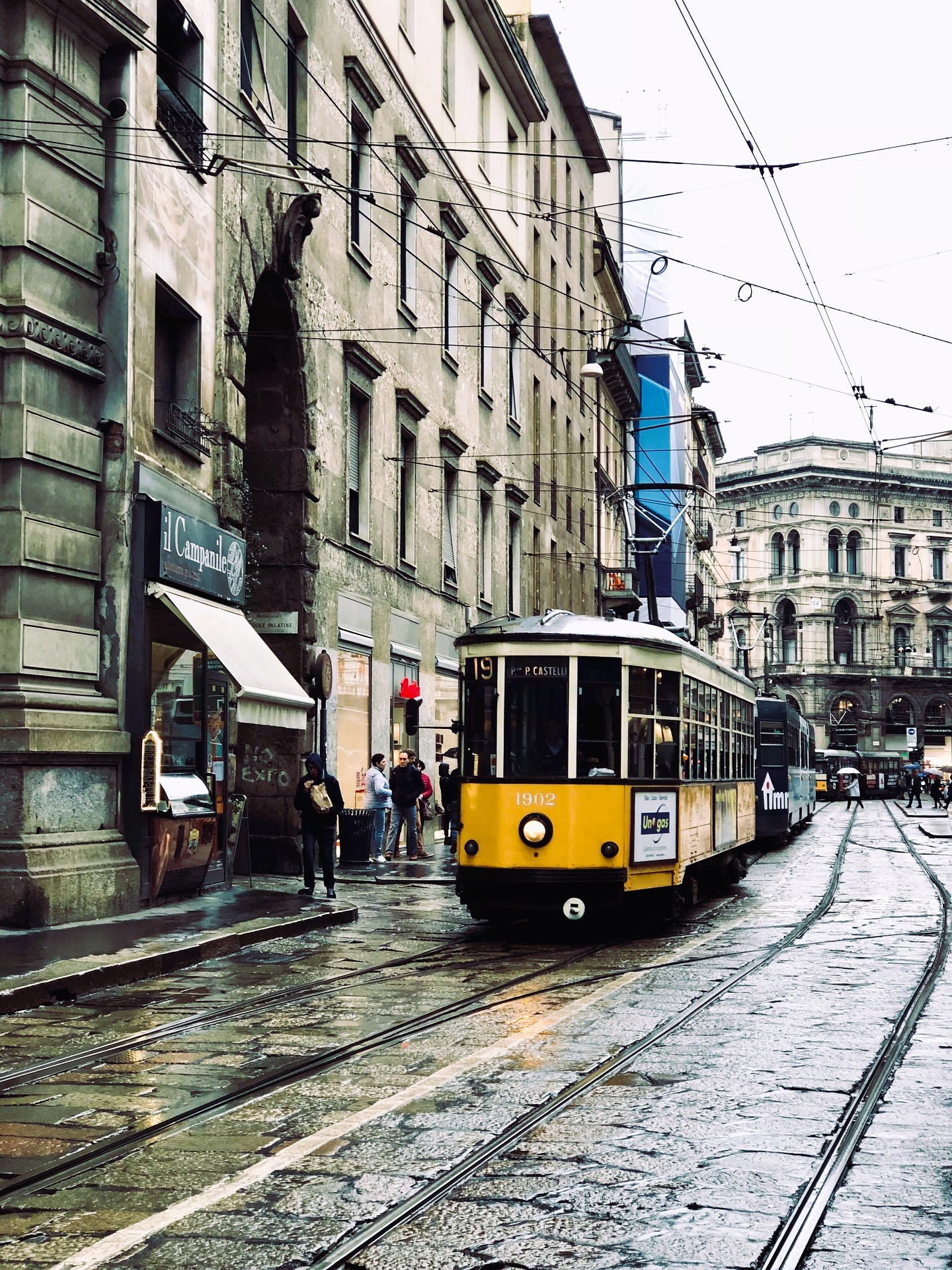
  • Best Things to Do in Milan: A Strategic Guide for the Thoughtful Traveler

    Best Things to Do in Milan: A Strategic Guide for the Thoughtful Traveler

    Most travelers treat Milan as a frantic 24 hour layover, sprinting between the Duomo and the Quadrilatero della Moda. This “checklist” mentality often results in a blurred experience of ticket queues and overpriced espresso. To truly capture the city’s essence, you must pivot toward an unhurried strategy. This guide focuses on the best things to do in Milan by prioritizing logistical efficiency and depth over a broad, shallow itinerary. By timing your visits to bypass the midday rush and selecting sites that offer both historical weight and architectural clarity, you can navigate the Lombard capital without the friction of the standard tourist path. Here is how to experience Milan with the observation of a local and the precision of a strategist.

    Pinacoteca di Brera – Navigating the premier collection of the Italian Renaissance

    The Pinacoteca di Brera serves as Milan’s most prestigious art gallery, housed within an 18th century Jesuit college that radiates a scholarly, contemplative atmosphere. Unlike the sprawling chaos of the Louvre, the Brera is curated with a chronological precision that allows you to trace the evolution of Italian painting from the Venetian school to the stark realism of Caravaggio. Its origins as a Napoleonic institution meant it was designed to educate, and that sense of intellectual clarity remains palpable in every gallery. To experience the collection with the least amount of friction, aim for the third Thursday of the month when the museum extends its hours into the evening, providing a much quieter environment than peak weekend hours. Entering during the first hour of operation on a Tuesday allows you to stand alone with Hayez’s The Kiss before school groups arrive, ensuring your encounter with these masterpieces remains personal and profound.

    Duomo di Milano – Accessing the Gothic heights for a logistical advantage

    The Duomo represents the zenith of Rayonnant Gothic architecture, a marble mountain that took six centuries to complete. For the thoughtful traveler, the cathedral’s interior, while vast, is often eclipsed by the sheer sculptural audacity of its rooftops. Standing among thousands of individual statues and spires offers a visceral connection to the artisans who shaped Milan’s skyline long before the modern era. This perspective allows you to observe the city from a position of relative isolation, suspended above the commercial fray of the piazza below. To navigate this landmark efficiently, prioritize the rooftops before entering the nave; by descending via the interior staircase located on the north side, you effectively bypass the separate security queue for the cathedral floor. This unhurried transition ensures you capture the early morning light on the marble before the midday crowds arrive, turning a standard visit into a strategic survey of Milanese ambition and engineering.

    Santa Maria delle Grazie – Witnessing the vulnerability of Da Vinci’s masterpiece

    Entering the refectory of Santa Maria delle Grazie is an exercise in restraint and preparation, as the 15 minute viewing window for Leonardo da Vinci’s The Last Supper is strictly enforced. Unlike the robust frescoes of the Roman Renaissance, Leonardo’s experimental use of tempera and oil on dry plaster has left the work in a perpetual state of fragility. This vulnerability demands a quiet, observant presence that matches the psychological tension depicted in the painting itself. For the modern traveler, the value lies in this forced focus—a rare moment of singular attention in a digital age. Because tickets are released in quarterly batches and vanish within minutes, a reliable strategy is to monitor the official website for cancellations exactly forty eight hours before your desired date. If the official portal remains exhausted, booking a late afternoon guided tour of the adjacent church often secures an entry slot that standard individual tickets do not, providing a seamless cultural entry.

    Castello Sforzesco – Exploring the fortified legacy of the Sforza dynasty

    The Castello Sforzesco serves as a monumental threshold between the dense urban grid of Milan and the expansive greenery of Parco Sempione. Originally a 14th century fortification, it evolved into a palatial residence that now houses several civic museums, including the room containing Michelangelo’s final, hauntingly unfinished Pietà Rondanini. For the strategic traveler, the castle offers a unique sense of spatial transition, where thick brick walls give way to open, airy courtyards that act as the city’s communal backyard. It provides a historical grounding that few other sites can match, illustrating the defensive and artistic priorities of the Renaissance dukes. To avoid the primary tourist flow, enter through the rear gate adjacent to the Parco Sempione side, which typically experiences less congestion than the main Filarete Tower entrance. This approach allows for a more tranquil introduction to the castle’s massive defensive scale and architectural layers.

    Teatro alla Scala – Observing the pinnacle of global operatic tradition

    Teatro alla Scala remains the undisputed center of the operatic world, a neoclassical temple where the legacies of Verdi and Puccini are preserved with exacting rigor. While securing performance tickets requires months of foresight, the theater’s museum offers a high utility alternative for observing the interior’s opulent red and gold aesthetic. Stepping into one of the velvet lined boxes provides a direct view of the massive chandelier and the stage where history’s most significant musical dramas premiered. This experience is essential for understanding Milan’s cultural identity, which is deeply rooted in the performative arts and social theater. If you visit the museum during the late morning, you can often catch a glimpse of the auditorium while it is empty of performers, but always check the schedule beforehand for rehearsal closures. Entering through the museum door on Largo Ghiringhelli allows for a swift transition into the quiet, historical archives of the theater.

    Galleria Vittorio Emanuele II – Navigating the architectural drawing room of Italy

    The Galleria Vittorio Emanuele II functions as Milan’s “living room,” a 19th century iron and glass arcade that connects the Duomo with La Scala. Its grand central octagon and soaring barrel vaults represent a triumph of early industrial engineering and urban design, fostering a space that is both commercial and ceremonial. For the thoughtful traveler, the value lies in observing the uniformity of the storefronts, which are legally required to feature gold lettering on a black background, maintaining a visual discipline that modern malls lack. This environment offers a masterclass in how a city can integrate luxury with public accessibility. While moving through the central passage, look for the mosaic of the bull representing Turin’s coat of arms on the floor; tradition dictates that spinning three times on your heel over the bull’s midsection ensures a return to the city. Early morning visits ensure you see the mosaics without the midday rush of shoppers.

    A 3 Day Strategic Itinerary

    To maximize efficiency and minimize transit fatigue, Milan’s six essential landmarks can be grouped into three distinct geographical clusters. On the first day, focus on the Duomo di Milano and the Galleria Vittorio Emanuele II. These neighboring structures form the city’s architectural core, allowing for a seamless transition from the cathedral’s marble heights to the arcade’s iron and glass vaulting. The second day should be dedicated to the Brera and Magenta districts. Start with the Pinacoteca di Brera in its eponymous bohemian neighborhood before walking west to Santa Maria delle Grazie to see the Last Supper. This route offers a rhythmic balance between high art galleries and quiet, residential streets. Conclude the third day by exploring the axis between the Castello Sforzesco and Teatro alla Scala. This final leg connects the fortified Sforza legacy with the neoclassical elegance of the opera house, navigating the refined corridors of the city center with a logical, unhurried walking pace.

    The Unhurried Mindset

    The unspoken rule of navigating Milan is to acknowledge that the city’s true character is hidden behind heavy stone portals and within private courtyards, rather than on the main thoroughfares. To enjoy this city properly, one must adopt a sense of detached observation, moving with the purposeful yet calm gait of the local professional. For a truly soulful experience, discard the map for an hour in the Magenta district during the golden hour. Find a small, standing only coffee bar, observe the ritual of the mid afternoon espresso, and simply listen to the city’s mechanical and human hum.

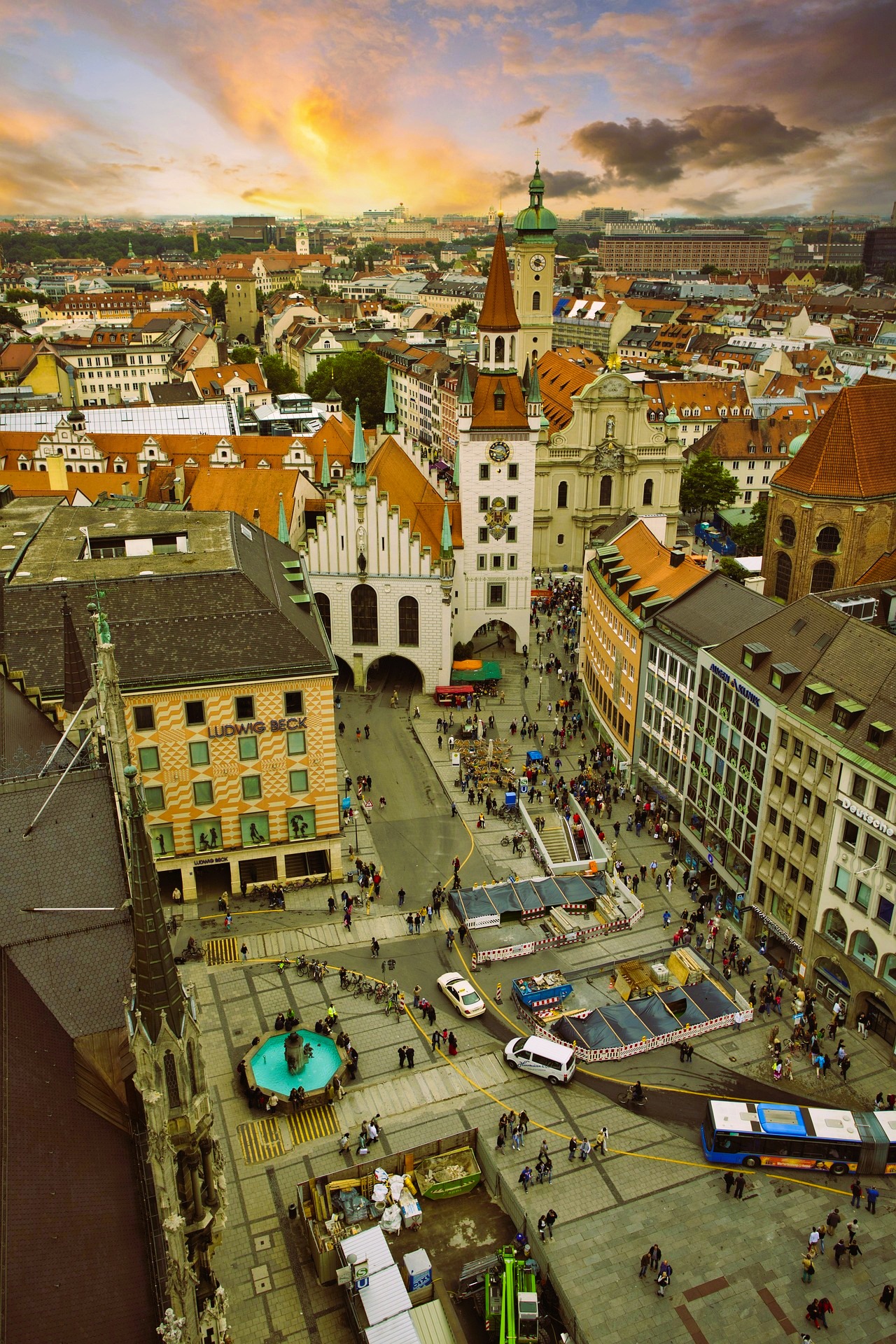
  • 6 Best Things to Do in Munich: A Strategic Guide for the Thoughtful Traveler

    6 Best Things to Do in Munich: A Strategic Guide for the Thoughtful Traveler

    Travelers often treat Munich as a checklist, sprinting between the Glockenspiel and the Hofbräuhaus only to find themselves trapped in bottlenecks of tour groups. This high-speed approach misses the city’s actual rhythm the Gemütlichkeit found in the spaces between the landmarks. To truly see the city, you must reverse the standard itinerary. By prioritizing off-peak entry to the Royal Residenz and utilizing the city’s green spaces during the mid-day rush, you bypass the friction. This guide identifies the best things to do in Munich using a curated, unhurried strategy that favors depth over a frantic pursuit of photo ops. You will trade the stress of the crowds for the quiet observation of Bavarian craftsmanship and open-air culture.

    Marienplatz – The historic ground-zero of Bavarian civic life

    Marienplatz has functioned as the primary pivot point of Munich since the city’s founding in 1158, serving as a silent witness to the evolution from a medieval market to a modern metropolitan center. The square is anchored by the Neo-Gothic New Town Hall, whose facade dominates the space with an intricate display of stone carvings that reflect the civic pride of the late nineteenth century. For the thoughtful traveler, the square offers more than just a photo of the Glockenspiel; it represents the historical layer-cake of Bavaria, where the golden Mariensäule column commemorates survival through the Thirty Years’ War. To observe the square without the overwhelming pressure of the mid-day tour groups, aim to arrive before nine in the morning when the local commuters are the only ones crossing the cobbles and the light hits the Old Town Hall at a low, dramatic angle that highlights its Gothic simplicity.

    Munich Residenz – A dense masterclass in European royal aesthetics

    The Munich Residenz stands as the largest city palace in Germany, acting as an expansive architectural record of the Wittelsbach dynasty’s influence from the fourteenth century until 1918. Walking through its 130 rooms provides a physical timeline of European design, transitioning from the vaulted Renaissance Antiquarium to the explosive gold leaf of the Rococo Rich Rooms. This site matters to the modern traveler because it showcases how power was curated and projected through domestic space, evolving from a defensive fortress into a sprawling cultural monument. The scale can be disorienting, so a strategic visitor should prioritize the Treasury early in the day to view the Bavarian crown jewels before the interior humidity and noise levels rise. To ensure you do not miss the hidden jewel-box of the Cuvilliés Theatre, remember that it often requires a separate ticket and has its own distinct entrance tucked away near the Fountain Courtyard.

    Englischer Garten – The intersection of landscape art and urban recreation

    Spanning more than nine hundred acres, the Englischer Garten is a masterclass in eighteenth-century landscape architecture that rejects the rigid symmetry of French gardens in favor of a naturalistic, rolling aesthetic. It provides a crucial social lung for the city, where the rigorous discipline of German industry softens into a relaxed outdoor culture of beer gardens and sunbathing. The park’s most striking modern feature is the Eisbachwelle, a standing wave where wetsuit-clad surfers navigate an urban current regardless of the season, illustrating Munich’s unexpected subcultures. While most visitors gravitate toward the crowded Chinese Tower for a liter of beer, the thoughtful traveler should continue walking north toward the Kleinhesseloher See where the Seehaus beer garden offers a far more peaceful experience overlooking the water. This northward movement allows for a deeper appreciation of the park’s transition from manicured urban paths into the wilder, wooded stretches of the Isar floodplains.

    Viktualienmarkt – An sensory anchor for Bavarian culinary tradition

    Viktualienmarkt serves as the gastronomic soul of the city, transitioning from a humble farmers’ market into a sprawling open-air theater of regional flavors and artisanal crafts. For the strategic traveler, this is where the city’s rigorous order yields to the tactile pleasures of seasonal white asparagus, alpine cheeses, and freshly pressed juices. It offers a rare opportunity to witness the daily intersection of high-end gastronomy and local routine, all beneath the shade of the central maypole. To truly grasp the local lifestyle, bypass the crowded main aisles and look for the Caspar Plautz potato stall, where you can sample elevated takes on the humble tuber away from the heaviest tourist flow. Early morning visits allow you to watch the vendors assemble their displays with surgical precision before the lunch rush consumes the communal seating areas of the central beer garden.

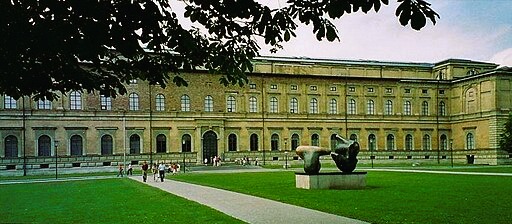
    Alte Pinakothek – A curated survey of the European Old Masters

    Alte Pinakothek – A curated survey of the European Old Masters

    The Alte Pinakothek offers one of the most significant collections of European paintings in existence, housed within a Neoclassical structure that was revolutionary for its time. For the thoughtful observer, the experience is less about checking off famous names and more about tracing the intellectual evolution of the Renaissance and Baroque periods through the works of Rubens, Dürer, and Da Vinci. The massive proportions of the galleries are designed to allow the art to breathe, creating a contemplative atmosphere that stands in stark contrast to the kinetic energy of the surrounding Maxvorstadt district. If you find the vastness of the Flemish galleries overwhelming, focus your attention on the intricate details of Altdorfer’s Battle of Alexander, which contains thousands of miniature figures. A specific financial strategy for the art-focused traveler is to plan your visit for a Sunday, when the admission fee drops to a single Euro, making it the most cost-effective cultural experience in the city.

    Nymphenburg Palace – The expansive grandeur of a summer retreat

    Nymphenburg Palace represents the Wittelsbachs’ desire to escape the urban constraints of the Residenz, offering a sprawling Baroque complex that harmonizes architecture with water and woodland. This site is essential for understanding the sheer scale of Bavarian royal ambition, particularly as you walk through the Great Hall with its ceiling frescoes that seem to dissolve into the sky. The surrounding park serves as a quieter alternative to the city center, featuring hidden pavilions like the Amalienburg, which contains some of the world’s finest Rococo interiors. To maximize your time, avoid the lengthy walk from the main canal and instead use the tram line 17 which drops you almost directly at the palace gates, allowing you more energy to explore the further reaches of the gardens. Keep a sharp eye out for the resident swans near the iron pumps, which have been part of the palace’s living aesthetic for generations.

    A 3-Day Strategic Itinerary

    To maximize your time in Munich, organize your visit by geographical clusters to minimize transit friction. Devote your first day to the Altstadt district, beginning at Marienplatz for the morning light before moving to the nearby Munich Residenz and concluding with a late lunch at the Viktualienmarkt. This keeps your movements within a tight, walkable radius. On the second day, shift your focus north to the Maxvorstadt neighborhood, known as the museum quarter. Spend your morning at the Alte Pinakothek and transition into the adjacent Englischer Garten for a mid-afternoon decompression by the water. Reserve your third day for the western edge of the city to explore the expansive grounds of Nymphenburg Palace. This sequence balances the dense historical architecture of the center with the airy, expansive landscapes of the outer districts, ensuring a rhythm that feels purposeful rather than exhausted.

    The Unhurried Mindset

    The unspoken rule of Munich is that productivity must eventually yield to presence. While the city functions with high-precision engineering, its social fabric is held together by the concept of Stehenbleiben the act of simply stopping. To enjoy the city properly, you must accept that the best moments occur when you are not technically doing anything at all. A soulful approach to slow travel here involves finding a quiet bench in the Hofgarten or a corner of a traditional Wirtshaus and observing the local choreography of conversation and flinty Bavarian humor. True luxury in this city is found in the unscripted hour spent watching the shadows lengthen against the brickwork of the Frauenkirche.

    Beyond the City Gates

    Once you have calibrated your pace to the Bavarian capital, the surrounding Alpine regions and the storied cities of the German south offer a natural progression for the thoughtful traveler. The rail lines from Hauptbahnhof provide direct access to the rugged landscapes of Garmisch-Partenkirchen and the medieval preservation of Nuremberg.

    For those ready to extend their journey across the border or deeper into the federal states, our comprehensive regional guides provide the same strategic clarity found here.

    Step away from the map and let the city reveal itself through the quiet details.

  • 6 Best Things to Do in Florence: A Strategic Guide for the Thoughtful Traveler

    6 Best Things to Do in Florence: A Strategic Guide for the Thoughtful Traveler

    Most travelers treat Florence like a high-speed scavenger hunt, sprinting between the Uffizi and the Accademia before the midday heat, only to end the day with “museum fatigue” and a blurred memory of marble. This checklist-driven chaos is the city’s greatest trap. To truly see the Cradle of the Renaissance, you must adopt an unhurried approach that prioritizes timing and atmospheric depth over sheer volume.

    This guide streamlines the best things to do in Florence by focusing on six high-impact locations where the density of history justifies the effort. By shifting your schedule to early mornings or late golden hours and utilizing strategic entry points, you can reclaim the city from the masses and experience its brilliance as it was intended: with space to breathe.

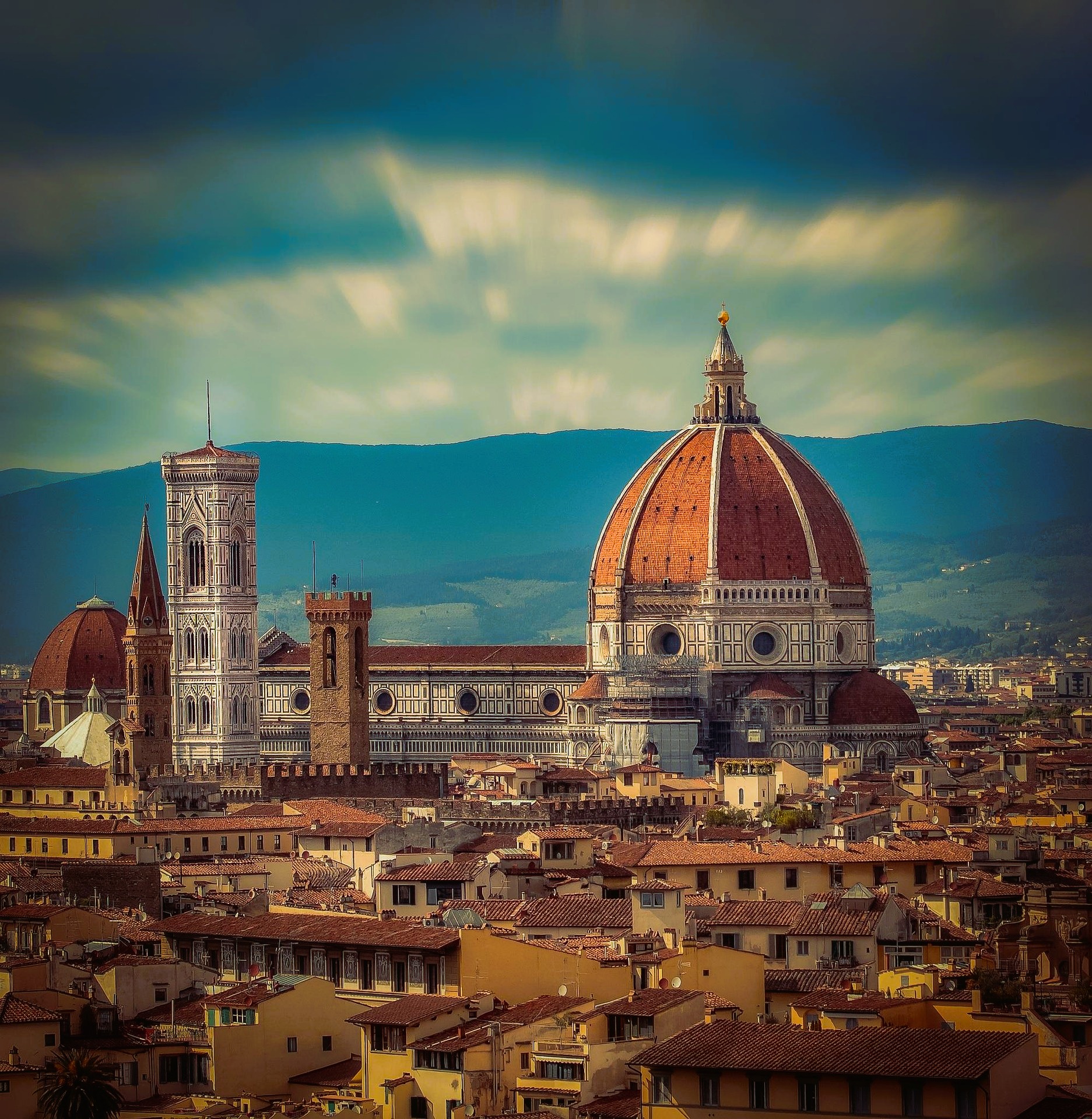
    The Duomo Complex – Navigating the heart of Florence with a Brunelleschi Pass

    The Duomo is the tectonic plate upon which Florence’s identity rests, a feat of 15th-century engineering that remains the largest brick dome ever constructed. For the thoughtful traveler, the cathedral is less about the free interior which is surprisingly sparse and more about the verticality and subterranean layers that reveal the city’s evolution from the Roman era to the High Renaissance. Climbing Brunelleschi’s Dome offers a visceral connection to the architectural daring of the past, but the real depth lies in the Santa Reparata crypt, where the remains of the original Paleo-Christian church sit beneath the current floor. To avoid the primary bottleneck, skip the massive central queue for the cathedral and enter instead through the North side at Porta della Mandorla if you have a pre-booked Dome time-slot, or start at the often-overlooked Opera del Duomo Museum to see the original Ghiberti doors in a climate-controlled, crowd-free sanctuary.

    The Uffizi Gallery – Curating a world-class Renaissance art experience

    Housing the definitive collection of Italian Renaissance art, the Uffizi Gallery is a dense archive of Western thought where every corridor leads to a cultural pivot point. A strategic visitor views these halls not just as a gallery, but as a map of the Medici family’s influence and their role in fueling the creative explosion that defined an era. While Botticelli’s Primavera and Da Vinci’s Annunciation are the magnetizing draws, the gallery’s long corridors offer panoramic views of the Arno that provide a necessary visual palate cleanser between masterworks. Because the museum is notoriously congested during the midday rush, the most effective strategy is to secure the very first 8:15 AM entry or visit after 5:00 PM when the group tours dissipate. If you arrive early, head straight to the top floor and work backward from the later rooms to ensure you have the Botticelli halls almost entirely to yourself before the main current of visitors arrives.

    Galleria dell’Accademia – Strategic viewing of Michelangelo’s David and the Prisoners

    Most visitors rush through the Accademia solely to photograph Michelangelo’s David, yet the thoughtful traveler finds more resonance in the unfinished Slaves (or Prisoners) that line the Hall of the Prisoners. These rough-hewn figures, seemingly struggling to escape their marble blocks, offer a rare, intimate glimpse into Michelangelo’s “liberation” theory of sculpture that a finished masterpiece cannot provide. The museum is compact, which often leads to intense shoulder-to-shoulder crowding around the central Tribune. To bypass the worst of the friction, aim for the extended evening openings on Tuesdays during the summer months when the gallery stays open until 10:00 PM; the dramatic lighting at dusk transforms the marble’s texture and the atmosphere becomes notably more contemplative. If visiting during regular hours, booking your entrance for the final hour of operation allows you to stand before the 17-foot giant in relative silence as the security staff begins to clear the smaller peripheral rooms.

    Basilica of Santa Croce – Discovering the final resting place of Renaissance giants

    The Basilica of Santa Croce serves as the pantheon of Italian glories, housing the tombs of Michelangelo, Galileo, and Machiavelli within its soaring Gothic nave. For the strategic traveler, this site offers a more intimate and intellectual experience than the crowded Duomo, providing a direct connection to the minds that shaped modern science and philosophy. The interior is a massive repository of Florentine history, featuring Giotto’s vivid frescoes in the Bardi and Peruzzi Chapels which illustrate the transition from medieval to Renaissance art styles. As you navigate the chapels, look for the 19th-century monument to Dante Alighieri; while it is an empty cenotaph because the poet died in exile in Ravenna, it remains a poignant symbol of Florence’s enduring cultural pride. To avoid the midday glare and heat, enter through the leather school at the back of the complex where the smell of cured hides offers a sensory bridge to the city’s traditional artisan trade.

    Palazzo Vecchio – Navigating the seat of power and secret Medici passages

    The Palazzo Vecchio is the fortress-like heart of Florentine politics, where the transition from a medieval republic to a Medici dukedom is etched into the stone and timber of its grand halls. The Hall of the Five Hundred remains a masterclass in propaganda, with its massive frescoes and gilded ceilings designed to overwhelm visitors with the scale of the city’s military triumphs. A thoughtful traveler appreciates the layers of history here, from the Roman ruins of a theater visible in the basement to the private apartments of Eleanor of Toledo that showcase the domestic life of the ruling elite. For a unique perspective on the city’s layout, seek out the hidden staircase near the Map Room that leads to the battlements, as this provides a clearer view of the Arno and the surrounding hills than the more famous towers. Arriving during the final two hours of the evening opening allows you to explore the atmospheric courtyards in near-total silence.

    Piazzale Michelangelo – Capturing the quintessential Florence panoramic view

    Piazzale Michelangelo offers the most comprehensive visual summary of the city, where the skyline’s geometry defined by the Duomo, Giotto’s Campanile, and the Palazzo Vecchio becomes a single, coherent composition. While many consider this a standard tourist stop, the observant traveler uses the vantage point to understand the strategic geography that allowed Florence to flourish within the Arno Valley. The walk up through the Rose Garden provides a much more serene ascent than the crowded bus route, offering several shaded benches where you can pause to admire the sculptural installations against the backdrop of the red-tiled roofs. To experience the site without the overwhelming noise of the souvenir stalls, continue walking five minutes further uphill to the Romanesque church of San Miniato al Monte, where the monks often perform Gregorian chants at dusk. This elevated sanctuary provides a more spiritual and unhurried conclusion to the day while the same golden light illuminates the valley below.

    A 3-Day Strategic Itinerary

    To maximize your time in Florence without the exhaustion of a high-speed itinerary, group your visits by the natural divisions of the city’s historic center. Devote your first day to the religious and political core within the San Giovanni and San Marco neighborhoods, starting early at the Duomo Complex and concluding with the Accademia. This allows you to witness the city’s monumental scale before the narrow stone streets become congested. On the second day, shift your focus to the art-dense corridors of the Uffizi and the imposing history of Palazzo Vecchio near the Piazza della Signoria, where the proximity of these power centers minimizes walking time and maximizes your absorption of the Medici legacy. Reserve your final day for the Santa Croce district and a scenic cross-Arno trek to the Oltrarno. The ascent to Piazzale Michelangelo serves as a reflective finale, providing a rhythmic transition from the dense urban stone to the airy, olive-dotted hillsides that frame the Florentine horizon.

    The Unhurried Mindset

    The unspoken rule of enjoying Florence is to acknowledge that you cannot see everything in a single visit, nor should you try. The city’s true character reveals itself not in the queue for a museum, but in the deliberate pauses between them. A soulful experience here requires you to trade the digital map for a slow, observant walk through the Oltrarno’s artisan workshops, where the sound of a chisel hitting stone remains the city’s most authentic soundtrack. Proper travel in this Renaissance capital is measured by the depth of your attention, not the number of monuments you check off a list.

  • Best Things to Do in Granada: A Strategic Guide for the Thoughtful Traveler

    Best Things to Do in Granada: A Strategic Guide for the Thoughtful Traveler

    Most travelers treat Granada as a logistical box to check, rushing through the Alhambra before catching a train out of the province. This frantic pace misses the city’s functional nuance. The most common error is failing to secure Nasrid Palace entries months in advance, resulting in wasted hours at the gate. Another is tackling the vertical incline of the Albaicín during the midday heat without a logistical plan. This guide fixes these frictions by prioritizing an unhurried cadence, focusing on the best things to do in Granada without the typical tourist fatigue. By sequencing landmarks based on elevation and light quality, you reclaim the experience from the crowds. Strategic timing transforms a standard checklist into a deliberate encounter with Andalusia’s final Moorish stronghold.

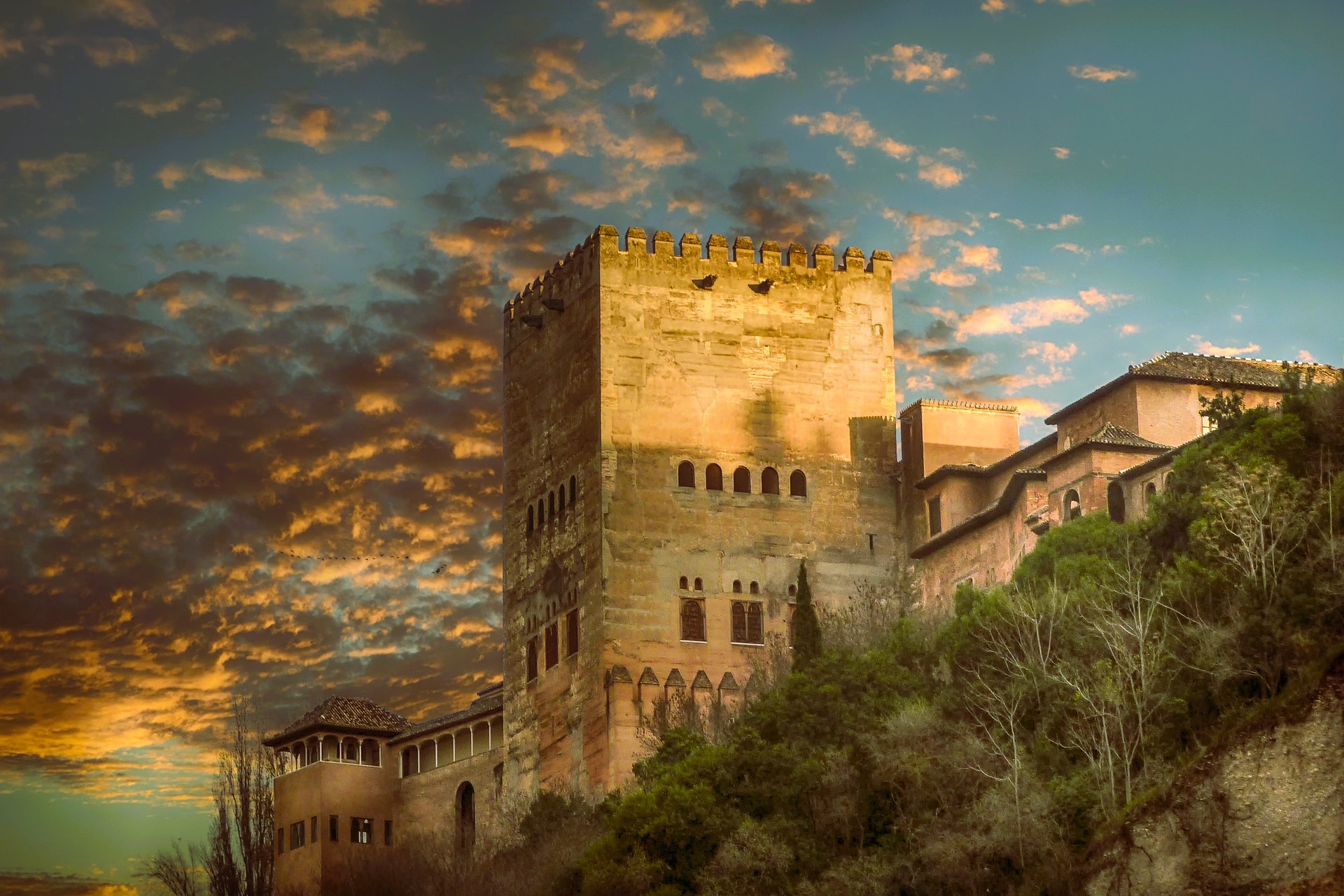
    The Alhambra – Islamic Architectural Precision and Strategic Timing

    The Alhambra represents the zenith of Moorish sophistication in Western Europe, serving as both a defensive fortress and a poetic residence for the Nasrid dynasty. For the thoughtful traveler, this site is less about a massive checklist and more about observing the interplay between geometric tilework and the hydraulic engineering of the Generalife gardens. It matters today because it preserves a rare, non Western architectural philosophy that prioritizes internal reflection over external display. To experience the Nasrid Palaces without the oppressive mid morning crowds, secure the earliest possible time slot ideally at 8:30 AM and bypass the main entrance by walking up the Cuesta de Gomérez, which offers a shaded, atmospheric ascent through the woods that feels far more intentional than the shuttle bus. This approach ensures you reach the threshold before the heat and the heaviest tour groups compromise the site’s inherent tranquility and contemplative atmosphere.

    The Albaicín District – Medieval Moorish Urbanism and Panoramic Views

    As the city’s oldest Moorish quarter, the Albaicín is a functional lesson in medieval urban planning designed for climate control and privacy. Its narrow, winding streets create a natural wind tunnel, offering cooler temperatures than the modern city center below. The significance for a modern visitor lies in the district’s ability to resist total modernization, maintaining its status as a living neighborhood where jasmine overlaps with private garden carmens. Rather than joining the noisy crowd at the Mirador de San Nicolás for the typical sunset view, continue walking higher to the Mirador de San Cristóbal, where the perspective of the Alhambra against the Sierra Nevada is broader and significantly more peaceful. Approaching the district by foot along the Darro river allows for a slow transition into this labyrinthine space, rewarding those who value observational depth over a quick photographic summary of the skyline.

    Granada Cathedral and Royal Chapel – Spanish Renaissance Power and Historical Transition

    The Granada Cathedral and the adjacent Royal Chapel serve as a stark aesthetic pivot point, marking the definitive transition from Islamic rule to the Spanish Renaissance. While the exterior is often crowded by the surrounding market streets, the interior volume of the cathedral offers a cold grandeur that illustrates the immense political and religious ambitions of the sixteenth century. Modern travelers find value here in understanding the physical layering of history, as these structures were built directly over the city’s former Great Mosque. For a more cohesive understanding of this architectural shift, enter the Royal Chapel first to view the resting place of Ferdinand and Isabella before transitioning into the main cathedral. To avoid the primary queue on the Plaza de las Pasiegas, use the smaller entrance on Gran Vía de Colón during the late afternoon when the white limestone interior is illuminated by the lowering western sun.

    The Sacromonte Caves – Romani Heritage and Troglodyte Architecture

    The Sacromonte Caves offer a distinct immersion into the city’s Romani heritage, defined by white washed troglodyte dwellings carved directly into the steep hillsides. For a thoughtful strategist, this area represents the intersection of geography and social history, far removed from the polished marble of the lower districts. It matters because it reveals the gritty, resilient underbelly of Andalusia’s cultural evolution, specifically regarding the development of flamenco music. While many visitors stop at the lower cave bars for commercialized shows, a more strategic approach involves walking to the very top of the neighborhood to visit the Museo Cuevas del Sacromonte, which explains the environmental logic of cave living without the distraction of tourist centric performances. Observing the sunset from these higher, unpaved paths provides a raw perspective of the Alhambra across the valley, grounding the best things to do in Granada within a genuine, topographical context.

    Monasterio de San Jerónimo – Hieronymite Grandeur and Plateresque Art

    The Monasterio de San Jerónimo serves as a quiet sanctuary of Hieronymite grandeur, offering a reprieve from the heavy foot traffic of the central monuments. This landmark is essential for those observing the transition to the Spanish Renaissance, particularly through the lens of military history and Plateresque iconography. The main chapel, containing the tomb of the legendary general Gonzalo Fernández de Córdoba, is an exercise in complex artistic scale and religious ambition. Unlike the often congested Cathedral, this cloister allows for a slower, more analytical pace among the orange trees and gothic arches. To see the most impressive details without the usual glare, pay close attention to the second floor choir stalls where the woodwork remains exceptionally preserved. It remains one of the best things to do in Granada for travelers who value architectural detail and historical silence over a high volume, checked box itinerary.

    The Alcaicería – Silk Market History and Artisanal Souvenirs

    The Alcaicería is a localized remnant of the once vast Moorish silk market, now characterized by a labyrinth of narrow alleys selling traditional Fajalauza ceramics and Taracea woodwork. This site offers a tactile connection to the city’s commercial past, providing a dense, sensory environment that contrasts with the expansive vistas of the Albaicín. It matters to the modern traveler as a study in Islamic urban commercialism, where the architecture itself dictated the flow of trade and security. Rather than entering through the main plaza where crowds often stagnate, approach the market from the Calle de los Mesones side to find a more fluid path through the specialized workshops. Navigating this space early in the morning allows you to observe the merchants setting up their displays, making it one of the best things to do in Granada for those interested in artisanal continuity and urban history.

    A 3 Day Strategic Itinerary

    Granada’s layout rewards a tiered approach to exploration that respects the city’s verticality and optimizes the best things to do in Granada. Begin your first day at the Alhambra to capitalize on early light and lower energy levels, then descend into the central district to navigate the narrow aisles of the Alcaicería. On the second day, focus on the ecclesiastical core by visiting the Granada Cathedral and Royal Chapel. Since the Monasterio de San Jerónimo is located just a short walk to the west, it serves as a logical afternoon stop to escape the midday central bustle. Devote your final day to the eastern heights, traversing the steep, labyrinthine streets of the Albaicín neighborhood before crossing into the adjacent Sacromonte district. This sequence ensures you move through different elevations with a consistent walking rhythm that minimizes physical fatigue while maximizing observational depth.

    The Unhurried Mindset

    The defining pulse of Granada is found in the transition from light to shadow within its narrowest alleys. The unspoken rule for a proper encounter with the city is to prioritize patience over pace; the terrain is designed to slow you down, and resisting this reality only leads to exhaustion. To experience the city soulfully, find a stone bench in a quiet plaza away from the main thoroughfares and simply observe the way the light hits the Sierra Nevada peaks. This quietude allows the historical layers of the city to settle, shifting your perspective from that of a spectator to a witness of Granada’s enduring character.

    Expanding your journey through Andalusia requires a similar strategic lens, as the neighboring cities of Cordoba and Seville offer their own distinct historical layers. Understanding the regional context of the Nasrid dynasty and the subsequent Christian conquest provides a complete map of the Spanish identity. For those seeking to deepen their tactical knowledge of the Iberian Peninsula, our upcoming guides offer refined itineraries for the thoughtful traveler. Move with intention, observe with clarity, and let the architecture tell the story.

  • 6 Best Things to Do in Lyon: A Strategic Guide for the Thoughtful Traveler

    6 Best Things to Do in Lyon: A Strategic Guide for the Thoughtful Traveler

    Travelers often treat Lyon as a high-speed culinary pitstop, rushing between crowded bouchons in Vieux Lyon and checking off landmarks like a grocery list. This frantic pace misses the city’s true rhythm. The secret to mastering Lyon is timing and elevation; most visitors fight the midday heat and the bottleneck of narrow traboules simultaneously. This guide corrects that error by prioritizing an unhurried approach that balances Roman antiquity with the quietest morning hours on the peninsula. By focusing on high-impact sites at optimal intervals, you avoid the common tourist fatigue that plagues the capital of Gaul. Discover the best things to do in Lyon through a lens of efficiency, allowing the city’s history to unfold without the friction of the masses.

    Basilique Notre-Dame de Fourvière – Iconic Views and Byzantine Grandeur

    Perched atop the Hill of Prayer, this nineteenth-century basilica serves as a permanent architectural sentinel over the city below. While the exterior’s shimmering white limestone is striking, the true value for a traveler lies in the interior’s intense mosaic work and the panoramic perspective it provides on Lyon’s geographic layout. The structure symbolizes the city’s religious devotion and its recovery from social upheaval, offering a physical bridge between the ancient Roman foundation nearby and the modern urban sprawl of the Part-Dieu district. To experience this site without the typical sensory overload, use the funicular from Vieux Lyon station early in the morning and head immediately to the Esplanade for the clearest light before the midday haze settles. This allows you to observe the transition from the red-roofed Renaissance district to the high-rise horizon in silence.

    Lugdunum – Musée et Théâtres Romains – Ancient History and Brutalist Design

    Lyon began here in 43 BC as the Roman capital of Gaul, and the site remains one of the most significant archaeological clusters in Europe. The twin theaters the Great Theater and the smaller Odeon are not merely static ruins but functional spaces that still resonate with the city’s cultural heritage. The accompanying museum, carved directly into the hillside, is a masterpiece of brutalist architecture that frames the artifacts against a backdrop of raw concrete and natural light. It offers a meditative atmosphere for those who appreciate history told through stone and silence. To maximize your visit, walk down the theater tiers toward the rue de l’Antiquaille exit which leads you through a series of quiet residential gardens and secret stairs that bypass the main tourist bus routes, preserving the feeling of historical discovery.

    Traboules of Vieux Lyon – Renaissance Engineering and Urban Secrets

    The traboules are a unique network of hidden passageways that allowed silk weavers and merchants to transport goods while remaining sheltered from the elements. These corridors represent a clever solution to urban density, winding through private courtyards and beneath arched doorways that the casual observer often ignores. Walking through them provides an intimate look at the ochre-toned Renaissance architecture that defines the Saint-Jean and Saint-Paul neighborhoods. Rather than following a generic map, look for the small bronze shields identifying the most historic passages, particularly the Longue Traboule. A specific timing hack for a tranquil experience is to visit between 8:00 and 9:30 AM on a weekday when the city is waking up but the tour groups have not yet arrived, ensuring the narrow corridors remain acoustic and uncrowded.

    Les Halles de Lyon Paul Bocuse – High-End Gastronomy and Local Expertise

    This indoor market serves as the definitive temple of French culinary excellence, named after the city’s most celebrated chef. It is less a grocery store and more a curated exhibition of the region’s finest products, from Saint-Marcellin cheeses to the vibrant pink praline tarts that define local patisserie. For the thoughtful traveler, the market offers a sensory education in the quality standards that underpin Lyon’s reputation as a world food capital. While the stalls are tempting at any hour, arriving around 11:00 AM allows you to secure a seat at one of the small oyster bars or bistros for a pre-lunch tasting before the local business crowd descends for their break. If you are looking for a quieter moment, seek out the specialized spice merchants tucked into the back corners where the air is thick with saffron and roasted nuts.

    Musée des Beaux-Arts de Lyon – Artistic Depth and Architectural Serenity

    Housed in a seventeenth-century Benedictine abbey, this museum is often cited as the “little Louvre” due to the breadth and quality of its collection. It bridges the gap between ancient Egyptian artifacts and modern European masterpieces, providing a comprehensive narrative of human creativity within the walls of the Palais Saint-Pierre. The experience is defined by the scale of the galleries, which allow for a respectful distance between the viewer and the art. The true centerpiece is the cloister garden, a secluded rectangular courtyard filled with sculptures and centuries-old trees that offers a profound silence away from the noise of Place des Terreaux. A useful strategy is to bypass the main entrance queue by checking the secondary courtyard gate which occasionally grants faster access during peak hours while leading you directly into the most tranquil part of the estate.

    Parc de la Tête d’Or – Landscape Architecture and Urban Escape

    As one of the largest urban parks in France, this green space functions as the city’s collective backyard, offering a sophisticated blend of botanical gardens and lakefront vistas. For a traveler, it provides a necessary pause from the density of the Presqu’île, showcasing nineteenth-century landscape design at its most ambitious. The vast glass-walled greenhouses are particularly noteworthy, housing rare tropical flora in an iron and glass structure that reflects the industrial elegance of a bygone era. To avoid the weekend crowds that flock to the central lake, head toward the northern end of the park near the Cite Internationale entrance, where the rose gardens are less frequented and offer a more intimate setting for a walk. This section provides a seamless transition back to modern architecture, allowing you to observe the city’s evolution from the natural world to contemporary design.

    A 3-Day Strategic Itinerary

    To experience Lyon without the typical logistical friction, group your visits by their geographical elevation and neighborhood character. On the first day, focus on the Fourvière hilltop to combine the Basilica with the Lugdunum archaeological site. This approach allows you to descend into the Vieux Lyon district by foot, utilizing the natural slope of the city rather than fighting against it. Dedicate the second day to the Presqu’île, starting with the quiet morning halls of the Musée des Beaux-Arts before navigating the historic traboules that connect the riverbanks. This central corridor is the heart of Lyonnaise commerce and history. On your final day, move east toward the 6th arrondissement. Begin with the culinary excellence of Les Halles de Lyon Paul Bocuse for an early lunch, followed by a long, restorative afternoon at Parc de la Tête d’Or. This sequence minimizes transit time and respects the city’s natural walking rhythm.

    The Unhurried Mindset

    The unspoken rule of Lyon is that the city belongs to those who observe rather than those who consume. It is a place of discretion where the best experiences are often hidden behind heavy oak doors or within unpretentious bistros. To enjoy the city properly, you must embrace the art of the pause. My soulful advice for a slow-travel experience is to spend one hour sitting by the Saône river at dusk with no objective other than watching the light change against the ochre facades. In these moments, the city reveals its true character not as a tourist destination, but as a living, breathing testament to French refinement and historical continuity.

    Further Exploration

    For those seeking to expand their journey beyond the confluence of the Rhône and Saône, the surrounding Auvergne-Rhône-Alpes region offers a wealth of medieval villages and alpine vistas that complement the urban sophistication of Lyon. Consider venturing toward the vineyards of Beaujolais or the pristine waters of Annecy to see how the regional identity shifts from industrial power to natural serenity.

    A well-planned journey does not demand more time; it simply requires more intention. Safe travels through the capital of Gaul.