
Category: Asia

Explore the vast landscapes and diverse traditions of Asia. From the serene temples of Southeast Asia to the bustling markets of East Asia, discover unhurried travel guides focused on deep cultural immersion.

  • The Art of the Linger: Redefining the Best Things to Do in Bangkok

    The Art of the Linger: Redefining the Best Things to Do in Bangkok

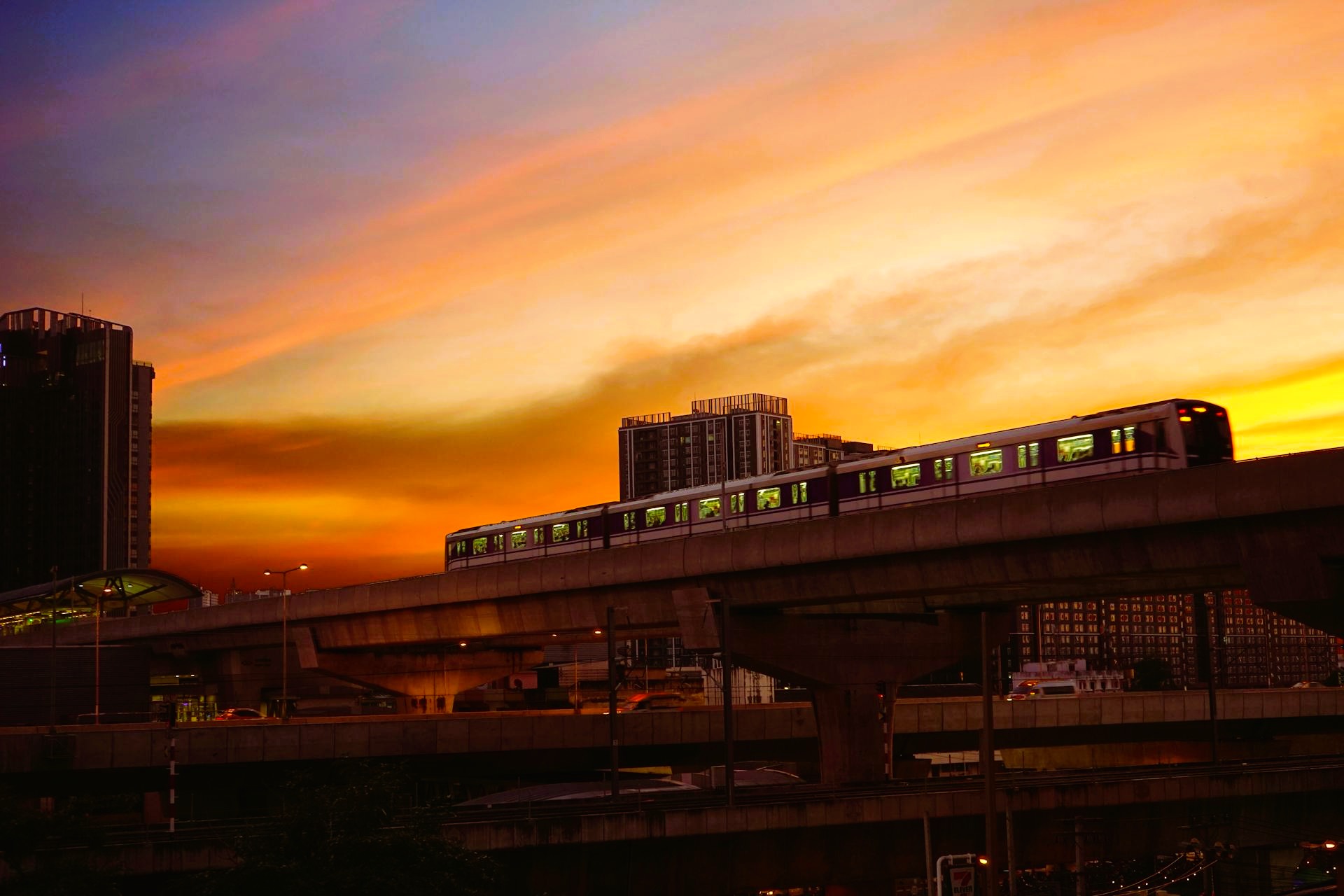
    The scent of jasmine garlands and motor oil mingles in the humid air, thick with the rhythmic slap of river water against weathered teak pilings. While most rush through the humid maze of the metropolis, the true essence of this city reveals itself only to those who pause. To find the best things to do in Bangkok, one must look past the frantic street-level movement and into the quiet courtyards of the Old City. Slowing down allows the intricate porcelain mosaics of riverfront spires to come into focus and the cooling breeze of a hidden canal to offer respite. This guide bypasses the checklist in favor of moments that breathe, inviting you to inhabit the city’s ancient pace within its modern pulse.

    Wat Pho – The Resonance of Ancient Stone

    Beyond the fame of the 46-meter Reclining Buddha lies a sprawling complex of courtyard “forests” and stone guardians. As you wander, the sound of the city fades, replaced by the gentle clinking of coins dropped into bronze offering bowls. This is the birthplace of traditional Thai massage; the air often carries a faint, medicinal scent of herbal balms. Exploring Wat Pho is a must-visit because it offers a physical history of Thai healing and cosmology, etched into stone inscriptions and marble illustrations. The pace here is dictated by the scale of the architecture one cannot rush past the four great chedis clad in floral ceramic mosaics. It is a place that demands you look up, breathe deeply, and appreciate the craftsmanship of a kingdom that valued patience over speed.

    Unhurried Tip: Bypass the main entrance rush by arriving at 8:00 AM, then head directly to the massage pavilion at the rear of the complex to book an early session before the heat and crowds peak.

    Jim Thompson House – A Jungle Sanctuary in the Concrete Jungle

    Tucked away at the end of a quiet lane, this collection of six traditional Thai teak structures offers a masterclass in vernacular architecture. The houses, salvaged from various parts of Thailand and reassembled here, sit on stilts above a verdant garden that feels like a private rainforest. Inside, the polished wood floors feel cool beneath your feet, and the dim, filtered light highlights a world-class collection of Southeast Asian art. Visiting here addresses the search for “old Bangkok” sophistication. The vibe is one of refined mystery, fueled by the story of the American silk mogul who vanished in the 1960s. It is a sensory transition from the humid, metallic grit of the nearby shopping district to an era where cross-ventilated rooms and silk-weaving looms defined the daily rhythm of life.

    Unhurried Tip: After your guided tour, find a seat at the canal-side café to watch the longtail boats zip past on the Saen Saep canal, offering a glimpse into the city’s remaining water-based arteries.

    Bang Krachao – The Rhythmic Breath of the Green Lung

    Crossing the river to Bang Krachao feels like stepping through a portal into a forgotten Thailand. Known as the “Green Lung,” this protected oasis is a labyrinth of elevated concrete walkways that snake through mangrove forests, coconut groves, and small family orchards. There are no skyscrapers here; instead, you hear the rustle of palm fronds and the occasional splash of a monitor lizard entering a canal. This is an essential slow-travel destination because it provides a literal breath of fresh air. Cycling through the humidity, you’ll encounter hidden incense workshops and small wooden houses where life moves at the speed of a turning tide. It is the ultimate antidote to Bangkok’s sensory overload, forcing you to navigate by instinct and birdcall rather than a GPS map.

    Unhurried Tip: Visit on a weekday to have the elevated paths entirely to yourself, but ensure you carry plenty of water as the humidity trapped under the canopy can be surprisingly intense.

    Talat Noi – A Living Canvas of Riverside Heritage

    In the narrow alleys of Talat Noi, the scent of grease from second-hand engine parts mingles with incense drifting from hidden Hokkien shrines. This neighborhood is a sanctuary of Bangkok riverside heritage, where the city’s Chinese-Thai roots are etched into crumbling 19th-century mansions and weathered brick walls. As you wander, you’ll hear the rhythmic clinking of metalworkers alongside the quiet hiss of steam from a noodle stall. It is a place where time seems to fold in on itself; a trendy café might occupy a colonial-era warehouse, yet the traditional way of life remains undisturbed. Visitors come here not for a specific monument, but for the texture of the city itself the peeling paint, the sprawling banyan trees, and the slow, deliberate pace of a community that has watched the river flow for generations.

    Unhurried Tip: Wander deep into the “Soi Heng Tai” alley to find a 200-year-old Chinese courtyard house that now serves as a diving school and café; it’s the ultimate hidden refuge.

    Wat Saket – The Golden Mount Above the Urban Haze

    The ascent of Wat Saket is a sensory transition, a literal rise above the cacophony of the streets below. Climbing the 344 steps of the spiral staircase, you are flanked by lush artificial waterfalls, moss-covered statues, and hundreds of brass bells that chime softly in the breeze. This site is a cornerstone of a Bangkok slow travel itinerary because the climb is designed as a moving meditation. As the elevation increases, the humidity seems to lift, replaced by a steady wind that carries the distant hum of the city. At the summit, the 360-degree view of the Old City offers a rare perspective on Bangkok’s sprawl. Here, under the shadow of the great golden stupa, the scale of the city becomes manageable, and the chaotic energy of the capital transforms into a silent, shimmering tapestry of light.

    Unhurried Tip: Time your visit for late afternoon, around 5:00 PM, to catch the monks’ evening chanting and watch the sun dip below the horizon as the city lights begin to flicker on.

    Artist’s House at Khlong Bang Luang – A Waterfront Cultural Oasis

    Located in the quiet district of Thonburi, the Artist’s House (Baan Silapin) is one of the most rewarding hidden gems in Bangkok. This century-old wooden house sits precariously over a canal, serving as a community hub for local artists and puppeteers. The vibe here is profoundly nostalgic; you can sit on the wooden floorboards with your legs dangling over the water, sipping a cold coffee while watching the slow ripples of passing boats. The centerpiece is the traditional Thai shadow puppetry performed in front of an ancient, vine-covered stupa in the backyard. It is a must-visit because it preserves a “water-life” culture that has largely vanished elsewhere. The air is filled with the sound of traditional music and the gentle chatter of locals, offering a glimpse into a Bangkok that values creativity and community over commercialism.

    Unhurried Tip: Buy a small bag of fish food for a few baht and feed the swarming catfish in the canal; it’s a local merit-making tradition that provides a surprisingly meditative moment.

    A Thoughtful 3-Day Itinerary for Bangkok

    To truly inhabit Bangkok, one must resist the urge to cross the city in a single bound. Instead, group your days by the rhythm of its neighborhoods.

    Day One focuses on the riverside heritage of the Old City. Begin at Wat Pho during the quiet morning hours, then take a short cross-river ferry to explore the winding alleys of Talat Noi on foot, letting the layers of history reveal themselves in the peeling paint and hidden shrines.

    Day Two explores the balance of art and spirituality. Start with the refined teak architecture of the Jim Thompson House, then walk or take a short tuk-tuk ride to Wat Saket. Climb the Golden Mount as the sun begins to soften, overlooking the city you’ve begun to navigate.

    Day Three is dedicated to the water. Head to the Thonburi side for the Artist’s House at Khlong Bang Luang, then take a boat toward the Bang Krachao peninsula. Trade the engine’s roar for a bicycle, ending your journey in the silent canopy of the Green Lung.

    Travel with a Slow Heart

    Bangkok is often accused of being a city that never sleeps, but it is also a city that knows how to dream. When you stop treating the map as a checklist and start treating it as a conversation, the metropolis softens. The heat becomes a reason to pause under a banyan tree; the traffic becomes a backdrop to a quiet canal-side coffee. To travel with a slow heart is to recognize that the most profound “sight” isn’t a monument at all it is the moment you finally stop rushing and realize you have already arrived.
  • The Walled City and Beyond: A Connoisseur’s Guide to the Best Things to Do in Manila

    The Walled City and Beyond: A Connoisseur’s Guide to the Best Things to Do in Manila

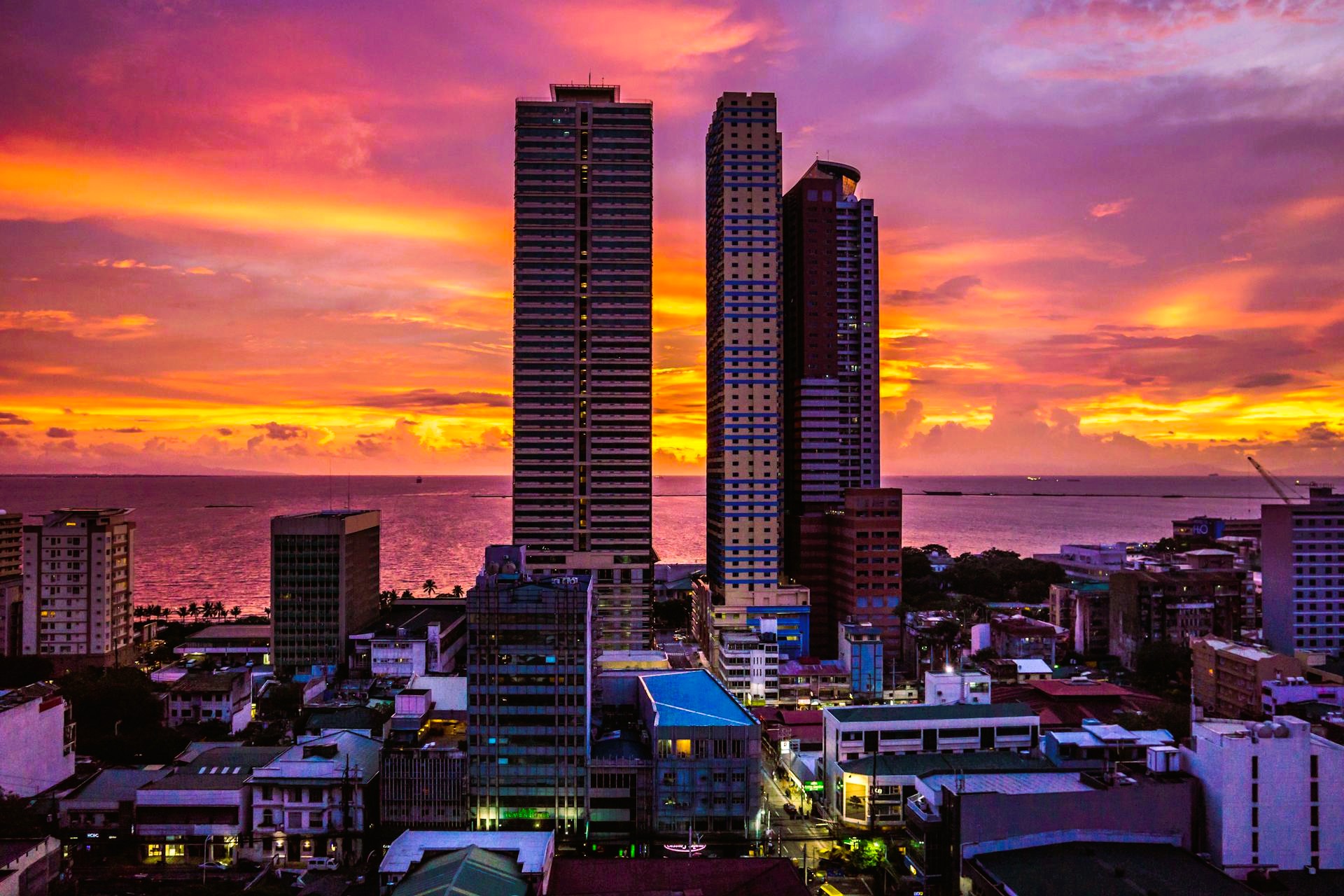
    The first thing you notice is the sound of iron-rimmed wheels the calesa clattering over sun-bleached basalt. In the humidity of mid-morning, the scent of parched stone and blooming jasmine hangs heavy over the fortifications of Intramuros. While most rush through this megalopolis, the “Unhurried” traveler knows that the best things to do in Manila require a deliberate, rhythmic pace.

    To truly see Manila is to peel back layers of history that refuse to be quieted by modern skyscrapers. It is found in the cool, dim interiors of Baroque cathedrals and the steam rising from a bowl of kiampong in a hidden Binondo alley. By slowing down, the city shifts from a chaotic transit hub into a soul-stirring collection of heritage districts, where every crumbling archway and quiet courtyard tells a story of resilience and grace.

    San Agustin Church and Museum – A Sanctuary of Spanish Baroque Stone

    Stepping through the massive carved doors of San Agustin is like plunging into a cool, quiet well of history. As the oldest stone church in the Philippines, it offers a density of atmosphere that modern Manila cannot replicate. The air is thick with the scent of aged wood and floor wax. Wandering the cloisters of the adjacent museum, you encounter weather-beaten statues and ecclesiastical treasures that survived the heavy shelling of 1945. It is a must-visit because it represents the soul of the city a resilient anchor of Spanish colonial artistry. Here, the “Slow Travel” ethos is mandatory; the sheer detail of the choir stalls and the grandeur of the altarpiece demand that you still your mind and let the centuries-old silence settle around you.

    Visit during the mid-morning on a weekday when the wedding rehearsals are absent; the shadows in the cloisters are longest then, offering the most meditative atmosphere for photography.

    Fort Santiago – Echoes of Valor along the Pasig River

    Fort Santiago is not merely a military defense; it is a landscape of memory. Walking across the manicured grounds toward the iconic gate, you feel the weight of the thick volcanic tuff walls. This site rewards those who linger by the riverside, watching the Pasig River flow past the same ramparts where José Rizal spent his final days. The vibe is one of somber beauty, where the harshness of a former dungeon meets the softness of blooming flamboyant trees. It is a must-visit for anyone seeking to understand the Filipino spirit of resistance and sacrifice. By walking the perimeter slowly, you notice the moss-covered textures and the quiet corners that tourists usually skip, allowing the historical gravity of the site to resonate far more deeply than a quick photo-op would allow.

    Walk to the far edge of the ramparts overlooking the river at dusk; the breeze picks up, and the sight of the modern skyline rising behind the ancient stone is hauntingly beautiful.

    Casa Manila – A Glimpse into the Grandeur of a Bygone Era

    Casa Manila is a masterclass in the Bahay na Bato architectural style, a reconstruction that feels more authentic than many original structures. As you ascend the grand staircase, the heat of the city vanishes, replaced by the polished glow of Narra wood floors and the breeze filtering through Capiz shell windows. The vibe is intimate and domestic; you are not just a tourist, but a guest in a 19th-century merchant’s home. It is an essential stop because it illustrates the sophisticated “Slow” lifestyle of the Ilustrado class where ventilation and light were prioritized over speed. Moving through the rooms, you see the intricate lace, the heavy European furniture, and the “azotea,” or open-air balcony, providing a sensory blueprint of how Manila’s elite once balanced tropical living with colonial elegance.

    Spend ten minutes just sitting by the central fountain in the courtyard; the acoustics of the water against the stone walls effectively mask the city noise, creating a perfect sensory reset.

    Binondo – A Culinary Pilgrimage Through the World’s Oldest Chinatown

    Crossing the Jones Bridge into Binondo feels like stepping into a living, breathing sensory overload that rewards the patient soul. To truly experience this district, you must embark on a Binondo food crawl, moving beyond the neon signs into the narrow esteros. The air is a thick, savory perfume of toasted sesame, star anise, and simmering bone broth. This is not a place for a hurried checklist; it is a place for lingering over a single, translucent shrimp dumpling or watching the rhythmic pull of hand-stretched noodles. It is a must-visit because it represents the fusion of Hokkien and Filipino cultures, a culinary bridge built over centuries. The “Slow Travel” reward here is found in the hidden teahouses where time seems to pool and settle amidst the clinking of porcelain.

    Head to the smaller side streets like Yuchengco at 10:00 AM, just after the breakfast rush but before the lunch crowd, to secure a quiet corner stool at the oldest bakeries.

    National Museum of Natural History – A Cathedral of Science and Light

    : Entering this museum is an exercise in atmospheric shift, as the street noise of Rizal Park is silenced by a soaring, climate-controlled atrium. The building, a former neoclassical office, is one of the most significant Manila heritage sites reimagined for the modern age. The vibe is one of reverent curiosity; as you move through galleries of preserved flora and fauna, the “Tree of Life” structure acts as a grounding centerpiece. It is a must-visit because it offers a sophisticated sanctuary where the natural wonders of the archipelago are curated with artistic precision. Exploring the museum slowly allows you to appreciate the architectural dialogue between the heavy stone of the past and the light-filled geometry of the present, making it a perfect mid-day refuge for the weary traveler.

    Start your journey on the top floor and use the spiraling ramps to walk downward; the gradual descent offers shifting perspectives of the architecture that elevators simply bypass.

    Paco Park – The Secret Circular Garden of Solitude

    While Intramuros holds the fame, Paco Park holds the silence. This circular garden, once a Spanish colonial cemetery, is one of the most overlooked Manila heritage sites, offering a concentric layout that naturally encourages a slow, winding pace. The vibe is hauntingly romantic; thick stone walls, which once held the city’s dead during cholera outbreaks, are now softened by moss and ferns. It is a must-visit for the “Unhurried” traveler because it provides a rare pocket of absolute green stillness in a city of concrete. Walking the top of the ramparts allows you to look down into a sunken garden that feels like a secret world. Here, the air is noticeably cooler, and the light filters through the acacia trees in a way that makes the chaotic city outside feel like a distant memory.

    Visit on a Friday evening just before sunset; you might catch a free “Paco Park Presents” chamber music concert, where the acoustics of the stone walls are hauntingly perfect.

    A Thoughtful 3-Day Itinerary for Manila

    To truly absorb Manila’s soul, one must resist the urge to cross the city in a single day. Instead, anchor your exploration in three distinct districts.

    Day One: The Walled City. Dedicate your morning to the stone cloisters of San Agustin Church, followed by a leisurely stroll to Casa Manila. End your day at Fort Santiago, watching the sun dip below the Pasig River ramparts.

    Day Two: Heritage and Healing. Begin at the National Museum of Natural History, allowing the architecture to breathe. In the late afternoon, take a short car ride to Paco Park for a sunset walk around the circular walls.

    Day Three: The Flavors of History. Cross into Binondo for a self-paced culinary immersion. Wander the alleys without a map, letting the scent of roasting chestnuts and steamed buns guide you through the world’s oldest Chinatown.

    Continuing Your Journey
    If this slower pace resonates with you, explore our other curated guides to Southeast Asia’s hidden corners or visit our Philosophy Page to learn more about the Unhurried Traveler’s mission to reclaim the art of the long wander.

    The Last Word

    Manila does not reveal its grace to those in a rush. It is a city that requires you to sit through the humidity, to listen to the peeling bells of ancient cathedrals, and to find the quiet rhythm beneath the metropolitan roar. When you stop treating the city as a map to be conquered and start seeing it as a story to be felt, the chaos recedes. Travel with a slow heart, and you will find that Manila’s most enduring treasures aren’t the monuments themselves, but the moments of stillness you find within them.

  • My Unhurried Days in Tokyo

    My Unhurried Days in Tokyo

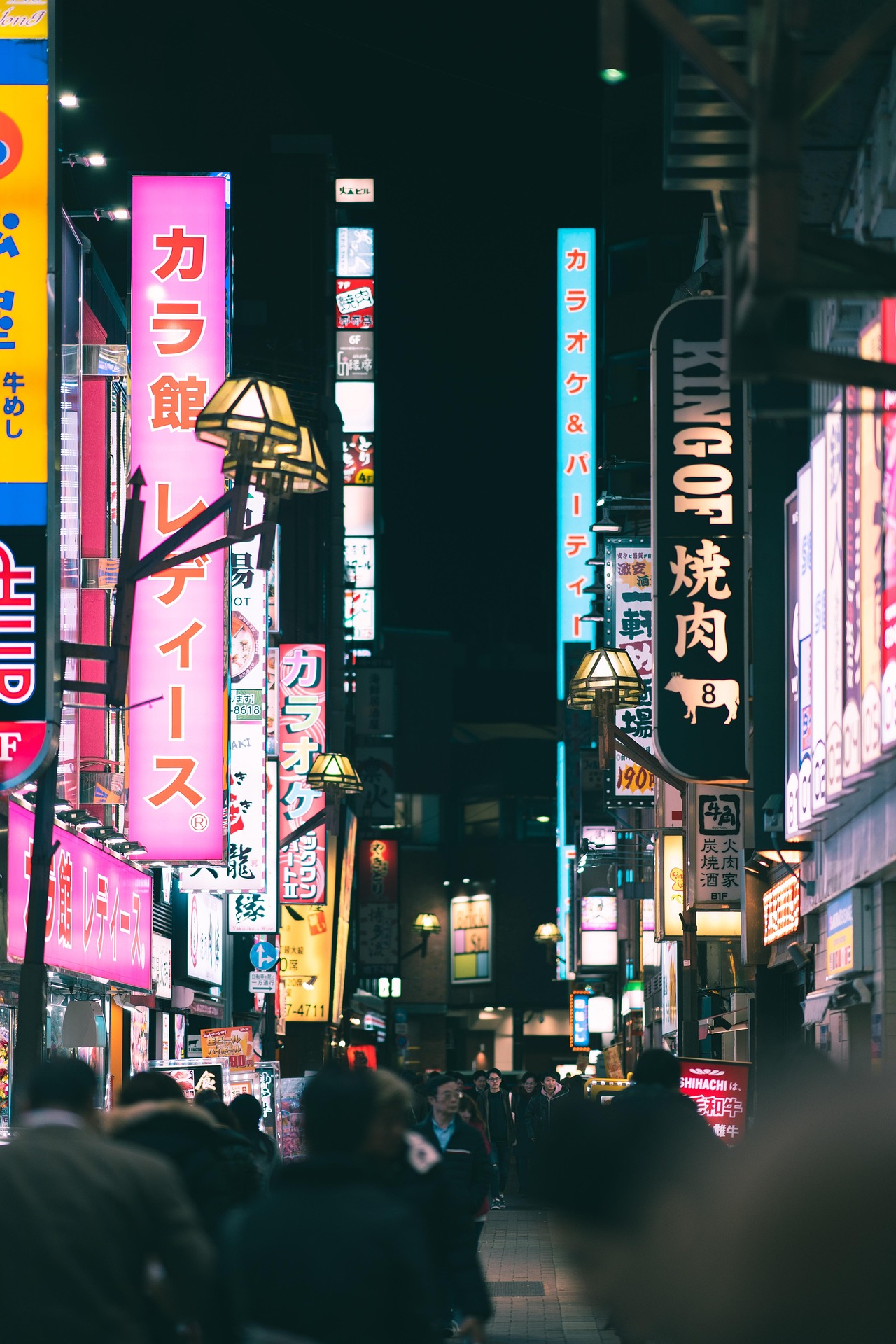
    The first thing I notice is the hush beneath the neon the way a single temple bell cuts through the hum of traffic, how the scent of grilled yakitori drifts from a side street, mingling with the faint sweetness of plum blossoms. Tokyo is not only movement; it is pause, if I choose to linger.
    I walk slowly, letting the city reveal itself in layers: the soft paper lanterns glowing against dusk, the polished wood of shopfronts worn smooth by decades of touch, the rhythm of footsteps on stone bridges. My pace is deliberate, and in that slowness, Tokyo feels infinite each detail a story waiting to be heard.
    Here, slow travel is not about seeing less, but about feeling more. I find myself listening to the silence between train announcements, watching shadows stretch across tatami mats, tasting tea that insists on patience. Tokyo rewards me when I resist rushing; it becomes less a destination and more a companion, unfolding gently, one quiet moment at a time.

    Senso-ji Temple

    Senso-ji, Tokyo’s oldest temple, feels less like a monument and more like a living heartbeat. As I step through the Kaminarimon Gate, the air thickens with the scent of burning incense, mingling with the faint sweetness of sakura mochi sold nearby. The soundscape is layered: the shuffle of sandals on stone, the low murmur of prayers, the occasional clang of coins dropped into offering boxes. Light filters through the paper lanterns, casting a warm glow on the temple’s vermilion beams, their surfaces polished by centuries of touch. The textures here are tactile rough stone underfoot, smooth wood railings, the delicate rustle of silk robes worn by worshippers. History whispers in every detail: founded in the 7th century, rebuilt after war, yet still carrying the weight of devotion.

    Unhurried Tip: Visit early morning when the incense smoke rises in soft columns and the crowds have yet to gather.

    Meiji Shrine

    The Meiji Shrine is less about grandeur and more about immersion in stillness. The moment I step into the forested approach, Tokyo’s noise fades into a muffled hum. Gravel crunches beneath my shoes, and the air smells of cedar and damp earth. The torii gates rise like guardians, their wood darkened by rain and time. Light here is gentle, fractured by leaves, dappling the path in shifting patterns. The shrine itself, dedicated to Emperor Meiji and Empress Shoken, carries a quiet dignity its cypress beams exude a faint resin scent, its courtyards echo with the soft clap of hands in prayer. The atmosphere is contemplative, a pause in the city’s relentless rhythm.

    Unhurried Tip: Arrive just after sunrise when the forest is hushed, and the light is golden across the gravel paths.

    Tokyo Tower

    Tokyo Tower rises like a beacon, its lattice of steel painted in vivid orange and white. Approaching it, I hear the hum of the city soften into a low vibration, punctuated by the occasional laughter of couples strolling nearby. The tower’s lights flicker on as dusk settles, casting a warm glow that feels almost nostalgic. The scent of street food takoyaki, grilled skewers drifts from vendors at the base, mingling with the faint metallic tang of the tower itself. Inside, the elevators hum upward, carrying me to observation decks where the city stretches endlessly. From above, Tokyo is a sea of lights, each one a pulse of life. Yet the tower itself, built in 1958, carries a retro charm, a reminder of postwar optimism and resilience. The textures are striking: cool steel under my handrails, glass panes reflecting the city’s heartbeat, the soft hush of voices marveling at the view.

    Unhurried Tip: Visit at twilight when the sky deepens to indigo and the tower’s glow feels most intimate.

    Imperial Palace

    The Imperial Palace sits at the heart of Tokyo, yet it feels like a world apart. As I approach, the city’s rush softens into the rustle of leaves and the gentle splash of koi in the surrounding moat. The air carries the faint scent of pine and damp stone, mingled with the sweetness of blossoms in spring. The Nijubashi Bridge arches gracefully, its stone worn smooth by centuries, while the palace walls rise with quiet authority, their surfaces textured with moss and history. This is the site of Edo Castle, once the seat of shoguns, now the residence of Japan’s emperor. The atmosphere is layered: the distant hum of traffic, the rhythmic crunch of gravel paths, the occasional call of a bird echoing across the gardens. Light shifts constantly here morning sun glitters on the water, while twilight drapes the palace in muted tones of indigo and silver.

    Unhurried Tip: Visit during early spring mornings when the cherry blossoms are just opening and the paths are quiet.

    Shinjuku Gyoen National Garden

    Shinjuku Gyoen is a garden that feels like an unfolding poem. Entering through its gates, I am greeted by the scent of freshly cut grass and the faint perfume of seasonal flowers roses in summer, chrysanthemums in autumn. The sounds are gentle: children laughing in the distance, the soft rustle of petals falling, the occasional splash of a koi surfacing in the pond. Paths wind through three distinct landscapes Japanese traditional gardens with stone lanterns and wooden bridges, French formal gardens with symmetrical rows of roses, and English-style lawns that stretch wide beneath the sky. Light plays across the garden differently depending on where I stand: filtered through cherry blossoms, sharp and clear across open lawns, or softened by the canopy of ancient trees. The textures are tactile smooth gravel underfoot, the rough bark of towering pines, the delicate touch of petals brushing my sleeve.

    Unhurried Tip: Arrive just after opening hours to walk the lawns in solitude before the midday crowds arrive.

    Tsukiji Hongan-ji

    Tsukiji Hongan-ji is unlike any other temple in Tokyo. Its exterior, inspired by ancient Indian architecture, rises in carved stone rather than painted wood, giving it a solemn, enduring presence. As I step inside, the air is cool and carries the faint scent of incense mixed with polished stone. The soundscape is hushed: the soft shuffle of visitors, the low resonance of chanting, the occasional creak of wooden pews. Light filters through stained glass windows, casting muted colors across the temple’s interior, where golden altars gleam softly. Built in the 1930s after the original temple was destroyed by fire, it stands as a testament to resilience and adaptation. The textures here are striking cold stone beneath my hand, smooth brass fittings, the delicate shimmer of silk banners. Outside, the bustle of Tsukiji lingers faintly, but inside the temple, time feels suspended.

    Unhurried Tip: Visit in late afternoon when the stained glass glows warmly and the temple is quieter.

    🌿 Conclusion: A Slow Traveler’s Rhythm in Tokyo

    Tokyo is not a checklist it is a companion. Start your thoughtful journey not with urgency, but with patience. Let incense smoke, garden paths, and twilight towers guide you. The city will meet you where you pause, and in that pause, you will find its truest rhythm.