Category: Art & Culture

Explore the artistic identity, architectural heritage, and cultural rhythms of each destination. Find curated guides that blend historical context with aesthetic observation for the thoughtful traveler.

  • The Vertical Cathedral: A Study of Chicago’s Living Grid

    The Vertical Cathedral: A Study of Chicago’s Living Grid

    Chicago does not merely exist; it performs an eternal, silent symphony of structural ambition and reflective poise. It is a city born of fire and tempered by a relentless wind, where the grid serves as a canvas for the heavy shadows of limestone and the ephemeral shimmer of glass. To observe Chicago is to witness the evolution of the modern soul, a place where the weight of history is balanced by the lightness of the horizon. We approach this urban expanse not as tourists, but as quiet witnesses to an architectural lineage that redefined the relationship between the earth and the sky. Here, the street level is a gallery of human intention, and the skyscrapers are monuments to the audacity of the vertical line.

    The structural rhythm of the Chicago School and the transition from masonry to steel. The intimate dialogue between the city’s concrete edges and the fluid vastness of Lake Michigan. The hidden alcoves of the Loop where the echoes of Art Deco meet the silence of modernism. The curated geometry of the city’s public plazas and the choreography of light across their surfaces.

    The structural rhythm of the Chicago School and the transition from masonry to steel

    The transition from the ponderous weight of the Monadnock’s base to the soaring transparency of the Reliance Building marks a pivotal moment in the human story. In Chicago, the wall ceased to be a load-bearing burden and became a delicate curtain of light and air. This evolution is best witnessed in the quiet corners of the Loop, where the dark, protective embrace of deep-set masonry gives way to the rhythmic repetition of the Chicago window. These structures are not merely offices; they are the physical manifestation of a new logic, a structural honesty that discarded historical ornament for the purity of the grid. To observe these facades is to see the very skeleton of modernity emerging from the stone. The city’s architectural soul resides in this tension the heavy, tactile history of the earth pushing upward into the limitless, weightless potential of the steel frame.

    The intimate dialogue between the city’s concrete edges and the fluid vastness of Lake Michigan

    At the eastern threshold of the grid, the rigid geometry of the city meets the untamed horizon of Lake Michigan. This is where Chicago breathes. The lakefront is not a mere boundary but a curated transition, a series of limestone tiers and concrete promenades that invite a slower, more deliberate pace of observation. Here, the turquoise expanse of the water provides a silent, shifting backdrop to the stoic permanence of the skyline. The air carries a different weight, cooled by the water and flavored with the scent of distant storms. It is a space of profound contrast: the stillness of the water against the vibrating energy of the skyscrapers. In this dialogue, the city finds its equilibrium, reminding us that even the most ambitious structural achievements must eventually yield to the elemental power of the natural world.

    The hidden alcoves of the Loop where the echoes of Art Deco meet the silence of modernism

    The ritual of the threshold requires one to stand at the precise seam where the opulent Art Deco ornamentation of the Carbide and Carbon Building meets the stark, silent clarity of the surrounding glass towers. To observe this cultural layer is to practice a deliberate pause within the city’s shadowed canyons, noting how the gold leaf and deep green terra cotta absorb the midday sun while the nearby modernism reflects it with a cold, blue indifference. It is an exercise in tactile history, where the eye must learn to distinguish between the handcrafted intricacy of a bygone era and the industrial precision of the present. This method of unhurried witnessing reveals the city as a layered parchment, where every architectural movement is a sentence written over the ghost of the one before it.

    The curated geometry of the city’s public plazas and the choreography of light across their surfaces

    Engaging with the curated geometry of Chicago’s public plazas demands a surrender to the choreography of light as it moves across vast, granite surfaces. One must adopt the perspective of the still point, perhaps resting on a low stone plinth in Federal Plaza to watch the arcing shadow of Alexander Calder’s Flamingo lengthen across the dark pavement. This is the city as a grand solar clock, where the interplay of void and mass becomes a meditative study in rhythmic movement. By remaining stationary, the observer notices the subtle shifts in texture the way the afternoon light softens the harshness of the black steel and reveals the hidden warmth in the urban stone. It is a slow, rhythmic dialogue between the permanent and the ephemeral, turning a transit space into a sanctuary of form.

    The Living Grid: Chicago’s Enduring Architectural Resonance

    Chicago is more than a collection of structures; it is a profound repository of human intention and a testament to the power of deliberate form. In its shadows and reflections, we find the quiet confidence of a city that knows its worth lies not in rapid change, but in sustained conversation between the past and the imminent. The true value of this urban masterpiece lies in its capacity to force a pause, allowing the careful observer to witness the eternal dance between gravity and grace, between the heavy limitation of masonry and the soaring ambition of glass. It is a gallery that requires our patience, rewarding the unhurried traveler with a deeper understanding of what it means to build, to dwell, and to ultimately belong to a place where the grid is both a constraint and a liberation. As you step away from these rigid yet graceful geometries, allow this philosophy of observation to guide your next cultural encounter, carrying this curatorial gaze to seek the underlying artistry woven into the fabric of every destination.
  • The Fluid Canvas: Amsterdam as an Architectural Breath

    The Fluid Canvas: Amsterdam as an Architectural Breath

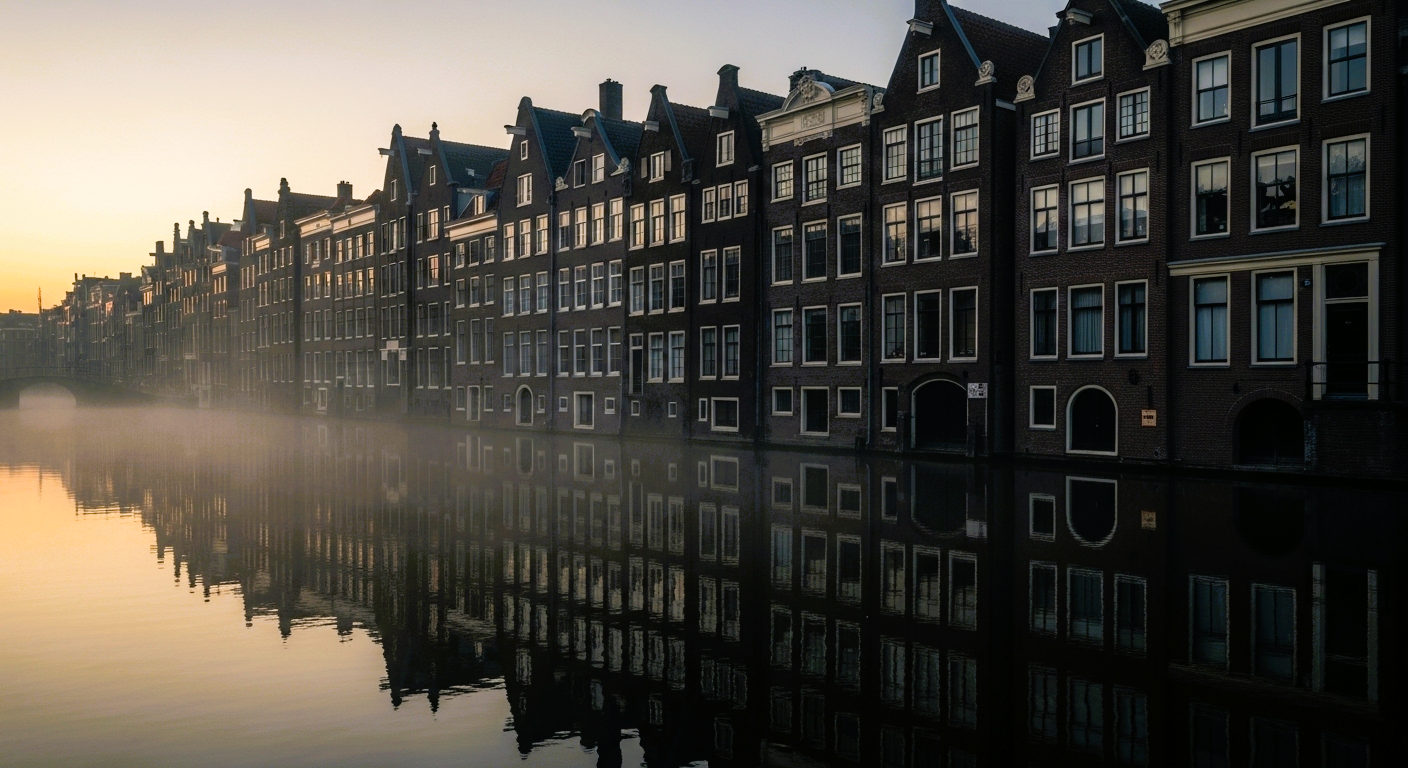
    To observe Amsterdam is to witness a delicate negotiation between the liquid and the stone. It is a city that does not merely sit upon the land but floats within a rhythmic pulse of historic engineering and golden-age ambition. Here, the concept of unhurried travel is not a choice but a requirement, dictated by the narrow brick corridors and the leaning facades that whisper of a century’s weight. The city functions as a curated gallery where the exhibits are the houses themselves, their gables reaching like hands toward a gray, maritime sky. To walk these streets is to engage with a living philosophy of observation, where every reflection in the dark canal water serves as a secondary, shimmering reality of a society built on the art of the intentional.

    The Geometry of the Amstel

    The Amstel River acts as the foundational spine of Amsterdam, a liquid avenue that dictates the mathematical precision of the city’s concentric growth. To observe the river is to understand the Dutch mastery over the ephemeral; it is a landscape defined by the rhythmic repetition of stone bridges and the stoic permanence of the quay. This waterway is not merely a topographical feature but a curated vista where the architecture leans inward, as if paying homage to the source of its prosperity. The grand facades along the riverbanks serve as a visual lexicon of the Golden Age, where symmetry and proportion reflect a societal obsession with order and aesthetic clarity. In the stillness of a slow afternoon, the river transforms into a vast, horizontal gallery, framing the city’s evolution from a tactical fishing outpost to a sophisticated metropolitan masterpiece of maritime engineering.

    The Interiority of Light

    In the Dutch tradition, light is treated as a physical substance, a tactile element that defines the soul of a space. This philosophy is most evident when observing the interplay between the tall, narrow windows of the canal houses and the shifting northern sky. The architecture is designed to invite the sun’s reach deep into the domestic sphere, creating a dialogue between the public facade and the private sanctuary. This curation of light traces back to the canvases of the Old Masters, where a single source of illumination could transform a mundane room into a spiritual encounter. To wander the streets is to notice how the glass panes act as filters, catching the silver glint of the clouds and casting a soft, painterly glow upon the weathered textures of the interior timbers. It is an invitation to pause and acknowledge the quiet, luminous poetry inherent in the city’s very atmosphere.

    The Industrial Rebirth of the North

    To cross the water toward the northern banks is to transition from the golden-age past into a landscape of metallic reclamation. The ritual here is one of vertical observation, where the skeletal remains of shipyards have been repurposed into a new, jagged aesthetic. This industrial rebirth demands a different pace—one that appreciates the rusted patina of a crane against the stark, modern glass of a museum. It is a dialogue between the obsolete and the avant-garde, where the echoes of heavy machinery have been replaced by the quiet hum of creative intention. One must stand at the edge of the NDSM wharf and allow the scale of the repurposed hangars to dwarf the senses, acknowledging how the city breathes through its ability to reinvent its own iron bones into a contemporary masterpiece of urban survival.

    The Silent Gardens of the Begijnhof

    Engaging with the hidden interiority of the city requires the unhurried method of seeking the void. The Begijnhof represents a physical pause in the urban fabric, a sanctuary of medieval silence tucked behind an unassuming wooden door. To enter this space is to step out of the chronological flow of the surrounding streets and into a curated stillness. The observation here is found in the soft alignment of the small, white-painted facades and the ancient, tilted gravestones set into the lawn. It is a masterclass in the art of the enclosed garden, where the architecture acts as a dampener for the external world. The nuance lies in the sound of one’s own footsteps on the cobblestones, a rhythmic reminder that the most profound artistic experiences in Amsterdam are often those found in the deliberate absence of noise.

    The Perennial Gallery of the Lowlands

    Amsterdam remains a testament to the endurance of the human scale in architecture. It is a city that refuses to be consumed by the velocity of the modern era, instead inviting the observer to synchronize their pulse with the slow lap of the canals against the quay. Its artistic legacy is not confined to the gilded frames of its museums but is etched into the very grain of its brickwork and the specific, silver quality of its light. To leave Amsterdam is not to exit a destination, but to step out of a meticulously curated experience of space and time, where the dialogue between history and innovation continues to resonate in every silent, gabled reflection.

    As the light fades over the Amstel, one must consider where the next conversation between the environment and the soul will begin, perhaps in the layered shadows of another historic capital awaiting a similar unhurried gaze.

  • The Limestone Muse: A Cartography of Light and Stone in Paris

    The Limestone Muse: A Cartography of Light and Stone in Paris

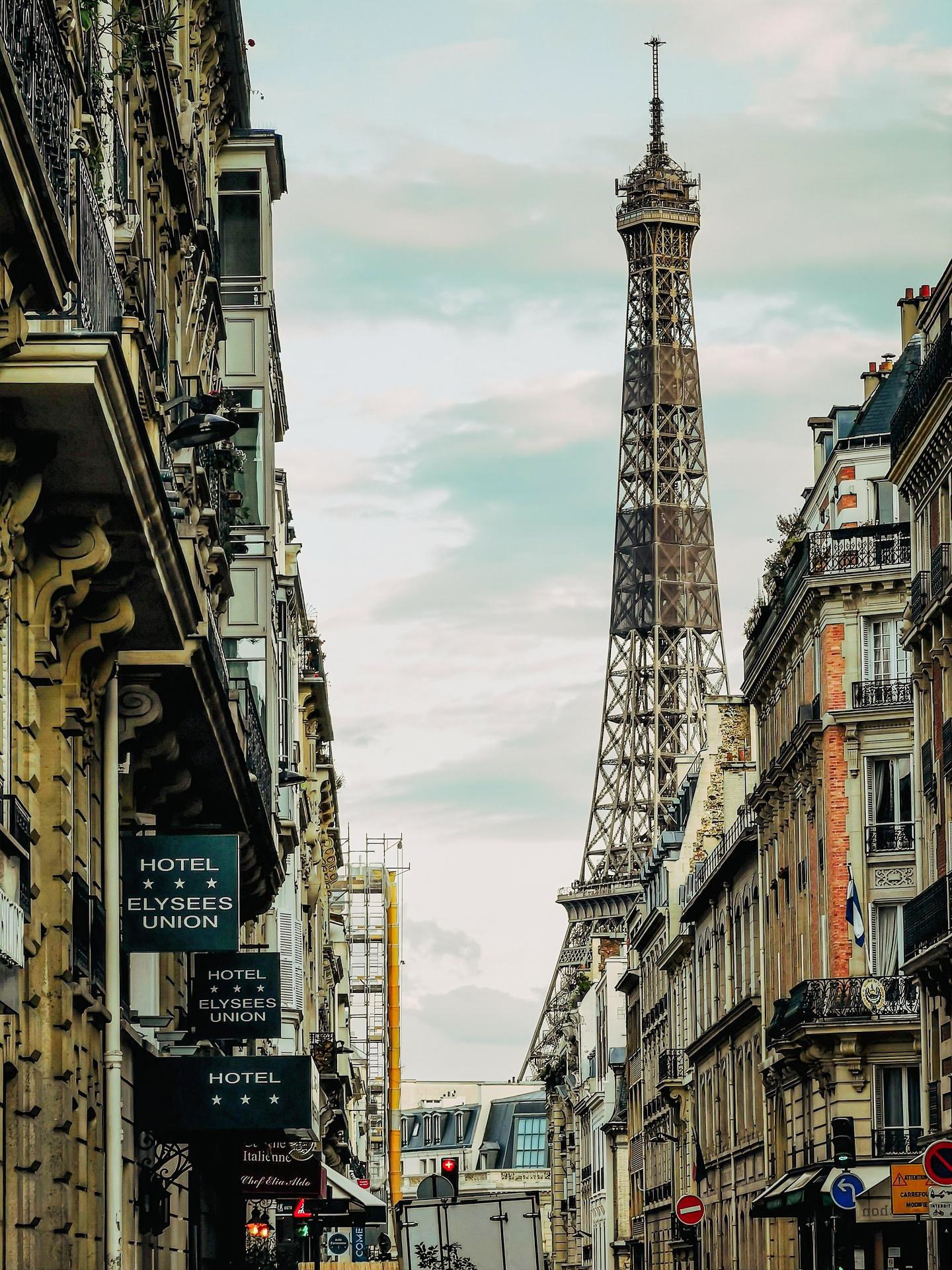
    To observe Paris is to engage in a silent dialogue with time. The city does not merely exist; it breathes through the porous Lutetian limestone of its facades and the rhythmic symmetry of its boulevards. As a living masterpiece, it demands a rejection of the frantic itinerary in favor of the flâneur’s intentional drift. Here, the philosophy of observation reveals that every iron wrought balcony and rain slicked cobblestone is a deliberate brushstroke in a centuries old composition. By slowing our pace, we transition from mere visitors to witnesses of a cultural phenomenon where the boundary between the museum and the street dissolves, leaving only the profound, unhurried resonance of a city that has mastered the art of being.

    The forthcoming exploration will navigate this urban gallery through four distinct movements. We will first examine the structural rhythm of the Haussmannian legacy and the curated stillness found within the hidden courtyards of the Marais. Subsequently, the narrative will shift toward the ethereal interplay of stained glass within the city’s gothic anchors and conclude with the avant garde dialogue between industrial modernity and classical proportions.

    The Structural Rhythm of the Haussmannian Legacy

    The Haussmannian facade is not a mere wall but a rhythmic score written in Lutetian limestone, a geological signature that anchors Paris to its own soil. To observe these structures is to witness the triumph of a unified aesthetic vision where the individual building yields to the collective harmony of the boulevard. The strict horizontal alignment of the second floor balconies, adorned with intricate wrought iron, creates a visual continuum that guides the eye toward the vanishing point of a distant monument. This architectural discipline reflects a profound philosophy of order and light, where the cream colored stone captures the shifting moods of the Parisian sky, turning the city into a vast, monochromatic canvas. Within this grid, the Mansard roofs provide a textured silhouette against the ether, their zinc and slate tiles shimmering like the scales of an ancient, urban creature resting in the quietude of early morning.

    The Curated Stillness of Hidden Marais Courtyards

    Beyond the rhythmic pulse of the grand boulevards lies a more intimate geometry within the private courtyards of the Marais. These secluded spaces, often concealed behind heavy timber carriage doors, serve as the city’s silent lungs where time appears to lose its forward momentum. Here, the architecture of the seventeenth century hôtel particulier reveals a delicate balance between aristocratic grandeur and domestic sanctuary. To enter these enclosures is to step into a curated stillness where the ivy clad walls and moss softened paving stones whisper of a pre industrial elegance. The philosophy of the unhurried traveler finds its zenith here; there is no spectacle to chase, only the subtle interplay of shadow on a sun drenched pediment or the gentle drip of a forgotten fountain. These courtyards represent the internal life of the city, a sanctuary of historical memory preserved within the density of the modern metropolis.

    The Ethereal Interplay of Stained Glass within Gothic Anchors

    To observe the Gothic anchor is to study the physics of transcendence. Within the skeletal stone of the Sainte Chapelle, the wall ceases to be a barrier and becomes a translucent membrane. The method of observation here requires a stationary vigil; one must remain unhurried as the sun charts its arc, watching the floor become a shifting mosaic of deep amethysts and searing rubies. This is not merely a display of light but a deliberate manipulation of the human spirit through medieval optics. By focusing on the leaden cames that bind the glass, the observer recognizes the structural tension that allows such fragility to reach toward the heavens. It is a silent, chromatic liturgy that demands the viewer abandon the temporal for the eternal.

    The Avant Garde Dialogue of Industrial Modernity and Classical Proportions

    The dialogue between the industrial and the classical is best observed where the steel skeletons of the late nineteenth century intersect with the city’s stone foundations. Engaging with this nuance requires an eye for the elegance of the rivet and the curve of the iron beam, as seen in the soaring glass roofs of the Grand Palais. One must look upward to witness how the weightless transparency of glass challenges the gravity of the surrounding masonry. This architectural friction creates a unique urban tension, where the transparency of the modern age is framed by the permanence of the past. Observing these structural intersections reveals the city’s ability to evolve without severing its aesthetic lineage, maintaining a fluid continuity between the age of steam and the age of light.

    The Persistence of the Parisienne Masterpiece

    The enduring resonance of Paris lies not in its individual monuments but in the collective architectural soul that persists through the changing light of centuries. As we transition from the grand boulevards to the secret gardens, we recognize that the city serves as a perpetual exhibition of human intent and aesthetic endurance. To observe Paris is to acknowledge that beauty is a discipline, a deliberate layering of history and stone that refuses to be hurried. This urban tapestry remains an essential reference for the modern spirit, offering a sanctuary where the past is not a relic but a living, breathing participant in the present. It is here, in the unhurried drift, that we truly learn the art of seeing, finding that the city’s greatest gift is the quiet invitation to witness the sublime in the everyday.

    Now that the map has been drawn and the light observed, the threshold of your own discovery awaits; perhaps it is time to set aside the itinerary and begin the walk into the living gallery.

  • The Artistic Rhythm of Hamburg: A Strategic Cultural Guide

    The Artistic Rhythm of Hamburg: A Strategic Cultural Guide

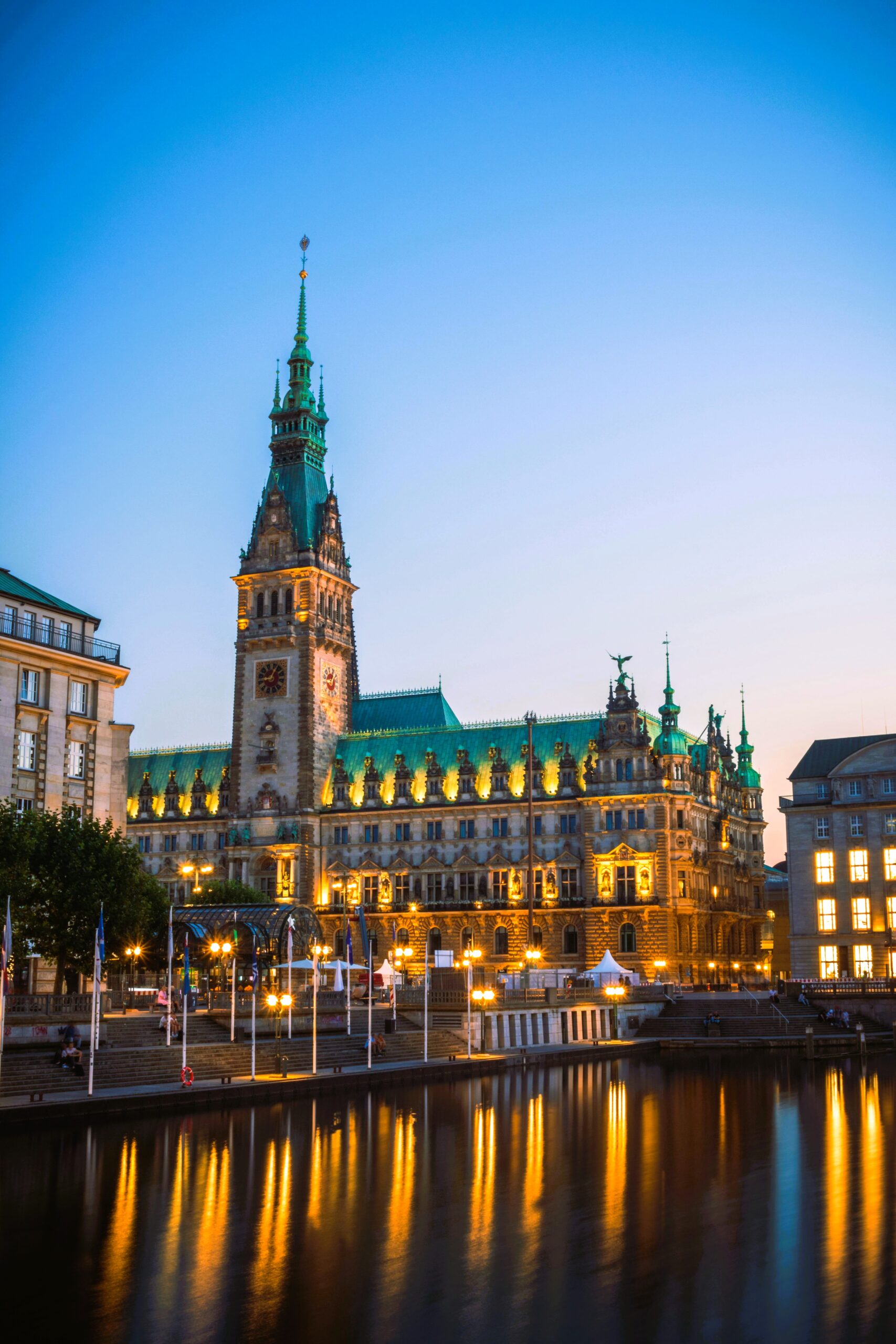
    Hamburg operates on a frequency where industrial grit meets high-concept elegance, creating a landscape that demands a curated approach. To navigate this metropolis effectively, one must look beyond the harbor fog to find a city defined by its sonic history and visual daring. This Hamburg cultural itinerary serves as your navigational compass, tracing the lineage of the Elbe from the neo-Gothic brickwork of Speicherstadt to the contemporary glass waves of the Elbphilharmonie. It is a city of dualities, where the legacy of the Hanseatic League informs a modern, restless creative spirit. By engaging with these curated touchpoints, you witness how Hamburg’s maritime heritage provides the structural bones for its most progressive artistic movements.

    Glass Waves and Historic Resonance

    Hamburg’s sonic identity is built upon a dialogue between tradition and radical innovation, best experienced through its two premier concert halls spanning different eras. The Laeiszhalle offers a warm, neo-Baroque embrace for the classical canon, while the Herzog & de Meuron-designed Elbphilharmonie stands as a crystalline monument to acoustic experimentation perched atop an old brick warehouse. Engaging with the Elbphilharmonie requires strategy, as its visual dominance is matched by the high demand for its performances. To fully appreciate the architectural feat without the pressure of securing a main hall ticket, we recommend visiting the Plaza the public viewing platform sandwiched between the brick base and the glass structure during sunset for an unparalleled auditory and visual panorama of the harbor at work.

    A Linear Odyssey Through Visual Thought

    The Kunstmeile, or Art Mile, is not merely a geographical convenience near the central station, but a curated timeline of European visual culture. The journey begins firmly in the past at the Hamburger Kunsthalle, where northern German medieval masters give way to Caspar David Friedrich’s iconic romantic landscapes, grounding the viewer in regional history. Yet, just a short walk connects this weight of tradition to the Deichtorhallen, converted market halls that now house cutting-edge contemporary photography and abstract installations. Mastering this axis requires pacing, so rather than attempting both monumental institutions in a single sweep, align your visit with the Kunsthalle’s late-night Thursday openings to experience the collections with more breathing room and a distinctively contemplative atmosphere.

    The Gothic Cathedrals of Commerce

    The Speicherstadt stands as a testament to Hamburg’s massive Hanseatic ambition, a UNESCO World Heritage site where utilitarian storage was rendered with almost ecclesiastical reverence in the late 19th century. These neo-Gothic brick canyons, built upon oak piles driven deep into the riverbed, once held coffee, spices, and carpets from across the globe, forming the economic engine of the free city. Today, they offer a melancholic, textured atmosphere that defines Hamburg’s aesthetic profile. While the district is visually striking at any hour, the true architectural drama is revealed when the tide is high, allowing the water of the canals to mirror the intricate facades flawlessly. We advise timing your walk to coincide with twilight, when the electric illumination of the bridges casts deep shadows and highlights the sheer scale of this industrial monument.

    Anarchy and Aesthetics in the Schanze

    Far removed from the polished marble of the Kunsthalle is the Sternschanze, a district where Hamburg’s creative pulse beats with a raw, defiant energy. Formerly a working-class bastion, the area has successfully resisted total gentrification, maintaining a fiercely independent spirit visible in its densely layered street art and cooperative commercial spaces. It is a living, breathing gallery where political statements blur into aerosol murals on every available surface. To understand the current trajectory of Hamburg’s subcultures, one must navigate away from the main thoroughfare of Schulterblatt and explore the smaller side streets housing vinyl shops and design collectives, where the authentic, uncurated voice of the neighborhood remains loudest.

    Rhythmic Pauses in a Vertical City

    Hamburg is a city of vast distances and sharp maritime winds, which can lead to rapid cultural exhaustion if one attempts to conquer it on foot alone. The secret to a sustained engagement lies in embracing the rhythmic transitions between its districts. Rather than viewing the transit system as a mere utility, utilize the city’s extensive ferry network specifically the Line 62 from Landungsbrücken as a floating sanctuary. These public vessels offer a momentary reprieve from the pavement, allowing the architecture of the harbor to slide past at a meditative pace. By alternating intense gallery visits with these aquatic intervals, you preserve the mental clarity necessary to appreciate the finer details of the Hanseatic landscape. It is this balance of kinetic exploration and stillness on the water that transforms a frantic itinerary into a meaningful, rhythmic dialogue with the city’s industrial and artistic heart.

    The Texture of Resilient Brick

    To truly see Hamburg, one must look at the way its red brick absorbs the North Sea light. Unlike the reflective glass of modern skyscrapers, these porous surfaces hold onto the city’s history, showing the soot of industrialization and the salt of the harbor. Observe the subtle shifts in masonry where the old meets the reconstructed, treating the buildings as a manuscript of resilience. Deep understanding of this city comes from touching these cold, rough surfaces in the Speicherstadt or the Kontorhaus district, recognizing that the aesthetic beauty is inseparable from the functional, hardworking identity that built it.

    A Harbor of Perpetual Motion

    Hamburg does not offer the static, preserved beauty of a museum city; it provides the raw, unceasing energy of a port that never sleeps. It is a place where the grandeur of its merchant past is constantly being reinterpreted by the urgency of its creative present. Leaving the city, one carries a sense of its structural weight and its fluid, restless spirit a combination that ensures its cultural relevance remains as deep as its harbor. The rhythm of the Elbe continues regardless of the viewer, making every return to its banks a new encounter with a city that is perpetually becoming itself.

  • The Artistic Rhythm of Manchester: A Strategic Cultural Guide

    The Artistic Rhythm of Manchester: A Strategic Cultural Guide

    Manchester does not wear its culture like a museum exhibit; it wears it like a second skin, weathered by rain and industrial grit but vibrating with a restless, modern energy. To understand the culture in Manchester, you have to look past the gallery walls and into the red-brick alleys of the Northern Quarter or the towering glass of Aviva Studios. This is a city where the past—the steam engines and the radical protests—is constantly being repurposed into the creative fuel of the present. Whether it is the rhythmic pulse of its world-famous music legacy or the quiet precision of its scientific breakthroughs, the city’s identity is built on a foundation of making things happen. It is a living, breathing rhythm of rebellion and innovation.

    Red-Brick Industrialism – The Architectural Backbone of Innovation

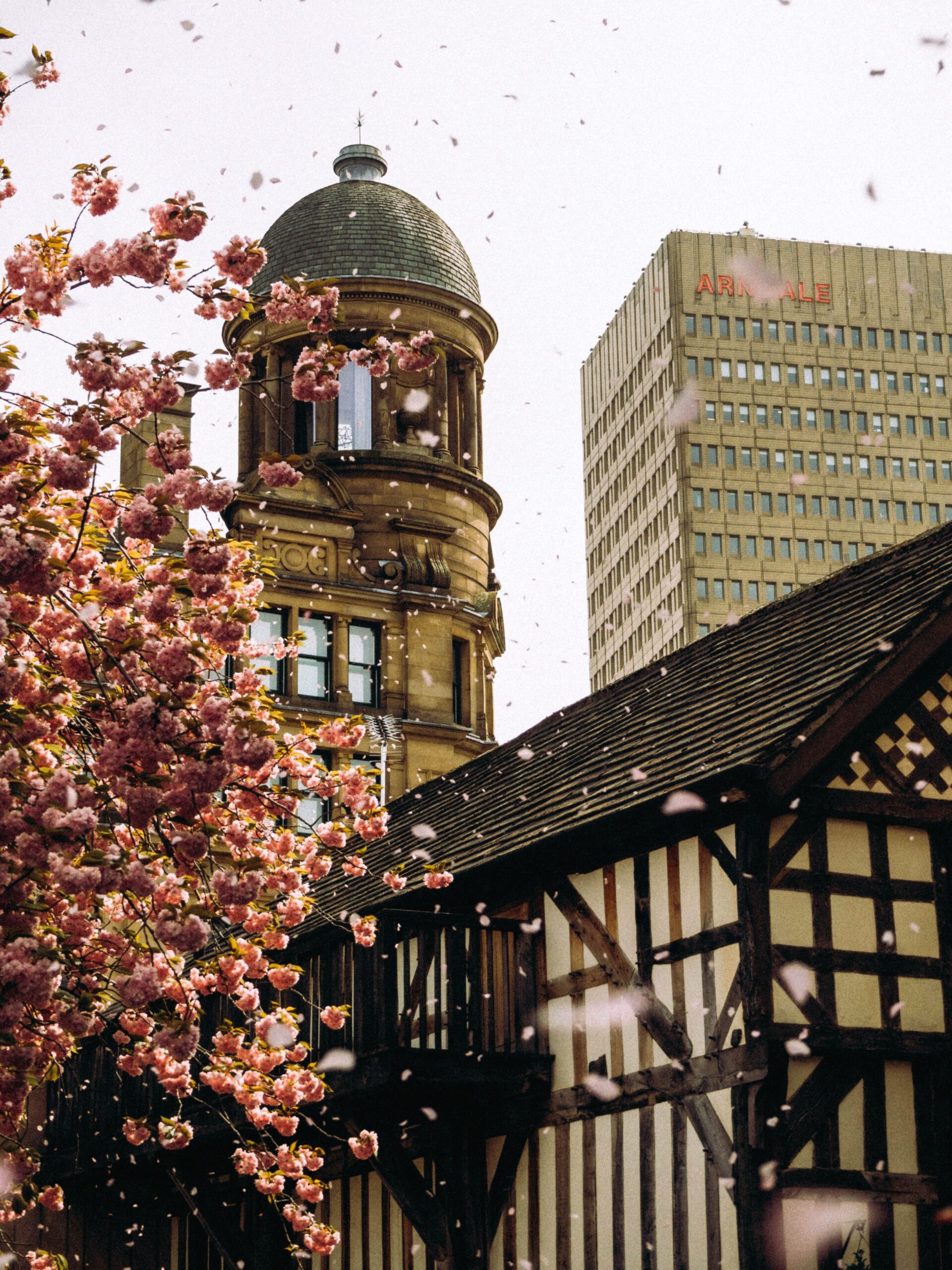
    The physical identity of Manchester is inseparable from the deep ochre and burnt sienna of its Victorian warehouses. These structures are not merely relics of the cotton trade; they are the sturdy containers for the city’s modern creative economy. Walking through Ancoats or Castlefield, you see how the heavy masonry and iron-framed windows have transitioned from sites of grueling labor into hubs for digital agencies and independent lofts. This architectural continuity provides a sense of permanence and grit that defines the Mancunian spirit. To truly appreciate this aesthetic, you should wander through the backstreets of Ancoats during the blue hour when the streetlamps catch the texture of the weathered brick. This landscape serves as a constant reminder that Manchester is a city built on the concept of work, where the functional beauty of the past informs the ambitious design of the future.

    The Sonic Landscape – The Visual Language of Musical Rebellion

    Manchester’s identity is etched into its soundscapes, moving from the stark, monochrome minimalism of the Factory Records era to the neon-drenched energy of its contemporary club scene. Music here is a civic duty rather than just entertainment, a legacy that transformed abandoned basements into the legendary Haçienda and later into global cultural landmarks like Aviva Studios. This sonic history is reflected in the city’s graphic design, which often favors bold, industrial typography and high-contrast visuals. For a deeper connection to this rhythm, visit the independent vinyl shops of the Northern Quarter where the walls are covered in gig posters that map the city’s evolving subcultures. The music scene acts as a bridge between generations, ensuring that the rebellious energy of 1970s punk remains alive within the high-tech, immersive performances that define the city’s international reputation in 2026.

    Urban Rebellion – The Living Canvas of the Northern Quarter

    The Northern Quarter functions as the city’s unfiltered creative heart, where the boundary between public space and private expression is permanently blurred. It is a neighborhood characterized by a refusal to conform, evidenced by the layering of street art, wheat-pasted manifestos, and the iconic Cypher typeface that appears across local storefronts. This area represents the city’s democratic approach to art, where world-class murals sit alongside amateur tags in a state of constant flux. You can find the most authentic examples of this by exploring the narrow side streets like Stevenson Square, where the art is frequently updated to reflect current social movements. This culture of urban rebellion ensures that the city never feels finished or stagnant; instead, it remains a playground for designers and activists who view the city walls as a medium for dialogue rather than just a boundary.

    Navigating the City Without Fatigue

    Manchester is best experienced as a series of connected neighborhoods rather than a checklist of sites. To avoid the cultural exhaustion of rushing between major institutions, start your day in the northern end of the city center, where the morning light hits the red-brick warehouses of Ancoats. From there, it is a short, rhythmic walk into the Northern Quarter for coffee and independent design. By the time you reach the more expansive, glass-fronted developments of the city’s newer quarters, the shift in architectural scale feels like a natural progression rather than a jarring change. The most effective way to navigate this flow is to use the city’s comprehensive tram network for longer stretches, allowing your legs a rest while you observe the transition from industrial heritage to modern innovation. By spacing out the high-density art spaces with slow walks through the city’s historic backstreets, you maintain a steady energy that matches the city’s own tireless pace.

    The Thoughtful Observation

    To truly see Manchester, you must look up above the modern shopfronts. The city’s true character is often found in the ornate terracotta carvings, hidden stone mascots, and weathered signage of the upper stories of Victorian buildings. These details tell the story of a city that once had the wealth and the ego to decorate even its most functional warehouses with artistic flourish. When you stop looking at eye level and start observing the rooflines, the layers of the city’s history begin to reveal themselves in a way that no guidebook can replicate.

    Manchester does not ask for your approval; it simply exists in a state of constant, restless creation. It is a city where the grit of the industrial past provides the friction necessary for modern sparks to fly. Whether you are drawn to the radical history of its streets or the high-tech future of its laboratories, the artistic rhythm here is authentic, unpretentious, and deeply human. The culture in Manchester is not a static object to be viewed, but a momentum to be joined.