
Most travelers treat Granada as a logistical box to check, rushing through the Alhambra before catching a train out of the province. This frantic pace misses the city’s functional nuance. The most common error is failing to secure Nasrid Palace entries months in advance, resulting in wasted hours at the gate. Another is tackling the vertical incline of the Albaicín during the midday heat without a logistical plan. This guide fixes these frictions by prioritizing an unhurried cadence, focusing on the best things to do in Granada without the typical tourist fatigue. By sequencing landmarks based on elevation and light quality, you reclaim the experience from the crowds. Strategic timing transforms a standard checklist into a deliberate encounter with Andalusia’s final Moorish stronghold.
The Alhambra – Islamic Architectural Precision and Strategic Timing
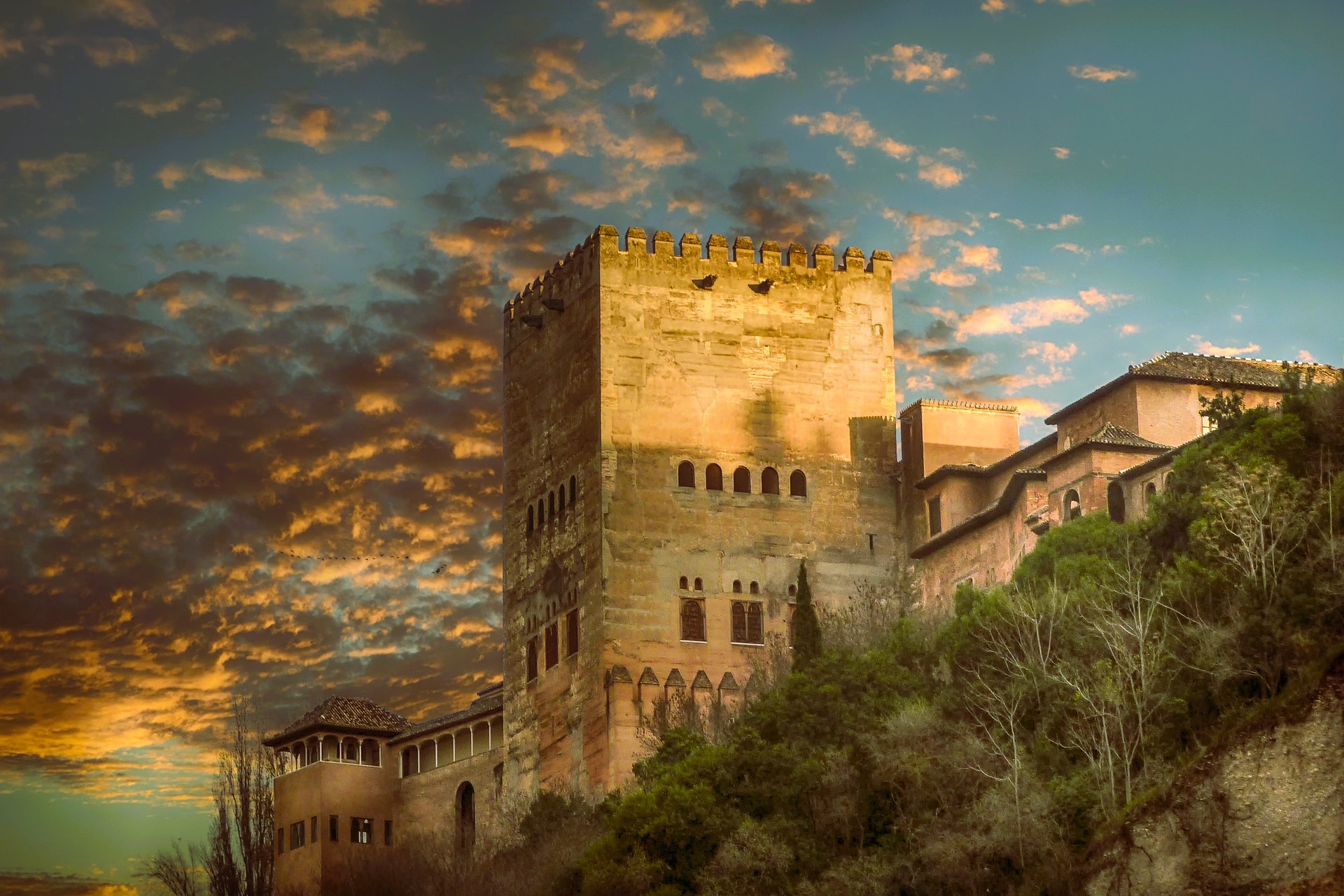
The Alhambra represents the zenith of Moorish sophistication in Western Europe, serving as both a defensive fortress and a poetic residence for the Nasrid dynasty. For the thoughtful traveler, this site is less about a massive checklist and more about observing the interplay between geometric tilework and the hydraulic engineering of the Generalife gardens. It matters today because it preserves a rare, non Western architectural philosophy that prioritizes internal reflection over external display. To experience the Nasrid Palaces without the oppressive mid morning crowds, secure the earliest possible time slot ideally at 8:30 AM and bypass the main entrance by walking up the Cuesta de Gomérez, which offers a shaded, atmospheric ascent through the woods that feels far more intentional than the shuttle bus. This approach ensures you reach the threshold before the heat and the heaviest tour groups compromise the site’s inherent tranquility and contemplative atmosphere.
The Albaicín District – Medieval Moorish Urbanism and Panoramic Views
As the city’s oldest Moorish quarter, the Albaicín is a functional lesson in medieval urban planning designed for climate control and privacy. Its narrow, winding streets create a natural wind tunnel, offering cooler temperatures than the modern city center below. The significance for a modern visitor lies in the district’s ability to resist total modernization, maintaining its status as a living neighborhood where jasmine overlaps with private garden carmens. Rather than joining the noisy crowd at the Mirador de San Nicolás for the typical sunset view, continue walking higher to the Mirador de San Cristóbal, where the perspective of the Alhambra against the Sierra Nevada is broader and significantly more peaceful. Approaching the district by foot along the Darro river allows for a slow transition into this labyrinthine space, rewarding those who value observational depth over a quick photographic summary of the skyline.
Granada Cathedral and Royal Chapel – Spanish Renaissance Power and Historical Transition
The Granada Cathedral and the adjacent Royal Chapel serve as a stark aesthetic pivot point, marking the definitive transition from Islamic rule to the Spanish Renaissance. While the exterior is often crowded by the surrounding market streets, the interior volume of the cathedral offers a cold grandeur that illustrates the immense political and religious ambitions of the sixteenth century. Modern travelers find value here in understanding the physical layering of history, as these structures were built directly over the city’s former Great Mosque. For a more cohesive understanding of this architectural shift, enter the Royal Chapel first to view the resting place of Ferdinand and Isabella before transitioning into the main cathedral. To avoid the primary queue on the Plaza de las Pasiegas, use the smaller entrance on Gran Vía de Colón during the late afternoon when the white limestone interior is illuminated by the lowering western sun.
The Sacromonte Caves – Romani Heritage and Troglodyte Architecture
The Sacromonte Caves offer a distinct immersion into the city’s Romani heritage, defined by white washed troglodyte dwellings carved directly into the steep hillsides. For a thoughtful strategist, this area represents the intersection of geography and social history, far removed from the polished marble of the lower districts. It matters because it reveals the gritty, resilient underbelly of Andalusia’s cultural evolution, specifically regarding the development of flamenco music. While many visitors stop at the lower cave bars for commercialized shows, a more strategic approach involves walking to the very top of the neighborhood to visit the Museo Cuevas del Sacromonte, which explains the environmental logic of cave living without the distraction of tourist centric performances. Observing the sunset from these higher, unpaved paths provides a raw perspective of the Alhambra across the valley, grounding the best things to do in Granada within a genuine, topographical context.
Monasterio de San Jerónimo – Hieronymite Grandeur and Plateresque Art
The Monasterio de San Jerónimo serves as a quiet sanctuary of Hieronymite grandeur, offering a reprieve from the heavy foot traffic of the central monuments. This landmark is essential for those observing the transition to the Spanish Renaissance, particularly through the lens of military history and Plateresque iconography. The main chapel, containing the tomb of the legendary general Gonzalo Fernández de Córdoba, is an exercise in complex artistic scale and religious ambition. Unlike the often congested Cathedral, this cloister allows for a slower, more analytical pace among the orange trees and gothic arches. To see the most impressive details without the usual glare, pay close attention to the second floor choir stalls where the woodwork remains exceptionally preserved. It remains one of the best things to do in Granada for travelers who value architectural detail and historical silence over a high volume, checked box itinerary.
The Alcaicería – Silk Market History and Artisanal Souvenirs
The Alcaicería is a localized remnant of the once vast Moorish silk market, now characterized by a labyrinth of narrow alleys selling traditional Fajalauza ceramics and Taracea woodwork. This site offers a tactile connection to the city’s commercial past, providing a dense, sensory environment that contrasts with the expansive vistas of the Albaicín. It matters to the modern traveler as a study in Islamic urban commercialism, where the architecture itself dictated the flow of trade and security. Rather than entering through the main plaza where crowds often stagnate, approach the market from the Calle de los Mesones side to find a more fluid path through the specialized workshops. Navigating this space early in the morning allows you to observe the merchants setting up their displays, making it one of the best things to do in Granada for those interested in artisanal continuity and urban history.
A 3 Day Strategic Itinerary
Granada’s layout rewards a tiered approach to exploration that respects the city’s verticality and optimizes the best things to do in Granada. Begin your first day at the Alhambra to capitalize on early light and lower energy levels, then descend into the central district to navigate the narrow aisles of the Alcaicería. On the second day, focus on the ecclesiastical core by visiting the Granada Cathedral and Royal Chapel. Since the Monasterio de San Jerónimo is located just a short walk to the west, it serves as a logical afternoon stop to escape the midday central bustle. Devote your final day to the eastern heights, traversing the steep, labyrinthine streets of the Albaicín neighborhood before crossing into the adjacent Sacromonte district. This sequence ensures you move through different elevations with a consistent walking rhythm that minimizes physical fatigue while maximizing observational depth.
The Unhurried Mindset
The defining pulse of Granada is found in the transition from light to shadow within its narrowest alleys. The unspoken rule for a proper encounter with the city is to prioritize patience over pace; the terrain is designed to slow you down, and resisting this reality only leads to exhaustion. To experience the city soulfully, find a stone bench in a quiet plaza away from the main thoroughfares and simply observe the way the light hits the Sierra Nevada peaks. This quietude allows the historical layers of the city to settle, shifting your perspective from that of a spectator to a witness of Granada’s enduring character.
Expanding your journey through Andalusia requires a similar strategic lens, as the neighboring cities of Cordoba and Seville offer their own distinct historical layers. Understanding the regional context of the Nasrid dynasty and the subsequent Christian conquest provides a complete map of the Spanish identity. For those seeking to deepen their tactical knowledge of the Iberian Peninsula, our upcoming guides offer refined itineraries for the thoughtful traveler. Move with intention, observe with clarity, and let the architecture tell the story.
Leave a Reply