
Athens is often treated as a 48-hour layover a hot, crowded dash to the Parthenon before fleeing for the islands. But the secret to mastering the city isn’t just about checking boxes; it’s about timing. To truly enjoy the best things to do in Athens, you have to navigate the friction between ancient scale and modern urbanity.
Whether you’re hunting for the perfect sunset over the Saronic Gulf or navigating the steep marble of the “High City,” success depends on these visiting Athens tips: go early, stay late, and look beyond the stone. This Athens travel guide balances the heavy-hitters with the slow-burn neighborhoods where the city’s real 2026 “renaissance” is happening far away from the cruise ship surges.
Acropolis of Athens – The Ultimate Blueprint of Western Civilization
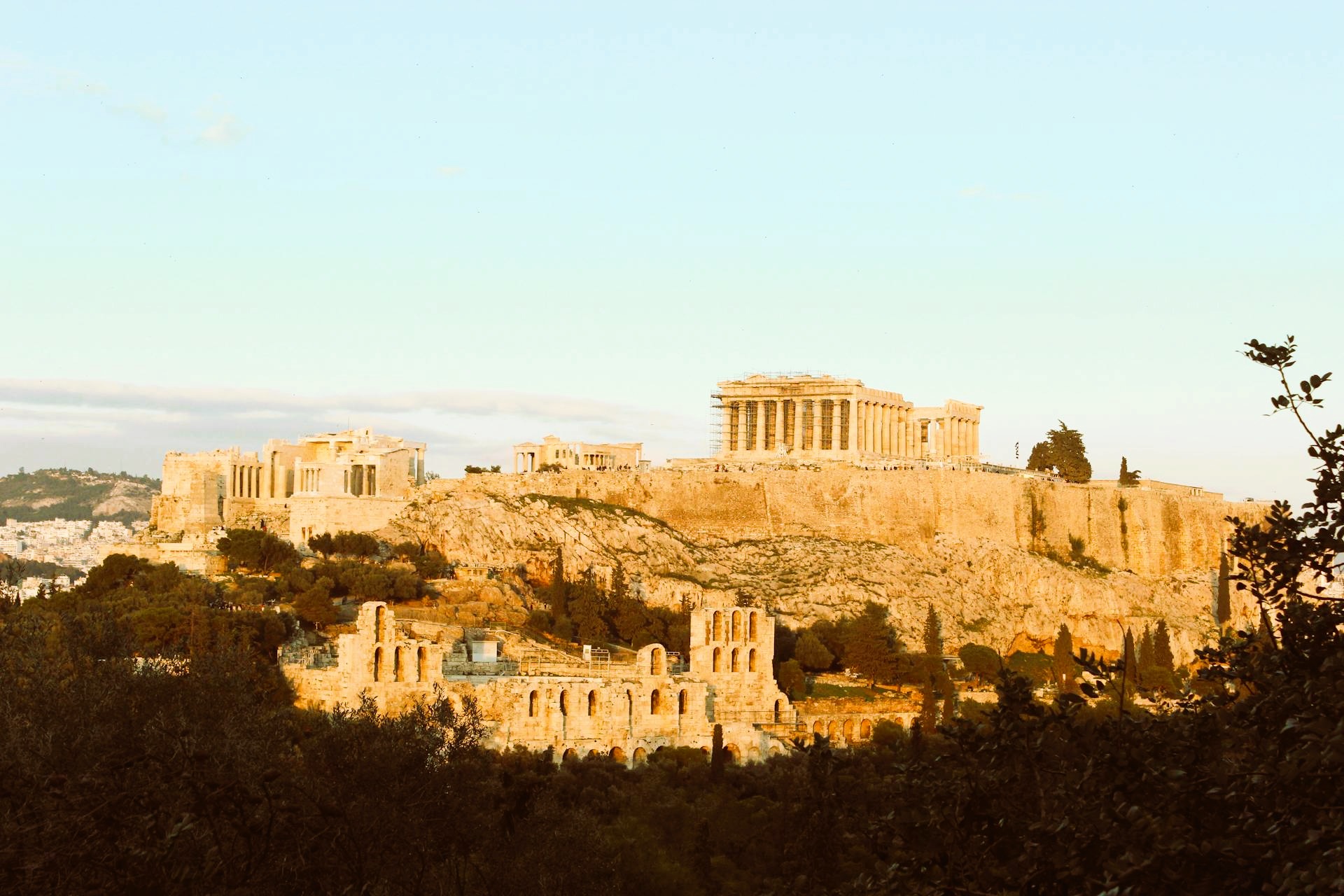
Standing atop the “High City” is more than a history lesson; it is an exercise in scale and endurance. As the primary pillar of any Athens travel guide, the Acropolis provides a 360-degree orientation of the Attic basin that helps you understand the city’s chaotic layout. In 2026, the experience is defined by the mandatory timed-entry system, which has significantly thinned the once-stifling crowds, allowing for a more meditative pace. You aren’t just seeing ruins; you are walking through the birthplace of democracy and theater. The sheer engineering of the Propylaea and the delicate Caryatids of the Erechtheion offer a physical connection to the 5th century BC that feels surprisingly immediate. Despite the modernization of the paths, the ascent remains rugged and steep, rewarding the effort with a perspective on Western heritage that no textbook can replicate.
Practical Expert Tip: Book the 8:00 AM slot via the official Hellenic Heritage portal at least three weeks in advance. Enter through the “South Slope” gate near the Acropolis Metro to see the Theater of Dionysus first and bypass the massive tour bus queues at the main western entrance.
Acropolis Museum – A High-Tech Lens on Ancient Art
Often cited in visiting Athens tips as the best “midday escape,” this museum is a climate-controlled masterclass in contextual architecture. Designed by Bernard Tschumi, the building sits on stilts over an excavated Byzantine neighborhood, visible through glass floor panels as you enter. The museum’s utility lies in its “reconstruction” of the Acropolis experience; the top floor is rotated precisely to align with the Parthenon itself, allowing you to see the marbles in the exact orientation they once held. The vibe is sophisticated and airy, a sharp contrast to the dusty heat of the ruins. Watching the natural light change on the surviving statues specifically the five original Caryatid “Maidens” bridges the gap between archaeological fragments and living history. It provides the intellectual “why” to the physical “what” you witnessed on the hill, making the complex history of the site digestible and visually stunning.
Practical Expert Tip: Visit on Friday evenings when the museum stays open until 10:00 PM. The restaurant terrace offers one of the most prestigious (and relatively quiet) dinner views of the illuminated Acropolis in the entire city.
Ancient Agora – The Social Heart of Classical Democracy
If the Acropolis was for the gods, the Ancient Agora was for the people. This sprawling site ranks among the top attractions in Athens because it offers a “lived-in” feel that the citadel lacks. This was the commercial and political hub where Socrates debated and the first judicial systems were tested. The utility here is the variety: you have the Temple of Hephaestus the most perfectly preserved Doric temple in Greece and the Stoa of Attalos, a fully reconstructed 2nd-century BC shopping mall that now houses the Agora Museum. Walking the Panathenaic Way, you feel the city’s pulse as it moved 2,500 years ago. The vibe is greener and more park-like than other sites, offering pockets of shade and a sense of wandering through an ancient neighborhood rather than a sterile monument. It is the best place to visualize the daily friction of Athenian life.
Practical Expert Tip: Use the “Multi-Site Combo Ticket” here to save money if you plan on seeing the nearby Roman Agora. Enter from the Adrianou Street side to immediately access the Stoa of Attalos for a shaded, chronological overview of the site’s artifacts before heading to the sun-exposed temple.
Panathenaic Stadium – A High-Octane Journey Through Olympic History
As one of the premier top attractions in Athens, the “Kallimarmaro” offers a visceral connection to the “Experience Economy” by allowing visitors to actually run the track where the 1896 Olympic revival began. Unlike static ruins, this site encourages physical interaction; you can climb the steep tiers, walk the vaulted athletes’ tunnel, and stand on the podium for a photo. The vibe is one of triumphant scale and symmetry. While many travelers simply snap a photo from the fence, paying for entry provides access to the Olympic museum inside the stone passage, housing rare torches and posters. It’s an essential stop for sports enthusiasts and those seeking a tangible link between ancient Greek athletic ideals and the modern global stage. The sheer reflective power of the white marble under the Mediterranean sun makes it a sensory, high-contrast highlight of any trip.
Practical Expert Tip: Visit during the “Golden Hour” (one hour before sunset) when the marble glows orange; then, head to the nearby “Odeon” cafe in the Pangrati neighborhood for a local freddo espresso away from the tourist crowds.
Temple of Olympian Zeus – A Lesson in Colossal Scale
This site represents the “Experience Economy” through the lens of awe and monumental ambition. Once the largest temple in Greece, its few remaining columns each standing 17 meters tall deliver a sense of scale that even the Parthenon struggles to match. When considering visiting Athens tips, this site is often recommended for its central location and the way it anchors the city’s modern traffic with ancient gravity. The vibe here is one of peaceful desolation; the vast, grassy field provides a buffer from the surrounding city noise. It serves as a reminder of the long Roman period of Greek history, having been completed by Emperor Hadrian. For the traveler, it offers a quick but high-impact visual that emphasizes the sheer audacity of ancient construction projects, making it a staple of any comprehensive Athens travel guide.
Practical Expert Tip: Use the side entrance on Vasilissis Amalias Avenue to avoid the main gate lines; it also places you directly next to Hadrian’s Arch, allowing you to “check off” two major monuments in one fluid movement.
Mount Lycabettus – The Ultimate Panoramic Reward
Lycabettus is the pinnacle of the Athenian “Experience Economy,” offering the most comprehensive visual payoff in the city. Rising 277 meters above sea level, it provides the “big picture” perspective that helps travelers synthesize everything they have seen on the ground. The vibe at the top is celebratory, especially at dusk when the whitewashed Chapel of St. George begins to glow and the city lights flicker on below. It is the perfect strategic bookend to a trip, allowing you to identify the top attractions in Athens from a bird’s-eye view. Whether you choose the fitness-focused hike up the pine-clad slopes or the high-tech funicular ride through the mountain’s interior, the experience is about the transition from urban grit to breezy, limestone heights. It is where the scale of Athens truly becomes understandable.
Practical Expert Tip: Skip the overpriced tourist restaurants at the very top; instead, take the funicular up for the view, but walk down the stairs to the Dexameni square in Kolonaki for authentic mezedes at the historic outdoor café.
How to Spend 3 Perfect Days in Athens: A Strategic Itinerary
To maximize your time without succumbing to “ruin fatigue,” structure your visit by neighborhood clusters. This approach minimizes transit time and keeps you within walking distance of the city’s best local haunts.
Day 1: The Historical Core. Start with an 8:00 AM ascent to the Acropolis, followed by the Acropolis Museum. Spend your afternoon wandering the cobblestone labyrinth of Plaka and the island-esque alleys of Anafiotika. End with a sunset drink in Monastiraki, where the ancient and modern collide.
Day 2: The Civic Heart. Head to the Ancient Agora in the morning to beat the heat. Afterward, walk through the National Gardens to reach the Panathenaic Stadium. In the evening, explore the trendy Pangrati or Koukaki neighborhoods for an authentic, non-touristy dinner.
Day 3: The Grand Finale. Start at the Temple of Olympian Zeus before taking the Metro to the upscale Kolonaki district. Browse the boutiques and galleries before taking the funicular up Mount Lycabettus for a final panoramic goodbye.
This flow leverages the efficiency of the Athens Metro while ensuring you experience the distinct “micro-vibes” of each central district.
Quick Travel Facts (FAQ)
When is the best time to visit Athens? Target the shoulder seasons: April to early June or September to October. You’ll enjoy mild temperatures (20°C–25°C) and significantly thinner crowds than the sweltering July-August peak.
What is the “must-try” local dish? Beyond the standard gyro, seek out Moussaka at a traditional basement taverna. For a quick snack, grab a Spanakopita (spinach and feta pie) from a local bakery like Ariston it is the quintessential Athenian fuel.
How do I get around the city? The Athens Metro is fast, clean, and archaeological in itself (many stations display artifacts found during excavation). For a flat fare, use the “Tap2Ride” feature with your contactless card, or grab a 3-day tourist pass if you’re arriving via the airport.
Leave a Reply