Author: Unhurried Traveler

  • 12 Best Things to Do in Prague: A Local’s Guide to the Heart of Bohemia

    12 Best Things to Do in Prague: A Local’s Guide to the Heart of Bohemia

    Prague’s medieval charm is no secret, but navigating the “City of a Hundred Spires” without a strategy often leads to overpriced tourist traps and crowded bottlenecks. Whether you are dodging the midday rush on the Vltava or hunting for a quiet cellar bar in Vinohrady, finding the best things to do in Prague requires a balance of iconic history and local cadence.

    This Prague travel guide cuts through the noise, offering a utility-first approach to the Czech capital. We prioritize the gravity of Gothic spires and the crisp pour of a fresh Pilsner over generic sightseeing. From the shadow of the Castle to the hidden gardens of Malá Strana, here is how to navigate the city’s architectural weight and culinary depth without feeling like just another face in the crowd.

    Prague Castle – The World’s Largest Ancient Fortress Complex

    Prague Castle isn’t just a single building; it’s a sprawling 70,000-square-meter complex that holds the Guinness World Record for the largest ancient castle. Dominating the Hradčany district, it serves as the official seat of the Czech President and a repository for the Bohemian Crown Jewels. Search data confirms its status as the most visited site in the country because it provides a vertical history of Europe, from Romanesque basements to Gothic spires. When considering visiting Prague tips, the utility here lies in the “Circuit Ticket,” which grants access to the stunning St. Vitus Cathedral and the colorful Golden Lane. You’ll witness the weight of centuries in the stone walls and the intricate, modern stained glass within the cathedral. It’s a physical manifestation of Czech resilience that requires at least half a day to explore.

    Practical Expert Tip: Skip the main Hradčany Square entrance to avoid the longest security lines; instead, take Tram 22 to the ‘Pražský hrad’ stop and enter through the 2nd Courtyard side gate near the bridge.

    Charles Bridge – A 14th-Century Gothic Masterpiece

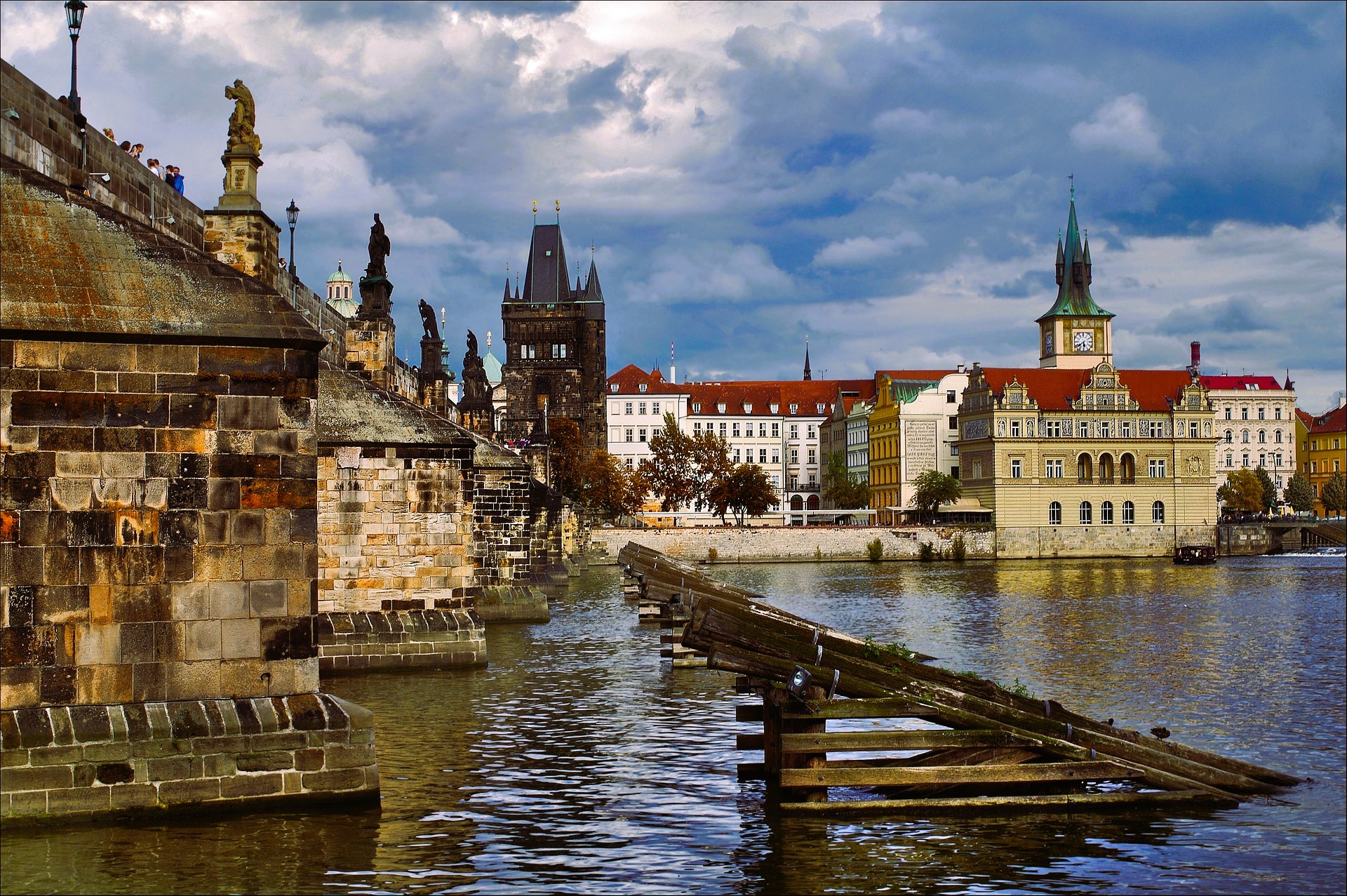
    Completed in the early 15th century, the Charles Bridge is the quintessential Gothic link between the Old Town and the Lesser Town. Commissioned by Charles IV, this stone bridge replaced the flood-damaged Judith Bridge and is famously protected by 30 Baroque statues of saints. As one of the top attractions in Prague, it sees millions of visitors annually, yet it maintains an ethereal, cinematic quality especially when the gas lamps flicker on at dusk. Beyond its visual appeal, the bridge serves as a functional pedestrian artery, bustling with local painters and jazz musicians during the day. Travelers will experience the tactile history of the worn sandstone and the panoramic views of the river. It’s a masterpiece of civil engineering that has survived centuries of floods and wars, standing today as a symbol of the city’s endurance.

    Practical Expert Tip: To experience the bridge without the crush of tour groups, arrive before 7:00 AM; the “Golden Hour” light hitting the Vltava provides the city’s best photography conditions without any crowds.

    Old Town Square – The Historic Epicenter and Astronomical Wonder

    Serving as the city’s main marketplace since the 12th century, Old Town Square is a dense concentration of architectural styles ranging from the Gothic spires of Týn Church to the Baroque facade of St. Nicholas. This area is a staple of any Prague travel guide because it houses the world’s oldest functioning Astronomical Clock (Orloj). Every hour, crowds gather to watch the “Procession of the Apostles,” a mechanical marvel that has captivated visitors since 1410. Beyond the clock, the square is the site of historic executions and celebrations, making it the emotional heart of the Czech people. Travelers will see a vibrant mix of history and modern life, where horse-drawn carriages share space with street performers. The utility here is in its central location, making it the perfect orientation point for exploring the surrounding medieval alleyways.

    Practical Expert Tip: Avoid the midday crowd crush at the clock’s base; instead, book a ticket for the Old Town Hall Tower to watch the mechanical procession from the inside for a unique, close-up perspective.

    St. Vitus Cathedral – The Gothic Crown of the Czech Capital

    While located within the Castle grounds, St. Vitus is an experience unto itself, representing the pinnacle of European Gothic design. For those following a Prague travel guide, this cathedral is the ultimate “value” stop because the first third of the nave is free to enter, offering a glimpse of Art Nouveau master Alfons Mucha’s stained glass. It is worth the ticket price for the “experience economy” seeker who wants to stand in the coronation site of Bohemian kings. You’ll witness a literal timeline of architecture, from the 14th-century Golden Gate to the 20th-century finishing touches. It offers a spiritual weight and artistic depth that few cathedrals globally can match. As a cornerstone of top attractions in Prague, its scale and the vibrant light play inside make it a sensory-heavy highlight of any itinerary.

    Practical Expert Tip: To avoid the massive morning tour groups, visit exactly 90 minutes before closing when the light hits the stained glass at its most dramatic angle and the echoes of the nave are undisturbed.

    Petřín Lookout Tower – The Eiffel Tower of Bohemia

    Rising 63 meters above the city’s highest hill, this 1891 steel-framework tower offers the best 360-degree views in the region. It’s an essential stop for travelers who value the “experience” of perspective; on clear days, you can see across the Bohemian landscape to the Giant Mountains. Following visiting Prague tips, this spot is best reached by the historic funicular, which turns a steep climb into a scenic journey. The vibe is decidedly “slow travel,” surrounded by rose gardens and orchards that provide a quiet respite from the stone-heavy city center. It’s a low-cost, high-reward activity that provides the physical context of Prague’s layout. Whether you’re a photographer or a family seeking open space, Petřín bridges the gap between urban density and hilltop tranquility, making it a functional and aesthetic must-see.

    Practical Expert Tip: Skip the elevator line and the fee by walking the 299 stairs; not only is it cheaper, but the staggered platforms offer unique, uncrowded photo ops at different heights.

    Vyšehrad – The Ancient Fortress Above the River

    Often overlooked by those rushing through a standard Prague travel guide, Vyšehrad is the city’s “hidden in plain sight” masterpiece. This 10th-century fortress is where the legend of Prague began, offering a more atmospheric, local experience than the crowded Castle District. The utility here is the combination of free public park space, the stunning neo-Gothic Basilica, and the Vyšehrad Cemetery the final resting place of national icons like Dvořák. It caters to the traveler looking for depth over checklists, providing a hauntingly beautiful vibe that feels intimate and authentic. You’ll walk along 17th-century ramparts that offer the most dramatic views of the river’s bend without the shoulder-to-shoulder crowds. It’s an essential site for understanding the mythic roots of the Czech nation while enjoying a peaceful, sunset stroll.

    Practical Expert Tip: After exploring the ramparts, head to the nearby ‘Hospoda Na Hradbách’ a local beer garden tucked within the fortress walls that serves excellent Balkan grilled meats and craft beer with a view.

    How to Spend 3 Perfect Days in Prague: A Strategic Itinerary

    Maximize your time by grouping the city’s top attractions in Prague by district to minimize transit and maximize the “slow travel” experience.

    Day 1: The Medieval Core. Start at Old Town Square to witness the Astronomical Clock’s morning chime. From here, it is a short, scenic walking distance through the winding Karlova street to the Charles Bridge. Spend your afternoon getting lost in the narrow alleys of the Old Town.

    Day 2: The Royal Heights. Cross the river to the Malá Strana neighborhood. Dedicate your morning to the Prague Castle complex and the towering St. Vitus Cathedral. In the afternoon, take the historic funicular up to Petřín Lookout Tower for sunset views.

    Day 3: Legends & Local Life. Head south via public transport to the peaceful fortress of Vyšehrad. This area is perfect for a quieter morning stroll before heading back toward the New Town riverfront for a local beer.

    Quick Travel Facts

    You’ll enjoy mild weather and fewer crowds than the peak summer heat or the freezing (but festive) December market rush.

    Top Local Dish: You cannot leave without trying Svíčková na smetaně tender beef sirloin in a creamy root vegetable sauce, served with bread dumplings and a dollop of cranberry jam.

    How to Get Around: Prague has one of Europe’s best public transport networks. Use the PID Lítačka app to buy a 72-hour pass, which covers all red trams, the metro, and even the Petřín funicular.

    Discover Beyond the Spires

    While these landmarks define the capital, the rest of the Czech Republic offers a wealth of Bohemian glassworks, Moravian wine cellars, and UNESCO-listed towns like Český Krumlov just a short train ride away.

    The Bottom Line: Prague is a city where every stone tells a thousand-year-old story; stop planning and start your journey into the heart of Europe by securing your Castle tickets and flight today.

  • The Amber Hour: Best Things to Do in Zanzibar for the Patient Traveler

    The Amber Hour: Best Things to Do in Zanzibar for the Patient Traveler

    The air in Stone Town carries the thick, sweet weight of cloves and drying salt, a scent that has remained unchanged since the dhows first docked in the ninth century. Here, the clock is secondary to the tide. While many travelers rush toward the northern beaches, the true spirit of the archipelago is found in the pauses the lingering steam of a spiced tea on a rooftop or the rhythmic chip of a woodcarver’s chisel in a shaded alley. Finding the best things to do in Zanzibar requires a surrender to pole pole (slowly, slowly). It is a destination that rewards the patient, where the layered Omani and Swahili history unfolds through the shifting gold light of a late Indian Ocean afternoon rather than a frantic itinerary.

    Mtoni Palace Ruins – A Whisper of Omani Royalty

    Walking through Mtoni Palace is an exercise in listening to silence. Once the grandest residence on the island, the 19th-century palace now stands as a skeletal beauty of coral stone and lime. As you wander through the open-roofed chambers where Sultan Sayyid Said once held court, the scent of damp earth and sea spray replaces the perfume of royalty. It is a must-visit because it lacks the manicured artifice of typical museums; here, nature is slowly reclaiming history. The hauntingly beautiful remains offer a tactile connection to the Sultanate’s past, providing a quiet space to contemplate the transience of power while watching the Indian Ocean glimmer through empty window frames. It is the definitive starting point for anyone seeking the island’s “Spice Island” origins beyond the bustling markets.

    Unhurried Tip: Time your visit for the late afternoon when the heat breaks and the local dhows begin to drift past the palace shoreline.

    My Sincere Takeaway: Standing among these ruins, I felt a profound sense of peace that Stone Town’s crowded streets can’t offer. It is a poignant reminder that even the grandest legacies eventually bow to the rhythmic, persistent heartbeat of the natural world.

    Jozani Chwaka Bay National Park – The Emerald Canopy

    Jozani is the green lung of Zanzibar, a sanctuary where the air feels noticeably cooler and heavy with the scent of damp moss. This is the only place on Earth to see the endemic Red Colobus monkey, yet the real magic lies in the ancient mahogany trees and the surreal boardwalks through the salt-slicked mangroves. It is a must-visit for the sensory shift it provides; the sound of the wind through the fronds creates a natural symphony that invites you to slow your stride. The forest floor is alive with the subtle movement of elephant shrews and butterflies, demanding a level of observation that “fast” tourists often miss. In the shadows of the Pete-Jozani mangrove boardwalk, the boundary between land and sea blurs into a mesmerizing, tangled labyrinth of roots and reflection.

    Unhurried Tip: Request a guide specifically for the mangrove boardwalk section after the main monkey viewing to experience the quietest part of the park.

    My Sincere Takeaway: There is a stillness in the mangroves that feels almost prehistoric. Watching the tide creep through the intricate root systems made me realize how rarely we sit still enough to watch the world actually breathe.

    Maruhubi Palace Ruins – Reflections of the Harem

    Completed in 1882 to house the harem of Sultan Barghash, the Maruhubi Palace ruins offer a more intimate, melancholic atmosphere than their counterparts. The site is defined by its massive stone pillars and the sprawling, overgrown water lily ponds that once served as bathhouses. It is a must-visit for travelers who appreciate the “Slow Travel” ethos, as the site is frequently bypassed by larger tour groups. The vibe is one of faded opulence; you can almost hear the ghost of splashing water and hushed conversations near the Roman-style aqueducts. Walking here feels like stepping into a forgotten watercolor painting. The architectural remnants, though scarred by an 1899 fire, still possess a regal symmetry that encourages long, thoughtful walks through the surrounding palm groves, where the only sound is the rustle of the breeze.

    Unhurried Tip: Bring a sketchbook or a book; the stone ledges by the lily ponds are the best spots on the island for an uninterrupted hour of solitude.

    My Sincere Takeaway: Maruhubi feels like a secret kept by the island. I spent an hour watching the dragonflies hover over the lilies, struck by the idea that beauty persists long after the people who created it are gone.

    Emerson on Hurumzi Rooftop – Dining Above the Minarets

    Ascending the steep, narrow wooden stairs to the rooftop of this restored Omani palace feels like a transition into another century. As the call to prayer echoes from a dozen directions, the air cools and the scent of saffron and grilled lobster rises from the kitchen. This is the ultimate conclusion to Stone Town cultural tours, offering a panoramic view of the labyrinthine city below. Guests sit on traditional floor cushions, surrounded by vibrant textiles and the soft glow of lanterns. The experience is intentionally slow; the multi-course Swahili feast is served with rhythmic pauses that allow you to watch the sky turn from violet to ink. It is a must-visit because it encapsulates the cosmopolitan soul of the island, merging Persian, Indian, and African influences into a single, lingering evening of sensory indulgence.

    Unhurried Tip: Arrive at least forty minutes before the official dinner seating to secure a corner spot and enjoy the transition of light in total silence.

    My Sincere Takeaway: Looking out over the rooftops as the Swahili songs began, I realized that the island’s history isn’t just in its stones, but in the shared breath of its people at twilight. It is the most honest perspective of Stone Town you will ever find.

    Kuza Cave – A Subterranean Sanctuary of Turquoise Water

    Hidden in the scrublands of Jambiani, Kuza Cave is an ancient limestone sinkhole filled with mineral-rich, turquoise groundwater. Steeping into the cave feels like entering the earth’s own cathedral; the temperature drops, and the humidity softens. The site is managed as a community project, often featuring local musicians whose drumming resonates against the rock walls. While many travelers seek out Zanzibar spice plantation experiences for their sensory richness, Kuza Cave offers a deeper, more primal connection to the island’s geology. The water is exceptionally still, reflecting the jagged stalactites above. Swimming here is a meditative act, far removed from the splashing crowds of the hotel pools. It is a must-visit for the quietude it provides, allowing the mind to drift as effortlessly as your body does in the buoyant, cool depths of the cavern.

    Unhurried Tip: Visit in the mid-morning on a weekday to avoid the local drumming workshops if you are seeking a truly silent, meditative swim.

    My Sincere Takeaway: Floating in that prehistoric blue, I felt the weight of the world dissolve into the shadows of the cave. It is a rare place where you can feel the ancient, geological heart of the island beating beneath your skin.

    Forodhani Gardens – The Night Market Ritual

    As the sun dips below the horizon, Forodhani Gardens transforms from a sleepy seaside park into a theatrical culinary stage. Kerosene lamps flicker on dozens of stalls, illuminating piles of “Zanzibar pizza,” giant lobster tails, and pressed sugarcane juice. While it is a bustling hub, the unhurried traveler finds joy in the slow observation of the ritual the way the “Night Market” chefs meticulously arrange their catch and the local boys leap with gymnastic grace from the sea wall into the dark water. Much like the Jozani Forest red colobus monkeys represent the island’s wild side, Forodhani represents its social heartbeat. It is a must-visit because it is the island’s living room; here, you aren’t just a spectator, but a participant in a nightly tradition of community, smoke, and salt air that has endured for generations.

    Unhurried Tip: Skip the first few aggressive stalls and walk to the far edge near the Old Fort to find the vendors where the locals actually queue.

    My Sincere Takeaway: There is a chaotic grace to Forodhani that captured my heart; it’s where I learned that the best way to understand Zanzibar is to simply sit on a stone wall with a ginger tea and let the evening unfold.

    A Thoughtful 3-Day Itinerary for Zanzibar

    To truly absorb the rhythm of the island, one must resist the urge to conquer it in a day.

    Day One: The Echoes of Empire. Begin at the Mtoni Palace Ruins in the soft morning light, following the coastline south to the Maruhubi Palace Ruins. These skeletal remains are best navigated on foot, allowing the salty breeze to guide you between the pillars.

    Day Two: Into the Wild and the Deep. Take a local dala-dala or a private driver to Jozani Chwaka Bay National Park for a morning of canopy-watching. As the afternoon heat peaks, retreat into the subterranean cool of Kuza Cave in Jambiani to wash away the salt and dust in its turquoise depths.

    Day Three: The Pulse of Stone Town. Spend your morning lost in the labyrinthine alleys, eventually finding sanctuary at Emerson on Hurumzi for a sunset that demands your total attention. End your journey at Forodhani Gardens, merging with the local crowd as the night market comes alive under the stars.

    Zanzibar is not a checklist; it is a frequency. To visit with a slow heart is to recognize that the space between the landmarks the shared laughter over a ginger tea or the long shadows stretching across a coral wall is where the island’s true character resides. Put down the map, let the tide dictate your timing, and allow the Spice Island to reveal itself to you in its own lingering, amber-hued time.

  • The High-Altitude Pause: A Guide to the Best Things to do in Santiago

    The High-Altitude Pause: A Guide to the Best Things to do in Santiago

    The sharp, amber light of late afternoon catches the jagged spine of the Andes, casting long, violet shadows across the Mapocho River. In the historic core, the air carries the faint, scorched-sugar scent of maní confitado toasted peanuts drifting from copper carts on granite corners. While many travelers rush through the capital on a dash to the desert or the fjords, the best things to do in Santiago reveal themselves only when you decide to linger.

    This is a metropolis built for the unhurried. It is found in the quiet creak of floorboards in a colonial mansion and the patient decanting of a Carmenere in a courtyard hidden from the street. By trading the frantic checklist for a slow-moving compass, you discover a city that breathes in time with the mountains, rewarding those who favor depth over distance.

    Barrio Italia – Artisans, Antiques, and Interior Courtyards

    This neighborhood is the antithesis of the glass-and-steel skyscrapers of “Sanhattan.” Walking through Barrio Italia feels like stepping into a living workshop where the rhythmic tapping of a furniture restorer’s hammer provides the soundtrack. Once a hub for Italian immigrants and craftsmen, the low-slung houses now hide independent design boutiques, bookstores, and quiet cafes within their deep patios. It is a must-visit because it preserves the city’s human scale; you aren’t just shopping, you are witnessing a slow-motion preservation of heritage. The air smells of sawdust and freshly roasted coffee, inviting you to wander without a map, discovering hand-bound notebooks or local textiles tucked away in sun-dappled corners that the modern world seems to have forgotten.

    Unhurried Tip: Visit on a Tuesday or Wednesday morning when the shopkeepers are just opening; you’ll often catch the artisans at work in the back of their galleries before the weekend brunch crowds arrive.

    My Sincere Takeaway: There is a profound stillness in the interior courtyards here that makes the rest of the city feel miles away. It’s the one place in Santiago where I feel the pressure to “see it all” simply dissolve into the steam of a café con leche.

    Cerro Santa Lucía – A Neo-Classical Ascent Above the Urban Hum

    Rising abruptly from the city center, this remnant of a 15-million-year-old volcano is a vertical labyrinth of stone staircases, hidden plazas, and manicured terraces. Transformed in the late 19th century from a rocky outpost into a romantic park, it offers a dramatic pause from the traffic below. As you climb, the city noise fades, replaced by the rustle of palm fronds and the cool dampness of stone walls. It is an essential stop for travelers because it offers a physical perspective of Santiago’s layers Spanish colonial roots, French-inspired architecture, and the omnipresent mountain range. Reaching the top, the Terraza Hidalgo provides a panoramic view that demands you stop and breathe. It is a place for quiet contemplation rather than a quick photo-op, where the history of the city feels etched into every mossy balustrade.

    Unhurried Tip: Enter through the lesser-known northern gate on Calle Santa Lucía; the climb is more gradual and winds through shaded gardens that most tourists overlook in their rush to the main fountain.

    My Sincere Takeaway: Standing at the summit as the midday cannon fires, I’m always struck by how the city looks like a miniature model from up here. It’s a necessary reminder that our daily hustles are small compared to the enduring weight of the stone and the peaks.

    Templo Bahá’í – A Luminous Sanctuary in the Andean Foothills

    Perched on the edge of the Andes, this “Temple of Light” is a masterclass in architectural serenity. Constructed from translucent marble and cast glass, the structure mimics the organic curves of a budding flower, designed to capture the changing hues of the mountain sky. The journey here is a deliberate pilgrimage away from the urban sprawl. Once on the grounds, the atmosphere is one of total silence, broken only by the wind whistling through the native flora. This spot is a must-visit because it represents the spiritual lungs of the city. Whether you are religious or not, the combination of the building’s ethereal glow and the dizzying view of Santiago spread out like a carpet below creates a sense of profound equilibrium. It is the ultimate destination for those seeking a moment of absolute stillness before the sun dips below the horizon.

    Unhurried Tip: Arrive exactly ninety minutes before sunset to walk the contemplative gardens; the way the light shifts through the marble petals during the “blue hour” is a transformative visual experience.

    My Sincere Takeaway: I’ve sat on these benches for hours, watching the city lights flicker on one by one. There is a rare kind of peace here that makes you realize that the most important part of any journey isn’t the distance covered, but the clarity gained.


    Factoría Franklin – A Gritty, Gourmet Industrial Revival

    Located in the heart of the historic Franklin district, this former factory has been reborn as a sanctuary for craft and flavor, embodying the true spirit of slow travel Chile. Inside the soaring industrial shell, the air is thick with the aroma of fermenting malts and wood-fired ovens. Unlike the polished malls of the north, Franklin is raw and authentic; it is a place where small-batch gin distillers work alongside traditional charcuterie masters. As you navigate the maze of stalls, the clatter of the nearby “Persa” flea market softens into a hum of focused creativity. Visitors come here to taste the soul of the city reclaimed, repurposed, and served on a ceramic plate. It is an essential stop for those who prefer the pulse of a working neighborhood over a manicured tourist trail, offering a literal taste of Santiago’s grassroots culinary revolution.

    Unhurried Tip: Head to the upper mezzanine on a Saturday afternoon; you can watch the distillers at work while enjoying a quiet glass of local vermouth away from the main floor’s bustle.

    My Sincere Takeaway: There’s a beautiful honesty in the rough edges here. Watching a young baker obsess over a sourdough crust in a building that once housed heavy machinery makes me feel deeply optimistic about the city’s creative future.

    Barrio Lastarria – The Sophisticated Heart of Santiago’s Art Scene

    If you were to condense the charm of a Santiago Chile travel guide into a single zip code, it would be Lastarria. This pocket-sized neighborhood feels like a secret tucked behind the grand Forestal Park. The experience here is tactile: the unevenness of the cobblestones underfoot, the cool touch of heavy bronze door knockers, and the crisp sound of pages turning in independent bookshops. In the afternoons, the street fills with the soft melodies of jazz musicians and the scent of strong espresso. It is a must-visit for the way it encourages a drifting pace; one moment you are admiring Art Deco facades, and the next, you are tucked into a basement wine bar tasting high-altitude reds. Lastarria isn’t a place for ticking off sights; it is a place for letting the afternoon disappear into the shadows of the plane trees.

    Unhurried Tip: Duck into the MAVI (Museum of Visual Arts) hidden in a small plaza; its quiet courtyard offers a peaceful respite even when the main thoroughfare is at its liveliest.

    My Sincere Takeaway: I love how Lastarria feels like a shared living room for the city’s poets and dreamers. Sitting on a stone bench here, I always feel less like a visitor and more like a quiet participant in Santiago’s intellectual life.

    Museo Chileno de Arte Precolombino – A Silent Dialogue with the Ancestors

    Housed in the stately Former Royal Customs House, this museum is perhaps the most profound expression of slow travel Chile. Stepping inside, the city’s traffic noise is instantly replaced by a reverent, velvet silence. The collection is not merely an exhibit but a journey through five millennia of American history. The “Chile Before Chile” room, with its towering wooden Chemamull statues, feels like a sacred space. The light is kept low to protect delicate textiles and pottery, forcing your eyes to adjust and your pace to slow to a crawl. This is a must-visit because it provides the essential context that the rest of the city lacks, grounding your modern journey in the ancient rhythms of the Mapuche and Inca civilizations. It is a place of deep, atmospheric beauty that demands your full, unhurried attention to appreciate the intricate craftsmanship of the past.

    Unhurried Tip: Visit during the late afternoon on a weekday; the basement galleries are often nearly empty, allowing you to stand alone with the spirits of the Andes in total solitude.

    My Sincere Takeaway: Looking into the eyes of a ceramic figure carved two thousand years ago, I’m reminded of how brief our time here really is. It’s a humbling, grounding experience that stays with me long after I return to the sunlit streets.

    A Thoughtful 3-Day Itinerary for Santiago

    Day one centers on the city’s historic core, where the layers of time are most visible. Begin with the hushed, subterranean galleries of the Museo Chileno de Arte Precolombino, then take a ten-minute walk to scale the stone staircases of Cerro Santa Lucía. As the light softens, wander into Barrio Lastarria for an evening of independent cinema or street-side espresso. On your second day, head south to Factoría Franklin to witness the grit and culinary soul of the city; from there, a short transit ride brings you to Barrio Italia. Spend the afternoon drifting between furniture workshops and hidden patios, allowing the neighborhood’s craft-driven pace to set your own. Reserve your final day for the Templo Bahá’í. This requires a deliberate journey into the Andean foothills, but the transition from urban hum to mountain silence is the essential final chord of a Santiago residency.

    If your heart craves more quiet corners across the continent, explore our contemplative guides to the high-altitude plazas of Cusco and the hidden gardens of Buenos Aires, or visit our About Page to learn more about the Unhurried Traveler philosophy.

    True travel is not a collection of digital snapshots, but a series of deep, intentional exhales. Santiago is a city that reveals its secrets only to those who refuse to rush, offering a rare equilibrium between the weight of the mountains and the lightness of a courtyard conversation. Leave your itinerary open to the whims of the afternoon light, and let the Andes be your only clock. The most profound discoveries in this high-altitude capital aren’t found on a map, but in the moments when you finally decide to stand still.

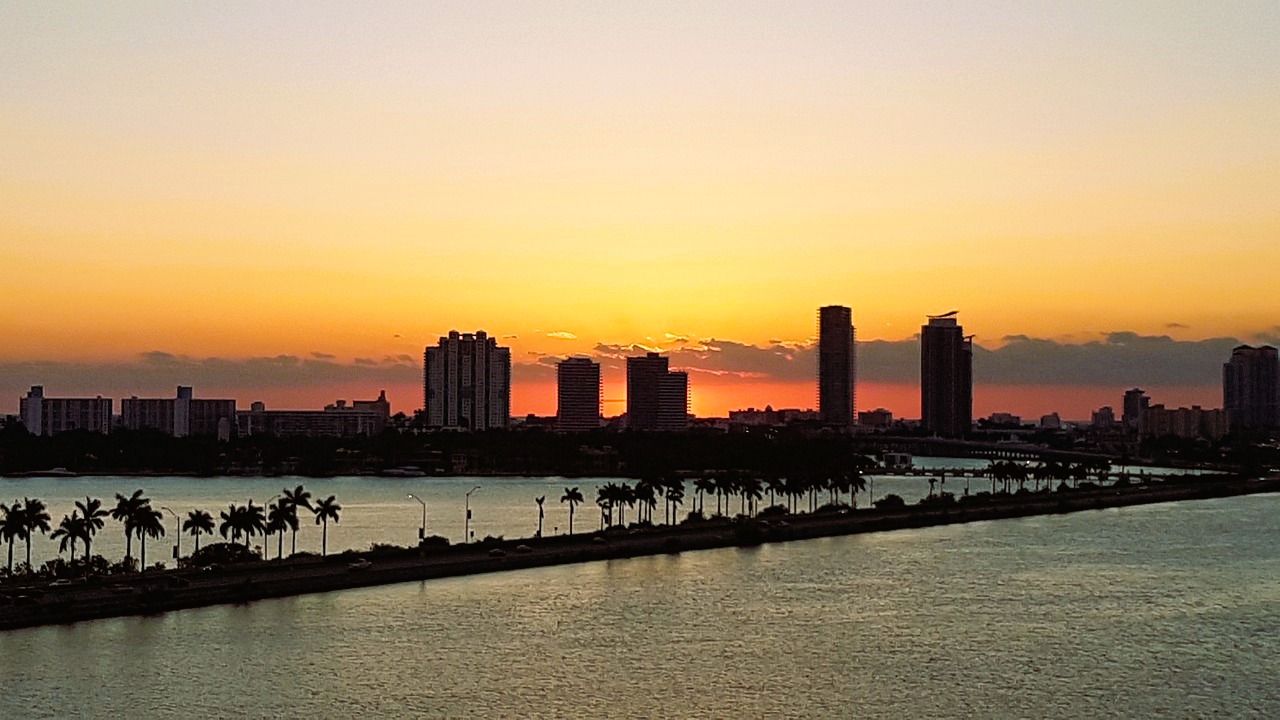
  • The Art of the Linger: Defining the Best Things to Do in Miami

    The Art of the Linger: Defining the Best Things to Do in Miami

    The scent of salt-heavy air and dark-roasted espresso drifts through the shaded colonnades of Coral Gables long before the midday heat takes hold. While most travelers rush toward the neon-lit frenzy of the shore, the true character of this coastal enclave reveals itself only to those willing to pause. Identifying the best things to do in Miami requires a fundamental shift in tempo exchanging the frantic pulse of the tourist track for the dappled light of tropical hammocks and the rhythmic, percussive click of dominoes in a quiet park. Here, the city rewards the patient observer with streamline-moderne details and secret waterfront alcoves. This guide prioritizes depth over distance, inviting you to inhabit Miami’s unique cultural intersections rather than merely passing through them.

    Vizcaya Museum & Gardens – A Gilded Age Escape

    Stepping into Vizcaya feels like a quiet collapse of time. Built in 1916 as James Deering’s winter estate, this limestone marvel blends European grandeur with the wild, salt-misted edge of the subtropics. You’ll find yourself lingering in the Enclosed Loggia, where the breeze carries the scent of antique wood and sea air. It is a must-visit because it offers a rare, stillness-heavy counterpoint to Miami’s modern pulse, inviting you to trace the lichen-covered statues and watch the light shift through the mangroves.

    Unhurried Tip: Arrive at 9:30 AM on a weekday and head straight to the Secret Garden; the early morning shadows on the coral stone walls offer a sanctuary of silence before the main house tours peak.

    My Sincere Takeaway: Standing on the terrace, watching the tide lap against the weathered stone barge, I felt the weight of the city dissolve. It is a place that demands you put your phone away and simply breathe in the history.

    Fairchild Tropical Botanic Garden – A Canopy of Quiet

    Fairchild is an 83-acre testament to the patience of nature. Founded in 1938 by legendary plant hunter David Fairchild, the garden is a living museum of rare, prehistoric-looking cycads and vibrant orchids. Here, the “slow” in travel is literal; the sprawling landscape rewards the aimless wanderer. You’ll find yourself pausing at the Moos Sunken Garden, where a gentle waterfall creates a private acoustic world. It is essential for those seeking to reconnect with a version of Florida that existed long before the concrete, offering a profound sense of ecological scale.

    Unhurried Tip: Skip the narrated tram for the first hour; instead, walk the Lowlands paths toward the Pandanus Lake at sunrise to see the herons fishing in total solitude.

    My Sincere Takeaway: There is a specific kind of peace found under the giant Baobab trees a reminder that some things take a century to become beautiful. I left feeling more grounded than I have in years.

    The Barnacle Historic State Park – The Soul of Old Florida

    Tucked behind a veil of tropical forest in Coconut Grove, The Barnacle is the oldest house in Miami-Dade County. Built by pioneer Ralph Munroe, this frontier-style home embodies the “Era of the Bay,” when the only way to reach Miami was by sea. The vibe is decidedly unpretentious; the air feels cooler under the dense hammock canopy. It is a must-visit to understand the city’s rugged, maritime roots. Sitting on the porch, you can hear the rhythmic creak of rocking chairs and the distant halyards of sailboats clinking in the harbor.

    Unhurried Tip: Bring a small picnic and a book on a Friday afternoon; the lawn sloping toward the bay is rarely crowded and offers the best sunset view in the Grove.

    My Sincere Takeaway: Watching the sailboats from Munroe’s porch made me realize how much we miss when we rush. This small sliver of preserved forest is the heart of Miami’s original, quiet identity.

    Venetian Pool – A Subterranean Coral Masterpiece

    Carved from a coral rock quarry in 1923, the Venetian Pool is the pinnacle of the Art Deco Historic District’s more organic, Mediterranean neighbor. This is not a typical swimming hole; it is a sprawling aquatic stage where 800,000 gallons of fresh spring water are drained and refilled daily. As you swim through the cool, dark limestone grottoes or lounge on the vine-covered bridges, the hum of the city fades behind thick coral walls. It is a must-visit for the sheer sensory shift the temperature of the water, the texture of the hand-cut stone, and the scent of damp earth. It rewards a slow pace, encouraging you to drift rather than lap, soaking in the architectural romance of a bygone Florida.

    Unhurried Tip: Visit on a Tuesday or Wednesday shortly after opening; the water is at its clearest and the echoes within the grottos remain undisturbed by midday crowds.

    My Sincere Takeaway: Floating on my back and looking up at the clay-tiled towers, I felt like I had slipped into a 1920s postcard. It’s a rare place where the art of leisure still feels sacred.

    Ancient Spanish Monastery – A Medieval Sanctuary in the Sun

    Transported stone-by-stone from Segovia, Spain, this 12th-century monastery is a pocket of silence in a city of neon. It is one of the most surprising hidden gems in Little Havana’s neighboring districts, offering a profound architectural contrast to Miami’s modern skyline. Walking through the cloisters, you feel the coolness of the old-world stone a physical weight that anchors you to the present moment. The gardens, filled with ancient oaks and blooming jasmine, invite long, contemplative walks. It is a must-visit because it provides a spiritual and historical depth that forces you to slow down. You aren’t just looking at history; you are walking through a structure that has breathed for eight centuries, reminding you that time is a vast, slow-moving river.

    Unhurried Tip: Seek out the “Chapter House” during the late afternoon when the stained glass casts vibrant, prismatic patterns across the grey stone walls.

    My Sincere Takeaway: The stillness here is heavy and healing. It’s the only place in Miami where I’ve truly felt the world outside completely cease to exist for an hour.

    Deering Estate – The Edge of the Wilderness

    As the centerpiece of our Miami slow travel guide, the Deering Estate represents the intersection of human ambition and raw, coastal wilderness. This 444-acre preserve is a mosaic of hardwood hammocks and salt marshes. Walking the quiet boardwalks, you may spot a manatee in the mangroves or a soaring osprey above. The 1920s Stone House stands as a silent witness to the salt-slicked history of the Atlantic coast. It is a must-visit for those who crave the “old Florida” atmosphere a place where the wind through the palms is the only soundtrack. Here, slow exploration isn’t a choice; it’s a natural reaction to the vast horizon and the rhythmic pulse of the tide against the limestone shore.

    Unhurried Tip: Book a guided nature preserve tour to access the Tequesta burial mound; it is a hauntingly beautiful site that most visitors never see.

    My Sincere Takeaway: Standing at the water’s edge, I realized that Miami’s greatest luxury isn’t its nightlife, but its capacity for profound, natural silence. This estate is where the city’s soul truly rests.

    A Thoughtful 3-Day Itinerary for Miami

    This sequence is designed to honor the city’s geography while protecting your energy, ensuring you never feel the need to rush through the humid, tropical air.

    Day One: The Gables and the Grove Begin with a morning dip in the freshwater springs of the Venetian Pool. Once refreshed, take a short, leaf-canopied drive or local bike share to The Barnacle Historic State Park. Spend your afternoon on a rocking chair, watching the sailboats of Coconut Grove drift across the bay.

    Day Two: Tropical Grandeur Dedicate your morning to the Italianate elegance of Vizcaya Museum & Gardens. In the afternoon, follow the coastline south to Fairchild Tropical Botanic Garden. The proximity allows you to remain in a “garden state of mind,” transitioning from manicured European aesthetics to wild, prehistoric flora.

    Day Three: Ancient Stones and Wild Shores Start early at the Ancient Spanish Monastery in North Miami Beach to catch the morning light through the cloisters. Conclude your journey by heading south to the Deering Estate, where the day ends naturally with a slow walk along the mangrove boardwalks as the Atlantic tide rolls in.

    If you find that this measured pace resonates with your travel style, you may enjoy exploring our deep-dive guides into other coastal sanctuaries across North America, or visit our About page to learn more about the slow travel philosophy that guides the “Unhurried Traveler Map.”

    Traveling with a Slow Heart

    Miami is often sold as a city of high-velocity glamour and neon noise, but its true luxury is the quiet persistence of its natural and historical roots. When you choose to linger at a single limestone fountain or sit beneath a century-old Baobab tree, you aren’t just seeing a site; you are reclaiming your own time. Travel is not a race to collect landmarks; it is a series of moments where the world is allowed to speak, and you are finally still enough to listen. Go into the salt air with an open schedule and a slow heart the city will reveal itself to you in ways the hurried traveler will never know.

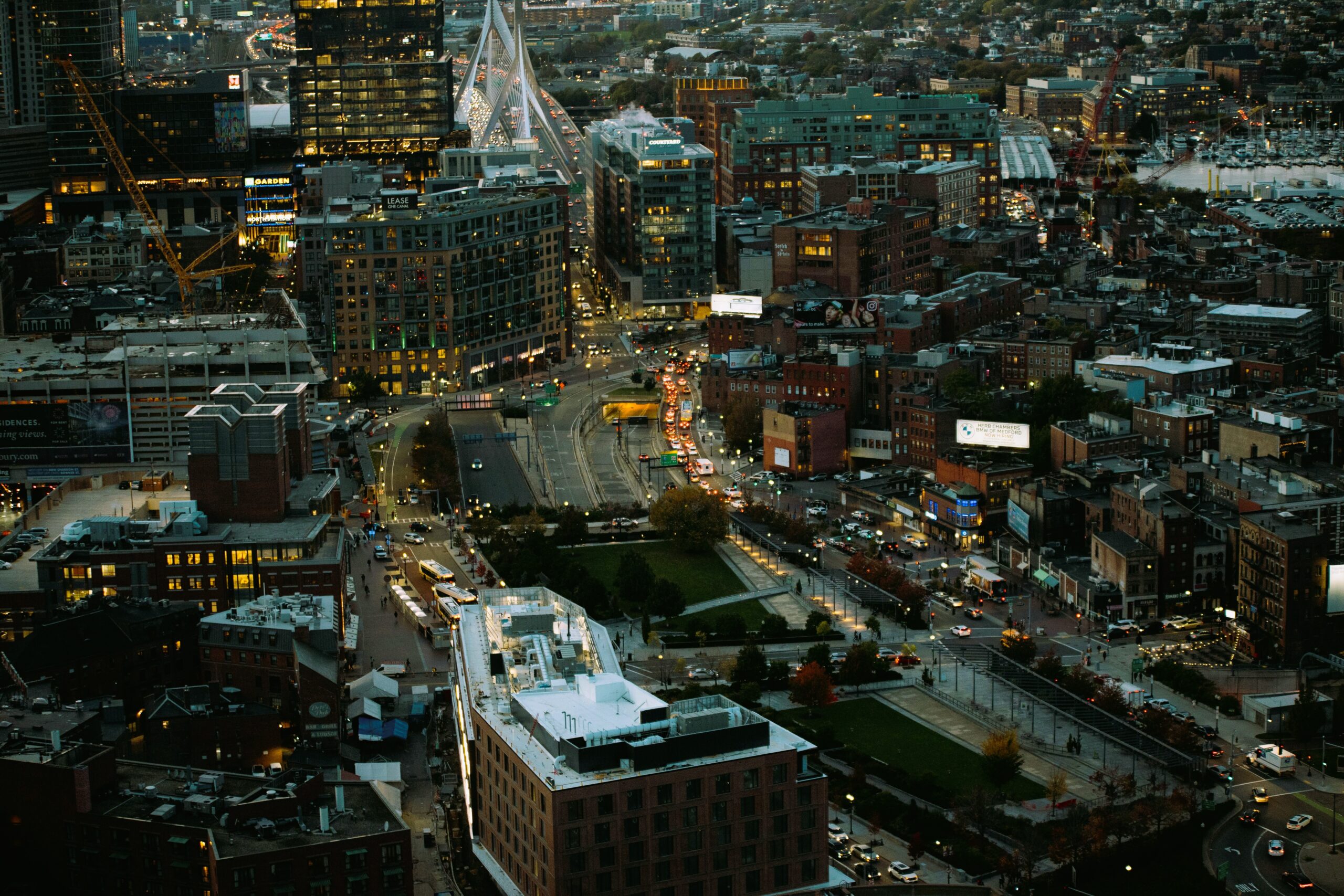
  • The Best Things to Do in Boston: A Study in Brick and Brine

    The Best Things to Do in Boston: A Study in Brick and Brine

    The morning begins with the low, rhythmic tolling of a distant bell, softened by the thick salt air drifting off the harbor. In this city, history isn’t a museum exhibit; it’s the uneven texture of 18th-century masonry beneath your palm and the scent of old paper found in a hidden library. While many rush through a checklist of sights, the best things to do in Boston reveal themselves only to those who linger.

    Boston’s compact geometry is a gift to the unhurried. It is a city of “short distances,” where a ten-minute stroll transitions from the maritime shadows of the wharf to the quiet, sun-dappled alleys of a colonial neighborhood. By trading the rapid transit of a ride-share for a deliberate pace, you witness the subtle shift from the Atlantic’s brine to the aroma of fresh espresso, discovering a city that prefers a heartbeat over a frantic pulse.

    Isabella Stewart Gardner Museum – An Enclosed Venetian Dream

    Stepping into the Gardner Museum feels less like entering a gallery and more like slipping into a private, centuries-old secret. The heart of the palace is the flowering courtyard, where the scent of damp earth and jasmine hangs heavy in the air, regardless of the Boston winter outside. Isabella Stewart Gardner curated every inch of this space, decreeing that nothing be changed, which lends the museum a haunting, frozen-in-time quality. As you wander through the cloisters, the sound of splashing water from the Roman fountains provides a rhythmic backdrop to masterpieces by Rembrandt and Sargent. This is a must-visit because it defies the typical museum “marathon”; it is a sensory sanctuary designed for contemplation, where the architecture and the art are inextricably linked by one woman’s singular, eccentric vision.

    Unhurried Tip: Visit on a weekday afternoon and head directly to the Monk’s Garden, a lesser-known outdoor space that offers a meditative, winding path away from the main courtyard crowds.

    My Sincere Takeaway: There is a profound, quiet melancholy in the empty frames where stolen paintings once hung. It serves as a poignant reminder that beauty is fleeting, making the vibrant, living garden in the center feel like a triumphant, defiant heartbeat against the stillness of the past.

    The Boston Athenaeum – The Scent of Leather and History

    Tucked behind a discreet vermillion door on Beacon Hill, the Athenaeum is one of the oldest independent libraries in the United States. The air here is distinct cool, still, and perfumed with the metallic tang of old bindings and floor wax. As you ascend to the fifth-floor reading room, the city’s traffic noise vanishes, replaced by the occasional rustle of a turning page. Light pours through large windows, illuminating gold-leaf spines and marble busts of Stoic philosophers. It is a must-visit for the “slow traveler” because it represents the intellectual soul of the city; it is a place where time is measured in chapters rather than minutes. Here, the search intent is satisfied by the rare opportunity to sit in a space that has hosted literary giants, offering a scholarly solitude that is increasingly rare in the modern world.

    Unhurried Tip: Request a day pass in advance to access the upper floors, and find a seat overlooking the Granary Burying Ground for a strangely peaceful perspective on the city’s timeline.

    My Sincere Takeaway: Sitting here, surrounded by the collective wisdom of centuries, I feel a grounding sense of continuity. It is a rare privilege to be silenced not by rules, but by a spontaneous, deep respect for the quiet pursuit of knowledge that these walls have protected since 1807.

    Boston Public Garden – A Botanical Respite in the Urban Core

    Established in 1837 as the first public botanical garden in America, this park is a masterclass in Victorian landscape design. Unlike the neighboring Common, the Public Garden is meant for wandering, not traversing. The vibe is one of curated grace; gravel paths meander past exotic trees and vibrant, “carpet-style” floral displays that change with the seasons. You’ll see the iconic Swan Boats drifting lazily across the lagoon, their rhythmic paddling the only disruption to the water’s surface. It is a must-visit because it offers a deliberate contrast to the surrounding glass skyscrapers. The garden invites you to notice the texture of a tulip petal or the sway of a willow branch, forcing a transition from the frantic pace of the Financial District to a tempo dictated by nature and the changing light of the afternoon sun.

    Unhurried Tip: Arrive at sunrise when the morning mist still clings to the lagoon; you will have the “Make Way for Ducklings” statues and the suspension bridge entirely to yourself before the city wakes.

    My Sincere Takeaway: I find a peculiar magic in the way the heavy willow branches create private green rooms along the water’s edge. It is in these small, shaded pockets that I truly feel the city’s pulse slow down, transforming a simple walk into a restorative, almost cinematic, experience.

    Old North Church – Echoes of a Revolutionary Spirit

    Walking into the sanctuary of Old North, the first thing you notice is the stark, beautiful geometry of the white box pews. The air feels cool and carries a faint scent of beeswax and old wood. While famous for Paul Revere’s lanterns, the real magic of these historic Boston landmarks lies in the quiet stillness found within the high-walled pews, designed to trap heat but now serving as private alcoves for reflection. As sunlight streams through the tall windows, illuminating the brass chandeliers, you can almost hear the echoes of the 18th century. It is a must-visit because it offers a rare moment of verticality and peace in the bustling North End, allowing you to contemplate the weight of the choices made within these walls that eventually reshaped a nation.

    Unhurried Tip: Book a “Behind the Scenes” tour to descend into the colonial-era crypt, where the temperature drops and the silence of the city’s past becomes truly tactile.

    My Sincere Takeaway: Standing in the shadows of the gallery, I felt the immense gravity of history not as a dry textbook entry, but as a living, breathing responsibility. It’s a place that makes you whisper, out of respect for the silence it has kept for centuries.

    Acorn Street – The Timeless Texture of Beacon Hill

    Acorn Street is perhaps the most sensory-rich pocket of the city, perfectly embodying the spirit of Boston slow travel. Beneath your boots, the river-stone cobblestones are uneven and temperamental, forcing a slower, more intentional gait. The street is narrow, framed by the rich, oxblood brick of 19th-century homes and the glossy black of their shutters. In the early evening, the neighborhood smells of chimney smoke and boxwood hedges. This spot is a must-visit not just for the photograph, but for the scale; it serves as a physical reminder of a Boston built for the pedestrian. By lingering here for more than a fleeting snapshot, you begin to notice the intricate ironwork and the way the shadows stretch across the stones, revealing a neighborhood that guards its elegance with quiet ferocity.

    Unhurried Tip: Visit during a light snowfall or just after a rain; the wet stones reflect the streetlamps, and the usual tourist crowds vanish, leaving the alley entirely to your imagination.

    My Sincere Takeaway: There is a rhythmic clicking sound your shoes make on these stones that feels like a metronome for the soul. It’s the one place in the city where I feel completely untethered from the digital world and reconnected to the Earth.

    Charles River Esplanade – A Symphony of Wind and Water

    The Esplanade is a ribbon of green that offers the most expansive quiet places in Boston. Here, the city’s roar is replaced by the snapping of sailboat canvas and the soft hiss of the wind through the weeping willows. As you walk along the wooden footbridges and stone docks, the scent of fresh water and mown grass dominates. This is where the city comes to breathe. It is a must-visit for the unhurried traveler because it provides the essential “outer view” of Boston’s skyline, allowing you to see the city as a whole from a distance. The experience is defined by the horizon; watching the sculls glide through the water creates a hypnotic, meditative state that is the perfect antidote to the density of the downtown streets.

    Unhurried Tip: Walk past the Hatch Shell toward the community boating docks at twilight to find a bench; it’s the best seat in the city for watching the skyline light up without the noise.

    My Sincere Takeaway: I’ve spent hours here just watching the way the light dances on the ripples of the Charles. It’s a humbling reminder that even in the heart of a major city, the water always has the final, most peaceful word.

    A Thoughtful 3-Day Itinerary for Boston

    To truly inhabit Boston, one must resist the urge to see it all in a single afternoon. This selection of landmarks is best experienced by grouping them geographically, allowing for long, contemplative walks in between.

    Day One: The Cultivated Soul. Begin your morning at the Isabella Stewart Gardner Museum when the light is most translucent. Spend your afternoon transitioning to the Boston Public Garden, perhaps walking through the Fens and Commonwealth Avenue Mall to see the city’s emerald skeleton.

    Day Two: The Intellectual Heart. Start within the quiet stacks of The Boston Athenaeum. From there, it is a short, uphill climb to the cobblestones of Acorn Street. End your day with a sunset stroll along the Charles River Esplanade, watching the river change color as the city lights flicker on.

    Day Three: The Historical Echo. Devote your final day to the North End. Visit Old North Church during the morning quiet, then spend the rest of your day getting lost in the surrounding Italian quarter, moving where the scent of baking bread leads you.

    Travel is often treated as a race toward a finish line of “checked boxes,” but the soul of a place like Boston is only found in the pauses. When you stop looking for the “next” thing and begin noticing the texture of the brick or the specific tilt of the afternoon sun, the city stops being a destination and starts being a conversation. Leave your maps in your pocket occasionally; let your curiosity be your compass, and move with a slow heart.

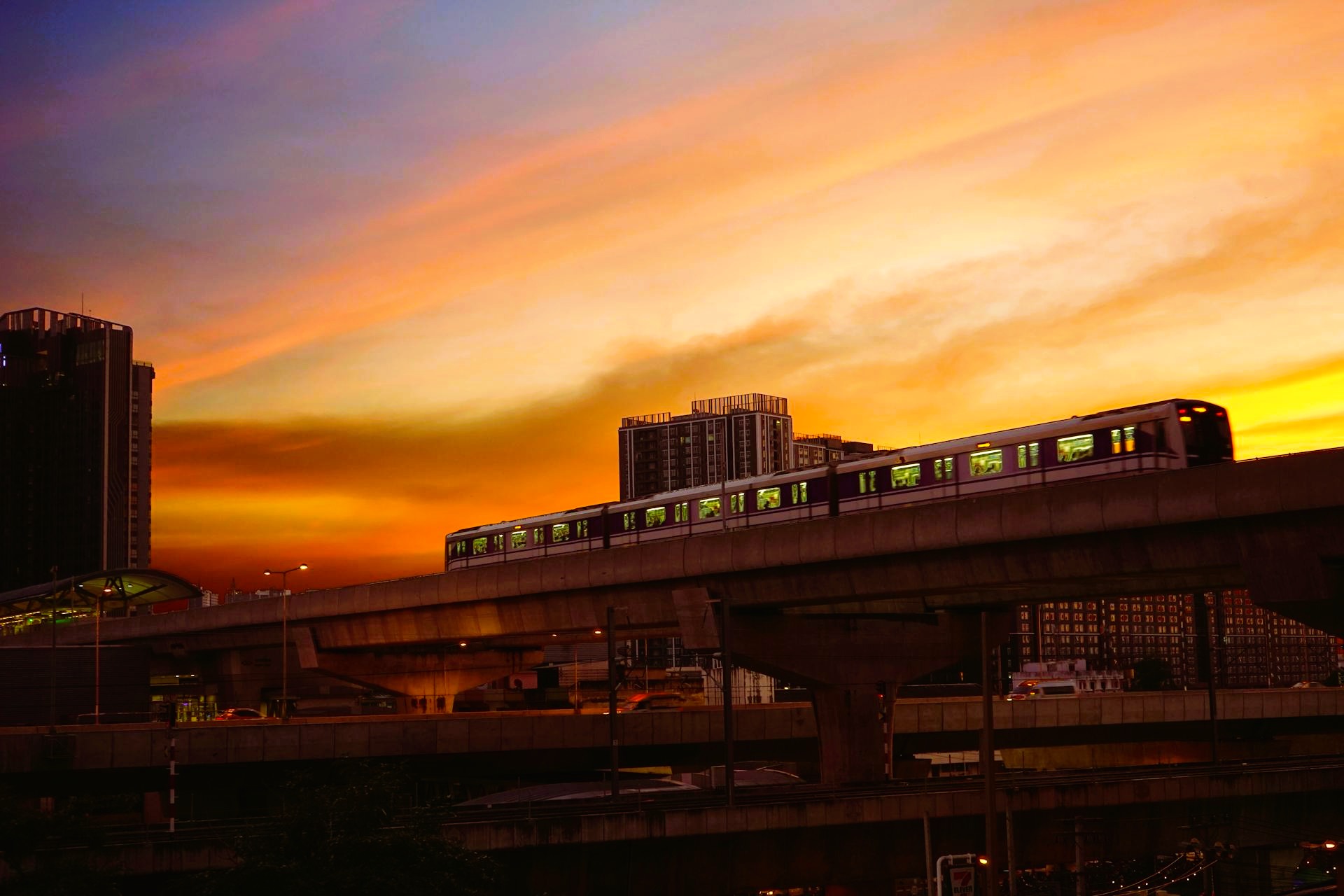
  • The Art of the Linger: Redefining the Best Things to Do in Bangkok

    The Art of the Linger: Redefining the Best Things to Do in Bangkok

    The scent of jasmine garlands and motor oil mingles in the humid air, thick with the rhythmic slap of river water against weathered teak pilings. While most rush through the humid maze of the metropolis, the true essence of this city reveals itself only to those who pause. To find the best things to do in Bangkok, one must look past the frantic street-level movement and into the quiet courtyards of the Old City. Slowing down allows the intricate porcelain mosaics of riverfront spires to come into focus and the cooling breeze of a hidden canal to offer respite. This guide bypasses the checklist in favor of moments that breathe, inviting you to inhabit the city’s ancient pace within its modern pulse.

    Wat Pho – The Resonance of Ancient Stone

    Beyond the fame of the 46-meter Reclining Buddha lies a sprawling complex of courtyard “forests” and stone guardians. As you wander, the sound of the city fades, replaced by the gentle clinking of coins dropped into bronze offering bowls. This is the birthplace of traditional Thai massage; the air often carries a faint, medicinal scent of herbal balms. Exploring Wat Pho is a must-visit because it offers a physical history of Thai healing and cosmology, etched into stone inscriptions and marble illustrations. The pace here is dictated by the scale of the architecture one cannot rush past the four great chedis clad in floral ceramic mosaics. It is a place that demands you look up, breathe deeply, and appreciate the craftsmanship of a kingdom that valued patience over speed.

    Unhurried Tip: Bypass the main entrance rush by arriving at 8:00 AM, then head directly to the massage pavilion at the rear of the complex to book an early session before the heat and crowds peak.

    Jim Thompson House – A Jungle Sanctuary in the Concrete Jungle

    Tucked away at the end of a quiet lane, this collection of six traditional Thai teak structures offers a masterclass in vernacular architecture. The houses, salvaged from various parts of Thailand and reassembled here, sit on stilts above a verdant garden that feels like a private rainforest. Inside, the polished wood floors feel cool beneath your feet, and the dim, filtered light highlights a world-class collection of Southeast Asian art. Visiting here addresses the search for “old Bangkok” sophistication. The vibe is one of refined mystery, fueled by the story of the American silk mogul who vanished in the 1960s. It is a sensory transition from the humid, metallic grit of the nearby shopping district to an era where cross-ventilated rooms and silk-weaving looms defined the daily rhythm of life.

    Unhurried Tip: After your guided tour, find a seat at the canal-side café to watch the longtail boats zip past on the Saen Saep canal, offering a glimpse into the city’s remaining water-based arteries.

    Bang Krachao – The Rhythmic Breath of the Green Lung

    Crossing the river to Bang Krachao feels like stepping through a portal into a forgotten Thailand. Known as the “Green Lung,” this protected oasis is a labyrinth of elevated concrete walkways that snake through mangrove forests, coconut groves, and small family orchards. There are no skyscrapers here; instead, you hear the rustle of palm fronds and the occasional splash of a monitor lizard entering a canal. This is an essential slow-travel destination because it provides a literal breath of fresh air. Cycling through the humidity, you’ll encounter hidden incense workshops and small wooden houses where life moves at the speed of a turning tide. It is the ultimate antidote to Bangkok’s sensory overload, forcing you to navigate by instinct and birdcall rather than a GPS map.

    Unhurried Tip: Visit on a weekday to have the elevated paths entirely to yourself, but ensure you carry plenty of water as the humidity trapped under the canopy can be surprisingly intense.

    Talat Noi – A Living Canvas of Riverside Heritage

    In the narrow alleys of Talat Noi, the scent of grease from second-hand engine parts mingles with incense drifting from hidden Hokkien shrines. This neighborhood is a sanctuary of Bangkok riverside heritage, where the city’s Chinese-Thai roots are etched into crumbling 19th-century mansions and weathered brick walls. As you wander, you’ll hear the rhythmic clinking of metalworkers alongside the quiet hiss of steam from a noodle stall. It is a place where time seems to fold in on itself; a trendy café might occupy a colonial-era warehouse, yet the traditional way of life remains undisturbed. Visitors come here not for a specific monument, but for the texture of the city itself the peeling paint, the sprawling banyan trees, and the slow, deliberate pace of a community that has watched the river flow for generations.

    Unhurried Tip: Wander deep into the “Soi Heng Tai” alley to find a 200-year-old Chinese courtyard house that now serves as a diving school and café; it’s the ultimate hidden refuge.

    Wat Saket – The Golden Mount Above the Urban Haze

    The ascent of Wat Saket is a sensory transition, a literal rise above the cacophony of the streets below. Climbing the 344 steps of the spiral staircase, you are flanked by lush artificial waterfalls, moss-covered statues, and hundreds of brass bells that chime softly in the breeze. This site is a cornerstone of a Bangkok slow travel itinerary because the climb is designed as a moving meditation. As the elevation increases, the humidity seems to lift, replaced by a steady wind that carries the distant hum of the city. At the summit, the 360-degree view of the Old City offers a rare perspective on Bangkok’s sprawl. Here, under the shadow of the great golden stupa, the scale of the city becomes manageable, and the chaotic energy of the capital transforms into a silent, shimmering tapestry of light.

    Unhurried Tip: Time your visit for late afternoon, around 5:00 PM, to catch the monks’ evening chanting and watch the sun dip below the horizon as the city lights begin to flicker on.

    Artist’s House at Khlong Bang Luang – A Waterfront Cultural Oasis

    Located in the quiet district of Thonburi, the Artist’s House (Baan Silapin) is one of the most rewarding hidden gems in Bangkok. This century-old wooden house sits precariously over a canal, serving as a community hub for local artists and puppeteers. The vibe here is profoundly nostalgic; you can sit on the wooden floorboards with your legs dangling over the water, sipping a cold coffee while watching the slow ripples of passing boats. The centerpiece is the traditional Thai shadow puppetry performed in front of an ancient, vine-covered stupa in the backyard. It is a must-visit because it preserves a “water-life” culture that has largely vanished elsewhere. The air is filled with the sound of traditional music and the gentle chatter of locals, offering a glimpse into a Bangkok that values creativity and community over commercialism.

    Unhurried Tip: Buy a small bag of fish food for a few baht and feed the swarming catfish in the canal; it’s a local merit-making tradition that provides a surprisingly meditative moment.

    A Thoughtful 3-Day Itinerary for Bangkok

    To truly inhabit Bangkok, one must resist the urge to cross the city in a single bound. Instead, group your days by the rhythm of its neighborhoods.

    Day One focuses on the riverside heritage of the Old City. Begin at Wat Pho during the quiet morning hours, then take a short cross-river ferry to explore the winding alleys of Talat Noi on foot, letting the layers of history reveal themselves in the peeling paint and hidden shrines.

    Day Two explores the balance of art and spirituality. Start with the refined teak architecture of the Jim Thompson House, then walk or take a short tuk-tuk ride to Wat Saket. Climb the Golden Mount as the sun begins to soften, overlooking the city you’ve begun to navigate.

    Day Three is dedicated to the water. Head to the Thonburi side for the Artist’s House at Khlong Bang Luang, then take a boat toward the Bang Krachao peninsula. Trade the engine’s roar for a bicycle, ending your journey in the silent canopy of the Green Lung.

    Travel with a Slow Heart

    Bangkok is often accused of being a city that never sleeps, but it is also a city that knows how to dream. When you stop treating the map as a checklist and start treating it as a conversation, the metropolis softens. The heat becomes a reason to pause under a banyan tree; the traffic becomes a backdrop to a quiet canal-side coffee. To travel with a slow heart is to recognize that the most profound “sight” isn’t a monument at all it is the moment you finally stop rushing and realize you have already arrived.

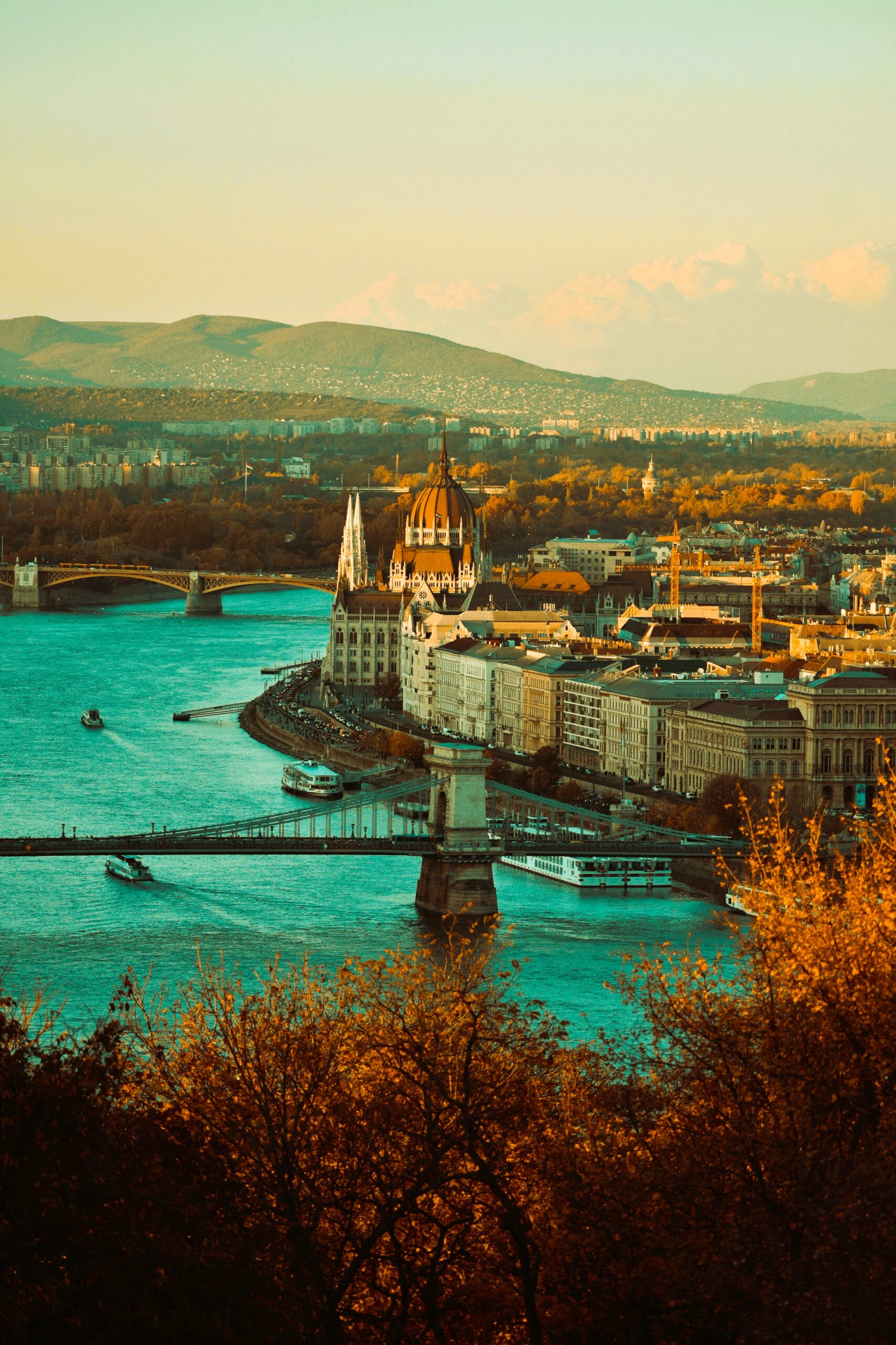
  • The Golden Hour on the Danube: Best things to do in Budapest for the Unhurried Traveler

    The Golden Hour on the Danube: Best things to do in Budapest for the Unhurried Traveler

    The morning air along the riverbank carries a sharp, metallic chill that yields only to the rising, sulfurous steam of the thermal springs. Budapest is a city of heavy limestone and liquid history, demanding a pulse that matches its slow-moving river. While most visitors rush between landmarks, the best things to do in Budapest are found in the deliberate pauses the lingering warmth of a neo-Baroque bath or the amber light hitting the Parliament’s Gothic spires at dusk.

    To truly understand this city is to abandon the frantic checklist. It requires wandering the cobblestones of the Buda side until your legs ache, then finding refuge in a century-old coffee house. By embracing a slower cadence, the capital’s layers of Ottoman, Habsburg, and Art Nouveau influence begin to align, offering a depth of experience that the hurried traveler often misses.

    Gellért Thermal Bath – A Sanctuary of Art Nouveau Splendor

    Stepping into Gellért feels like entering a cathedral dedicated to water. The air is thick with mineral warmth and the hushed echoes of voices bouncing off porcelain-tiled walls. Built in 1918, this Secessionist masterpiece offers more than just a soak; it provides a sensory journey through Hungary’s deep-seated spa culture. As you submerge in the medicinal 38°C (100°F) waters, the intricate floral motifs and stained glass windows create a sense of timelessness. It is a must-visit because it marries architectural grandeur with genuine wellness, allowing you to physically feel the history of the city’s “City of Spas” title. Here, the frantic pace of the outer world dissolves into the rhythmic movement of the lap pool and the gentle hiss of steam.

    Unhurried Tip: Skip the main indoor pool and head straight for the outdoor wave pool area during the early morning hours to enjoy the crisp air against the steam without the crowds.

    Fisherman’s Bastion – A Panoramic Dreamscape Above the Danube

    While its name suggests a defensive history, Fisherman’s Bastion was actually completed in 1902 as a decorative terrace to celebrate the Hungarian state’s millennium. Walking its ramparts feels like navigating a fairy-tale fortress made of ivory-colored limestone. Each of the seven conical towers represents a Magyar tribe, and the arched windows act as frames for the most iconic views of the Danube. Visitors flock here for the “Instagram shot,” but the true slow-travel experience lies in the textures the cool touch of the stone and the way the wind carries the sound of church bells from the valley below. It is essential because it offers a literal and figurative perspective of Budapest’s dual nature, bridging the medieval silence of Buda with the grand scale of Pest across the water.

    Unhurried Tip: Visit after 9:00 PM when the ticket booths close and the crowds vanish; the monument remains open, illuminated in gold, offering a silent, private view of the city lights.

    Margaret Island – A Verdant Refuge in the Heart of the River

    Anchored in the middle of the Danube, Margaret Island serves as Budapest’s green lung. Reaching it requires a deliberate detour onto the Margit Bridge, immediately trading urban traffic for the rustle of centenarian oaks and the scent of rose gardens. This 2.5-kilometer stretch of parkland houses 13th-century Franciscan ruins and a Japanese garden that invites contemplative walking. Unlike the bustling city squares, the island operates on a different clock one measured by the spray of the musical fountain and the slow laps of joggers. It is a must-visit for anyone seeking a “slow travel” anchor; it provides the necessary space to process the city’s intensity. Whether you are exploring the medieval cloister or sitting by the water’s edge, the island offers a rare, car-free sanctuary where nature and history coexist in quiet harmony.

    Unhurried Tip: Rent a “bringóhintó” (pedal cart) to explore the far northern reaches of the island where the medieval ruins are located, far from the more tourist-heavy southern entrance.

    Ervin Szabó Library – A Neo-Baroque Reading Room Retreat

    Hidden within a functional modern library lies the former Wenckheim Palace, a series of 19th-century aristocrat reading rooms that feel frozen in time. As you step onto the creaking parquet floors, the city’s roar is replaced by the soft rustle of turning pages and the scent of aged paper and beeswax. Gold-leaf moldings and deep leather armchairs invite you to linger for hours rather than minutes. It is a vital stop for those seeking Danube River sights of a different sort the intellectual and architectural grandeur of the Hungarian Golden Age. This isn’t a place for sightseeing; it’s a place for being. Sitting under a massive chandelier, you realize the library isn’t just a collection of books, but a sanctuary for the city’s quietest thoughts and most elegant histories.

    Unhurried Tip: Access the fourth floor “palace” section during a weekday afternoon to find an empty velvet armchair away from the small clusters of local students.

    Matthias Church – A Kaleidoscope of Stone and Color

    Located in the heart of Buda Castle Hill, Matthias Church is a breathtaking departure from the somber gray of traditional cathedrals. The interior is a riot of color, with every inch of wall covered in intricate geometric patterns and warm earth tones that glow when the sun hits the stained glass. The air is often filled with the faint, lingering scent of incense and the vibration of organ music. Originally built in the 13th century, it has served as a coronation site for kings and a mosque for sultans, and that complex identity is etched into its very stone. Walking through the nave, you feel the weight of centuries of shifting empires, yet the vibrant tiles offer a sense of playfulness and resilience that defines the Hungarian spirit.

    Unhurried Tip: Attend the evening Latin organ mass on Sundays to experience the acoustics and atmosphere as they were intended, without the distractions of daytime tour groups.

    Hospital in the Rock – A Silent Echo of Resilience

    Deep beneath the cobblestones of the castle district lies a labyrinthine network of natural caves used as a secret emergency hospital and nuclear bunker. The air here is noticeably cooler and carries a damp, limestone scent that grounds you in the gravity of the site’s history. As you walk through the narrow corridors, the silence is heavy, punctuated only by the distant hum of the ventilation system. It provides a stark, necessary contrast to the Budapest thermal baths above ground; while the baths represent healing through leisure, this site represents healing through sheer will and survival. Seeing the original 1940s medical supplies and cramped wards offers a profound connection to the city’s endurance through the Siege of Budapest and the Cold War, making it a powerful site for reflection.

    Unhurried Tip: Book the last tour of the day to avoid the school groups and allow the heavy, subterranean stillness to fully sink in as you exit into the dusk.

    A Thoughtful 3-Day Itinerary for Budapest

    To see Budapest slowly is to allow the city’s geography to dictate your pace. On Day One, focus on the heights of the Buda side. Begin at the Hospital in the Rock before ascending the limestone steps to Matthias Church and Fisherman’s Bastion. The proximity allows you to spend hours watching the shadows lengthen over the Parliament building without a single transit transfer.

    On Day Two, cross to the Pest side for intellectual and natural quiet. Spend your morning lost in the wood-paneled silence of the Ervin Szabó Library, then take a leisurely stroll or the scenic Tram 2 toward Margaret Island. Dedicate the afternoon to the island’s gardens, where the city noise is muffled by ancient oaks.

    Finally, Day Three is reserved for the ritual of water. Begin at Gellért Thermal Bath, letting the mineral heat dictate your morning. Spend the rest of your day wandering the riverbanks, perhaps crossing the Liberty Bridge on foot to watch the sunset reflect off the Danube, concluding your journey not with a checklist, but with a feeling.

    If you found this pace rewarding, you may enjoy our other guides to Central European capitals or read more about our Slow Travel Philosophy on our “About” page.

    True travel is not a race to collect landmarks, but an invitation to let a place change your rhythm. When you stop measuring your days by the number of photos taken and start measuring them by the depth of your breath in a quiet library or the warmth of a thermal spring, the city begins to reveal its true character. Leave the map behind for an hour, listen to the river, and walk with a slow heart. The most profound stories of Budapest aren’t shouted; they are whispered in the pauses between the sights.

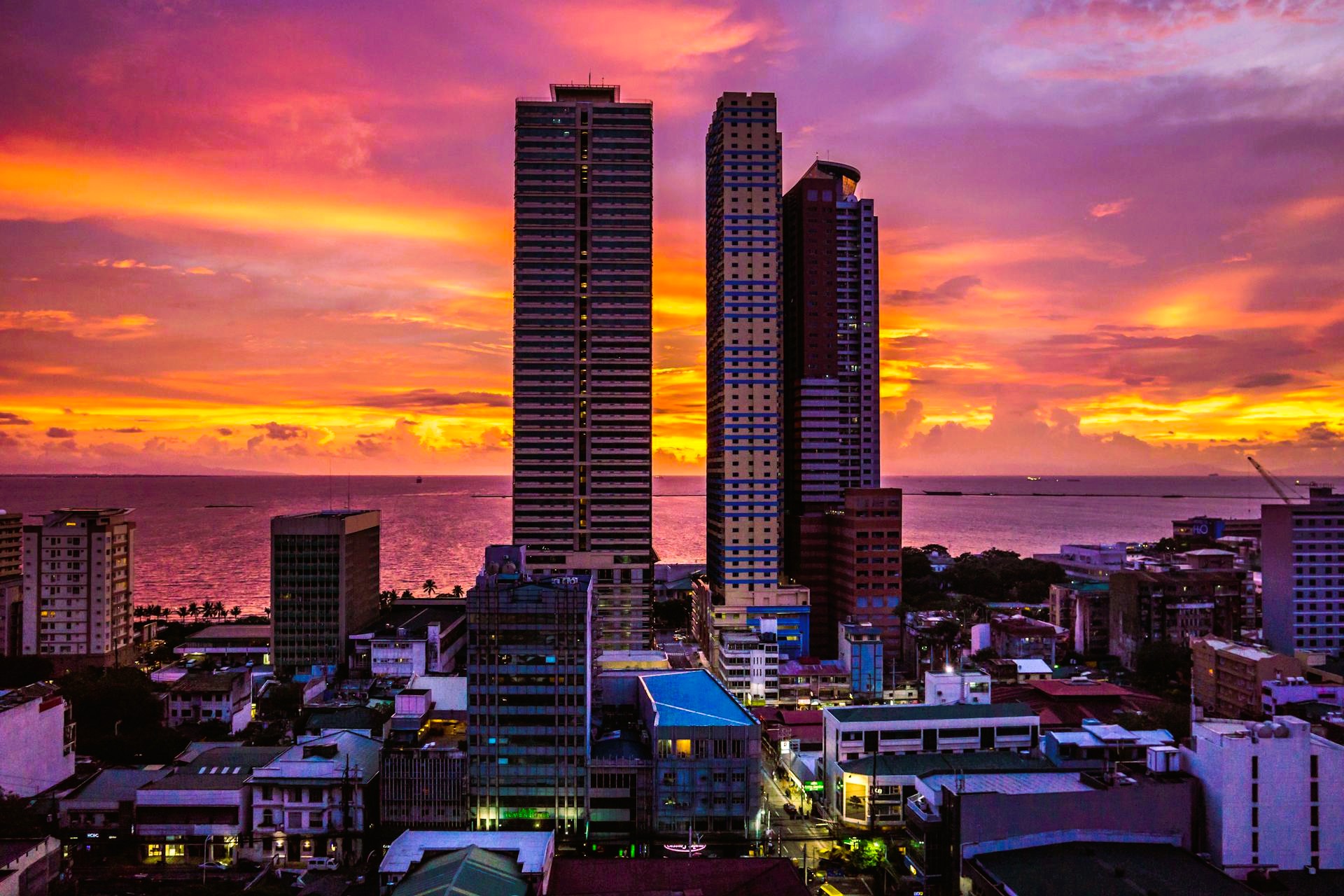
  • The Walled City and Beyond: A Connoisseur’s Guide to the Best Things to Do in Manila

    The Walled City and Beyond: A Connoisseur’s Guide to the Best Things to Do in Manila

    The first thing you notice is the sound of iron-rimmed wheels the calesa clattering over sun-bleached basalt. In the humidity of mid-morning, the scent of parched stone and blooming jasmine hangs heavy over the fortifications of Intramuros. While most rush through this megalopolis, the “Unhurried” traveler knows that the best things to do in Manila require a deliberate, rhythmic pace.

    To truly see Manila is to peel back layers of history that refuse to be quieted by modern skyscrapers. It is found in the cool, dim interiors of Baroque cathedrals and the steam rising from a bowl of kiampong in a hidden Binondo alley. By slowing down, the city shifts from a chaotic transit hub into a soul-stirring collection of heritage districts, where every crumbling archway and quiet courtyard tells a story of resilience and grace.

    San Agustin Church and Museum – A Sanctuary of Spanish Baroque Stone

    Stepping through the massive carved doors of San Agustin is like plunging into a cool, quiet well of history. As the oldest stone church in the Philippines, it offers a density of atmosphere that modern Manila cannot replicate. The air is thick with the scent of aged wood and floor wax. Wandering the cloisters of the adjacent museum, you encounter weather-beaten statues and ecclesiastical treasures that survived the heavy shelling of 1945. It is a must-visit because it represents the soul of the city a resilient anchor of Spanish colonial artistry. Here, the “Slow Travel” ethos is mandatory; the sheer detail of the choir stalls and the grandeur of the altarpiece demand that you still your mind and let the centuries-old silence settle around you.

    Visit during the mid-morning on a weekday when the wedding rehearsals are absent; the shadows in the cloisters are longest then, offering the most meditative atmosphere for photography.

    Fort Santiago – Echoes of Valor along the Pasig River

    Fort Santiago is not merely a military defense; it is a landscape of memory. Walking across the manicured grounds toward the iconic gate, you feel the weight of the thick volcanic tuff walls. This site rewards those who linger by the riverside, watching the Pasig River flow past the same ramparts where José Rizal spent his final days. The vibe is one of somber beauty, where the harshness of a former dungeon meets the softness of blooming flamboyant trees. It is a must-visit for anyone seeking to understand the Filipino spirit of resistance and sacrifice. By walking the perimeter slowly, you notice the moss-covered textures and the quiet corners that tourists usually skip, allowing the historical gravity of the site to resonate far more deeply than a quick photo-op would allow.

    Walk to the far edge of the ramparts overlooking the river at dusk; the breeze picks up, and the sight of the modern skyline rising behind the ancient stone is hauntingly beautiful.

    Casa Manila – A Glimpse into the Grandeur of a Bygone Era

    Casa Manila is a masterclass in the Bahay na Bato architectural style, a reconstruction that feels more authentic than many original structures. As you ascend the grand staircase, the heat of the city vanishes, replaced by the polished glow of Narra wood floors and the breeze filtering through Capiz shell windows. The vibe is intimate and domestic; you are not just a tourist, but a guest in a 19th-century merchant’s home. It is an essential stop because it illustrates the sophisticated “Slow” lifestyle of the Ilustrado class where ventilation and light were prioritized over speed. Moving through the rooms, you see the intricate lace, the heavy European furniture, and the “azotea,” or open-air balcony, providing a sensory blueprint of how Manila’s elite once balanced tropical living with colonial elegance.

    Spend ten minutes just sitting by the central fountain in the courtyard; the acoustics of the water against the stone walls effectively mask the city noise, creating a perfect sensory reset.

    Binondo – A Culinary Pilgrimage Through the World’s Oldest Chinatown

    Crossing the Jones Bridge into Binondo feels like stepping into a living, breathing sensory overload that rewards the patient soul. To truly experience this district, you must embark on a Binondo food crawl, moving beyond the neon signs into the narrow esteros. The air is a thick, savory perfume of toasted sesame, star anise, and simmering bone broth. This is not a place for a hurried checklist; it is a place for lingering over a single, translucent shrimp dumpling or watching the rhythmic pull of hand-stretched noodles. It is a must-visit because it represents the fusion of Hokkien and Filipino cultures, a culinary bridge built over centuries. The “Slow Travel” reward here is found in the hidden teahouses where time seems to pool and settle amidst the clinking of porcelain.

    Head to the smaller side streets like Yuchengco at 10:00 AM, just after the breakfast rush but before the lunch crowd, to secure a quiet corner stool at the oldest bakeries.

    National Museum of Natural History – A Cathedral of Science and Light

    : Entering this museum is an exercise in atmospheric shift, as the street noise of Rizal Park is silenced by a soaring, climate-controlled atrium. The building, a former neoclassical office, is one of the most significant Manila heritage sites reimagined for the modern age. The vibe is one of reverent curiosity; as you move through galleries of preserved flora and fauna, the “Tree of Life” structure acts as a grounding centerpiece. It is a must-visit because it offers a sophisticated sanctuary where the natural wonders of the archipelago are curated with artistic precision. Exploring the museum slowly allows you to appreciate the architectural dialogue between the heavy stone of the past and the light-filled geometry of the present, making it a perfect mid-day refuge for the weary traveler.

    Start your journey on the top floor and use the spiraling ramps to walk downward; the gradual descent offers shifting perspectives of the architecture that elevators simply bypass.

    Paco Park – The Secret Circular Garden of Solitude

    While Intramuros holds the fame, Paco Park holds the silence. This circular garden, once a Spanish colonial cemetery, is one of the most overlooked Manila heritage sites, offering a concentric layout that naturally encourages a slow, winding pace. The vibe is hauntingly romantic; thick stone walls, which once held the city’s dead during cholera outbreaks, are now softened by moss and ferns. It is a must-visit for the “Unhurried” traveler because it provides a rare pocket of absolute green stillness in a city of concrete. Walking the top of the ramparts allows you to look down into a sunken garden that feels like a secret world. Here, the air is noticeably cooler, and the light filters through the acacia trees in a way that makes the chaotic city outside feel like a distant memory.

    Visit on a Friday evening just before sunset; you might catch a free “Paco Park Presents” chamber music concert, where the acoustics of the stone walls are hauntingly perfect.

    A Thoughtful 3-Day Itinerary for Manila

    To truly absorb Manila’s soul, one must resist the urge to cross the city in a single day. Instead, anchor your exploration in three distinct districts.

    Day One: The Walled City. Dedicate your morning to the stone cloisters of San Agustin Church, followed by a leisurely stroll to Casa Manila. End your day at Fort Santiago, watching the sun dip below the Pasig River ramparts.

    Day Two: Heritage and Healing. Begin at the National Museum of Natural History, allowing the architecture to breathe. In the late afternoon, take a short car ride to Paco Park for a sunset walk around the circular walls.

    Day Three: The Flavors of History. Cross into Binondo for a self-paced culinary immersion. Wander the alleys without a map, letting the scent of roasting chestnuts and steamed buns guide you through the world’s oldest Chinatown.

    Continuing Your Journey
    If this slower pace resonates with you, explore our other curated guides to Southeast Asia’s hidden corners or visit our Philosophy Page to learn more about the Unhurried Traveler’s mission to reclaim the art of the long wander.

    The Last Word

    Manila does not reveal its grace to those in a rush. It is a city that requires you to sit through the humidity, to listen to the peeling bells of ancient cathedrals, and to find the quiet rhythm beneath the metropolitan roar. When you stop treating the city as a map to be conquered and start seeing it as a story to be felt, the chaos recedes. Travel with a slow heart, and you will find that Manila’s most enduring treasures aren’t the monuments themselves, but the moments of stillness you find within them.

  • Best Things to Do in Vienna: A Journal for the Unhurried Traveler

    Best Things to Do in Vienna: A Journal for the Unhurried Traveler

    The hush of footsteps on polished stone echoes through Vienna’s grand halls, while the scent of roasted coffee drifts from a corner café. This is a city where light lingers on baroque facades and time slows in the rhythm of waltz and conversation. Exploring the best things to do in Vienna is not about rushing through a checklist it’s about savoring the cadence of imperial boulevards, lingering in museums, and pausing for a slice of cake that tastes of centuries. For the unhurried traveler, Vienna rewards patience: every palace, every park, every quiet square invites you to stay longer, listen closer, and let the city unfold at its own pace.

    Schönbrunn Palace – Imperial Grandeur in Slow Motion

    Walking through Schönbrunn Palace feels like stepping into a living canvas of imperial history. The vast courtyards echo with the footsteps of emperors, while the manicured gardens invite you to pause and breathe. Inside, gilded halls whisper stories of Habsburg elegance, yet the true magic lies outdoors where fountains, statues, and shaded paths create a rhythm of stillness. This UNESCO site is not just a monument; it’s a sanctuary for those who want to experience Vienna’s grandeur at a human pace.

    Visit early in the morning when the gates open the gardens are nearly empty, and the light is unforgettable.

    Belvedere Palace – Art, Gardens, and Timeless Light

    The Experience: Belvedere Palace is both an architectural masterpiece and a treasury of art. The baroque design frames sweeping gardens where symmetry and serenity meet. Inside, Klimt’s The Kiss glows with golden intimacy, drawing visitors into Vienna’s artistic soul. Yet beyond the galleries, the palace grounds invite slow wandering terraces, fountains, and quiet benches where time seems suspended. It is a place where art and landscape converse, offering travelers a layered experience that rewards patience and presence.

    Arrive late afternoon most tours have ended, and the golden light makes the gardens shimmer.

    St. Stephen’s Cathedral – Echoes Beneath the Gothic Spire

    Rising from the heart of Vienna, St. Stephen’s Cathedral is a monument of resilience and faith. Its Gothic spire commands the skyline, while inside, candlelight flickers against centuries-old stone. The air carries a solemn hush, broken only by the organ’s resonance. Visitors sense both grandeur and intimacy history etched into every arch, every mosaic. Climbing the South Tower rewards with sweeping city views, yet the true essence lies in the quiet moments: standing still as the bells reverberate through the square.

    Step inside just before evening mass the crowds thin, and the cathedral feels profoundly alive.

    Vienna State Opera – A Stage of Timeless Elegance

    The Vienna State Opera is more than a performance venue it is the heartbeat of the city’s cultural life. Its grand marble staircases and chandeliers set the stage for evenings steeped in tradition. Even without attending a show, standing in the foyer feels like entering a living museum of music. For travelers seeking a Vienna travel guide that emphasizes atmosphere, this landmark is essential: the sound of rehearsals drifting through corridors, the anticipation in the air before curtain rise, and the sense of continuity that opera has given Vienna for centuries.

    Book a daytime tour the halls are quieter, and you can linger without the evening rush.

    Kunsthistorisches Museum – A Temple of Art and Memory

    The Kunsthistorisches Museum is a sanctuary for art lovers and slow travelers alike. Its galleries hold treasures from Caravaggio to Bruegel, yet the building itself is a masterpiece ornate ceilings, marble columns, and quiet alcoves where time seems suspended. Exploring here is not about rushing from one exhibit to another; it’s about pausing before a canvas, letting colors and brushstrokes speak. For those drawn to Vienna palaces and museums, this is a crown jewel, offering both grandeur and intimacy. The museum’s café, tucked under frescoed arches, invites reflection as much as refreshment.

    Visit on a weekday morning the galleries are hushed, and you can stand alone with the masters.

    Stadtpark – Green Rhythms in the Heart of Vienna

    Stadtpark is Vienna’s invitation to breathe. The rustle of leaves, the ripple of water, and the golden statue of Johann Strauss create a harmony that feels both urban and timeless. Unlike palaces or cathedrals, this park rewards stillness: sitting on a bench, watching locals stroll, or listening to birdsong. It is a reminder that the city’s rhythm includes pauses, not just crescendos. For travelers consulting a Vienna travel guide, Stadtpark offers balance a green refuge where history and daily life meet in quiet continuity.

    Arrive just after sunrise the park belongs to you, and the city feels newly awakened.

    A Thoughtful 3-Day Itinerary for Vienna

    Day 1: Begin at Schönbrunn Palace, wandering its gardens at a gentle pace before stepping inside the imperial halls. From there, take a short tram ride to Belvedere Palace, where art and landscaped terraces invite you to linger until late afternoon.
    Day 2: Start in the old town at St. Stephen’s Cathedral, absorbing its Gothic presence before strolling through pedestrian streets toward the Vienna State Opera. Pause for coffee nearby, then join a guided tour or simply enjoy the building’s atmosphere.
    Day 3: Dedicate the morning to the Kunsthistorisches Museum, moving slowly through its galleries and pausing in the café. In the afternoon, walk or take a quick metro ride to Stadtpark, where Vienna’s rhythm softens into birdsong and statues.
    This itinerary balances grandeur with quiet moments, ensuring each day unfolds at a pace that honors the city’s spirit.

    Travel with a slow heart, and Vienna will meet you halfway. Its palaces, parks, and cafés are not destinations to be conquered, but companions in reflection. Let the city’s cadence remind you: the richest experiences are those you allow to breathe.

  • Best Things to Do in Nice: A Journal of Leisure

    Best Things to Do in Nice: A Journal of Leisure

    The hush of waves against the Promenade des Anglais sets the rhythm of the day, while the scent of citrus drifts from market stalls in Old Town. Nice rewards those who linger its light softens the facades of Belle Époque villas, and its museums invite unhurried reflection. Exploring the best things to do in Nice is not about rushing through a checklist but savoring the city’s cadence: strolling along seaside boulevards, pausing in shaded squares, and letting art and history unfold at their own pace. For the slow traveler, Nice is less a destination than a living canvas, where each step offers a moment to pause, observe, and breathe.

    Promenade des Anglais – Seaside Elegance at Walking Pace

    The Promenade des Anglais is more than a boulevard it’s a living stage where sea, sky, and city converge. Built in the 19th century, it reflects Nice’s cosmopolitan past while offering a timeless rhythm for today’s traveler. The vibe is serene yet social: locals stroll with dogs, joggers pace themselves against the horizon, and the Mediterranean breeze carries a salt-kissed calm. It’s a must-visit because it embodies the essence of Nice accessible beauty, effortless leisure, and a reminder that travel can be as simple as walking slowly by the sea.

    Unhurried Tip: Visit just after sunrise when the promenade is quiet, and the water glows with soft pastel light.

    Castle Hill (Colline du Château) – Panoramic Calm Above the City

    Castle Hill offers the most commanding perspective of Nice, yet its atmosphere is surprisingly tranquil. Once the site of a medieval fortress, today it’s a landscaped park where waterfalls murmur and shaded paths invite unhurried exploration. The vibe is contemplative: families picnic, artists sketch, and travelers pause to absorb the layered history beneath their feet. It’s a must-visit because it reveals the city’s scale and beauty in one glance Old Town’s maze, the curve of the Promenade, and the endless horizon of the Côte d’Azur.

    Unhurried Tip: Take the free elevator from the Old Town in the late afternoon; crowds thin and the light is golden.

    Nice Old Town (Vieux Nice) – A Labyrinth of Living History

    Vieux Nice is a sensory immersion into centuries of lived culture. Its winding streets echo with footsteps, the scent of fresh socca drifts from corner stalls, and pastel facades glow under the Mediterranean light. The vibe is intimate and timeless: artisans open their shops, locals chat in shaded squares, and every turn reveals a hidden chapel or market. It’s a must-visit because it embodies the soul of Nice authentic, layered, and endlessly walkable. Here, history isn’t displayed; it’s lived, and travelers are invited to join the rhythm.

    Unhurried Tip: Explore early in the morning before shops open; the alleys are hushed, and you’ll feel the town awakening.

    Cours Saleya Market – Morning Ritual of Color and Flavor

    Cours Saleya Market is the heartbeat of Nice’s daily rhythm, where the scent of lavender mingles with ripe tomatoes and citrus. This historic square in the Old Town transforms into a sensory feast each morning, with vendors calling out and locals weaving through the stalls. The atmosphere is lively yet intimate, offering travelers a chance to slow down and savor the textures of Mediterranean life. It’s a must-visit because it connects you directly to Nice’s traditions food, fragrance, and community all in one place.

    Unhurried Tip: Arrive before 9 a.m. to enjoy the market before tour groups arrive, when locals shop in peace.

    Matisse Museum – Quiet Dialogues with Color

    The Matisse Museum, set in a 17th-century villa, offers a contemplative retreat into the artist’s world. Here, the pace slows as visitors move through rooms filled with sketches, sculptures, and the vibrant cut-outs that defined his later years. The vibe is hushed, almost reverent, as the works reveal Matisse’s lifelong dialogue with color and form. It’s a must-visit because it anchors Nice’s identity as a city of art, complementing the seaside leisure of the Promenade des Anglais with intellectual depth and creative resonance.

    Unhurried Tip: Visit in the late afternoon; the museum is quieter, and the light softens the galleries beautifully.

    Marc Chagall National Museum – Spiritual Light in Paint

    The Experience: The Marc Chagall National Museum is a sanctuary of color and spirit. Dedicated to the artist’s biblical works, it envelops visitors in luminous canvases and radiant stained glass. The vibe is meditative: silence punctuated by the soft shuffle of footsteps, as travelers absorb Chagall’s vision of faith and humanity. It’s a must-visit because it offers not just art, but an emotional journey where light itself becomes a medium, and Nice’s cultural richness deepens beyond its seaside charm.

    Unhurried Tip: Arrive just after opening; the morning light through the stained glass is at its most ethereal.

    A Thoughtful 3-Day Itinerary for Nice

    Day 1: Begin with a sunrise walk along the Promenade des Anglais, letting the sea set the pace. From there, wander into Vieux Nice, where alleys and markets unfold naturally. Pause at Cours Saleya Market for a late-morning coffee and flowers before drifting back through Old Town’s shaded squares.
    Day 2: Take the elevator or climb gently to Castle Hill, where panoramic views reward a slow ascent. Spend the afternoon descending at leisure, stopping for sketches or quiet reflection. End the day with a seaside stroll, retracing the city’s rhythm from above to below.
    Day 3: Dedicate time to art. Begin at the Matisse Museum, absorbing the quiet dialogue of color. Transition by bus or tram to the Marc Chagall National Museum, where stained glass and canvases invite contemplation. This final day balances Nice’s coastal ease with its cultural depth.

    For more journeys shaped by unhurried discovery, explore our other European guides or visit the About page to learn the philosophy behind Unhurried Traveler Map.