Author: Unhurried Traveler

  • 6 Best Things to Do in Munich: A Strategic Guide for the Thoughtful Traveler

    6 Best Things to Do in Munich: A Strategic Guide for the Thoughtful Traveler

    Travelers often treat Munich as a checklist, sprinting between the Glockenspiel and the Hofbräuhaus only to find themselves trapped in bottlenecks of tour groups. This high-speed approach misses the city’s actual rhythm the Gemütlichkeit found in the spaces between the landmarks. To truly see the city, you must reverse the standard itinerary. By prioritizing off-peak entry to the Royal Residenz and utilizing the city’s green spaces during the mid-day rush, you bypass the friction. This guide identifies the best things to do in Munich using a curated, unhurried strategy that favors depth over a frantic pursuit of photo ops. You will trade the stress of the crowds for the quiet observation of Bavarian craftsmanship and open-air culture.

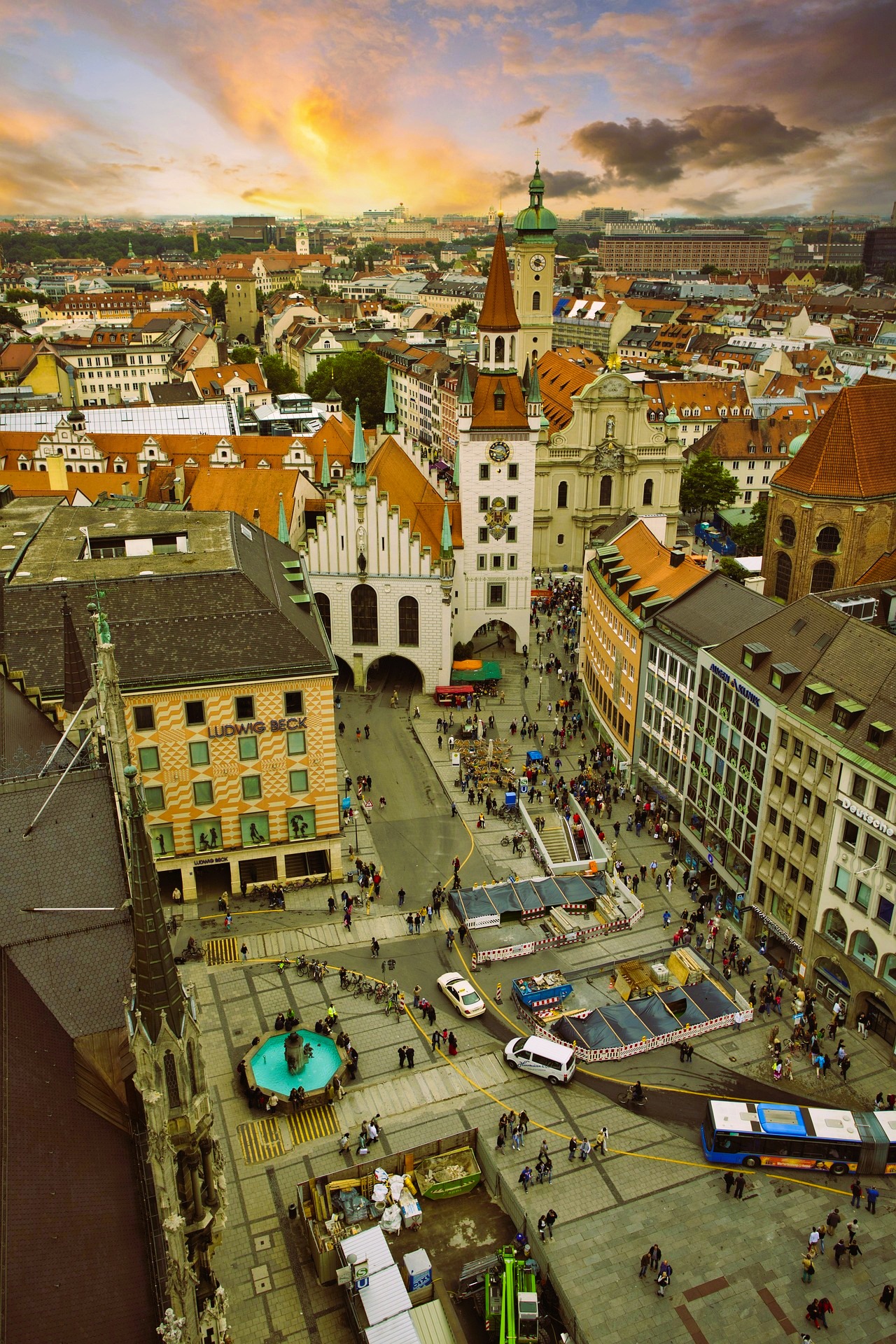
    Marienplatz – The historic ground-zero of Bavarian civic life

    Marienplatz has functioned as the primary pivot point of Munich since the city’s founding in 1158, serving as a silent witness to the evolution from a medieval market to a modern metropolitan center. The square is anchored by the Neo-Gothic New Town Hall, whose facade dominates the space with an intricate display of stone carvings that reflect the civic pride of the late nineteenth century. For the thoughtful traveler, the square offers more than just a photo of the Glockenspiel; it represents the historical layer-cake of Bavaria, where the golden Mariensäule column commemorates survival through the Thirty Years’ War. To observe the square without the overwhelming pressure of the mid-day tour groups, aim to arrive before nine in the morning when the local commuters are the only ones crossing the cobbles and the light hits the Old Town Hall at a low, dramatic angle that highlights its Gothic simplicity.

    Munich Residenz – A dense masterclass in European royal aesthetics

    The Munich Residenz stands as the largest city palace in Germany, acting as an expansive architectural record of the Wittelsbach dynasty’s influence from the fourteenth century until 1918. Walking through its 130 rooms provides a physical timeline of European design, transitioning from the vaulted Renaissance Antiquarium to the explosive gold leaf of the Rococo Rich Rooms. This site matters to the modern traveler because it showcases how power was curated and projected through domestic space, evolving from a defensive fortress into a sprawling cultural monument. The scale can be disorienting, so a strategic visitor should prioritize the Treasury early in the day to view the Bavarian crown jewels before the interior humidity and noise levels rise. To ensure you do not miss the hidden jewel-box of the Cuvilliés Theatre, remember that it often requires a separate ticket and has its own distinct entrance tucked away near the Fountain Courtyard.

    Englischer Garten – The intersection of landscape art and urban recreation

    Spanning more than nine hundred acres, the Englischer Garten is a masterclass in eighteenth-century landscape architecture that rejects the rigid symmetry of French gardens in favor of a naturalistic, rolling aesthetic. It provides a crucial social lung for the city, where the rigorous discipline of German industry softens into a relaxed outdoor culture of beer gardens and sunbathing. The park’s most striking modern feature is the Eisbachwelle, a standing wave where wetsuit-clad surfers navigate an urban current regardless of the season, illustrating Munich’s unexpected subcultures. While most visitors gravitate toward the crowded Chinese Tower for a liter of beer, the thoughtful traveler should continue walking north toward the Kleinhesseloher See where the Seehaus beer garden offers a far more peaceful experience overlooking the water. This northward movement allows for a deeper appreciation of the park’s transition from manicured urban paths into the wilder, wooded stretches of the Isar floodplains.

    Viktualienmarkt – An sensory anchor for Bavarian culinary tradition

    Viktualienmarkt serves as the gastronomic soul of the city, transitioning from a humble farmers’ market into a sprawling open-air theater of regional flavors and artisanal crafts. For the strategic traveler, this is where the city’s rigorous order yields to the tactile pleasures of seasonal white asparagus, alpine cheeses, and freshly pressed juices. It offers a rare opportunity to witness the daily intersection of high-end gastronomy and local routine, all beneath the shade of the central maypole. To truly grasp the local lifestyle, bypass the crowded main aisles and look for the Caspar Plautz potato stall, where you can sample elevated takes on the humble tuber away from the heaviest tourist flow. Early morning visits allow you to watch the vendors assemble their displays with surgical precision before the lunch rush consumes the communal seating areas of the central beer garden.

    Alte Pinakothek – A curated survey of the European Old Masters
    Alte Pinakothek – A curated survey of the European Old Masters

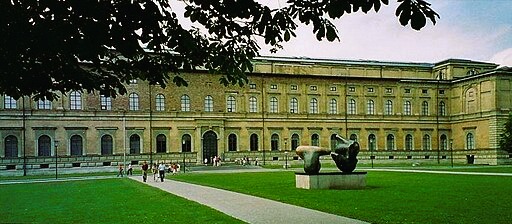
    The Alte Pinakothek offers one of the most significant collections of European paintings in existence, housed within a Neoclassical structure that was revolutionary for its time. For the thoughtful observer, the experience is less about checking off famous names and more about tracing the intellectual evolution of the Renaissance and Baroque periods through the works of Rubens, Dürer, and Da Vinci. The massive proportions of the galleries are designed to allow the art to breathe, creating a contemplative atmosphere that stands in stark contrast to the kinetic energy of the surrounding Maxvorstadt district. If you find the vastness of the Flemish galleries overwhelming, focus your attention on the intricate details of Altdorfer’s Battle of Alexander, which contains thousands of miniature figures. A specific financial strategy for the art-focused traveler is to plan your visit for a Sunday, when the admission fee drops to a single Euro, making it the most cost-effective cultural experience in the city.

    Nymphenburg Palace – The expansive grandeur of a summer retreat

    Nymphenburg Palace represents the Wittelsbachs’ desire to escape the urban constraints of the Residenz, offering a sprawling Baroque complex that harmonizes architecture with water and woodland. This site is essential for understanding the sheer scale of Bavarian royal ambition, particularly as you walk through the Great Hall with its ceiling frescoes that seem to dissolve into the sky. The surrounding park serves as a quieter alternative to the city center, featuring hidden pavilions like the Amalienburg, which contains some of the world’s finest Rococo interiors. To maximize your time, avoid the lengthy walk from the main canal and instead use the tram line 17 which drops you almost directly at the palace gates, allowing you more energy to explore the further reaches of the gardens. Keep a sharp eye out for the resident swans near the iron pumps, which have been part of the palace’s living aesthetic for generations.

    A 3-Day Strategic Itinerary

    To maximize your time in Munich, organize your visit by geographical clusters to minimize transit friction. Devote your first day to the Altstadt district, beginning at Marienplatz for the morning light before moving to the nearby Munich Residenz and concluding with a late lunch at the Viktualienmarkt. This keeps your movements within a tight, walkable radius. On the second day, shift your focus north to the Maxvorstadt neighborhood, known as the museum quarter. Spend your morning at the Alte Pinakothek and transition into the adjacent Englischer Garten for a mid-afternoon decompression by the water. Reserve your third day for the western edge of the city to explore the expansive grounds of Nymphenburg Palace. This sequence balances the dense historical architecture of the center with the airy, expansive landscapes of the outer districts, ensuring a rhythm that feels purposeful rather than exhausted.

    The Unhurried Mindset

    The unspoken rule of Munich is that productivity must eventually yield to presence. While the city functions with high-precision engineering, its social fabric is held together by the concept of Stehenbleiben the act of simply stopping. To enjoy the city properly, you must accept that the best moments occur when you are not technically doing anything at all. A soulful approach to slow travel here involves finding a quiet bench in the Hofgarten or a corner of a traditional Wirtshaus and observing the local choreography of conversation and flinty Bavarian humor. True luxury in this city is found in the unscripted hour spent watching the shadows lengthen against the brickwork of the Frauenkirche.

    Beyond the City Gates

    Once you have calibrated your pace to the Bavarian capital, the surrounding Alpine regions and the storied cities of the German south offer a natural progression for the thoughtful traveler. The rail lines from Hauptbahnhof provide direct access to the rugged landscapes of Garmisch-Partenkirchen and the medieval preservation of Nuremberg.

    For those ready to extend their journey across the border or deeper into the federal states, our comprehensive regional guides provide the same strategic clarity found here.

    Step away from the map and let the city reveal itself through the quiet details.
  • 6 Best Things to Do in Florence: A Strategic Guide for the Thoughtful Traveler

    6 Best Things to Do in Florence: A Strategic Guide for the Thoughtful Traveler

    Most travelers treat Florence like a high-speed scavenger hunt, sprinting between the Uffizi and the Accademia before the midday heat, only to end the day with “museum fatigue” and a blurred memory of marble. This checklist-driven chaos is the city’s greatest trap. To truly see the Cradle of the Renaissance, you must adopt an unhurried approach that prioritizes timing and atmospheric depth over sheer volume.

    This guide streamlines the best things to do in Florence by focusing on six high-impact locations where the density of history justifies the effort. By shifting your schedule to early mornings or late golden hours and utilizing strategic entry points, you can reclaim the city from the masses and experience its brilliance as it was intended: with space to breathe.

    The Duomo Complex – Navigating the heart of Florence with a Brunelleschi Pass

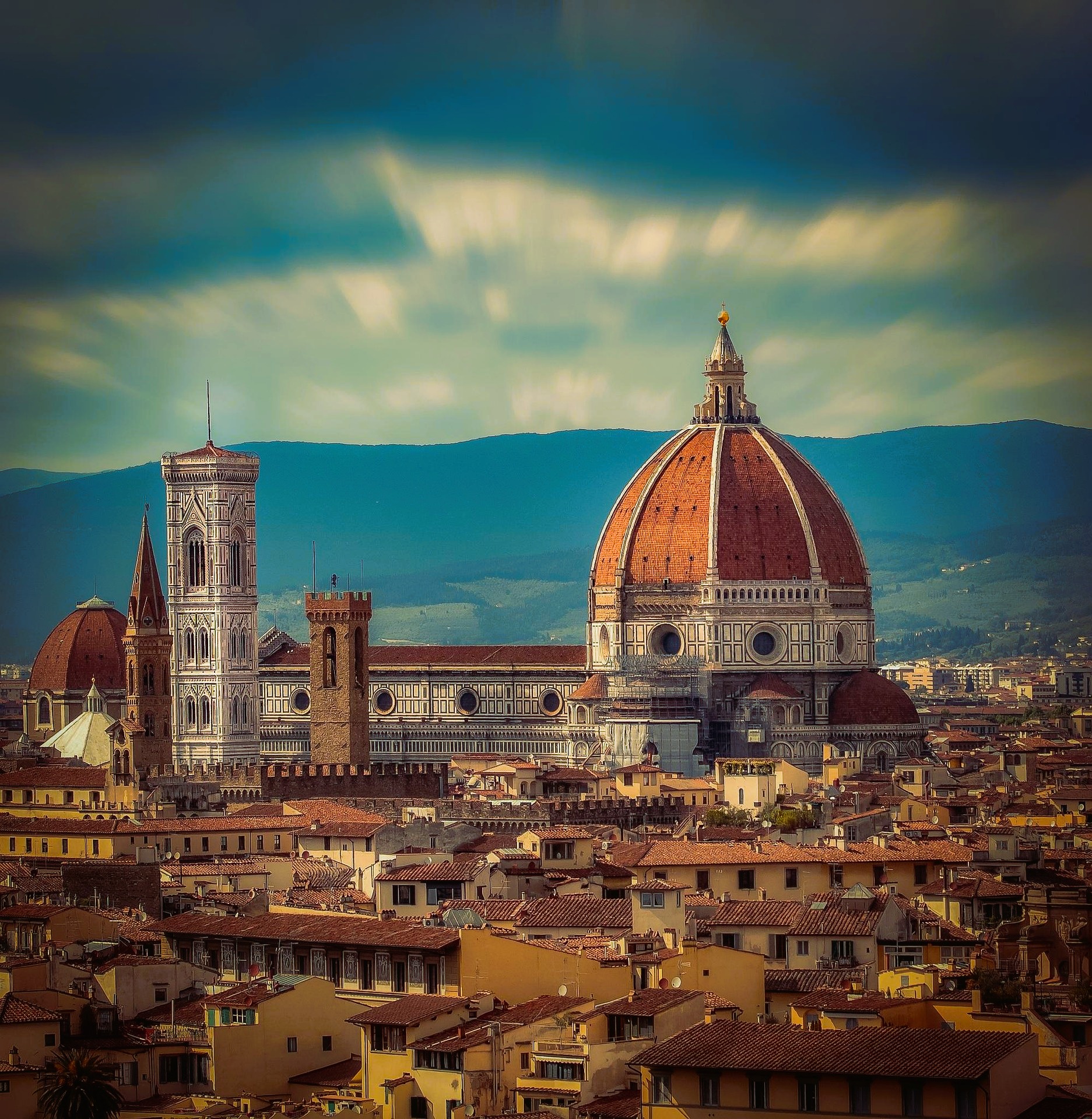
    The Duomo is the tectonic plate upon which Florence’s identity rests, a feat of 15th-century engineering that remains the largest brick dome ever constructed. For the thoughtful traveler, the cathedral is less about the free interior which is surprisingly sparse and more about the verticality and subterranean layers that reveal the city’s evolution from the Roman era to the High Renaissance. Climbing Brunelleschi’s Dome offers a visceral connection to the architectural daring of the past, but the real depth lies in the Santa Reparata crypt, where the remains of the original Paleo-Christian church sit beneath the current floor. To avoid the primary bottleneck, skip the massive central queue for the cathedral and enter instead through the North side at Porta della Mandorla if you have a pre-booked Dome time-slot, or start at the often-overlooked Opera del Duomo Museum to see the original Ghiberti doors in a climate-controlled, crowd-free sanctuary.

    The Uffizi Gallery – Curating a world-class Renaissance art experience

    Housing the definitive collection of Italian Renaissance art, the Uffizi Gallery is a dense archive of Western thought where every corridor leads to a cultural pivot point. A strategic visitor views these halls not just as a gallery, but as a map of the Medici family’s influence and their role in fueling the creative explosion that defined an era. While Botticelli’s Primavera and Da Vinci’s Annunciation are the magnetizing draws, the gallery’s long corridors offer panoramic views of the Arno that provide a necessary visual palate cleanser between masterworks. Because the museum is notoriously congested during the midday rush, the most effective strategy is to secure the very first 8:15 AM entry or visit after 5:00 PM when the group tours dissipate. If you arrive early, head straight to the top floor and work backward from the later rooms to ensure you have the Botticelli halls almost entirely to yourself before the main current of visitors arrives.

    Galleria dell’Accademia – Strategic viewing of Michelangelo’s David and the Prisoners

    Most visitors rush through the Accademia solely to photograph Michelangelo’s David, yet the thoughtful traveler finds more resonance in the unfinished Slaves (or Prisoners) that line the Hall of the Prisoners. These rough-hewn figures, seemingly struggling to escape their marble blocks, offer a rare, intimate glimpse into Michelangelo’s “liberation” theory of sculpture that a finished masterpiece cannot provide. The museum is compact, which often leads to intense shoulder-to-shoulder crowding around the central Tribune. To bypass the worst of the friction, aim for the extended evening openings on Tuesdays during the summer months when the gallery stays open until 10:00 PM; the dramatic lighting at dusk transforms the marble’s texture and the atmosphere becomes notably more contemplative. If visiting during regular hours, booking your entrance for the final hour of operation allows you to stand before the 17-foot giant in relative silence as the security staff begins to clear the smaller peripheral rooms.

    Basilica of Santa Croce – Discovering the final resting place of Renaissance giants

    The Basilica of Santa Croce serves as the pantheon of Italian glories, housing the tombs of Michelangelo, Galileo, and Machiavelli within its soaring Gothic nave. For the strategic traveler, this site offers a more intimate and intellectual experience than the crowded Duomo, providing a direct connection to the minds that shaped modern science and philosophy. The interior is a massive repository of Florentine history, featuring Giotto’s vivid frescoes in the Bardi and Peruzzi Chapels which illustrate the transition from medieval to Renaissance art styles. As you navigate the chapels, look for the 19th-century monument to Dante Alighieri; while it is an empty cenotaph because the poet died in exile in Ravenna, it remains a poignant symbol of Florence’s enduring cultural pride. To avoid the midday glare and heat, enter through the leather school at the back of the complex where the smell of cured hides offers a sensory bridge to the city’s traditional artisan trade.

    Palazzo Vecchio – Navigating the seat of power and secret Medici passages

    The Palazzo Vecchio is the fortress-like heart of Florentine politics, where the transition from a medieval republic to a Medici dukedom is etched into the stone and timber of its grand halls. The Hall of the Five Hundred remains a masterclass in propaganda, with its massive frescoes and gilded ceilings designed to overwhelm visitors with the scale of the city’s military triumphs. A thoughtful traveler appreciates the layers of history here, from the Roman ruins of a theater visible in the basement to the private apartments of Eleanor of Toledo that showcase the domestic life of the ruling elite. For a unique perspective on the city’s layout, seek out the hidden staircase near the Map Room that leads to the battlements, as this provides a clearer view of the Arno and the surrounding hills than the more famous towers. Arriving during the final two hours of the evening opening allows you to explore the atmospheric courtyards in near-total silence.

    Piazzale Michelangelo – Capturing the quintessential Florence panoramic view

    Piazzale Michelangelo offers the most comprehensive visual summary of the city, where the skyline’s geometry defined by the Duomo, Giotto’s Campanile, and the Palazzo Vecchio becomes a single, coherent composition. While many consider this a standard tourist stop, the observant traveler uses the vantage point to understand the strategic geography that allowed Florence to flourish within the Arno Valley. The walk up through the Rose Garden provides a much more serene ascent than the crowded bus route, offering several shaded benches where you can pause to admire the sculptural installations against the backdrop of the red-tiled roofs. To experience the site without the overwhelming noise of the souvenir stalls, continue walking five minutes further uphill to the Romanesque church of San Miniato al Monte, where the monks often perform Gregorian chants at dusk. This elevated sanctuary provides a more spiritual and unhurried conclusion to the day while the same golden light illuminates the valley below.

    A 3-Day Strategic Itinerary

    To maximize your time in Florence without the exhaustion of a high-speed itinerary, group your visits by the natural divisions of the city’s historic center. Devote your first day to the religious and political core within the San Giovanni and San Marco neighborhoods, starting early at the Duomo Complex and concluding with the Accademia. This allows you to witness the city’s monumental scale before the narrow stone streets become congested. On the second day, shift your focus to the art-dense corridors of the Uffizi and the imposing history of Palazzo Vecchio near the Piazza della Signoria, where the proximity of these power centers minimizes walking time and maximizes your absorption of the Medici legacy. Reserve your final day for the Santa Croce district and a scenic cross-Arno trek to the Oltrarno. The ascent to Piazzale Michelangelo serves as a reflective finale, providing a rhythmic transition from the dense urban stone to the airy, olive-dotted hillsides that frame the Florentine horizon.

    The Unhurried Mindset

    The unspoken rule of enjoying Florence is to acknowledge that you cannot see everything in a single visit, nor should you try. The city’s true character reveals itself not in the queue for a museum, but in the deliberate pauses between them. A soulful experience here requires you to trade the digital map for a slow, observant walk through the Oltrarno’s artisan workshops, where the sound of a chisel hitting stone remains the city’s most authentic soundtrack. Proper travel in this Renaissance capital is measured by the depth of your attention, not the number of monuments you check off a list.

  • Best Things to Do in Granada: A Strategic Guide for the Thoughtful Traveler

    Best Things to Do in Granada: A Strategic Guide for the Thoughtful Traveler

    Most travelers treat Granada as a logistical box to check, rushing through the Alhambra before catching a train out of the province. This frantic pace misses the city’s functional nuance. The most common error is failing to secure Nasrid Palace entries months in advance, resulting in wasted hours at the gate. Another is tackling the vertical incline of the Albaicín during the midday heat without a logistical plan. This guide fixes these frictions by prioritizing an unhurried cadence, focusing on the best things to do in Granada without the typical tourist fatigue. By sequencing landmarks based on elevation and light quality, you reclaim the experience from the crowds. Strategic timing transforms a standard checklist into a deliberate encounter with Andalusia’s final Moorish stronghold.

    The Alhambra – Islamic Architectural Precision and Strategic Timing

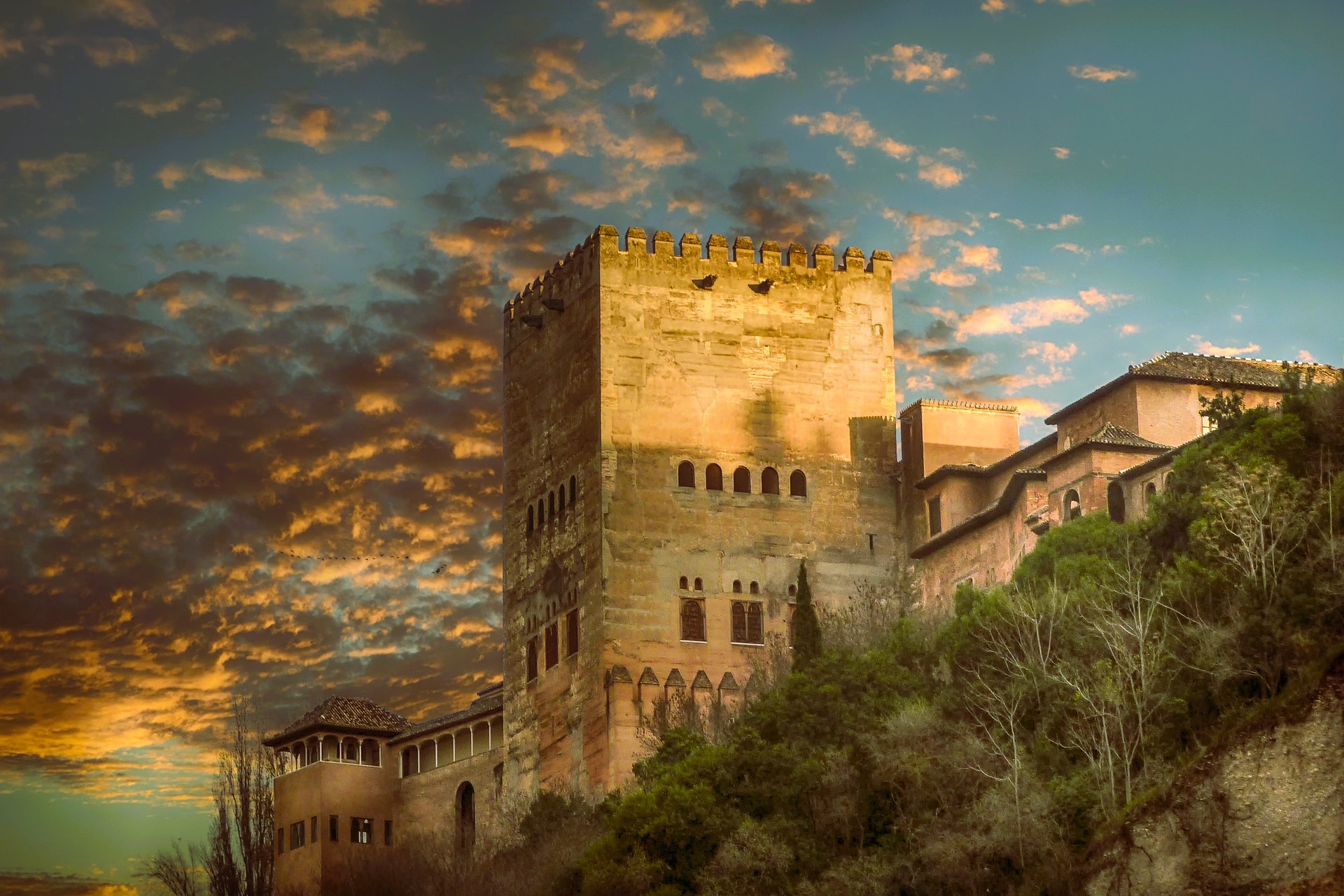
    The Alhambra represents the zenith of Moorish sophistication in Western Europe, serving as both a defensive fortress and a poetic residence for the Nasrid dynasty. For the thoughtful traveler, this site is less about a massive checklist and more about observing the interplay between geometric tilework and the hydraulic engineering of the Generalife gardens. It matters today because it preserves a rare, non Western architectural philosophy that prioritizes internal reflection over external display. To experience the Nasrid Palaces without the oppressive mid morning crowds, secure the earliest possible time slot ideally at 8:30 AM and bypass the main entrance by walking up the Cuesta de Gomérez, which offers a shaded, atmospheric ascent through the woods that feels far more intentional than the shuttle bus. This approach ensures you reach the threshold before the heat and the heaviest tour groups compromise the site’s inherent tranquility and contemplative atmosphere.

    The Albaicín District – Medieval Moorish Urbanism and Panoramic Views

    As the city’s oldest Moorish quarter, the Albaicín is a functional lesson in medieval urban planning designed for climate control and privacy. Its narrow, winding streets create a natural wind tunnel, offering cooler temperatures than the modern city center below. The significance for a modern visitor lies in the district’s ability to resist total modernization, maintaining its status as a living neighborhood where jasmine overlaps with private garden carmens. Rather than joining the noisy crowd at the Mirador de San Nicolás for the typical sunset view, continue walking higher to the Mirador de San Cristóbal, where the perspective of the Alhambra against the Sierra Nevada is broader and significantly more peaceful. Approaching the district by foot along the Darro river allows for a slow transition into this labyrinthine space, rewarding those who value observational depth over a quick photographic summary of the skyline.

    Granada Cathedral and Royal Chapel – Spanish Renaissance Power and Historical Transition

    The Granada Cathedral and the adjacent Royal Chapel serve as a stark aesthetic pivot point, marking the definitive transition from Islamic rule to the Spanish Renaissance. While the exterior is often crowded by the surrounding market streets, the interior volume of the cathedral offers a cold grandeur that illustrates the immense political and religious ambitions of the sixteenth century. Modern travelers find value here in understanding the physical layering of history, as these structures were built directly over the city’s former Great Mosque. For a more cohesive understanding of this architectural shift, enter the Royal Chapel first to view the resting place of Ferdinand and Isabella before transitioning into the main cathedral. To avoid the primary queue on the Plaza de las Pasiegas, use the smaller entrance on Gran Vía de Colón during the late afternoon when the white limestone interior is illuminated by the lowering western sun.

    The Sacromonte Caves – Romani Heritage and Troglodyte Architecture

    The Sacromonte Caves offer a distinct immersion into the city’s Romani heritage, defined by white washed troglodyte dwellings carved directly into the steep hillsides. For a thoughtful strategist, this area represents the intersection of geography and social history, far removed from the polished marble of the lower districts. It matters because it reveals the gritty, resilient underbelly of Andalusia’s cultural evolution, specifically regarding the development of flamenco music. While many visitors stop at the lower cave bars for commercialized shows, a more strategic approach involves walking to the very top of the neighborhood to visit the Museo Cuevas del Sacromonte, which explains the environmental logic of cave living without the distraction of tourist centric performances. Observing the sunset from these higher, unpaved paths provides a raw perspective of the Alhambra across the valley, grounding the best things to do in Granada within a genuine, topographical context.

    Monasterio de San Jerónimo – Hieronymite Grandeur and Plateresque Art

    The Monasterio de San Jerónimo serves as a quiet sanctuary of Hieronymite grandeur, offering a reprieve from the heavy foot traffic of the central monuments. This landmark is essential for those observing the transition to the Spanish Renaissance, particularly through the lens of military history and Plateresque iconography. The main chapel, containing the tomb of the legendary general Gonzalo Fernández de Córdoba, is an exercise in complex artistic scale and religious ambition. Unlike the often congested Cathedral, this cloister allows for a slower, more analytical pace among the orange trees and gothic arches. To see the most impressive details without the usual glare, pay close attention to the second floor choir stalls where the woodwork remains exceptionally preserved. It remains one of the best things to do in Granada for travelers who value architectural detail and historical silence over a high volume, checked box itinerary.

    The Alcaicería – Silk Market History and Artisanal Souvenirs

    The Alcaicería is a localized remnant of the once vast Moorish silk market, now characterized by a labyrinth of narrow alleys selling traditional Fajalauza ceramics and Taracea woodwork. This site offers a tactile connection to the city’s commercial past, providing a dense, sensory environment that contrasts with the expansive vistas of the Albaicín. It matters to the modern traveler as a study in Islamic urban commercialism, where the architecture itself dictated the flow of trade and security. Rather than entering through the main plaza where crowds often stagnate, approach the market from the Calle de los Mesones side to find a more fluid path through the specialized workshops. Navigating this space early in the morning allows you to observe the merchants setting up their displays, making it one of the best things to do in Granada for those interested in artisanal continuity and urban history.

    A 3 Day Strategic Itinerary

    Granada’s layout rewards a tiered approach to exploration that respects the city’s verticality and optimizes the best things to do in Granada. Begin your first day at the Alhambra to capitalize on early light and lower energy levels, then descend into the central district to navigate the narrow aisles of the Alcaicería. On the second day, focus on the ecclesiastical core by visiting the Granada Cathedral and Royal Chapel. Since the Monasterio de San Jerónimo is located just a short walk to the west, it serves as a logical afternoon stop to escape the midday central bustle. Devote your final day to the eastern heights, traversing the steep, labyrinthine streets of the Albaicín neighborhood before crossing into the adjacent Sacromonte district. This sequence ensures you move through different elevations with a consistent walking rhythm that minimizes physical fatigue while maximizing observational depth.

    The Unhurried Mindset

    The defining pulse of Granada is found in the transition from light to shadow within its narrowest alleys. The unspoken rule for a proper encounter with the city is to prioritize patience over pace; the terrain is designed to slow you down, and resisting this reality only leads to exhaustion. To experience the city soulfully, find a stone bench in a quiet plaza away from the main thoroughfares and simply observe the way the light hits the Sierra Nevada peaks. This quietude allows the historical layers of the city to settle, shifting your perspective from that of a spectator to a witness of Granada’s enduring character.

    Expanding your journey through Andalusia requires a similar strategic lens, as the neighboring cities of Cordoba and Seville offer their own distinct historical layers. Understanding the regional context of the Nasrid dynasty and the subsequent Christian conquest provides a complete map of the Spanish identity. For those seeking to deepen their tactical knowledge of the Iberian Peninsula, our upcoming guides offer refined itineraries for the thoughtful traveler. Move with intention, observe with clarity, and let the architecture tell the story.

  • 6 Best Things to Do in Lyon: A Strategic Guide for the Thoughtful Traveler

    6 Best Things to Do in Lyon: A Strategic Guide for the Thoughtful Traveler

    Travelers often treat Lyon as a high-speed culinary pitstop, rushing between crowded bouchons in Vieux Lyon and checking off landmarks like a grocery list. This frantic pace misses the city’s true rhythm. The secret to mastering Lyon is timing and elevation; most visitors fight the midday heat and the bottleneck of narrow traboules simultaneously. This guide corrects that error by prioritizing an unhurried approach that balances Roman antiquity with the quietest morning hours on the peninsula. By focusing on high-impact sites at optimal intervals, you avoid the common tourist fatigue that plagues the capital of Gaul. Discover the best things to do in Lyon through a lens of efficiency, allowing the city’s history to unfold without the friction of the masses.

    Basilique Notre-Dame de Fourvière – Iconic Views and Byzantine Grandeur

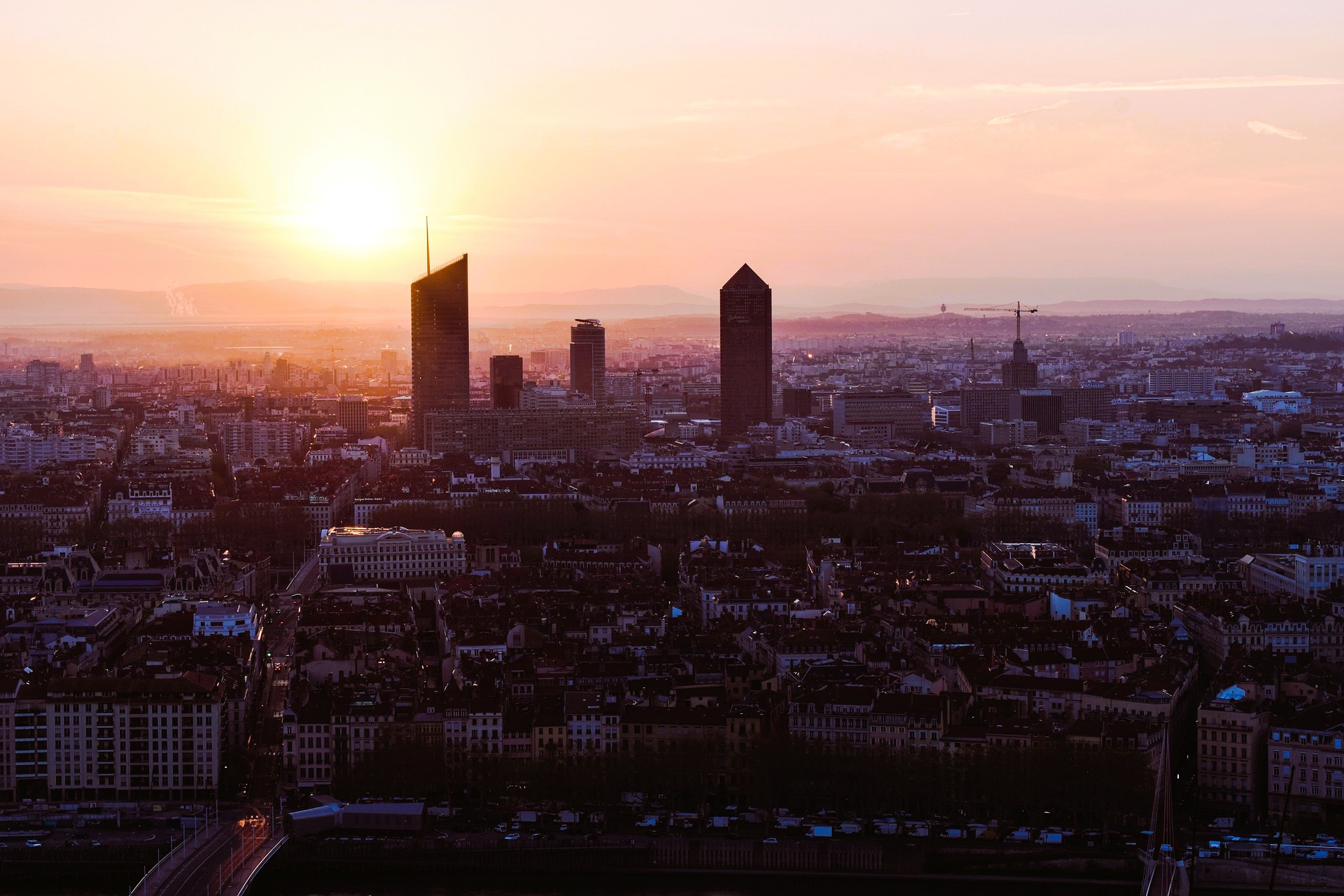
    Perched atop the Hill of Prayer, this nineteenth-century basilica serves as a permanent architectural sentinel over the city below. While the exterior’s shimmering white limestone is striking, the true value for a traveler lies in the interior’s intense mosaic work and the panoramic perspective it provides on Lyon’s geographic layout. The structure symbolizes the city’s religious devotion and its recovery from social upheaval, offering a physical bridge between the ancient Roman foundation nearby and the modern urban sprawl of the Part-Dieu district. To experience this site without the typical sensory overload, use the funicular from Vieux Lyon station early in the morning and head immediately to the Esplanade for the clearest light before the midday haze settles. This allows you to observe the transition from the red-roofed Renaissance district to the high-rise horizon in silence.

    Lugdunum – Musée et Théâtres Romains – Ancient History and Brutalist Design

    Lyon began here in 43 BC as the Roman capital of Gaul, and the site remains one of the most significant archaeological clusters in Europe. The twin theaters the Great Theater and the smaller Odeon are not merely static ruins but functional spaces that still resonate with the city’s cultural heritage. The accompanying museum, carved directly into the hillside, is a masterpiece of brutalist architecture that frames the artifacts against a backdrop of raw concrete and natural light. It offers a meditative atmosphere for those who appreciate history told through stone and silence. To maximize your visit, walk down the theater tiers toward the rue de l’Antiquaille exit which leads you through a series of quiet residential gardens and secret stairs that bypass the main tourist bus routes, preserving the feeling of historical discovery.

    Traboules of Vieux Lyon – Renaissance Engineering and Urban Secrets

    The traboules are a unique network of hidden passageways that allowed silk weavers and merchants to transport goods while remaining sheltered from the elements. These corridors represent a clever solution to urban density, winding through private courtyards and beneath arched doorways that the casual observer often ignores. Walking through them provides an intimate look at the ochre-toned Renaissance architecture that defines the Saint-Jean and Saint-Paul neighborhoods. Rather than following a generic map, look for the small bronze shields identifying the most historic passages, particularly the Longue Traboule. A specific timing hack for a tranquil experience is to visit between 8:00 and 9:30 AM on a weekday when the city is waking up but the tour groups have not yet arrived, ensuring the narrow corridors remain acoustic and uncrowded.

    Les Halles de Lyon Paul Bocuse – High-End Gastronomy and Local Expertise

    This indoor market serves as the definitive temple of French culinary excellence, named after the city’s most celebrated chef. It is less a grocery store and more a curated exhibition of the region’s finest products, from Saint-Marcellin cheeses to the vibrant pink praline tarts that define local patisserie. For the thoughtful traveler, the market offers a sensory education in the quality standards that underpin Lyon’s reputation as a world food capital. While the stalls are tempting at any hour, arriving around 11:00 AM allows you to secure a seat at one of the small oyster bars or bistros for a pre-lunch tasting before the local business crowd descends for their break. If you are looking for a quieter moment, seek out the specialized spice merchants tucked into the back corners where the air is thick with saffron and roasted nuts.

    Musée des Beaux-Arts de Lyon – Artistic Depth and Architectural Serenity

    Housed in a seventeenth-century Benedictine abbey, this museum is often cited as the “little Louvre” due to the breadth and quality of its collection. It bridges the gap between ancient Egyptian artifacts and modern European masterpieces, providing a comprehensive narrative of human creativity within the walls of the Palais Saint-Pierre. The experience is defined by the scale of the galleries, which allow for a respectful distance between the viewer and the art. The true centerpiece is the cloister garden, a secluded rectangular courtyard filled with sculptures and centuries-old trees that offers a profound silence away from the noise of Place des Terreaux. A useful strategy is to bypass the main entrance queue by checking the secondary courtyard gate which occasionally grants faster access during peak hours while leading you directly into the most tranquil part of the estate.

    Parc de la Tête d’Or – Landscape Architecture and Urban Escape

    As one of the largest urban parks in France, this green space functions as the city’s collective backyard, offering a sophisticated blend of botanical gardens and lakefront vistas. For a traveler, it provides a necessary pause from the density of the Presqu’île, showcasing nineteenth-century landscape design at its most ambitious. The vast glass-walled greenhouses are particularly noteworthy, housing rare tropical flora in an iron and glass structure that reflects the industrial elegance of a bygone era. To avoid the weekend crowds that flock to the central lake, head toward the northern end of the park near the Cite Internationale entrance, where the rose gardens are less frequented and offer a more intimate setting for a walk. This section provides a seamless transition back to modern architecture, allowing you to observe the city’s evolution from the natural world to contemporary design.

    A 3-Day Strategic Itinerary

    To experience Lyon without the typical logistical friction, group your visits by their geographical elevation and neighborhood character. On the first day, focus on the Fourvière hilltop to combine the Basilica with the Lugdunum archaeological site. This approach allows you to descend into the Vieux Lyon district by foot, utilizing the natural slope of the city rather than fighting against it. Dedicate the second day to the Presqu’île, starting with the quiet morning halls of the Musée des Beaux-Arts before navigating the historic traboules that connect the riverbanks. This central corridor is the heart of Lyonnaise commerce and history. On your final day, move east toward the 6th arrondissement. Begin with the culinary excellence of Les Halles de Lyon Paul Bocuse for an early lunch, followed by a long, restorative afternoon at Parc de la Tête d’Or. This sequence minimizes transit time and respects the city’s natural walking rhythm.

    The Unhurried Mindset

    The unspoken rule of Lyon is that the city belongs to those who observe rather than those who consume. It is a place of discretion where the best experiences are often hidden behind heavy oak doors or within unpretentious bistros. To enjoy the city properly, you must embrace the art of the pause. My soulful advice for a slow-travel experience is to spend one hour sitting by the Saône river at dusk with no objective other than watching the light change against the ochre facades. In these moments, the city reveals its true character not as a tourist destination, but as a living, breathing testament to French refinement and historical continuity.

    Further Exploration

    For those seeking to expand their journey beyond the confluence of the Rhône and Saône, the surrounding Auvergne-Rhône-Alpes region offers a wealth of medieval villages and alpine vistas that complement the urban sophistication of Lyon. Consider venturing toward the vineyards of Beaujolais or the pristine waters of Annecy to see how the regional identity shifts from industrial power to natural serenity.

    A well-planned journey does not demand more time; it simply requires more intention. Safe travels through the capital of Gaul.

  • Best Things to Do in Salzburg: A Local’s Guide to the City of Music

    Best Things to Do in Salzburg: A Local’s Guide to the City of Music

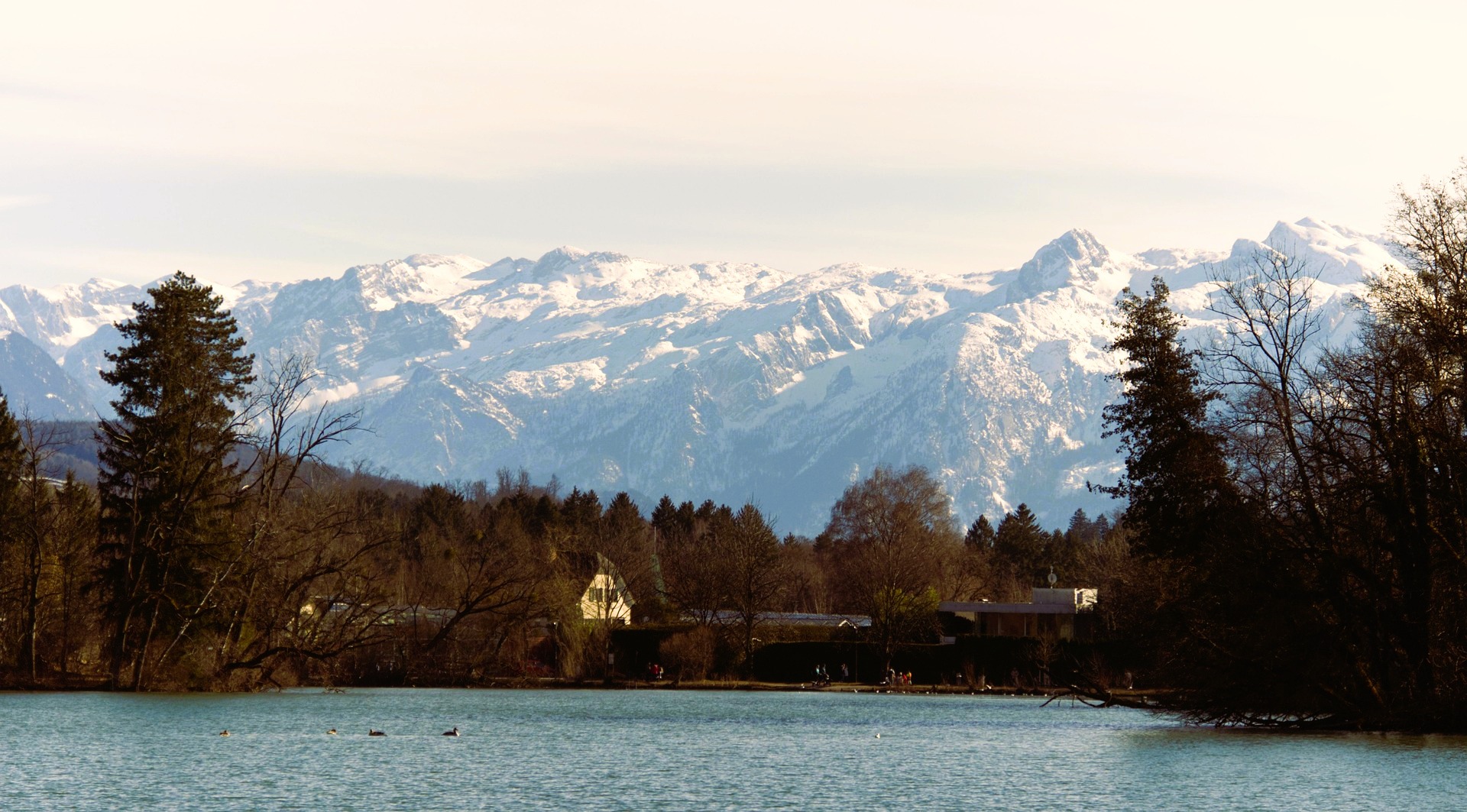
    Most travelers arrive in Salzburg with a two-day checklist and a “Sound of Music” soundtrack in their heads, only to find themselves lost in the dense, winding crowds of the Getreidegasse. The challenge isn’t finding beauty it’s navigating the sheer density of history without feeling like a tourist in a maze. This Salzburg travel guide cuts through the noise to help you find the quiet organ notes in the cathedral and the best panoramic drafts of Stiegl beer. Whether you’re here for the Baroque spires or the jagged Alpine backdrop, the best things to do in Salzburg involve moving at a slower tempo. From fortress heights to hidden abbey cellars, here is how to experience the capital of the Salzburgerland with precision and purpose.

    Hohensalzburg Fortress – Panoramic Views and Medieval History

    The Hohensalzburg Fortress isn’t just a landmark; it’s a 900-year-old sentinel that has never been conquered. As one of the top attractions in Salzburg, it dominates the skyline, offering a deep dive into the lives of the Prince-Archbishops. Visitors can explore the opulent Golden Chamber, the medieval torture chamber, and the Rainer Regiment Museum. The utility here lies in the “Panorama Tour,” which provides the most strategic orientation of the city’s layout. While the funicular is a modern convenience, the walk up the Festungsberg offers a slower, sensory transition from the city’s baroque streets to the fortress’s rugged limestone ramparts. You aren’t just visiting a castle; you are stepping into a tactical masterpiece of Alpine defense.

    Practical Expert Tip: Purchase the “Early Bird” or “Panorama” ticket online before 10:00 AM to save up to 20% and bypass the 45-minute funicular queue that forms at the Kapitelplatz station by midday.

    Mirabell Palace and Gardens – Baroque Beauty and Cinematic History

    No Salzburg travel guide is complete without the geometric perfection of the Mirabell Gardens. Built in 1606 by Archbishop Wolf Dietrich for his mistress, the grounds are a masterclass in Baroque landscape architecture. Beyond the famous Sound of Music filming locations like the Pegasus Fountain and the Hedge Theater, the site offers a quiet sanctuary in the Dwarf Garden. The palace interior houses the Marble Hall, widely considered one of the most beautiful wedding halls in the world. The vibe here is a refined balance of public leisure and historical opulence. It serves as a vital pedestrian artery connecting the “New” city to the “Old,” making it an essential, high-utility stop for both photography enthusiasts and those seeking a moment of horticultural zen amidst a packed itinerary.

    Practical Expert Tip: The gardens open at 6:00 AM; visit then to experience the Pegasus Fountain without a single tour group in sight, and check the Marble Hall schedule for evening Mozart concerts to see the interior after hours.

    Salzburg Cathedral – Architectural Grandeur and Musical Legacy

    The Salzburg Cathedral (Dom zu Salzburg) stands as the epicenter of the city’s spiritual and musical identity. Known for its massive 71-meter dome and twin towers of Untersberg marble, the cathedral is where Wolfgang Amadeus Mozart was baptized and later served as the court organist. This isn’t just a place of worship; it’s an acoustic marvel. When applying visiting Salzburg tips, prioritize the midday organ concerts, which utilize the cathedral’s five separate organs to create a surround-sound experience that defines the “City of Music.” The crypt offers a somber, Romanesque contrast to the exuberant Baroque nave above, housing the remains of the powerful Archbishops. It is a dense site of cultural layering, where the weight of the Catholic Church’s historical power is visible in every frescoed inch of the ceiling.

    Practical Expert Tip: While the main entrance faces Domplatz, enter through the “DomQuartier” museum wing if you want access to the organ gallery and a unique bird’s-eye view of the nave that standard visitors miss.

    Getreidegasse – Historic Charm and High-End Shopping

    As the pulsing artery of the Old Town, Getreidegasse represents the pinnacle of the “Experience Economy.” It is where 15th-century architecture meets 21st-century luxury. While the primary draw is the high-end boutiques and traditional craft shops, the true utility of this street lies in its “Durchhäuser” hidden passageways that reveal quiet, ivy-draped courtyards and artisanal workshops tucked away from the main flow. This is where a Salzburg travel guide comes to life; you aren’t just shopping, you are navigating a living museum of commerce. The vibe is a sophisticated blend of sensory details: the smell of fresh Bosna sausages, the visual clutter of historic signs, and the echo of footsteps on centuries-old stone. It’s an essential stop for understanding how Salzburg has balanced its mercantile grit with its aristocratic polish.

    Practical Expert Tip: Escaping the midday rush is easy if you duck into the “Schatz-Durchhaus” (No. 3), which leads to a tiny, legendary bakery where you can grab a traditional Salzburger Nockerl to go.

    Mozart’s Birthplace – A Global Pilgrimage for Musical Heritage

    Located at Getreidegasse 9, Mozart’s Birthplace is more than a museum; it is a shrine to human genius. For anyone looking for visiting Salzburg tips, this site is the non-negotiable anchor of any itinerary. The experience is intimate, leading you through the actual rooms where Wolfgang Amadeus was born in 1756. You’ll see his childhood violin, original portraits, and the clavichord on which he composed “The Magic Flute.” The utility here is in the historical immersion; the museum effectively strips away the “tourist trap” veneer to offer a grounded look at the Mozart family’s middle-class reality. The atmosphere is hushed and reverent, providing a necessary counterpoint to the lively streets outside. It’s an essential investment for anyone wanting to connect the dots between Salzburg’s baroque aesthetic and its world-famous sound.

    Practical Expert Tip: Use your Salzburg Card for free fast-track entry, and aim to visit during the final 90 minutes before closing (around 4:00 PM) to avoid the large tour groups that dominate the morning hours.

    Hellbrunn Palace – Renaissance Wit and Interactive Water Features

    Hellbrunn Palace is the ultimate testament to the “Experience Economy” of the 17th century. Built by Prince-Archbishop Markus Sittikus as a “pleasure palace,” it was never intended for overnight stays, only for entertainment. The high-intent search value here lies in the top attractions in Salzburg category, specifically the world-famous Trick Fountains (Wasserspiele). Visitors are led through a series of grottos and mechanical theaters powered entirely by water pressure often ending in a playful drenching from hidden jets. It is a rare surviving example of Mannerist wit. Beyond the fountains, the expansive gardens house the original “Sound of Music” gazebo, offering a free, low-utility photo op for fans. The vibe is lighthearted and surprisingly modern in its focus on guest interaction, proving that the Archbishops knew how to host a legendary party.

    Practical Expert Tip: Take Bus 25 from the city center for a direct 20-minute ride; if you arrive early, the palace gardens and the “Sound of Music” gazebo are free to explore before your timed fountain tour begins.

    How to Spend 3 Perfect Days in Salzburg: A Strategic Itinerary

    To maximize your time, group your sightseeing by neighborhoods to avoid backtracking across the Salzach River.

    On Day 1, focus exclusively on the Altstadt (Old Town). Since this entire district is a pedestrian zone, every major landmark including the Salzburg Cathedral, Getreidegasse, and Mozart’s Birthplace is within a ten-minute walking distance of each other.

    On Day 2, tackle the heights and the “New” town. Start at Mirabell Palace before crossing the bridge to ride the funicular up to Hohensalzburg Fortress.

    Day 3 is for the outskirts. Use the highly efficient public transport system; specifically, hop on Bus 25 from the city center, which takes you directly to the trick fountains of Hellbrunn Palace and the Untersberg cable car. This logical flow ensures you spend more time absorbing the Alpine atmosphere and less time navigating transit logs.

    Quick Travel Facts

    Best Time to Visit: For the best balance of weather and crowds, aim for late May or September. If you want the quintessential “Winter Wonderland” experience, December is peak season for the world-famous Christmas markets.

    Top Local Dish to Try: You cannot leave without tasting Salzburger Nockerl, a fluffy, sweet soufflé representing the three snow-capped mountains surrounding the city. For a savory staple, the Wiener Schnitzel at Meissl & Schadn is a local benchmark.

    How to Get Around: The historic core is strictly a walking city. For everything else, the Salzburg Card is your best friend it provides unlimited use of buses and the funicular, plus free entry to most major sites.

    Discover More of Austria

    If the baroque charm of the city has captured your imagination, the emerald lakes and jagged peaks of the nearby Salzkammergut (Lake District) are the natural next chapter. From the postcard-perfect shores of Hallstatt to the summer retreats of St. Gilgen, the region offers a deeper dive into the Austrian Alpine lifestyle.

    Salzburg is not merely a museum of the past; it is a living, breathing composition of architectural precision and natural beauty. Your journey through the City of Music starts here book your Salzburg Card today and step into the heart of Europe’s most storied landscape.

  • Estonia Itinerary: The Only 7 Days Plan You Need for Car Rental Travel

    Estonia Itinerary: The Only 7 Days Plan You Need for Car Rental Travel

    Most Estonia guides fail by over-allocating time to Tallinn’s Old Town, causing travelers to miss the high-value ecological diversity of the islands and the southern highlands. This plan fixes that by using a high-mobility “Triangle Route.” By utilizing a rental car, you bypass the 35% time-loss associated with regional bus synchronization.

    Best Time to Visit: May to September (Maximized daylight for driving; 18+ hours in June).

    Estimated Daily Budget: €110–€150 per person (Includes mid-range lodging, fuel, and ferry tolls).

    Maximizing ROI: The Math Behind the 7-Day Loop

    A 7-day duration provides the optimal time-to-value ratio for Estonia’s geography. With a total land area of ~45,000 km², the primary points of interest (Tallinn, Kuressaare, and Tartu) form a triangle with legs no longer than 200km.

    Travel Time Efficiency:

    Tallinn to Kuressaare: 4 hours (including ferry).

    Kuressaare to Tartu: 4.5 hours.

    Tartu to Tallinn: 2.5 hours.

    By dedicating 168 hours to this route, you spend less than 8% of your total trip in transit. This allows for 2-night “micro-hubs” in each major zone, ensuring you spend your “active daylight” on-site rather than on the asphalt.

    The Kalamaja District (Tallinn) & Kuressaare

    While this is a moving itinerary, your Strategic Anchor is Tallinn’s Kalamaja District. Located North-West of the Old Town, Kalamaja provides immediate access to the E20 and E67 highways, allowing you to exit the city limits toward Lahemaa or Western Estonia in under 12 minutes, bypassing the congested city center. For the island portion of the trip, Kuressaare serves as the tactical base, placing you within 45 minutes of the Vilsandi coastline and the Sõrve Peninsula, effectively cutting daily island transit times by half compared to staying near the Muhu ferry port.

    THE “HIGH-VALUE” ITINERARY

    Strategic Focus: This Estonia Itinerary 7 Days utilizes the “Triangle Route” to eliminate backtracking and maximize your time in nature.

    Day 1: Tallinn The Medieval Entry Point

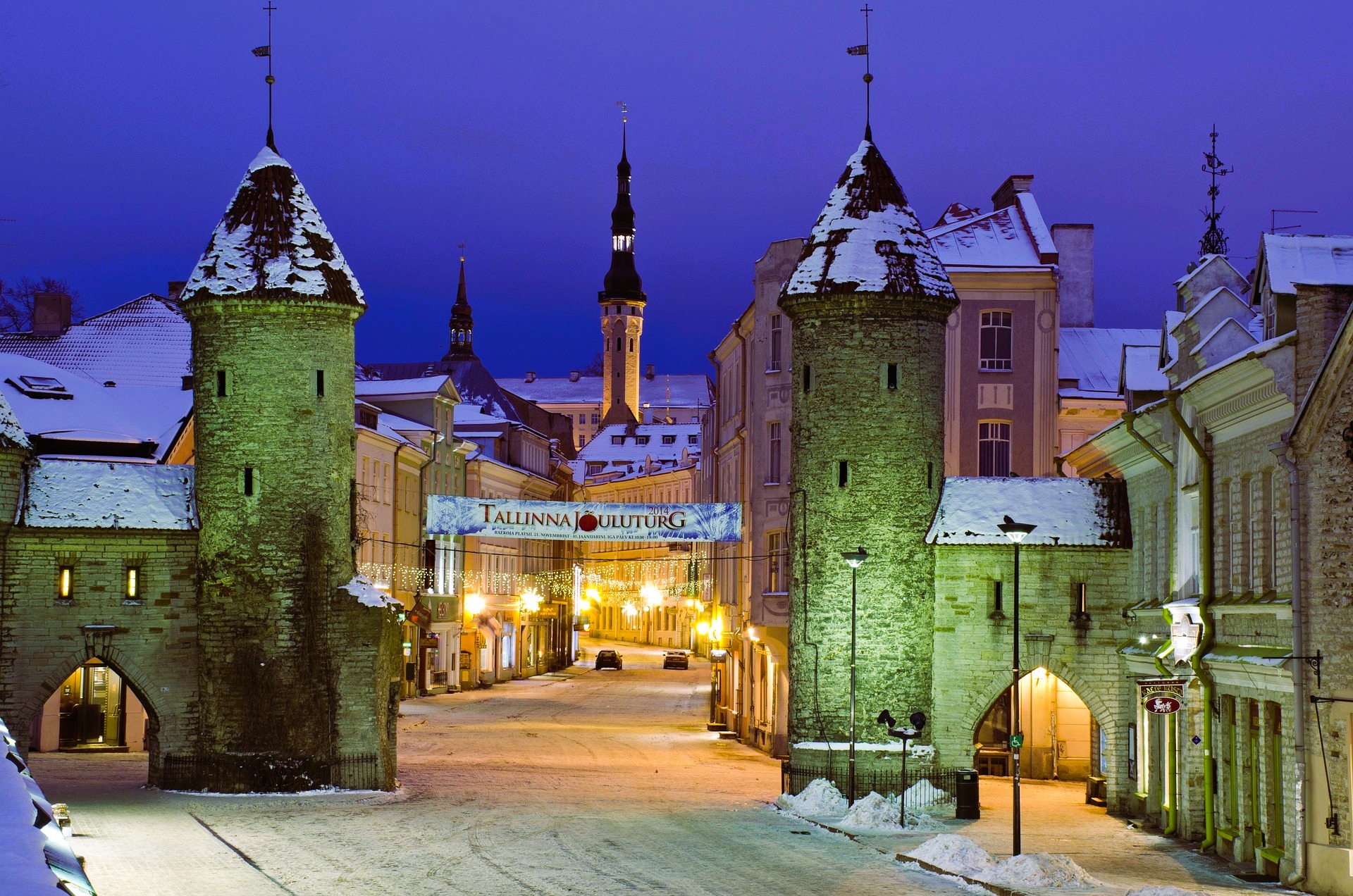
    The Morning Focus: Tallinn Old Town (Upper Town/Toompea). Walk the fortress walls for the Kohtuotsa viewing platform panorama.

    The Logistical Tip: Arrive at the Town Hall Square before 09:00 to photograph the Hanseatic architecture before the cruise ship crowds arrive.

    The “One Thing to Eat”: Kiluvõileib (Sprat sandwich) at a local cafe near the Niguliste Museum.

    Day 2: Lahemaa National Park The Coastal Push

    The Morning Focus: Viru Bog Trail. A 6km boardwalk through high-value peat bog landscapes and watchtowers.

    The Logistical Tip: Leave Tallinn by 08:30 via the E20. Use the RMK (State Forest Management Center) app for real-time trail maps.

    The “One Thing to Eat”: Smoked trout at the Altja Fishing Village tavern.

    Day 3: The Island Transition Muhu to Saaremaa

    The Morning Focus: Angla Windmills. Five iconic wooden windmills that represent the peak of Saaremaa’s agricultural heritage.

    The Logistical Tip: Pre-book your Virtsu–Kuivastu ferry ticket online (Praamid.ee) to skip the 1-2 hour standby queues. This is essential for maintaining your Estonia Itinerary 7 Days pace.

    The “One Thing to Eat”: Muhuleib (Dark rye bread with nuts/seeds) fresh from the Muhu Pagarid bakery.

    Day 4: Deep Saaremaa Cliffs and Craters

    The Morning Focus: Panga Cliff. The highest coastal cliff in Western Estonia, offering 21-meter drops into the Baltic.

    The Logistical Tip: Visit the Kaali Meteorite Crater on your way back to Kuressaare; it’s a 20-minute stop that fits perfectly into the transit window.

    The “One Thing to Eat”: Wild boar or locally caught Juniper-infused fish in Kuressaare.

    Day 5: The Academic Capital Tartu

    The Morning Focus: The Estonian National Museum (ERM). An architectural marvel built on a former Soviet airbase runway.

    The Logistical Tip: The drive from Saaremaa to Tartu is the longest leg (approx. 4.5 hours). Start by 09:00 to reach Tartu for a late lunch.

    The “One Thing to Eat”: Modern Estonian fusion at Aparaaditehas (The Widget Factory district).

    Day 6: Southern Nature & Onion Route

    The Morning Focus: Peipsi Lake & The Onion Route. Explore the unique culture of the Old Believers living along the Russian border.

    The Logistical Tip: Use the secondary roads (Route 222) for a more scenic drive through the yellow “National Geographic” windows.

    The “One Thing to Eat”: Famous Peipsi Onion Pie and samovar tea.

    Day 7: The Return Loop

    The Morning Focus: Viljandi Castle Hills. The ruins of a 13th-century Order of Livonia castle overlooking a pristine lake.

    The Logistical Tip: Viljandi is the perfect halfway point between Tartu and Tallinn, allowing for a 2-hour “leg stretch” before dropping off the rental car.

    The “One Thing to Eat”: Artisanal pastries at the Rohelise Maja Pood ja Kohvik.

    TRAVELER’S CHEAT SHEET

    Local SIM/Data: Pick up a Telia or Elisa “Super” prepaid SIM at any R-Kiosk. 10GB of data costs roughly €5; Estonia has near-100% 4G/5G coverage, even in deep forests.

    Transport “Hack”: Download the Pargi.ee app. It handles all street parking via your credit card, which is vital in Tallinn and Tartu where zones change block-by-block.

    Tourist Trap Avoidance: Avoid eating on the Tallinn Town Hall Square. Walk 5-10 minutes toward the Telliskivi Creative City for better quality at 40% lower prices.

    Internal Link: Looking for more Baltic inspiration? Check out our guide to the [Best places to visit in Northern Europe].

    COMMON QUESTIONS (FAQ)

    Is 7 Days enough for Estonia? Yes. Because Estonia is compact, 7 days allows you to cover the “Golden Triangle” (Tallinn, Saaremaa, Tartu) without exceeding 3 hours of driving on most days. It provides a 70/30 split between outdoor exploration and urban culture.

    How much does a 7 Days trip to Estonia cost? Expect to spend between €800 and €1,100 per person. This includes a mid-sized rental car (€250/week), fuel, mid-range boutique hotels, and high-quality dining. Booking ferries and car rentals 3 months in advance can reduce this by 15%.

    CONCLUSION: THE ROI This itinerary yields a high Experience-to-Transit ratio. By utilizing a car rental over the 7-day window, you reclaim approximately 14 hours otherwise spent waiting for regional buses. This time is reinvested into the bogs of Lahemaa and the cliffs of Saaremaa, delivering a comprehensive “Wild Estonia” experience that city-bound travelers miss.

  • Best Things to Do in Madrid: A Local’s Guide to Spain’s Capital

    Best Things to Do in Madrid: A Local’s Guide to Spain’s Capital

    Most travelers treat Madrid as a quick stopover, rushing through the “Golden Triangle” of art before heading to the coast. The problem? You end up exhausted by the crowds and miss the city’s actual pulse the late-afternoon vermouth, the hidden plazas of La Latina, and the cool shade of the Retiro.

    This Madrid travel guide helps you navigate the high-energy capital without the burnout. Whether you are checking off the top attractions in Madrid or looking for a quiet corner to enjoy churros con chocolate, our curated list ensures you experience the city’s regal history alongside its modern, effortless charm. Discover the best things to do in Madrid by slowing down just enough to see the city as the Madrileños do.

    Royal Palace of Madrid – Experience the Grandeur of Europe’s Largest Palace

    Blending 18th-century Baroque architecture with the living history of the Spanish monarchy, the Royal Palace is a cornerstone of any Madrid travel guide. While the Royal Family now resides at Zarzuela, this “official” home remains a powerhouse of search volume due to its 3,418 rooms nearly double the size of Versailles. You’ll walk through the Throne Room, with its Tiepolo-frescoed ceilings, and the Royal Armory, which houses weapons used by Charles V. It’s a sensory overload of velvet, gold leaf, and porcelain that proves Madrid’s status as a former global empire. The experience is both regal and educational, offering a deep dive into the decorative arts that defined the Spanish court.

    Practical Expert Tip: Book your time-slotted ticket online at least two weeks in advance, as the palace often sells out and walk-in queues can exceed two hours. To see the Changing of the Guard, visit on a Wednesday or Saturday morning between 11:00 AM and 2:00 PM.

    Prado Museum – Immerse Yourself in the Golden Age of Spanish Art

    As the crown jewel of the Golden Triangle of Art, the Prado is a non-negotiable for anyone visiting Madrid tips usually recommend. It houses the world’s most comprehensive collection of Spanish painting, including the haunting “Black Paintings” of Goya and Bosch’s surreal Garden of Earthly Delights. The vibe is one of hushed reverence, where the sheer volume of masterpieces can be overwhelming without a plan. Search data shows it’s consistently the most-searched museum in Spain because it doesn’t just display art; it narrates the psychological history of the Spanish spirit through centuries of conflict and courtly life. Navigating its halls feels like a journey through the collective imagination of Europe’s greatest masters, making it a high-utility stop for cultural enrichment.

    Practical Expert Tip: Take advantage of free entry hours (Mon-Sat 6-8 PM, Sun 5-7 PM), but be prepared to join the queue by the Puerta de Jerónimos at least 45 minutes prior. For a quieter experience, buy a morning ticket and start at the top floor to work your way down.

    El Retiro Park – Unwind in Madrid’s UNESCO-Listed Green Lung

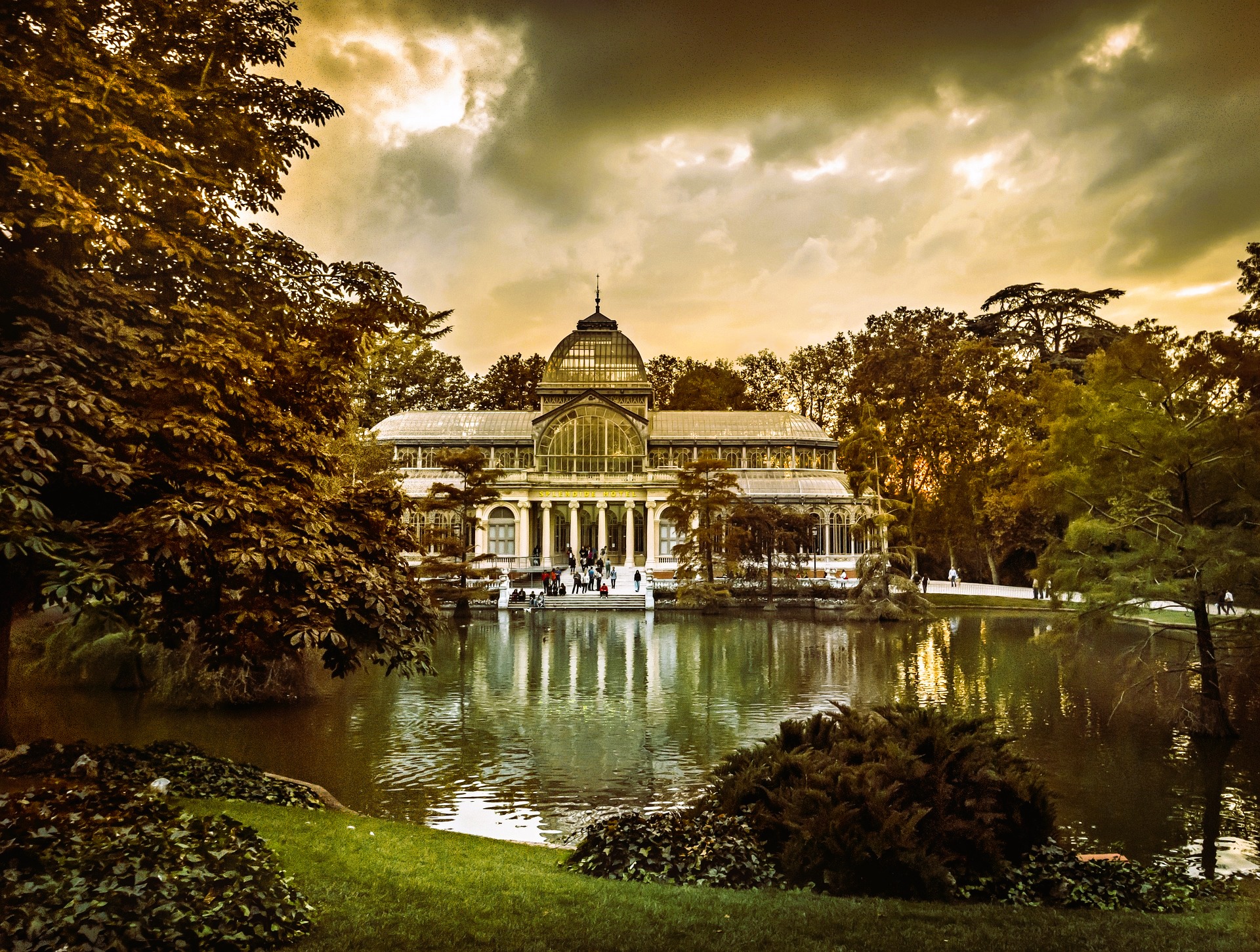
    Formerly a private retreat for royalty, El Retiro is now a 300-acre public sanctuary that perfectly balances top attractions in Madrid with “slow travel” energy. High search volume for the park is driven by its diverse landscape from the manicured Parterre Garden to the iconic boating lake. You’ll encounter street performers, local runners, and the striking Statue of the Fallen Angel. It’s the city’s favorite living room, where the crisp air and shade provide a necessary tactical break from the urban heat. The park’s UNESCO World Heritage status (as part of the Paisaje de la Luz) confirms its global cultural significance. Whether you are rowing a boat or exploring the glass-walled Palacio de Cristal, the vibe is effortlessly Madrid: sophisticated yet deeply relaxed.

    Practical Expert Tip: Escape the main lake’s crowds by heading to the Rosaleda (Rose Garden) in the park’s southern end, which peaks in May and June. For a unique view, visit the secret lookout point beneath the Alfonso XII monument, often overlooked by the casual tourist.

    Plaza Mayor – Discover the Heart of Habsburg Madrid

    As the literal and figurative center of the city, Plaza Mayor is a staple in any Madrid travel guide. This 17th-century porticoed square is the peak of the “Experience Economy,” offering travelers a chance to sit amidst centuries of history from royal coronations to public trials. While it is a high-traffic zone, its utility lies in its architectural grandeur and its role as a navigational anchor. You aren’t just paying for a coffee; you are paying for a front-row seat to Madrid’s public life. High search intent for “authentic Madrid” often leads here, where the frescoes of the Casa de la Panadería provide a stunning backdrop for people-watching. It is a mandatory stop for those seeking the traditional “Austrias” aesthetic of the capital.

    Practical Expert Tip: Avoid the overpriced tourist menus within the square and head to the Calle de Postas nearby for a legendary “Bocadillo de Calamares” (calamari sandwich) at La Ideal a local ritual that costs under five euros.

    Santiago Bernabéu Stadium – Step Inside the Temple of Global Football

    The Bernabéu has evolved from a simple sports venue into a high-tech pilgrimage site, making it one of the most-searched top attractions in Madrid. For the modern traveler, the “experience” here isn’t just about the match; it’s about the immersive museum, the panoramic views of the pitch, and the sheer engineering marvel of the renovation. It appeals to both sports fanatics and tech enthusiasts, offering a premium look at the Real Madrid brand. In terms of utility, it provides a high-energy contrast to the city’s art museums. As you walk through the trophy room, the “Experience Economy” is in full swing, blending heritage with interactive displays that justify the ticket price for any football fan.

    Practical Expert Tip: If you aren’t attending a game, book the “Museum + Panoramic View” ticket for the final slot of the day to see the stadium lights flicker on against the Madrid

    Mercado de San Miguel – Savor a Curated Gastronomic Journey

    Located just steps from the main square, this market is a high-intent destination for anyone following visiting Madrid tips regarding local cuisine. Unlike traditional neighborhood markets, San Miguel is a curated gastronomic hall focused on immediate gratification. It’s worth the traveler’s time because it consolidates Spain’s regional flavors from Galician seafood to Castilian cheeses under one historic roof. The vibe is social and fast-paced; it’s about the “grazing” culture. You pay a premium for the convenience and the atmosphere, but the ability to sample Michelin-starred chef creations in a casual setting provides immense value. It’s a sensory-rich environment where the clinking of wine glasses and the aroma of Iberico ham define the midday Madrid experience.

    Practical Expert Tip: To secure a standing table without the stress, arrive exactly at 10:00 AM when the doors open, or visit during the “Spanish siesta” hours (4:00 PM – 6:00 PM) when the midday rush subsides.

    How to Spend 3 Perfect Days in Madrid: A Strategic Itinerary

    On Day 1, focus on the historic “Madrid de los Austrias” neighborhood. Start at the Royal Palace and walk five minutes to the Plaza Mayor, finishing with a tapas crawl at the Mercado de San Miguel. Most of this area is pedestrian-friendly and within easy walking distance.

    Day 2 is dedicated to the Paseo del Prado boulevard. Spend your morning at the Prado Museum before crossing the street to unwind in El Retiro Park. These sites are clustered in the “Landscape of Light” UNESCO zone, making it a seamless transition from art to nature.

    On Day 3, head north via the L10 Metro line to the Santiago Bernabéu Stadium in the Chamartín district. Spend the afternoon exploring the trendy neighborhoods of Malasaña or Chueca for boutique shopping and craft vermouth, easily accessible via Madrid’s world-class public transport network.

    QUICK TRAVEL FACTS (FAQ)

    When is the best time to visit Madrid? The “shoulder seasons” of April to May and September to October offer the best balance. You’ll avoid the 40°C (104°F) summer heat while enjoying the crisp, blue skies that the city is famous for.

    What is the one local dish I must try? While the Bocadillo de Calamares (calamari sandwich) is the ultimate street snack, the Cocido Madrileño a hearty, three-course chickpea and meat stew is the definitive traditional soul food of the capital.

    What is the best way to get around the city? The Metro de Madrid is one of the cleanest and most efficient underground systems in Europe. For the historic center, however, walking is superior; most major landmarks between the Royal Palace and the Prado are within a 20-minute stroll.

    If you have extra time, Madrid serves as the perfect high-speed rail hub for exploring the rugged beauty of Central Spain. Iconic UNESCO cities like Toledo and Segovia are less than 30 minutes away, offering a deeper dive into the Roman and Medieval history of the Iberian Peninsula.

    Madrid is a city that doesn’t just show you its history; it invites you to live it in the plazas, the galleries, and the taverns. Whether you are here for the world-class art or the electric nightlife, the Spanish capital delivers an intensity that few other cities can match. Start planning your Madrid adventure today and secure your museum passes to experience the heart of Spain at its most vibrant.

  • Best Things to Do in Athens: A Strategist’s Guide to the Greek Capital

    Best Things to Do in Athens: A Strategist’s Guide to the Greek Capital

    Athens is often treated as a 48-hour layover a hot, crowded dash to the Parthenon before fleeing for the islands. But the secret to mastering the city isn’t just about checking boxes; it’s about timing. To truly enjoy the best things to do in Athens, you have to navigate the friction between ancient scale and modern urbanity.

    Whether you’re hunting for the perfect sunset over the Saronic Gulf or navigating the steep marble of the “High City,” success depends on these visiting Athens tips: go early, stay late, and look beyond the stone. This Athens travel guide balances the heavy-hitters with the slow-burn neighborhoods where the city’s real 2026 “renaissance” is happening far away from the cruise ship surges.

    Acropolis of Athens – The Ultimate Blueprint of Western Civilization

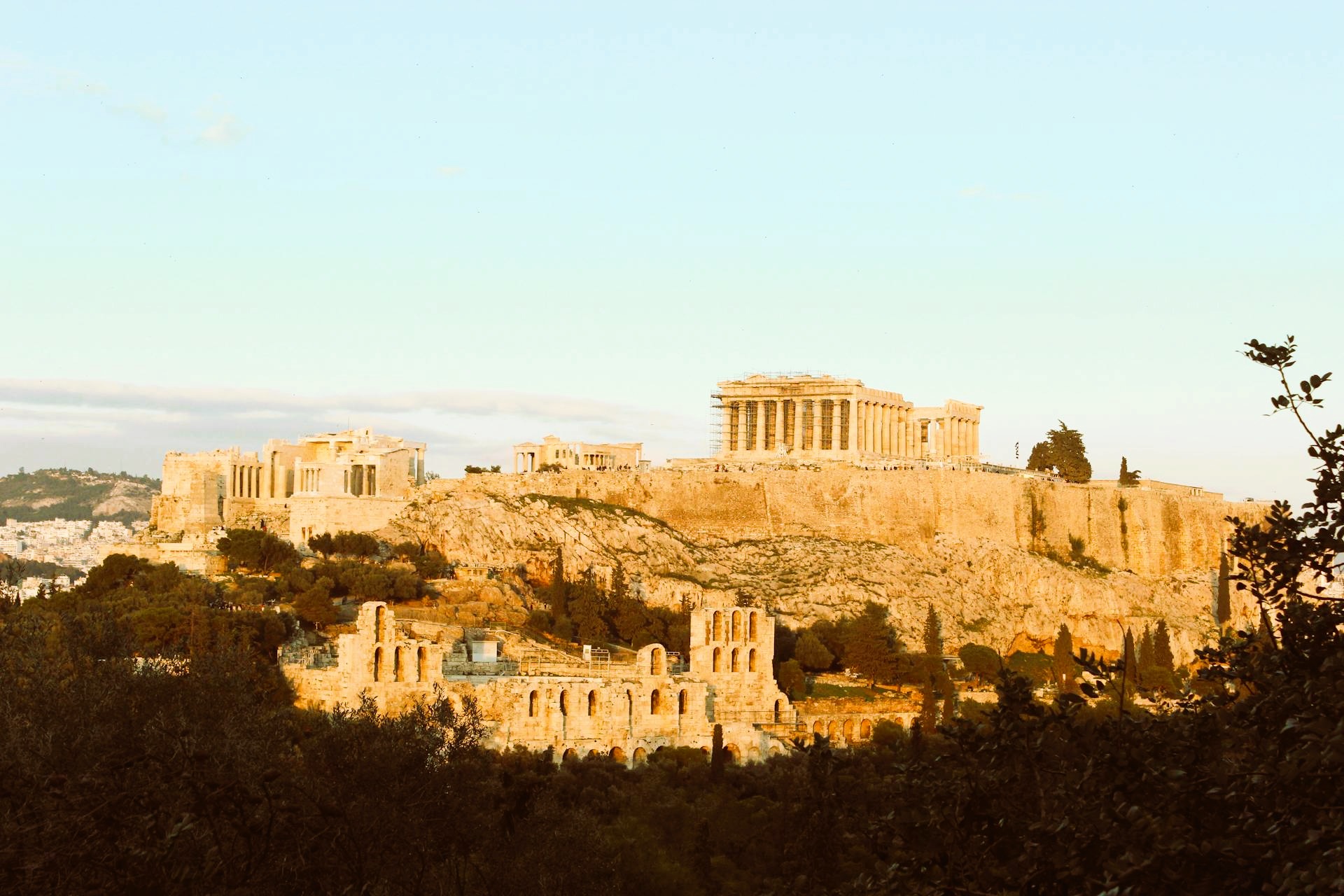
    Standing atop the “High City” is more than a history lesson; it is an exercise in scale and endurance. As the primary pillar of any Athens travel guide, the Acropolis provides a 360-degree orientation of the Attic basin that helps you understand the city’s chaotic layout. In 2026, the experience is defined by the mandatory timed-entry system, which has significantly thinned the once-stifling crowds, allowing for a more meditative pace. You aren’t just seeing ruins; you are walking through the birthplace of democracy and theater. The sheer engineering of the Propylaea and the delicate Caryatids of the Erechtheion offer a physical connection to the 5th century BC that feels surprisingly immediate. Despite the modernization of the paths, the ascent remains rugged and steep, rewarding the effort with a perspective on Western heritage that no textbook can replicate.

    Practical Expert Tip: Book the 8:00 AM slot via the official Hellenic Heritage portal at least three weeks in advance. Enter through the “South Slope” gate near the Acropolis Metro to see the Theater of Dionysus first and bypass the massive tour bus queues at the main western entrance.

    Acropolis Museum – A High-Tech Lens on Ancient Art

    Often cited in visiting Athens tips as the best “midday escape,” this museum is a climate-controlled masterclass in contextual architecture. Designed by Bernard Tschumi, the building sits on stilts over an excavated Byzantine neighborhood, visible through glass floor panels as you enter. The museum’s utility lies in its “reconstruction” of the Acropolis experience; the top floor is rotated precisely to align with the Parthenon itself, allowing you to see the marbles in the exact orientation they once held. The vibe is sophisticated and airy, a sharp contrast to the dusty heat of the ruins. Watching the natural light change on the surviving statues specifically the five original Caryatid “Maidens” bridges the gap between archaeological fragments and living history. It provides the intellectual “why” to the physical “what” you witnessed on the hill, making the complex history of the site digestible and visually stunning.

    Practical Expert Tip: Visit on Friday evenings when the museum stays open until 10:00 PM. The restaurant terrace offers one of the most prestigious (and relatively quiet) dinner views of the illuminated Acropolis in the entire city.

    Ancient Agora – The Social Heart of Classical Democracy

    If the Acropolis was for the gods, the Ancient Agora was for the people. This sprawling site ranks among the top attractions in Athens because it offers a “lived-in” feel that the citadel lacks. This was the commercial and political hub where Socrates debated and the first judicial systems were tested. The utility here is the variety: you have the Temple of Hephaestus the most perfectly preserved Doric temple in Greece and the Stoa of Attalos, a fully reconstructed 2nd-century BC shopping mall that now houses the Agora Museum. Walking the Panathenaic Way, you feel the city’s pulse as it moved 2,500 years ago. The vibe is greener and more park-like than other sites, offering pockets of shade and a sense of wandering through an ancient neighborhood rather than a sterile monument. It is the best place to visualize the daily friction of Athenian life.

    Practical Expert Tip: Use the “Multi-Site Combo Ticket” here to save money if you plan on seeing the nearby Roman Agora. Enter from the Adrianou Street side to immediately access the Stoa of Attalos for a shaded, chronological overview of the site’s artifacts before heading to the sun-exposed temple.

    Panathenaic Stadium – A High-Octane Journey Through Olympic History

    As one of the premier top attractions in Athens, the “Kallimarmaro” offers a visceral connection to the “Experience Economy” by allowing visitors to actually run the track where the 1896 Olympic revival began. Unlike static ruins, this site encourages physical interaction; you can climb the steep tiers, walk the vaulted athletes’ tunnel, and stand on the podium for a photo. The vibe is one of triumphant scale and symmetry. While many travelers simply snap a photo from the fence, paying for entry provides access to the Olympic museum inside the stone passage, housing rare torches and posters. It’s an essential stop for sports enthusiasts and those seeking a tangible link between ancient Greek athletic ideals and the modern global stage. The sheer reflective power of the white marble under the Mediterranean sun makes it a sensory, high-contrast highlight of any trip.

    Practical Expert Tip: Visit during the “Golden Hour” (one hour before sunset) when the marble glows orange; then, head to the nearby “Odeon” cafe in the Pangrati neighborhood for a local freddo espresso away from the tourist crowds.

    Temple of Olympian Zeus – A Lesson in Colossal Scale

    This site represents the “Experience Economy” through the lens of awe and monumental ambition. Once the largest temple in Greece, its few remaining columns each standing 17 meters tall deliver a sense of scale that even the Parthenon struggles to match. When considering visiting Athens tips, this site is often recommended for its central location and the way it anchors the city’s modern traffic with ancient gravity. The vibe here is one of peaceful desolation; the vast, grassy field provides a buffer from the surrounding city noise. It serves as a reminder of the long Roman period of Greek history, having been completed by Emperor Hadrian. For the traveler, it offers a quick but high-impact visual that emphasizes the sheer audacity of ancient construction projects, making it a staple of any comprehensive Athens travel guide.

    Practical Expert Tip: Use the side entrance on Vasilissis Amalias Avenue to avoid the main gate lines; it also places you directly next to Hadrian’s Arch, allowing you to “check off” two major monuments in one fluid movement.

    Mount Lycabettus – The Ultimate Panoramic Reward

    Lycabettus is the pinnacle of the Athenian “Experience Economy,” offering the most comprehensive visual payoff in the city. Rising 277 meters above sea level, it provides the “big picture” perspective that helps travelers synthesize everything they have seen on the ground. The vibe at the top is celebratory, especially at dusk when the whitewashed Chapel of St. George begins to glow and the city lights flicker on below. It is the perfect strategic bookend to a trip, allowing you to identify the top attractions in Athens from a bird’s-eye view. Whether you choose the fitness-focused hike up the pine-clad slopes or the high-tech funicular ride through the mountain’s interior, the experience is about the transition from urban grit to breezy, limestone heights. It is where the scale of Athens truly becomes understandable.

    Practical Expert Tip: Skip the overpriced tourist restaurants at the very top; instead, take the funicular up for the view, but walk down the stairs to the Dexameni square in Kolonaki for authentic mezedes at the historic outdoor café.

    How to Spend 3 Perfect Days in Athens: A Strategic Itinerary

    To maximize your time without succumbing to “ruin fatigue,” structure your visit by neighborhood clusters. This approach minimizes transit time and keeps you within walking distance of the city’s best local haunts.

    Day 1: The Historical Core. Start with an 8:00 AM ascent to the Acropolis, followed by the Acropolis Museum. Spend your afternoon wandering the cobblestone labyrinth of Plaka and the island-esque alleys of Anafiotika. End with a sunset drink in Monastiraki, where the ancient and modern collide.

    Day 2: The Civic Heart. Head to the Ancient Agora in the morning to beat the heat. Afterward, walk through the National Gardens to reach the Panathenaic Stadium. In the evening, explore the trendy Pangrati or Koukaki neighborhoods for an authentic, non-touristy dinner.

    Day 3: The Grand Finale. Start at the Temple of Olympian Zeus before taking the Metro to the upscale Kolonaki district. Browse the boutiques and galleries before taking the funicular up Mount Lycabettus for a final panoramic goodbye.

    This flow leverages the efficiency of the Athens Metro while ensuring you experience the distinct “micro-vibes” of each central district.

    Quick Travel Facts (FAQ)

    When is the best time to visit Athens? Target the shoulder seasons: April to early June or September to October. You’ll enjoy mild temperatures (20°C–25°C) and significantly thinner crowds than the sweltering July-August peak.

    What is the “must-try” local dish? Beyond the standard gyro, seek out Moussaka at a traditional basement taverna. For a quick snack, grab a Spanakopita (spinach and feta pie) from a local bakery like Ariston it is the quintessential Athenian fuel.

    How do I get around the city? The Athens Metro is fast, clean, and archaeological in itself (many stations display artifacts found during excavation). For a flat fare, use the “Tap2Ride” feature with your contactless card, or grab a 3-day tourist pass if you’re arriving via the airport.

  • Slovenia Itinerary: The Only 7 Days Plan You Need for Car Rental Travel

    Slovenia Itinerary: The Only 7 Days Plan You Need for Car Rental Travel

    This plan works because it eliminates the “backtracking” common in public transport routes, saving approximately 12 hours of transit time over one week. By utilizing a vehicle, you bypass restricted bus schedules, allowing for sunrise arrivals at major landmarks before tour groups arrive.

    Best Time to Visit: May to September (for mountain pass accessibility).

    Estimated Daily Budget: €120–€150 per person (including mid-range accommodation, fuel, and dining).

    Maximizing Optimal Time-to-Value: The 7-Day Efficiency Model

    A 7-day duration is the mathematical “sweet spot” for Slovenia due to the country’s compact geography. With a total land area of just 20,273 km², a one-week window allows for a 360-degree loop starting and ending in the capital without exceeding an average of 90 minutes of driving per day.

    This specific duration permits a 48-hour focus on the Alpine region, 24 hours for the Karst plateau, and 24 hours for the Adriatic coast, while maintaining a 20% “buffer” for spontaneous stops in the Soča Valley. Any shorter and you sacrifice the western peaks; any longer and the diminishing returns of small-town exploration begin to set in for the active traveler.

    The Strategic Hub: Ljubljana (Central District)

    For this 7-day model, Ljubljana serves as the primary strategic anchor for the first 3 nights. Its position at the intersection of the A1 and A2 motorways is statistically the most efficient launchpad in the country.

    Logistical Advantage: From a central Ljubljana base, you are within a 45-minute radius of Lake Bled, the Velika Planina plateau, and the Postojna Caves.

    Transit Minimization: By centering here initially, you avoid the “pack and unpack” fatigue of daily hotel changes, allowing for high-velocity day trips before transitioning to a secondary “spoke” location in the Soča Valley for the final leg of the journey.

    THE “HIGH-VALUE” ITINERARY

    Day 1: Ljubljana Logistics & Arrival

    The Morning Focus: Pick up your rental car at LJU airport and check into your central hub. Walk the Triple Bridge and ascend to Ljubljana Castle for a layout overview.

    The Logistical Tip: Slovenia Itinerary 7 Days success starts with a “Vignette” (toll sticker). Ensure your rental includes one or purchase it at the first gas station to avoid heavy fines on the A1.

    The “One Thing to Eat”: Kranjska klobasa (Carniolan sausage) at Klobasarna.

    Day 2: The Alpine Spoke (Lake Bled & Vintgar Gorge)

    The Morning Focus: Arrival at Vintgar Gorge by 08:00. The wooden walkways are narrow; arriving at opening time is the only way to avoid the mid-day “bottleneck.”

    The Logistical Tip: Park at the “Bled Rose Hotel” or designated central lots early; Lake Bled parking is strictly enforced and fills by 10:00.

    The “One Thing to Eat”: Kremna rezina (Bled Cream Cake) at Slaščičarna Zvezda.

    Day 3: The High Plateau (Velika Planina)

    The Morning Focus: Take the cable car from Kamniška Bistrica to the shepherd’s settlement of Velika Planina. It is one of the last remaining high-mountain herdsmen villages in Europe.

    The Logistical Tip: Check the webcam for cloud cover before leaving Ljubljana; if visibility is zero, swap this day with Day 4.

    The “One Thing to Eat”: Fresh Trnič cheese or a bowl of Jota (sauerkraut stew) at a mountain hut.

    Day 4: Subterranean Giants (Postojna & Predjama)

    The Morning Focus: Postojna Cave system via the electric train. Follow this immediately with the 15-minute drive to Predjama Castle, the world’s largest cave castle.

    The Logistical Tip: Buy a “Combo Ticket” online at least 24 hours in advance. This grants a specific time slot for the cave, which is essential during peak months.

    The “One Thing to Eat”: Venison goulash at a traditional Gostilna in the Karst region.

    Day 5: The Soča Valley Transition (Vršič Pass)

    The Morning Focus: Drive the 50 hairpin turns of the Vršič Pass. Stop at the Russian Chapel and the Jasna Lake before descending into Bovec.

    The Logistical Tip: Use engine braking on the descent into the Soča Valley to prevent brake fade. This is the most technical driving day of the itinerary.

    The “One Thing to Eat”: Čompe (boiled potatoes) with salted cottage cheese in Bovec.

    Day 6: Emerald Waters & Adrenaline

    The Morning Focus: The Great Soča Gorges or a white-water rafting session. The water temperature rarely exceeds 12°C, so a guided tour with wetsuits is recommended.

    The Logistical Tip: If heading toward the coast next, depart Bovec by 16:00 to catch the sunset at your next stop.

    The “One Thing to Eat”: Fresh river trout (Soška postrv) at a local riverside eatery.

    Day 7: The Adriatic Finish (Piran)

    The Morning Focus: Explore the Venetian Gothic architecture of Piran. Climb the Bell Tower of St. George’s Parish Church for 360-degree views of Italy and Croatia.

    The Logistical Tip: Piran is car-free. Park at the “Fornace” garage and take the free shuttle bus into Tartini Square.

    The “One Thing to Eat”: Sea-salt seasoned sea bass or “Fritaja” with wild asparagus.

    TRAVELER’S CHEAT SHEET

    Local SIM/Data: Purchase a Telemach or A1 prepaid SIM at any “Petrol” gas station. For €10, you typically get 100GB of data essential for real-time GPS navigation in the Alps.

    Transport Hack: Don’t rely on Google Maps travel times in the Julian Alps; add a 20% time buffer due to narrow roads and slow-moving agricultural vehicles.

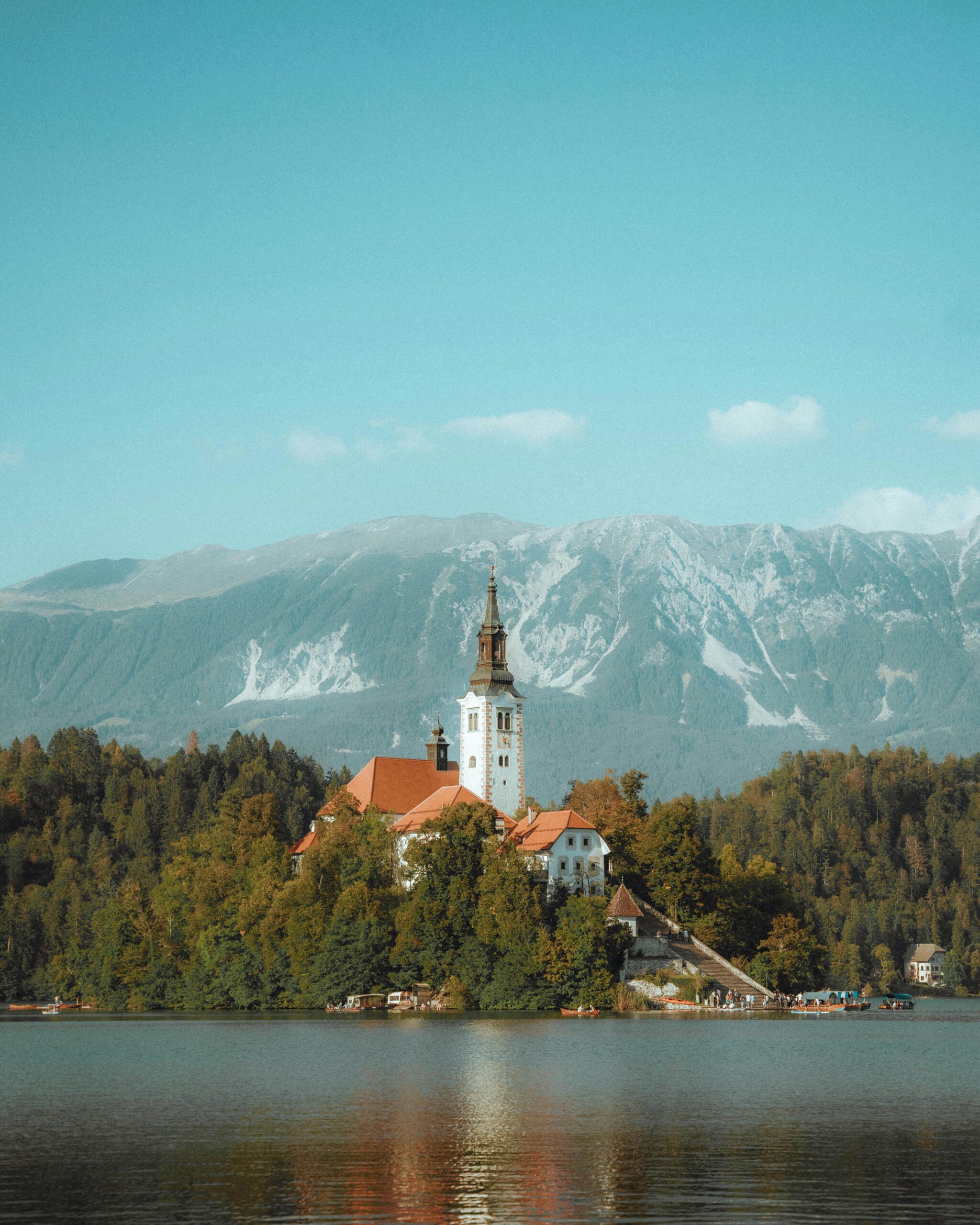
    Tourist Trap Avoidance: Avoid the “Bled Island” Pletna boat if you are on a tight schedule. The view of the island from the Ojstrica viewpoint is free and significantly more “Instagrammable.”

    Internal Link Suggestion: Discover more European gems in our guide to the [Best places to visit in Central Europe].

    Is 7 Days enough for Slovenia? Yes. Because Slovenia is compact, a 7-day itinerary allows you to cover the “Golden Triangle” (Ljubljana, Lake Bled, and the Coast) and the Soča Valley without rushing. It provides the highest ROI for your time by minimizing transit between major landmarks.

    How much does a 7-day trip to Slovenia cost? For an active couple using a car rental, expect to spend between €1,700 and €2,100 total. This includes a mid-range vehicle (€400), fuel/tolls (€100), boutique accommodation (€900), and dining/entry fees (€600).

    Conclusion This itinerary is designed for optimal time-to-value. By leveraging a car rental and a hub-and-spoke strategy, you save over 15 hours of waiting for public transit, effectively gaining two “extra” days of sightseeing. You aren’t just seeing Slovenia; you are experiencing it with surgical efficiency.

  • 12 Best Things to Do in Zurich: A Local’s Guide to Switzerland’s Cultural Capital

    12 Best Things to Do in Zurich: A Local’s Guide to Switzerland’s Cultural Capital

    Zurich is often unfairly dismissed as a mere layover for bankers or a transit point for the Alps. However, beneath its polished, precision-timed exterior lies a city where medieval history meets industrial-cool. The real challenge for travelers isn’t finding enough to do it’s navigating the high costs and optimizing a tight schedule.

    Whether you’re here for the snap of a lakeside bratwurst or the world-renowned art scene, this Zurich travel guide cuts through the noise. We’ve curated the best things to do in Zurich to ensure you experience more than just the Bahnhofstrasse storefronts. From hidden Roman ruins to panoramic mountain climbs reachable by train, these top attractions in Zurich balance the city’s sophisticated luxury with its surprisingly raw, creative edges.

    Grossmünster – Towering Views Over Medieval Old Town

    Grossmünster is the undisputed anchor of the city’s skyline. Once the starting point of the Swiss-German Reformation, this 12th-century cathedral today serves as a primary pillar for any Zurich travel guide. Inside, the atmosphere is a blend of austere medieval architecture and modern artistic flourishes, notably the glowing agate windows by Sigmar Polke. Most travelers flock here for the Karlsturm (Charles Tower); after a climb of 187 narrow stone steps, you are rewarded with a panoramic 360-degree view of the Limmat River and the distant Glarus Alps. It is a “must-visit” because it provides the essential geographical orientation of the city while anchoring you in its religious and political history.

    Practical Expert Tip: Visit on a weekday morning just after opening to climb the tower without the bottleneck of tour groups, and remember that the church interior remains free to enter.

    Lindt Home of Chocolate – A Modern Pilgrimage for Sweet Seekers

    The Lindt Home of Chocolate has rapidly become one of the top attractions in Zurich by offering a high-tech, sensory-heavy experience that justifies its massive search popularity. This isn’t just a shop; it’s a 65,000-square-foot facility featuring an interactive museum that traces chocolate from bean to bar. The vibe is sleek, futuristic, and unashamedly indulgent. You’ll find the world’s largest Lindt shop here, but the real draw is the “Chocolate Heaven” tasting room where you can sample unlimited Lindor varieties. It solves the “rainy day” problem for travelers, providing a world-class indoor activity that appeals to every demographic, from families to solo foodies looking for that quintessential Swiss souvenir.

    Practical Expert Tip: You must book your timed entry ticket at least 10–14 days in advance; if you show up without one, you will likely be turned away at the door.

    Lake Zurich (Zürisee) – The City’s Sparkling Alpine Heart

    Lake Zurich is where the city breathes. Following any practical visiting Zurich tips, you’ll find that the lake transforms the urban environment into a resort-like escape. In the summer, the “Badis” (lakeside swimming baths) are the center of social life, while winter brings a moody, cinematic mist over the water. The utility here lies in the public transport system; the lake is fully integrated into the ZVV network, making a scenic boat trip as easy as taking a bus. Whether you are strolling the flower-lined promenade at Seefeld or taking a long-distance ferry to the “Rose Town” of Rapperswil, the lake provides a sensory reset from the bustling Bahnhofstrasse.

    Practical Expert Tip: If you have a Zürich Card, the 90-minute “Short Lake Cruise” is entirely free and departs frequently from the Bürkliplatz pier.

    Lindenhof – A Historic Sanctuary Above the Altstadt

    Lindenhof is the city’s literal foundation, once housing a Roman fort and later a Carolingian palace. In the modern experience economy, it serves as the ultimate low-cost, high-reward viewpoint. It’s where the city’s pace slows down; you won’t find ticket barriers or gift shops here, only lime trees and historic stone walls. For those following a Zurich travel guide, this is the premier spot for photography without the crowds of the main thoroughfares. It offers a meditative break where you can watch the river traffic and the clock faces of the Old Town. Its cultural value is unmatched, providing a tangible link to Zurich’s prehistoric and medieval roots while functioning as a beloved public living room.

    Practical Expert Tip: Skip the steep main stairs and take the gentler, winding path through the Schipfe district Zurich’s oldest neighborhood to discover hidden artisan workshops before reaching the summit.

    Swiss National Museum – A Castle of Curated History

    Located directly behind the main station, the Landesmuseum is one of the top attractions in Zurich for those seeking to understand the “Swiss-ness” of Switzerland. It moves beyond dusty displays, using immersive technology to walk you through 1,000 years of history, from prehistoric artifacts to the evolution of Swiss banking. The vibe is sophisticated and intellectually stimulating, making it an essential “utility-first” stop for rainy days or for those who want context before heading into the Alps. It is a masterclass in how a museum can be both a monument to the past and a beacon of contemporary design, providing a high-value educational experience that justifies every franc of the entry fee.

    Practical Expert Tip: If you are visiting on a Thursday, the museum stays open until 7:00 PM, allowing you to explore the galleries in a much quieter, atmospheric setting after the daytime crowds have dispersed.

    Uetliberg Mountain – The Peak of the “Top of Zurich”

    Uetliberg provides the literal high point of any trip. Following these visiting Zurich tips, you can trade the urban pavement for mountain air in just 20 minutes via the S10 train. This peak offers a 360-degree spectacle that places the entire region into perspective. In the summer, it’s a hub for “slow travel” via the Planet Trail; in winter, the paths transform into thrilling sledding runs. It’s worth the time because it delivers that quintessential Swiss mountain experience without the logistical headache or cost of a full day trip to central Switzerland. The experience is one of liberation standing 871 meters above sea level, looking down at the miniature city below.

    Practical Expert Tip: For the ultimate local experience, hike the easy two-hour ridge path from Uetliberg to Felsenegg, then take the cable car down to Adliswil for a scenic train ride back to the city center.

    How to Spend 3 Perfect Days in Zurich: A Strategic Itinerary

    To experience Zurich without the burnout, strategy is key. This high-utility flow minimizes travel time and maximizes the city’s distinct neighborhoods.

    Day 1: The Historical Core (District 1): Focus on the walking distance treasures of the Altstadt. Start at the Swiss National Museum near the main station, then cross the river to climb the Grossmünster towers. End your afternoon with a peaceful sunset at Lindenhof, just a short stroll through the medieval winding lanes.

    Day 2: Chocolate and Cruises: Head south via the efficient public transport network (Tram 7) to the Lindt Home of Chocolate in Kilchberg. Return via a passenger ferry across Lake Zurich, disembarking at Bürkliplatz to enjoy the lakeside promenade and the sophisticated Seefeld vibe.

    Day 3: The Alpine Ascent: Take the S10 train from the central hub to Uetliberg Mountain. Spend your morning hiking the ridge paths for the “Top of Zurich” view before descending into the trendy, industrial-cool Zurich-West for a final evening of modern Swiss dining.

    Quick Travel Facts

    When is the best time to visit Zurich? Visit between June and September for lake swimming and outdoor festivals, or in December to experience the world-class Christmas markets and the Swarovski-decorated tree at the main station.

    What is the must-try local dish? You cannot leave without tasting Zürcher Geschnetzeltes thinly sliced veal in a creamy mushroom and white wine sauce, traditionally served with a crispy gold-brown Rösti (Swiss potato pancake).

    What is the best way to get around? Zurich is a global leader in public transport. Purchase a Zürich Card for 24 or 72 hours of unlimited travel on trams, buses, trains, and even lake boats, plus free or discounted entry to most museums.

    Explore the Heart of Switzerland

    While Zurich offers a masterclass in urban Swiss living, it is also the perfect gateway to the rest of the country. Just a short, scenic train ride away lie the jagged peaks of Lucerne or the turquoise waters of the Bernese Oberland.

    Zurich is more than a financial hub; it is a city of layers where 2,000 years of history meet cutting-edge innovation. Whether you are here for the world’s finest chocolate or the crisp mountain air, your Swiss story begins here. Secure your Zürich Card and book your Lindt entry today to ensure you don’t miss out on the city’s most coveted experiences.