
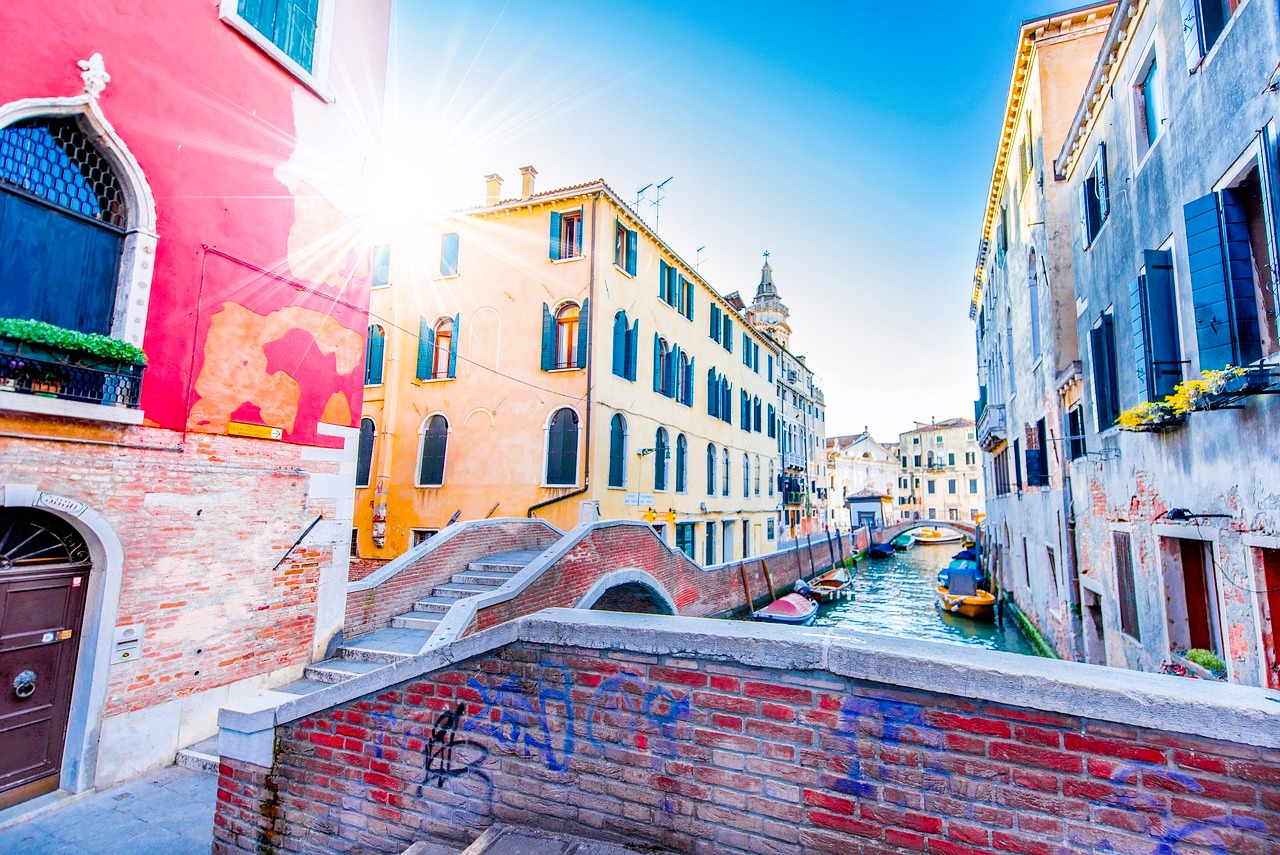
Most travelers treat Venice as a sprint, fighting through the mid day “Golden Triangle” of San Marco and Rialto alongside thousands of day trippers. This high pressure pacing leads to “Venice fatigue,” where the city feels more like a crowded museum than a living maritime republic. To truly see the city, you must invert the typical schedule. By staying overnight and prioritizing the periphery during peak hours, you allow the city’s silence to return. This guide identifies the best things to do in Venice by focusing on sites that reward observation over ticking boxes. We prioritize geographic logic and timing, ensuring your visit remains unhurried even during the height of the 2026 season.
Basilica di San Marco – The pinnacle of Byzantine mosaics and Venetian religious authority
St. Mark’s Basilica stands as the definitive monument to Venice’s historical identity as a bridge between the Byzantine East and the Latin West. Its golden mosaics, spanning eight centuries of craftsmanship, reflect a maritime republic that used architecture to project divine favor and staggering wealth. For the modern traveler, the challenge lies in experiencing this sacred space without the frantic pacing of the crowds that inevitably swell by midday. To find a moment of relative peace, consider entering through the Porta dei Fiori on the northern side which is reserved for those seeking prayer or attending Mass, offering a dignified alternative to the primary tourist queue. This allows you to observe the shifting light against the tesserae in a setting that feels less like a transit hub and more like the sanctuary it remains. Prioritizing the earliest 9:30 AM entry ensures you view the nave before groups arrive.
Palazzo Ducale (Doge’s Palace) – The architectural blueprint of the Republic’s political machinery
The Palazzo Ducale is a masterpiece of Venetian Gothic design and served for centuries as the absolute seat of power for the Republic. It is more than a residence; it is a complex administrative machine containing courtrooms, armories, and the infamous Piombi prisons where Casanova was once held. While the Sala del Maggior Consiglio is undeniably grand, the thoughtful traveler finds deeper value in the political mechanics of the city. To experience this without the standard friction, book the Secret Itineraries tour in advance, which grants access to the hidden offices and torture chambers otherwise restricted to the general public. Arriving precisely at the 9:00 AM opening allows you to navigate the Golden Staircase and the Doge’s private apartments before the primary surge of cruise ship excursions reaches the courtyard. This timing preserves the building’s imposing atmosphere, allowing the intricate wood carvings and Tintoretto canvases to speak clearly.
Gallerie dell’Accademia – The essential chronological record of Venetian Renaissance art
The Gallerie dell’Accademia houses the definitive collection of Venetian painting, offering a chronological evolution from the Byzantine era through the high drama of the Renaissance. Within these walls, masters like Bellini, Titian, and Veronese document the city’s transition from a rigid theological center to a sensory capital of art. For the modern observer, this museum provides a necessary intellectual anchor that offers context for the architecture seen elsewhere in the city. Unlike the crowded squares, the Accademia offers a contemplative environment, provided you avoid the late morning peak. A strategic visitor should plan for a late Monday morning or a Tuesday afternoon, as the museum closes at 2:00 PM on Mondays, often causing travelers to overlook that early window entirely. This scheduling allows for an unhurried study of Giorgione’s enigmatic Tempest, as the naturally lit rooms benefit from the softer, indirect light of the Venetian sky during these quieter hours.
San Giorgio Maggiore – The superior panoramic perspective of the Venetian skyline
For those seeking the definitive visual summary of Venice, the Palladian church of San Giorgio Maggiore offers an architectural clarity that the crowded main island often obscures. Situated on its own island directly across the basin, this site provides a deliberate detachment from the narrow calli of San Marco. The interior is a masterclass in Renaissance symmetry, housing late works by Tintoretto that benefit from the flooding natural light characteristic of the lagoon. While most tourists queue for hours at the Campanile di San Marco, the thoughtful traveler takes the Number 2 Vivaldi vaporetto from San Zaccaria for a brief three minute crossing to reach this quieter bell tower. The elevator to the top of the San Giorgio campanile offers an unobstructed 360 degree view of the Ducal Palace and the winding Grand Canal without the obstructive safety cages found elsewhere. This vantage point allows for a calm, strategic observation of the city’s maritime layout as the sun begins its afternoon descent.
Peggy Guggenheim Collection – A modern counterpoint to the city’s historicist weight
Housed in the unfinished Palazzo Venier dei Leoni, the Peggy Guggenheim Collection provides a vital aesthetic pivot from the Byzantine and Baroque influences that dominate the city. This museum represents one of the most important holdings of 20th century European and American art, featuring seminal works by Picasso, Dalí, and Magritte. The experience is uniquely intimate, as the art is displayed within Guggenheim’s former private residence, overlooking the Grand Canal from a low slung, modernist terrace. For the observer, the transition from ancient stone to Surrealism and Abstract Expressionism highlights the city’s enduring relevance as a global cultural hub. To maximize the experience, spend time in the Nasher Sculpture Garden at the rear of the property, which offers a rare pocket of shaded silence and greenery amidst the stone heavy Dorsoduro district. Arriving an hour before closing allows you to see the sculpture garden in the softest light, after the largest tour groups have departed for dinner.
The Jewish Ghetto (Cannaregio) – A profound exploration of the world’s first segregated enclave
The Cannaregio district contains the Ghetto Nuovo, a site of immense historical gravity that remains a functioning center of Jewish life today. Established in 1516, this area is characterized by its unusually tall tenement buildings, which were constructed vertically to accommodate a growing population within a confined urban footprint. Exploring this neighborhood offers a somber and necessary contrast to the opulence of the Rialto, grounding the traveler in the complex social history of the Venetian Republic. The area is best navigated by focusing on the small details, such as the stone slots where heavy gates once locked the inhabitants in at night. For a more profound connection, visit the Museo Ebraico and take the guided tour of the hidden synagogues, which are indistinguishable from the outside to maintain a low profile during periods of persecution. Afterward, walk toward the nearby Fondamenta della Misericordia for a quiet, canal side coffee away from the primary tourist thoroughfares, allowing the history of the Ghetto to resonate in the stillness.
A 3 Day Strategic Itinerary
To maximize your time without the exhaustion typical of Venetian tourism, organize your visit by sestiere to minimize redundant crossings of the Grand Canal. On your first day, focus on the San Marco district. Arrive at the Basilica di San Marco for the earliest entry, followed immediately by the Palazzo Ducale. In the afternoon, drift east into the residential alleys of Castello to observe local life away from the commercial noise. Your second day should center on the Dorsoduro district. Spend the morning at the Gallerie dell’Accademia and the afternoon at the Peggy Guggenheim Collection, connected by a brief walk along the Zattere promenade. Reserve your final day for the city’s bookends. Take the vaporetto across the basin to the island of San Giorgio Maggiore in the morning for the skyline view, then head north to the Cannaregio district to spend your final hours in the Jewish Ghetto. This geographical logic ensures an unhurried walking rhythm.
The Unhurried Mindset
The unspoken rule for enjoying Venice is to accept that your digital map will fail you. The city was built as a defensive labyrinth; its true character only emerges once you stop fighting the geography. To experience the city properly, you must embrace the productive detour. The most soulful moments are found in the transition between landmarks—the sudden opening of a quiet campo or the sound of water against a darkened foundation. If you find yourself in a crowd, turn into the narrowest alley available. Usually, within two turns, the silence of the lagoon returns, and the city becomes yours again.
Strategic Transitions
While Venice is a self contained world, it serves as the logical gateway to the broader Veneto region and the northern Italian landscape. For those with additional time, the high speed rail connections from Santa Lucia station provide immediate access to the Roman arena of Verona or the jagged peaks of the Dolomites.
Mastering the city of canals requires a shift in perspective that values the quality of the observation over the quantity of the itinerary. Your visit to the lagoon should leave you with a sense of clarity, not a collection of blurred photographs.
Leave a Reply