
Many travelers treat Bordeaux as a frantic checklist, rushing between tasting rooms and the Rue Sainte Catherine crowds only to miss the city’s architectural and historical depth. This high velocity approach often leads to “monument fatigue,” where the grandeur of 18th century limestone begins to blur. This guide fixes that by adopting an unhurried, strategic approach. Instead of covering every square, we prioritize the best things to do in Bordeaux by selecting sites that offer maximum historical density and spatial clarity. By timing your visits to avoid the peak tram line surges and focusing on the city’s “golden circle,” you can experience the UNESCO listed core without the typical friction of a standard tourist itinerary.
La Cité du Vin – The Evolution of Oenological Culture
This metallic monolith serves as a bold architectural counterpoint to Bordeaux’s neoclassical skyline, symbolizing the city’s transition into a modern global wine capital. While most visitors approach wine through traditional cellar tours, this site offers a sensory immersion into the global history of viticulture. A strategic traveler should prioritize the permanent exhibition’s interactive modules, which bypass dry data in favor of atmospheric storytelling. The structure itself mimics the swirl of wine in a glass, grounding the experience in the physical relationship between the vine and the river. To maximize the value of your ticket, head directly to the eighth floor Belvedere for your included tasting during the late afternoon; the panoramic views of the Garonne and the Pont Jacques Chaban Delmas are best captured when the sun hits the limestone buildings of the Chartrons district at a low angle.
Place de la Bourse & Le Miroir d’Eau – Symmetry and Urban Reflection
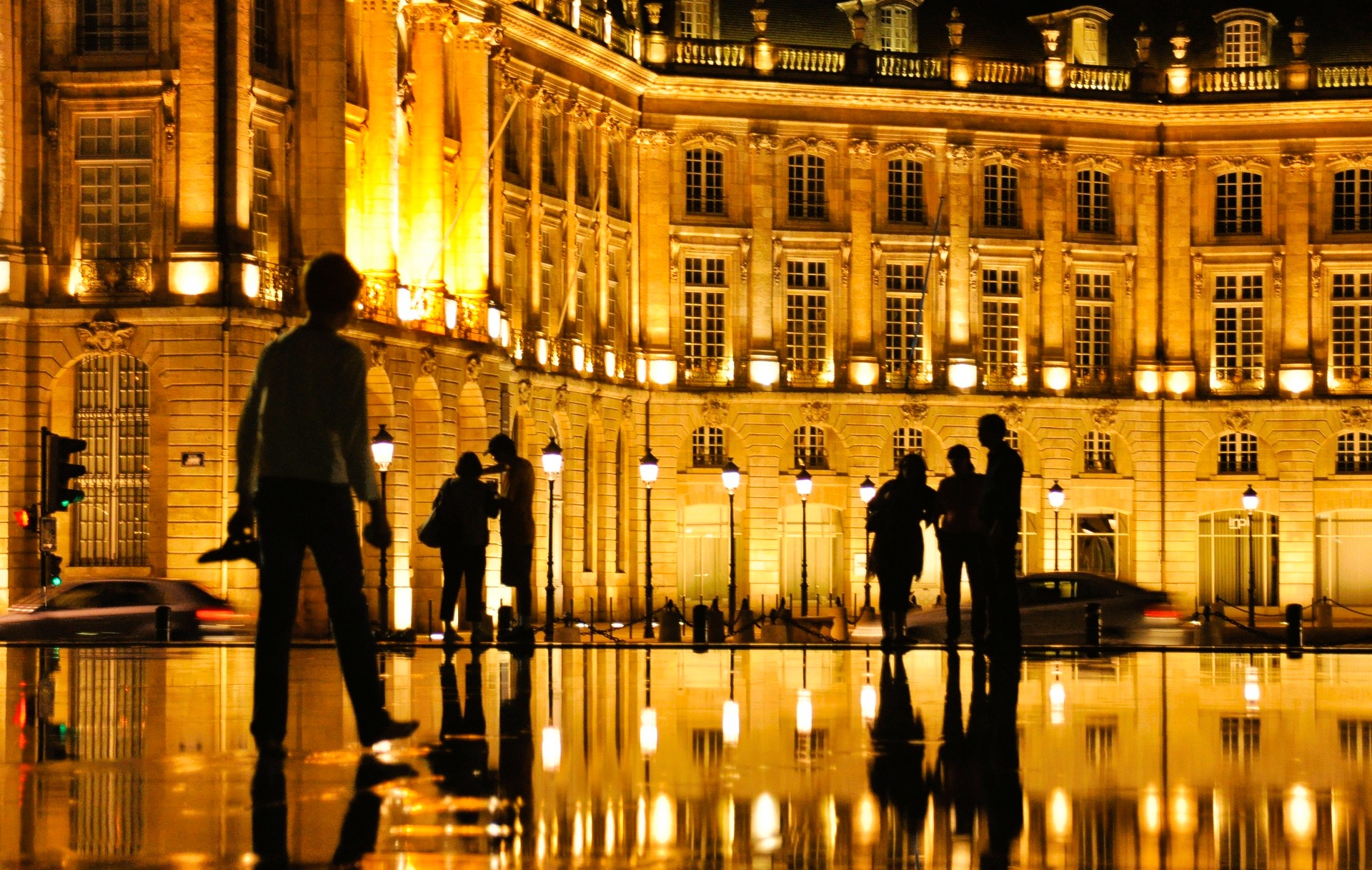
Commissioned by Intendant Boucher in the 18th century, this horseshoe shaped complex represents the moment Bordeaux broke free from its medieval walls to embrace the Enlightenment. The Place de la Bourse is a masterclass in French classical architecture, designed to reflect the power of the monarchy and the prosperity of the colonial port. Today, the Mirror of Water adds a layer of modern utility, creating a shifting visual dialogue between the heavy stone facades and their ephemeral liquid twins. For the thoughtful observer, this space is less about the photograph and more about the intersection of civic pride and public leisure. Avoid the heavy mid afternoon crowds by arriving just before dusk, when the fog effects are most atmospheric and the surrounding restaurants of the Saint Pierre district haven’t yet reached their peak occupancy for dinner service.
Cathédrale Saint André & Tour Pey Berland Gothic Verticality and Independence
Standing as the spiritual anchor of the city, the Cathedral of Saint André is where the history of Aquitaine and the French crown frequently collided, most notably during the royal wedding of Eleanor of Aquitaine. Its unique layout, featuring a separate bell tower, was a structural necessity dictated by the marshy ground of the river basin. The Pey Berland tower offers a physical challenge that rewards the strategic traveler with the most comprehensive perspective of the city’s UNESCO protected urban fabric. While the cathedral interior provides a cool, silent refuge from the bustle of the nearby shopping districts, the climb up the narrow staircase of the tower requires timing. Book your specific entry slot for the tower early in the morning to navigate the 231 steps before the heat and the narrow corridors become congested with the midday tour groups.
Grand Théâtre de Bordeaux – Neoclassical Mastery and Performance Heritage
Designed by architect Victor Louis, this structure served as the aesthetic prototype for the Opéra Garnier in Paris, representing the pinnacle of 18th century Enlightenment architecture. Its twelve Corinthian columns, topped by statues of the muses and goddesses, establish a visual rhythm that defines the Place de la Comédie. For the strategic traveler, the interior is where the true value lies, offering a masterclass in acoustics and visual harmony through its blue and gold auditorium. To appreciate the scale without the constraints of a formal tour, consider booking a matinee performance; this allows you to experience the space as it was intended—through the movement of an audience rather than a static exhibit. Look closely at the ceiling fresco by Jean Baptiste Claude Robin, which was meticulously restored to its original brilliance, and notice the subtle inclusion of the city’s coat of arms within the celestial imagery.
Porte Cailhau – Medieval Fortification and Urban Gateway
Standing as a triumphant arch dedicated to Charles VIII’s victory at Fornovo, this limestone gate remains one of the few physical remnants of the city’s defensive past. Its transition from a defensive bastion to a ceremonial entrance marks the evolution of Bordeaux from a fortified medieval stronghold to an open, prosperous port city. The gate’s conical roofs and ornate carvings provide a sharp contrast to the surrounding neoclassical facades, offering a vertical perspective on the historical layers of the Saint Pierre district. Climbing to the upper floor provides a unique vantage point over the oldest bridge in the city, the Pont de Pierre. To avoid the congestion of the main thoroughfares, approach the gate from the narrow side streets of the old town rather than the riverfront, as this reveals the architectural detail more gradually and places the monument in its proper historical context.
Les Bassins des Lumières – Digital Immersion in a Submarine Base
This former World War II U boat base has been transformed into the world’s largest digital art center, repurposing four massive submarine basins into a canvas for light and sound. The experience is defined by the stark juxtaposition between the brutalist concrete architecture and the fluid, vibrant projections reflecting off the water’s surface. It offers a rare opportunity to see how industrial history can be reclaimed for contemporary cultural utility without erasing its somber origins. The scale of the projections creates a meditative environment that contrasts sharply with the traditional museum experience found elsewhere in the city. To ensure a seamless visit, take the tram line B toward Berges de la Garonne and get off at the Cité du Vin stop, then enjoy the ten minute walk through the revitalized wet docks area to witness the ongoing urban transformation of the Bassins à Flot.
A 3 Day Strategic Itinerary
To maximize the geographical logic of your visit, group the landmarks by their proximity to the Garonne River and the historic center. Spend your first day in the Chartrons and Bassins à Flot districts, starting with the digital immersion of Les Bassins des Lumières before walking south to La Cité du Vin. This keeps your morning industrial and your afternoon focused on oenological history. Dedicate the second day to the neoclassical core of the Saint Pierre and Quinconces neighborhoods. Begin at the Grand Théâtre de Bordeaux and move toward the Place de la Bourse to witness the Mirror of Water as the light shifts. On your final day, head toward the medieval Saint Eloi quarter. Start at the Porte Cailhau and walk toward the Cathédrale Saint André and the Tour Pey Berland. This route follows the city’s natural walking rhythm, allowing for long lunches in shaded squares without backtracking across the tram lines.
The Unhurried Mindset
The unspoken rule of Bordeaux is that the city belongs to those who understand the value of the pause. While the architecture is grand and imposing, the culture is surprisingly intimate, rooted in the concept of the long, stationary afternoon. To truly align with the local vibe, abandon the urge to see every monument in a single loop. Instead, adopt the soulful practice of choosing one limestone terrace in the Saint Michel or Chartrons district and remaining there for two hours with a single glass of Clairet. Observe how the honey colored stone changes as the Atlantic light softens, and you will find that the city reveals its character not in its landmarks, but in its stillness.
Bordeaux serves as the sophisticated gateway to the broader Atlantic coast and the rolling viticultural landscapes of Southwest France. Whether you choose to follow the river further into the medieval villages of Saint Émilion or head west toward the shifting sands of the Bassin d’Arcachon, the region offers a depth of history that rewards the patient traveler.
Move beyond the map and let the rhythm of the river guide your discovery.
Leave a Reply